If you really want to understand Pennsylvania, start with the foods people defend at church dinners, diner counters, fire hall fundraisers, and hometown festivals. Across the state, local pride is served on sturdy plates and bakery boxes, shaped by Pennsylvania Dutch kitchens, immigrant traditions, steel-town appetites, and generations of family recipes that never needed fancy updates to stay beloved.
These favorites are more than comfort food – they are edible landmarks, the kinds of dishes that instantly tell you where you are, who settled there, and what neighbors still bring to the table when the weather turns cold or a community gathers to celebrate. From savory classics to sweet staples, these 12 small-town Pennsylvania standouts show how deeply food and identity are tied together here, and why one bite can feel like a whole story about the Commonwealth.
1. Pierogies
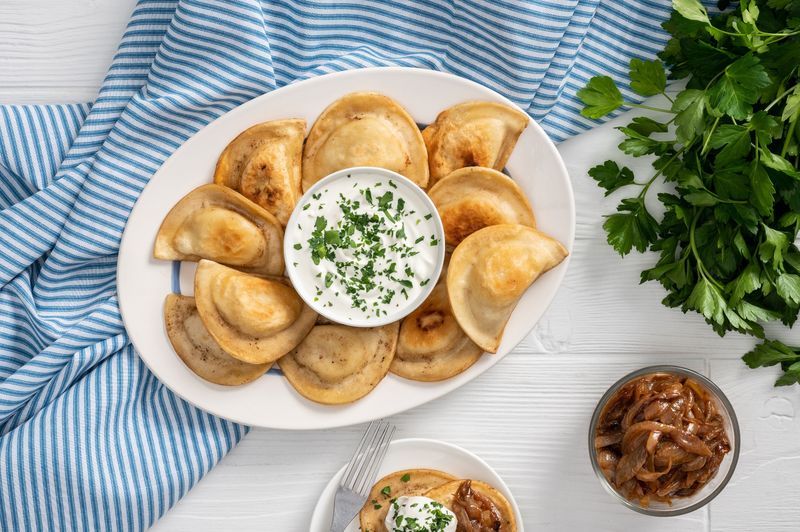
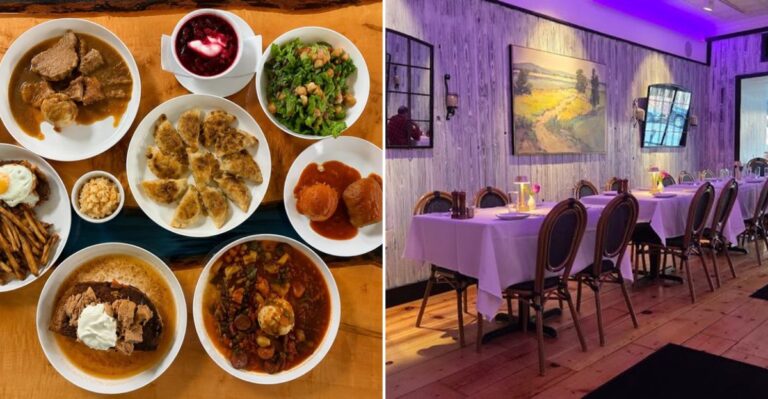
You can spot local devotion fast when a plate of soft dumplings arrives covered in butter, onions, and maybe a little sour cream on the side.
In many Pennsylvania communities, pierogies are not just dinner – they are fundraiser food, festival food, and the kind of comfort meal that quietly says somebody cared enough to make you full.
That feeling runs especially deep in towns shaped by Eastern European roots, where recipes stayed close to home and never lost their place.
Across the state, especially in western and northeastern Pennsylvania, these pockets of dough carry generations of memory.
Potato and cheese fillings are the classic favorite, but you will also find sauerkraut, farmer cheese, and seasonal twists depending on the church kitchen or local event.
A good batch feels simple at first bite, yet that simplicity is exactly why people get so passionate about which version is best.
Some locals want them boiled and tender, while others insist a skillet finish is what makes them worth ordering.
The browned edges, sweet onions, and buttery coating turn a humble dumpling into something craveable enough to inspire long lines at parish festivals.
In Pennsylvania, those preferences are part of the fun, because every town seems convinced it does them the right way.
What makes pierogies such a point of pride is how naturally they fit the state’s character.
They are practical, filling, affordable, and deeply connected to working families who built communities around mills, mines, and churches.
When you eat them here, you are tasting a food that stayed relevant because it still delivers exactly what people want – warmth, tradition, and a reason to gather around the table.
2. Philly Cheesesteak
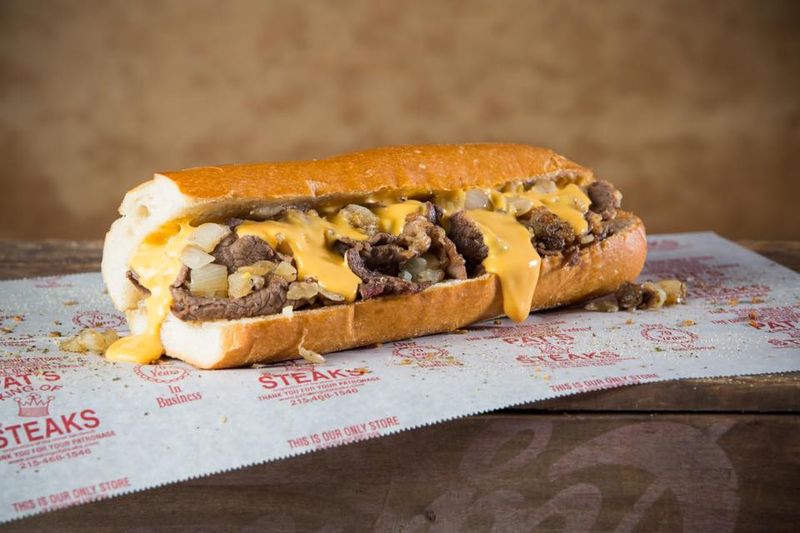
Few foods inspire stronger opinions in Pennsylvania than a hot sandwich stuffed with chopped beef, melted cheese, and just the right roll.
Even outside Philadelphia, the cheesesteak carries statewide pride because it represents a direct, satisfying kind of eating that Pennsylvanians understand immediately.
It is messy, filling, and built for people who care more about flavor and loyalty than polished presentation.
In small towns across the Commonwealth, local shops put their own stamp on the classic while still honoring the city that made it famous.
Some use provolone, some prefer American, and some swear by cheese sauce, but the real debate usually circles back to bread and balance.
A proper roll has to hold up without fighting the filling, and every serious cheesesteak fan in Pennsylvania has a favorite spot that they recommend like insider knowledge.
The sandwich became iconic because it reflects so much about the state’s food culture.
It is working-class at heart, quick to serve, endlessly discussable, and comforting in a way that never feels complicated.
Whether it comes from a corner grill, a family pizza shop, or a roadside takeout stand, it carries the kind of straightforward satisfaction that keeps people fiercely loyal.
Part of the pride comes from how recognizable it is beyond state lines, yet still feels most authentic here.
Pennsylvanians do not just eat cheesesteaks – they compare them, defend them, and judge newcomers by how they order one.
That local confidence is exactly why the sandwich belongs on any list of beloved Pennsylvania favorites, because it is not just famous food, it is identity wrapped in paper and served hot.
3. Halupki
You know a dish matters when it keeps showing up at family gatherings, holiday tables, and church suppers long after easier recipes could have replaced it.
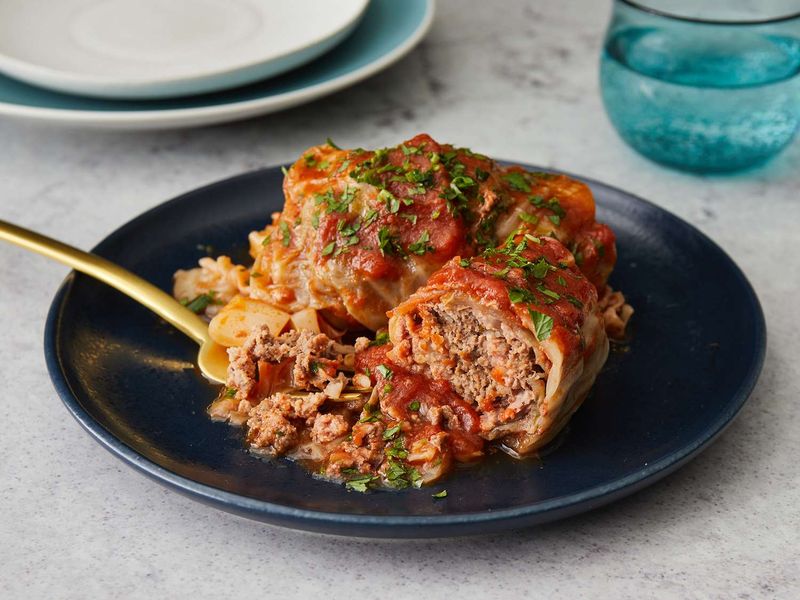
Halupki, those tender cabbage rolls packed with meat and rice, hold that kind of staying power in many Pennsylvania towns.
They feel generous, old-fashioned, and deeply rooted in the immigrant traditions that helped shape entire communities.
Throughout coal region towns and other places with strong Eastern European influence, halupki remain a marker of heritage as much as a meal.
The cabbage is softened, the filling is seasoned just enough, and the whole pan bakes slowly in a tomato-based sauce that turns everything rich and comforting.
When done well, each roll tastes like patience, because nobody makes proper halupki in a hurry.
That sense of labor is part of why people treasure them so much.
Recipes are often handed down with tiny family adjustments – more pepper, sweeter sauce, different meat, tighter rolls – and those details become points of pride.
In Pennsylvania, food memories are often built from dishes that took effort, and halupki fit that tradition perfectly.
They also speak to the state’s practical side, stretching modest ingredients into something hearty enough to feed a crowd.
One pan can anchor a dinner, a fundraiser, or a holiday buffet, which makes the dish as useful as it is beloved.
If you want to understand local pride in Pennsylvania, halupki tell the story clearly: families kept them alive because they still mean home, history, and the comfort of being fed by a tradition that refuses to disappear.
4. Ham Loaf
It might not sound flashy at first, but that is exactly the point.
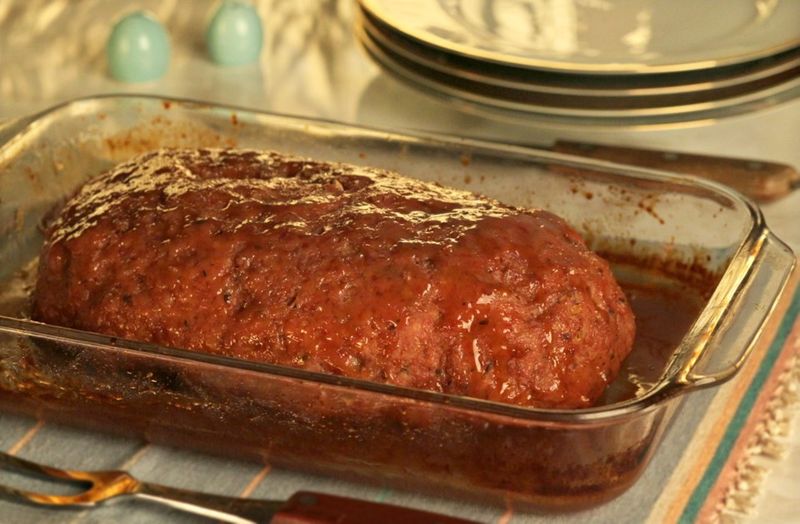
Ham loaf is one of those Pennsylvania classics that wins people over through familiarity, comfort, and a sweet-tangy glaze that makes every slice feel more memorable than it has any right to be.
In small towns, it shows up as the kind of dependable favorite that proves local food pride is not always about hype – sometimes it is about what people genuinely keep ordering.
Deeply associated with Pennsylvania Dutch cooking, this dish usually blends ground ham and pork into a baked loaf, then tops it with a glaze that leans sweet, tart, or both.
The texture is softer than meatloaf, the flavor is distinctly savory, and the topping gives it a signature finish that many locals instantly recognize.
Served with mashed potatoes, green beans, or another classic side, it feels like Sunday dinner in the most comforting sense.
Part of its staying power comes from how well it reflects regional habits.
Pennsylvania cooking often values thrift, practicality, and feeding people well without unnecessary fuss, and ham loaf delivers all three.
It turns preserved meat traditions into a warm family meal, connecting rural kitchens, diners, and community restaurants across generations.
For outsiders, ham loaf can seem unusually specific to the state, which only makes Pennsylvanians more protective of it.
The dish carries a local confidence that says not every beloved meal needs to be nationally famous to matter.
In towns where menus still honor regional roots, ordering ham loaf feels like choosing something authentic, a plate tied to Pennsylvania history and to the quiet pride people take in foods that stayed loyal to home instead of chasing trends.
5. Scrapple
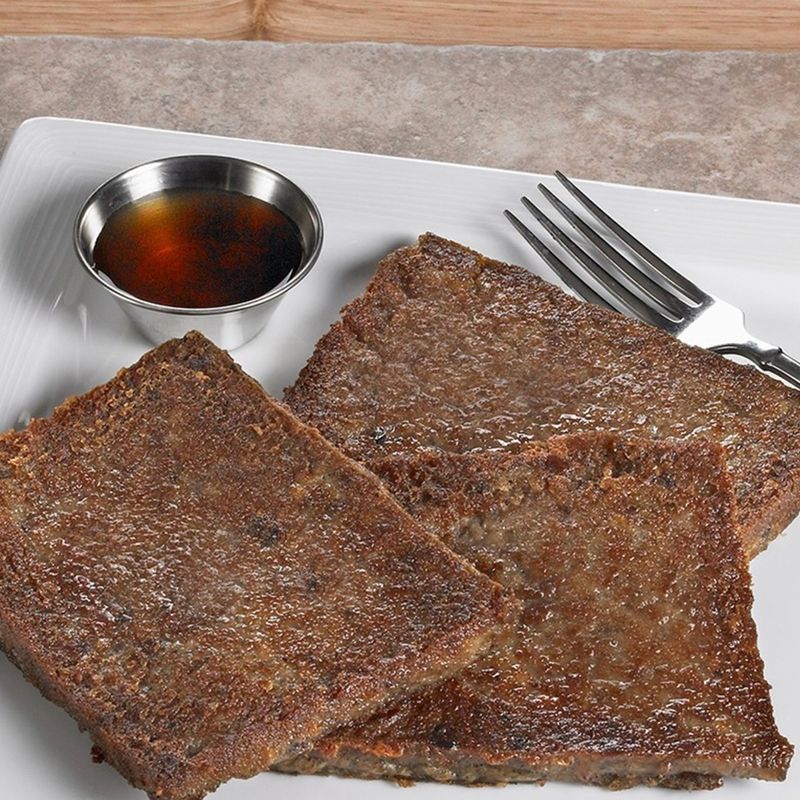
You can tell a true Pennsylvania breakfast conversation is underway when scrapple enters the debate.
Few foods divide a table so quickly, yet that tension is part of its local charm, because the people who love it tend to love it with real conviction.
In small towns across the state, especially where Pennsylvania Dutch influence runs strong, scrapple remains a badge of regional identity served hot beside eggs and toast.
Made from pork scraps and cornmeal, formed into a loaf and sliced before frying, scrapple comes from a tradition that respected thrift and wasted little.
That practical origin still matters in Pennsylvania, where many cherished dishes began as smart ways to feed families well.
What transforms it from historical curiosity into beloved comfort food is the contrast: crisp, browned exterior and soft, savory interior that absorbs syrup, ketchup, or nothing at all, depending on who is sitting across from you.
Local pride around scrapple is partly about survival.
Plenty of old-fashioned foods faded as tastes changed, but this one held on in diners, butcher shops, and family kitchens because enough people refused to let it disappear.
In Pennsylvania, that persistence earns respect, especially when the flavor instantly reminds someone of grandparents, weekend breakfasts, or road trips through farm country.
It also represents a kind of culinary honesty that fits the state well.
Scrapple does not pretend to be elegant, and nobody orders it expecting trendy reinvention.
You eat it because it belongs here, because it tells a story about resourcefulness, and because in a place that values tradition, a breakfast side with this much history can still make locals feel proudly at home with every crisp, savory bite.
6. Pork & Sauerkraut
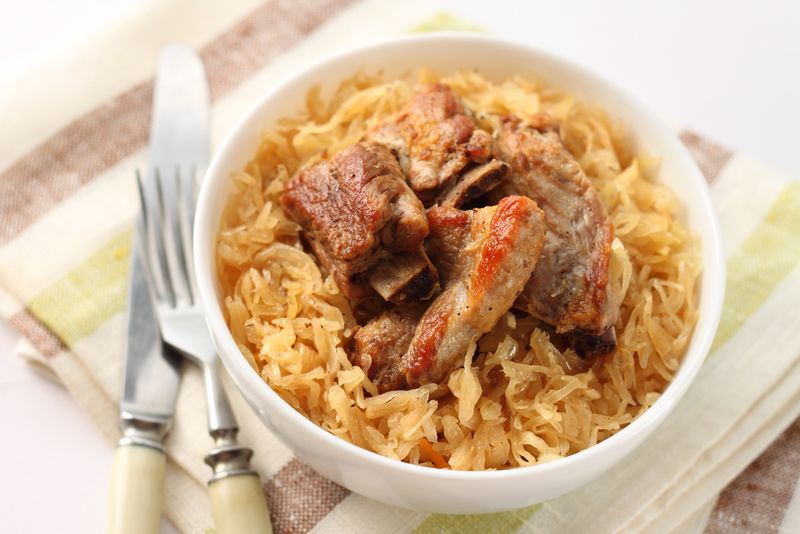
Nothing says Pennsylvania New Year tradition quite like a plate of tender pork and tangy sauerkraut.
In many small towns, this meal is more than seasonal comfort food – it is a ritual tied to luck, heritage, and the belief that starting the year with the right dish sets the tone for everything that follows.
Even outside the holiday, its popularity speaks to how deeply Pennsylvania values food with roots and meaning.
The pairing reflects strong Pennsylvania Dutch influence, where preserved cabbage and pork came together in practical, flavorful ways.
Slow-cooked until the meat is rich and the sauerkraut turns mellow, the dish delivers the kind of savory sharpness that feels perfect in cold weather.
Add mashed potatoes or dumplings, and it becomes a full expression of the hearty, no-nonsense meals that define so much of the state’s food culture.
What makes locals so proud of it is the way tradition lives through repetition.
Families make it every year, diners feature it as a special, and community meals keep it visible even for younger generations.
That continuity matters in Pennsylvania, where a favorite dish often earns its reputation not through novelty but through its dependable return to the table.
It also captures the state’s affection for foods that balance thrift, preservation, and comfort.
Sauerkraut brings brightness, pork brings richness, and together they feel unmistakably regional in a way outsiders remember.
When Pennsylvanians talk about hometown flavors, pork and sauerkraut often enters the conversation because it is not just something people eat – it is something they associate with family calendars, winter kitchens, and the kind of local pride that tastes even stronger when tradition is served steaming hot.
7. Tomato Pie
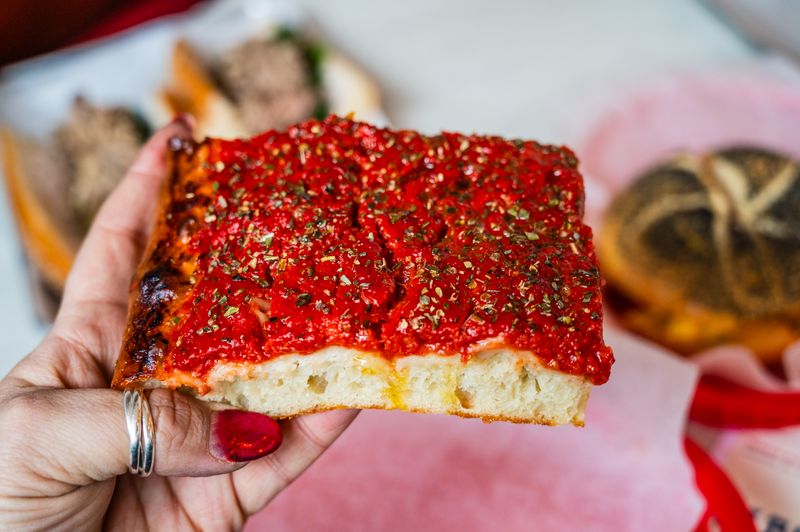
At first glance, you might mistake it for pizza, but in Pennsylvania, tomato pie has its own loyal following and its own set of expectations.
This square, often a room-temperature bakery staple, wins people over with thick crust, rich tomato sauce, and a simplicity that feels completely confident.
In many small towns, it is the kind of food that appears at parties, graduations, work lunches, and family gatherings without ever needing a special occasion.
Eastern Pennsylvania is especially devoted to it, with bakery cases and local shops treating tomato pie as something both everyday and celebratory.
The sauce usually takes center stage, spread generously over chewy or airy dough, sometimes with a light sprinkle of cheese and sometimes with none at all.
That restraint is part of the appeal, because the flavor depends on balance rather than overload.
What makes it such a point of local pride is that people here understand it on its own terms.
It is not trying to compete with a hot slice from a pizzeria, and locals do not want it to.
They appreciate its convenience, portability, and the way it tastes just as right hours after it is baked, which makes it ideal for the community-centered events that define small-town life.
Tomato pie also shows how Pennsylvania food culture values regional distinctions that outsiders might overlook.
A tray from a beloved local bakery can carry as much hometown loyalty as any famous sandwich or holiday dish.
When you bring it to a gathering in Pennsylvania, you are not just bringing bread and sauce – you are bringing a familiar favorite that signals you understand the place, the people, and the quiet pride behind a truly local classic.
8. Chicken Pot Pie
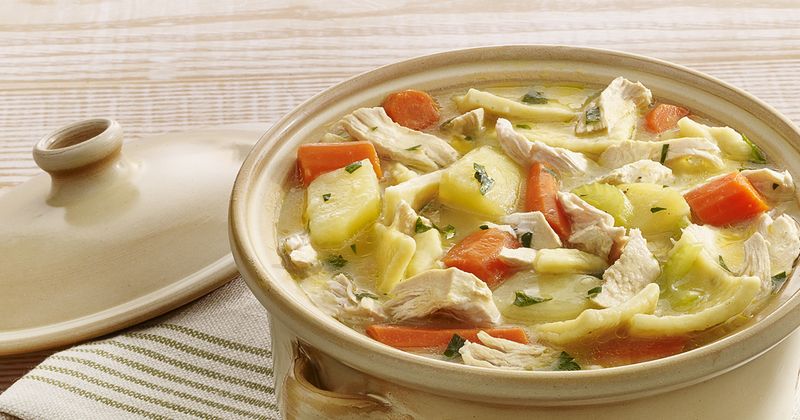
If you expect a flaky crust under that name, Pennsylvania is ready to surprise you.
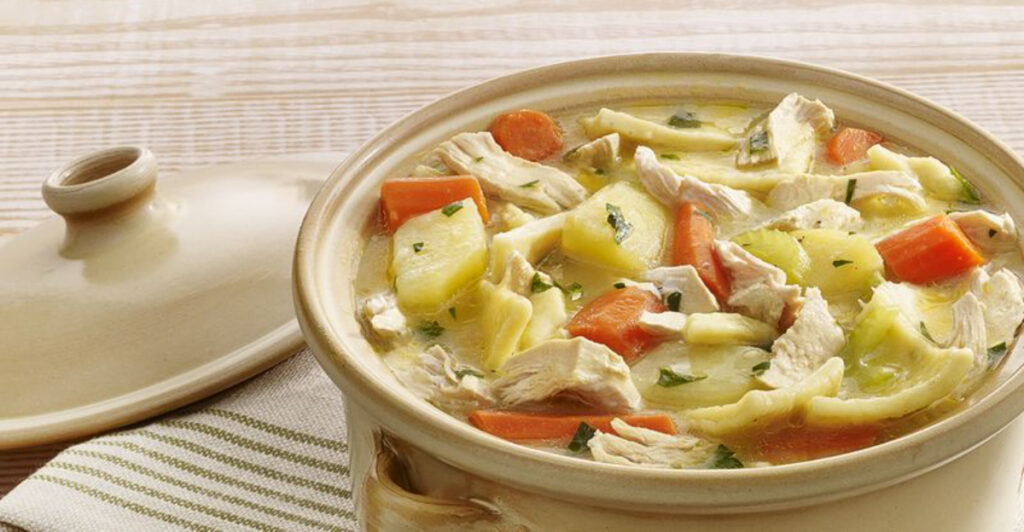
In many parts of the state, especially where Pennsylvania Dutch traditions remain strong, chicken pot pie means a rich stew filled with chicken, vegetables, and broad square noodles rather than a baked pie.
That distinction is a source of pride, because locals know this version tells a more specific story about the region than the national standard ever could.
The dish is pure comfort, built for cold days, crowded kitchens, and family tables where everybody wants something hearty.
Tender chicken, savory broth, potatoes, and homemade dough squares come together in a bowl that feels substantial without being fussy.
When made well, it tastes like care and patience, the kind of meal that seems designed to slow you down and make you appreciate where it came from.
Its reputation in Pennsylvania comes from longevity as much as flavor.
Church suppers, farm restaurants, and hometown diners have kept this tradition visible, letting one generation introduce the next to what chicken pot pie means here.
Because the state has such strong ties to inherited recipes, even small details like noodle thickness or broth consistency can become fiercely defended local preferences.
That is exactly why the dish inspires such affection.
It reflects a practical, nourishing approach to cooking that values fullness, thrift, and homemade texture over flashy presentation.
In small-town Pennsylvania, a steaming bowl of chicken pot pie is not just another comfort meal – it is proof that regional identity still lives in everyday food, especially when a recipe remains rooted in the people who never stopped making it their own.
9. Shoofly Pie
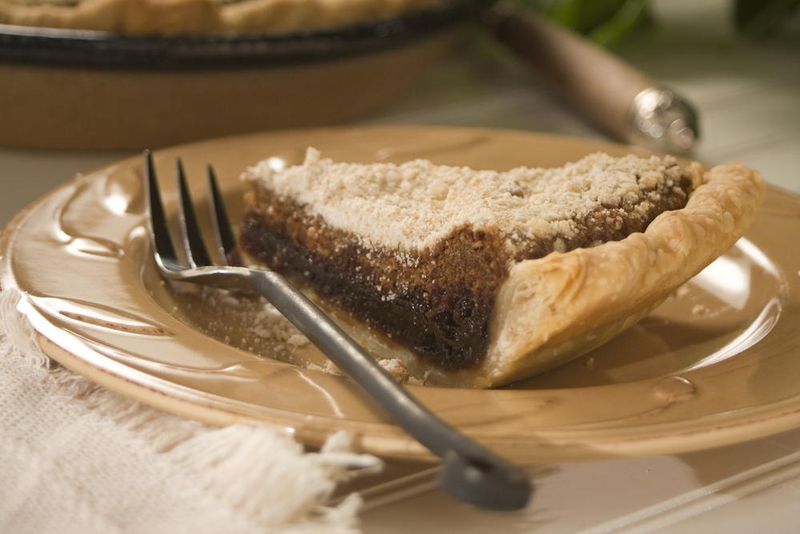
Sweet, sticky, and unmistakably tied to Pennsylvania Dutch country, shoofly pie is one of those desserts that feels like local history baked into a crust.
For many Pennsylvanians, especially in the central and southeastern parts of the state, it represents a flavor profile outsiders do not always expect but locals proudly claim.
Molasses gives it depth, the crumb topping adds texture, and the whole thing carries a homespun identity that never needed refinement to stay beloved.
Versions vary, with some people preferring wet-bottom shoofly pie for its gooey layer and others leaning toward a drier, cakier style.
That difference alone can start a serious conversation in Pennsylvania, because dessert loyalties here are personal and often inherited.
In small towns, the best slice may come from a family bakery, a farmers market stand, or a recipe card that has been used so long the corners have softened.
What makes shoofly pie such a pride point is how strongly it evokes place.
It speaks to farm kitchens, plainspoken baking traditions, and the resourceful use of pantry staples that defined older rural cooking.
At the same time, its flavor is distinctive enough that one bite immediately separates it from more generic American pies.
Pennsylvanians value foods that connect daily life with heritage, and shoofly pie does exactly that.
It can be dessert, a sweet breakfast bite, or a treat with coffee, which only adds to its regional charm.
When someone serves it in Pennsylvania, they are offering more than sugar and crust – they are sharing a piece of the Commonwealth’s cultural memory, one that still inspires fierce affection in the towns where local baking traditions remain a source of real pride.
10. Whoopie Pie

Sometimes the foods people love most are the ones that feel a little playful, and whoopie pies absolutely fit that category.
Soft chocolate cake rounds sandwiching a creamy filling may look simple, but in Pennsylvania they carry serious sentimental weight.
Found in bakeries, farm stands, and community sales across the state, they are the kind of treat that makes people light up with recognition before the first bite even happens.
Pennsylvania has long embraced whoopie pies as part of its broader Pennsylvania Dutch and rural baking culture.
The classic chocolate version remains the favorite, though pumpkin, red velvet, and seasonal spins appear often enough to keep bakery cases interesting.
Still, for many locals, the ideal one balances moist cake, sweet filling, and a homemade look that feels more trustworthy than anything overly polished.
Part of the appeal is portability.
Unlike layer cakes or fragile pastries, whoopie pies are easy to pack for school events, bake sales, road trips, and family gatherings, which helps explain why they became such a dependable small-town staple.
In Pennsylvania, foods that travel well and feed happiness into a crowd tend to stick around, especially when they are tied to nostalgia.
That nostalgia is where local pride really deepens.
A good whoopie pie reminds people of lunchboxes, church kitchens, grandparents, and roadside stops where a bakery box never made it home unopened.
It may be sweet and humble, but that is exactly why it matters: it feels accessible, familiar, and truly rooted in everyday Pennsylvania life.
When a state keeps celebrating a dessert this enthusiastically, you know it has become more than a snack – it has become part of the local identity.
11. Brown Butter Noodles
Not every beloved Pennsylvania favorite arrives with a dramatic backstory or a flashy appearance.
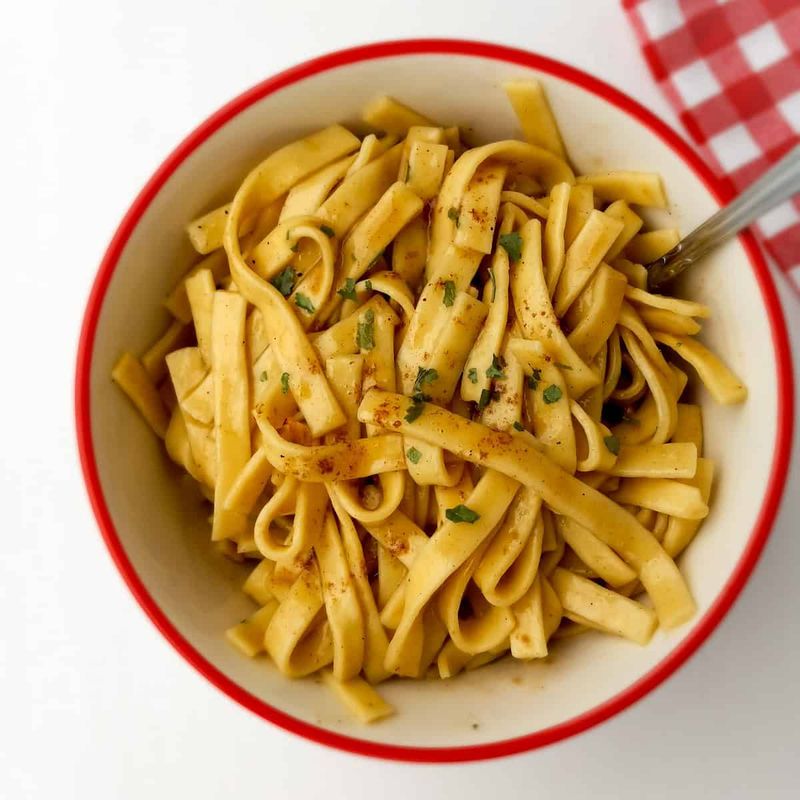
Brown butter noodles earn local affection through pure comfort, proving that a few humble ingredients can still hold a place of honor on small-town tables.
Rich egg noodles coated in nutty browned butter speak directly to the state’s practical cooking traditions, where simple food often matters most because it shows up so reliably in everyday life.
Across Pennsylvania, especially in areas shaped by Pennsylvania Dutch influence, noodles have long been part of the comfort-food landscape.
Browning the butter adds depth and warmth, turning a basic side into something fragrant, savory, and unexpectedly memorable.
Whether they appear beside roast meats, chicken dishes, or on their own as a cozy plateful, the appeal comes from their gentle richness and familiar texture.
What makes this dish a quiet source of pride is that it reflects how people here cook when they are feeding family rather than chasing attention.
There is an honesty to brown butter noodles that feels completely in step with the Commonwealth’s food culture.
You are tasting thrift, tradition, and the idea that satisfaction does not require complication.
In small towns, these noodles often carry personal associations stronger than restaurant fame.
They might remind someone of a grandmother’s kitchen, a holiday spread, or a Sunday meal where the simplest dish disappeared first.
That emotional pull matters in Pennsylvania, where local favorites are often defined by memory as much as by statewide recognition.
Brown butter noodles may not shout for attention, but their lasting place on Pennsylvania tables says everything about why people here remain proud of foods that deliver warmth, familiarity, and a sense of home with every buttery forkful.
12. Pittsburgh Salad
You can learn a lot about western Pennsylvania from a salad that proudly ignores restraint.
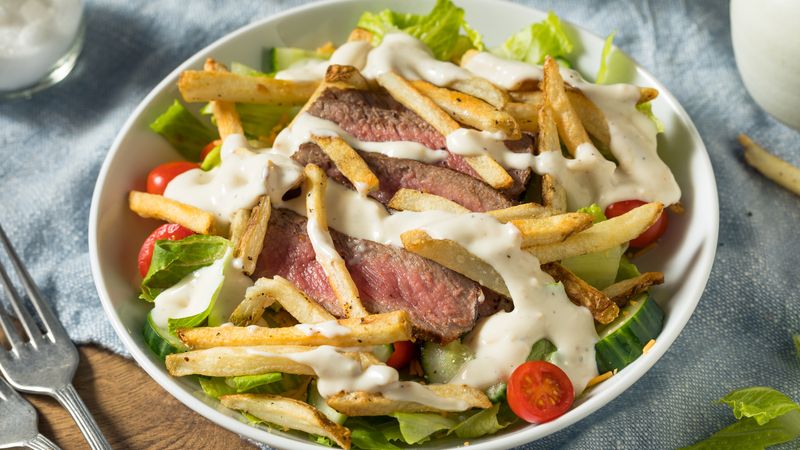
Pittsburgh salad, famously topped with hot French fries and often grilled steak or chicken, turns the idea of a light meal into something far more satisfying.
Even beyond the city itself, it reflects a broader Pennsylvania attitude that comfort and abundance belong at the table, and that local foods do not need outside approval to make perfect sense here.
The formula is straightforward: greens, vegetables, cheese, protein, and a pile of fries that blur the line between salad and a full dinner.
That combination may seem excessive to some, but in Pennsylvania it reads as practical and honest, especially in towns shaped by blue-collar appetites and no-nonsense dining habits.
A dish like this does not apologize for wanting to be hearty.
Its popularity comes from more than novelty.
Those fries add texture, warmth, and a sense of indulgence that transforms an ordinary salad into a regional signature people actually crave.
In the Commonwealth, especially in the west, food pride often comes from local habits that developed naturally in neighborhood restaurants and stayed popular because they genuinely tasted good.
Pittsburgh salad also captures the state’s sense of humor about food.
It knows what it is, and locals love it for that confidence.
When you order one in Pennsylvania, you are getting a meal that feels tied to the region’s personality – generous, unfussy, and slightly rebellious in the best way.
That is why it belongs among beloved small-town favorites: it shows how local pride can live in a dish that bends the rules, fills you up, and still feels completely authentic to the place that made it famous.
Share this story