Texas has a reputation for wide-open plains, cowboy culture, and endless stretches of desert. But tucked into corners of the Lone Star State are spots that feel like they belong somewhere else entirely. From misty cypress swamps to towering canyons and white sand dunes, these destinations will surprise anyone who thinks they know what Texas looks like.
1. Caddo Lake State Park (Karnack)
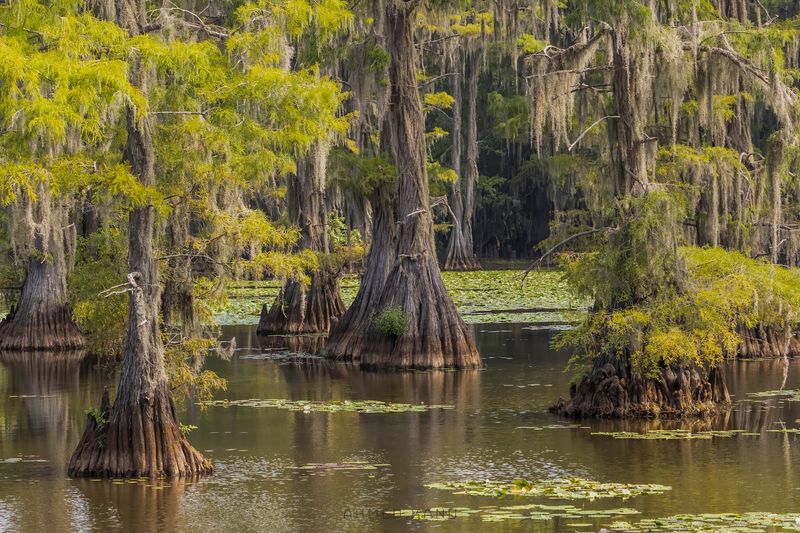
Paddle through a labyrinth of bald cypress trees draped in Spanish moss, and you might wonder if someone teleported you to Louisiana. The only natural lake in Texas sits in the far northeast corner, where the landscape turns swampy and mysterious. Morning fog rolls across the water, creating an almost ghostly atmosphere that feels worlds away from the stereotypical Texas image.
Rent a kayak or canoe to explore the maze of channels winding between ancient trees. Some of these cypresses are over 400 years old, their knobby knees poking up through the dark water. Wildlife thrives here, including alligators, so keep your eyes peeled and your paddle steady.
The lake sprawls across 25,400 acres, with much of it looking untouched by modern life. Fishing is popular year-round, with anglers pulling in largemouth bass, catfish, and crappie. The park also offers cabins and campsites if you want to wake up to birdsong and mist-covered water.
Spring and fall bring the best weather for exploring, though each season offers something different. In autumn, the cypress needles turn rusty orange before dropping, creating a carpet on the water. Summer can be humid and buggy, but that’s when the lake feels most alive with activity.
Bring insect repellent, a camera, and a sense of adventure. The trails around the park are short but scenic, perfect for stretching your legs between paddle sessions. This corner of Texas feels like a different world, one where time moves slower and nature still calls the shots.
2. Palo Duro Canyon State Park (Canyon)
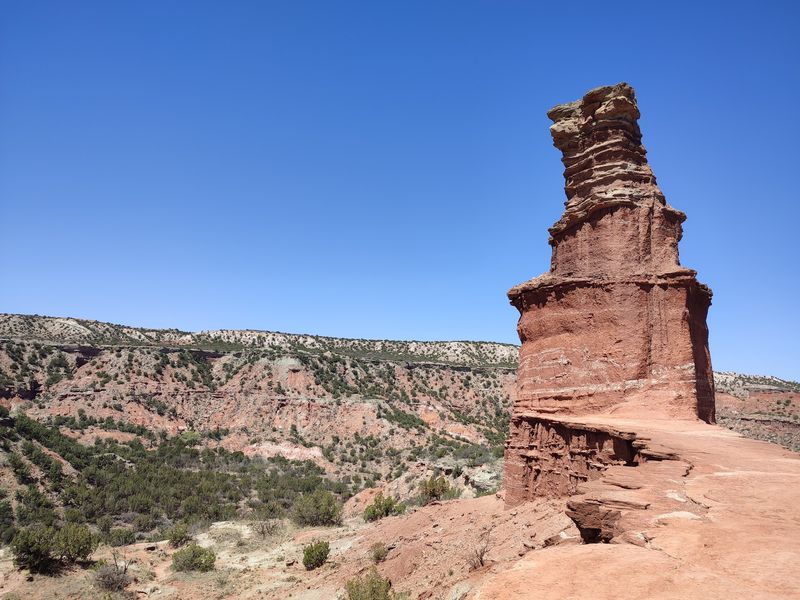
The second-largest canyon in the United States hides in the flat Panhandle, where most people expect nothing but wheat fields and wind. Drop 800 feet into a landscape of crimson, orange, and rust-colored rock layers that tell stories spanning millions of years. The sheer scale catches first-time visitors off guard every single time.
Stretching 120 miles long and up to 20 miles wide in places, this canyon earned its nickname as the Grand Canyon of Texas. Hiking trails range from easy walks to challenging scrambles, with the Lighthouse Trail being the most famous. That 6-mile round trip leads to a distinctive rock formation that looks exactly like its name suggests.
Mountain biking is huge here, with miles of trails that twist through juniper breaks and along canyon rims. Horseback riding is another option, letting you channel your inner cowboy while surrounded by scenery that feels more like Arizona or Utah. The official outdoor musical drama performed in summer adds a cultural twist to the natural wonder.
Wildlife includes roadrunners, mule deer, and the occasional bobcat or coyote. Birds of prey circle overhead, riding thermals that rise from the canyon floor. Early morning and late afternoon offer the best light for photography, when shadows emphasize every crack and crevice in the rock.
Camping puts you right in the heart of the action, with both tent sites and cabins available. Temperatures can swing dramatically between day and night, so pack layers. This place proves Texas has legitimate geological drama to rival any Western state.
3. Monahans Sandhills State Park (Monahans)
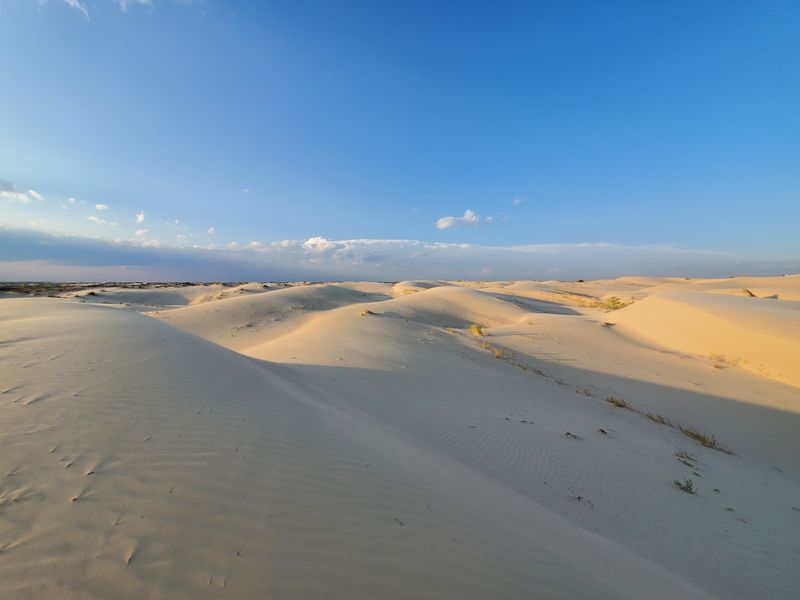
Imagine driving through West Texas oil country when suddenly the landscape shifts to something that belongs in the Sahara. Hills of white and tan sand rise up to 70 feet high, creating a miniature desert within the Chihuahuan Desert. The dunes stretch for miles, shaped and reshaped constantly by wind.
Bring a disc or rent one at the park to try sand surfing down the slopes. It’s harder than it looks but ridiculously fun, especially for kids who treat the dunes like nature’s playground. The sand is surprisingly soft and fine, making tumbles pretty forgiving.
Around 3,800 acres of dunes offer plenty of room to explore without bumping into crowds. Hike to the top of the tallest hills for views that stretch to the horizon in every direction. The landscape feels almost lunar at times, especially under the intense West Texas sun.
Despite the harsh environment, life finds a way here. Shin oak trees grow throughout the dunes, their root systems extending up to 90 feet deep to find water. These trees can be hundreds of years old, even though they only stand a few feet tall.
Lizards, snakes, and various insects have also adapted to this sandy world.
Sunset transforms the dunes into a photographer’s dream, with long shadows and golden light painting the sand. The park stays open for camping, and falling asleep to absolute silence under a sky packed with stars is unforgettable. Just don’t forget sunscreen and plenty of water, because this environment doesn’t mess around with heat.
4. Lost Maples State Natural Area (Vanderpool)
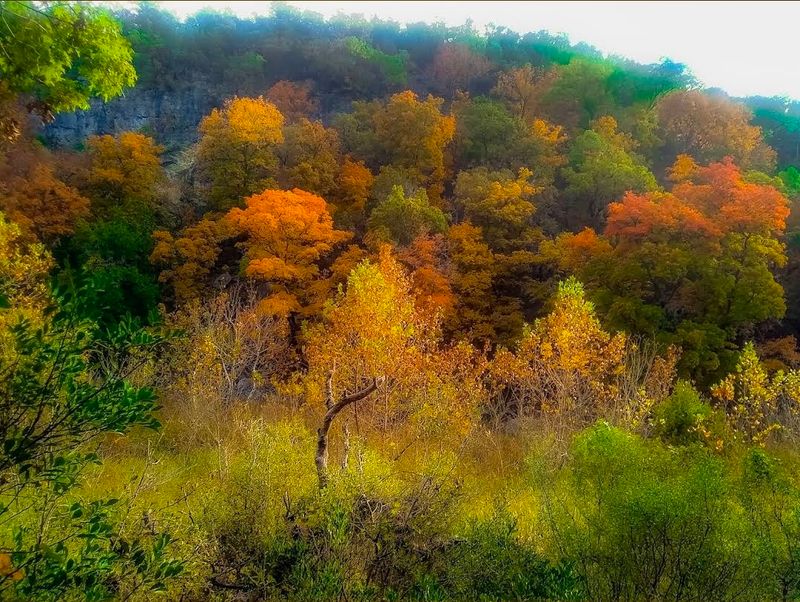
Most Texans associate autumn with football, not fall foliage. But this Hill Country gem puts on a color show that rivals New England when conditions align perfectly. Bigtooth maples cluster in protected canyons, turning brilliant shades of red, orange, and yellow typically in late October through November.
The maples are relicts from the last ice age, surviving in these cooler, wetter canyon microclimates. They’re scattered rather than forming dense forests, which makes spotting the brightest trees part of the adventure. The Sabinal River runs through the park, creating pools and small waterfalls that add to the non-Texas vibe.
Over 10 miles of hiking trails wind through the 2,900-acre park, ranging from easy riverside walks to steep climbs. The East Trail offers the best maple viewing, though it requires some elevation gain. Wildlife includes white-tailed deer, armadillos, and the endangered golden-cheeked warbler in spring.
Peak color timing varies year to year depending on rainfall and temperature swings. The park posts updates on their website and social media when the leaves start turning. Weekends during peak season get absolutely packed, so arriving early or visiting on weekdays makes for a better experience.
Primitive camping is available for those who want to extend their visit. The area stays relatively cool even in summer compared to the rest of Texas, making it a year-round destination. Spring brings wildflowers and flowing water, while winter offers solitude and stark beauty.
Bring sturdy shoes for rocky trails and plenty of water. Cell service is spotty to nonexistent, which honestly adds to the escape-from-Texas feeling. This place proves the state has seasonal changes worth celebrating.
5. Guadalupe Mountains National Park (Salt Flat)
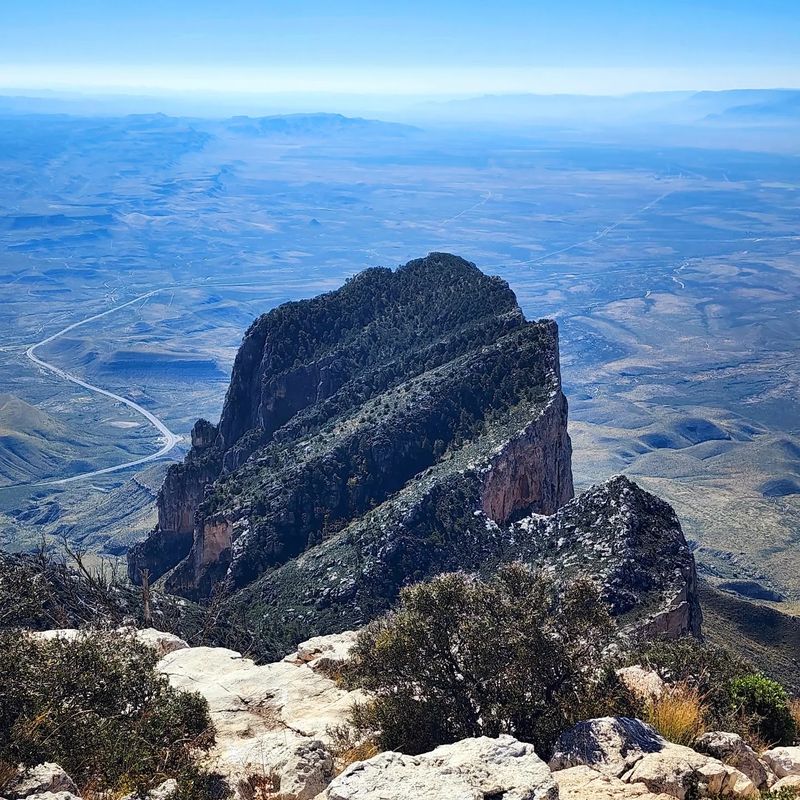
Texas’s highest point sits in a national park that most Texans have never visited. Guadalupe Peak towers at 8,749 feet, part of an ancient fossilized reef that once lay beneath a tropical sea. The mountains rise abruptly from the surrounding desert, creating an island of alpine environment in far West Texas.
Hiking to the summit of Guadalupe Peak is a Texas rite of passage for serious hikers. The 8.4-mile round trip gains over 3,000 feet in elevation, testing your lungs and legs. Views from the top stretch across Texas and into New Mexico, with nothing but mountains and desert in every direction.
McKittrick Canyon offers a completely different experience, especially in fall when the maples turn. A spring-fed creek creates an oasis that supports trees, ferns, and wildlife you wouldn’t expect in West Texas. The canyon hike is relatively easy and incredibly rewarding, particularly in late October.
The park preserves over 86,000 acres of wilderness with more than 80 miles of trails. Backpacking into the high country reveals forests of ponderosa pine and Douglas fir, ecosystems typically found much farther north. Camping is primitive, with no water available at backcountry sites.
Wildlife ranges from elk and mule deer to mountain lions and black bears, though sightings of the big predators are rare. Birds include peregrine falcons, golden eagles, and dozens of smaller species. The park sees relatively few visitors compared to other national parks, offering genuine solitude.
Weather can change rapidly, especially at higher elevations. Snow is possible from November through March, while summer brings intense heat in the lowlands. This corner of Texas feels more like Colorado or Montana than anywhere near Dallas or Houston.
6. Adriatica Village (McKinney)
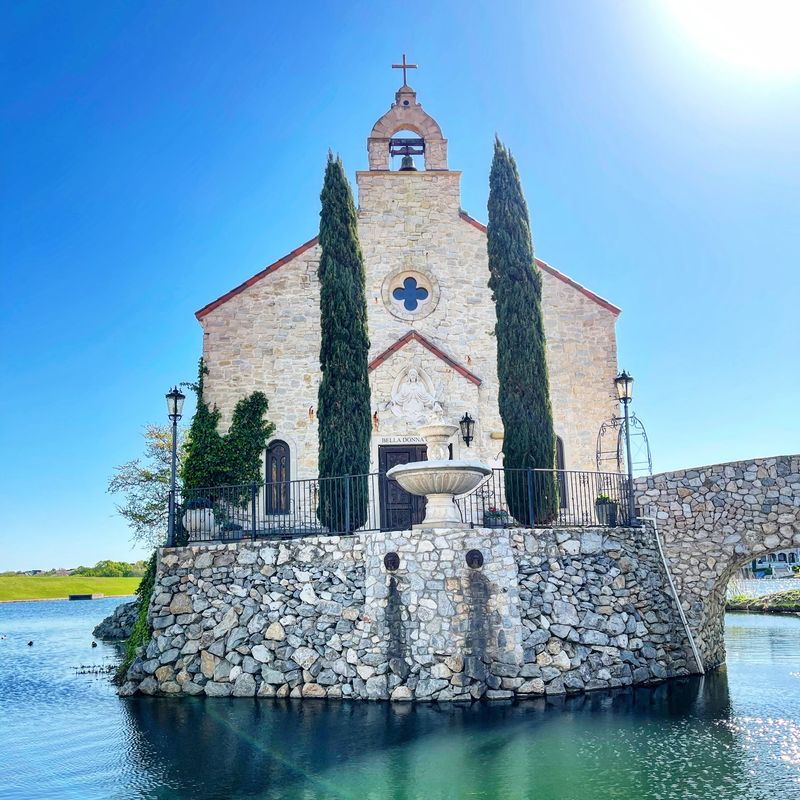
A slice of the Croatian coastline exists in the Dallas suburbs, complete with a bell tower, waterfront promenade, and architecture straight from the Adriatic Sea. The developer created this village as a tribute to his Mediterranean heritage, and walking through it feels like stepping off a plane in Europe. Cobblestone paths wind between white buildings with blue shutters and terracotta roofs.
The centerpiece is a small harbor with a replica of a 15th-century chapel from the island of Lopud. Swans glide across the water while visitors stroll along the boardwalk, stopping at the gelato shop or one of the restaurants. The attention to detail is impressive, from the lampposts to the building facades.
This isn’t a theme park but an actual neighborhood where people live, shop, and dine. The village includes residential areas, retail spaces, and event venues. Concerts and festivals happen regularly, particularly in the cooler months when outdoor gatherings are most pleasant.
Photography enthusiasts love this spot for engagement shoots, family portraits, and architecture photography. The light hits the white buildings beautifully in the late afternoon, creating that golden Mediterranean glow. It’s also become a popular spot for proposals, with the romantic European atmosphere doing most of the work.
Parking can be tricky during busy times, but the village is compact enough to explore in an hour or two. Several restaurants offer waterfront dining, serving everything from Mediterranean fare to modern American cuisine. Coffee shops provide spots to sit and people-watch while pretending you’re on vacation somewhere far from Texas.
The village is free to visit and open to the public, making it an easy day trip from the Dallas area. It’s especially magical during the holidays when lights transform the already charming setting into something even more enchanting.
7. Balmorhea State Park (Toyahvale)
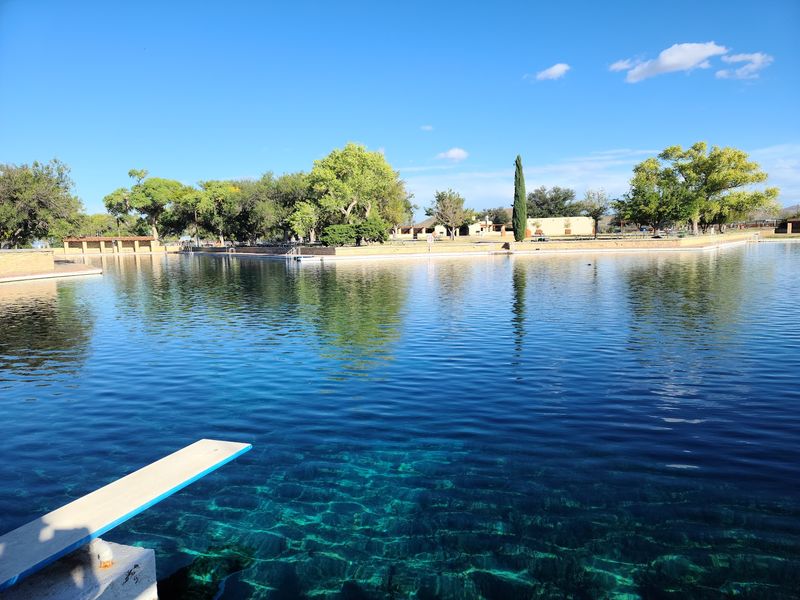
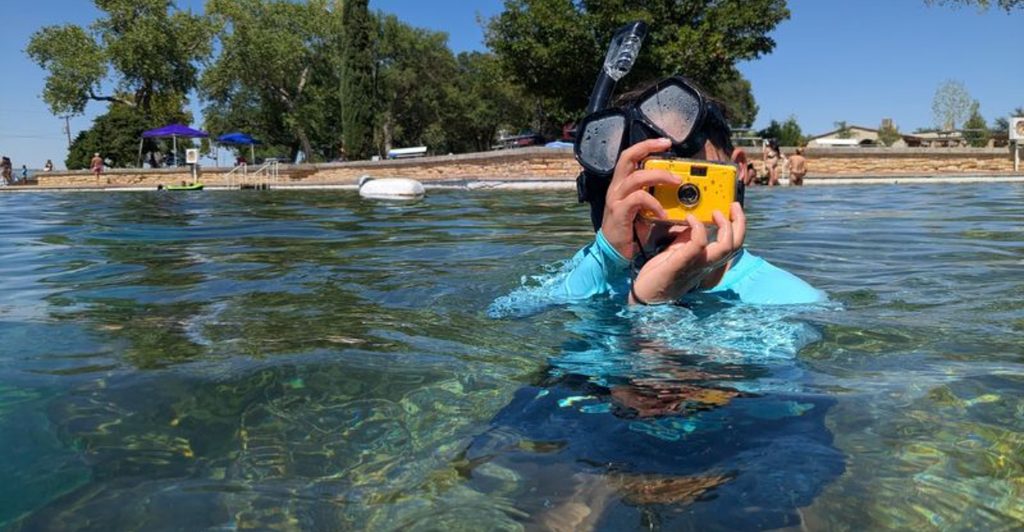
A spring-fed pool measuring 1.75 acres sits in the middle of the West Texas desert, holding 3.5 million gallons of crystal-clear water. The San Solomon Springs pump out 15 to 20 million gallons daily, keeping the pool at a constant 72 to 76 degrees year-round. Visibility extends 30 feet or more, making it a favorite spot for scuba diving certification.
Built by the Civilian Conservation Corps in the 1930s, the pool reaches depths of 25 feet in places. Native fish species swim alongside visitors, including the endangered Comanche Springs pupfish. Underwater, the pool feels more like a natural cenote than a constructed swimming hole, with rocks and aquatic plants creating habitat.
Scuba divers come from across Texas to practice in the clear water and explore the underwater landscape. The park requires certification or supervised training for diving. Snorkeling is popular too, letting you watch fish and turtles without needing any special gear beyond a mask.
The surrounding desert landscape makes the oasis feel even more dramatic. Temperatures outside the pool can soar past 100 degrees in summer, making that constant 72-degree water feel refreshing. Winter swimming is popular because the water stays warmer than the air, creating steam that rises from the surface.
Camping is available at the park, with sites that book up quickly during summer weekends. The nearby town of Balmorhea is tiny, so bring supplies with you. Fort Davis and the McDonald Observatory are within driving distance, making this a good base for exploring the Davis Mountains.
The pool gets crowded during peak season, especially on holidays. Weekdays and early mornings offer the best chance for a more peaceful experience. This hidden gem proves that Texas holds surprises in the most unexpected places.
8. Fredericksburg (Fredericksburg)
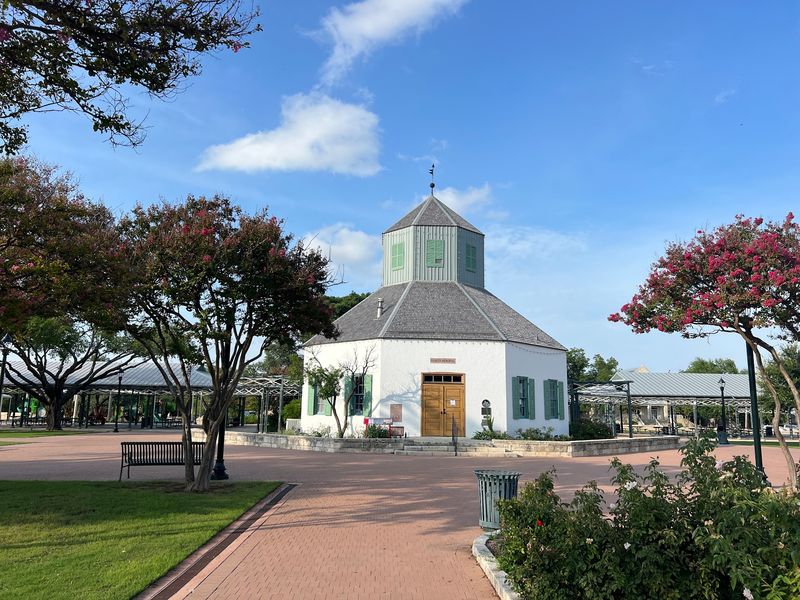
German heritage runs deep in this Hill Country town, where you can eat schnitzel, drink German beer, and stay in a fachwerk-style inn. Founded by German immigrants in 1846, the town has preserved its European roots while becoming a major tourist destination. Main Street feels like a Bavarian village transplanted to Texas, complete with bakeries selling strudel and shops stocked with imported goods.
Over 100 wineries and tasting rooms dot the surrounding countryside, making this Texas wine country. The climate and soil suit certain grape varieties surprisingly well, producing wines that have earned national recognition. Spend a day hopping between tasting rooms, many housed in buildings that nod to German architecture.
The town celebrates its heritage with festivals throughout the year, including Oktoberfest complete with polka music and beer gardens. Easter brings the Fredericksburg Easter Fires Pageant, a tradition based on a local legend. Christmas markets transform the town into a winter wonderland, with lights and decorations that rival European holiday markets.
Beyond the German theme, Fredericksburg serves as a gateway to outdoor activities. Enchanted Rock State Natural Area sits just north of town, offering hiking and rock climbing on a massive pink granite dome. The Lyndon B.
Johnson National Historical Park preserves the former president’s ranch and boyhood home nearby.
Bed and breakfasts outnumber chain hotels, with many occupying historic buildings or new construction designed to match the German aesthetic. Some feature private cottages, hot tubs, and gourmet breakfasts. Shopping ranges from antiques to art galleries to specialty food shops.
The town gets busy on weekends, particularly during festival season and harvest time. Reservations for popular restaurants and lodging are essential during peak periods. This slice of Germany in Texas offers an escape without needing a passport.
9. Padre Island National Seashore (Corpus Christi)
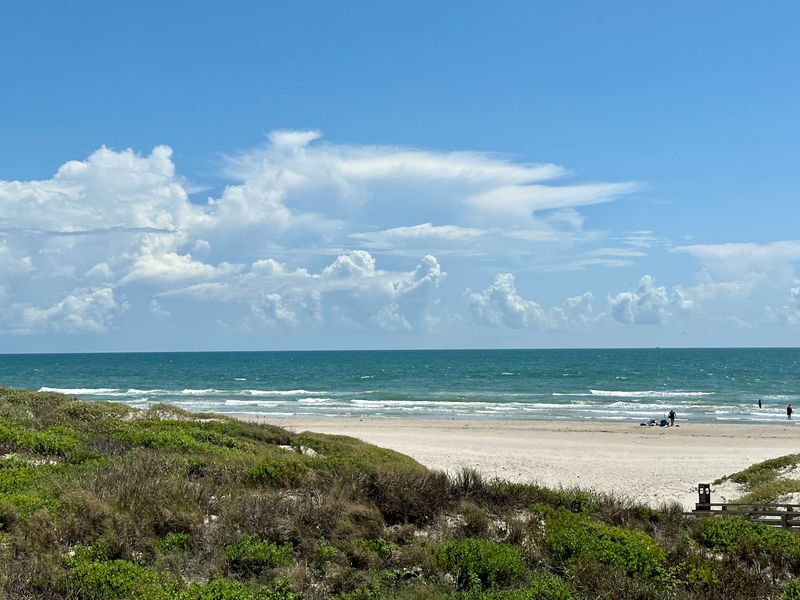
The longest undeveloped barrier island in the world stretches for 70 miles along the Texas coast. No high-rise hotels, no boardwalks, no beach bars cluttering the view. Just miles of pristine sand, rolling dunes, and Gulf waves that feel more Caribbean than Texan on clear days.
The water shifts from murky brown to stunning turquoise depending on wind, tides, and season. After northers blow through in winter and spring, the clarity can rival tropical destinations. Beachcombing yields treasures washed up from across the Gulf, including shells, sea glass, and the occasional message in a bottle.
Sea turtle nesting season runs from April through July, with Kemp’s ridley turtles using these beaches as primary nesting grounds. The park releases hatchlings to the sea during summer months, and watching tiny turtles scramble toward the waves is genuinely moving. Check the park’s website for release times, which happen throughout the day.
Four-wheel-drive vehicles can access the beach for miles beyond where pavement ends. Driving on the sand requires letting air out of tires and knowing tide schedules. The remoteness means true solitude, with stretches where you won’t see another person for hours.
Fishing is excellent year-round, with surf anglers pulling in redfish, speckled trout, and black drum. Spring and fall migrations bring massive schools of fish close to shore. No fishing license is required for surf fishing in Texas, making it accessible to anyone with a rod.
Camping on the beach is allowed, but facilities are minimal past the developed areas. Bring everything you need, including water, because services disappear quickly. The stars at night are incredible without any light pollution, living up to that famous Texas song.
10. Big Bend National Park (Terlingua)
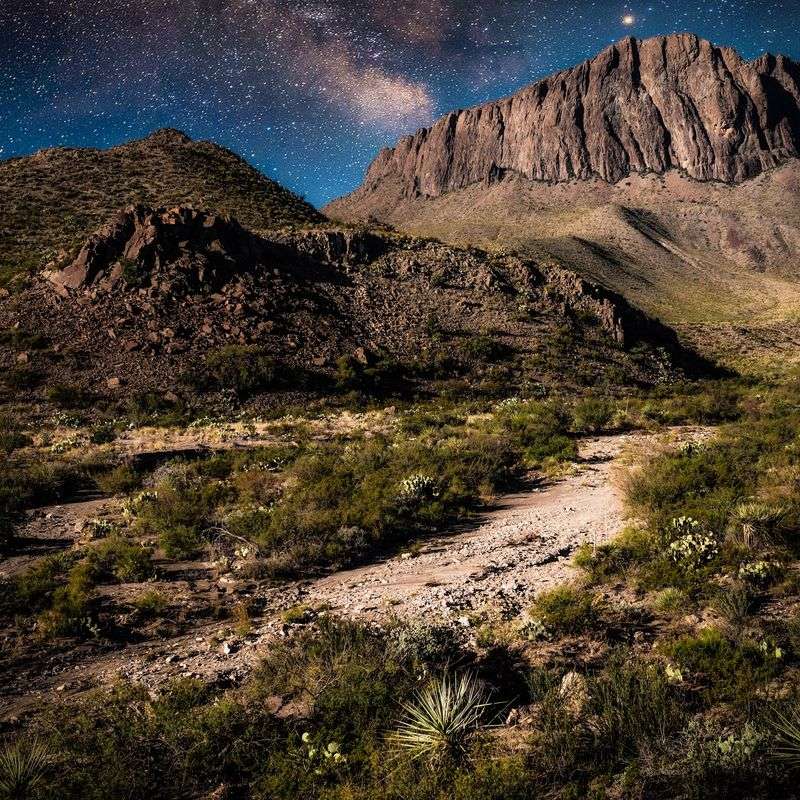
Where Texas, Mexico, and the Chihuahuan Desert collide, you’ll find landscapes that feel more like another planet than another state. Mountains rise abruptly from the desert floor, the Rio Grande carves through limestone canyons, and the night sky explodes with stars visible only in the darkest corners of the country. This is Texas at its most remote and spectacular.
The park sprawls across 801,163 acres, making it larger than Rhode Island. Three distinct ecosystems exist within the boundaries: desert, river, and mountain. You can hike through cactus-studded lowlands in the morning, paddle through Santa Elena Canyon at midday, and climb into pine-oak woodland in the Chisos Mountains by evening.
Wildlife includes javelinas, roadrunners, black bears, and over 450 bird species. The park is one of the best birding destinations in the country, attracting enthusiasts from around the world. Mountain lions roam the backcountry, though encounters are extremely rare.
Hot springs bubble up along the Rio Grande, creating natural pools where you can soak while watching the river flow. The ruins of old settlements and ranches dot the landscape, reminders of the hardy souls who tried to make a living in this harsh environment. Boquillas, a small Mexican village, sits across the river and can be visited with proper documentation.
Hiking ranges from easy nature walks to challenging mountain scrambles. The Window Trail in the Chisos Basin offers stunning sunset views through a natural rock frame. The South Rim Trail climbs to over 7,000 feet, revealing panoramas that stretch into Mexico.
Cell service doesn’t exist in most of the park, and the nearest town of any size is hours away. This isolation is part of the appeal, offering genuine wilderness in an increasingly connected world.
11. Krause Springs (Spicewood)
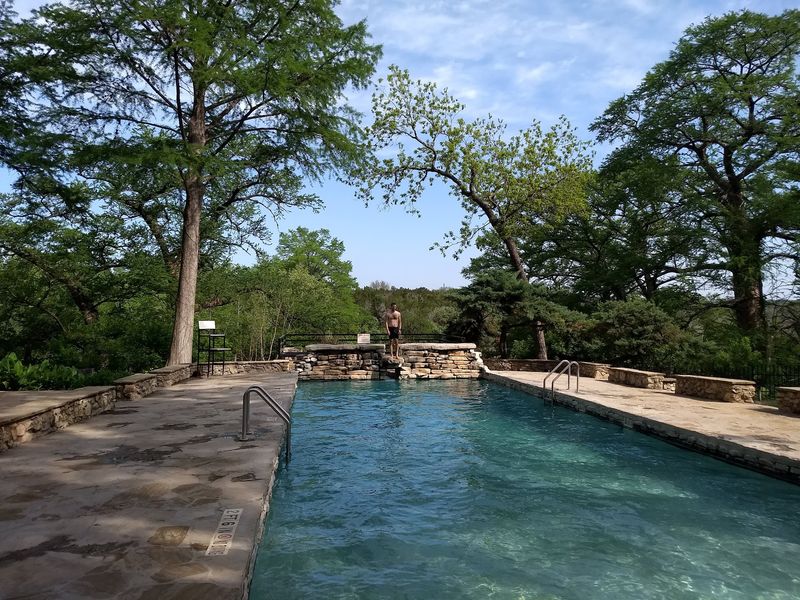
A family-owned property west of Austin hides one of the most beautiful swimming spots in Texas. Multiple spring-fed pools cascade down a hillside, creating a series of swimming holes connected by small waterfalls. Massive cypress trees provide shade, and the water stays cold year-round, fed by 32 springs that pump thousands of gallons daily.
The main pool sits at the bottom of the cascade, deep enough for swimming and surrounded by limestone ledges perfect for sunbathing. Above it, smaller pools offer more intimate settings, with water spilling from one to the next. The gardens surrounding the springs are lovingly maintained, with butterflies and hummingbirds adding to the tropical feel.
Camping is available on the property, with tent sites scattered among the trees. Waking up and walking down to the springs for a morning swim beats any hotel experience. The campground fills up on summer weekends, so reservations are essential during peak season.
The property has been in the same family since the 1950s, and they’ve preserved its natural character while making it accessible. Stone pathways wind through the gardens, and rustic cabins blend into the landscape. The vibe is laid-back and welcoming, more like visiting someone’s amazing backyard than going to a commercial attraction.
Day use fees are reasonable, and the springs rarely feel overcrowded even on busy days. The cold water provides relief during brutal Texas summers, though it takes some courage to make the initial plunge. Once you’re in, the temperature feels perfect.
Food trucks often park near the entrance on weekends, but bringing a picnic is common. The property doesn’t allow alcohol or glass containers, keeping the atmosphere family-friendly. This hidden gem feels like something from the tropics, not the Texas Hill Country.
12. Caverns of Sonora (Sonora)
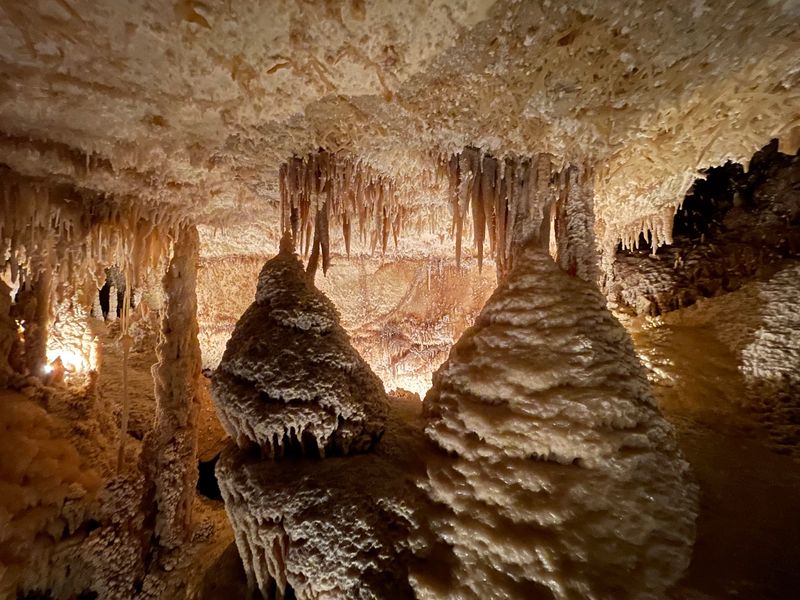
National Geographic once called these the most beautiful caverns in the world, and walking through them makes that claim believable. The formations are incredibly delicate and diverse, with helictites, stalactites, stalagmites, and flowstone creating an underground wonderland. Unlike many show caves that feel commercial, this one maintains a sense of genuine discovery.
The caverns were discovered in 1900 but not developed for tours until the 1960s. That late development helped preserve the formations, which remain in pristine condition. The tour route covers about two miles and takes roughly two hours, with guides sharing geology and history throughout.
Helictites steal the show here, growing in seemingly impossible directions that defy gravity. These formations twist and turn in response to subtle air currents and water flow, creating shapes that look like underwater coral or alien vegetation. The Butterfly Formation is one of the most photographed features, resembling its namesake perfectly.
The temperature underground stays around 70 degrees year-round, making it a comfortable escape from West Texas heat. Humidity is high, which helps preserve the formations but can feel muggy. The lighting is designed to showcase the formations without damaging them, using LED technology that doesn’t generate heat.
Photography is allowed on tours, though tripods aren’t permitted and flash can be problematic with the reflective surfaces. The best strategy is to have a camera that handles low light well and steady hands. Some formations sparkle with calcite crystals, creating natural glitter that catches any available light.
The caverns sit off the beaten path between San Antonio and Big Bend, making them a perfect stop on a West Texas road trip. The small gift shop and simple facilities match the low-key vibe. This underground treasure proves Texas has wonders above and below ground.
Share this story