
Tennessee is famous for country music, rolling hills, and Southern charm, but hidden across the state are spots that feel like they’ve been transported from somewhere else entirely. From underground lakes to fairy-tale forests, these places challenge everything you thought you knew about the Volunteer State.
Get ready to discover corners of Tennessee that look more like fantasy worlds, desert landscapes, or ancient foreign lands than the South you might expect.
1. The Lost Sea — Sweetwater
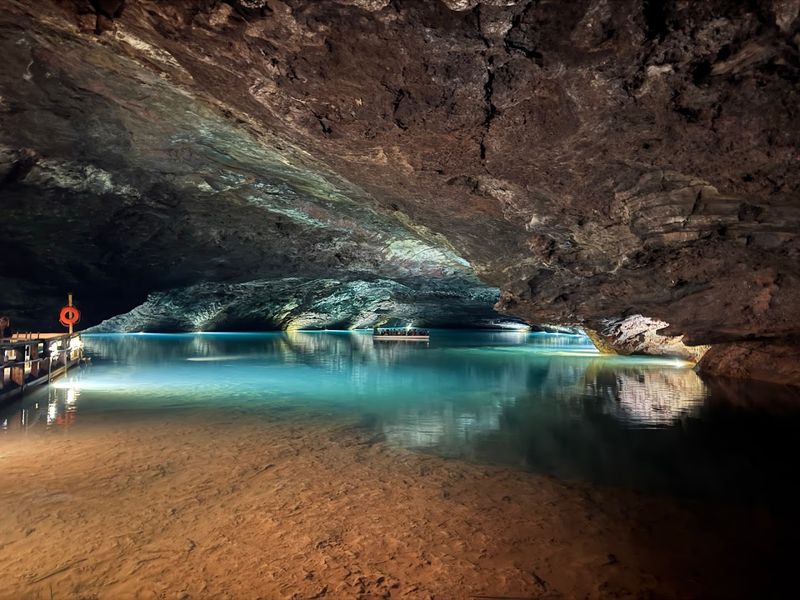
Imagine stepping into a cavern so enormous that it holds America’s largest underground lake, stretching farther than your eyes can see. The Lost Sea sits 140 feet below ground, where the air stays cool year-round and the water remains perfectly still.
This geological wonder formed millions of years ago when acidic water carved through limestone, creating chambers big enough to hold a four-story building. Cherokee tribes knew about these caverns long before European settlers arrived.
Today, glass-bottom boat tours let visitors float above hidden depths while guides share stories of moonshiners who once used these secret spaces.
2. Crystal Shrine Grotto — Memphis
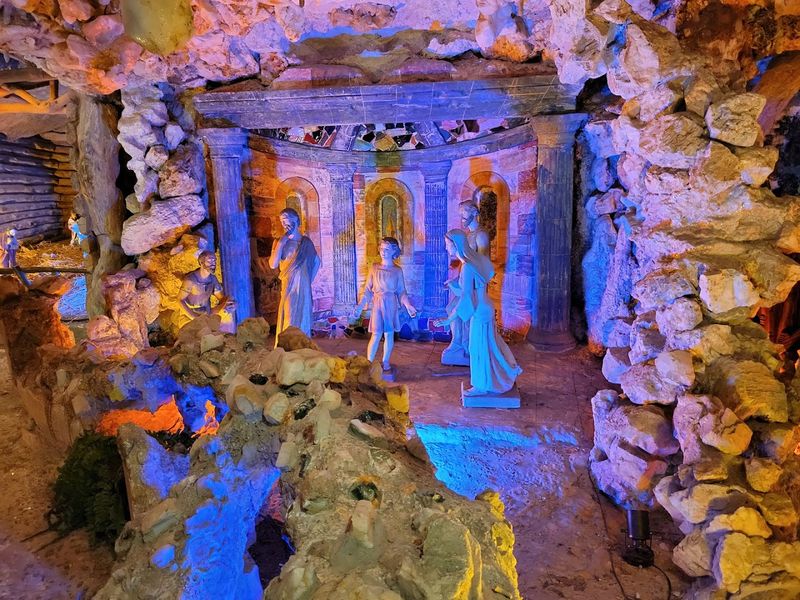
Behind a church in Memphis lies one of the city’s best-kept secrets: a hand-carved cave covered floor-to-ceiling in glittering quartz and shells. Artist Dionicio Rodriguez spent years creating this subterranean shrine during the 1930s, using his bare hands and simple tools. Every inch sparkles with crystals that catch the light like thousands of tiny stars.
Walking through the winding passages feels like entering a treasure chest buried beneath the city. Religious scenes crafted from stone and shell line the walls, telling stories through art instead of words.
3. Dunbar Cave State Park — Clarksville
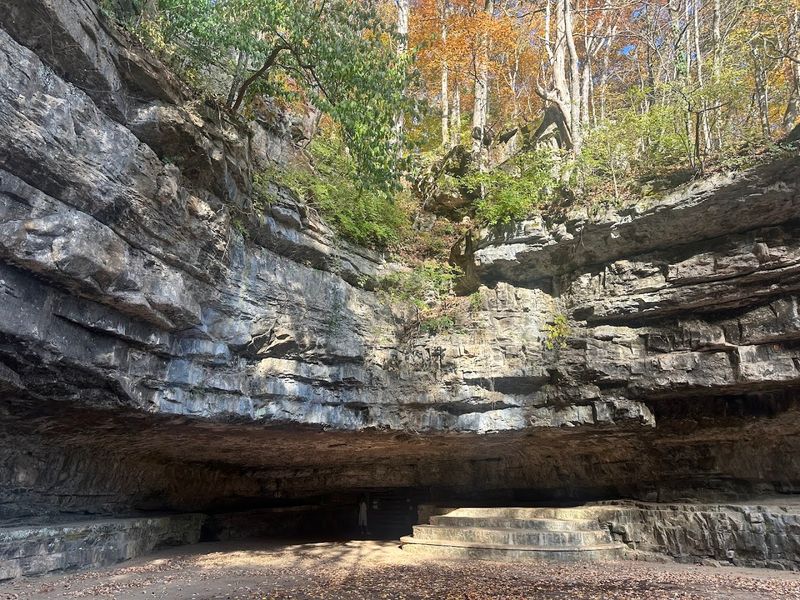
Ancient hands carved mysterious symbols into the walls of Dunbar Cave over 10,000 years ago, leaving behind artwork that still puzzles archaeologists today. This isn’t just any cave system—it’s an eight-mile labyrinth that once hosted big band concerts in its natural amphitheater entrance. The petroglyphs feature geometric patterns and figures that connect Tennessee to indigenous cultures across North America.
Roy Acuff, the famous country singer, once owned this property and threw legendary parties inside. Now protected as a state park, the cave maintains a constant 58-degree temperature regardless of the season outside.
4. Lost Cove Cave — Franklin County
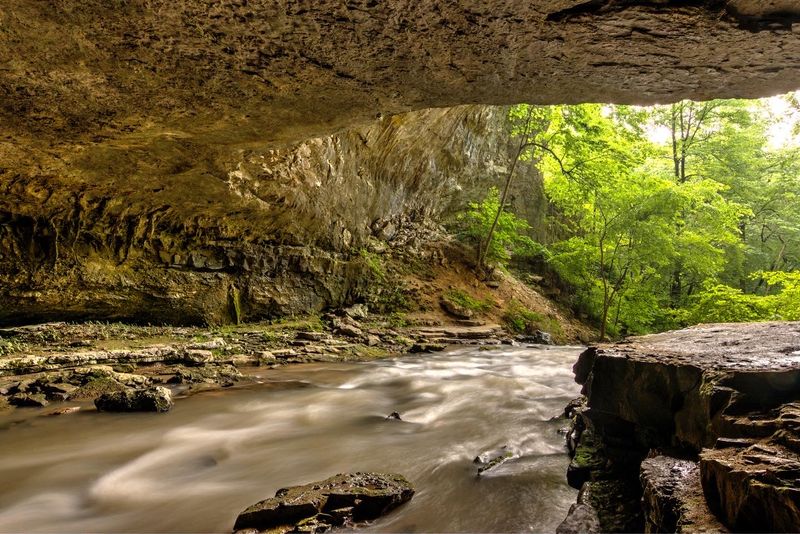
A colossal stone archway rises from the forest floor like the entrance to a fantasy kingdom, marking the mouth of Lost Cove Cave. This isn’t some small opening—the entrance stands tall enough to swallow a house whole, with sunlight streaming through ancient trees onto moss-covered rocks.
The cave stretches deep into the mountain, but even non-spelunkers come just to photograph the breathtaking entrance. Waterfalls sometimes cascade over the opening during heavy rains, creating a curtain of water across the threshold.
5. Sewanee Natural Bridge — Sewanee
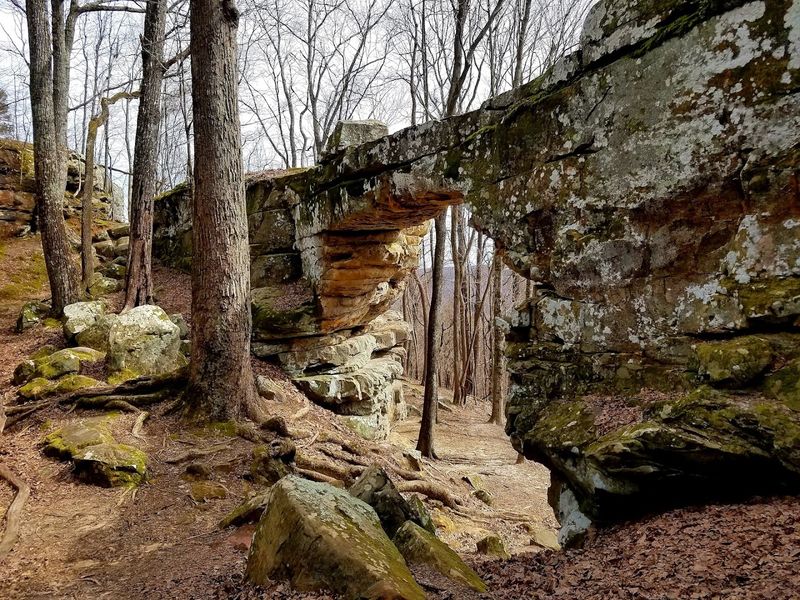
A 25-foot-tall sandstone arch spans 50 feet across a ravine, looking exactly like something you’d find in Utah’s red rock country rather than green Tennessee. Sewanee Natural Bridge formed over countless centuries as water and wind carved away softer rock, leaving behind this gravity-defying structure.
Unlike Western arches that sit in open desert, this one hides among hemlock trees and rhododendron bushes. The half-mile trail leading here feels like a journey between two completely different landscapes within minutes.
6. Anakeesta — Gatlinburg
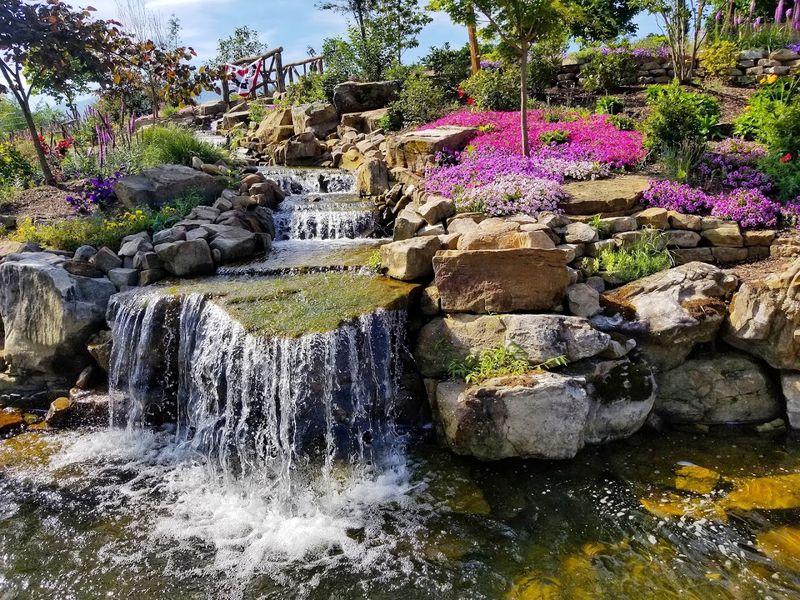
Suspended bridges sway gently above the treetops while visitors walk through clouds at this mountaintop theme park that feels ripped from a storybook. Anakeesta combines natural beauty with whimsical installations, including treehouses connected by rope bridges and gardens filled with sculptures.
The name comes from a Cherokee word, but the experience feels more European alpine village than Smoky Mountains.
A scenic chairlift carries guests 600 feet up the mountain, where they discover a world that seems to float among the peaks. Kids race down a mountain coaster while adults sip drinks at the cliffside bar, all surrounded by views that stretch for miles.
7. Fairy Land Caverns at Rock City — Chattanooga
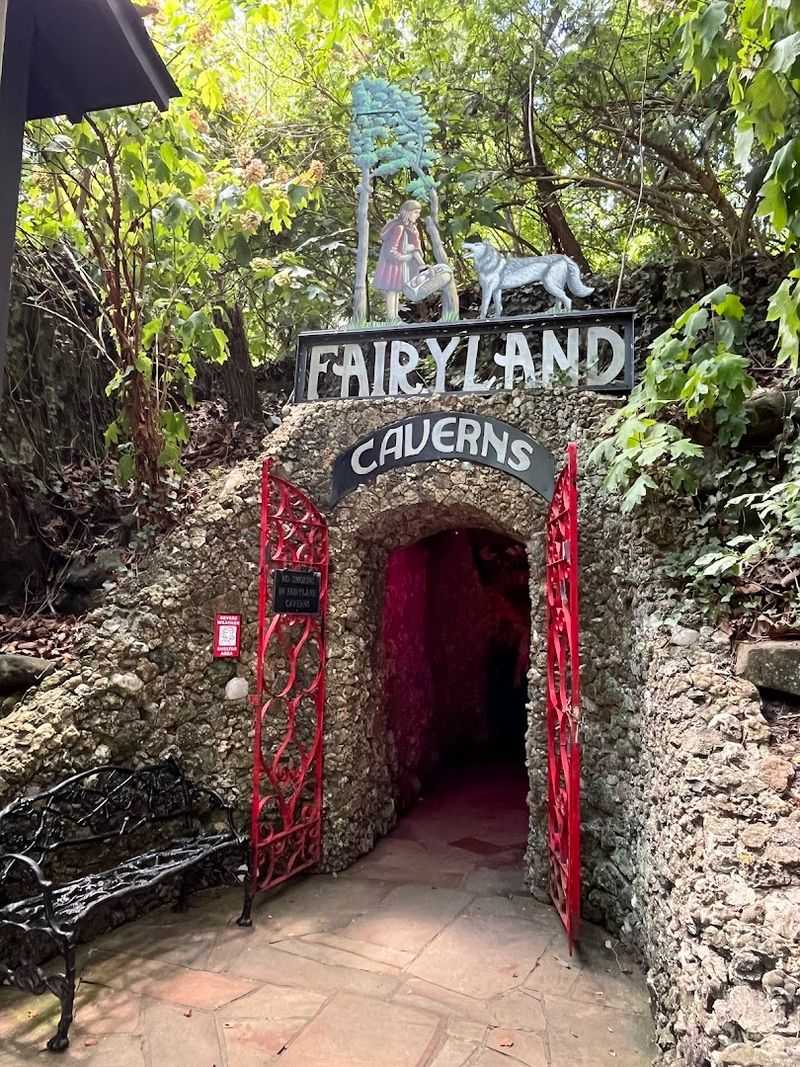
Fairy Land Caverns transforms natural geological features into a storybook world with the addition of black lights and fantastical displays. The rocks glow in impossible colors—purple, green, and electric blue—creating an atmosphere more alien planet than Southern cave.
Rock City’s founders created this underground wonderland in the 1930s, combining Tennessee’s natural cave systems with Depression-era whimsy. Children press their faces against glass to see miniature scenes tucked into crevices, while adults marvel at how the ultraviolet lighting makes ordinary minerals fluoresce.
8. Ancient Lore Village — Knoxville
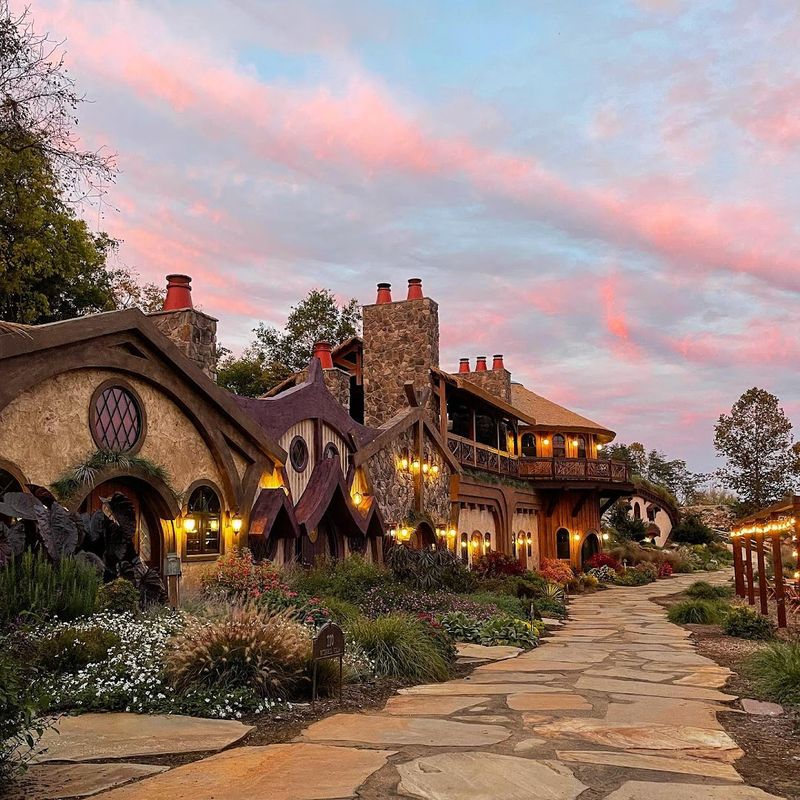
Step through the gates and suddenly you’re walking cobblestone streets past timber-framed buildings that belong in medieval Europe, not modern Knoxville. Ancient Lore Village recreates a fantasy realm where visitors can try their hand at axe throwing, archery, and other skills from centuries past.
This immersive experience goes beyond typical renaissance fairs by maintaining its atmosphere year-round with permanent structures and ongoing storylines. Guests can rent period costumes, feast on turkey legs, and watch live combat demonstrations.
The attention to detail—from hand-carved signs to the absence of visible modern technology—helps visitors forget they’re still in Tennessee and not transported back 500 years.
9. Reelfoot Lake — Tiptonville
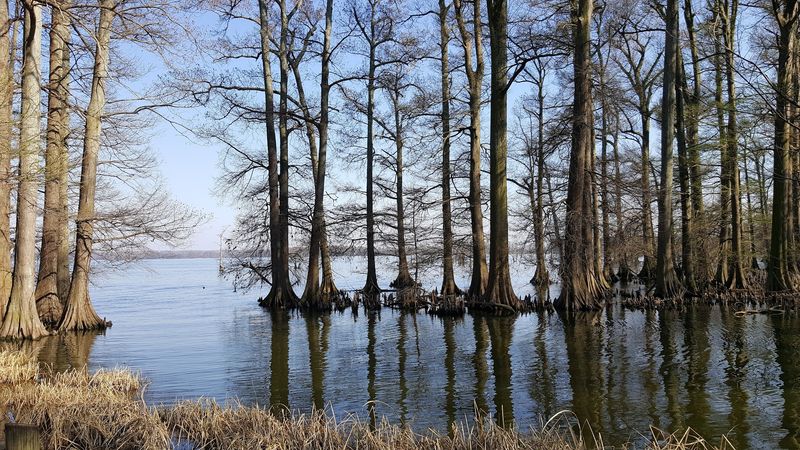
Bald cypress trees rise from shallow waters like ancient sentinels, their knobby knees breaking the surface in a landscape that screams Louisiana bayou, not West Tennessee. Reelfoot Lake formed during the massive New Madrid earthquakes of 1811-1812, when the ground literally sank and the Mississippi River flowed backward to fill the depression.
This 15,000-acre natural lake attracts bald eagles by the hundreds each winter, creating one of the best birdwatching spots in America. Fishermen navigate between the cypress stumps in flat-bottomed boats, casting for crappie and bass.
10. Pogue Creek Canyon State Natural Area — Jamestown
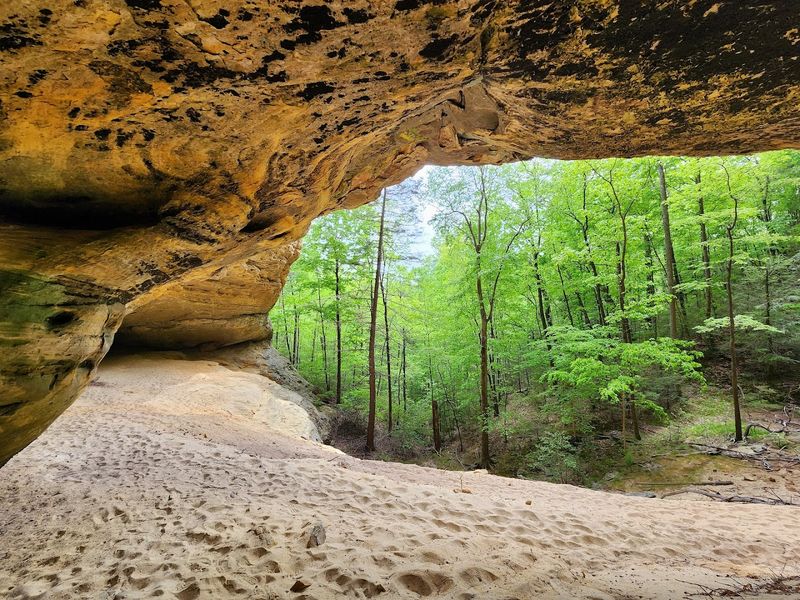
Sheer sandstone cliffs tower 80 feet overhead, creating a narrow gorge that feels more like slot canyons of the Southwest than the Cumberland Plateau. Pogue Creek carved this dramatic channel through solid rock over millions of years, leaving behind walls streaked with mineral deposits in shades of orange, red, and tan.
The three-mile trail follows the creek bed through this geological wonder, requiring some scrambling over boulders and fallen logs. Ferns and wildflowers somehow find purchase in the rocky terrain, adding splashes of green to the rust-colored stone.
11. Ruby Falls — Chattanooga
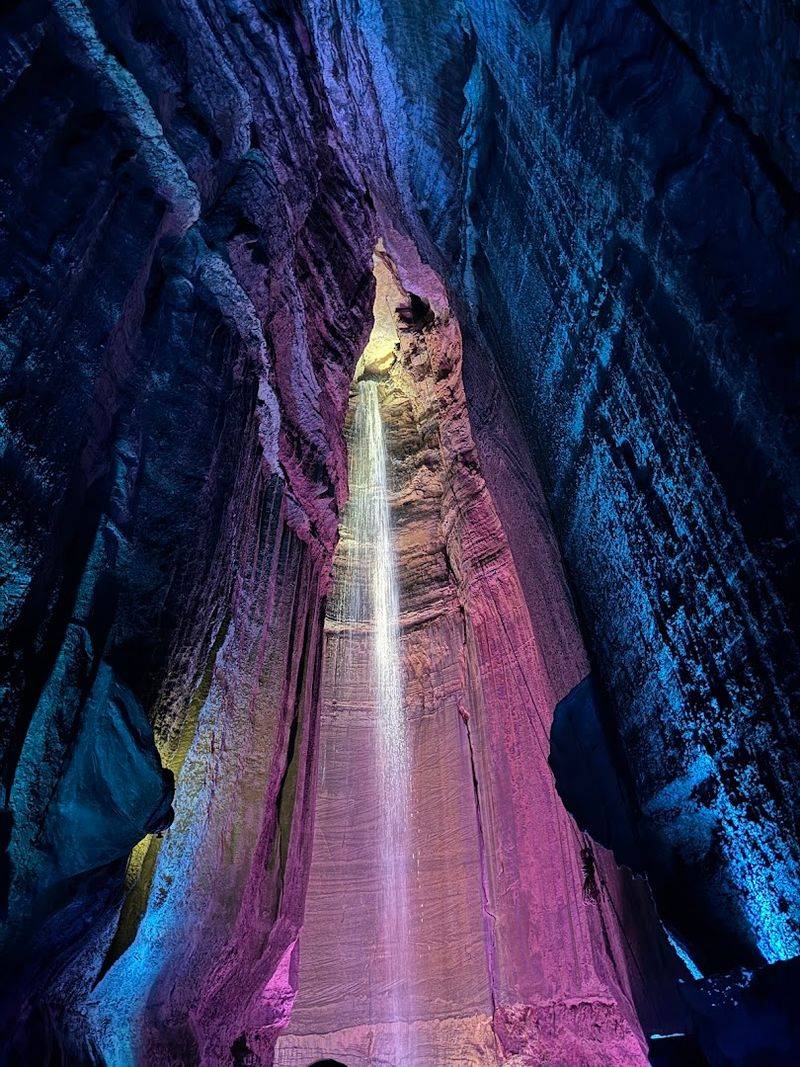
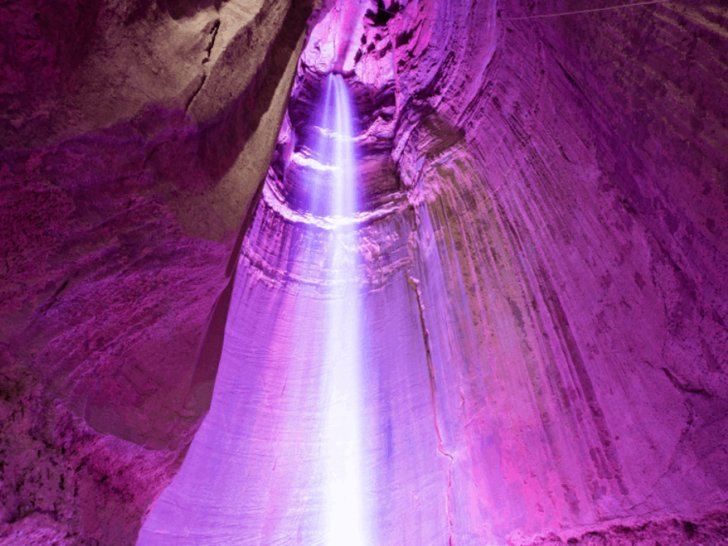
Deep inside Lookout Mountain, water plunges 145 feet in complete darkness—or at least it would be dark without the rainbow of lights illuminating America’s deepest commercial cave waterfall. Ruby Falls was accidentally discovered in 1928 when a cave explorer broke through a limestone wall and found this hidden cascade.
The waterfall’s name comes from the discoverer’s wife, Ruby, and the sight of it never fails to amaze visitors who’ve just walked through tight passages to reach this cathedral-like chamber. Colored lights dance across the falling water during the presentation, creating an otherworldly spectacle.
The constant 60-degree temperature inside provides a stark contrast to Tennessee’s hot summers and cold winters above.
12. Bald River Falls — Tellico Plains
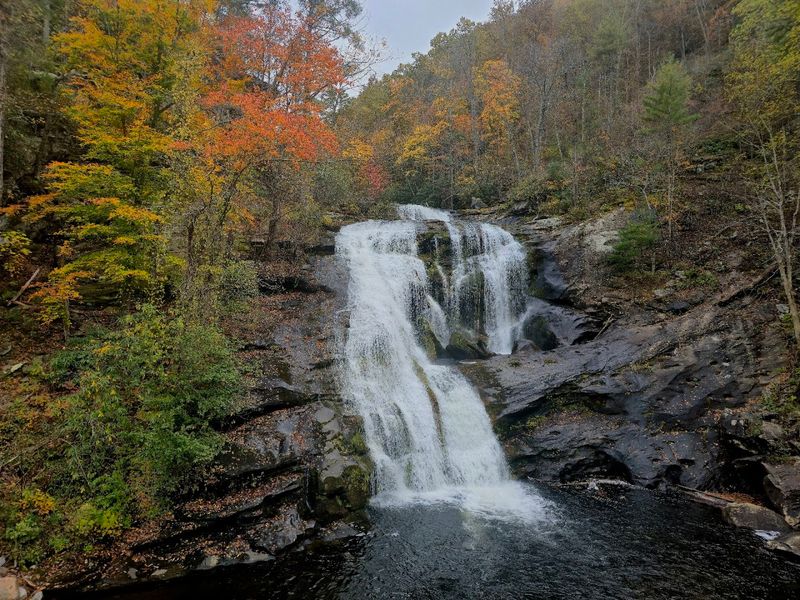
Water sheets across 90 feet of smooth bedrock in a wide, powerful curtain that rivals any waterfall in the Pacific Northwest. Bald River Falls sits in the Cherokee National Forest, where the Bald River drops dramatically over a rock face polished smooth by centuries of flow.
The easy roadside access means families can view this natural wonder without serious hiking, though adventurous visitors scramble down to the pool at its base. Mist from the falls keeps the surrounding rocks perpetually wet and covered in bright green moss.
During autumn, the contrast between the white water and surrounding fall colors creates scenes worthy of calendar covers, drawing photographers from across the region.