
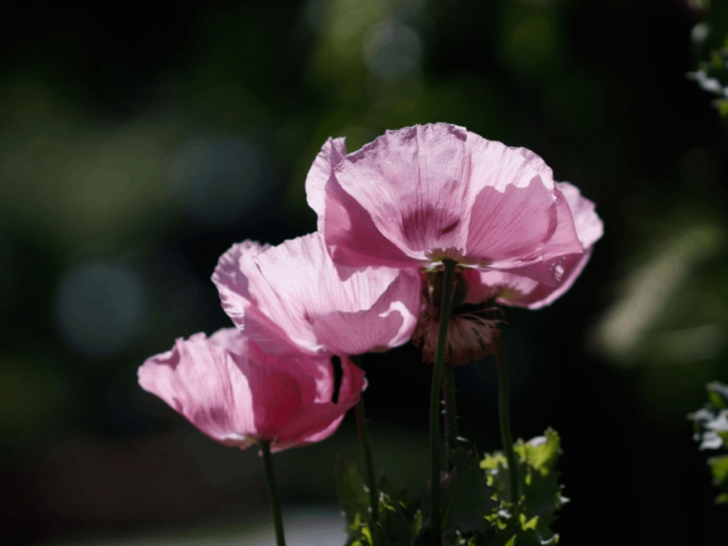
You might think your garden is perfectly legal, but Tennessee has strict rules about certain plants that can grow wild and cause serious problems. Some pretty vines and colorful flowers are actually banned because they spread too fast, hurt native wildlife, or even break federal laws.
Before you plant that next seed or cutting, make sure you know which greenery could land you in hot water with the law.
1. Kudzu (Pueraria montana)

Walk through any Tennessee forest and you might spot what locals call the vine that ate the South. Kudzu grows so fast it can cover entire buildings, trees, and hillsides in just one season. What started as a helpful plant for erosion control turned into a monster that smothers everything in its path.
This aggressive climber can grow up to a foot per day during summer months. It kills native trees by blocking their sunlight and adds crushing weight to their branches. Tennessee law now prohibits anyone from planting or intentionally growing kudzu on their property.
2. Japanese Honeysuckle (Lonicera japonica)
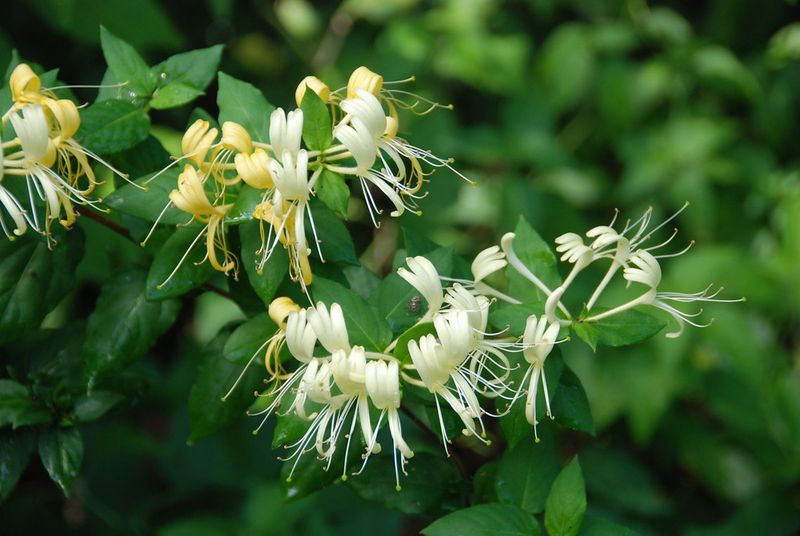
Sweet-smelling flowers might make this vine seem like a perfect addition to your fence line. Japanese honeysuckle produces fragrant blooms that attract hummingbirds and butterflies throughout the growing season. However, this pretty plant has a dark side that makes it illegal to cultivate in Tennessee.
The vine spreads incredibly fast through forests and natural areas, choking out native wildflowers and shrubs. Its thick growth blocks sunlight from reaching the forest floor where important native plants need light to survive. Once established, Japanese honeysuckle creates dense mats that are extremely difficult to remove.
State regulations now ban intentional planting to prevent further environmental damage from this aggressive invader.
3. Chinese Privet (Ligustrum sinense / Ligustrum vulgare)

Drive through any Tennessee neighborhood and you’ll probably see privet hedges lining property borders. These evergreen shrubs seem perfect for creating privacy screens because they grow thick and stay green year-round. Unfortunately, Chinese privet has become one of the state’s most serious invasive threats.
Birds eat the small black berries and spread seeds throughout natural areas and forests. New privet plants pop up everywhere, forming dense thickets that crowd out native vegetation. The shrubs also release chemicals into the soil that prevent other plants from growing nearby.
If you have existing privet hedges, consider replacing them with native alternatives that won’t harm local ecosystems and wildlife habitats.
4. Tree of Heaven (Ailanthus altissima)
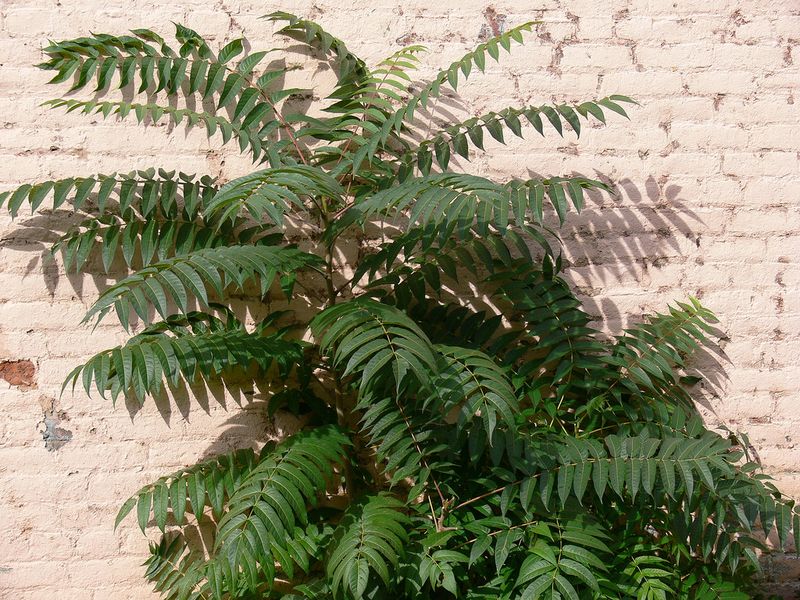
Despite its heavenly name, this tree causes hellish problems for Tennessee property owners and ecosystems. Tree of Heaven shoots up incredibly fast, sometimes growing several feet in a single year. Young trees produce a foul smell that many people compare to rotting peanut butter or burnt rubber.
The aggressive root system damages sidewalks, foundations, and underground pipes throughout neighborhoods. Each female tree produces thousands of seeds that blow in the wind and sprout everywhere. Cutting down the tree only makes things worse because the roots send up dozens of new shoots.
5. Japanese Barberry (Berberis thunbergii / related species)

Garden centers once sold Japanese barberry as the perfect low-maintenance landscape shrub with colorful foliage. The spiny branches produce tiny leaves that turn brilliant red and purple in fall. However, this attractive plant now ranks among Tennessee’s most problematic invasive species.
Sharp thorns protect the plant from deer and other animals that might otherwise control its spread. Birds distribute the bright red berries throughout forests where barberry forms impenetrable thickets. Research shows that areas with heavy barberry growth have significantly higher populations of disease-carrying ticks.
6. Mimosa Tree (Albizia julibrissin)
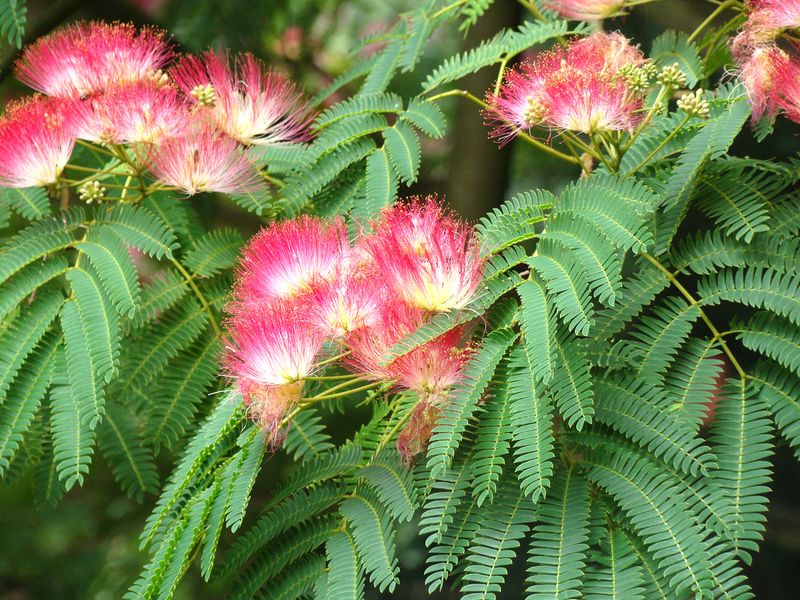
Pink fluffy flowers and delicate, fern-like leaves make mimosa trees look like something from a fairy tale. These fast-growing ornamentals produce fragrant blooms that cover the tree throughout summer months.
Each tree drops thousands of seeds that sprout readily in lawns, gardens, and natural areas. Fallen branches and constant seedling removal create ongoing maintenance headaches for property owners.
Tennessee classifies mimosa as an invasive species that shouldn’t be planted in new landscapes. The trees also suffer from mimosa wilt disease, which can spread to other plants and cause entire trees to die suddenly.
7. Multiflora Rose (Rosa multiflora)
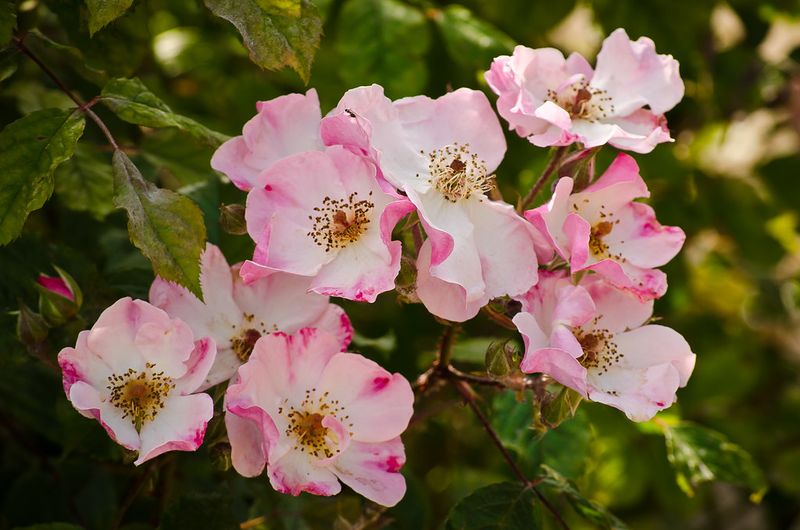
Government agencies once promoted multiflora rose as the solution for erosion control and living fences for livestock. The plant produces clusters of small white flowers followed by tiny red rose hips. What seemed like a practical solution became an ecological nightmare across Tennessee.
Long arching canes covered in curved thorns create impenetrable barriers in pastures and forests. Each plant produces hundreds of thousands of seeds that birds spread far and wide. The thorny thickets provide poor habitat for native wildlife while making land management nearly impossible.
Tennessee now bans planting multiflora rose because of its aggressive spreading behavior.
8. Garlic Mustard (Alliaria petiolata)

Crush a leaf and you’ll immediately smell the garlic odor that gives this plant its common name. Garlic mustard might look like just another wildflower with small white blooms in spring. Early European settlers brought it to North America as a food and medicinal herb without realizing the problems it would cause.
This biennial plant spreads rapidly through Tennessee woodlands by producing thousands of tiny seeds. The seeds remain viable in soil for up to five years, making control extremely difficult. Garlic mustard also releases chemicals that harm beneficial soil fungi that native plants need to survive.
9. Japanese Knotweed (Reynoutria japonica)

Bamboo-like stems shoot up through concrete, asphalt, and building foundations like something from a horror movie. Japanese knotweed grows incredibly fast, sometimes adding several inches per day during peak growing season. The hollow stems can reach heights of ten feet or more before dying back each winter.
Underground rhizomes spread horizontally and can travel under roads, through walls, and beneath buildings. Tiny fragments of root can generate entirely new plants, making removal extraordinarily difficult.
Tennessee strictly prohibits planting Japanese knotweed because of the severe damage it causes to infrastructure. Professional removal often costs thousands of dollars and requires years of repeated treatments to eliminate completely.
10. Hydrilla (Hydrilla verticillata)
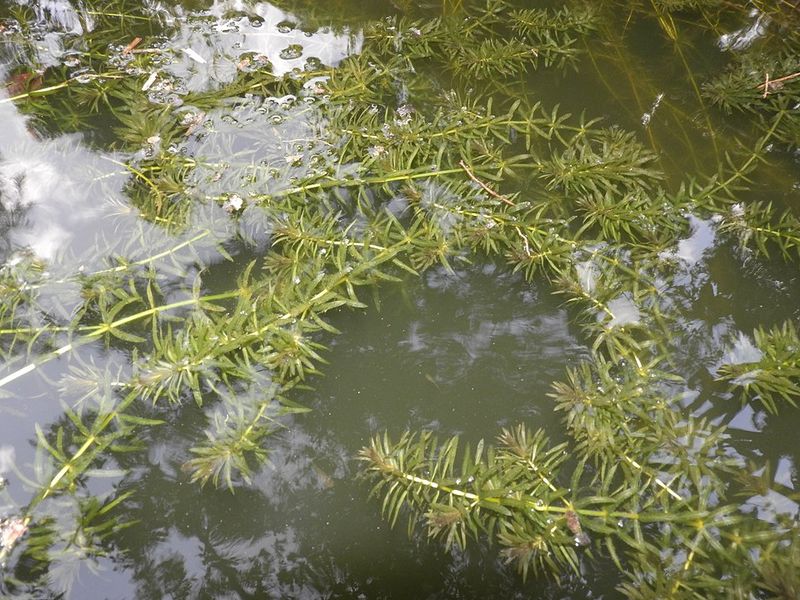
Beneath the surface of Tennessee lakes and ponds, this aquatic invader creates underwater jungles that choke out native plants. Hydrilla grows so thick that boats cannot pass through infested areas without getting tangled.
Even small pieces broken off by boats or animals can drift downstream and start new colonies. Dense hydrilla mats reduce oxygen levels in water, harming fish and other aquatic life. Swimming and fishing become impossible in heavily infested areas where the plant reaches the surface.
11. Chocolate Vine (Akebia quinata)
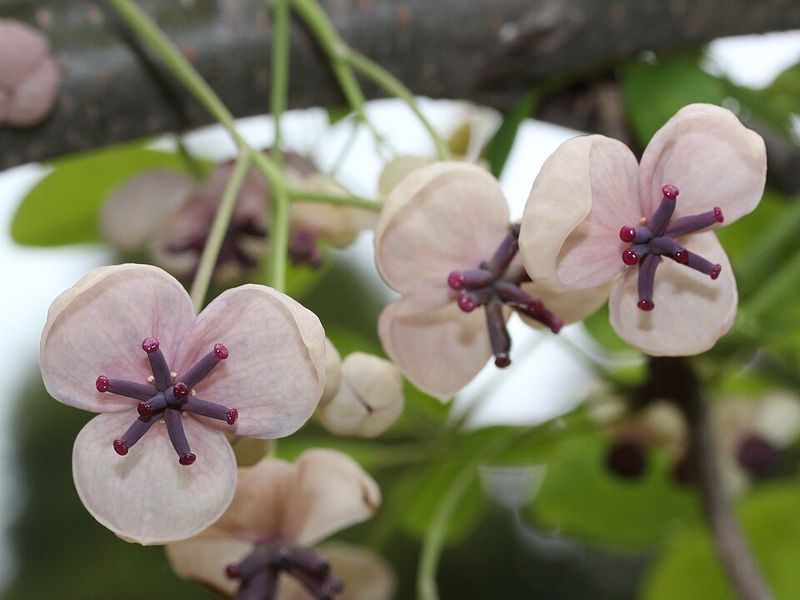
Unique purple flowers with a chocolate scent make this vine seem like an exotic addition to garden arbors. Chocolate vine produces attractive five-fingered leaves and interesting sausage-shaped fruits that split open when ripe. Gardeners originally planted it as an ornamental climber for quick coverage of fences and structures.
The vigorous vine climbs high into tree canopies where it smothers native vegetation and blocks sunlight. Seeds from the unusual fruits spread through birds and wildlife into natural forest areas. Once established, chocolate vine forms dense tangles that are extremely difficult to remove from woodland settings.
12. Opium Poppy (Papaver somniferum)
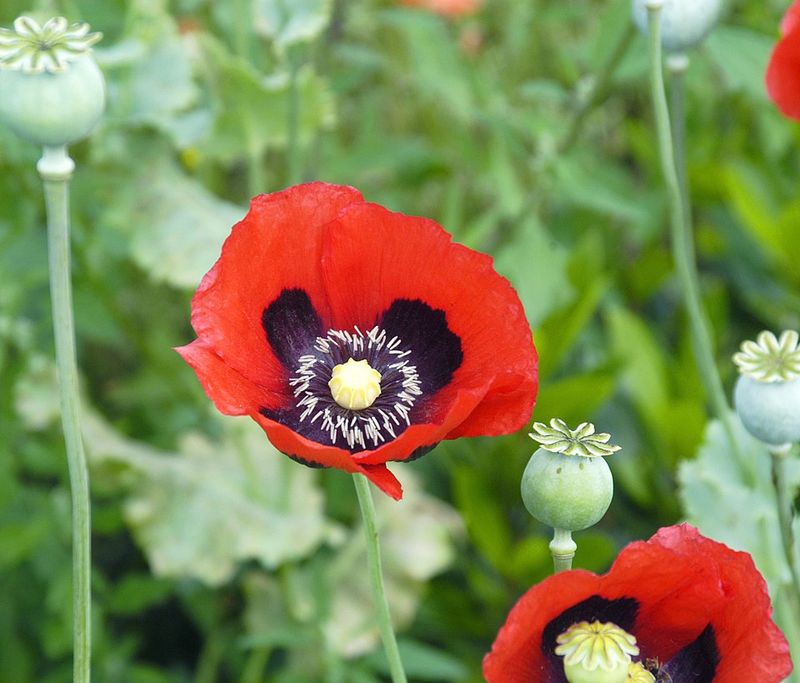
Beautiful flowers in shades of red, purple, pink, and white make opium poppies popular in cottage gardens worldwide. The distinctive seed pods have been used in floral arrangements and the seeds flavor bagels and pastries. However, growing this plant in your Tennessee backyard breaks federal law regardless of your intentions.
Opium poppies contain narcotic compounds regulated under the Controlled Substances Act throughout the United States. Federal law prohibits cultivation even if you only want the flowers for decoration or seeds for baking. Law enforcement can prosecute gardeners who grow opium poppies even without evidence of drug production.