In 1856, a local woman hurried to the scene of a terrible train crash near her Pennsylvania home. She spent hours caring for the injured, and people never forgot what she did.
A railroad later named its station after her. Then the whole town took her name too. I love that a community chose to honor kindness instead of a general or a rich landowner.
That story got me curious about other small towns that still act like that. I found places where volunteers light thousands of candles in a park each July. One tiny lake town builds a winter toboggan run out of ice cut right from its own water.
These are towns where people show up for each other in big and small ways. Some celebrate with festivals, and some just keep old habits alive. So which one feels most like home to you?
1. Lititz
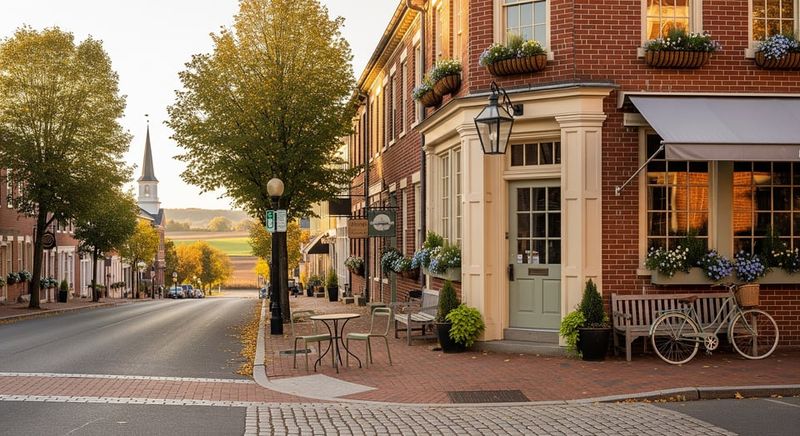
America’s first commercial pretzel bakery opened in this Lancaster County borough in 1861.
So if you’ve ever loved a salty twist, you owe this town a small thank-you.
Moravian settlers founded Lititz in 1756, and their influence still shows around the historic church square.
The town grew around faith, music, and the simple idea of caring for the community.
Today, the Julius Sturgis Pretzel Bakery invites visitors to try twisting their own pretzel.
Your first attempt might look like a knotted shoelace, and that’s perfectly fine.
Chocolate fans get their turn too.
Wilbur Chocolate has deep roots here, and its store on North Broad Street keeps that sweet history going.
Want proof that people here pitch in?
Lititz Springs Park hosts a Fourth of July celebration with roots reaching back to the early 1800s.
The famous candle display along the spring-fed stream dates to the 1840s.
Local volunteers help make the glowing scene happen, and families come back for it year after year.
The spring itself bubbles up right inside the park.
That makes the park more than a pretty spot, since it’s the town’s favorite gathering place.
The park also hosts other community events through the year, including a popular craft show.
Check the town calendar before your trip so you can catch something fun.
History lovers should look for the Johannes Mueller House on Main Street.
The Lititz Historical Foundation cares for the 1792 home and shares stories of early town life.
Small, locally owned shops fill much of the downtown.
When you buy a gift or a snack here, your money stays close to home and supports real neighbors.
In 2013, Budget Travel readers voted Lititz the Coolest Small Town in America.
The title brought visitors, yet the town kept its friendly, small-town habits.
Plan a slow afternoon instead of a rushed stop.
Grab a pretzel, wander the park, and let the old Moravian streets set your pace.
Lititz shows that tradition and kindness can share the same sidewalk.
Plenty of Pennsylvania towns are charming, but few smell this much like fresh pretzels and chocolate.
2. Eagles Mere
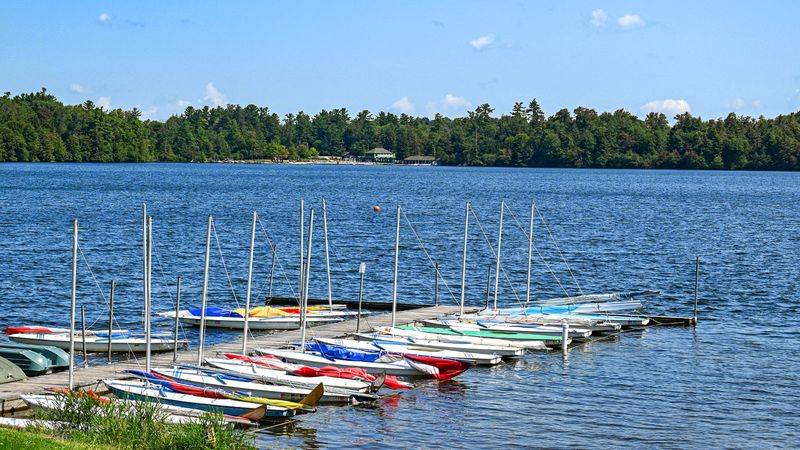
Nicknamed the town time forgot, Eagles Mere sits on a mountaintop lake in Sullivan County.
The year-round population is tiny, which means faces become familiar fast.
Back in the late 1800s, this spot became a summer resort for families escaping hot cities.
Many Victorian cottages from that era still stand, giving the streets an old-fashioned look.
Winter brings the town’s most famous tradition.
Each season, crews cut blocks of ice from the frozen lake to build a toboggan slide.
Riders zoom down the icy chute and shoot out across the frozen lake.
It takes serious teamwork to build, and that teamwork is part of the magic.
Of course, the slide depends on the weather cooperating.
A mild winter can delay or cancel it, so check updates before you load up the sled.
Warmer months belong to the Laurel Path.
The trail loops around the lake, and it’s an easy way to spend a peaceful morning.
You’ll see shady woods, quiet water, and the occasional canoe gliding by.
Bring decent shoes, since roots and rocks pop up along the way.
Gearheads have a surprise waiting nearby.
The Eagles Mere Air Museum and the Eagles Mere Auto Museum show off vintage planes and classic cars.
That’s a lot of engine history for such a quiet mountain town.
Kids who think museums are boring may change their minds fast.
Outdoor fans can also head to Worlds End State Park, a short drive away.
The park offers hiking, swimming, and rugged views along Loyalsock Creek.
Small towns like this one survive because residents keep traditions going.
When only a small crowd lives here year-round, showing up for each other isn’t optional.
Plan to slow way down during your visit.
Cell service can be spotty in this part of the mountains, which might be the best feature of all.
Eagles Mere feels like a postcard that decided to stay real.
If you crave quiet water and old-school community spirit, this lake town delivers.
3. Montrose
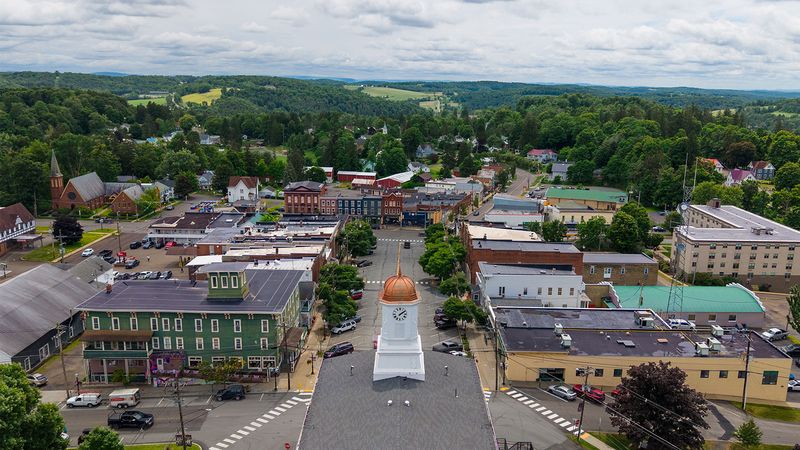
Blueberries and books make a surprisingly great team in Montrose.
Each summer, the town’s Blueberry Festival helps raise money for the local historical society and library.
Think about that for a second.
People gather to eat pie and buy crafts, and the result keeps the library running for neighbors.
The Susquehanna County Historical Society and Free Library Association organizes the event.
It usually takes place in early August, so plan ahead if you want to join in.
Montrose sits high in the hills as the county seat of Susquehanna County.
The setting is part of the Endless Mountains region, which earns its name honestly.
Downtown, you’ll spot the county courthouse and a collection of handsome older homes.
Many date back to the 1800s, giving the borough a calm, classic feel.
Need fresh air after all that blueberry fun?
Salt Springs State Park is just a short drive away.
The park features waterfalls, gorges, and towering hemlock trees.
A local group called the Friends of Salt Springs Park helps care for it, which fits this list perfectly.
Volunteers like that are the quiet heroes of small towns.
They clear trails, run events, and keep places open that might otherwise fade.
Montrose also works well as a base for exploring northeastern Pennsylvania.
Back roads wind through farmland, small lakes, and quiet villages in nearly every direction.
Autumn is a great time to visit if you love foliage.
The hills light up with color, and the drive alone can be the main event.
Bring a little patience for slower roads and fewer chain stores.
That’s part of the deal when you choose a place this far from big highways.
The payoff is a town that feels steady and unhurried.
You get room to breathe, plus a community that still turns fundraising into a party.
Montrose proves that a festival can be more than a fun weekend.
Here, a slice of blueberry pie helps keep the lights on at the library.
4. Portersville
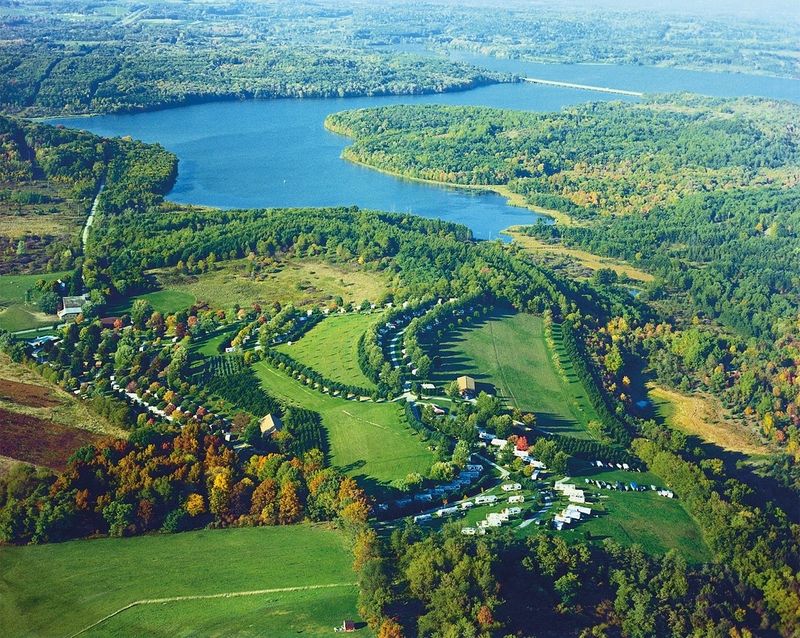
Blink on the drive through Butler County, and you could miss Portersville entirely.
Still, this tiny borough throws a summer party that draws crowds from across the region.
The Portersville Steam Show celebrates old farm machinery, steam engines, and antique tractors.
It’s run by a volunteer association that has kept the tradition rolling for decades.
Picture puffing engines, clanking gears, and plenty of curious kids.
Okay, no picturing required, because the show usually happens each July.
Shows like this depend on people who love to share skills.
Members restore old machines and then demonstrate how they worked, which keeps farm history alive.
Nature lovers get a big bonus here too.
Moraine State Park sits right nearby, wrapped around the sprawling waters of Lake Arthur.
The lake covers more than 3,000 acres.
You can paddle, sail, fish, or simply grab a picnic spot and watch the water.
Moraine also has a long paved bike trail along the north shore.
It’s a friendly ride for families who want scenery without big hills.
Craving something a little wilder?
McConnells Mill State Park is a short drive away, with a rocky gorge carved by Slippery Rock Creek.
The park’s historic gristmill and red covered bridge are photo favorites.
Trails get steep and slippery, so wear real shoes and watch your footing.
Life in a borough this small looks different from city living.
With only a few hundred residents, neighbors tend to be part of daily routines.
That size also means the community leans on volunteers for events and support.
The steam show is the loudest example, but it’s far from the only one.
Portersville works best as a slow countryside escape.
Mix a park day with a summer show, and you’ve got a weekend full of fresh air.
Pennsylvania farm country has a gift for keeping old skills alive.
In Portersville, that gift comes with a whistle, a puff of steam, and a lot of grease.
5. Old Forge
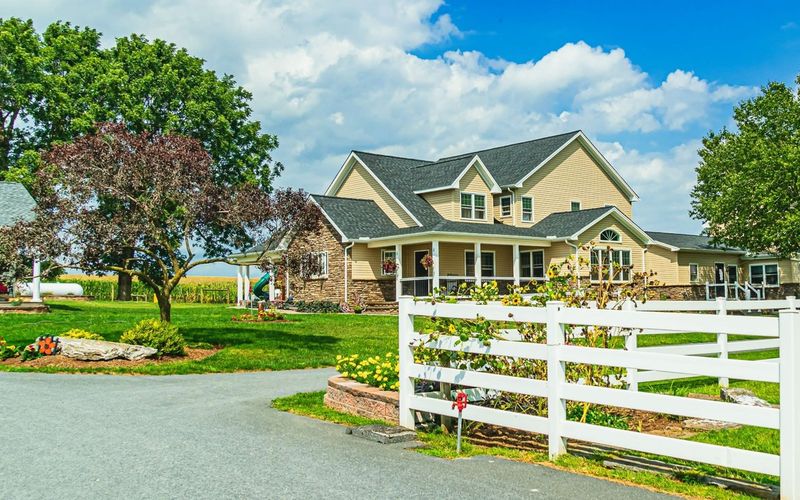
Pizza here comes by the tray, not the slice, and nobody seems confused about it.
Old Forge proudly calls itself the Pizza Capital of the World.
Bold claim?
Sure.
But this Lackawanna County borough backs it up with a long list of family-run pizzerias packed into a small area.
Old Forge style pizza is usually rectangular and baked in a pan.
Ordering often happens by the tray or by the cut, so learn the lingo before you order.
You’ll also hear about red and white versions.
Red usually means the classic sauce style, while white pies skip the red sauce and often use a double crust.
Many local pizza shops have been passed down through families.
That kind of history creates deep roots, and deep roots usually mean strong neighbor ties.
The town grew up as a coal mining community.
Many families came from Italy and other parts of Europe to work in the mines nearby.
Those immigrant roots shaped the food, the churches, and the way people gather.
Big family meals became part of local life, and pizza fit right in.
The Lackawanna River runs along the edge of town.
Trails along the river have grown in recent years, giving walkers a peaceful break from the busy streets.
Old Forge sits just south of Scranton, so it’s easy to reach.
You can explore the city and then swing down for dinner.
Plan to try more than one pizzeria if you can.
Comparing crusts and sauces is half the fun, and everyone has an opinion.
Bring friends, because a full tray goes further than you might expect.
Splitting a tray is a pretty great way to feel like a local for a night.
Small towns often connect through food, and this one does it better than most.
A pizza tray on the table invites everyone to sit down and share.
Old Forge proves you can build a town identity on a simple pan of dough.
Bring napkins, an appetite, and a willingness to pick a side.
6. Wellsboro
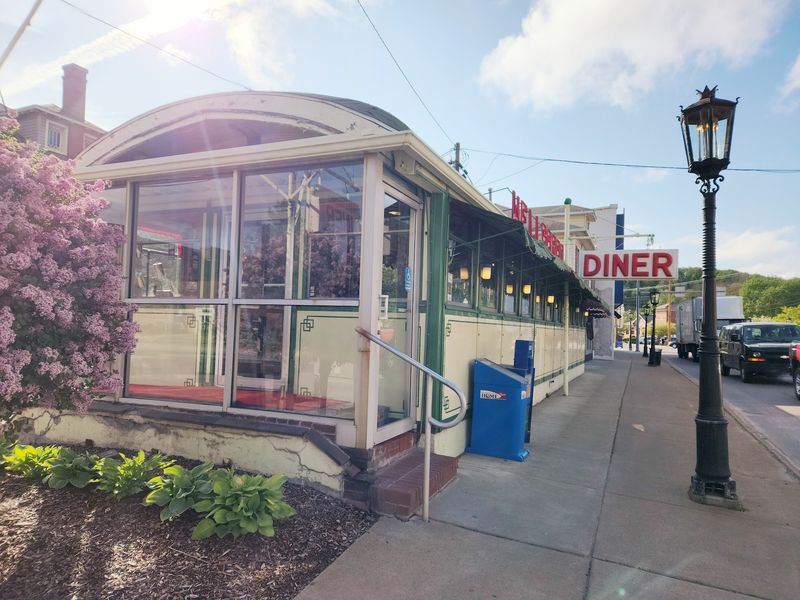
Gas streetlights still glow along Main Street in Wellsboro.
When the sun goes down, the whole downtown looks like it stepped out of an old storybook.
This Tioga County borough also sits near one of the biggest natural wonders in Pennsylvania.
The Pine Creek Gorge, often called the Pennsylvania Grand Canyon, is just a short drive away.
Two state parks give you views from opposite rims.
Leonard Harrison State Park and Colton Point State Park both offer lookouts over the deep, tree-covered gorge.
Back in town, stop by the Green, a park near the courthouse.
There, you’ll find a fountain statue of Wynken, Blynken and Nod, based on the famous children’s poem.
It’s a sweet little detail that kids tend to love.
Grown-ups usually end up snapping a photo too.
Every June, Wellsboro hosts the Pennsylvania State Laurel Festival.
The event celebrates the state flower and includes a parade, a pageant, and plenty of hometown pride.
Festivals like that take months of planning by local volunteers.
Their hard work turns a small borough into a big celebration for one weekend.
December brings another treat called Dickens of a Christmas.
The downtown fills with holiday cheer, costumed characters, and old-fashioned fun.
Love the outdoors?
The Pine Creek Rail Trail follows the gorge for miles and works for biking or walking.
The trail is fairly flat, which makes it friendly for families.
You can go as far as you like and then turn around whenever your legs ask for a break.
The Arcadia Theatre on Main Street keeps movie night alive downtown.
Seeing a film in a historic theater feels a lot more special than streaming at home.
Wellsboro balances wild scenery with a close-knit downtown.
You get canyon views in the morning and gaslit sidewalks at night.
Few small towns pack this much charm into such a walkable space.
If you want one place that feels both adventurous and homey, start here.
7. Bellefonte
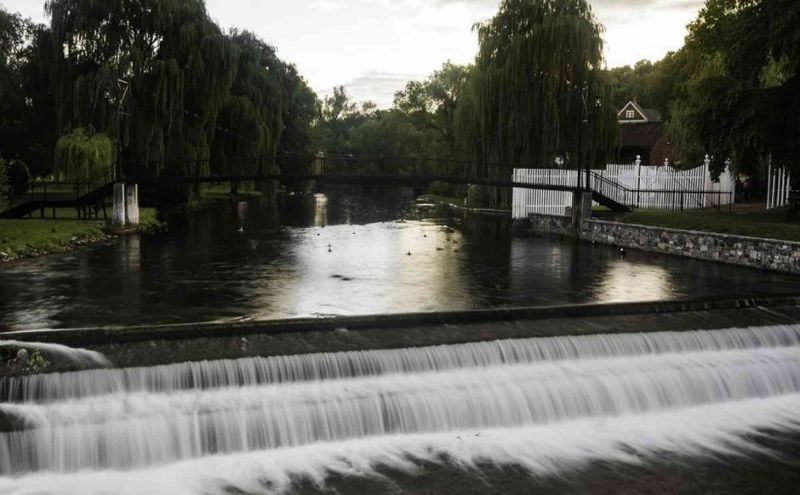
Feeding trout is a favorite pastime in Bellefonte, and nobody thinks it’s weird.
At Talleyrand Park, the fish in Spring Creek gather by the bridge waiting for snacks.
The town’s name means beautiful fountain in French.
Local legend credits the French statesman Talleyrand, who supposedly admired the nearby Big Spring.
Whether the story is fully true or not, the spring is real.
It still bubbles up near downtown and helps supply water to the community.
Bellefonte serves as the county seat of Centre County.
It’s also known for its large collection of Victorian buildings, many with fancy trim and tall windows.
Walk the downtown streets and you’ll see why architecture fans love it.
Grand homes and old commercial blocks line the hills above the creek.
The town is also proud of its political history.
Several governors have ties to Bellefonte, which is a lot of leadership for one small borough.
Talleyrand Park itself is a community favorite.
You’ll find walking paths, a gazebo, and footbridges crossing the clear water.
The park hosts concerts and events during warmer months.
Grab a spot on the grass and enjoy the show with your neighbors.
During the holidays, Bellefonte’s Victorian Christmas celebration fills downtown with festive cheer.
Old buildings plus twinkling lights make for a picture-perfect scene.
The town also sits just a short drive from State College.
You can catch the college town buzz and still come back to a quieter home base.
Small towns near big universities can lose their character.
Bellefonte has held onto its own identity, thanks to people who care about its history.
Historic preservation groups and local volunteers help protect the old buildings.
That kind of care is a form of looking out for each other too.
Bring some bread for the trout, but check posted rules first.
Then wander the streets and soak in a town where history and community still walk side by side.
8. Cambridge Springs
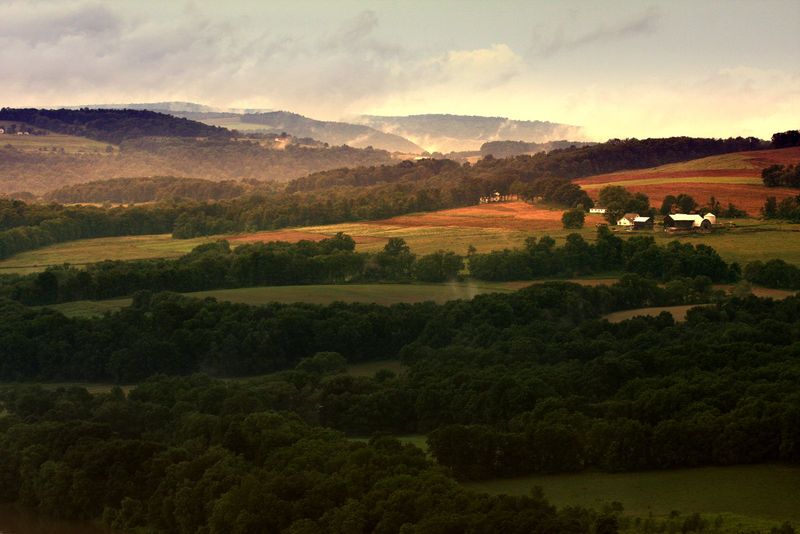
Mineral water once turned this quiet Crawford County borough into a busy resort.
In the late 1800s, visitors came by train hoping the springs would boost their health.
Hotels and boarding houses popped up to welcome the crowds.
For a while, Cambridge Springs was one of the better-known spa towns in the region.
The resort boom eventually faded, as many health fads do.
What stayed behind was a small community with plenty of history and a slower pace.
French Creek flows right past town.
Nature groups often praise the creek for its wide variety of fish and freshwater mussels.
That makes it a great spot for paddling and fishing.
Canoes and kayaks drift along the water through farmland and forest.
History buffs might find another story interesting.
Alliance College, founded by the Polish National Alliance, operated in Cambridge Springs for much of the 1900s.
The college closed in 1987, but its legacy remains part of local memory.
Polish American heritage is still a meaningful thread in the area.
Bird watchers have a reason to drive a bit farther.
Erie National Wildlife Refuge is located nearby, with trails and wetlands that attract migrating birds.
Small towns like this one rely on neighbors to keep traditions alive.
Churches, fire companies, and local groups often handle events that bigger cities would hire out.
Life here moves slower than in places like Erie or Meadville.
That slower pace gives people more time to know the folks down the road.
Visitors should come curious and relaxed.
You won’t find giant attractions, but you will find a creek, a story, and room to breathe.
Bring a camera for the old buildings and river views.
Look for small details from the resort days, since history hides in plain sight here.
Cambridge Springs reminds you that towns can change and still keep their heart.
The healing waters are mostly a memory, but the community spirit is still flowing.
9. Jim Thorpe
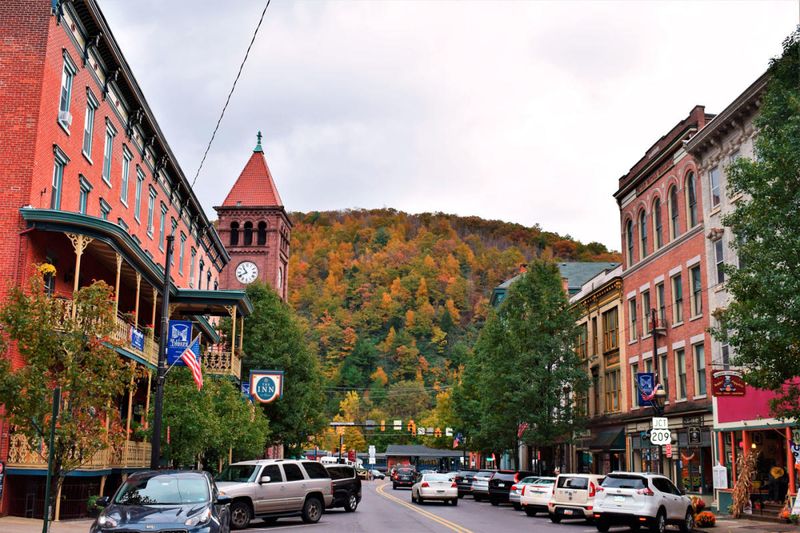
Here’s a town that renamed itself after an Olympic champion who never lived there.
In 1954, two boroughs called Mauch Chunk and East Mauch Chunk merged and took the name Jim Thorpe.
The famous athlete had passed away the year before.
His widow arranged for his resting place to be here, and a memorial now honors him in town.
Before that, Mauch Chunk thrived as a coal and railroad hub.
Its narrow valley and steep hills earned it the nickname Switzerland of America.
The downtown is packed with colorful Victorian buildings.
Many squeeze tightly along the streets, making the town look almost stacked on the hillsides.
Visit the Asa Packer Mansion for a peek at how a railroad tycoon lived.
Packer also founded Lehigh University, so his influence reached far beyond town.
Curious about darker local history?
The Old Jail Museum shares stories about the Molly Maguires, Irish coal miners tied to a famous chapter of labor history.
Railroad fans can hop aboard the Lehigh Gorge Scenic Railway.
Trains roll through the mountains, and fall foliage rides are especially popular.
Prefer pedaling?
Lehigh Gorge State Park offers a rail trail along the river with dramatic cliff and water views.
The Mauch Chunk Opera House still hosts music and shows.
It’s a fun way to spend an evening in a building with real history.
Weekends can get busy, especially in autumn.
Arrive early if you want easier parking and a calmer stroll.
Behind the tourist buzz, a close community keeps the town running.
Local volunteers support festivals, historic sites, and preservation work.
Jim Thorpe also sits within easy reach of Allentown and the Poconos.
That makes it a handy day trip or a weekend escape.
Few towns can match this mix of mountains, history, and quirky backstory.
Come for the views, then stay for the stories tucked inside those tall brick walls.
10. Ligonier
A wooden fort from 1758 still anchors the story of Ligonier.
Fort Ligonier was built during the French and Indian War, and a reconstructed version welcomes visitors today.
The fort’s museum shares stories from that era with artifacts and exhibits.
Kids who love history will have plenty to explore.
Each October, the town celebrates Fort Ligonier Days.
The festival honors a battle fought there on October 12, 1758.
Expect a parade, crafts, food, and reenactors in historic clothing.
Community groups help put the event together, turning the town into one big gathering.
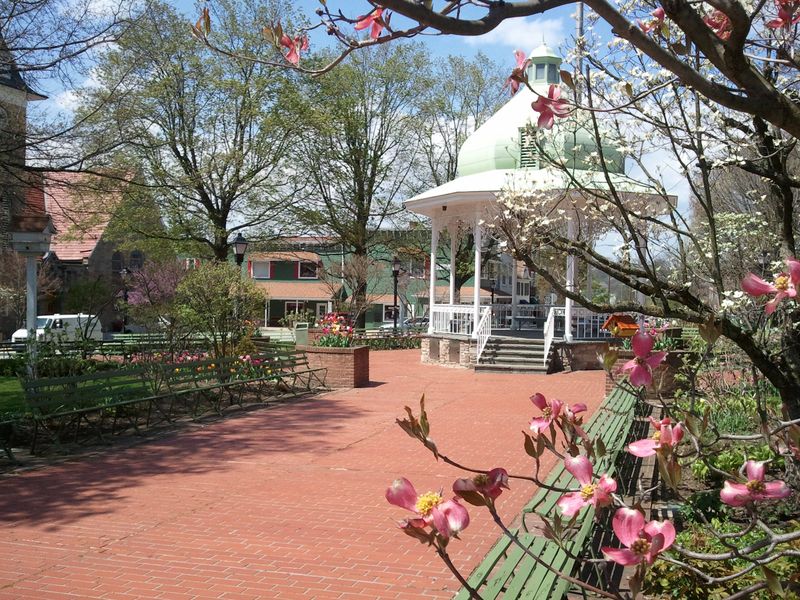
At the center of town sits the Diamond, a park-like square.
A white bandstand stands in the middle, and summer concerts often bring people together there.
Shops and restaurants line the streets around the Diamond.
It’s easy to park once and wander for hours without needing your car.
Ligonier sits in the scenic Laurel Highlands of western Pennsylvania.
Rolling hills and forest roads make the drive here part of the fun.
Families should also know about Idlewild and SoakZone just down the road.
The amusement park opened in 1878, making it one of the oldest in the country.
Idlewild is famous for being gentle on younger kids.
Mister Rogers’ Neighborhood of Make-Believe ride adds an extra dose of nostalgia.
That connection feels fitting for a list about neighbors.
Fred Rogers grew up nearby in Latrobe, and his message of kindness still echoes in the region.
Outdoor fans can explore Linn Run State Park and other nearby forests.
Trails, streams, and waterfalls offer a quieter side of the valley.
Plan a fall visit if you can manage it.
The leaves, the festival, and the crisp air make a strong case for October.
Ligonier blends frontier history with small-town friendliness.
Grab a seat by the bandstand and you’ll understand why people keep coming back.
11. Ambler
Kindness literally put this town on the map.
Ambler takes its name from Mary Ambler, who rushed to help injured passengers after a deadly train crash in 1856.
She cared for victims for hours, using her home as a place of aid.
Years later, the railroad named the local station after her, and the town followed.
That origin story makes Ambler a perfect fit for this list.
Few places can say their identity started with a neighbor helping strangers.
Ambler sits in Montgomery County, not far from Philadelphia.
A SEPTA regional rail station still serves the town, connecting it to the city.
The downtown along Butler Avenue has a lively small-town feel.
You’ll find local shops, restaurants, and plenty of people out walking.
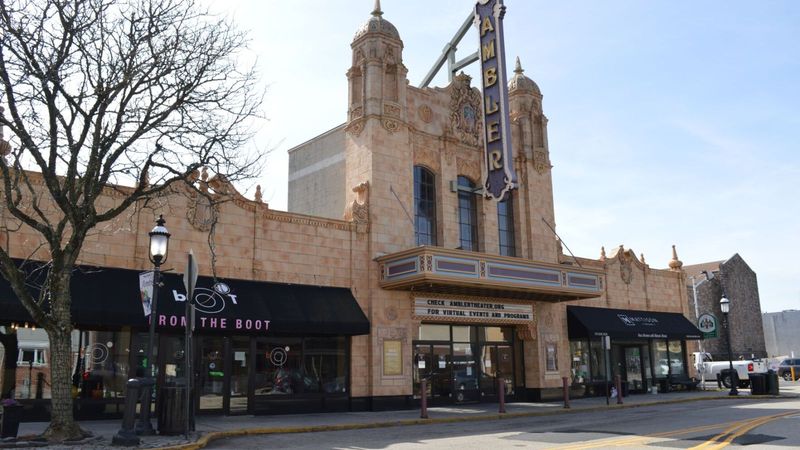
The historic Ambler Theater is a highlight.
It’s run as a nonprofit community theater, showing independent films and classics.
Supporting a nonprofit theater is a neighborly move all by itself.
Ticket sales help keep the screen glowing for future audiences.
The town also has a complicated industrial past.
Asbestos manufacturing was once a major local industry, leaving large waste piles behind.
Cleanup efforts have worked to address that history.
It’s a reminder that communities sometimes have to pull together to fix tough problems.
For a peaceful break, visit the Ambler Arboretum of Temple University.
The gardens and grounds offer quiet paths and seasonal blooms.
Ambler often hosts community events downtown through the year.
Check local listings before you go so you can join the fun.
Because it’s close to Philadelphia, Ambler makes an easy day trip.
You get small-town energy without a long drive.
Pennsylvania has many towns with interesting names, but Ambler’s story might be the sweetest.
When you visit, remember that it all began with one woman deciding to help.
12. Brookville
Mountain laurel gets a full-on party in Brookville every June.
The Brookville Laurel Festival celebrates the state flower with parades, music, and plenty of community spirit.
Events like that don’t run on their own.
Local volunteers spend months planning so families can enjoy a few busy days of fun.
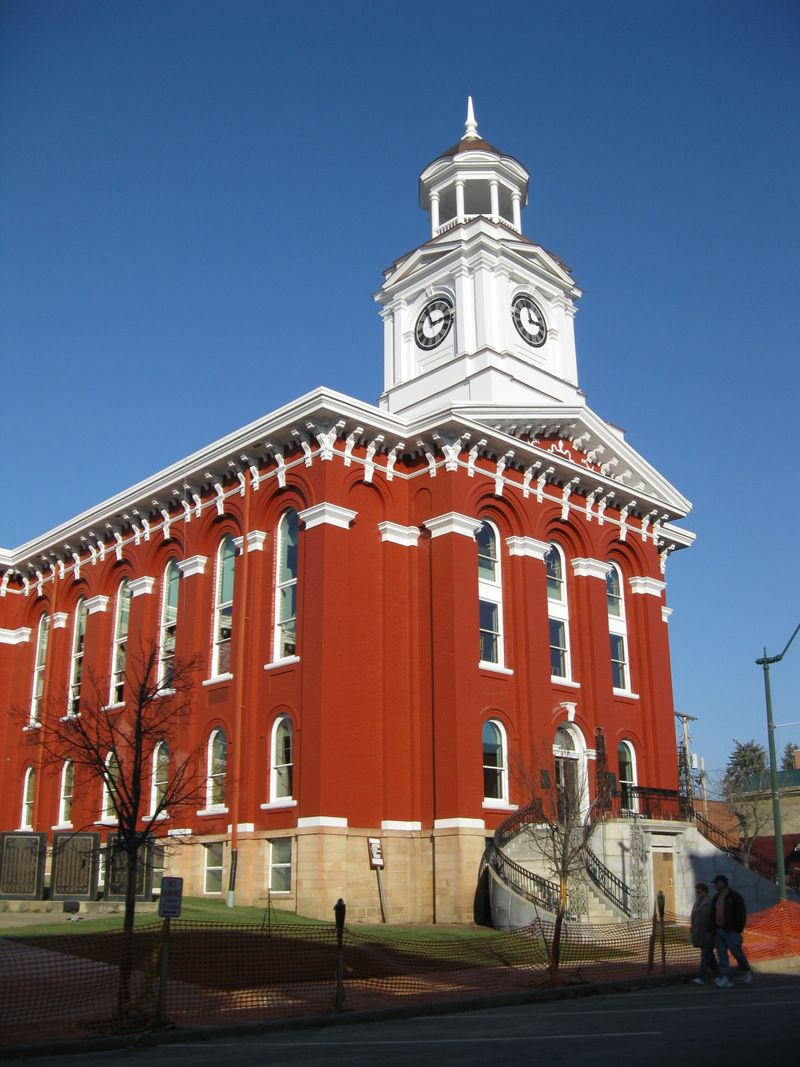
Brookville serves as the county seat of Jefferson County.
Its downtown historic district features many Victorian buildings along Main Street.
Look up as you walk, since the upper floors hold some of the best details.
Old cornices and tall windows tell stories of the town’s busier past.
The Jefferson County History Center sits right downtown.
It’s a great stop for learning about local people, industries, and traditions.
History buffs can easily spend an hour there.
Even casual visitors will find something surprising in the exhibits.
During the holidays, Brookville hosts a Victorian Christmas celebration.
The historic streets become a festive scene with lights and seasonal events.
Nature lovers have a big reason to stay longer.
Cook Forest State Park lies a short drive away and protects stands of old-growth trees.
The Forest Cathedral area features towering pines and hemlocks.
Walking beneath them feels quiet, peaceful, and a little humbling.
Clear Creek State Park is also nearby.
It offers camping, swimming, and trails along the Clarion River.
Brookville sits right off Interstate 80, so it’s easy to reach.
Road trippers can swap a boring rest stop for a stroll through town.
Small county seats like this often feel like big family reunions.
Courthouse business, church suppers, and local events keep people crossing paths.
That kind of everyday connection is what this list is all about.
In Brookville, neighbors still turn festivals and hometown traditions into shared moments worth showing up for.
Share this story