Tennessee isn’t just Nashville and Memphis anymore. Across the state, smaller cities and towns are exploding with new residents, businesses, and opportunities that even local planners didn’t predict. From lakeside communities to quiet farming towns turned suburban hotspots, these twelve places are rewriting the map of where Tennesseans want to live and work.
1. Lebanon
Just thirty miles east of Nashville, Lebanon has turned into Middle Tennessee’s most obvious success story. Population numbers have climbed steadily year after year, fueled by families and young professionals who want Music City access without the sticker shock. The commute is manageable, the schools are improving, and there’s actual space to breathe.
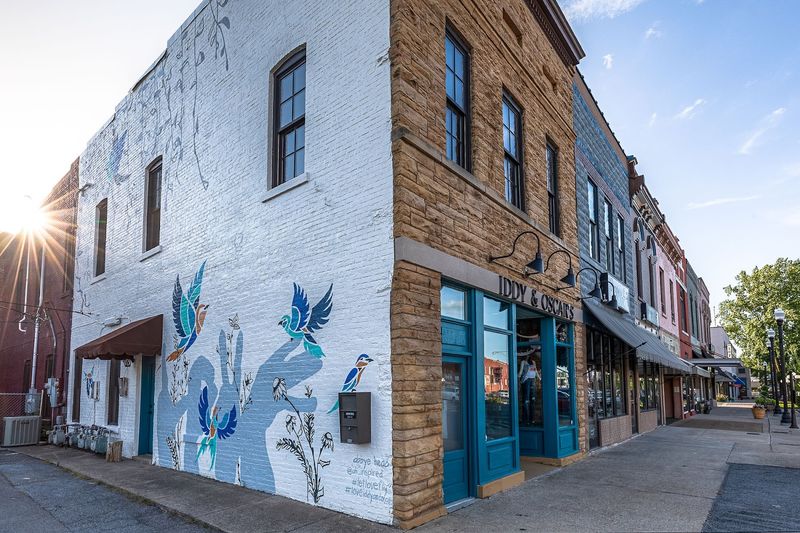
New subdivisions keep popping up on former farmland, and local officials are scrambling to keep infrastructure ahead of demand. Retail centers, restaurants, and service businesses are filling in gaps that used to send residents toward Nashville for everything. Lebanon’s historic downtown square still has charm, but the real action is happening along the commercial corridors where chain stores and local spots are multiplying.
What makes Lebanon different from other Nashville suburbs is the balance. It’s not trying to be Franklin or Brentwood. Instead, it’s carving out an identity as an affordable, family-friendly alternative with its own amenities and community vibe.
Parks are expanding, job opportunities are growing locally, and the cost of living remains reasonable compared to counties closer to Davidson.
The spillover effect from Nashville’s growth shows no signs of slowing, and Lebanon is positioned perfectly to catch it. With Interstate 40 running right through town and plenty of developable land still available, this Wilson County seat is just getting started.
2. Baxter
Baxter doesn’t make headlines often, but the numbers tell a story most people missed. This tiny Putnam County town has been growing at a pace that seems impossible for a place with such a small starting population. It’s not a suburb of anything major, which makes the growth even more surprising.
People are choosing Baxter intentionally, not just stumbling into it.
Part of the appeal is affordability. Housing prices here remain shockingly low compared to anywhere near Nashville or even Cookeville. That’s attracting retirees, remote workers, and families who want land without the luxury price tag.
Baxter offers space, quiet, and a slower rhythm that feels increasingly rare in Tennessee.
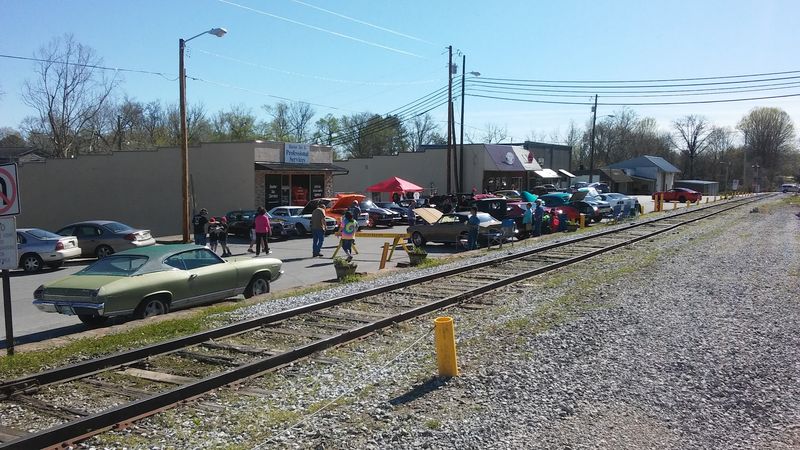
The town itself is modest—no fancy downtown or trendy coffee shops. But that simplicity is exactly what some people are seeking. There’s a sense of community here that larger towns have lost, and newcomers are finding ways to plug in.
Local churches, volunteer groups, and school events create connections that feel genuine.
Infrastructure is playing catch-up, as it does in most boomtowns. Roads that were fine for a few hundred residents need upgrades now that traffic has increased. But local leaders are adapting, and the growth is steady rather than chaotic.
Baxter won’t become a city anytime soon, but it’s proving that even the smallest Tennessee towns can attract new residents when they offer something authentic and affordable.
3. White House
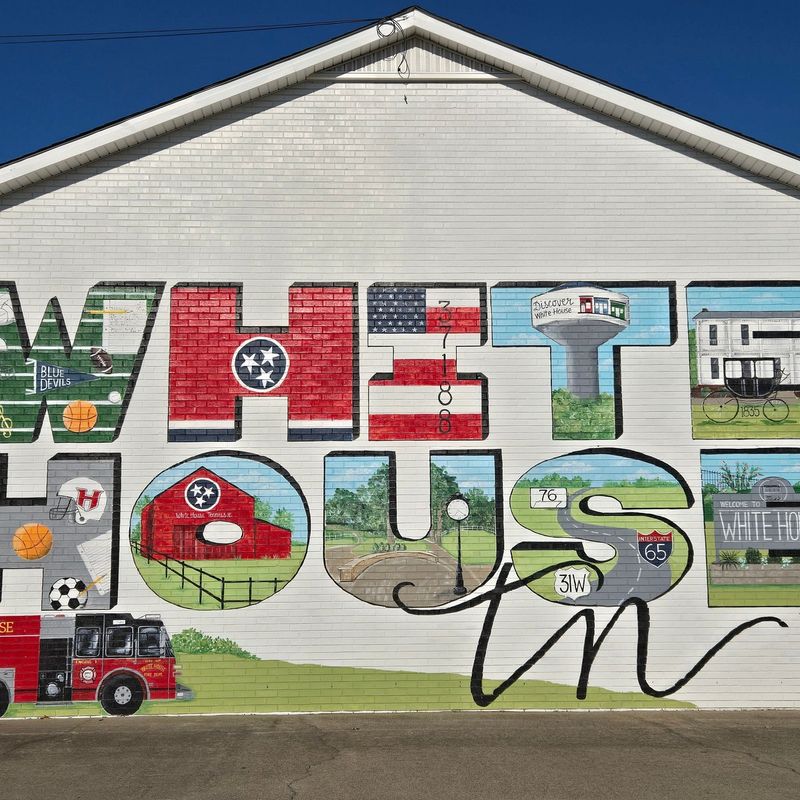
White House sits perfectly positioned between Nashville and the Kentucky border, making it a commuter’s dream. Sumner County has been hot for years, but White House is emerging as a top choice for people who need Nashville access without living in the metro chaos. The drive is doable, the schools are solid, and the housing market still offers value.
Growth here isn’t subtle. New neighborhoods are spreading across former pastures, and commercial development is rushing to keep pace. Big-box stores, grocery chains, and restaurants are opening locations that would have seemed ridiculous a decade ago.
White House is transitioning from a quiet stop on Highway 31W to a legitimate suburban destination.
Families dominate the demographic shift. Parks are filled with kids, youth sports leagues are expanding, and local schools are adding capacity. The community vibe remains friendly and welcoming, even as the population swells.
People here seem to appreciate what they have—proximity to opportunity without sacrificing space or safety.
What’s driving the boom is simple: Nashville’s growth has to go somewhere, and White House offers the right mix of location and affordability. As Davidson and Williamson counties price out middle-class families, Sumner County towns like White House become the logical next step. Infrastructure improvements are happening, and local government is working to manage growth smartly.
4. Alcoa
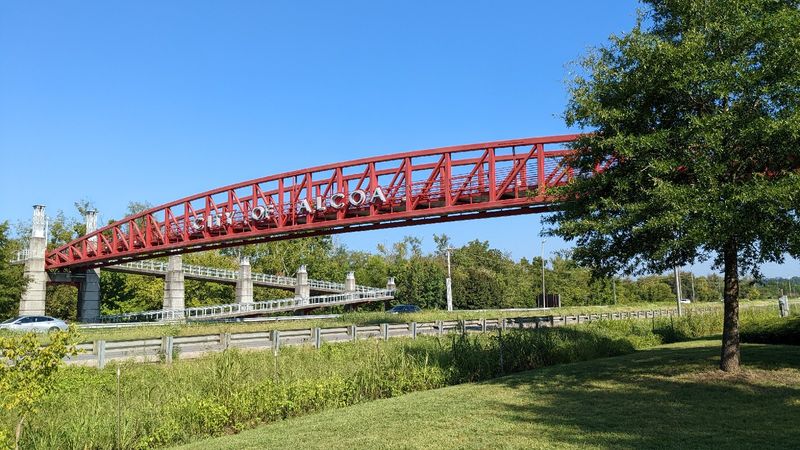
Alcoa has something most Tennessee towns don’t: a major airport practically in its backyard. McGhee Tyson Airport isn’t just convenient—it’s an economic driver that makes Alcoa attractive to businesses and residents who travel frequently. Add in Blount County’s natural beauty and proximity to Knoxville, and you’ve got a winning combination.
The town’s growth reflects Knoxville’s expanding influence. As the metro area pushes outward, Alcoa is catching the wave with new housing developments and commercial investment. The job market here is diverse, with manufacturing, healthcare, and service industries all contributing.
People can live in Alcoa and work locally or commute easily to Knoxville.
Alcoa’s history is tied to industry—the Aluminum Company of America put it on the map—but the town has evolved beyond that single identity. Today, it’s a well-rounded community with parks, schools, and amenities that support family life. The Great Smoky Mountains are close enough for weekend adventures, and the quality of life feels balanced.
What’s impressive is how Alcoa has managed growth without losing functionality. Traffic flows reasonably well, services keep up with demand, and the town maintains a distinct identity rather than blending into Knoxville’s sprawl. As East Tennessee continues to attract new residents fleeing higher-cost states, Alcoa stands out as a smart landing spot with real advantages and staying power.
5. Thompson’s Station
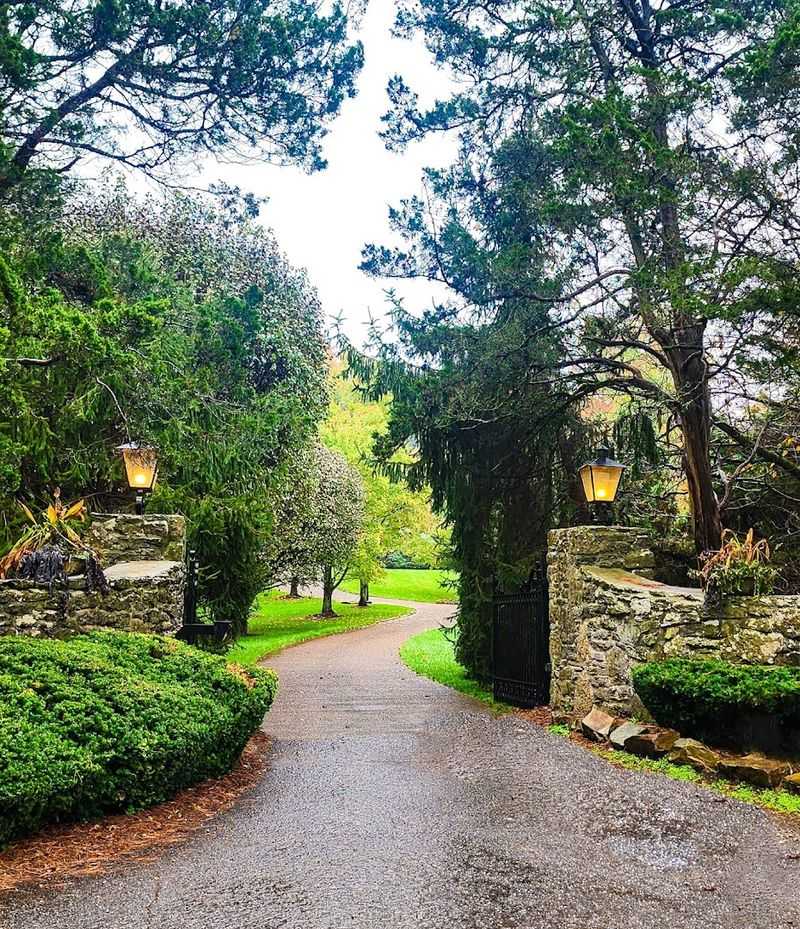
Thompson’s Station has become one of Middle Tennessee’s most talked-about small towns, and it is easy to see why. Located in Williamson County, just south of Franklin and within commuting distance of Nashville, this community offers the rare mix of countryside atmosphere and big-city access. What was once a quiet rural stop has steadily transformed into a desirable place for families, professionals, and newcomers looking for space without feeling disconnected.
The town’s growth has been fueled by scenic surroundings, strong schools, newer housing options, and its convenient position near major job centers. Still, Thompson’s Station has not lost the character that made people notice it in the first place. Rolling fields, historic sites, tree-lined roads, local parks, and a slower pace help it stand apart from more crowded suburbs nearby.
What makes Thompson’s Station especially interesting is that its rise feels both rapid and carefully watched. New neighborhoods continue to appear, but the town still carries a sense of identity rooted in farmland, history, and community pride.
6. Piperton
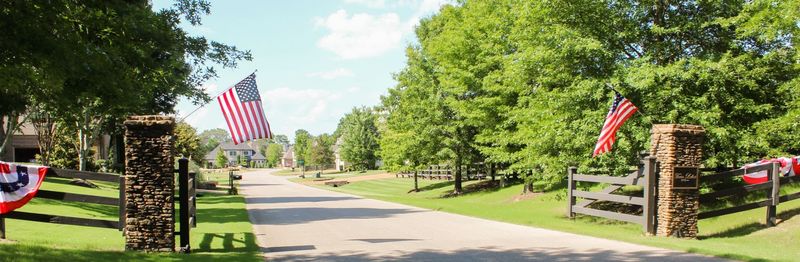
Way out in Fayette County, Piperton is one of West Tennessee’s quietest boomtowns. Most people outside the Memphis metro have never heard of it, but the growth numbers are undeniable. This small town is absorbing families and professionals looking for suburban calm within reasonable reach of Memphis.
Piperton’s appeal is straightforward: space, safety, and affordability compared to more established Memphis suburbs. New homes are going up steadily, and the community is expanding in a controlled, thoughtful way. There’s no urban chaos here—just quiet streets, good schools, and a family-oriented atmosphere that feels refreshing.
The town is small enough that newcomers can still make an impact and get involved. Local events bring people together, and there’s a genuine sense of building something new. Piperton isn’t trying to compete with Collierville or Germantown—it’s offering a different option for people who want even more distance from the city.
Infrastructure is developing alongside the population. Roads, utilities, and services are improving to match demand, and local leadership seems committed to smart growth. Piperton’s location near the Mississippi border gives it room to expand without bumping into neighbors.
7. Oakland
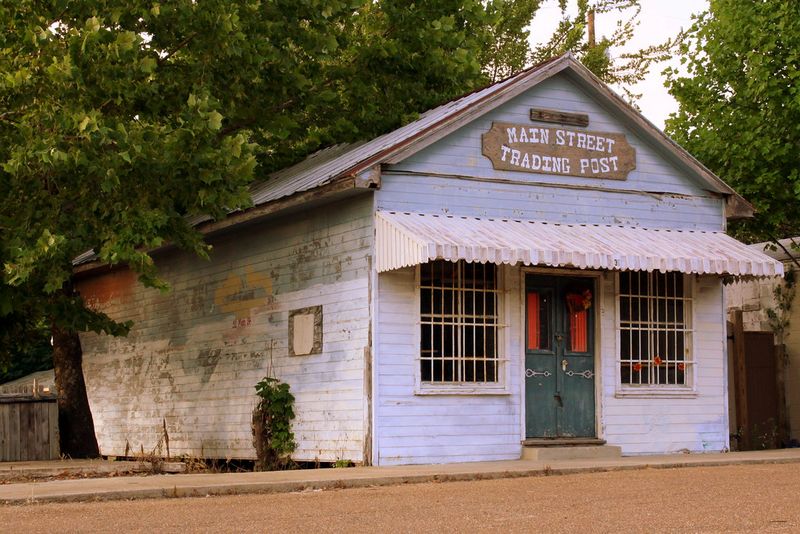
Oakland is Fayette County’s superstar, and the growth here is impossible to ignore. What was once a rural crossroads has transformed into one of the fastest-growing towns in Tennessee. The population has exploded as families discover Oakland’s combination of excellent schools, new housing, and proximity to Memphis without the urban headaches.
New neighborhoods are everywhere, and they’re filling up as fast as builders can finish them. Oakland has become a magnet for young families who want top-tier education and a safe, suburban environment. The school system is a major draw, consistently ranking among the best in the region.
Parents are willing to commute to Memphis or work remotely to give their kids this advantage.
The town itself is adapting quickly. New retail centers, restaurants, and services are opening to serve the growing population. Oakland is developing its own identity and amenities rather than remaining purely a bedroom community.
What’s fueling Oakland’s boom is a combination of factors: great schools, manageable home prices, and a location that works for Memphis commuters. Fayette County’s rural character is fading fast in Oakland, replaced by suburban energy and opportunity. If you’re watching Tennessee’s growth patterns, Oakland is a case study in how quickly a small town can transform when the conditions are right.
8. Lenoir City
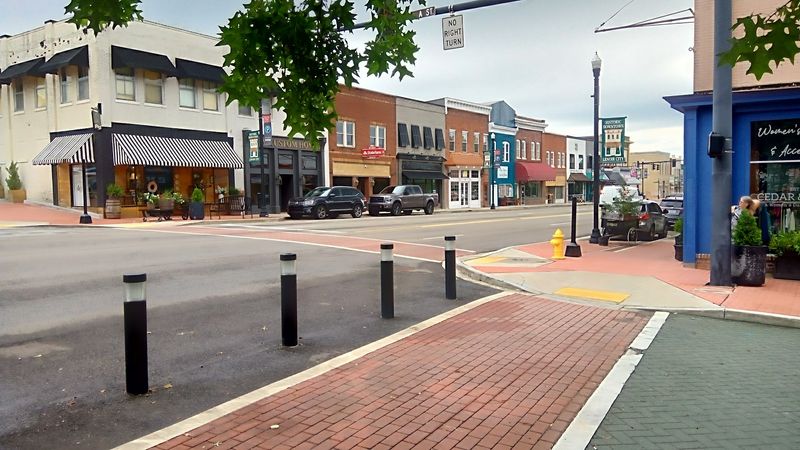
Lenoir City combines two powerful Tennessee attractions: lake life and Knoxville proximity. Sitting on the edge of Tellico Lake with easy access to the metro area, this Loudon County town has become a hot spot for people who want outdoor recreation and suburban convenience in one package.
The lake is a huge draw. Tellico offers boating, fishing, and waterfront living that appeals to retirees and families alike. Lenoir City has capitalized on this natural asset, with waterfront developments and lake-access communities sprouting up regularly.
The lifestyle here feels like vacation, but you’re still close enough to Knoxville for work and city amenities.
Beyond the lake, Lenoir City offers solid schools, affordable housing compared to Knox County, and a growing commercial base. Retail and dining options are expanding as the population increases, making it easier to stay local for everyday needs. The town has a functional downtown and a mix of old and new that gives it character.
Knoxville’s growth is pushing outward in all directions, and Lenoir City is catching the wave. People who work in Knoxville but want a different lifestyle are choosing Lenoir City for its balance of nature and convenience. The commute is manageable, the cost of living is reasonable, and the quality of life is high.
9. Gallatin
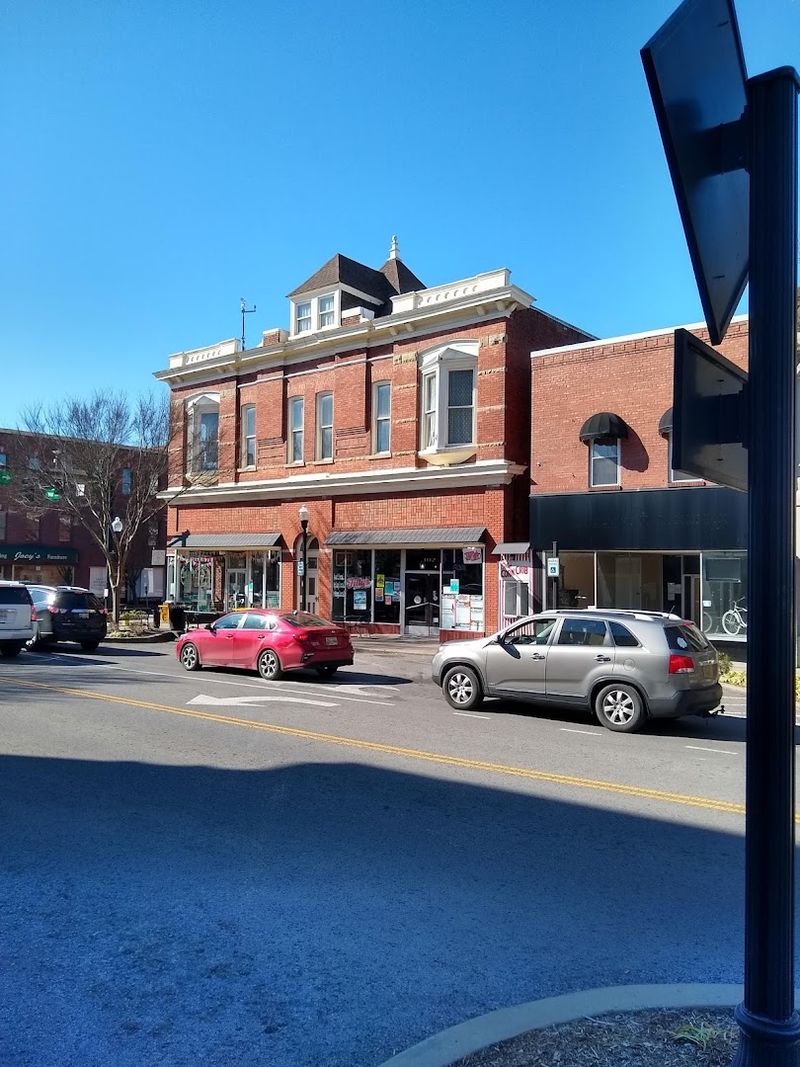
Gallatin is one of the biggest winners in Sumner County’s ongoing boom. As Nashville pushes north, Gallatin is absorbing thousands of new residents who want suburban living with a touch of history and character. The town has managed to grow rapidly while maintaining a distinct identity that newcomers seem to appreciate.
The downtown square remains a focal point, with local businesses, restaurants, and community events that create a sense of place. But surrounding that historic core is explosive residential and commercial growth. Subdivisions are spreading in every direction, and retail development is filling in along major corridors.
Gallatin is no longer just a Sumner County seat—it’s a destination.
Schools are a major draw, and the town’s amenities are expanding to match population growth. Parks, sports facilities, and entertainment options are improving, making Gallatin a place where families can put down roots. The community vibe is welcoming, and there’s still enough space that growth doesn’t feel suffocating.
What makes Gallatin stand out is its balance. It’s growing fast but not recklessly. Local government is investing in infrastructure, and the town is planning for the future rather than just reacting to it.
Proximity to Nashville is a huge advantage, but Gallatin is building its own economy and identity. As one of Middle Tennessee’s most dynamic towns, Gallatin is a boomtown with staying power and a bright future ahead.
10. Burns
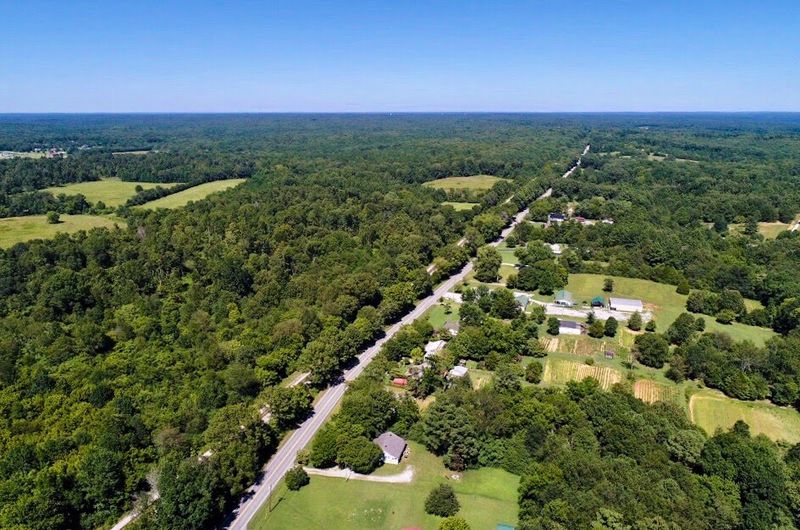
Burns is a tiny Dickson County town that’s experiencing outsized growth, and most Tennesseans have never even heard of it. The population here is small, but the percentage increase is eye-popping. People are discovering Burns as an ultra-affordable option within commuting distance of Nashville, and the secret is getting out.
What draws people to Burns is simple: land and low prices. You can still find acreage here at costs that seem impossible anywhere near Nashville. For families wanting space, privacy, and a rural lifestyle without complete isolation, Burns hits the sweet spot.
The commute to Nashville is doable, especially for people with flexible schedules or remote work options.
The town itself is modest—don’t expect trendy shops or farm-to-table restaurants. But that simplicity is part of the appeal. Burns offers a genuine small-town experience where neighbors know each other and community ties matter.
New residents are blending in and contributing to local life rather than trying to change it.
Infrastructure is basic, and growth is testing the town’s capacity. Roads, schools, and services are all feeling the pressure of an increased population. But local leaders are working to manage the expansion thoughtfully.
Burns won’t become a city, and most residents hope it never does. This is a boomtown for people who want to escape suburban sprawl, not join it. If you’re looking for Tennessee’s most unexpected growth story, Burns deserves attention.
11. Columbia
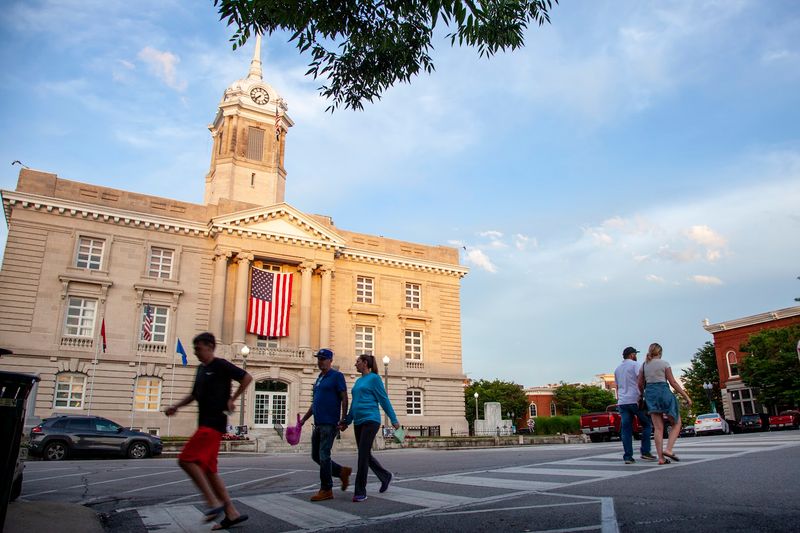
Columbia is Maury County’s biggest success, and it’s becoming the go-to alternative for people priced out of Nashville’s closer suburbs. The town sits about forty-five minutes south of Music City, which is far enough to keep costs reasonable but close enough to stay connected. Families and young professionals are flooding in, attracted by affordability and opportunity.
The downtown square is charming and functional, with local businesses, restaurants, and events that create community energy. Columbia has history and character that newer suburbs can’t replicate, and residents seem to value that authenticity. Beyond downtown, new neighborhoods are spreading across the county, bringing thousands of new homes and residents.
Schools are improving as investment and population increase, and the job market is diversifying. Columbia isn’t just a bedroom community—local employers are hiring, and businesses are opening to serve the growing population. Retail and dining options are expanding, making it easier to stay local for everyday needs.
What makes Columbia appealing is the combination of small-town feel and big-town amenities. You get space, affordability, and community without sacrificing too much convenience. The commute to Nashville is manageable for people who need it, but Columbia is building its own economy and identity.
12. Spring Hill
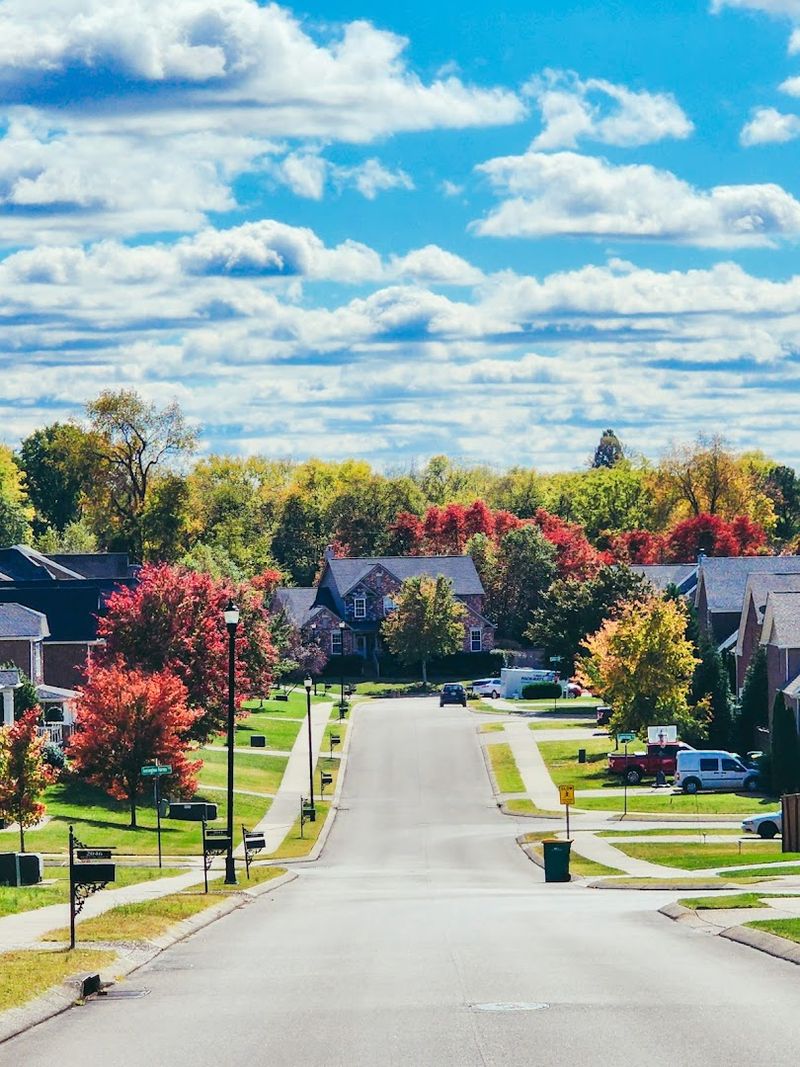
Spring Hill has been booming for years, and somehow it just keeps going. This town straddling Williamson and Maury Counties has absorbed wave after wave of new residents, yet the growth shows no signs of stopping. What started as a GM plant town has evolved into one of Tennessee’s most dynamic suburban communities.
The population explosion here is staggering. Subdivisions that were farmland a decade ago are now filled with families, and new developments are still going up constantly. Spring Hill offers Williamson County schools and amenities on the Maury County side, creating a value proposition that attracts buyers from across the region.
The town is massive now, but it’s still growing.
Commercial development has kept pace with residential growth. Shopping centers, restaurants, entertainment options, and services are abundant. Spring Hill has everything you need locally, which is crucial when you’re dealing with this much population density.
Traffic is a challenge during peak times, but infrastructure improvements are ongoing.
What keeps Spring Hill growing is location and value. It’s close enough to Nashville for commuters, affordable enough for middle-class families, and developed enough to offer suburban convenience. The town has its own identity now, separate from Franklin or Columbia.
Schools are solid, parks are plentiful, and community events bring people together. Spring Hill is proof that even after years of rapid growth, a Tennessee boomtown can keep attracting new residents when it delivers what people want.
Share this story