Tennessee summers can feel endless when the heat sets in, but the state’s parks know how to deliver relief. From misty waterfalls that cool the air to shaded forest trails that block the worst of the sun, these spots turn a scorching day into something worth celebrating.
Whether you’re wading through a creek, standing beneath a 100-foot cascade, or simply enjoying a breeze off a mountain lake, Tennessee’s state parks offer the kind of summer escapes that don’t require a plane ticket or a complicated plan.
1. Fall Creek Falls State Park — Spencer
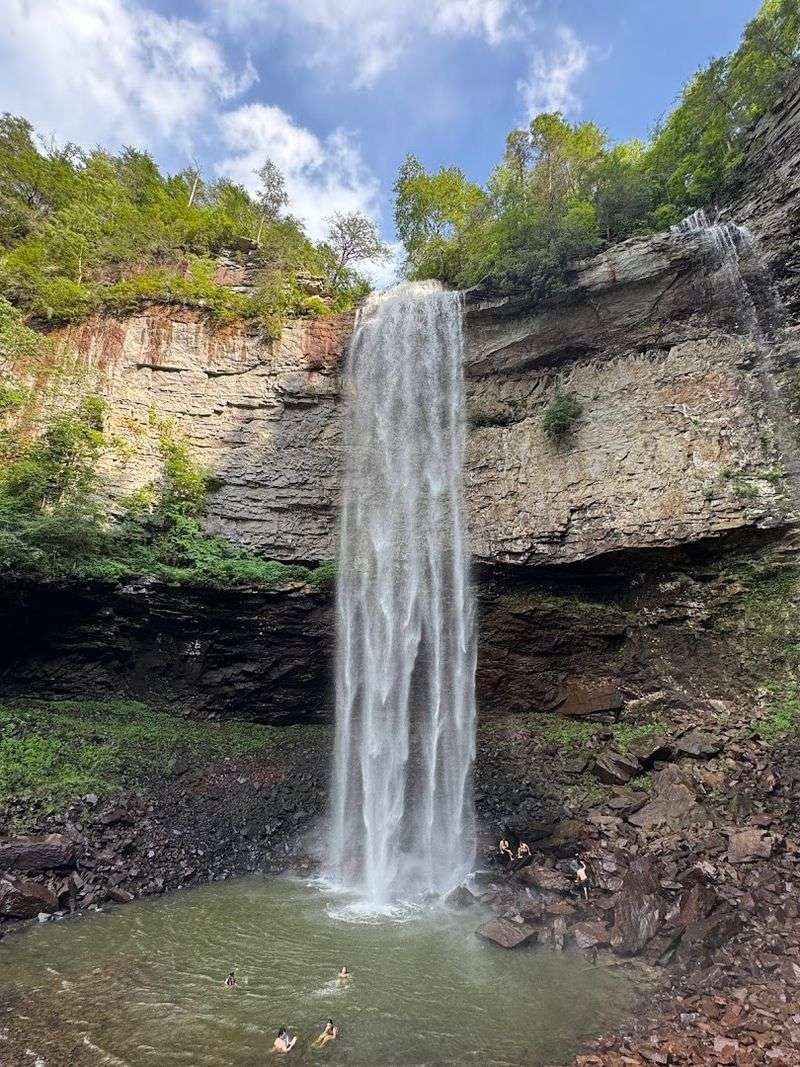
Fall Creek Falls doesn’t hold back. The main waterfall drops 256 feet into a misty gorge, and the roar carries through the trees long before you see it. The park spreads across more than 26,000 acres, so there’s room to roam without bumping into crowds at every turn.
Trails here range from easy lakeside strolls to rocky scrambles that lead to overlooks where the whole plateau opens up below you. Cane Creek Falls and Piney Falls add to the waterfall count, and both are worth the detour if you’ve got the energy. The forest stays thick and shady most of the way, which matters when the sun’s high.
Summer means the lake fills up with paddlers, swimmers, and families claiming picnic tables near the water. The park also has cabins, campsites, and a nature center if you want to stretch your visit beyond a day trip. Cane Creek Cascades is another quieter spot that feels more secluded, especially on weekdays.
The gorge rim trail gives you sweeping views without requiring technical climbing skills, and the suspension bridge near the base of Fall Creek Falls makes for a solid photo stop. Mornings here tend to be cooler and less crowded, so plan accordingly if you want the trails to yourself.
This park handles summer heat better than most because of all the water features and elevation changes. Whether you’re chasing waterfalls, floating on the lake, or just sitting in the shade with a sandwich, Fall Creek Falls delivers the full Tennessee summer experience without making you work too hard for it.
2. Cummins Falls State Park — Cookeville
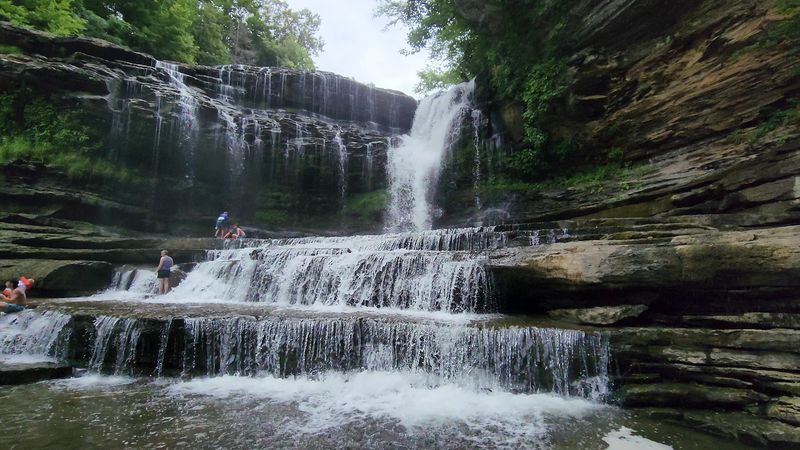
Cummins Falls pulls you in with a 75-foot waterfall that spills into a natural swimming hole at the bottom of a rugged gorge. Getting there means hiking down a rocky trail and crossing the creek multiple times, so water shoes are non-negotiable. The park manages visitor numbers during peak season, and permits may be required depending on conditions, so check ahead before you load up the car.
The gorge itself feels like a hidden pocket of wilderness even though it’s close to Cookeville. Water flows over layered rock shelves, creating smaller cascades and pools along the way. On hot days, the creek stays cool enough to make you gasp when you first step in, which is exactly the point.
Summer weekends can get busy, and the parking lot fills up fast. If you’re aiming for a quieter experience, weekday mornings are your best bet. The trail isn’t long—about a mile and a half—but the terrain is uneven, and you’ll be scrambling over boulders and wading through knee-deep water in spots.
Once you reach the base of the falls, the payoff is immediate. The pool below is deep enough for swimming, and the mist from the waterfall keeps the air a few degrees cooler. Families, college students, and out-of-towners all mix here, but there’s usually enough room to claim a rock and settle in.
The park doesn’t have a lot of extras—no playgrounds or visitor centers—but that’s part of the appeal. It’s just you, the gorge, and the sound of water crashing down. Bring snacks, pack out your trash, and respect the permit system.
Cummins Falls is worth the effort, especially when the heat makes everywhere else feel unbearable.
3. Rock Island State Park — Rock Island
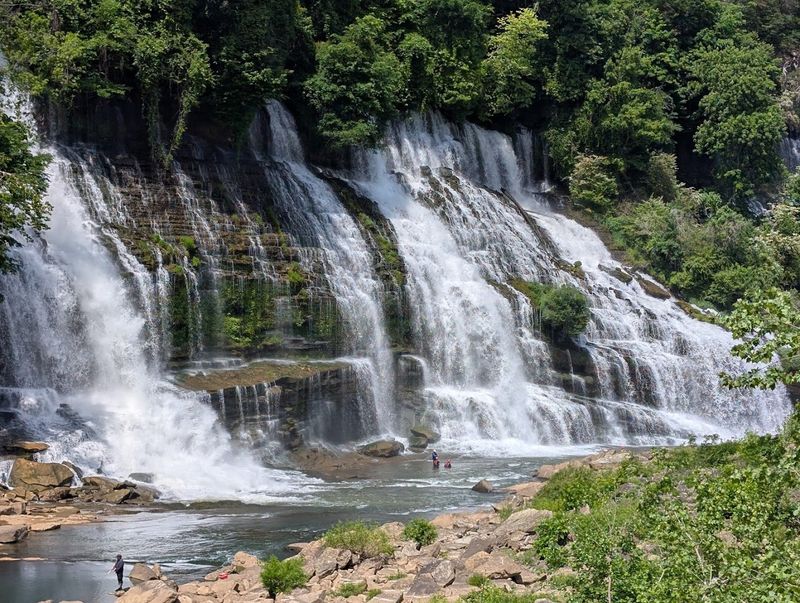
Rock Island sits where three rivers meet, and the result is a park packed with dramatic water features. Great Falls is the headliner—a powerful cascade that roars over a wide rock ledge and kicks up enough spray to cool the air for yards around.
The trails here weave through dense forest and along the riverbanks, offering plenty of shade even on the hottest afternoons. Some paths are short and easy, while others require a bit more effort if you want to reach the best overlooks. The park’s layout makes it easy to mix activities—hike for an hour, then cool off in the river, then find a shaded picnic spot for lunch.
Summer brings out the paddlers and kayakers, especially near the calmer sections of the Caney Fork River. The park has a boat ramp and plenty of river access points, so you’ll see canoes, tubes, and stand-up paddleboards sharing the water. If you’re not into paddling, the swimming areas near the falls are popular and easy to reach on foot.
Rock Island also has a history worth noting—old mill ruins and remnants of early hydroelectric projects dot the landscape, adding a layer of interest beyond just the natural scenery. The park’s campground is well-maintained and close enough to the water that you can hear the river from your tent.
This park handles crowds better than some of the smaller state parks because of its size and layout. Even on busy weekends, you can usually find a quiet trail or a less-crowded swimming spot if you’re willing to walk a bit. Rock Island combines big water, shaded trails, and summer-ready amenities without feeling overdeveloped.
4. Burgess Falls State Park — Sparta
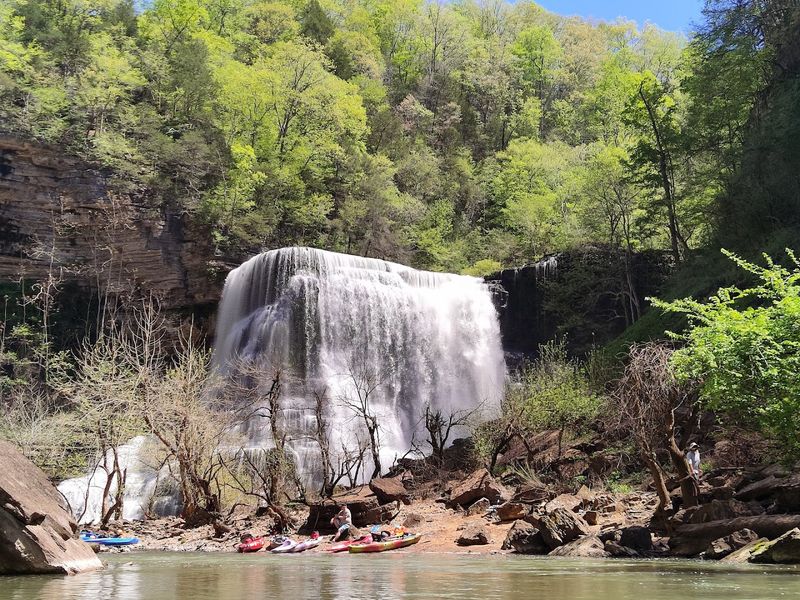
Burgess Falls packs a lot of waterfall drama into a short hike. The trail follows the Falling Water River downstream, passing three smaller cascades before reaching the main event—a 136-foot drop that thunders into a deep gorge. The entire loop is just over a mile and a half, making it one of the easiest waterfall hikes in Middle Tennessee.
The path stays mostly shaded, winding through hardwood forest with occasional openings where you can see the river below. Each waterfall has its own viewing area, and the park has done a good job of adding railings and platforms without overdoing the infrastructure. The final overlook at Burgess Falls offers a head-on view of the cascade, and the mist rises high enough to reach the platform on humid days.
Summer weekends draw a steady stream of visitors, but the trail rarely feels packed. Families with young kids, older hikers, and dog walkers all share the path without much trouble. The park doesn’t allow swimming at the base of the main falls, but people still wade in the shallower sections upstream where the river spreads out over flat rocks.
Burgess Falls is close enough to Cookeville and Sparta that it’s easy to hit on a whim, and the short trail means you don’t need to block off an entire day. The park has a small picnic area near the trailhead, but it’s limited, so bring a cooler if you plan to eat outside.
The waterfall is most impressive after heavy rain when the river is running full, but even in drier summer months, the flow stays strong enough to put on a show. If you’re looking for a quick nature fix with minimal effort, Burgess Falls delivers without asking for much in return.
5. Fiery Gizzard State Park — Monteagle
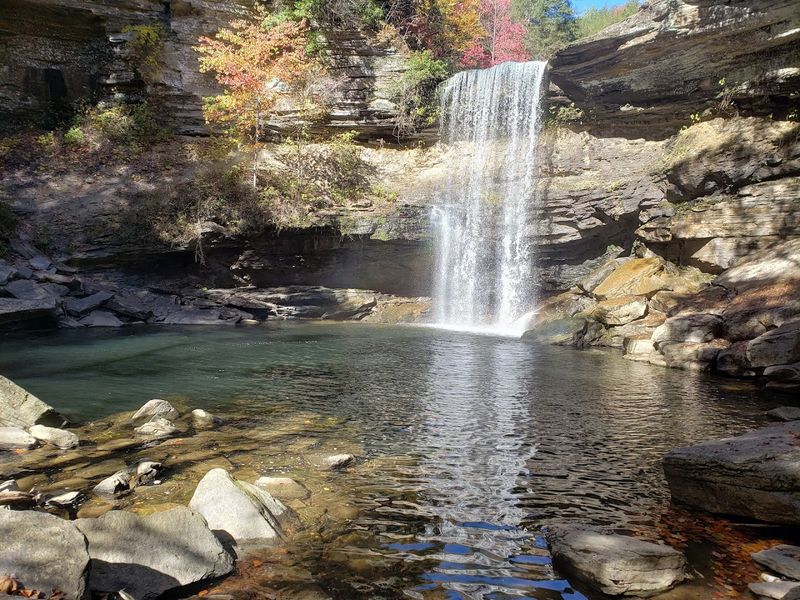
Fiery Gizzard is one of those parks where the name alone makes you want to know more. The trails here wind through a rugged section of the Cumberland Plateau, passing through narrow gorges, over rock outcroppings, and down to waterfalls that feel miles away from civilization. Greeter Falls is the most popular stop—a two-tiered cascade that spills into a swimming hole surrounded by ferns and moss-covered rocks.
The Stone Door is another highlight, a massive rock cleft that opens onto a jaw-dropping overlook of the valley below. The drop is sheer enough to make your stomach flip, and the view stretches for miles on clear days. Summer mornings here are cooler than you’d expect, thanks to the elevation and the shade from the thick forest canopy.
The full Fiery Gizzard Trail runs about 12 miles, but you don’t have to tackle the whole thing to get a taste of what makes this park special. Shorter out-and-back hikes to Greeter Falls or the Stone Door are manageable for most fitness levels, though the terrain is rocky and uneven in places. Wear sturdy shoes and bring plenty of water—this isn’t a paved greenway.
Swimming at Greeter Falls is allowed, and on hot summer days, the pool below the falls fills up with people cooling off. The water is cold, even in July, but that’s exactly what makes it refreshing. The park also has backcountry campsites for those who want to spend a night in the woods.
Fiery Gizzard doesn’t cater to casual visitors the way some state parks do. It’s wilder, quieter, and a bit more demanding. But if you’re after a real summer adventure with big views, shaded trails, and water features that feel earned, this park won’t disappoint.
6. Pickwick Landing State Park — Counce
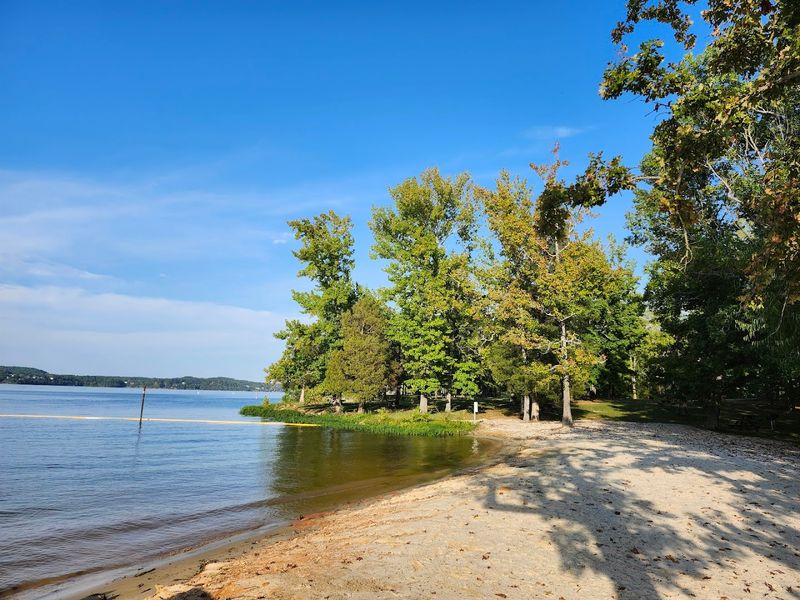
Pickwick Landing sits on the Tennessee River in the far southwestern corner of the state, and it’s built around lake life. The park has a full-service marina, boat ramps, fishing piers, and miles of shoreline that stay busy all summer long. If you’re into boating or fishing, this is one of the best state park setups in Tennessee.
The lake itself is massive—Pickwick Reservoir stretches across three states—and the water stays clear and inviting even during the hottest months. Bass fishing is popular here, and you’ll see anglers launching early in the morning to beat the heat. The park also has a swimming beach, though it’s not huge, and a handful of shaded picnic areas near the water.
Trails at Pickwick Landing are shorter and less rugged than what you’ll find in the mountain parks, but they still offer shaded walks through hardwood forest and along bluff overlooks. The park’s inn and restaurant give it a resort feel, and the cabins are well-maintained if you’re planning to stay overnight. There’s also a golf course, which is unusual for a Tennessee state park.
Summer evenings here are prime time. The sun sets over the lake, and the air cools down just enough to make sitting outside pleasant. Families spread out on the grass near the marina, and the sound of boats cutting across the water mixes with the hum of cicadas in the trees.
Pickwick Landing doesn’t have the dramatic waterfalls or steep gorges of the eastern parks, but it makes up for it with a laid-back, water-focused vibe. If your idea of a summer day involves a boat, a fishing rod, and a cold drink by the lake, this park checks every box without trying too hard.
7. Norris Dam State Park — Rocky Top
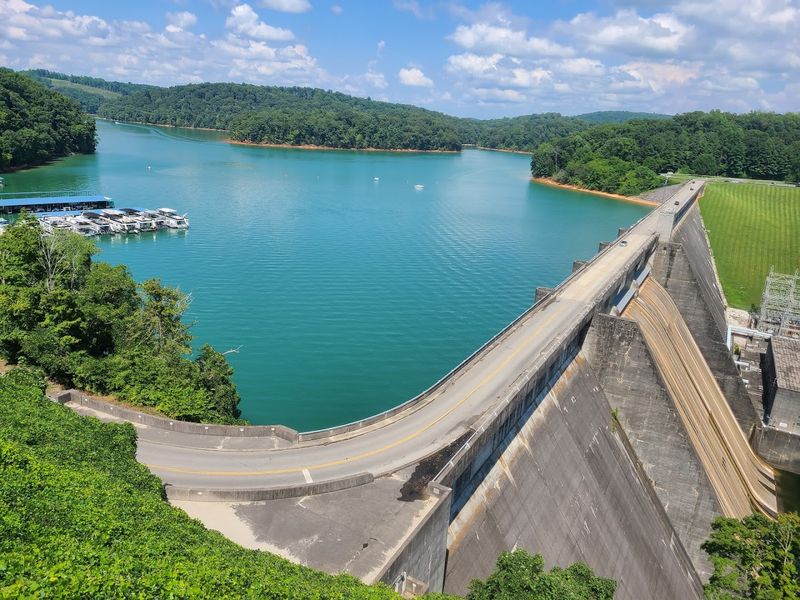
Norris Dam was Tennessee’s first TVA project, and the park that surrounds it still feels like a piece of history. The dam itself is impressive—a massive concrete structure that holds back Norris Lake, one of the clearest and cleanest lakes in the state. The park spreads across both sides of the lake, offering trails, picnic areas, and access points for boating and swimming.
The trails here range from easy lakeside walks to more challenging climbs up wooded ridges. Marine Railway Trail is a favorite—it follows an old railroad bed along the lakeshore and offers constant water views without much elevation gain. The forest stays thick and shady, and the lake breeze keeps things cooler than you’d expect for a Tennessee summer.
Norris Lake is known for its clarity, and swimming here feels different than in murkier reservoirs. You can actually see the bottom in the shallower areas, and the water stays cool even in July. The park has designated swimming areas, but plenty of people also launch kayaks or paddleboards from the various access points.
The park’s campground is popular with RV campers and tent campers alike, and the sites near the water fill up quickly on holiday weekends. There’s also a network of mountain bike trails if you’re into that, and the park hosts seasonal events and ranger-led programs throughout the summer.
Norris Dam State Park doesn’t get the same attention as some of the waterfall-heavy parks, but it’s a solid choice if you want a mix of history, lake scenery, and shaded trails. The combination of clear water, wooded shoreline, and easy access from Knoxville makes it a go-to spot for East Tennessee locals who know where to find relief when the heat cranks up.
8. Roan Mountain State Park — Roan Mountain
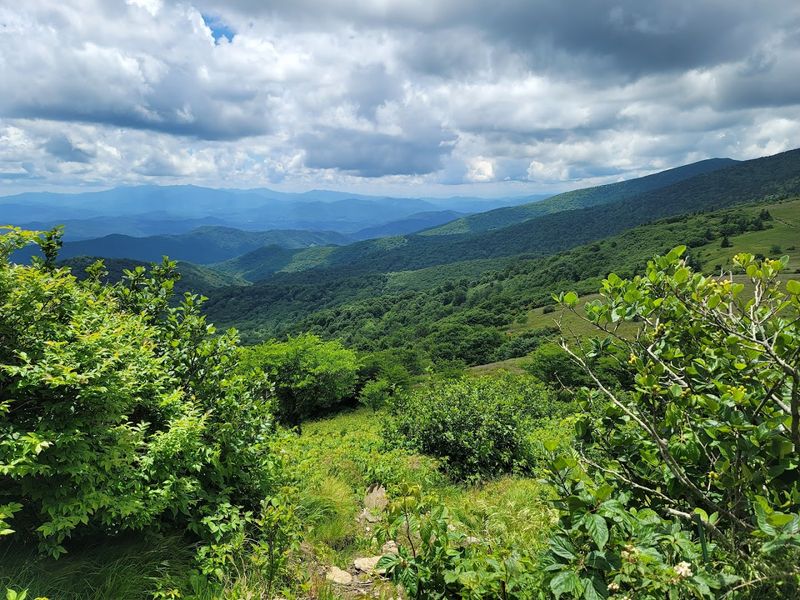
Roan Mountain sits high enough that summer feels different here. The elevation keeps temperatures cooler, and the forest stays lush and green even when the rest of Tennessee is baking. The park is known for its rhododendron gardens, which bloom in late June, but the appeal lasts all summer thanks to the creeks, trails, and mountain views.
The trails at Roan Mountain range from gentle creek walks to steep climbs that lead to open balds with 360-degree views. Cloudland Trail is one of the more popular routes—it takes you through dense forest and up to the high-elevation balds where the landscape opens up and the views stretch across multiple states. The air up there is noticeably cooler and thinner, and on clear days, you can see the Smokies in the distance.
Doe River runs through the park, and several trails follow its course through rocky gorges and under shaded canopies. The sound of the water is constant, and there are plenty of spots to stop and cool off by dipping your feet in. The park also has a swimming pool, which is a nice bonus if you’re staying in one of the cabins or campsites.
Roan Mountain’s higher elevation makes it a favorite escape for people trying to beat the lowland heat. Even in August, mornings here can be cool enough for a light jacket, and the evenings are downright pleasant. The park’s campground is well-maintained, and the cabins are cozy without feeling overly rustic.
This park doesn’t have the big waterfalls or massive lakes of some other Tennessee parks, but it makes up for it with elevation, cool air, and a mountain feel that’s hard to find elsewhere in the state. If you’re looking for a summer escape that doesn’t involve crowds or sweltering heat, Roan Mountain delivers.
9. Radnor Lake State Park — Nashville
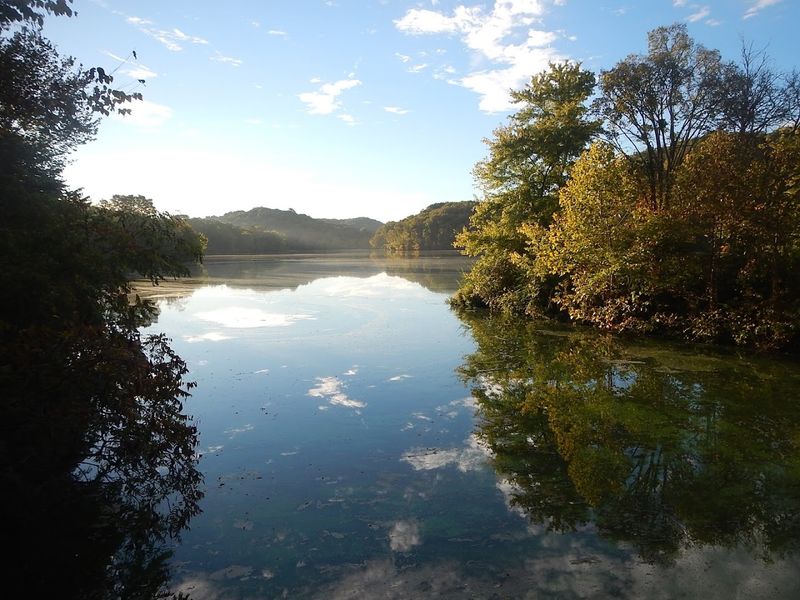
Radnor Lake is Nashville’s go-to nature escape, and it’s only minutes from downtown. The park is small compared to others on this list, but it’s packed with wildlife, shaded trails, and a lake that stays calm and reflective most days. No boats are allowed, so the water remains peaceful, and the only sounds you’ll hear are birds, frogs, and the occasional splash from a beaver or otter.
The main trail loops around the lake, and it’s paved for most of the way, making it accessible for strollers, wheelchairs, and casual walkers. Other trails branch off into the surrounding hills, offering more solitude and steeper climbs if you’re after a workout. The forest here is thick enough to block out most of the city noise, and the shade makes summer hikes tolerable even on hot afternoons.
Wildlife watching is a big draw at Radnor Lake. Deer, herons, turtles, and wild turkeys are common sights, and the lake’s edges are lined with reeds and lily pads that attract all kinds of birds. Early mornings are the best time to catch animals moving around, and the light on the water is perfect for photos.
The park doesn’t allow swimming, fishing, or picnicking, which helps keep it quiet and undisturbed. It’s more of a walk-and-observe kind of place, and that’s exactly what makes it special. Families, joggers, and photographers all use the trails, but the park’s rules keep it from getting too crowded or chaotic.
Radnor Lake proves you don’t need to drive hours into the wilderness to find a decent summer escape. It’s proof that a well-protected natural area can thrive even in the middle of a growing city. If you’re in Nashville and need a quick reset, this park delivers without requiring a full day or a long drive.
10. Cumberland Mountain State Park — Crossville
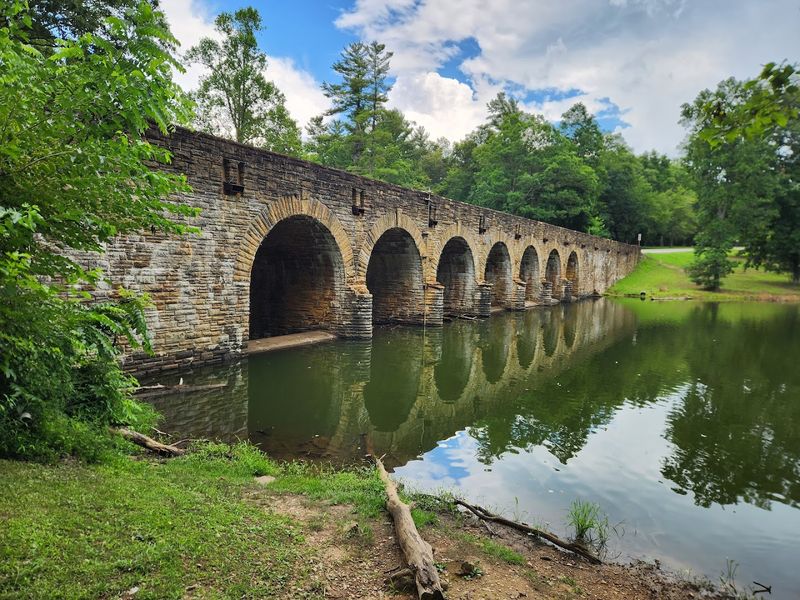
Cumberland Mountain State Park sprawls across the Cumberland Plateau near Crossville, and it’s designed for people who want a full outdoor experience without roughing it too much. The park has a 50-acre lake, miles of trails, cabins, a restaurant, and even a small golf course. It’s one of the more developed state parks in Tennessee, but it still manages to feel natural and relaxed.
The lake is the centerpiece. Paddleboats, canoes, and kayaks are available to rent, and the water stays calm enough for beginners. Fishing is popular here, and the shoreline has plenty of shaded spots for casting a line or just sitting with a book.
The beach area is small but clean, and families with young kids tend to claim it early on summer weekends.
Trails at Cumberland Mountain range from easy lakeside loops to longer forested hikes that climb into the hills. The Byrd Lake Trail circles the entire lake and takes about an hour to walk at a relaxed pace. Other trails head deeper into the woods, where the air stays cooler and the crowds thin out.
The park’s elevation keeps temperatures a bit more manageable than in the valleys below.
The cabins here are popular and book up fast during peak season. They’re well-maintained, close to the lake, and equipped with most of the comforts of home. The campground is also well-used, and the sites are spacious enough that you don’t feel like you’re camping on top of your neighbors.
Cumberland Mountain State Park is a solid all-around choice for summer. It’s got water, trails, shade, and enough amenities to keep everyone happy without feeling overly commercialized. If you’re planning a family trip or just want a weekend away that doesn’t require a lot of planning, this park handles it all.
11. Meeman-Shelby Forest State Park — Millington
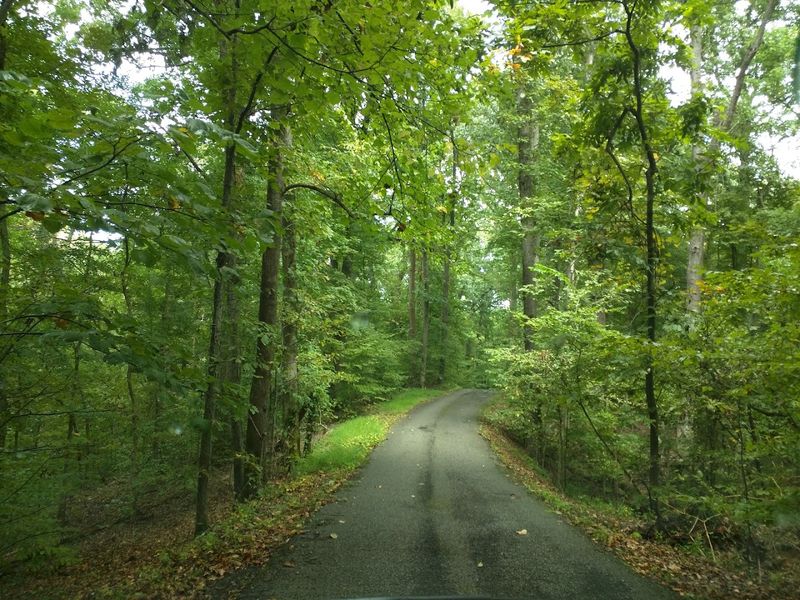
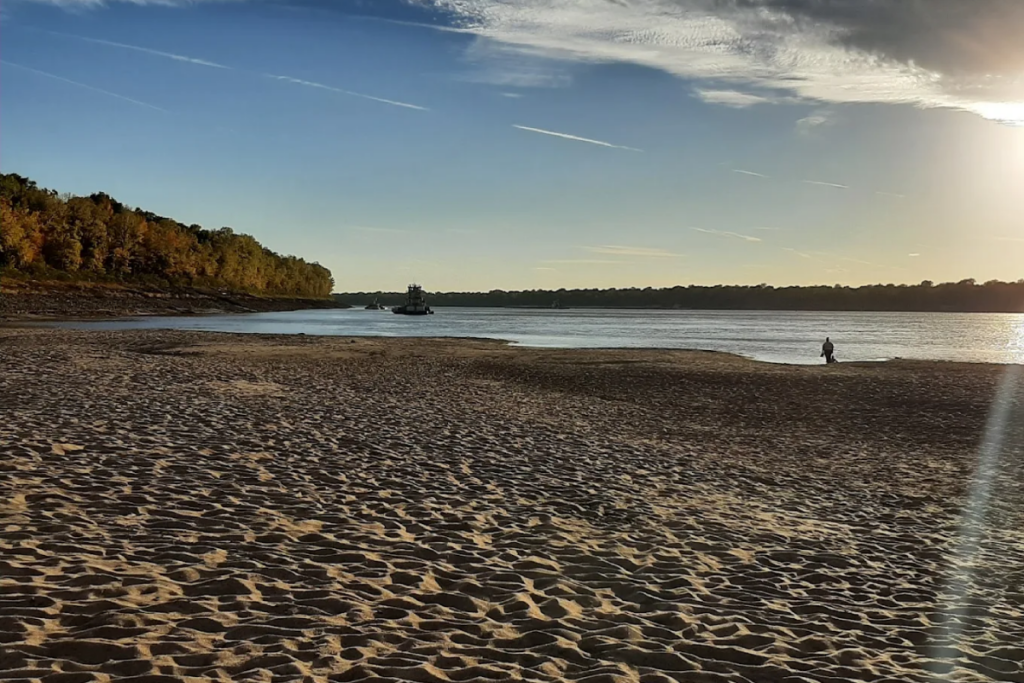
Meeman-Shelby Forest sits just north of Memphis, and it’s one of the few places in West Tennessee where you can disappear into deep woods and forget you’re near a major city. The park covers more than 13,000 acres of bottomland hardwood forest, and the trails wind through terrain that feels more like the Deep South than the rest of Tennessee.
Cypress trees, thick underbrush, and the occasional glimpse of the Mississippi River give the park a distinctly different vibe.
The trails here are shaded and relatively flat, making them accessible for most hikers. Chickasaw Bluff Trail is one of the longer routes, offering views of the river and the surrounding forest. The shade is dense enough that even on hot days, the temperature under the canopy stays several degrees cooler than in the open.
Mosquitoes can be an issue in summer, so bug spray is essential.
Poplar Tree Lake is the park’s main water feature. It’s stocked with fish, and the shoreline has a few spots for swimming and picnicking. The lake isn’t huge, but it’s peaceful, and the surrounding forest makes it feel secluded.
Paddling is allowed, and the calm water is perfect for canoes or kayaks.
The park’s campground is well-maintained and offers both RV and tent sites. There are also cabins available, and they’re a good option if you want to stay overnight without dealing with a tent. The park’s location makes it a convenient escape for Memphis residents, but it’s quiet enough that it never feels overrun.
Meeman-Shelby Forest doesn’t have waterfalls or mountain views, but it offers something different—a chance to explore the kind of lowland forest that once covered much of West Tennessee. The shade, the quiet, and the river-bottom scenery make it a solid summer pick for anyone in the Memphis area.
12. Reelfoot Lake State Park — Tiptonville
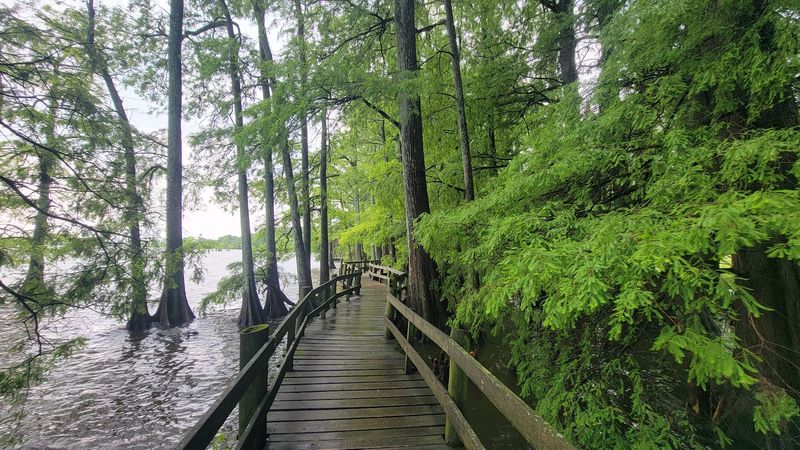
Reelfoot Lake is one of the strangest and most beautiful natural areas in Tennessee. The lake was formed by a series of earthquakes in the early 1800s, and today it’s a shallow, cypress-filled body of water that looks more like a Louisiana bayou than anything else in the state. The park that surrounds it is all about the water—boardwalks, boat tours, fishing, and wildlife watching dominate the experience.
Cypress trees rise straight out of the water, their knobby knees poking above the surface and their branches dripping with Spanish moss. The lake is shallow enough that you can see stumps, roots, and fish moving below the surface in many areas. Bald eagles nest here in winter, but summer brings herons, egrets, pelicans, and dozens of other bird species that make Reelfoot a top birding destination.
The boardwalk trails are the easiest way to explore the lake. They stretch out over the water, winding between cypress trees and offering up-close views of the ecosystem. The trails are short and flat, making them accessible for all ages.
Sunrise and sunset are the best times to walk the boardwalks—the light turns the water gold, and the birds are most active.
Boat tours are available through the park, and they’re worth it if you want to see more of the lake than you can reach on foot. Fishing is also popular, and Reelfoot is known for crappie and catfish. The park has a small visitor center with exhibits on the lake’s geology and wildlife, and there are cabins and campsites if you want to stay overnight.
Reelfoot Lake doesn’t fit the typical Tennessee state park mold, and that’s exactly what makes it special. It’s swampy, quiet, and full of life. If you’re looking for something different—something that feels more like a southern wetland than a mountain park—Reelfoot delivers.
Share this story