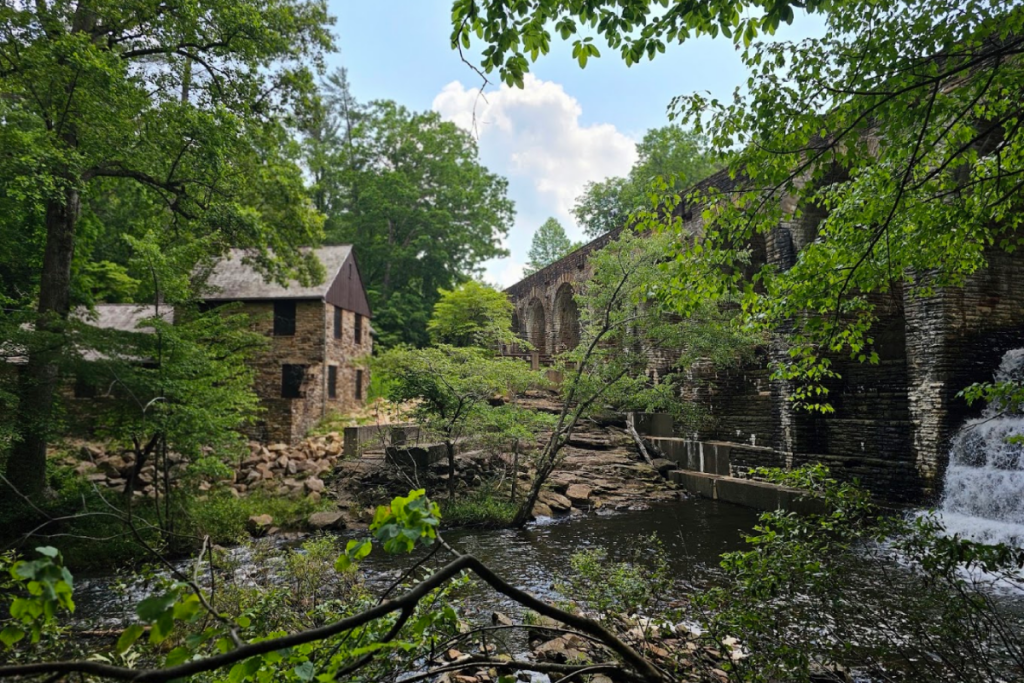
Tennessee has some of the best free attractions in the South, and you don’t need to spend a dime to have an unforgettable afternoon. From battlefields steeped in Civil War history to state parks with jaw-dropping waterfalls, the Volunteer State offers dozens of places where admission won’t cost you anything.
Whether you’re a local looking for a weekend escape or a visitor trying to stretch your travel budget, these spots prove that the best things in life really can be free.
1. Andrew Johnson National Historic Site, Greeneville
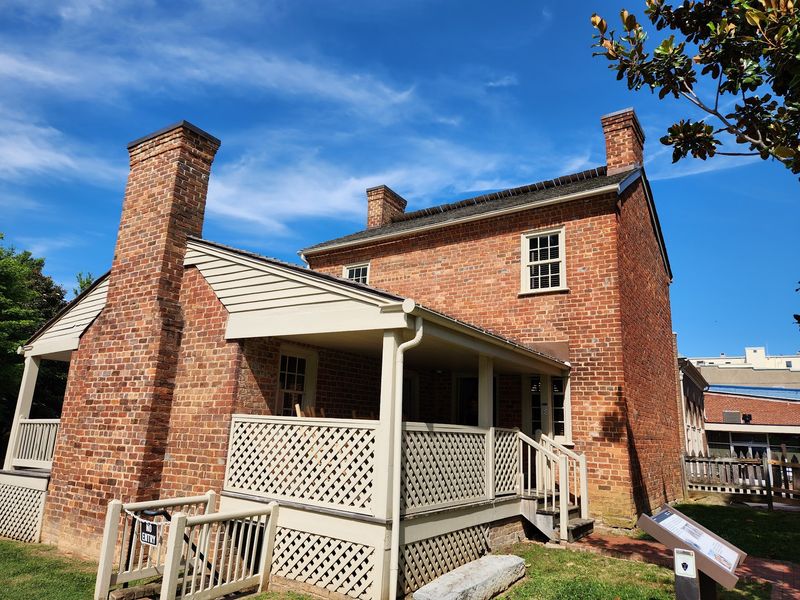
Walking through the life of America’s 17th president costs nothing at this Greeneville gem. The site preserves Johnson’s tailor shop, two homes, and his final resting place, all open to visitors without an entrance fee.
You can wander the grounds, peek into exhibits that tell the story of Reconstruction, and even tour the Homestead at no charge.
The cemetery alone is worth the visit. Johnson’s grave sits on a hill with a monument that commands attention, and the surrounding grounds offer quiet reflection space.
It’s a slice of American history that most people overlook, which means you’ll often have the place nearly to yourself on a weekday afternoon.
Inside the visitor center, rangers share stories about Johnson’s unlikely rise from tailor to president. The exhibits aren’t flashy, but they’re thoughtfully curated and give you a real sense of the man and his turbulent time in office.
You’ll learn about his impeachment trial, his views on Reconstruction, and his complicated legacy.
The tailor shop is particularly fascinating because it’s one of the few places where you can see where a president actually worked before politics. Johnson made suits right here, and the building has been restored to reflect that era.
It’s a tangible connection to the past that feels more authentic than many larger historic sites.
Plan to spend about an hour or two here. The grounds are compact, so you won’t be hiking miles, but there’s enough to see that you’ll feel like you got a full experience.
Bring a camera, because the historic buildings photograph beautifully, especially in the golden hour before sunset.
2. Warriors’ Path State Park, Kingsport
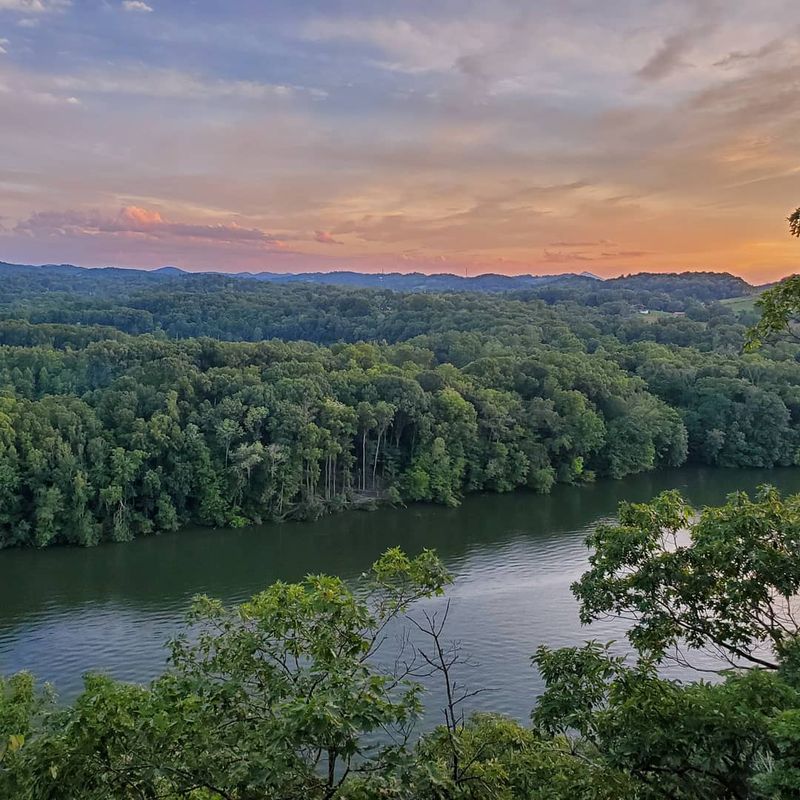
This 950-acre park along the Holston River gives you lake views, wooded trails, and picnic spots without asking for a penny. Warriors’ Path is one of those places where you can easily lose track of time, whether you’re walking the shoreline or just sitting on a bench watching boats glide past.
The name comes from the Great Indian War and Trading Path that once crossed through here.
The trail system offers everything from easy lakeside strolls to moderately challenging woodland paths. None of them are particularly strenuous, making this an ideal spot if you’re looking for outdoor time without committing to a full-day hike.
Birds are everywhere, so bring binoculars if you’re into that sort of thing.
Families love this park because it’s got open space for kids to run around, plus playgrounds and plenty of shade. The picnic areas are well-maintained and scattered throughout, so you can usually find a spot even on busy weekends.
Pack a lunch and make an afternoon of it.
One of the best features is the golf course, though that does cost money. But the surrounding areas, including the disc golf course, are free to use.
You can also fish from the banks if you have a Tennessee license, and the lake is stocked regularly.
The park sees four distinct seasons, and each one brings something different. Spring wildflowers carpet the forest floor, summer offers lush green canopies, fall explodes with color, and winter reveals the park’s bones with bare trees and crisp air.
No matter when you visit, Warriors’ Path delivers a solid afternoon escape from city life without touching your wallet.
3. Red Clay State Historic Park, Cleveland
Before the Trail of Tears, this was the last seat of Cherokee national government, and today it stands as a powerful reminder of that history. Red Clay’s 263 acres preserve the sacred council grounds where Cherokee leaders held their final meetings before forced removal.
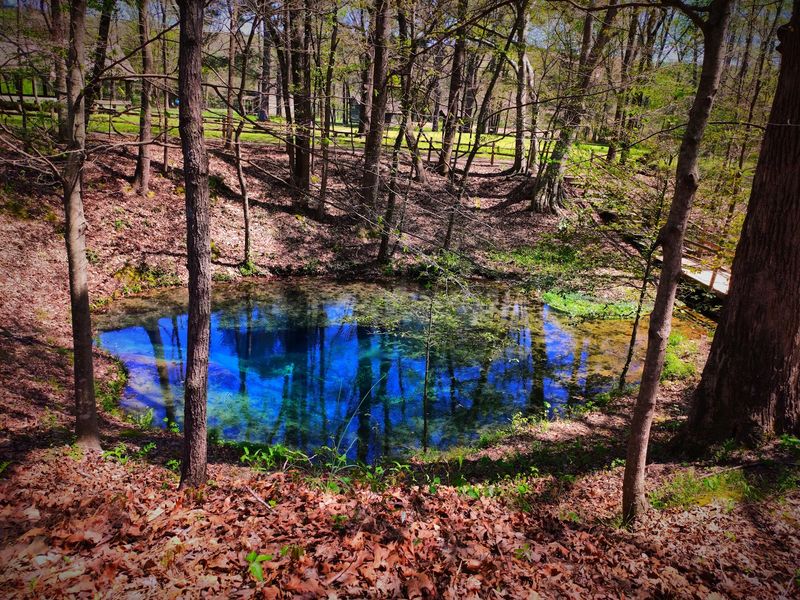
The spring that bubbles up here still flows, just as it did when thousands gathered for council meetings in the 1830s.
Walking these grounds feels different than visiting other historic sites. There’s a weight to the place, a sense of what was lost.
Interpretive buildings recreate the council house and farmsteads, giving you a glimpse into Cherokee life during that tumultuous period. The exhibits inside the visitor center are honest about the history, which makes the experience more meaningful.
Several trails wind through the property, including one that leads to the sacred spring. The water is crystal clear, and it’s easy to understand why this spot held such significance.
Cherokee people traveled from across the nation to gather here, and standing beside the spring connects you to that legacy in a tangible way.
The park hosts events throughout the year, including an annual intertribal powwow that draws Native American dancers and craftspeople from across the country. Even on regular days, though, the site offers plenty to see.
The replica buildings are open for exploration, and the grounds invite quiet reflection.
Plan at least an hour here, maybe longer if you’re a history enthusiast. The trails aren’t long, but they’re worth taking slowly.
This is one of those places where the story matters as much as the scenery, and both are worth your time. Best of all, admission is completely free, making it accessible to everyone who wants to learn this important chapter of Tennessee history.
4. Fort Donelson National Battlefield, Dover
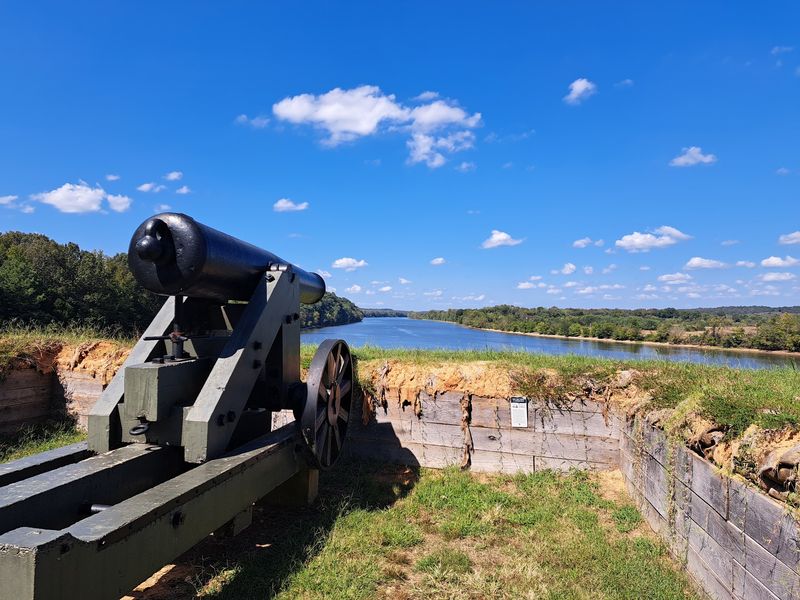
The first major Union victory of the Civil War happened right here, and you can walk the same ground where soldiers fought in February 1862. Fort Donelson sprawls across 551 acres along the Cumberland River, offering a combination of military history, river views, and peaceful trails.
The battlefield roads and walking paths take you past monuments, artillery positions, and earthworks that have been preserved since the war.
Start at the visitor center, where exhibits explain the battle’s significance and its impact on the war’s trajectory. This victory opened the door for Union forces to push deeper into Confederate territory, and it made Ulysses S. Grant a household name. The 15-minute film provides good context before you head out to explore.
The driving tour covers about six miles, but you can also walk shorter sections if you prefer. River batteries line the bluff overlooking the Cumberland, and the views alone are worth the visit.
Imagine the chaos of battle here, with gunboats firing from the river while infantry fought in the frozen fields. Winter visits are particularly atmospheric since the battle occurred in bitter cold weather.
Dover Hotel, where the surrender took place, sits in the nearby town and is also part of the park. The building has been restored, and you can see the room where Confederate General Simon Buckner surrendered his forces. It’s a short drive from the main battlefield and adds another layer to the story.
The national cemetery here is sobering and beautiful. Rows of white headstones mark the graves of soldiers from multiple wars, not just the Civil War.
It’s a reminder of the ongoing cost of conflict and a place that invites contemplation. The entire site is free to visit, making it one of the most accessible ways to connect with Civil War history in Tennessee.
5. Stones River National Battlefield, Murfreesboro
One of the bloodiest battles of the entire Civil War unfolded across these fields over three days in winter 1862-63. More than 23,000 casualties resulted from the fighting, and today the battlefield preserves that memory with trails, monuments, and one of the oldest national cemeteries in the country.
Unlike some Civil War sites, Stones River feels expansive and uncrowded, giving you space to absorb the history at your own pace.
The visitor center museum does an excellent job explaining the battle’s complexity. This wasn’t a quick engagement but a brutal, back-and-forth struggle that ultimately forced Confederate troops to retreat.
Touch-screen maps show troop movements, and artifacts bring individual soldiers’ stories to life. Spend time here before heading out to walk the grounds.
Several trails crisscross the battlefield, ranging from short half-mile loops to longer walks that cover key battle sites. The Hazen Brigade Monument, erected in 1863, is the oldest Civil War monument still standing in its original location.
It’s a powerful reminder that people began memorializing this battle almost immediately after it ended.
The national cemetery contains over 6,000 burials, most from the Civil War but some from later conflicts as well. Walking among the headstones on a quiet afternoon brings the human cost of war into sharp focus.
Many graves are marked simply as “Unknown U.S. Soldier,” representing men whose identities were lost to history.
Fortress Rosecrans, a massive earthwork fort built after the battle, once covered 225 acres and was the largest such structure built during the war. Today, portions of the earthworks remain visible, and interpretive signs help you understand the fort’s massive scale.
The entire site is free to explore, and you could easily spend half a day here if you’re interested in military history.
6. Harpeth River State Park, Kingston Springs
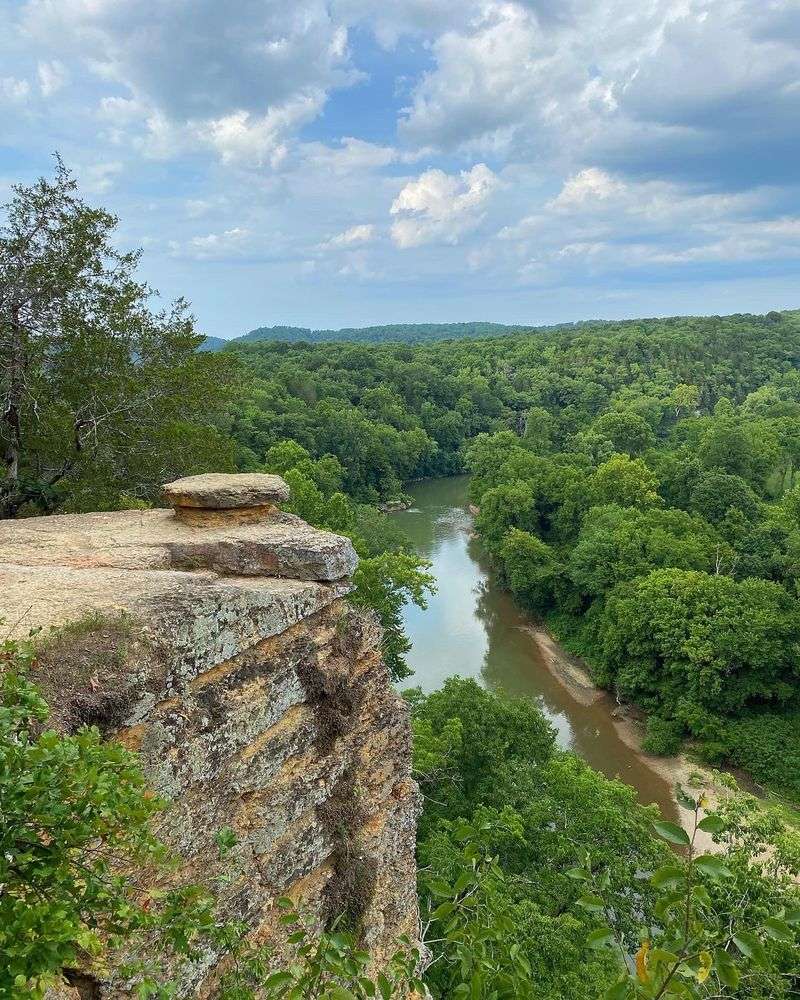
Split across multiple tracts along the Harpeth River, this state park offers some of Middle Tennessee’s best river scenery without charging admission. The park’s most popular section features dramatic bluffs, a river bend called the Narrows, and the historic Mound Bottom archaeological site.
It’s the kind of place where you can hike in the morning and still have energy left for an afternoon paddle if you bring your own boat.
The Narrows section showcases the river’s power over geologic time. The Harpeth carved a tight bend here, creating towering bluffs on both sides.
A trail follows the ridgeline, offering views down to the water that are especially stunning in fall when the leaves turn. The loop is moderate in difficulty and takes about an hour to complete.
Mound Bottom is a prehistoric Mississippian site with earthen mounds that date back 900 years. Walking among these ancient structures connects you to the indigenous people who built a thriving community here centuries before European contact.
Another section of the park includes the Narrows of the Harpeth tunnel, hand-carved through solid rock in 1818 to power an ironworks. Montgomery Bell directed enslaved workers to dig the 290-foot tunnel, which is still visible today.
It’s a fascinating piece of industrial history, though also a reminder of Tennessee’s complicated past.
The park’s scattered nature means you’ll drive between sections, but each offers something different. Some areas are perfect for picnicking, others for serious hiking, and still others for simply sitting by the river.
Bring water and snacks since facilities are limited, and don’t forget your camera because the overlooks practically beg to be photographed. Free admission makes this an easy choice for a spontaneous afternoon adventure.
7. Tims Ford State Park, Winchester
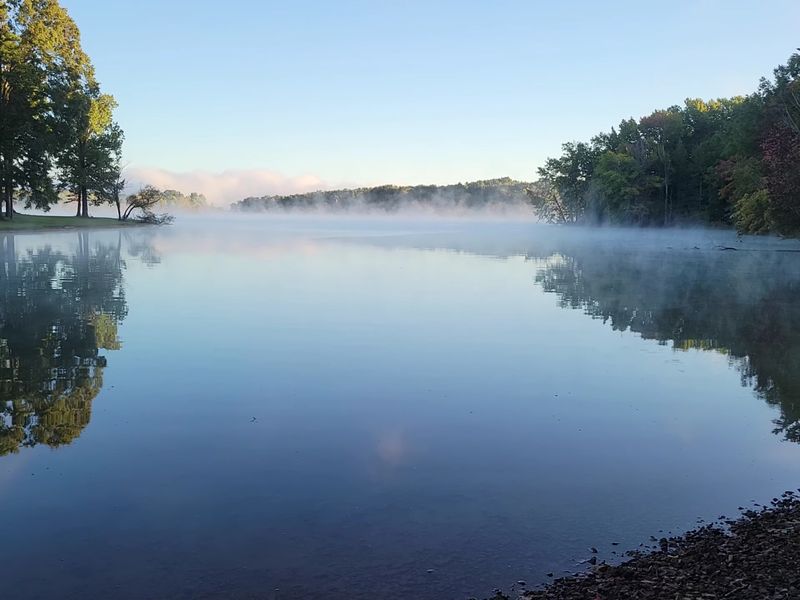
Wrapped around one of Tennessee’s clearest lakes, this state park delivers water views, forest trails, and excellent birding opportunities, all without an entrance fee. Tims Ford Lake is known for its remarkable water clarity, making the shoreline views especially photogenic.
The park covers over 1,400 acres, but you don’t need to see it all to get a great free afternoon out of the visit.
Several overlooks along the park roads offer pull-off spots where you can gaze across the lake toward distant ridges. These are perfect for quick photo ops or just soaking in the view.
The lake stretches for miles, and on calm days, the water reflects the sky like a mirror.
Hiking trails range from easy lakeside walks to more challenging woodland paths. The shoreline trails are particularly nice because they weave in and out of coves, giving you constantly changing perspectives on the water.
You might spot herons, osprey, or even a bald eagle if you’re lucky, since the lake supports a healthy fish population that attracts raptors.
Birders love Tims Ford because the diverse habitat attracts both water birds and forest species. Spring and fall migrations bring warblers, thrushes, and other songbirds through the area.
Even if you’re not a serious birder, the variety of wildlife adds interest to any walk.
The park also features a marina and cabins, though those do cost money. But the majority of the park, including all trails and picnic areas, is free to use.
Pack a lunch and claim a picnic table overlooking the water for a budget-friendly meal with a million-dollar view. The park is well-maintained and rarely feels crowded, even on nice-weather weekends.
It’s one of those places that locals know about but tourists often miss, which works in your favor if you’re looking for a peaceful afternoon escape.
8. Fall Creek Falls State Park, Spencer
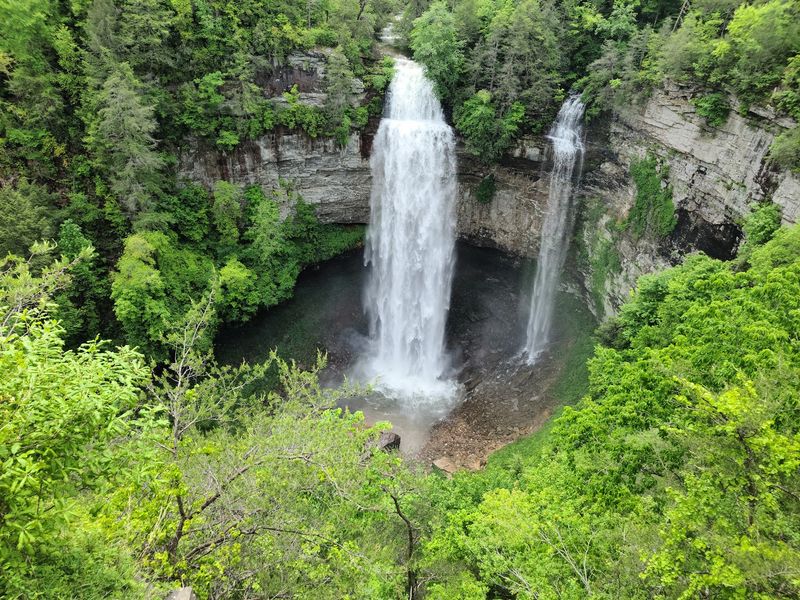
Home to one of the tallest waterfalls east of the Mississippi River, this park packs serious natural drama into its 26,000 acres. The 256-foot Fall Creek Falls is the star attraction, but three other major waterfalls and numerous cascades mean you could spend days exploring.
Best of all, viewing the falls and hiking the trails costs nothing, though some activities within the park do require fees.
The overlook for Fall Creek Falls is an easy walk from the parking area, making it accessible even if you’re not up for serious hiking. The viewing platform juts out over the gorge, giving you an unobstructed view of the water plunging into the pool below.
The sound alone is worth the visit, especially after heavy rains when the falls are at their most powerful.
If you want to see the falls from below, the trail down into the gorge is steep but manageable for most people. The perspective from the base is completely different, and you’ll feel the mist on your face as the water crashes down.
Just remember you have to hike back up, so save some energy for the return trip.
Three other major waterfalls, Cane Creek Falls, Cane Creek Cascades, and Piney Falls, are also within the park. Each has its own character and viewing areas.
You could easily fill an entire afternoon just waterfall-hopping, and you still wouldn’t see everything the park has to offer.
The trail system includes over 30 miles of paths, from easy nature walks to challenging backcountry routes. The Gorge Overlook Trail is particularly scenic and not too difficult, offering views down into the rugged canyon.
In spring, wildflowers carpet the forest floor, while fall brings spectacular leaf color. Winter visits have their own appeal, with ice formations adding another layer of beauty to the falls.
The park does have a resort and golf course that charge fees, but all the natural attractions are free to enjoy.
9. Pickett CCC Memorial State Park, Jamestown
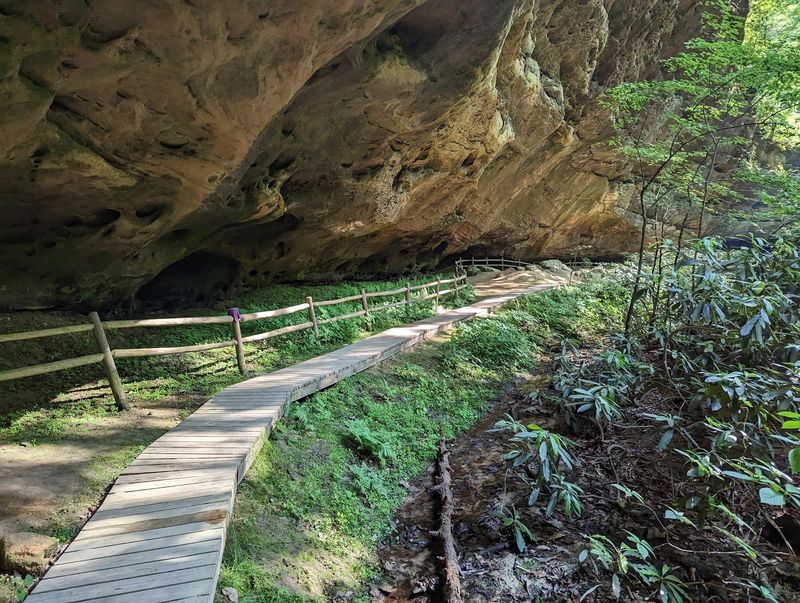
Tucked into the remote northern plateau, Pickett is one of Tennessee’s most unusual state parks, featuring natural stone arches, rock houses, and geological formations that look like something from another planet. The park was built by the Civilian Conservation Corps in the 1930s, and their stonework remains a testament to Depression-era craftsmanship.
With free admission, it’s one of the best-kept secrets in the state park system.
The Natural Bridge is the park’s most photographed feature, a 30-foot stone arch that formed over thousands of years as water carved through the sandstone. A short trail leads to viewing areas both above and below the arch.
The surrounding forest of hemlocks and hardwoods creates a cathedral-like atmosphere that feels primeval and peaceful.
Hazard Cave, despite its ominous name, is actually a massive rock shelter that you can walk through. Water seeps down the rock face, creating a curtain of drips and small waterfalls.
The park’s trail system connects various geological features, including rock houses, natural bridges, and overlooks. None of the trails are extremely long, but the terrain is rugged enough to keep things interesting.
You’ll climb over rocks, duck under overhangs, and navigate narrow passages between boulders.
Thompson Creek glades showcase rare plant communities that thrive in the thin soil atop sandstone bedrock. In spring and early summer, wildflowers paint the glades in shades of purple, yellow, and white.
The ecological diversity here is remarkable, with species typically found much farther north thriving in these cool, moist hollows.
Pickett is remote, which means you won’t deal with crowds even on holiday weekends. The park feels wild and untamed despite its well-maintained trails and facilities.
Bring water and snacks since you’re far from any stores, and give yourself at least two or three hours to see the highlights. It’s worth every minute of the drive to get here.
10. Cumberland Mountain State Park, Crossville
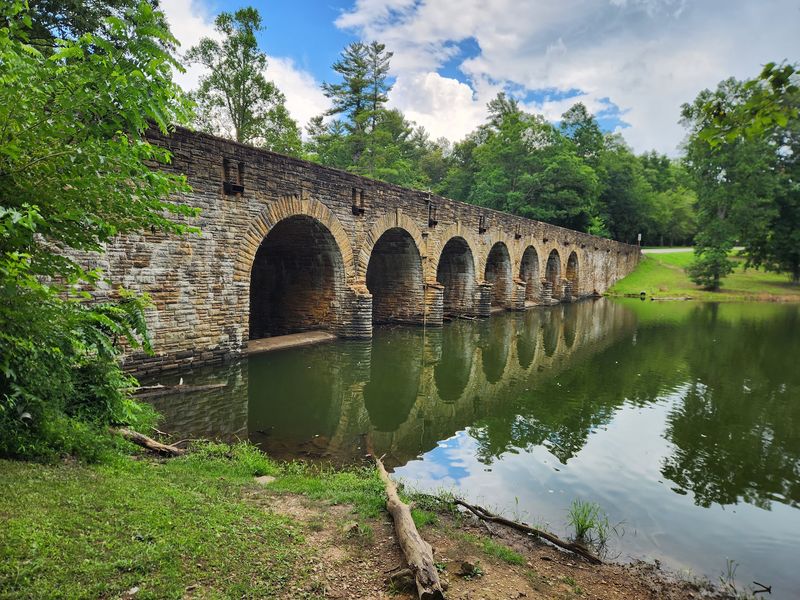
Built by the Civilian Conservation Corps as a demonstration park during the Great Depression, Cumberland Mountain showcases both natural beauty and historic stone architecture. The 1,720-acre park sits on the Cumberland Plateau, offering forested trails, a 50-acre lake, and some of the finest CCC stonework you’ll find anywhere.
Admission is free, making it an easy stop whether you’re passing through Crossville or specifically seeking outdoor time.
Byrd Lake forms the heart of the park, with a trail circling its shoreline through mixed hardwood forest. The loop is about three miles and relatively flat, perfect for an afternoon walk that’s long enough to feel like exercise but not so long that it wears you out.
Bridges cross inlet streams, and occasional benches invite you to sit and watch for turtles or fish.
The stone bridges, buildings, and walls throughout the park represent Depression-era craftsmanship at its finest. Workers used local sandstone to create structures that blend seamlessly with the landscape while remaining functional nearly 90 years later.
The rustic restaurant building, though now used differently, exemplifies the style that defined CCC construction.
Several shorter trails branch off from the main lake loop, including paths that climb to modest overlooks or explore creek valleys. None are particularly challenging, making this park ideal for families or anyone looking for a gentle outdoor experience.
The park’s history as a homesteading area adds another layer of interest. Before the CCC arrived, families farmed these hills, and remnants of their occupation, stone foundations, old wells, remain visible in places.
Interpretive signs tell their stories and explain how the government purchased the land during the Depression to create recreational space.
Bring a picnic and use one of the many tables scattered around the lake. The setting is peaceful, with only bird calls and wind through the trees breaking the silence.
It’s the kind of place that reminds you why state parks matter, offering accessible nature and history without asking anything in return.
11. Rock Island State Park, Rock Island
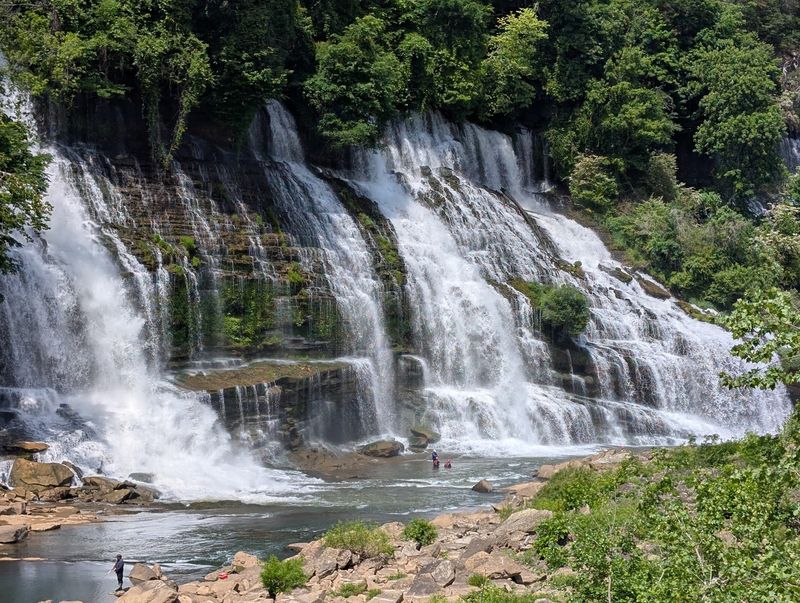
Where three rivers converge, Rock Island State Park delivers some of Tennessee’s most dramatic water features, including waterfalls, rapids, and a stunning gorge. The Caney Fork River, Collins River, and Rocky River all meet here, creating a landscape of rushing water and carved stone.
The park’s 883 acres include riverside trails, historic sites, and overlooks that showcase the raw power of moving water.
Twin Falls is the main attraction, though calling them “twins” is generous since one dwarfs the other. The larger cascade drops about 80 feet in a thundering display that’s especially impressive after heavy rain.
A viewing platform gives you a safe vantage point, and the mist rising from the base creates rainbows on sunny days.
The gorge trail follows the river downstream, offering constantly changing views of rapids, pools, and rock formations. It’s not a long hike, maybe a mile or so, but the scenery packs more visual interest than trails twice its length.
Watch for kayakers running the rapids if you visit on a weekend, the gorge is a popular whitewater destination.
Great Falls Dam, built in 1917, stands as a monument to early 20th-century engineering. While the dam itself isn’t particularly scenic, the old powerhouse and industrial remnants tell the story of how this area powered economic development.
Interpretive signs explain the dam’s role in bringing electricity to rural Tennessee.
Downstream from the dam, Blue Hole offers a swimming area during summer months, though that’s not our focus here since we’re talking about free afternoon activities. But even without swimming, the area is worth seeing for its unusual blue-green water color, a result of the limestone bedrock.
The park sees decent visitation on nice-weather weekends, but weekdays are often quiet. Trails are well-maintained, and the overlooks are easily accessible.
Bring your camera because the waterfalls and gorge are endlessly photogenic. Free admission and close proximity to I-40 make this an ideal stop for travelers or locals alike. You could easily spend three or four hours here and still want to come back to explore more.
12. Reelfoot Lake State Park, Tiptonville
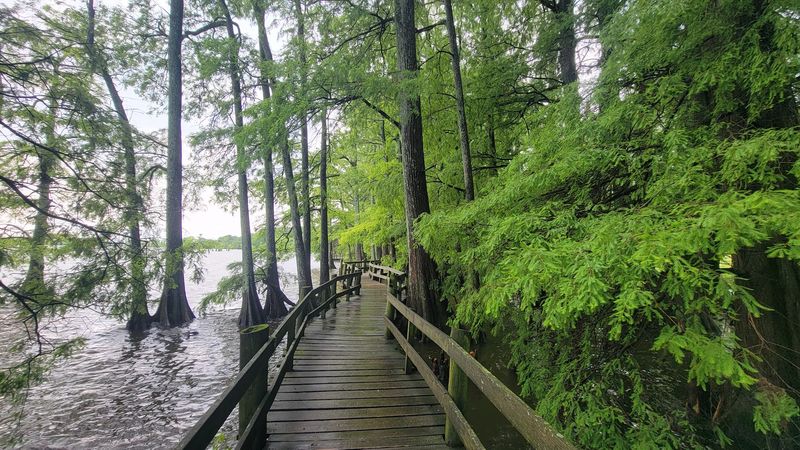
Created by a series of earthquakes in 1811-12, Reelfoot Lake is one of Tennessee’s strangest and most beautiful landscapes. Bald cypress trees rise from shallow water, their knees breaking the surface like wooden stalagmites.
Spanish moss drapes from branches, giving the lake an almost swampy, Southern Gothic atmosphere. The state park provides boardwalks and trails that let you explore this unique ecosystem without paying admission.
The boardwalk trail through the cypress forest is the park’s signature experience. You’ll walk on elevated platforms above the water, winding between massive tree trunks that have stood here for decades.
It’s quiet except for bird calls, and the filtered light creates an otherworldly mood. This is one of those places that doesn’t quite look real, like you’ve stepped into a nature documentary.
Birding at Reelfoot is exceptional year-round, but winter brings bald eagles that roost in the trees and hunt for fish. Seeing a bald eagle in the wild never gets old, and Reelfoot is one of the most reliable places in Tennessee to spot them.
The lake itself is shallow, rarely more than five feet deep, which creates perfect habitat for fish and the birds that eat them. Herons, egrets, and cormorants are common sights, and you might spot an osprey diving for fish or a kingfisher rattling from a perch.
The diversity of water birds here rivals anywhere in the state.
Several trails explore different parts of the park, including paths through bottomland hardwood forest and along the lake’s edge. None are particularly long or difficult, making this an accessible destination for all fitness levels. The Grassy Island Trail and Keystone Trail both offer good wildlife viewing opportunities.
Reelfoot feels remote despite being a state park. The northwest corner of Tennessee doesn’t see as much traffic as other parts of the state, which means you’ll often have the boardwalks and trails largely to yourself.
The combination of unique geology, rich biodiversity, and free access makes Reelfoot one of Tennessee’s most rewarding natural areas.
Share this story