
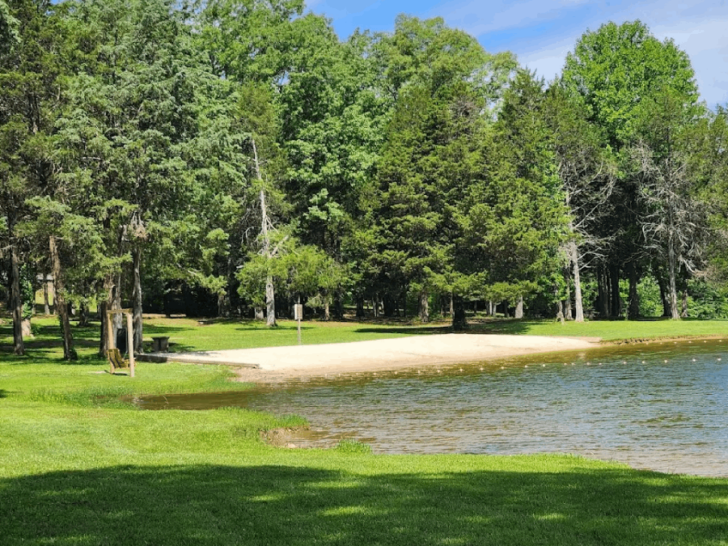
Living comfortably on a budget doesn’t mean you have to sacrifice quality of life or move to the middle of nowhere. Tennessee is packed with charming towns where your monthly expenses—rent, groceries, and utilities combined—can stay under $2,000, leaving you with breathing room for savings or fun.
Whether you’re looking to stretch your retirement dollars, start fresh in a new place, or simply escape the high cost of city living, these Tennessee towns prove that affordable living can still feel like home.
1. Oneida

Monthly living costs here typically run well below the $2,000 mark, with modest apartments renting for $500 to $700 and utilities staying reasonable year-round. Grocery shopping won’t drain your wallet either, thanks to local markets and chain stores that keep prices competitive.
The town serves as a gateway to the Big South Fork National River and Recreation Area, meaning your weekends can be filled with hiking, fishing, and exploring without spending a dime on entertainment. Downtown Oneida maintains that authentic small-town vibe with locally owned shops and diners where everyone knows your name after a few visits. The community hosts regular events that bring neighbors together without fancy price tags.
Healthcare facilities are accessible, and the school system serves families well if you’re raising kids. Job opportunities lean toward retail, healthcare, and service industries, though some residents commute to nearby areas for work.
The slower pace here isn’t for everyone, but if you’re tired of living paycheck to paycheck in a pricier city, Oneida offers a genuine chance to build savings while enjoying mountain scenery.
2. Spencer
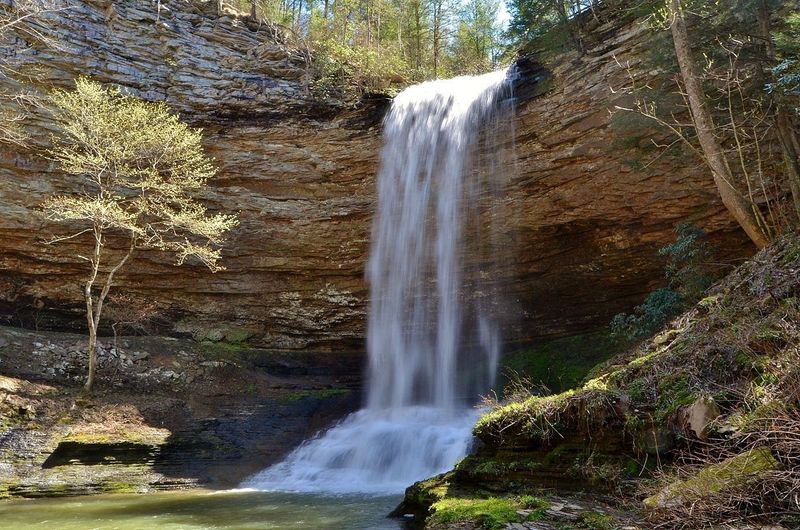
Spencer claims the title of Tennessee’s smallest county seat, and that distinction comes with serious budget benefits. Rent for a decent one or two-bedroom place hovers around $550 to $750 monthly, leaving plenty of room in your $2,000 budget for everything else.
The town’s size means you won’t find big-box stores on every corner, but local grocers and a short drive to larger shopping areas keep food costs manageable.
What Spencer lacks in size, it makes up for in community spirit and natural beauty. Positioned near Center Hill Lake and Rock Island State Park, outdoor recreation is practically in your backyard. Fishing, boating, and waterfall hikes become regular weekend activities without the need for expensive memberships or fees.
The downtown area maintains a quiet charm with essential services, a few local eateries, and businesses that have served the community for generations.
Utility costs stay reasonable thanks to Tennessee’s generally moderate climate and competitive energy rates. Job options within Spencer itself are limited, so many residents work remotely or commute to nearby towns. The tradeoff is a peaceful lifestyle where traffic jams don’t exist and your neighbors actually wave when they see you.
3. Paris

Paris brings a touch of whimsy to affordable Tennessee living with its miniature Eiffel Tower standing proudly downtown. But beyond the novelty, this west Tennessee town offers genuine value for budget-conscious residents.
Average rent for comfortable housing sits between $650 and $850 monthly, utilities typically add another $150 to $200, and grocery costs remain below national averages thanks to multiple shopping options, including local chains and discount stores.
The town supports around 10,000 residents, creating that sweet spot where you have access to necessary services without big-city expenses or congestion. Paris hosts several annual festivals that provide free or low-cost entertainment, and the Paris Landing State Park on Kentucky Lake offers year-round recreation.
Local restaurants serve up Southern cooking at prices that won’t shock your wallet, and the downtown district features antique shops and local businesses worth exploring.
Employment opportunities exist in manufacturing, healthcare, and retail sectors, with Henry County Medical Center being a major employer. The school system serves families adequately, and the overall cost of living index runs significantly below state and national averages.
4. Union City
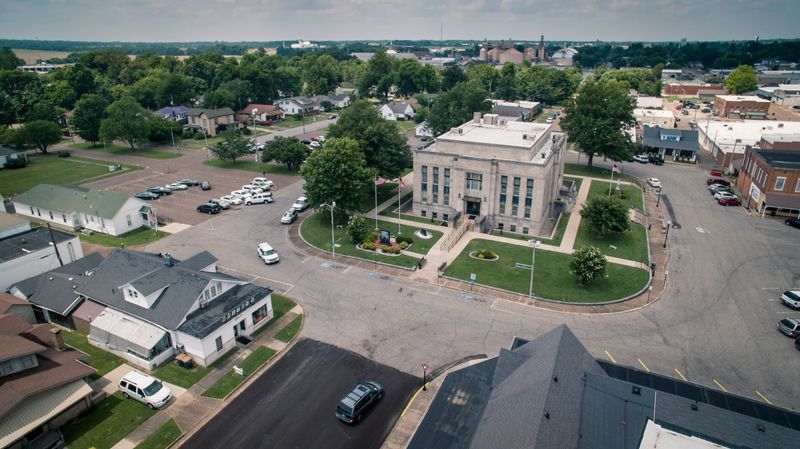
Housing costs here are impressively low, with decent apartments available for $600 to $800 monthly and small houses not much more. Add utilities averaging $150 to $180 and grocery bills that benefit from competitive local stores, and you’ll find yourself comfortably under the $2,000 threshold with cash to spare.
The town of roughly 10,500 people maintains a stable economy anchored by manufacturing and agriculture, providing job opportunities that don’t require hour-long commutes.
Discovery Park of America, a massive museum and heritage park, stands as Union City’s crown jewel—offering world-class exhibits and educational experiences that rival attractions in much larger cities. This facility alone elevates the town’s cultural offerings beyond what you’d expect from a community this size.
Downtown Union City features locally owned restaurants, shops, and services that keep money circulating within the community. The school system receives solid marks, and healthcare facilities meet basic needs without requiring trips to distant hospitals. Obion County’s agricultural heritage means fresh, local produce is often available at farmer-friendly prices.
5. McMinnville
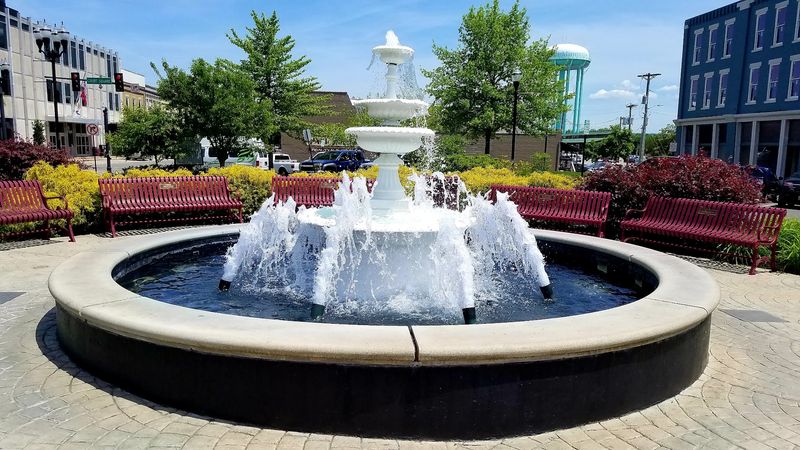
As the largest town on this list with about 13,500 residents, it offers more amenities than smaller communities while keeping costs reasonable. Rent typically ranges from $700 to $900 for solid housing options, utilities run around $160 to $200, and multiple grocery stores keep food prices competitive through healthy market competition.
Known as the Nursery Capital of the World, McMinnville’s economy benefits from diverse industries, including manufacturing, agriculture, and retail. This economic variety translates to better job prospects than you’ll find in many small Tennessee towns.
The downtown square buzzes with activity, featuring local eateries, coffee shops, antique stores, and regular community events that create genuine vibrancy without the pretension or pricing of tourist-trap towns.
Recreation options include nearby Rock Island State Park with its stunning waterfalls, plus local parks and walking trails that encourage active lifestyles. The school system serves families well, and healthcare facilities are adequate for routine needs.
McMinnville strikes that rare balance—big enough to have what you need, small enough to maintain community connection, and affordable enough that your $2,000 monthly budget covers essentials while leaving room for occasional treats or steady savings growth.
6. Dayton
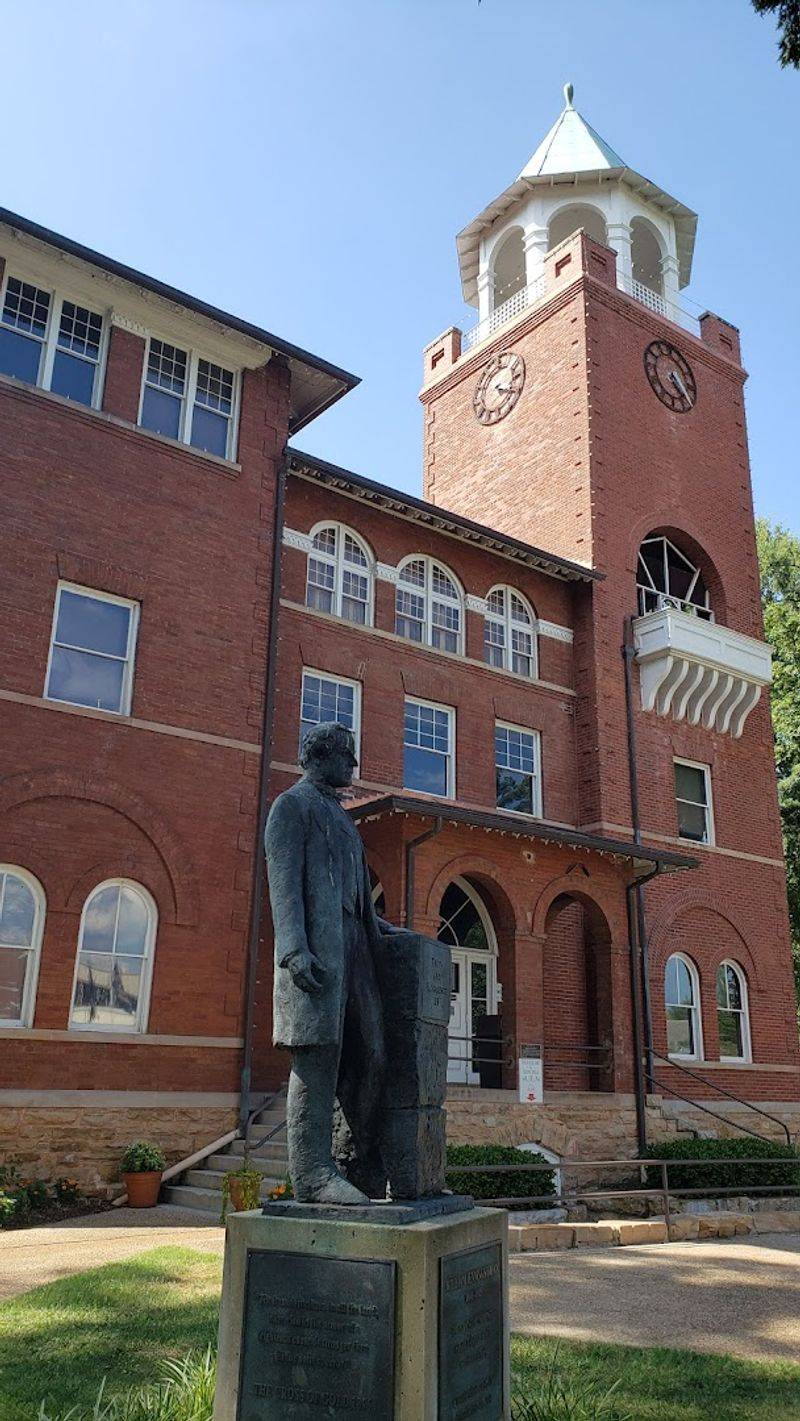
Dayton earned its place in history books as the site of the famous Scopes Trial, but today it’s earning recognition for something more practical—exceptional affordability. Housing costs remain remarkably low, with rentals available from $550 to $750 monthly and utilities typically adding $140 to $180. The town’s proximity to Chattanooga means you can access big-city amenities when needed while enjoying small-town prices daily.
The historic Rhea County Courthouse still stands as downtown’s centerpiece, surrounded by local businesses that have weathered decades of economic changes.
Dayton’s location between the Tennessee River and the Cumberland Plateau provides stunning natural scenery and outdoor recreation opportunities that cost nothing but your time. Fishing, hiking, and exploring become regular activities rather than expensive weekend getaways.
The local economy benefits from manufacturing facilities and its position along major transportation routes, creating job opportunities that keep residents from needing long commutes. Grocery costs stay manageable thanks to several shopping options, and the overall pace of life reduces those stress-induced impulse purchases that drain budgets elsewhere.
7. Brownsville
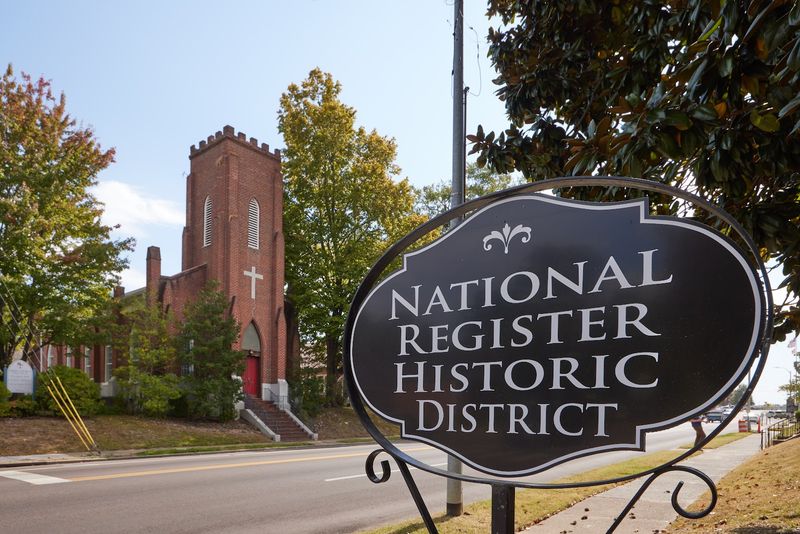
Rental housing here typically costs between $600 and $800 monthly, utilities average around $150 to $190, and grocery shopping benefits from multiple options, including discount chains that keep food costs reasonable. The math works in your favor, leaving substantial room within a $2,000 monthly budget for savings or discretionary spending.
The town celebrates its musical heritage—Tina Turner grew up here, and Sleepy John Estes called it home—giving Brownsville cultural depth that exceeds its size. The West Tennessee Delta Heritage Center downtown offers free or low-cost programming that connects residents to the region’s rich blues and agricultural history.
Haywood County’s agricultural economy provides stability, and manufacturing facilities offer employment opportunities within a reasonable commuting distance. The Hatchie River nearby provides fishing, canoeing, and nature observation for outdoor enthusiasts who prefer free recreation to expensive entertainment. Schools serve local families adequately, and healthcare facilities cover basic needs.
Brownsville isn’t trying to become the next trendy destination—it’s simply a genuine community where hardworking people can live comfortably without financial anxiety, where neighbors still know each other’s names, and where your budget actually stretches far enough to build a life.
8. Humboldt
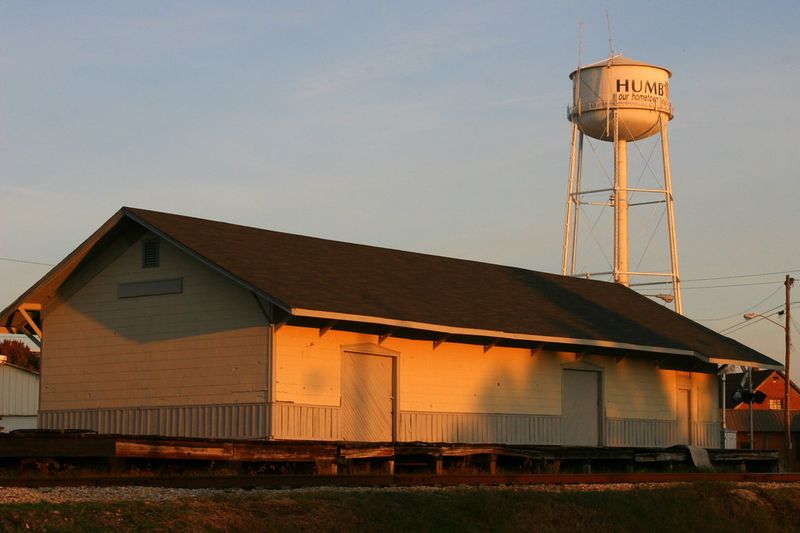
Rent for decent housing runs $600 to $800 monthly, utilities typically cost $150 to $180, and grocery expenses stay manageable thanks to local supermarkets and discount stores. Your $2,000 monthly budget covers these essentials comfortably while leaving money for building emergency savings or enjoying life’s simple pleasures.
The town of roughly 8,500 residents maintains a stable economy with manufacturing, agriculture, and retail providing employment opportunities. Downtown Humboldt features locally owned businesses that have served the community for generations, creating that authentic small-town atmosphere where shopkeepers remember your preferences.
The annual Strawberry Festival draws crowds each May, but daily life here moves at a refreshingly unhurried pace that reduces the stress-spending common in faster-paced environments.
Recreation options include city parks, nearby fishing spots, and community events that bring neighbors together without requiring expensive tickets or memberships. The school system serves families adequately, and healthcare facilities meet routine medical needs.
Humboldt doesn’t make bold claims about being the next great place—it simply exists as a solid, unpretentious community where working people can afford to live comfortably. The lack of pretension is actually refreshing; nobody’s trying to be something they’re not, and your budget reflects that honest, straightforward approach to community life.
9. Livingston
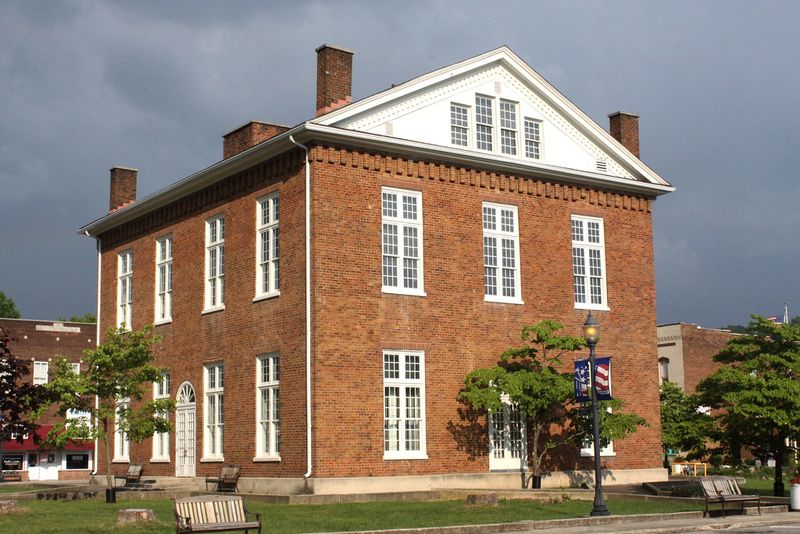
Perched in the Upper Cumberland region, Livingston combines mountain beauty with budget-friendly living that defies the notion that scenic areas must be expensive. Housing costs remain impressively low, with rentals typically ranging from $550 to $750 monthly.
As Overton County’s seat, Livingston provides essential services and amenities while maintaining a genuine small-town character. Standing Stone State Park sits just minutes away, offering camping, hiking, fishing, and swimming without the entrance fees charged at more commercialized recreation areas.
The town supports around 4,000 residents, creating that intimate community feel where people actually know their neighbors and look out for each other. Employment opportunities exist in healthcare, education, retail, and service industries, though some residents commute to nearby towns for work.
The tradeoff is a peaceful lifestyle surrounded by natural beauty, where traffic consists of maybe three cars waiting at the town’s handful of stoplights.
10. Smithville
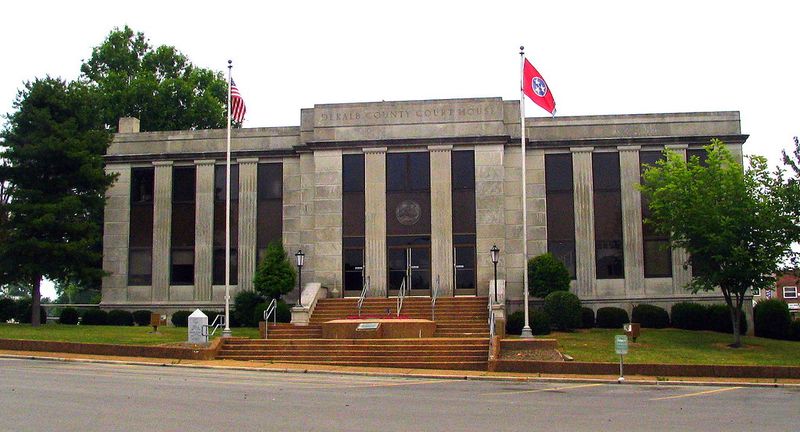
Smithville sits on the eastern edge of the Highland Rim, where rolling hills meet genuine affordability. Rental housing here typically costs $600 to $800 monthly, utilities average $150 to $190, and grocery expenses remain reasonable thanks to local stores and nearby shopping options.
The town of about 5,000 residents maintains that perfect small-community size where you recognize faces at the grocery store but aren’t trapped in everyone’s business. Center Hill Lake lies just minutes away, providing year-round recreation from fishing and boating in summer to scenic drives and hiking when cooler weather arrives.
DeKalb County’s economy blends agriculture, manufacturing, and small business, creating employment diversity unusual for a town this size. The school system serves families well, and healthcare facilities cover routine needs without requiring drives to distant hospitals.
Smithville doesn’t chase trends or try to reinvent itself—it simply exists as an honest, hardworking community where people can afford to live comfortably.
11. Erwin
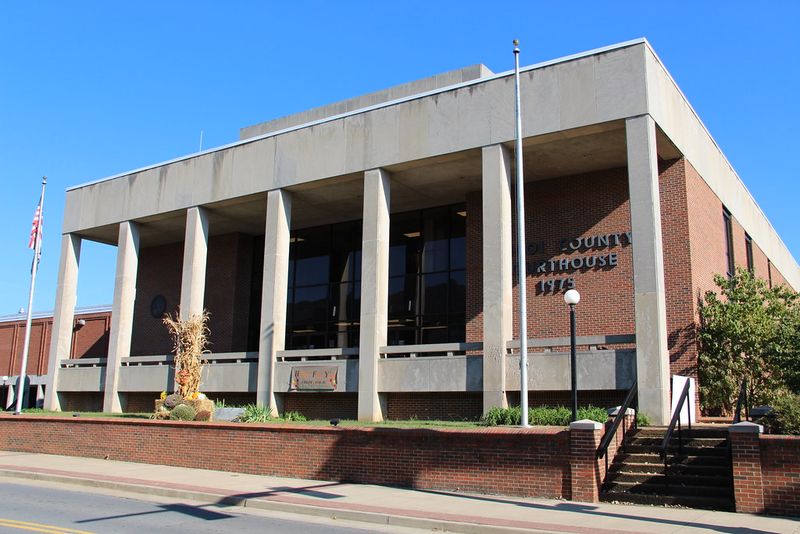
Tucked into the mountains of northeast Tennessee, Erwin proves that scenic beauty doesn’t require sacrificing affordability. Housing costs stay remarkably reasonable, with rentals available from $600 to $800 monthly, and utilities typically running $140 to $180. Grocery shopping benefits from local options plus nearby Johnson City’s larger stores, keeping food costs manageable.
The Nolichucky River runs right through town, offering world-class whitewater rafting, fishing, and riverside trails that provide entertainment without expensive admission fees. Erwin’s location along the Appalachian Trail means hikers regularly pass through, creating a subtle outdoors culture without the commercialization that plagues more famous trail towns.
Downtown maintains working-class authenticity with local diners, shops, and services that have served the community through economic ups and downs.
Employment opportunities exist in healthcare, manufacturing, and retail, with nearby Johnson City expanding job options for those willing to commute. The mountain setting provides four distinct seasons, each offering different outdoor activities and scenery that never gets old.
The community spirit runs deep here, and your budget stretches far enough to actually enjoy life rather than just scrape by.
12. Winchester
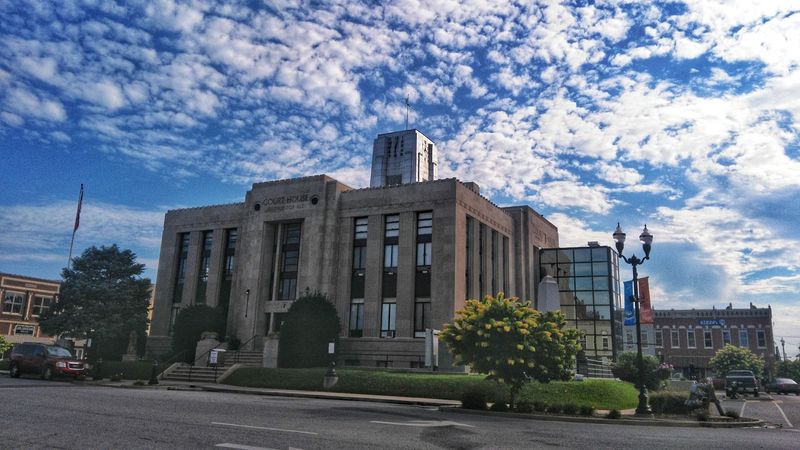
Winchester anchors Franklin County in southern Middle Tennessee, offering solid affordability paired with genuine community character. Rental housing typically costs $650 to $850 monthly, utilities average around $160 to $200, and grocery expenses stay reasonable thanks to multiple shopping options including both local stores and national chains.
The town of roughly 8,500 residents maintains economic stability through diverse industries, including manufacturing, healthcare, and retail. Downtown Winchester features a classic courthouse square surrounded by locally owned businesses, restaurants, and shops that create an authentic small-town atmosphere without feeling stuck in the past.
Tims Ford Lake sits just south of town, offering boating, fishing, and waterside recreation that provides endless entertainment without recurring membership fees or expensive equipment requirements.
The school system serves families adequately, and healthcare facilities meet routine medical needs. Winchester hosts annual events that bring the community together, and the overall pace of life encourages connections between neighbors rather than the isolation common in larger cities.