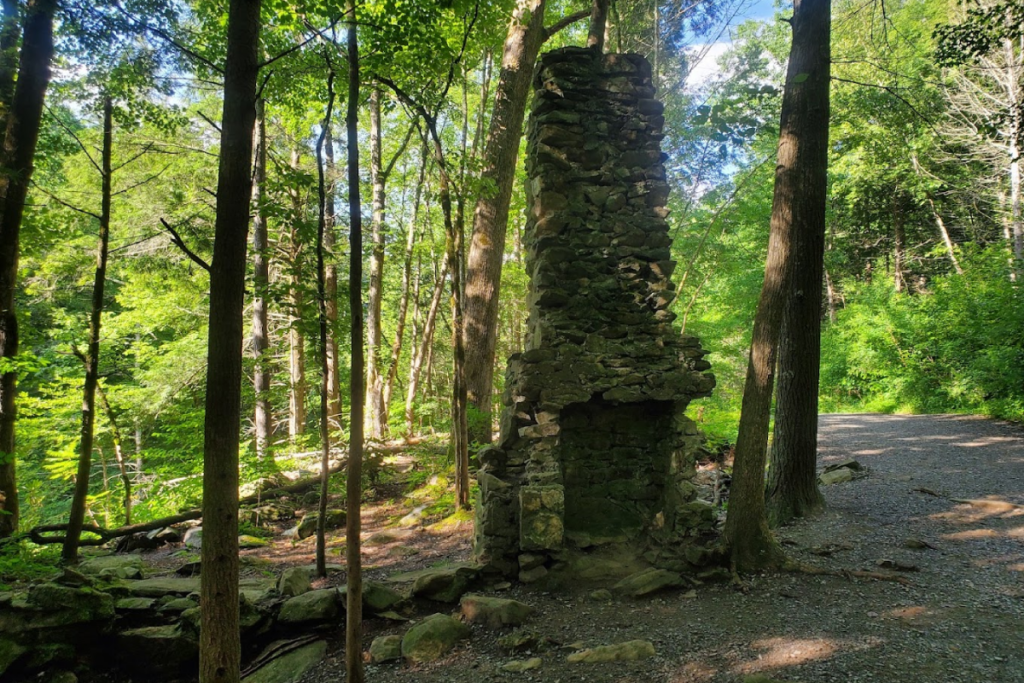
Tennessee’s natural beauty is best experienced on foot, but not every trail requires hiking boots and a full day of climbing. Whether you’re testing out a new hobby, walking with kids, or simply looking for a peaceful outdoor stroll without the sweat and struggle, the state offers dozens of paths designed with casual explorers in mind.
From the misty mountains of the Smokies to the river valleys of Middle Tennessee and the ancient landscapes out west, these beginner-friendly routes let you soak in scenery, spot wildlife, and enjoy fresh air without feeling like you just ran a marathon.
1. Sugarlands Valley Nature Trail, Gatlinburg
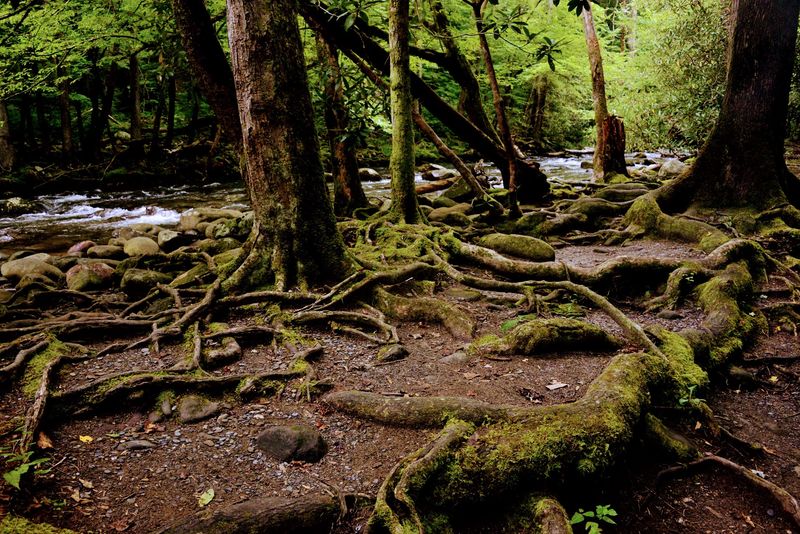
Right outside the Sugarlands Visitor Center, this paved half-mile loop is about as welcoming as a Smokies trail gets. The path stays flat and smooth the entire way, making it one of the few truly accessible nature walks in the park.
You’ll follow alongside a gentle river, cross a couple of wooden bridges, and walk under a canopy of hardwoods that keep things cool even on warm days.
Because it’s paved and level, this trail works beautifully for strollers, wheelchairs, and anyone who wants a genuine forest experience without navigating roots and rocks. The sounds of the water and birdsong create a surprisingly peaceful atmosphere, even though you’re just steps from the visitor center parking lot.
Interpretive signs along the way explain the plants and animals you might spot, turning the walk into a mini nature lesson.
Spring brings wildflowers popping up along the trail edges, while fall delivers that classic Smoky Mountain color show. Summer can get busy since it’s so close to Gatlinburg, but early mornings offer a quieter experience.
The loop takes most people around 20 to 30 minutes at a relaxed pace, leaving plenty of time to explore the visitor center exhibits afterward.
Families with young kids especially appreciate how low-stress this trail feels. There’s no worrying about someone wandering off a steep edge or tripping over uneven terrain.
The river views are lovely without requiring any climbing, and the whole experience feels like a genuine mountain walk rather than just a sidewalk stroll. If you’re brand new to hiking or simply want nature without the workout, this loop delivers exactly that.
2. Seven Islands Loop Trail, Kodak
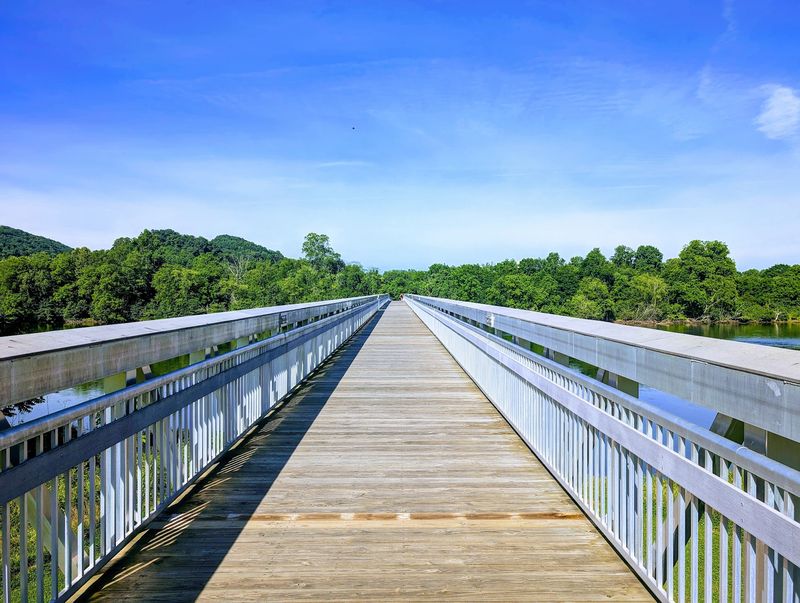
Just outside Knoxville, this 1.8-mile loop at Seven Islands State Birding Park offers one of the easiest river walks in East Tennessee. The trail moves through open fields and along the French Broad River with barely any elevation change, making it feel more like a pleasant stroll than a hike.
Wildlife sightings are common here since the park’s varied habitats attract everything from herons and kingfishers to deer and the occasional bald eagle.
The path itself is wide and well-maintained, with a mix of mowed grass and packed dirt that stays manageable in most weather. Unlike dense forest trails, much of this loop keeps you out in the open, offering long views across the fields and water.
That openness makes it especially appealing for birders who can spot species from a distance without fighting through thick vegetation.
Bring binoculars if you have them, because the bird diversity here is genuinely impressive. The park’s location along the river creates a natural corridor for migrating species, and the mix of wetlands, meadows, and forest edges supports dozens of year-round residents.
Even non-birders tend to notice the variety of calls and colors flitting around the trail.
The loop works well for families, dog walkers, and anyone looking for gentle movement in a pretty setting. There are no tricky sections or steep climbs to navigate, just a relaxed path that lets you focus on the scenery rather than your footing.
Morning visits tend to be best for wildlife activity, but the trail stays pleasant throughout the day. With only 65 feet of total elevation gain, this is about as flat as Tennessee hiking gets while still feeling like you’re genuinely outdoors.
3. Riverside Trail, Roan Mountain
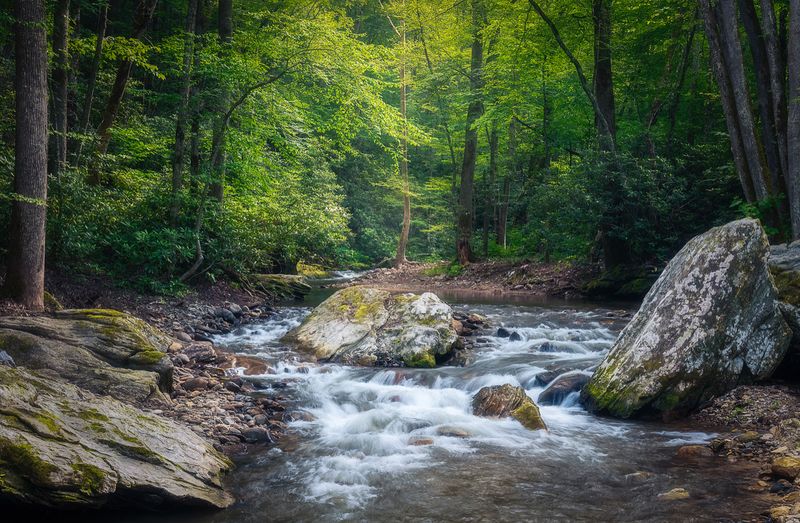
Up near the North Carolina border, this 2.65-mile trail at Roan Mountain State Park follows the Doe River through some genuinely beautiful mountain scenery without demanding a serious climb. The path stays relatively flat as it winds through rhododendron thickets and alongside the rushing water, giving you that authentic Appalachian forest experience without the leg-burning ascent.
A boardwalk section crosses through a restored wetland area, adding variety to the walk and offering a different perspective on the park’s ecosystems.
The river itself provides constant entertainment as it tumbles over rocks and pools in quiet eddies. Depending on recent rainfall, the water can range from a gentle flow to a more dramatic rush that fills the air with sound.
Either way, the presence of moving water keeps the trail feeling alive and dynamic rather than just a walk through static woods.
Roan Mountain’s elevation means cooler temperatures than you’d find in lower parts of the state, making this trail especially nice during summer when valley hikes feel sweltering. The shade from thick forest cover adds to that cooling effect.
Wildflowers bloom along the trail edges in spring and early summer, while fall brings those rich Appalachian colors that make mountain photography so rewarding.
For beginners who want to feel like they’ve actually hiked in the mountains without gasping for air, this trail hits the sweet spot. The length gives you enough distance to feel accomplished, but the gentle grade keeps things comfortable.
The boardwalk section breaks up the terrain nicely, and the river views provide natural stopping points if you want to rest or just soak in the setting.
4. Byrd Lake Trail, Crossville
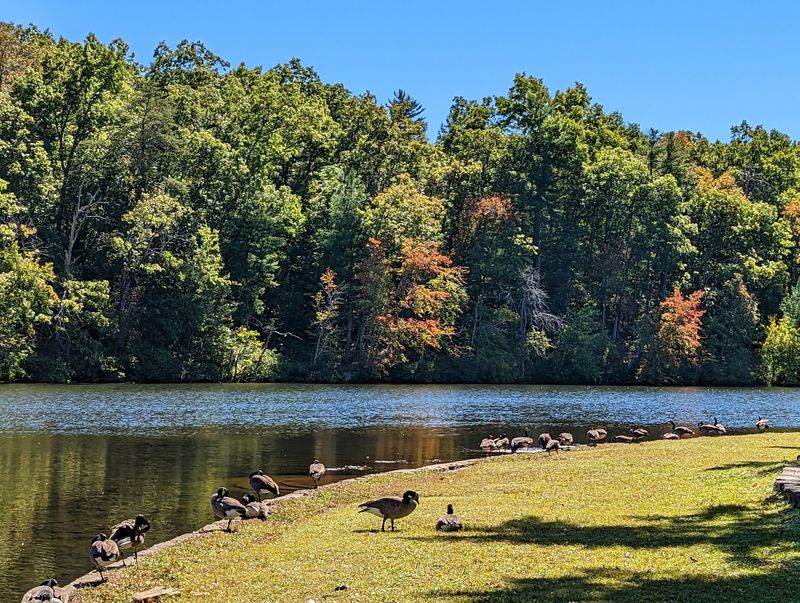
Cumberland Mountain State Park’s Byrd Lake Trail offers one of the shortest, easiest options on this list at roughly half a mile. The path loops around Byrd Lake on mostly level ground, making it perfect for families with small children or anyone who wants a quick nature break without committing to a long walk.
The lake itself is small and pretty, with the kind of calm, reflective surface that makes for nice photos on still mornings.
Because the trail stays so short and gentle, it works well as a warm-up hike if you’re new to outdoor walking. There’s no pressure to push yourself, no confusing trail junctions to navigate, just a simple loop that brings you right back to where you started.
The forest around the lake provides plenty of shade, and benches along the way offer spots to sit and watch for turtles or waterfowl.
This trail gets recommended frequently for seniors and young kids precisely because it removes most of the barriers that make hiking intimidating. The surface is well-maintained, the distance is manageable, and you’re never far from the trailhead if someone needs to turn back.
That accessibility doesn’t mean the scenery suffers, though. The lake views are genuinely pleasant, and the surrounding woods feel peaceful without being remote or isolated.
Spring and fall offer the most comfortable temperatures for walking here, since Cumberland Plateau summers can get sticky. Winter walks are possible on mild days, though ice can make the trail slippery after freezing weather.
The park sees moderate use, so you’ll likely encounter other walkers, but it rarely feels crowded. If you’re building confidence on trails or just want an easy outdoor stroll during a Crossville visit, this loop delivers exactly what it promises with no surprises or challenges.
5. Couchville Lake Trail, Hermitage
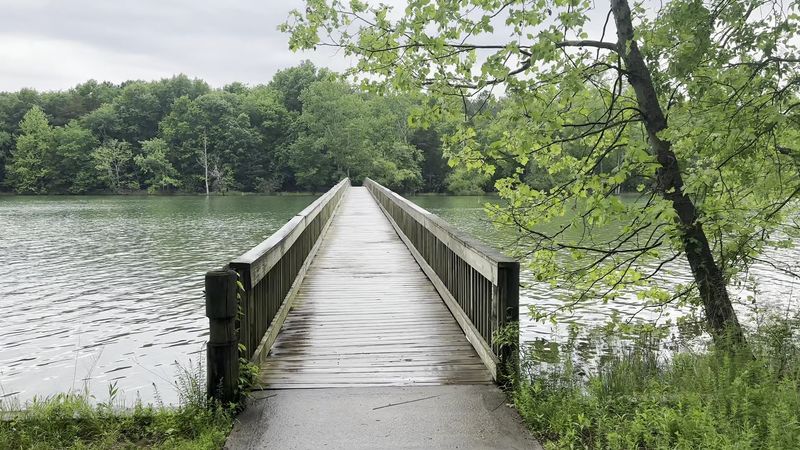
Over at Long Hunter State Park, this fully paved 2-mile loop around Couchville Lake ranks as one of the best beginner trails in Middle Tennessee. The path stays completely flat with virtually no elevation change, making it accessible for wheelchairs, strollers, bikes, and anyone who prefers a smooth surface underfoot.
You’ll circle the entire lake with constant water views, passing through a mix of open areas and tree-lined sections that provide shade on hot days.
The paved surface means you can focus entirely on the scenery rather than watching your step for roots or rocks. That makes this trail especially popular with families teaching kids to ride bikes, runners looking for a softer surface than roads, and walkers who want reliable footing.
The lake itself attracts waterfowl year-round, so you’ll likely spot ducks, geese, and herons during your loop.
Because the trail forms a complete circle, you can start anywhere along the route and end up right back at your car. There’s no out-and-back doubling of scenery, just a continuous loop that keeps things visually interesting.
Benches and fishing spots dot the shoreline, creating natural stopping points if you want to rest or let kids explore.
This trail gets steady use from locals who appreciate its reliability and easy access from Nashville. Early mornings tend to be quieter, while late afternoons see more families and after-work exercisers.
The park’s proximity to the city makes it convenient for a quick nature fix without driving deep into rural areas. Weather matters less here than on dirt trails since the pavement drains well and stays walkable even after light rain.
If you’re looking for the easiest possible introduction to Tennessee trail walking, this paved loop removes almost every obstacle while still delivering a genuine outdoor experience.
6. Lake Trail, Radnor Lake, Nashville
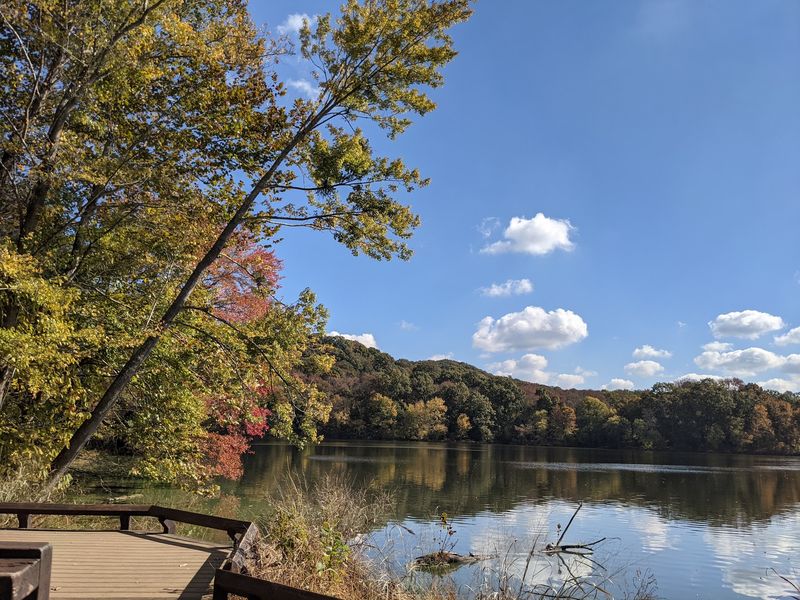
Radnor Lake sits right in Nashville’s backyard, offering 1.35 miles of easy walking that feels surprisingly wild for being so close to the city. The Lake Trail hugs the north side of the water on a mulch and gravel surface that stays gentle and well-maintained.
Multiple overlooks and benches line the route, giving you plenty of excuses to stop and scan for the wildlife that makes this preserve famous among local nature lovers.
The trail’s easy grade and relatively short distance make it manageable for most fitness levels, but the real draw is the wildlife watching. Deer wander through regularly, often unbothered by human presence. Herons stalk the shallow edges of the lake, and turtles sun themselves on logs. Bring binoculars or just your patience, because the animal activity here often rivals what you’d see in more remote locations.
Because Radnor functions as a nature preserve rather than a typical park, the atmosphere feels more protected and intentional. You won’t find playgrounds or picnic pavilions crowding the shoreline, just trails and observation points designed to let the natural landscape take center stage.
That focus on preservation means the experience feels more like genuine nature immersion despite the urban setting.
The trail can get busy on weekends, especially during nice weather when Nashvillians flock here for their outdoor fix. Weekday mornings offer a quieter experience with better wildlife sightings.
The lake itself is beautiful in all seasons, from spring wildflowers to fall foliage to winter’s stark, peaceful mood. Summer can feel humid under the tree cover, but the shade helps moderate the heat.
For beginners, this trail offers a perfect balance of accessibility and authentic nature experience. The surface is forgiving, the distance is reasonable, and the scenery rewards your effort without requiring serious physical exertion.
7. Mayo Wix Memorial Trail, Gallatin
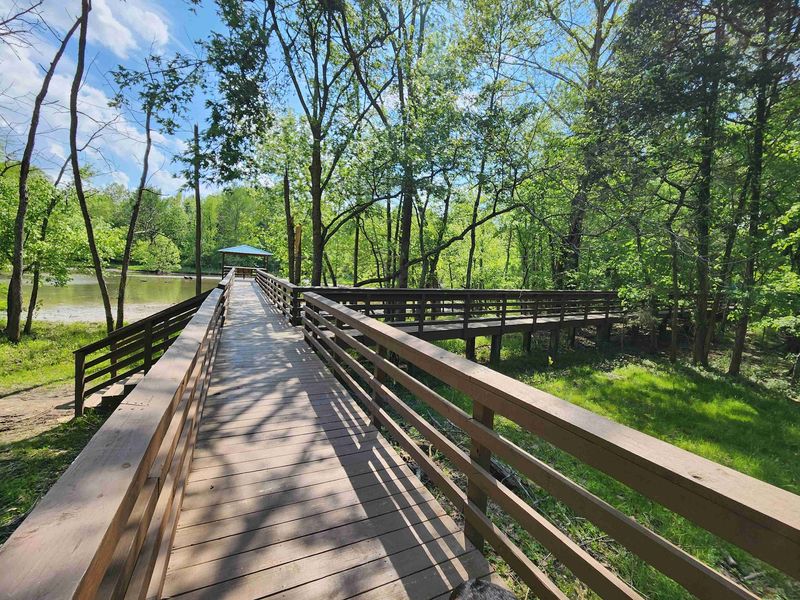
Bledsoe Creek State Park’s paved 1-mile Mayo Wix Memorial Trail stands out for its combination of easy walking and interesting features. The smooth surface makes it one of the most accessible options in the Middle Tennessee park system, while interpretive signs and a storybook section add educational elements that kids especially enjoy.
The trail winds through woods and along the water, offering changing views that keep the walk engaging from start to finish.
The storybook section features illustrated signs telling a nature-themed story as you walk, turning the trail into an interactive experience for young readers. Even if you’re walking without kids, the signs add a whimsical touch that makes the trail feel more intentional than just a simple loop.
The paved surface stays smooth and level, making this an excellent choice for wheelchairs, strollers, or anyone who prefers not to navigate uneven ground.
Water views appear at several points along the route, giving you glimpses of Old Hickory Lake through the trees. The forest itself is typical Middle Tennessee hardwoods, offering good shade and seasonal color changes.
Spring brings fresh green growth and wildflowers, while fall delivers those warm oranges and yellows that make Tennessee autumns so photogenic.
Bledsoe Creek doesn’t see the heavy crowds that some Nashville-area parks attract, so the trail often feels peaceful even on weekends. The parking area sits right at the trailhead, eliminating any long walk just to reach the actual path.
Benches along the route provide rest stops, though the short distance means most people complete the loop without needing a break.
This trail works particularly well for introducing young children to hiking since the paved surface and short distance keep frustration low while the storybook elements maintain interest. Adults will appreciate the easy movement and pretty setting without feeling like they’re just walking through a manicured city park.
8. Enclosure Trail, Manchester
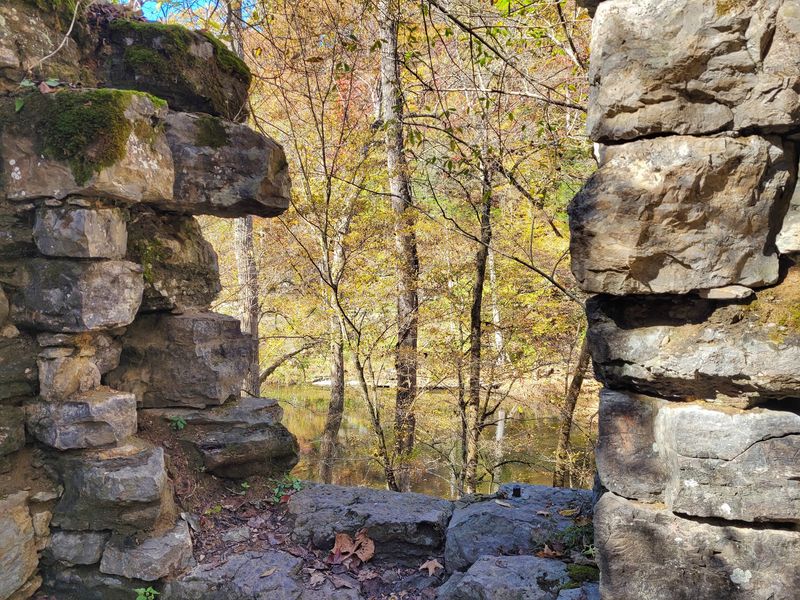
Old Stone Fort State Archaeological Park offers something different from typical nature walks. The roughly 1.4-mile Enclosure Trail loops past ancient Native American earthworks and two waterfalls, combining natural beauty with genuine historical significance.
The path follows the outline of the old fort walls, taking you along cliff edges and down to waterfall views that make the walk feel more adventurous than most beginner trails.
Tennessee State Parks notes that parts of this trail include rocky and rooty sections, so it’s definitely beginner-friendly rather than completely effortless. You’ll want to watch your footing in spots, especially near the waterfalls where spray can make rocks slippery.
That said, the challenges are brief and manageable for anyone with basic mobility and a little caution.
The earthworks themselves are fascinating, these ancient walls built by indigenous people nearly 2,000 years ago. Walking along the same ridges they constructed creates an eerie connection to Tennessee’s deep past.
Interpretive signs explain what archaeologists have learned about the site, turning the hike into an outdoor history lesson that adds depth beyond just pretty scenery.
Big and Little Falls provide natural highlights along the route, with viewing platforms letting you get close to the cascading water. After heavy rain, both falls put on impressive shows, while drier periods reduce them to more modest flows.
Either way, the sound of falling water and the moss-covered rocks create that classic Tennessee waterfall atmosphere.
The trail takes most people around 45 minutes to an hour, depending on how long you linger at the falls and earthwork sites. It’s not the easiest walk on this list, but it’s definitely manageable for beginners who don’t mind a few rougher sections in exchange for more interesting scenery and historical context than a simple nature loop provides.
9. Lakeshore Trail, Henderson
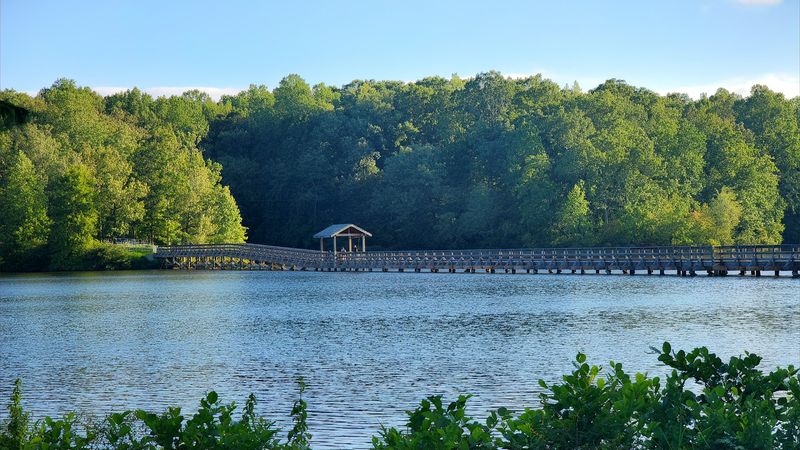
Out at Chickasaw State Park, the 1.5-mile Lakeshore Trail circles Lake Placid on mostly flat terrain that Tennessee State Parks specifically calls easy enough for small legs. The path includes boardwalk sections and a pedestrian bridge that add visual interest and make the walk feel more varied than just a simple dirt loop.
The lake itself is small and peaceful, with clear water that reflects the surrounding forest on calm days.
The boardwalk sections are particularly nice, lifting you over wet areas and giving you a slightly different perspective on the lake and wetland edges. Kids tend to enjoy these sections since walking on boards feels different from regular trail surfaces and often produces satisfying hollow sounds underfoot.
The pedestrian bridge offers a good spot for photos or just pausing to look for fish and turtles in the water below.
Because the trail stays flat and relatively short, it works well for families with a range of ages and abilities. Younger kids can complete the loop without excessive complaining, while the distance is enough to feel like you’ve accomplished something without wearing anyone out.
The tree cover provides good shade during summer months, making this a reasonable warm-weather option when many Tennessee trails feel oppressively hot.
Chickasaw State Park sits in West Tennessee, making this trail a good option if you’re exploring the western part of the state where mountains and dramatic elevation changes don’t exist. The landscape here is different from East Tennessee, flatter and more focused on water features and forest rather than rocky ridges and mountain views.
That doesn’t make it less interesting, just different in character and feel.
The trail sees moderate use but rarely feels crowded since the park isn’t as heavily visited as some Middle Tennessee locations. You can usually find parking easily and enjoy a relatively peaceful walk without constantly stepping aside for other hikers.
10. Pinson Mounds Loop, Pinson
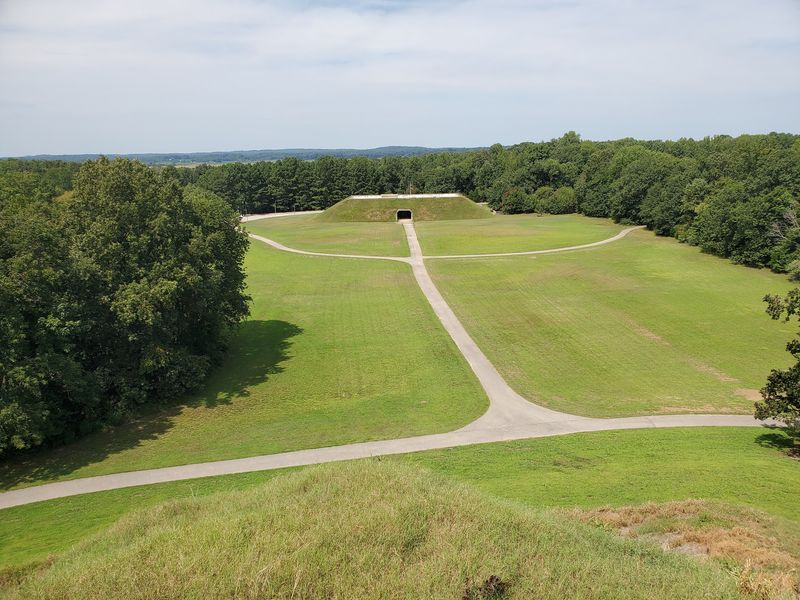
Pinson Mounds State Archaeological Park protects one of the most unusual landscapes in West Tennessee, and the main loop trail offers an easy walk through this ancient ceremonial site. The path moves past grass-covered burial mounds built by indigenous cultures over 2,000 years ago, creating a landscape that feels both peaceful and slightly mysterious.
Boardwalk sections connect some areas, while open fields and scattered trees provide a very different atmosphere from typical forest trails.
The park describes its trail system as easy to moderate, with the main loop generally considered an easy walk suitable for most visitors. The terrain stays relatively flat since you’re in West Tennessee rather than mountain country, and the paths are well-maintained and clearly marked.
What makes this trail special is the historical context surrounding every step. You’re walking through a site that served as an important ceremonial center for ancient peoples, and the mounds themselves are impressive structures when you consider they were built entirely by hand without modern tools.
Interpretive signs explain what archaeologists have learned about the site, helping you understand the significance of what you’re seeing.
The museum at the visitor center adds valuable context before or after your walk, with artifacts and displays that bring the site’s history to life. Kids often find the mounds fascinating once they understand what they’re looking at, turning what could be just a nature walk into an engaging history lesson.
Because the trail includes open field sections, it offers less shade than forest paths. That makes spring and fall the most comfortable seasons for walking here, while summer visits are best scheduled for early morning or late afternoon.
The unique character of this site makes it worth visiting despite the lack of mountain views or waterfalls that define many Tennessee trails.
11. Airpark Trail, Tiptonville
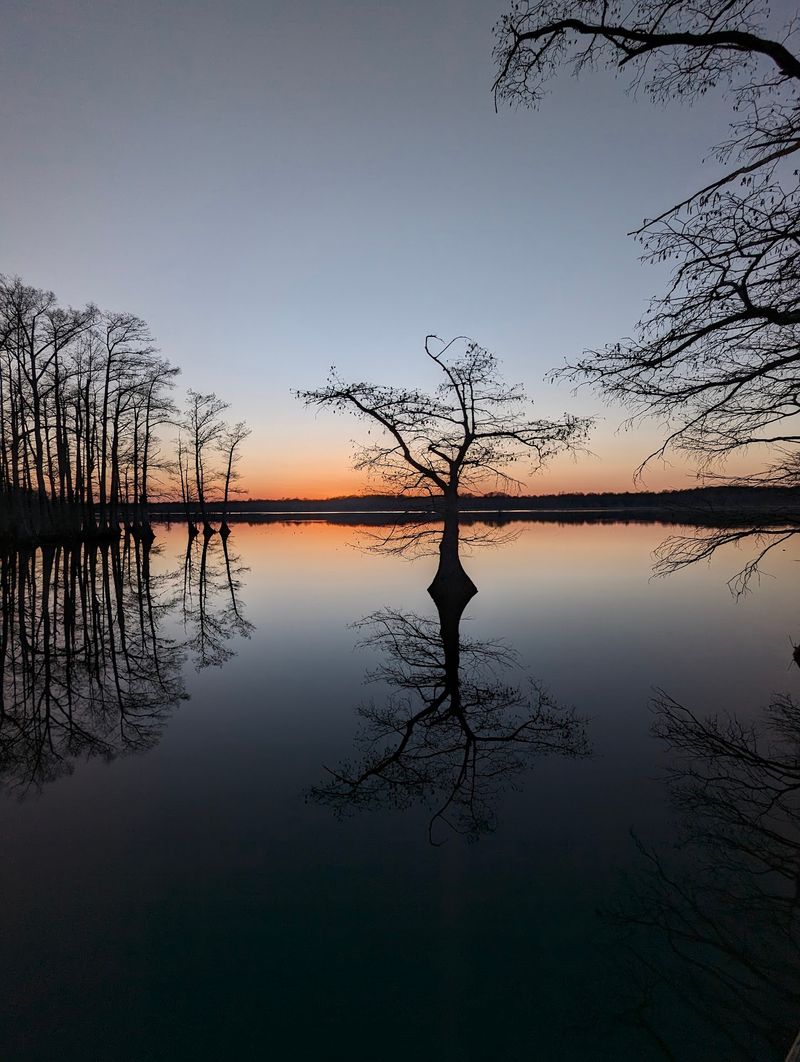
Way up in Tennessee’s northwest corner, Reelfoot Lake State Park’s Airpark Trail offers a 1.25-mile walk through bottomland forest and swamp habitat that feels completely different from mountain or rolling hill landscapes. The trail is officially rated easy and winds through terrain that stays flat with almost no elevation change.
The wetland setting means you’re walking through an ecosystem most Tennesseans never experience, with cypress trees rising from standing water and an entirely different cast of wildlife than you’d find in the Smokies.
The path itself stays on solid ground despite passing through swampy areas, so you’re not sloshing through water or navigating precarious boardwalks. The forest canopy creates a shaded tunnel effect in many sections, making this a surprisingly cool walk even during summer.
The sounds here are distinctive, with frogs, insects, and water birds creating a constant background chorus that feels very different from typical forest trail soundscapes.
Reelfoot Lake formed during the New Madrid earthquakes of 1811-1812, creating this unique wetland ecosystem in what was previously dry land. That geological history makes the entire area interesting from a natural history perspective.
The lake itself is famous for bald eagle watching in winter, and the Airpark Trail gives you a ground-level perspective on the habitats that support such diverse wildlife.
Because this trail sits so far from Tennessee’s population centers, it sees less use than trails near major cities. That means you can often walk in relative solitude, hearing only natural sounds rather than constant conversations from other hikers.
The remote location does require some commitment to reach, but if you’re already visiting Reelfoot Lake, this trail offers an easy way to explore the park’s distinctive landscape on foot.
12. Gatlinburg Trail, Gatlinburg
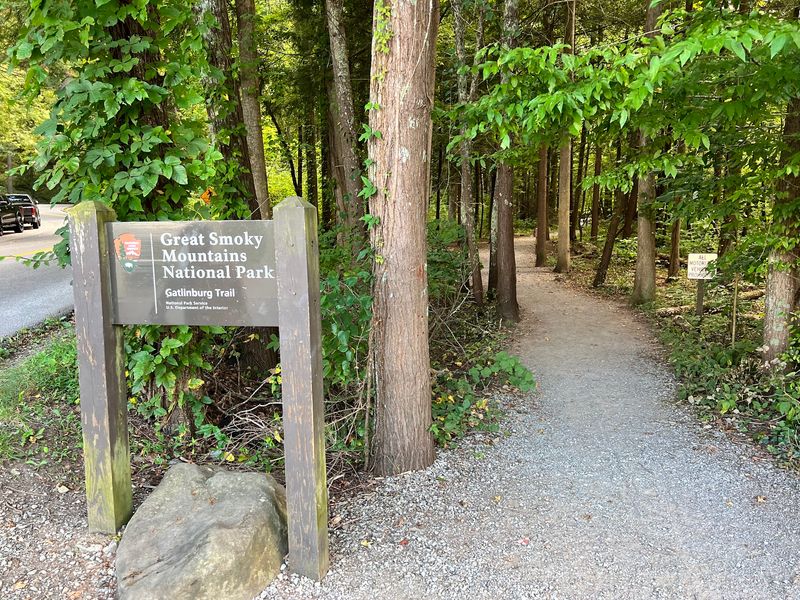
The Gatlinburg Trail offers something unusual in the Smokies: a relatively long walk that stays beginner-friendly the entire way. At roughly 4 miles round trip, it’s definitely longer than most easy trails, but the National Park Service describes it as a leisurely path that stays mostly flat, wide, and well-graded throughout.
The trail follows the Little Pigeon River between Gatlinburg and the Sugarlands Visitor Center, giving you genuine mountain scenery without the brutal climbs that define most Smokies hiking.
Because the trail stays along the river valley floor, you get constant water views and the soothing sound of moving water accompanying your entire walk. The path is wide enough for comfortable two-way traffic, and the surface stays relatively smooth compared to typical mountain trails.
This is one of only two trails in the national park that allows dogs and bicycles, making it more flexible than most Smokies routes.
The length means you’ll want to budget more time than for half-mile loops, but the gentle grade keeps the walking comfortable even over the longer distance. Most people take around 90 minutes to two hours for the full out-and-back journey, though you can obviously turn around at any point if you’re not up for the full distance.
The trail works well for building stamina if you’re new to hiking and want to gradually increase your distance without tackling serious elevation.
Scenery-wise, you’re getting classic Smoky Mountain views: rushing river, forested slopes, and that sense of being surrounded by genuine wilderness despite walking on a well-maintained path. Fall brings spectacular color, spring delivers wildflowers, and summer offers lush green canopy that provides good shade.
Winter walking is possible on milder days, though ice can make sections slippery after freezing weather. For beginners ready to move beyond short loops, this trail offers a perfect next step without jumping straight into strenuous mountain climbing.