Texas has hundreds of small towns scattered across its vast landscape, and while everyone knows about Austin and San Antonio, some of the best experiences happen in places you’ve probably driven right past. These hidden-gem destinations offer everything from natural springs and historic districts to world-class barbecue and quirky attractions, all within a few hours’ drive from major cities. Whether you’re craving a peaceful escape or an adventure-filled Saturday, these twelve spots deliver authentic Texas charm without the tourist crowds that pack the usual hotspots.
1. Mineral Wells
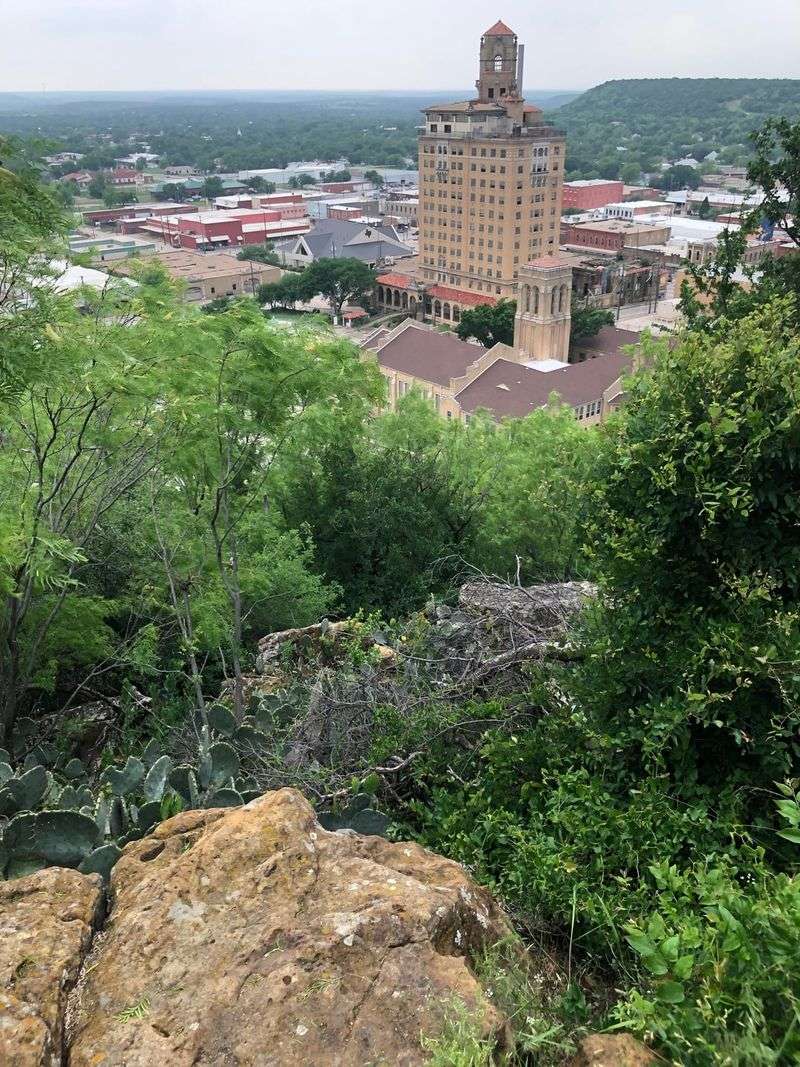
About ninety minutes west of Fort Worth sits a town that once rivaled Hot Springs, Arkansas, as America’s wellness capital. The mineral-rich waters here drew thousands of visitors during the early 1900s, and the grand Baker Hotel still towers over downtown as a reminder of those glamorous days. Though the hotel’s been closed for decades, restoration efforts are bringing it back to life, and you can already feel the town’s resurgence.
Crazy Water fountains scattered around town let you taste the famous mineral water that put this place on the map. Each fountain has a different mineral concentration, numbered one through four, with number four packing the strongest flavor. Local legend says drinking it cured everything from arthritis to hangovers, though today people mostly enjoy it for the novelty and the slight sulfur kick.
Clark Gardens Botanical Park sprawls across seventeen acres just outside town, featuring themed gardens, walking trails, and a conservatory filled with tropical plants. The gardens change with the seasons, so spring brings wildflowers while fall delivers spectacular foliage. It’s peaceful enough that you might forget you’re still in North Texas.
Lake Mineral Wells State Park offers hiking, rock climbing, and camping just a few miles from downtown. The three-mile Trailway loop takes you past limestone cliffs and through post oak forests, with decent elevation changes that make it feel more challenging than most North Texas trails. Climbers love Penitentiary Hollow, a popular spot with routes suitable for beginners and experienced climbers alike.
Downtown’s antique shops and local eateries give you plenty of reasons to wander around after exploring the natural attractions. The Famous Mineral Water Company bottles and sells the original crazy water, making it easy to take some home. This town proves that Texas history doesn’t always need a Alamo-sized monument to be worth experiencing.
2. Driftwood
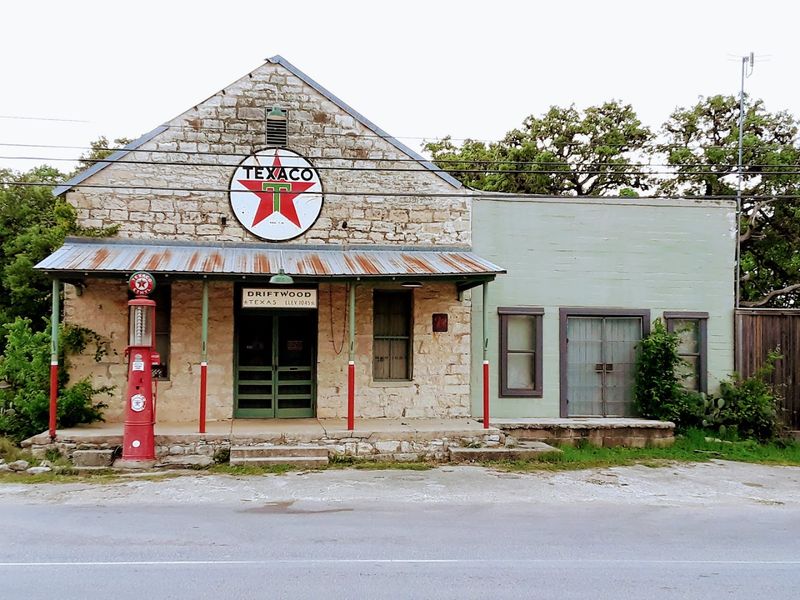
Tucked into the Hill Country between Austin and Dripping Springs, this tiny community barely shows up on most maps but delivers some of Texas’s most memorable experiences. The population hovers around a hundred people, yet visitors flock here year-round for reasons that have nothing to do with big-city attractions. Rolling hills covered in live oaks and cedar create that classic Hill Country scenery that looks especially stunning during golden hour.
The Salt Lick has been serving barbecue family-style since 1967, and their open-pit setup lets you watch brisket and ribs smoking over Texas post oak. Long picnic tables encourage sharing space with strangers, which somehow feels right when you’re all reaching for the same sauce bottles. They don’t take reservations, so weekend waits can stretch past an hour, but the grounds are pretty enough that killing time doesn’t feel like a chore.
Bring your own beer or wine since The Salt Lick operates in a dry area, though they’ve opened a brewery and winery nearby if you forget. The sunset views from their outdoor seating area showcase exactly why people pay premium prices for Hill Country real estate. Live music on weekends adds to the laid-back atmosphere that makes this place feel like a genuine Texas tradition rather than a tourist trap.
Several vineyards have set up shop in the area, taking advantage of the terrain and climate that’s proven surprisingly good for wine production. Hawk’s Shadow Winery and Duchman Family Winery both offer tastings and tours within a short drive. The elevation changes and limestone soil create growing conditions that remind some vintners of certain Mediterranean regions.
Wedding venues have multiplied around Driftwood as couples discovered its photogenic landscapes and easy access from Austin. Prospect House and Honey Creek Resort host ceremonies almost every weekend during peak season. For a day trip, though, you’re better off focusing on the food, wine, and scenery that made this place special before it became a wedding destination.
3. Jefferson
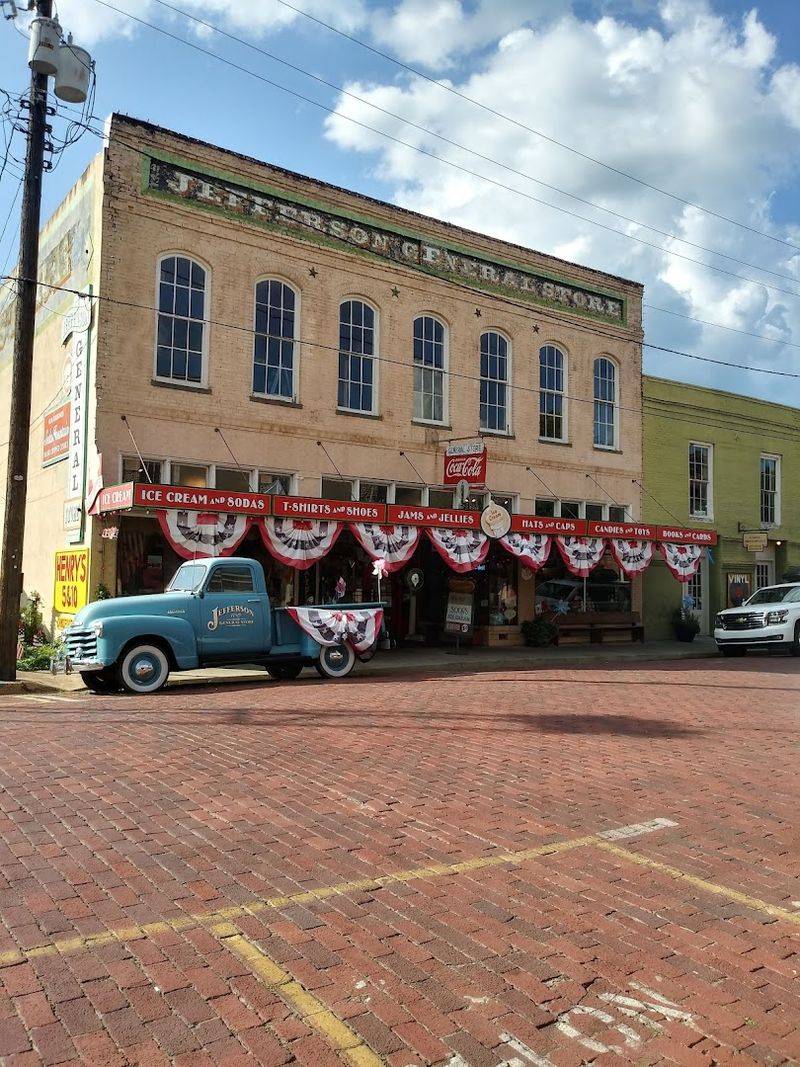
Northeast Texas holds onto its past more tightly than most places, and nowhere demonstrates this better than a town that refused to let the railroad through in the 1870s. That decision killed Jefferson’s riverboat economy and preserved it in amber, creating a time capsule of Victorian architecture and Southern charm. Today’s visitors walk the same brick streets that steamboat captains and cotton traders once traveled, passing mansion after mansion that’s been converted into bed-and-breakfasts or museums.
The Excelsior House Hotel has hosted guests since 1858, making it one of Texas’s oldest continuously operating hotels. Presidents, outlaws, and ordinary travelers have slept in these rooms, and the place maintains its antique furnishings and creaky floors as badges of honor. Ghost tour operators love this town, claiming at least a dozen haunted buildings, though you don’t need to believe in spirits to appreciate the atmospheric old homes.
Caddo Lake sits just outside town, offering cypress-tree mazes and Spanish moss that look nothing like typical Texas landscapes. Paddle trails wind through the flooded forest, where alligators sun themselves on logs and herons fish in the shallows. Guided boat tours help first-timers navigate the maze of channels, though experienced paddlers can rent kayaks and explore independently.
Antique shopping reaches obsessive levels here, with dozens of shops filling historic storefronts along Austin Street. You’ll find everything from Depression-era glassware to mid-century furniture, often at prices lower than similar items would fetch in Dallas or Houston. Serious collectors plan entire weekends around hitting every shop, while casual browsers can easily kill a few hours picking through the collections.
The town celebrates its steamboat heritage with festivals and historical reenactments throughout the year. Christmas transforms the historic district into a Victorian wonderland, with candlelight tours and period decorations. Jefferson proves that sometimes the towns that got left behind economically become the most interesting places to visit decades later.
4. Boerne
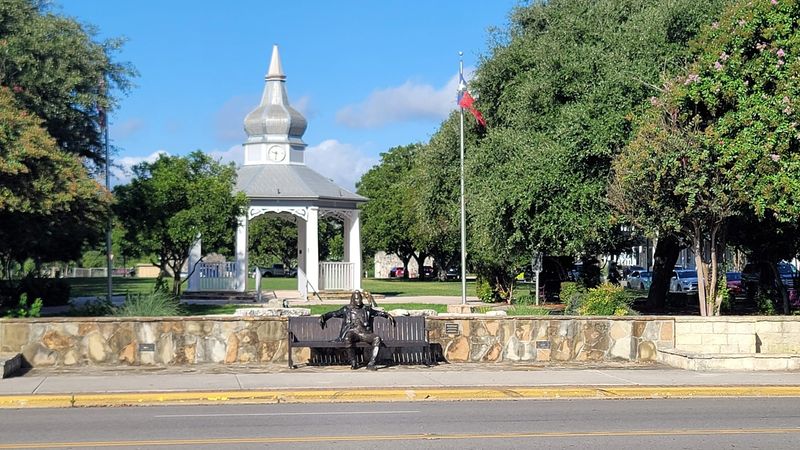
German immigrants established this Hill Country town in the 1840s, and their influence still shapes everything from the architecture to the local festivals. Pronounced “Bernie” by locals who’ve given up correcting outsiders, the town sits along Cibolo Creek about thirty miles north of San Antonio. The historic downtown stretches along a walkable main street lined with limestone buildings that house galleries, boutiques, and restaurants serving both German specialties and Texas favorites.
Cave Without a Name earned its unusual title through a 1940s naming contest won by a boy who said the cave was too beautiful to name. The formations inside include flowstone, stalactites, and stalagmites that rival more famous Texas caves, but crowds here stay manageable since it’s not part of any national park. Guided tours last about an hour and maintain a constant cool temperature that feels amazing during Texas summers.
Cibolo Nature Center provides 100 acres of walking trails, native plant gardens, and wildlife viewing opportunities right in town. The prairie restoration area showcases what this landscape looked like before development, with native grasses and wildflowers that attract butterflies and birds. Kids love the dinosaur tracks preserved in the creek bed, though getting to them requires some careful rock-hopping.
Cascade Caverns offers another underground adventure just outside town, featuring a 100-foot underground waterfall that’s genuinely impressive. The temperature stays around 68 degrees year-round, making it a popular escape during summer heat. Tours run regularly, and the grounds include picnic areas and nature trails if you want to make an afternoon of it.
The town’s German heritage comes alive during Berges Fest each June, with polka music, authentic food, and enough beer to remind you why Germans settled here. Local wineries and breweries have multiplied in recent years, giving visitors plenty of tasting room options. Boerne manages to feel like a genuine small town despite growing steadily, maintaining that Hill Country charm that draws San Antonio residents looking for weekend escapes.
5. Glen Rose
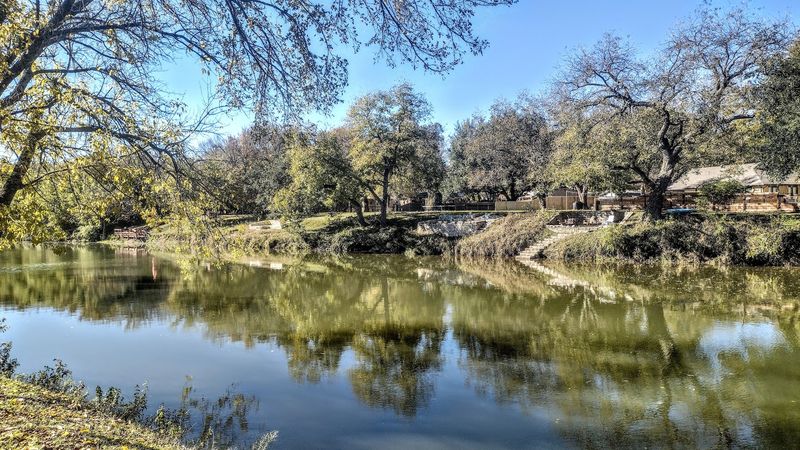
Dinosaur tracks stamped into limestone riverbeds 113 million years ago put this Somervell County town on the paleontology map. Dinosaur Valley State Park preserves the best examples, where you can walk right up to footprints left by Acrocanthosaurus and Sauroposeidon during the Cretaceous period. The tracks become most visible when the Paluxy River runs low, typically in late summer and fall, though park rangers can point you toward accessible prints year-round.
Fossil Rim Wildlife Center sprawls across 1,800 acres just outside town, letting visitors drive through habitats filled with giraffes, zebras, ostriches, and dozens of other species. Animals approach your car window looking for the food pellets sold at the entrance, creating up-close encounters that feel more authentic than traditional zoos. The scenic drive takes about two hours if you don’t stop much, but most people spend half a day feeding animals and exploring the overlooks.
The Somervell County Museum occupies the old Barnard School building downtown, displaying artifacts from the area’s history alongside dinosaur fossils and Native American tools. It’s small enough to see in thirty minutes but packed with interesting local stories. Admission costs just a few dollars, and the volunteers running the place love sharing details about Glen Rose’s past.
Big Rocks Park sits right in town, offering swimming holes, picnic areas, and easy river access without the entrance fees charged at the state park. Locals gather here on summer weekends, and the atmosphere stays relaxed and family-friendly. The rocks create natural pools perfect for cooling off after hiking around dinosaur tracks.
Downtown’s historic square features the Somervell County Courthouse, built in 1893 with that classic Texas courthouse architecture. Small shops and cafes surround the square, including a few antique stores worth browsing. Barnard’s Mill Art Museum showcases regional artists in a restored 1860s gristmill, combining history with contemporary Texas art.
Glen Rose proves that small towns can offer world-class attractions when they’re sitting on 100-million-year-old dinosaur highways.
6. Wimberley
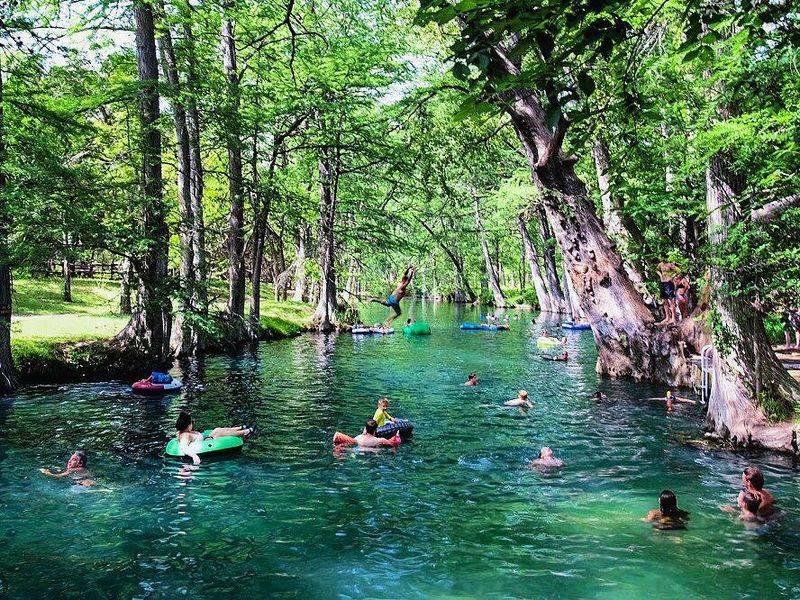
Artists and nature lovers have claimed this Hill Country village as their own, creating a community that values creativity and outdoor recreation equally. Cypress Creek and the Blanco River meet here, forming swimming holes that stay cool even during August heat waves. The town sprawls across gentle hills covered in live oaks, with galleries, studios, and quirky shops tucked into spaces that feel deliberately uncommercialized despite growing tourism.
Blue Hole Regional Park protects a swimming area fed by underground springs, with limestone cliffs providing jumping platforms for brave swimmers. The water stays clear and cold year-round, though summer weekends pack the place with families and college students. Arrive early or visit on weekdays to claim a good spot on the rocky banks.
The Wimberley Market Days happens the first Saturday of each month from March through December, transforming Lion’s Field into a sprawling marketplace with hundreds of vendors. You’ll find everything from handmade jewelry and pottery to vintage furniture and local honey. Serious shoppers arrive when gates open and spend hours working through the rows, while casual browsers can hit the highlights in an hour or two.
Jacob’s Well Natural Area features a karstic spring that’s become one of Texas’s most photographed swimming spots. The opening measures about twelve feet in diameter, dropping into a cave system that extends thousands of feet underground. Swimming is allowed during limited hours with advance reservations, as the fragile ecosystem requires careful management to prevent damage.
Dozens of artists maintain studios around town, many opening their doors for the Wimberley Valley Art League’s studio tours. The quality ranges from serious fine art to tourist-friendly crafts, but browsing the galleries makes for an enjoyable afternoon. Several wineries and a distillery have opened nearby, adding tasting rooms to the list of afternoon activities.
Old Baldy, a prominent hill offering panoramic views, requires a moderately challenging hike but rewards climbers with vistas across the Hill Country. The trail gets steep in sections, so wear decent shoes and bring water. Wimberley manages to stay weird in that authentic Austin-adjacent way, attracting visitors who appreciate small-town charm without the stuffiness.
7. Canyon
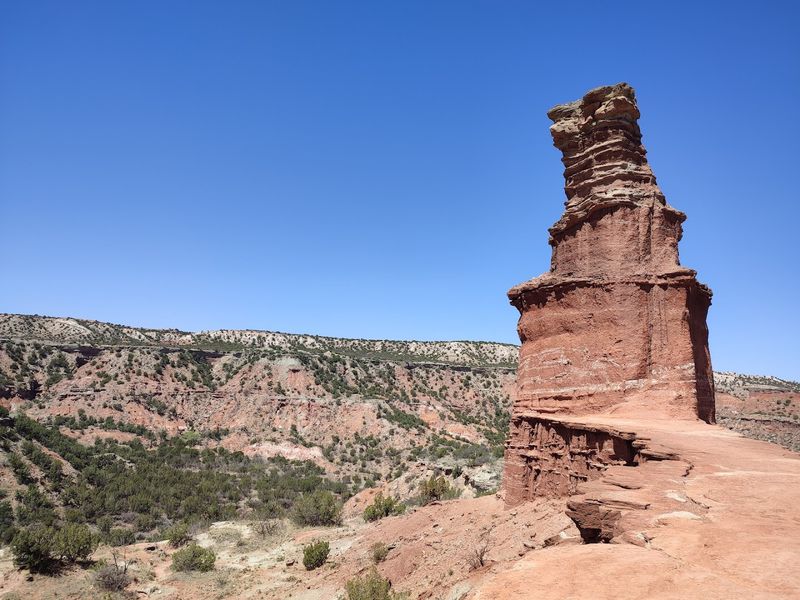
Most people think of flat plains when they picture the Panhandle, which makes the 800-foot-deep gash in the earth just outside this college town even more surprising. Palo Duro Canyon, the second-largest canyon system in America, stretches for 120 miles with colorful rock layers that tell 250 million years of geological history. The Spanish explorers who named it “hard wood canyon” for the juniper trees growing from the cliffs probably didn’t imagine it would someday attract hikers, bikers, and photographers from across the country.
The canyon floor sits about 800 feet below the rim, accessible via a winding road that delivers increasingly dramatic views with each switchback. Once you reach the bottom, twenty-plus miles of trails range from easy nature walks to challenging backcountry routes. The Lighthouse Trail, a moderate six-mile round-trip hike, leads to the canyon’s most iconic formation, a rock pillar that stands alone against the sky.
Mountain biking has exploded here in recent years, with the Givens, Spicer & Lowry Running Trail providing a relatively flat route perfect for beginners while the Rojo Grande Trail challenges experienced riders with technical sections. The park rents bikes if you didn’t bring your own, though weekends see equipment go quickly during peak seasons.
The outdoor musical drama “TEXAS” has performed in the canyon’s amphitheater every summer since 1966, telling the story of Panhandle settlers through song and dance. The production uses the canyon walls as a natural backdrop, creating a theatrical experience unique to this location. Shows run Tuesday through Sunday nights from June through August, with a barbecue dinner available before performances.
Canyon the town serves as the practical base for visiting the park, offering hotels, restaurants, and the Panhandle-Plains Historical Museum. This museum ranks as the largest history museum in Texas, with exhibits covering everything from paleontology to pioneer life. The town itself won’t keep you busy for long, but it provides everything you need before heading into one of Texas’s most unexpected natural wonders.
8. Salado
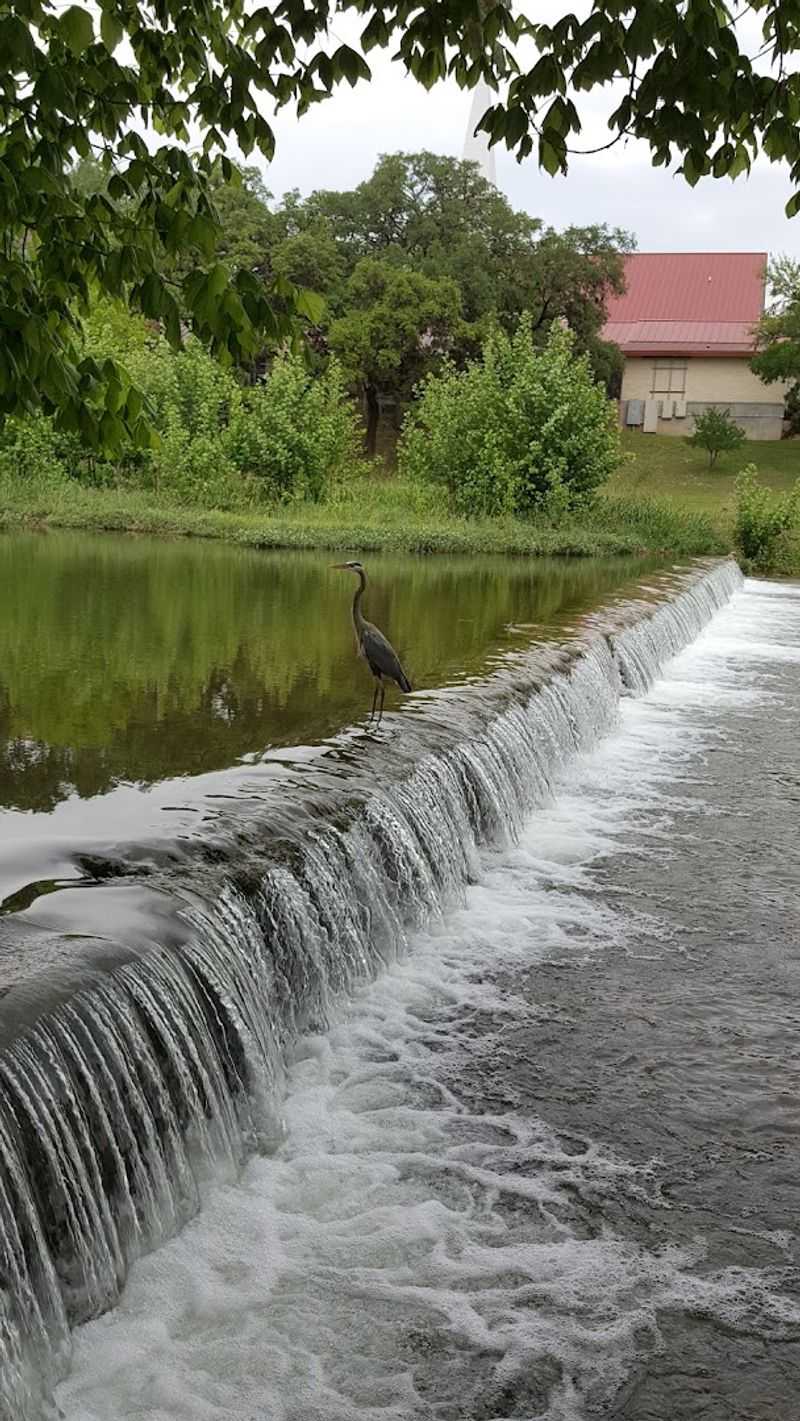
Salado Creek has flowed through this Bell County village since long before European settlement, creating a shaded oasis that attracted Native Americans, Spanish explorers, and eventually artists and craftspeople. The town straddled the old Chisholm Trail, serving cowboys driving cattle north to Kansas railheads. Today that same Main Street hosts galleries, boutiques, and restaurants occupying buildings that date back to the 1850s, creating a shopping district that feels genuinely historic rather than theme-park fake.
The Stagecoach Inn, built in 1861, once provided lodging for travelers on the Chisholm Trail and now operates as a restaurant and event venue. Sam Houston reportedly gave a speech from its front porch, though the building has been modified enough over the decades that purists might quibble about its authenticity. The dining room serves traditional Texas fare with enough modern updates to keep things interesting, and the atmosphere captures that old-inn feeling without feeling dusty.
Salado Creek runs right through the middle of town, with paths and bridges making it easy to explore. Sculpture gardens line the banks in several spots, showcasing works by regional artists that range from traditional bronze pieces to abstract metal installations. The creek stays shallow enough for wading most of the year, providing natural cooling during hot Texas summers.
The village has cultivated a reputation as an arts community, with dozens of galleries and studios scattered along Main Street and the surrounding blocks. Salado Art Center hosts rotating exhibitions and workshops, while individual galleries specialize in everything from Western art to contemporary jewelry. First Saturday events throughout the year bring artists out for demonstrations and special exhibits.
Several bed-and-breakfasts occupy historic homes, offering accommodation options more charming than standard hotel rooms. The Inn at Salado and The Barton House both maintain period details while providing modern comforts. Shopping tends toward antiques, handmade crafts, and specialty foods rather than chain stores, giving the commercial district a cohesive character.
Salado proves that a town can embrace tourism without losing the qualities that made it worth visiting in the first place.
9. Lockhart
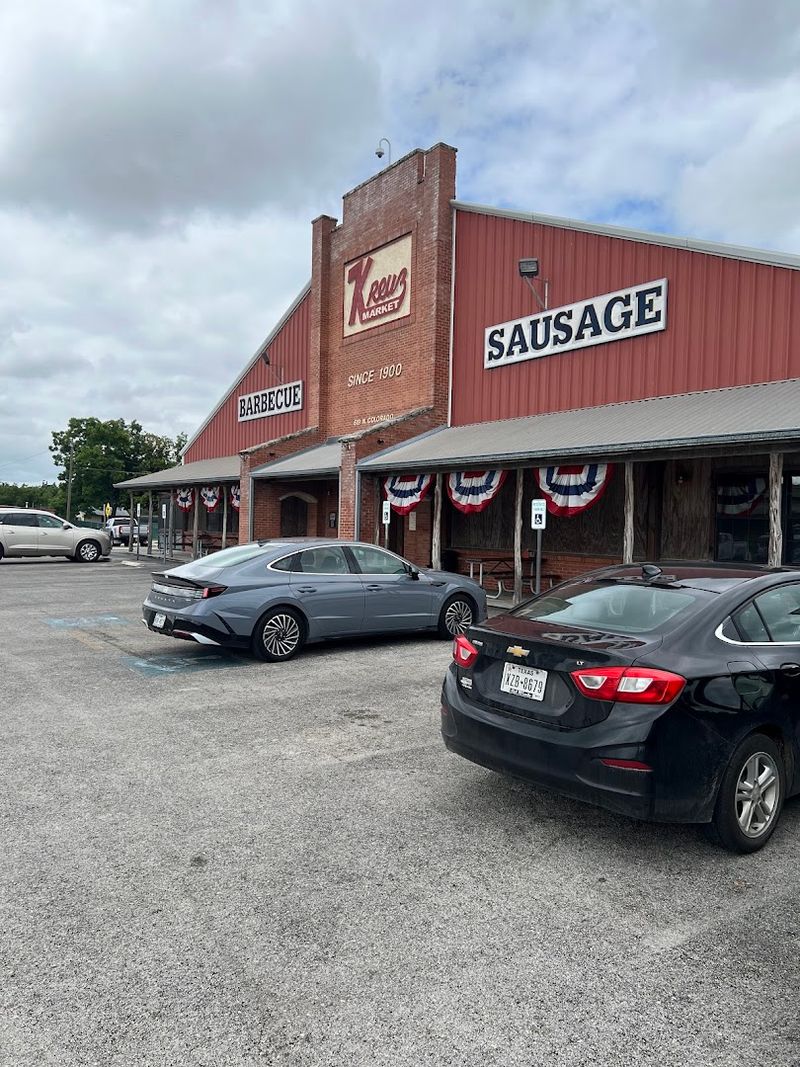
The Texas Legislature officially designated this Caldwell County seat as the Barbecue Capital of Texas in 1999, formalizing what locals already knew. Four legendary barbecue joints have operated here for decades, each claiming superiority while serving brisket, ribs, and sausage that justify the hour-long drive from Austin. The smoke from their pits hangs over downtown most days, creating an aromatic welcome that promises good eating ahead.
Kreuz Market has smoked meat over post oak since 1900, though they moved to a new building on the edge of town in 1999. They don’t serve sauce or forks, insisting that properly smoked meat needs neither, and the line of customers wrapping around the building on weekends suggests they’re onto something. The original location downtown now houses Smitty’s Market, run by different family members using similar techniques in the same historic building.
Black’s Barbecue, operating since 1932, remains in its original downtown location and holds the title of oldest continuously family-owned barbecue restaurant in Texas. Chisholm Trail Bar-B-Que rounds out the big four, offering yet another interpretation of Central Texas-style barbecue. Serious enthusiasts debate which joint serves the best brisket, but the smart move involves hitting multiple spots to form your own opinion.
The Caldwell County Courthouse dominates the town square with its 1894 Romanesque Revival architecture. The building received a thorough restoration in the 1990s, preserving details like the clock tower and ornate stonework. Small shops and cafes surround the square, though most visitors come specifically for barbecue and consider everything else a bonus.
Dr. Eugene Clark Library occupies a beautiful 1899 building that once served as the town’s public library, now converted into a special collections library and museum. The Victorian architecture alone makes it worth a quick visit between barbecue stops. Lockhart State Park sits a few miles outside town, offering hiking trails and camping if you want to extend your visit beyond lunch.
This town understands its identity and leans into it completely, creating a destination built entirely on smoked meat excellence.
10. Port Isabel
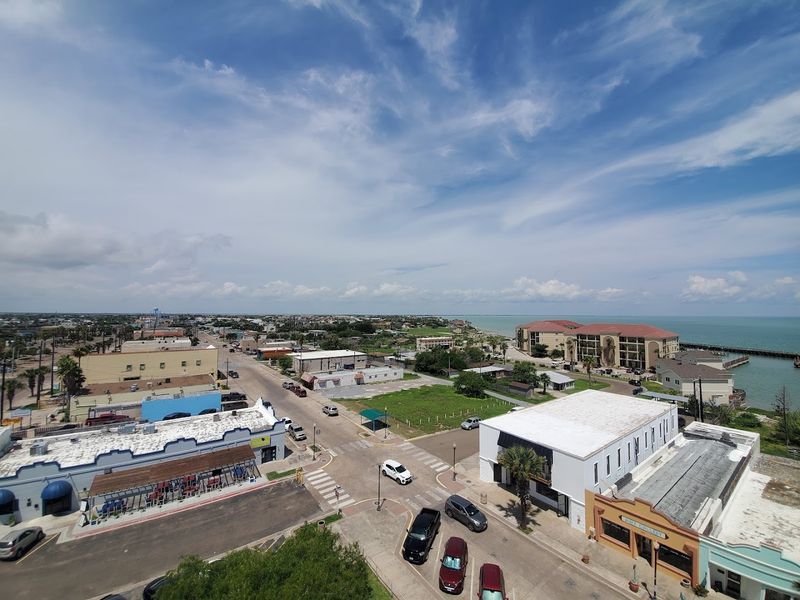
The southernmost tip of Texas hides a historic port town that most beach-goers bypass on their way to South Padre Island. Port Isabel sits on the mainland side of the causeway, offering lighthouse tours, fishing charters, and seafood restaurants without the spring break crowds that pack the island. The town played a significant role in the Mexican-American War, and its museums and historic sites tell stories that textbooks usually skip.
Port Isabel Lighthouse stands 72 feet tall, built in 1852 to guide ships through the treacherous waters where the Laguna Madre meets the Gulf. Visitors can climb the 75 steps to the observation deck for views across the bay to South Padre Island and south toward Mexico. The lighthouse stopped operating in 1905 but received a thorough restoration in the 1950s, and it now serves as the town’s most recognizable landmark.
The Museums of Port Isabel include the lighthouse, the historic Point Isabel Depot, and the Treasures of the Gulf Museum, all within walking distance of each other. The depot building tells the story of the railroad that connected this area to the rest of Texas, while the Treasures museum displays artifacts recovered from Spanish shipwrecks. Combined admission covers all three sites, making it easy to spend a morning learning local history.
Fishing dominates the local economy and culture, with charter boats offering bay and offshore trips year-round. Laguna Madre Bay provides excellent fishing for speckled trout, redfish, and flounder, while Gulf trips target kingfish, snapper, and even billfish during the right seasons. Several captains specialize in family-friendly bay trips that give kids a chance to catch fish without dealing with rough offshore conditions.
Restaurants along the waterfront serve fresh seafood caught by the local fleet, with shrimp and fish tacos appearing on almost every menu. Marcello’s Italian Restaurant occupies a historic building and somehow makes Italian food feel appropriate in this border-town setting. The town hosts several fishing tournaments throughout the year, drawing competitors from across Texas and beyond.
Port Isabel offers the Gulf Coast experience without the commercialization that’s transformed nearby South Padre Island into a resort destination.
11. Clifton
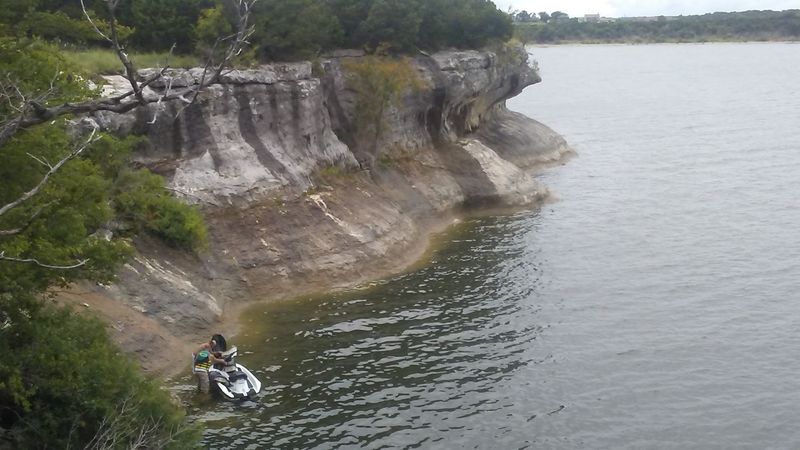
Norwegian immigrants settled this Bosque County town in the 1850s, creating a Scandinavian outpost in the heart of Texas that still celebrates its heritage. The blend of Norwegian traditions with Texas culture creates something unique, especially during the annual Norse Fest when locals dust off their Nordic costumes and serve lutefisk alongside barbecue. Downtown’s historic buildings and the limestone courthouse create a picturesque small-town square that hasn’t changed much in decades.
Bosque Memorial Museum occupies the old city power plant, displaying artifacts from the Norwegian settlement period alongside exhibits about local military history and general pioneer life. The collection includes Norwegian rosemaling artwork, traditional costumes, and household items that immigrants brought from Scandinavia. Museum volunteers often have Norwegian ancestry themselves and love sharing family stories about the challenges their ancestors faced adapting to Texas heat after leaving Norway’s cool climate.
The Clifton City Park sits along the Bosque River, offering picnic areas, walking trails, and a swimming pool that’s packed during summer months. The river provides fishing opportunities for bass and catfish, though it’s more popular as a scenic backdrop than a serious fishing destination. Several bed-and-breakfasts operate in restored Victorian homes around town, giving visitors a chance to stay in buildings that Norwegian craftsmen constructed in the late 1800s.
Antique shopping fills several downtown storefronts, with the usual mix of furniture, glassware, and collectibles that small-town antique districts always seem to offer. The quality varies, but prices tend to run lower than you’d find in bigger cities, making it worthwhile for serious collectors. Local bakeries still produce Norwegian specialties during holidays, though you’ll need to time your visit right to catch them.
The surrounding countryside features rolling hills and farmland that Norwegian settlers found suitable for dairy farming and agriculture. Several working farms still operate, though suburban growth from nearby Waco has started transforming agricultural land into housing developments. Clifton proves that immigrant communities could maintain cultural identity while adapting to their new Texas home, creating hybrid traditions that honor both heritage and place.
12. Nacogdoches
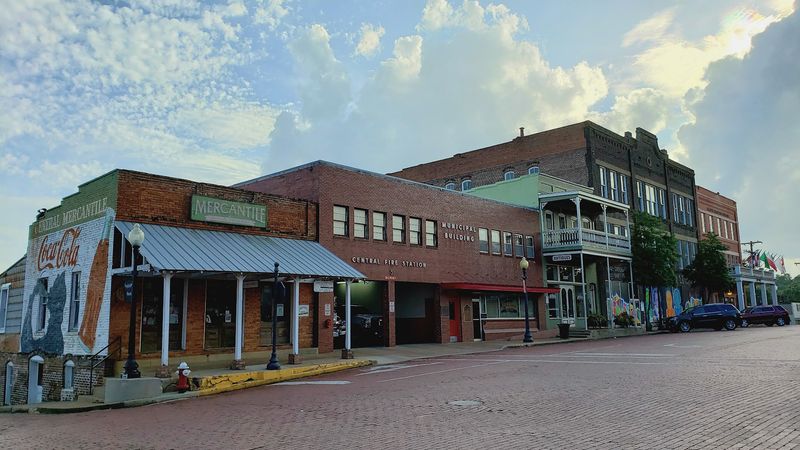
Calling itself the oldest town in Texas, this East Texas city predates the state itself by centuries. Spanish missionaries established a settlement here in the 1700s, though Caddo Indians lived in the area long before Europeans arrived. The town sits among the Piney Woods, surrounded by forests that look nothing like the landscapes most people associate with Texas, creating an atmosphere that feels more Southern than Southwestern.
Stephen F. Austin State University brings energy and culture to what might otherwise be just another small East Texas town. The university’s art galleries, performances, and sporting events provide entertainment options beyond the typical small-town offerings.
The campus itself features beautiful architecture and well-maintained grounds worth walking around even if you’re not there for a specific event.
The Old Stone Fort Museum reconstructs the 1779 building that served as a trading post, private home, and political headquarters during Texas’s early history. The original structure was demolished in 1902, but the university rebuilt it in the 1930s using salvaged materials and historical records. Exhibits inside cover the building’s various roles and the people who shaped early Texas history.
Ruby M. Mize Azalea Garden explodes with color each spring when thousands of azaleas bloom across the garden’s wooded slopes. The best viewing typically happens in March and April, though the garden stays open year-round with walking trails through the pine forest.
It’s one of the few free attractions that genuinely impresses, especially during peak bloom.
Downtown’s brick streets and historic storefronts create a pleasant walking district with local shops, cafes, and restaurants. The Fredonia Hotel, built in 1955, maintains its mid-century character while operating as a boutique hotel. Millard’s Crossing Historic Village preserves restored buildings from the 1800s, showing how East Texans lived during the pioneer era.
The surrounding national forest provides hiking, camping, and fishing opportunities just minutes from downtown. Caddo Mounds State Historic Site, located about thirty miles west, protects ceremonial mounds built by the Caddo people over a thousand years ago. Nacogdoches combines deep history with natural beauty, offering a day trip that feels distinctly different from the rest of Texas.
Share this story