Most people think of Texas as all cowboys, oil rigs, and endless desert. But scattered across the state are towns that feel like they belong somewhere else entirely. From European-inspired villages to quirky artist havens and coastal hideaways, these communities reveal a side of Texas most visitors never see.
1. Jefferson
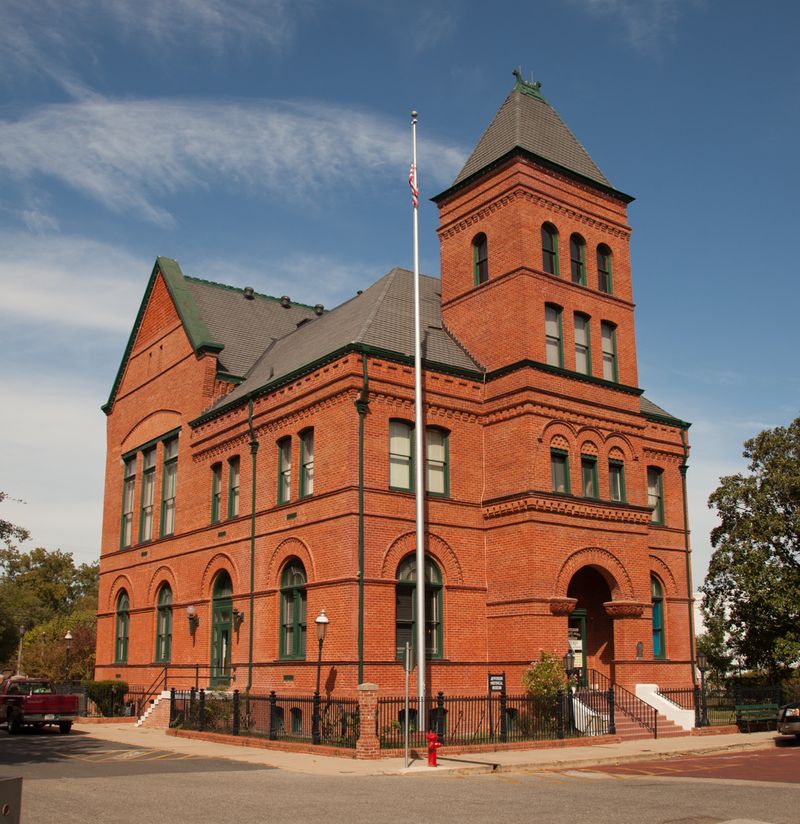
Tucked away in the piney woods of East Texas, this town looks like it got frozen in time somewhere around 1870. The streets are lined with Victorian mansions, complete with wraparound porches and gingerbread trim that would make any history buff swoon. You won’t find much in the way of modern chain stores here, just block after block of antique shops and buildings that actually remember when riverboats ruled commerce.
Back in its heyday, this place was the second-busiest inland port in the entire United States. Cotton and timber moved through here by the ton, making local merchants wealthy enough to build those fancy houses you see today. Then the railroad bypassed the town, the river became unnavigable, and everything just sort of stopped, which turned out to be the best thing that could have happened for preservation.
Now you can wander through museums housed in actual period homes, take a horse-drawn carriage ride past historic landmarks, or book a room in one of the many bed-and-breakfasts that claim to be haunted. The ghost tour industry here is no joke. Whether you believe in spirits or not, sleeping in a 150-year-old mansion definitely feels different than your average hotel stay.
The whole experience feels more like visiting Savannah or Charleston than anything you’d expect from Texas. Cypress trees drip with Spanish moss, historic homes are meticulously maintained, and the pace of life moves at about the speed of a lazy afternoon on a porch swing. If your mental image of Texas involves tumbleweeds and cattle drives, this genteel Southern town will have you questioning everything you thought you knew about the Lone Star State.
2. Alpine
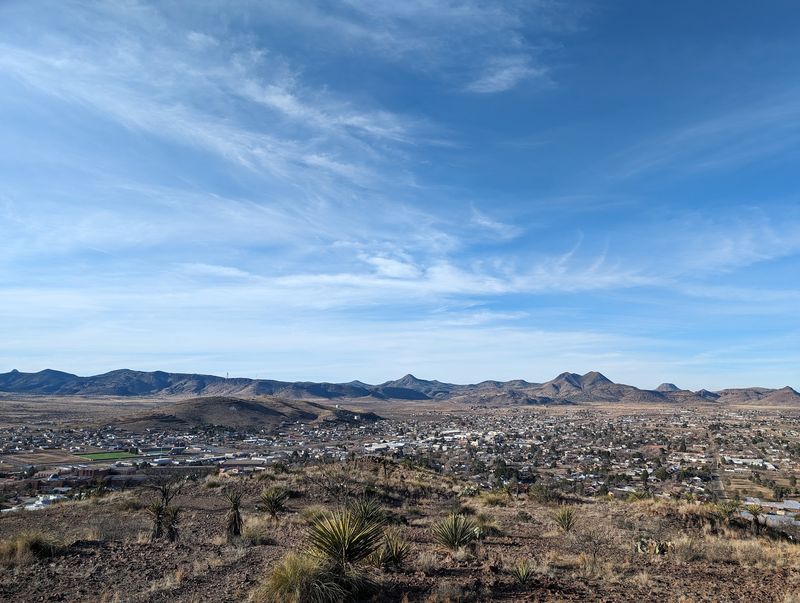
Out in the high desert of West Texas, at an elevation of 4,500 feet, sits a college town that feels completely out of place. Cool evenings, actual seasons, and a thriving arts scene make this spot feel more like a Colorado mountain community than anything typically Texan. The surrounding mountains aren’t the craggy, snow-capped variety, but they’re dramatic enough to make sunset here a daily event worth stopping for.
Sul Ross State University brings a youthful energy and cultural programming you wouldn’t expect in a town of fewer than 6,000 people. The campus hosts concerts, lectures, and a museum with surprisingly impressive collections. Students mix with ranchers at local coffee shops, creating a vibe that’s equal parts intellectual and authentically Western.
Main Street looks like it was designed by someone who understood what makes small towns charming. Art galleries sit next to family-owned restaurants, and you can actually park right in front of where you’re going. The local bookstore hosts author events, the historic hotel has been lovingly restored, and murals brighten up building walls throughout downtown.
This serves as the gateway to Big Bend National Park, which means you’ll encounter plenty of hikers, bikers, and outdoor enthusiasts passing through. But unlike pure tourist towns, this place maintains its own identity independent of visitors. Real people live here year-round, ranching and teaching and creating art in a landscape that feels both harsh and beautiful.
The combination of elevation, education, and isolation has created something genuinely unique in a state known for extremes.
3. Port Aransas
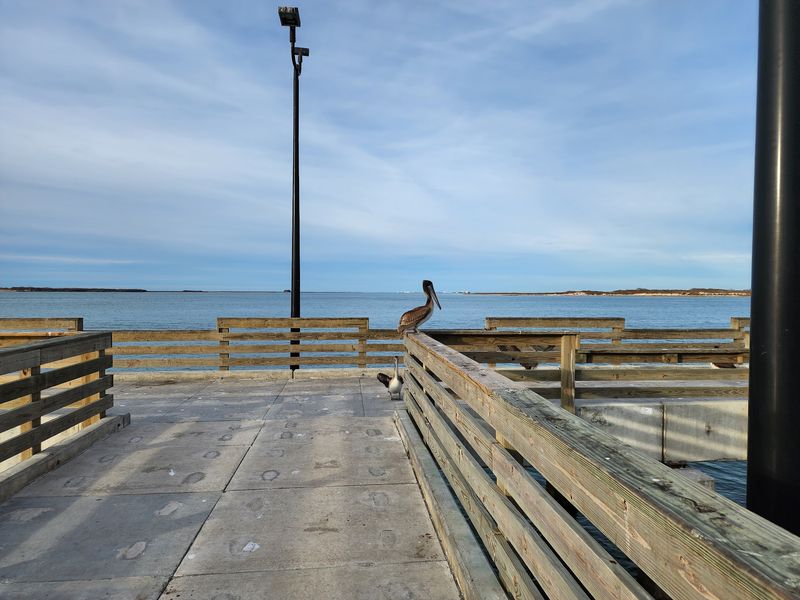
This barrier island community is where beach culture meets fishing village in the most laid-back way possible. Golf carts outnumber regular cars by a significant margin, and nobody bats an eye if you walk into a restaurant barefoot with sand still on your legs. The whole place operates on island time, which means stress levels drop about 50 points the moment you cross the causeway.
Unlike the more developed resort beaches along the Gulf Coast, this spot has managed to keep things relatively low-key. Sure, there are condos and vacation rentals, but you’ll also find family-owned seafood shacks that have been serving the same fried shrimp for decades. The fishing pier stretches way out into the Gulf, and on any given day you’ll see serious anglers alongside kids catching their first fish.
The beach itself stretches for miles, and you can actually drive on certain sections, which sounds weird until you realize how convenient it is for hauling all your gear. Sandcastles, bonfires, and kite flying happen daily. Dolphins swim close enough to shore that you don’t need binoculear to spot them, and the birding here attracts enthusiasts from around the world during migration seasons.
Most Texas stereotypes involve deserts and cattle ranches, not tropical Gulf breezes and fresh seafood. But this island community proves the state has serious coastal credentials. Local festivals celebrate everything from sand sculpture to deep-sea fishing tournaments.
The vibe is more Caribbean than cowboy, more flip-flops than boots, and absolutely perfect for anyone who thought Texas was all dust and tumbleweeds.
4. Castroville
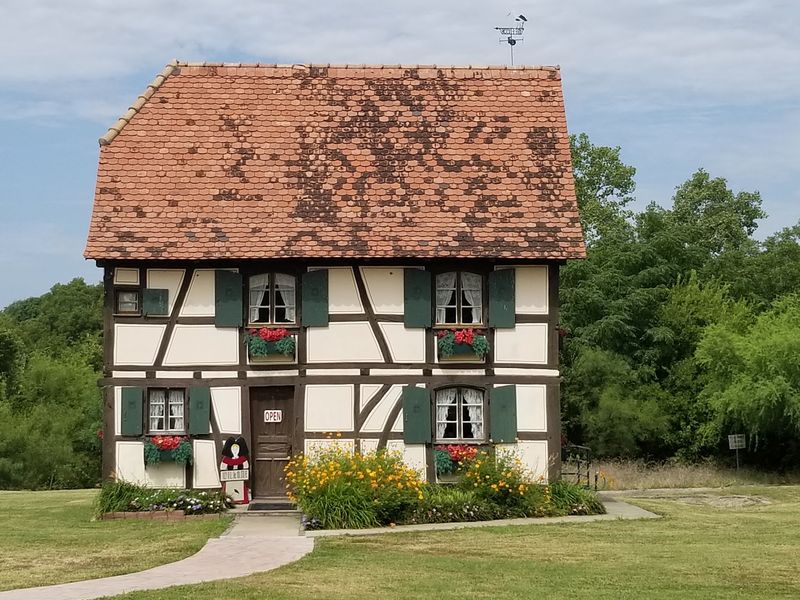
About 25 miles west of San Antonio, you’ll stumble into what feels like a small village in the Alsace region of France. The architecture alone will make you do a double-take. Stone cottages with steep roofs, European-style windows, and old-world construction techniques dominate the historic district.
You half expect someone to greet you in French, and occasionally, someone actually does.
Founded in 1844 by Henri Castro, who recruited settlers from the Alsace-Lorraine region, this community has fiercely protected its heritage for nearly 180 years. The descendants of those original families still live here, still cook traditional recipes, and still maintain buildings that look like they were transported directly from the Rhine Valley. Walking through the older neighborhoods feels like time travel, if time travel involved really good bakeries.
The local restaurants serve Alsatian specialties you won’t find anywhere else in Texas. We’re talking about dishes with names most Texans can’t pronounce, prepared using recipes passed down through generations. The annual festivals celebrate this unique heritage with traditional music, dancing, and enough homemade sausage to feed a small army.
Locals take their cultural preservation seriously, which means visitors get an authentic experience rather than some watered-down tourist version.
Most people think Texas culture is purely a mix of Mexican, Southern, and Western influences. But towns like this prove the state’s immigrant story is far more complex and interesting. German, Czech, Polish, and in this case, French settlers all left their marks on different corners of Texas.
This particular corner just happens to feel more like Strasbourg than San Antonio, complete with historic markers in multiple languages and architecture that photographs like a European postcard.
5. Marfa
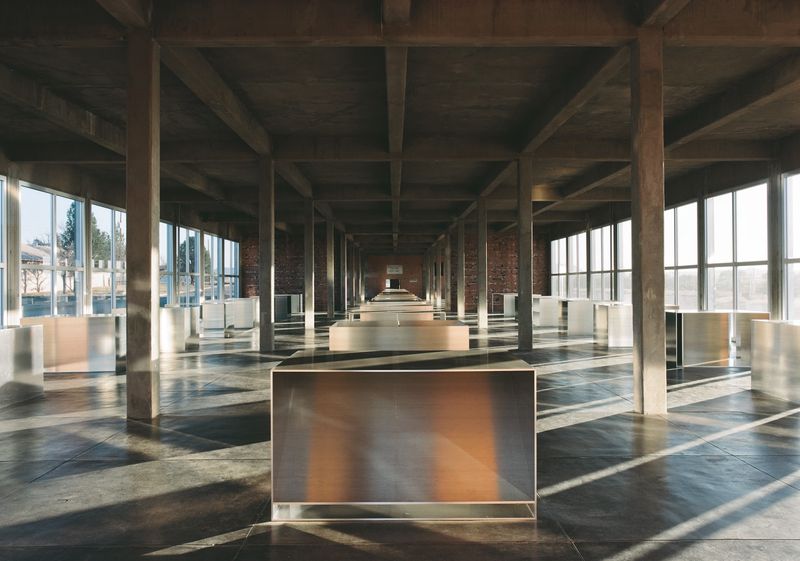
In the middle of absolute nowhere, three hours from any major city, sits one of the most unlikely art destinations in America. How this remote desert town became an international hub for contemporary art is a story involving a minimalist artist, some old military buildings, and a whole lot of creative vision. The result is a place where ranchers and art collectors coexist in surprising harmony.
Donald Judd moved here in the 1970s and started transforming abandoned military structures into permanent art installations. His foundation still maintains massive warehouse spaces filled with his geometric sculptures, and visiting these installations in the stark desert light is genuinely moving, even if you don’t consider yourself an art person. The scale and setting make the work hit differently than it would in any traditional museum.
But the art scene extends far beyond Judd’s legacy. Galleries, studios, and creative spaces have multiplied over the decades, attracting artists, writers, and creative types from around the world. You’ll find cutting-edge contemporary work displayed in renovated storefronts along the main drag, and the annual art fair draws collectors with serious money to spend.
Meanwhile, the local feed store and saddle shop continue operating like they have for generations, creating one of the strangest cultural mixes imaginable.
The mysterious Marfa Lights phenomenon adds another layer of intrigue to the whole situation. These unexplained light displays visible outside town have baffled observers for over a century. Between the world-class art, the stunning desert landscapes, the quirky accommodations, and the cosmic mystery lights, this place defies every expectation of what a tiny Texas town should be.
It’s proof that creativity and weirdness can flourish anywhere, even in the remote Chihuahuan Desert.
6. Wimberley
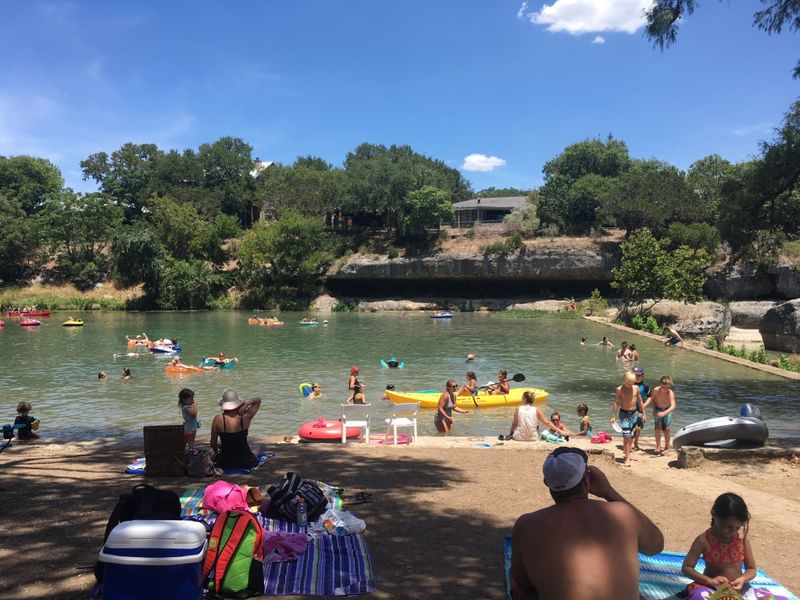
Nestled in the Hill Country between Austin and San Antonio, this artistic community built itself around a spring-fed creek and never looked back. The natural swimming holes here have been cooling off locals and visitors for generations, and on a hot Texas summer day, there’s genuinely no better place to be. Crystal-clear water, shady cypress trees, and smooth limestone rocks create scenes that belong on postcards.
The town square area is packed with galleries, boutiques, and shops selling handmade goods from local artisans. This isn’t the mass-produced souvenir stuff you find in tourist traps. Real artists live and work here, creating everything from pottery to paintings to custom furniture.
The monthly market days draw crowds from surrounding cities, turning the entire downtown into a sprawling outdoor marketplace where you can watch glassblowers, leatherworkers, and other craftspeople demonstrate their skills.
Bed-and-breakfasts and vacation rentals tucked into the rolling hills offer peaceful retreats from city life. Many properties sit along the creek, which means you can literally roll out of bed and into swimming holes that feel completely private. The landscape is classic Hill Country, with live oaks, limestone outcroppings, and wildflowers that explode into color every spring.
Hiking trails wind through nature preserves where you might spot deer, armadillos, or countless bird species.
If your Texas mental image involves flat, dusty plains, these tree-covered hills and flowing creeks will surprise you. The whole area feels more like the Ozarks than what most people picture when they think of Texas. Add in the thriving arts community and the focus on preserving natural beauty, and you’ve got a town that operates on completely different values than the typical Texas boom-and-grow mentality.
7. Brownsville
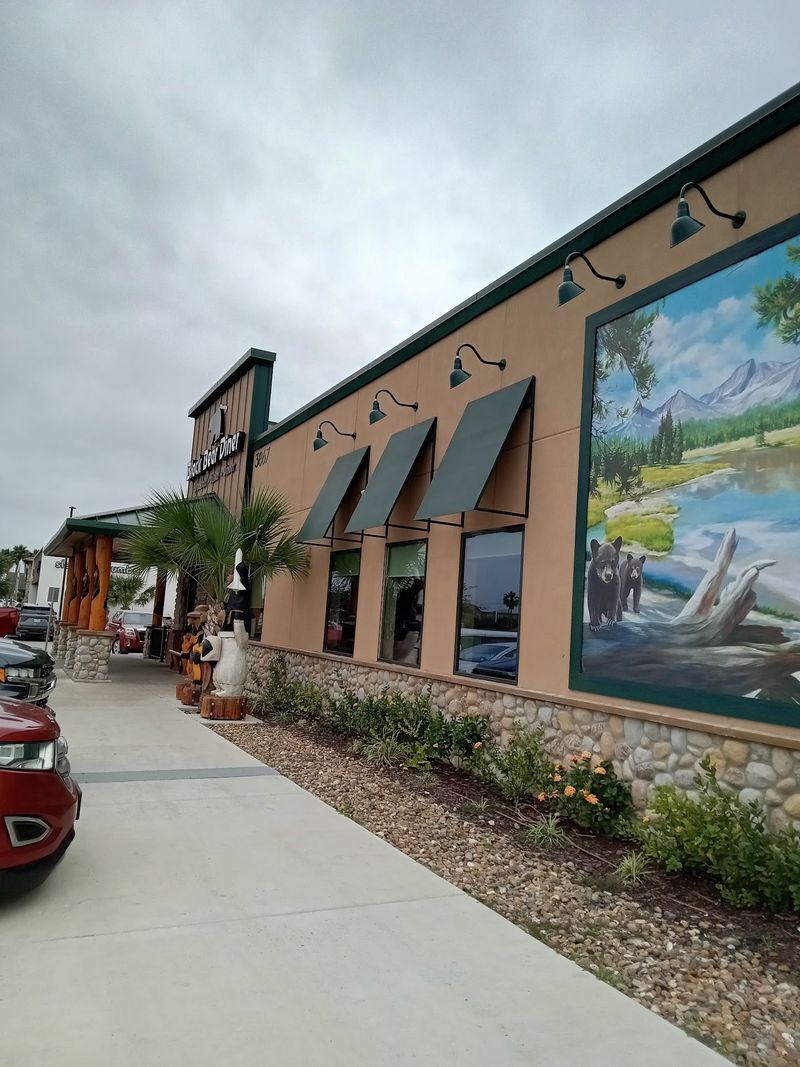
At the very southern tip of Texas, where the Rio Grande meets the Gulf of Mexico, sits a city that feels more like Mexico than the United States. Palm trees line the streets, Spanish is heard as often as English, and the food scene is legitimately incredible because you’re eating authentic border cuisine, not some Americanized interpretation. The tropical climate means winter here involves shorts and flip-flops while the rest of the state freezes.
The history goes deep, with battles from the Mexican-American War fought on grounds you can still visit today. Historic buildings downtown reflect the Spanish colonial influence, and several structures date back to the mid-1800s. The resacas, old river channels that wind through the city, create unique waterways where you can kayak under bridges and through neighborhoods, which is not something you can do in most Texas cities.
This serves as the gateway to South Padre Island, one of the state’s premier beach destinations, but the city itself deserves more than just pass-through status. Wildlife refuges in the surrounding area protect habitat for rare birds and butterflies, making this a major destination for nature enthusiasts. The combination of subtropical climate, proximity to the coast, and location on a major migration route creates biodiversity you won’t find anywhere else in Texas.
Cultural festivals here celebrate both Mexican and Texan heritage, because at this latitude, the two are completely intertwined. The local market scene offers produce and goods you won’t find further north. Street vendors sell fresh fruit with chili powder, tacos come from family recipes perfected over generations, and the whole atmosphere feels distinctly international.
For anyone who thinks Texas is all cowboys and country music, this border city offers a completely different perspective on what it means to be Texan.
8. Rockport
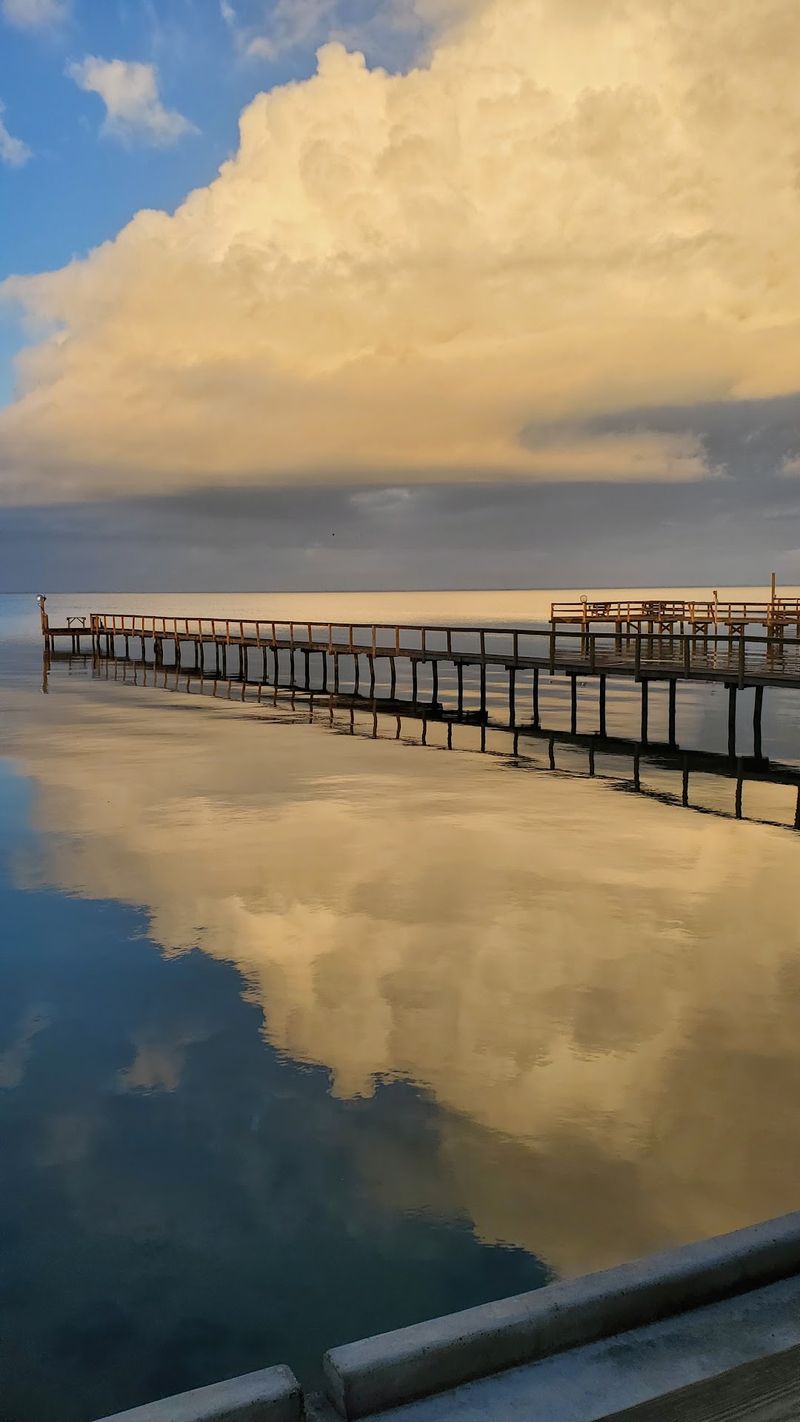
This coastal community on Aransas Bay has built its identity around three things: fishing, art, and the famous whooping cranes that winter in the nearby wildlife refuge. The combination creates a town that’s equal parts working waterfront and creative haven, with enough natural beauty to justify both. Shrimp boats unload their catch at docks that have been operating for decades, while galleries showcase seascapes and wildlife paintings that capture the unique coastal light.
The fishing here is legitimately world-class, with redfish, speckled trout, and flounder drawing anglers from across the country. Charter boats leave daily for bay fishing or offshore adventures in the Gulf. But you don’t have to be a serious angler to appreciate the maritime culture.
Watching the fishing fleet come in at sunset, with pelicans diving for scraps and dolphins trailing the boats, is entertainment enough for most visitors.
The art scene emerged somewhat organically as painters and sculptors discovered how the coastal environment inspired their work. Now you’ll find numerous galleries, working studios, and public art installations throughout town. The annual festivals celebrate both the artistic community and the natural environment, with events ranging from plein air painting competitions to birding tours led by expert naturalists.
The famous Rockport oak tree, a massive live oak estimated to be over 2,000 years old, serves as a living landmark and gathering spot.
Most people don’t associate Texas with coastal sophistication or serious art communities, but this town manages both while maintaining its fishing village roots. The beaches aren’t as dramatic as some Gulf Coast destinations, but the bay waters stay calmer, making this ideal for kayaking, paddleboarding, and other water activities. Between the wildlife, the creative energy, and the fresh seafood, this coastal spot offers a version of Texas that exists far outside the typical stereotypes.
9. Terlingua
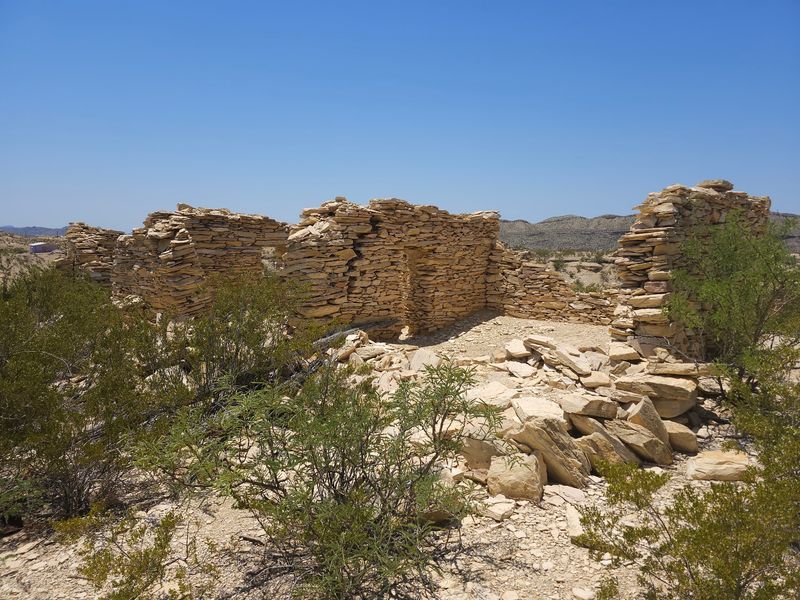
Out in the harsh desert near Big Bend National Park, a former mercury mining town has been reborn as one of the weirdest, most charming ghost towns you’ll ever visit. And yes, people actually live here, though the population hovers somewhere around 60 permanent residents depending on who’s counting. The ruins of the old mining operation create an eerie backdrop for a community that’s equal parts artists, river guides, and folks who just wanted to get as far from civilization as possible.
The famous chili cook-off held here every November draws thousands of people to a town that barely has running water the rest of the year. What started as a small competition between friends in 1967 has grown into a legendary event that takes over the entire area. But even without the cook-off crowds, this place has a magnetic pull for people seeking authentic experiences in one of the most remote corners of Texas.
A handful of businesses operate out of restored ruins and ramshackle buildings that look like they might blow away in a strong wind but have somehow survived for decades. The local trading company, restaurant, and music venue all embrace the rough-around-the-edges aesthetic. Live music happens regularly, usually featuring talented musicians who’ve made their way out to the middle of nowhere specifically to play for an audience that genuinely appreciates good songs and cold beer.
The surrounding landscape is pure desert drama, with the Chisos Mountains rising in the distance and the Rio Grande cutting through ancient rock formations. Most visitors use this as a base for exploring Big Bend, but the town itself deserves attention for being one of the most authentically quirky places in Texas. There’s no pretense here, no corporate influence, just a collection of individualists who’ve created a community in one of the least hospitable environments imaginable.
10. Fredericksburg
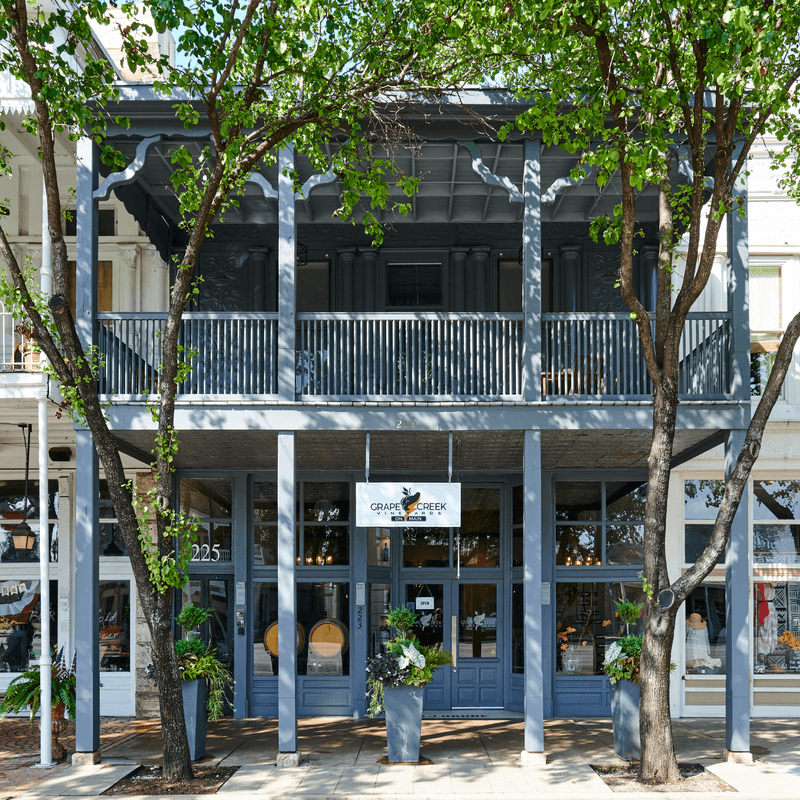
German settlers founded this Hill Country town in 1846, and their descendants have made absolutely sure you don’t forget it. The main street is lined with buildings that wouldn’t look out of place in Bavaria, complete with German flags, biergartens, and bakeries selling authentic strudel and schnitzel. The local dialect spoken by some older residents is a unique German-English hybrid that exists nowhere else on Earth, and hearing it is like discovering a linguistic time capsule.
But this isn’t just some theme-park version of German culture. Real traditions get maintained here, from dance halls that have been hosting polka bands for over a century to family recipes that have been passed down through five or six generations. The annual Oktoberfest celebration is genuinely authentic, not some watered-down tourist attraction, and the Christmas markets rival anything you’d find in actual Germany.
People take their heritage seriously while also embracing the Texas identity, creating a cultural blend that works surprisingly well.
The surrounding countryside has become Texas wine country, with dozens of wineries and tasting rooms scattered through the rolling hills. Peach orchards produce fruit so good that people drive hours just to buy them fresh during harvest season. Bed-and-breakfasts occupy restored Sunday Houses, small historic structures German farmers built so they’d have a place to stay when coming to town for church services.
The whole area has become a major weekend destination for people from Austin and San Antonio seeking small-town charm and good wine.
If someone told you Texas had a German town complete with authentic architecture, language preservation, and world-class wineries, you’d probably think they were confused about geography. But this place proves that Texas history is far more complex and interesting than most people realize. The German influence here isn’t some historical footnote, it’s a living, breathing part of daily life that shapes everything from food to festivals to the way buildings look.
11. Luckenbach
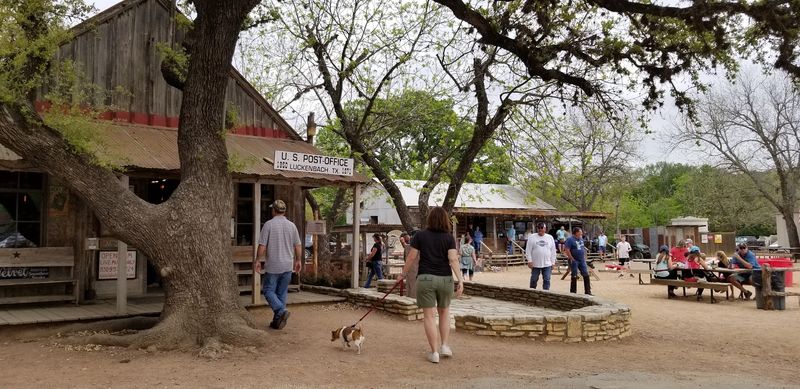
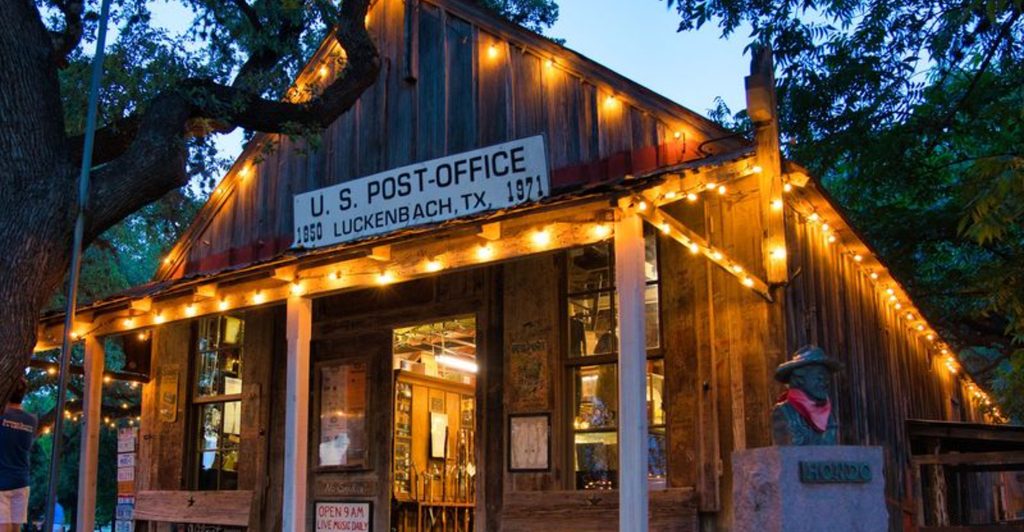
With a population that fluctuates between three and 25 depending on who you ask and when you’re counting, this isn’t so much a town as it is a state of mind. The entire place consists of a dance hall, a general store, and a couple of outbuildings, yet it’s become one of the most famous spots in Texas thanks to a Willie Nelson song and a commitment to keeping things simple. There’s no mayor, no police force, no government whatsoever, just a general agreement that this is a place for music, cold beer, and not taking life too seriously.
The dance hall hosts live music almost daily, with both famous musicians and unknowns taking the stage in a building that feels like it might collapse but has been standing since 1849. People show up with lawn chairs, coolers, and guitars, creating impromptu jam sessions under the massive oak trees. The walls inside are covered with signatures, business cards, bras, and random memorabilia left by visitors from around the world.
It’s messy and weird and absolutely perfect.
Willie Nelson, Waylon Jennings, and other outlaw country legends helped put this spot on the map, and live music remains the main draw. But even when nobody famous is playing, the atmosphere delivers. Strangers become friends over shared beers, dogs wander freely, and the pace of life slows to whatever feels right in the moment.
The general store sells cold drinks, snacks, and souvenirs, operating on an honor system that somehow still works.
Most towns try to grow and develop, attracting new businesses and residents. This place has done the opposite, actively resisting change and maintaining its deliberately ramshackle character. It’s a rejection of modern complexity in favor of simple pleasures: good music, cold beer, and friendly conversation under Texas skies.
For a state known for doing everything big, this tiny, barely-there community proves that sometimes less really is more.
12. Gruene
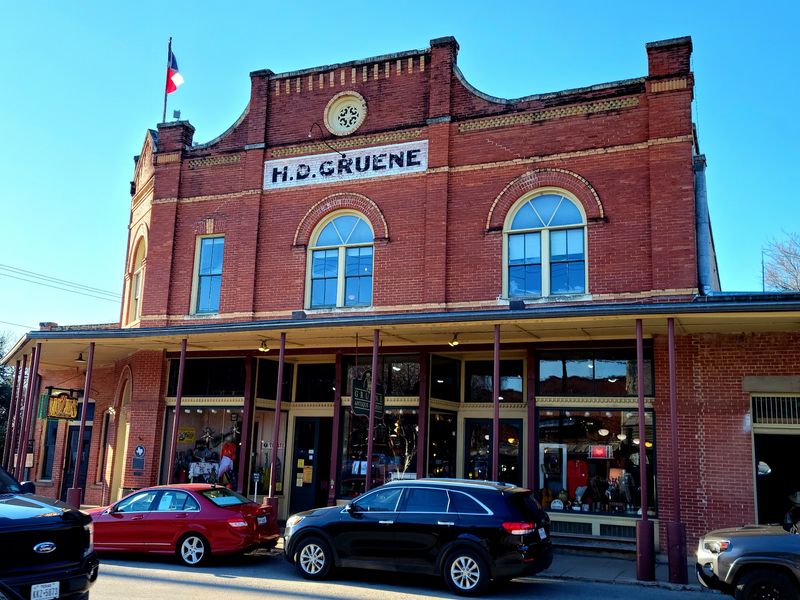
Technically part of New Braunfels now, this historic district has maintained its 19th-century character so well that it feels like a separate entity. The entire area is on the National Register of Historic Places, which means the buildings you see actually date back to when this was a thriving cotton farming community. No chain stores, no modern construction, just authentic structures that have been carefully preserved and repurposed into shops, restaurants, and the oldest continuously operating dance hall in Texas.
That dance hall, built in 1878, is the real star of the show. The original wood floors, tin ceiling, and simple stage have hosted everyone from local bands to major country music stars. When you walk in, you’re stepping into genuine Texas history, not some recreation.
The acoustics are perfect despite zero modern technology, and dancing on those worn floorboards connects you to over a century of couples who’ve done the same. Major artists still want to play here because the venue has soul that new buildings can’t replicate.
The rest of the historic district offers antique shopping, river access to the Guadalupe, and restaurants serving everything from barbecue to German-influenced cuisine. The whole area maintains a slower pace, with pedestrian-friendly streets and shade trees making it pleasant to wander even in summer heat. On weekends, live music spills from multiple venues, and the parking lots fill with visitors from San Antonio and Austin seeking authentic Hill Country charm.
What makes this special is how it avoided the fate of most old town centers, which either decay into nothing or get bulldozed for development. Instead, this community found a way to preserve its character while remaining economically viable. The buildings serve modern purposes while maintaining historical integrity, creating a living museum that functions as an actual town rather than just a tourist attraction.
It’s proof that Texas history is worth preserving, even in a state that’s usually more interested in building the next big thing.
Share this story