Texas towns have a knack for preserving the past while keeping things lively and fresh. From courthouse squares lined with antique shops to brick-paved streets buzzing with live music and local eateries, these main streets offer more than just pretty storefronts. They’re where you’ll find genuine Texas hospitality, weekend festivals, quirky boutiques, and the kind of small-town charm that makes you want to slow down and stay awhile.
1. Granbury Square (Granbury)
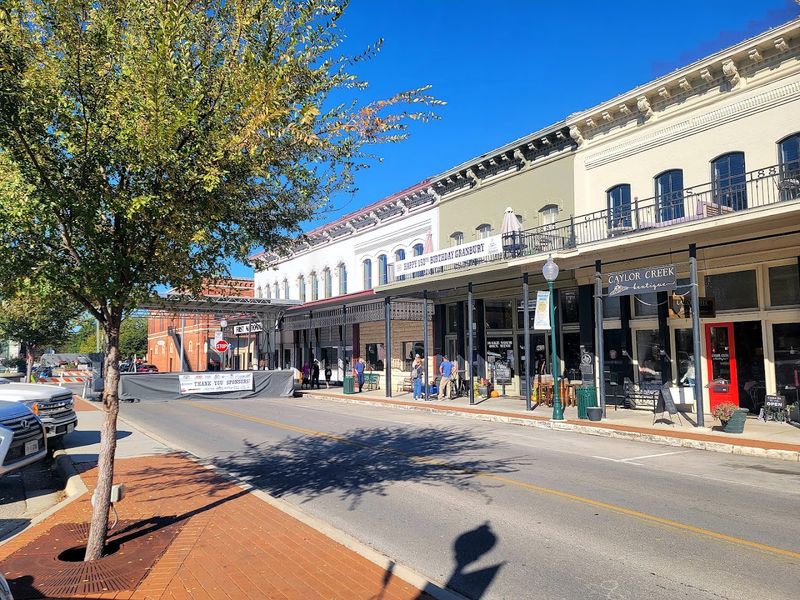
Picture a town square so perfectly preserved it feels like stepping onto a movie set, except everything here is authentically Texas. The 1886 Hood County Courthouse anchors the entire scene with its Second Empire architecture and clock tower that’s been keeping time for well over a century. Wrap-around balconies, cast-iron lampposts, and wide sidewalks invite you to wander without any particular agenda.
Weekends here mean browsing through locally owned shops that sell everything from handcrafted jewelry to vintage cowboy boots. The square hosts seasonal festivals throughout the year, including wine walks and classic car shows that draw crowds from across North Texas. You’ll find theater lovers heading to the historic Granbury Opera House, which still stages live performances in a beautifully restored 1886 building.
Food options range from casual barbecue joints to upscale bistros with patio seating that overlooks the square. Coffee shops serve locally roasted beans, and ice cream parlors dish out generous scoops perfect for strolling. Several restaurants occupy buildings that date back to the late 1800s, adding historical atmosphere to every meal.
The square’s proximity to Lake Granbury adds another dimension to any visit. After exploring downtown, you can head to the waterfront for sunset views or catch a dinner cruise. Bed and breakfasts in Victorian homes offer overnight stays within walking distance of everything, making it easy to experience the square’s transformation from daytime shopping hub to evening entertainment district.
Granbury Square manages to balance tourist appeal with genuine small-town functionality. Locals still conduct business here, kids play in the grassy areas around the courthouse, and community events feel inclusive rather than staged. It’s a place where preservation doesn’t mean freezing history in amber but rather keeping it alive and relevant for both visitors and residents who call this charming square home.
2. Alpine Main Street (Alpine)
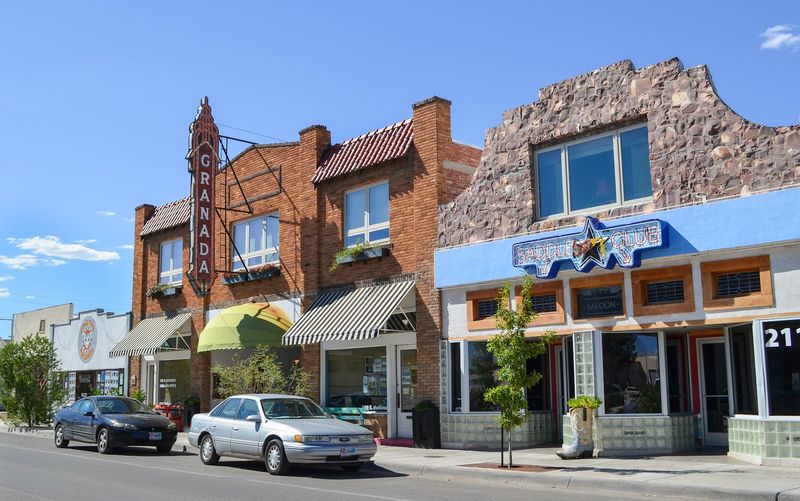
Out in the high desert of far West Texas, where mountains rise dramatically against endless blue skies, sits a main street that captures the spirit of the frontier with a modern creative twist. The elevation here tops 4,400 feet, giving the air a crisp quality and the light a clarity that photographers dream about. Sul Ross State University brings youthful energy to this otherwise remote outpost, creating an unexpected blend of cowboy culture and college-town vibrancy.
Art galleries line the street, showcasing works inspired by the surrounding Big Bend region’s stark beauty. You’ll spot sculptures, paintings, and handcrafted goods that reflect the landscape’s rugged character. Several shops specialize in Western wear and ranching supplies, serving the area’s working cowboys alongside visitors gearing up for Big Bend National Park adventures just an hour south.
The food scene punches above its weight for a town of roughly 6,000 people. Family-owned Mexican restaurants serve recipes passed down through generations, while newer cafes offer espresso drinks and artisan sandwiches. A historic hotel anchors downtown, its lobby filled with leather furniture and Southwestern decor that feels authentic rather than contrived.
Music venues host touring acts and local musicians, with genres ranging from traditional conjunto to indie rock. The town’s isolation hasn’t dimmed its cultural ambitions; instead, it seems to have sharpened them. Residents have created a tight-knit arts community that welcomes newcomers warmly.
Visiting Alpine means embracing the pace of West Texas, where distances are measured in hours and conversations aren’t rushed. The main street serves as the social and commercial heart of a vast region, drawing ranchers, artists, students, and travelers into its orbit. It’s a place where practicality and creativity coexist naturally, where you can buy feed for livestock and browse contemporary art in the same afternoon, all against a backdrop of mountains that seem to stretch into infinity.
3. Georgetown Square (Georgetown)
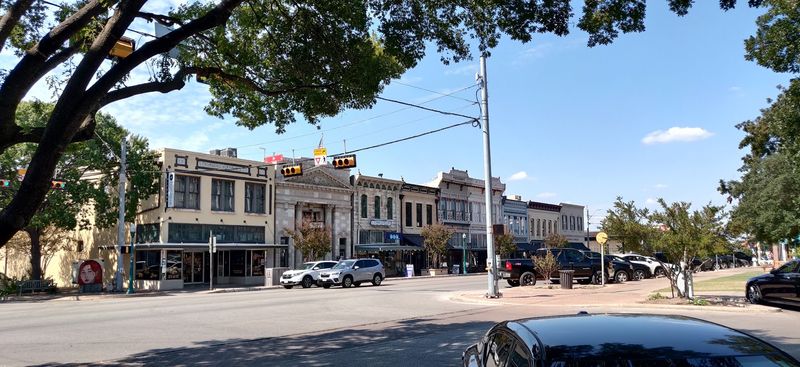
Just north of Austin, where Hill Country limestone meets rapid suburban growth, Georgetown has managed to keep its historic square feeling like the genuine heart of town rather than a preserved relic. The 1911 Williamson County Courthouse dominates the landscape with its pink granite construction and classical revival design. Mature trees provide shade over benches where locals catch up on gossip and visitors rest between shopping stops.
Boutiques here lean heavily toward home decor, women’s fashion, and gift items, with inventory that changes seasonally to keep regular customers coming back. You’ll find Texas-made products sharing shelf space with curated goods from around the country. Several antique stores reward patient browsers with genuine finds rather than overpriced junk, and owners who actually know the provenance of their merchandise.
The restaurant scene offers surprising variety for a town that still feels distinctly small-town Texas. Farm-to-table concepts operate alongside traditional steakhouses, while coffee roasters and bakeries provide fuel for morning explorations. Outdoor seating stays busy most of the year thanks to Central Texas’s mild climate, with heat lamps extending the season into winter months.
Georgetown’s square benefits from being a working downtown rather than just a tourist attraction. County offices, legal firms, and service businesses keep foot traffic steady throughout the week. This creates an authentic atmosphere where visitors share sidewalks with residents running actual errands, not just performing the theater of small-town life.
Events fill the calendar year-round, from car shows to wine festivals to the famous Red Poppy Festival each spring. The square transforms for these occasions without losing its essential character. Live music drifts from restaurant patios on weekend evenings, and the farmers market brings local producers to town each Saturday.
It’s a square that understands how to honor its past while remaining firmly rooted in present-day community life, serving both longtime Georgetown families and newcomers drawn by the town’s growth.
4. Jefferson Historic Downtown (Jefferson)
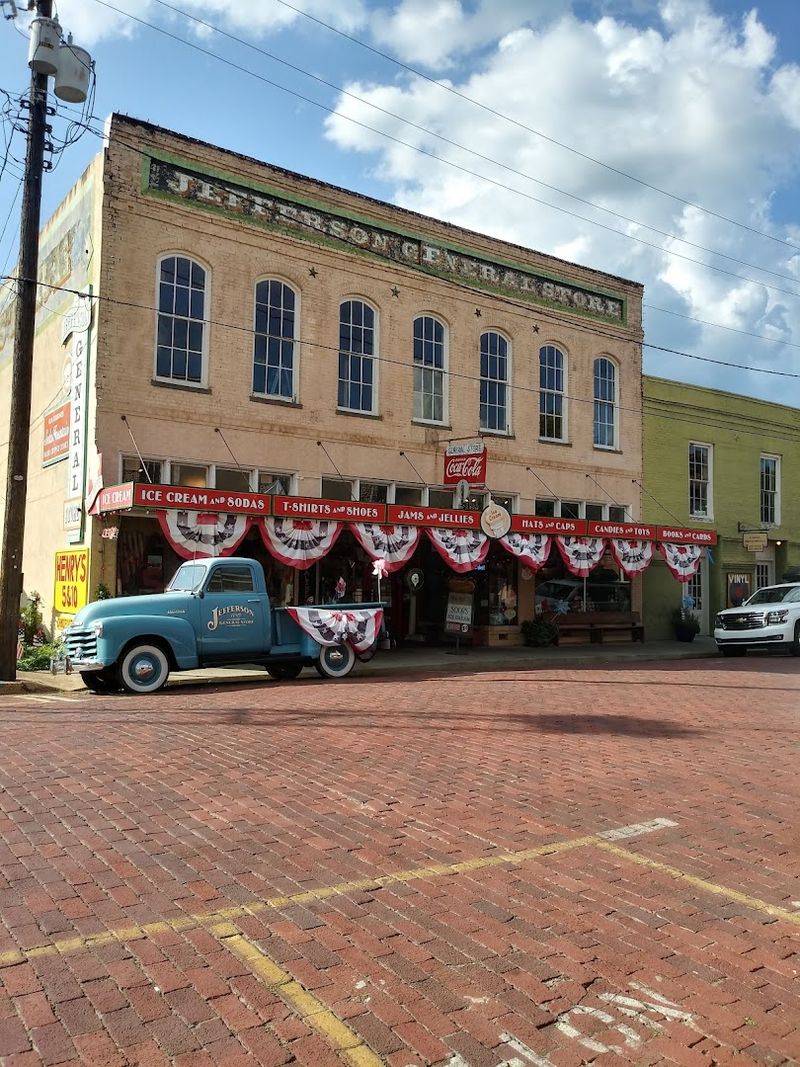
Up in the piney woods of East Texas, where humidity hangs thick and history runs even deeper, Jefferson preserves a downtown that looks remarkably like it did during the steamboat era. This was once Texas’s second-busiest inland port, a thriving commercial center until the railroad bypassed it and the river commerce dried up. That economic downturn, devastating at the time, ironically saved the town’s architectural heritage from the wrecking ball of progress.
Walking these streets means encountering antebellum and Victorian buildings that house antique shops, tea rooms, and specialty stores. The merchandise tends toward vintage items, collectibles, and handcrafted goods that match the town’s throwback atmosphere. Ghost tour companies do brisk business here, capitalizing on Jefferson’s reputation as one of Texas’s most haunted towns, with numerous bed and breakfasts claiming resident spirits.
The downtown stretches along several blocks, with most buildings dating from the 1850s through early 1900s. Cast-iron facades, tall windows, and ornate architectural details reflect the town’s former prosperity. Horse-drawn carriage rides clip-clop past storefronts, adding to the time-travel feeling that Jefferson cultivates deliberately and successfully.
Restaurants serve Southern comfort food and home-style cooking, with several operating in historic buildings that add atmosphere to every meal. You’ll find fried catfish, chicken-fried steak, and pecan pie on most menus, prepared with recipes that haven’t changed much over the decades. Wine tasting rooms and craft beer spots provide more contemporary options for visitors seeking variety.
Jefferson’s downtown works because the entire town has committed to preservation rather than just a few blocks. Strict ordinances protect historic structures, and new construction must blend seamlessly with existing architecture. This creates an immersive experience where you’re not just visiting a historic district but an entire historic town.
It’s a place where the past isn’t just remembered but actively lived, where businesses operate in buildings their great-grandparents might recognize, and where slowing down isn’t optional but essential to appreciating everything Jefferson offers.
5. Grapevine Main Street (Grapevine)
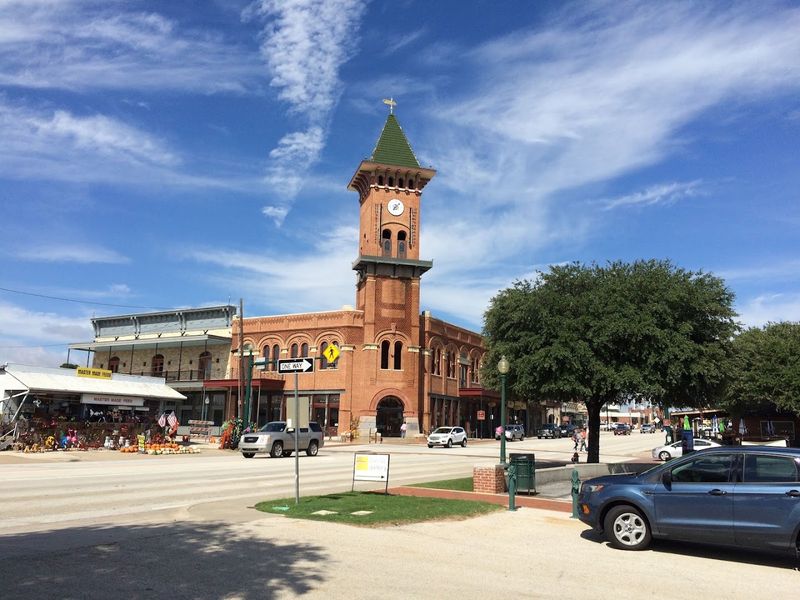
Sandwiched between Dallas and Fort Worth, with DFW Airport practically in its backyard, Grapevine has transformed its historic downtown into a destination that draws millions of visitors annually without losing its small-town soul. The secret lies in leaning hard into what makes the town unique: wine culture, railroad heritage, and a calendar packed with festivals that keep the streets buzzing year-round.
More than a dozen tasting rooms line Main Street and the surrounding blocks, offering Texas wines alongside selections from California and beyond. Many occupy beautifully restored buildings from the late 1800s, with exposed brick walls and original hardwood floors. The atmosphere stays relaxed and welcoming, with staff who understand that education matters more than snobbery when building wine enthusiasm.
The Grapevine Vintage Railroad operates from a restored 1888 depot, offering excursions pulled by historic steam locomotives. Watching a train pull into the station adds authentic period flavor that no amount of decoration could replicate. Shops surrounding the depot sell everything from Western wear to handcrafted jewelry, with inventory that balances tourist souvenirs and quality merchandise locals actually buy.
Restaurants range from upscale steakhouses to casual Tex-Mex joints, with patios that stay packed during pleasant weather. Live music echoes from multiple venues most weekend evenings, featuring genres from country to jazz. The town’s Christmas celebrations transform Main Street into a winter wonderland with millions of lights, ice skating, and special events that draw massive crowds.
What keeps Grapevine’s downtown from feeling manufactured despite its proximity to major metro areas is the genuine community involvement. Local families still shop here, kids play in the parks, and longtime businesses operate alongside newer concepts. The town has mastered the balance between tourism appeal and residential functionality, creating a main street that serves multiple purposes simultaneously.
You can visit for wine tasting and festivals while sharing sidewalks with people who’ve called Grapevine home for generations, all within sight of jets climbing out of one of the world’s busiest airports.
6. Wimberley Square (Wimberley)
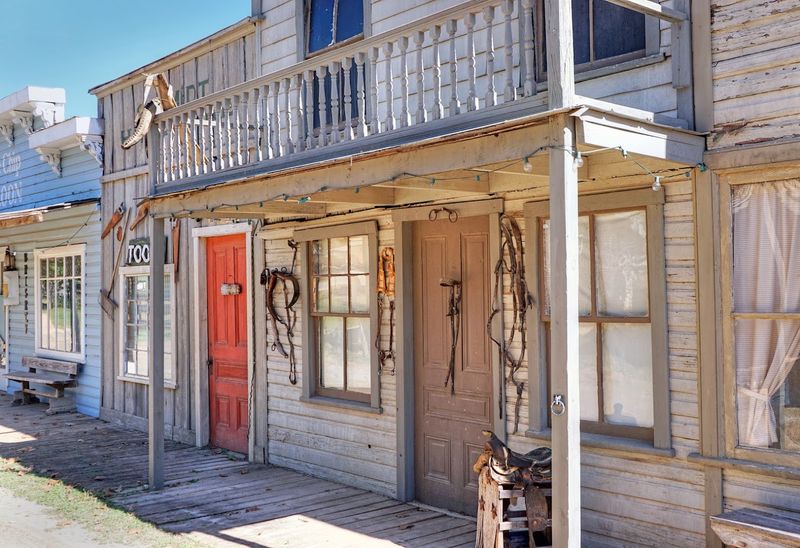
Nestled in the Hill Country where Cypress Creek meets the Blanco River, Wimberley radiates an artistic, slightly bohemian vibe that sets it apart from more conventional Texas towns. The square itself is compact and unpretentious, with locally owned shops clustered around a central area that serves as gathering spot for a community that values creativity and natural beauty above commercial polish.
Art galleries showcase works by local painters, sculptors, and craftspeople who’ve been drawn to this area’s inspiring landscapes and relaxed lifestyle. You’ll find everything from traditional Western art to contemporary pieces, with prices ranging from affordable prints to serious investments. Many artists maintain studios nearby and welcome visitors, creating opportunities for conversations about process and inspiration that enrich any purchase.
The famous Wimberley Market Day happens the first Saturday of each month from March through December, transforming the area into a sprawling outdoor marketplace. Hundreds of vendors sell antiques, handcrafted items, food, plants, and just about everything else imaginable. Crowds arrive early and stay for hours, browsing through booth after booth of treasures and junk in roughly equal measure.
Restaurants and cafes reflect the town’s eclectic personality, with menus featuring fresh ingredients and creative preparations alongside Texas classics. Outdoor seating takes advantage of the Hill Country’s natural beauty, with many establishments offering views of surrounding trees and hills. Coffee shops and bakeries provide casual gathering spots where conversation flows as freely as the caffeine.
Wimberley’s appeal lies partly in what it isn’t: there are no chain stores, no corporate developments, and no pretense of being anything other than a small Hill Country town that happens to attract artists and free spirits. The square serves as the commercial center for a community spread across hills and valleys, connected more by shared values than geographic proximity. Swimming holes, hiking trails, and natural attractions surround the town, making the square a natural starting or ending point for outdoor adventures that define the Wimberley experience as much as any shopping or dining.
7. Fredericksburg Main Street (Fredericksburg)
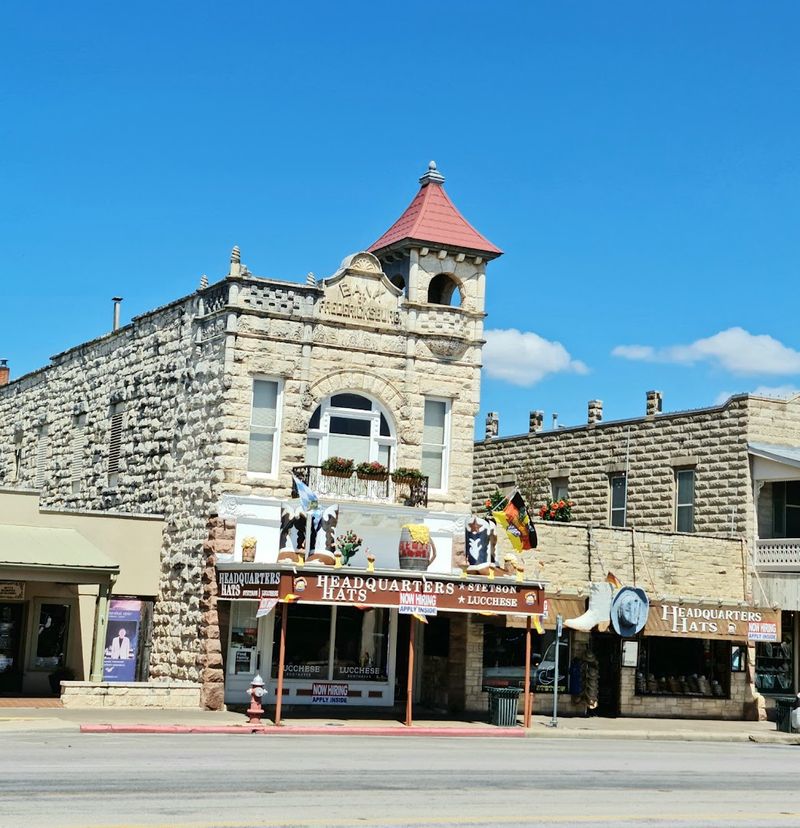
German heritage meets Texas Hill Country along a main street that’s become one of the state’s premier tourist destinations without completely abandoning its roots. Founded by German immigrants in 1846, Fredericksburg still shows its European influence in building architecture, food traditions, and the occasional conversation in German among older residents. But make no mistake, this is thoroughly modern Texas tourism done exceptionally well.
Wine tasting rooms dominate the commercial landscape, representing the dozens of wineries that dot the surrounding hills. You can sample Texas wines all day without repeating a venue, moving from elegant tasting rooms with sommeliers to casual bars where the approach is more relaxed. The quality varies, but the overall experience of exploring Texas wine country from this central base remains compelling.
Boutiques sell everything from high-end home decor to handcrafted jewelry, with enough variety to keep serious shoppers busy for an entire weekend. German bakeries and delis offer authentic pastries, sausages, and imported goods that connect directly to the town’s heritage. Several shops specialize in Texas-made products, creating interesting juxtapositions between old-world traditions and Lone Star pride.
Restaurants range from traditional German biergartens serving schnitzel and bratwurst to upscale farm-to-table concepts highlighting local ingredients. The food scene has evolved considerably in recent years, with chefs bringing sophisticated techniques to both German classics and contemporary Texas cuisine. Outdoor dining stays popular year-round, with patios often requiring reservations during peak tourist seasons.
The main street stretches for blocks, with most businesses occupying buildings that maintain historical character even when interiors have been completely modernized. Crowds can be intense during peak seasons and special events like Oktoberfest, but the infrastructure handles volume well with ample parking and pedestrian-friendly sidewalks. What Fredericksburg has mastered is commercialization without complete commodification, maintaining enough authentic German-Texas culture to feel genuine while fully embracing its role as a Hill Country tourism hub that draws visitors from across the state and beyond.
8. Downtown Marshall (Marshall)
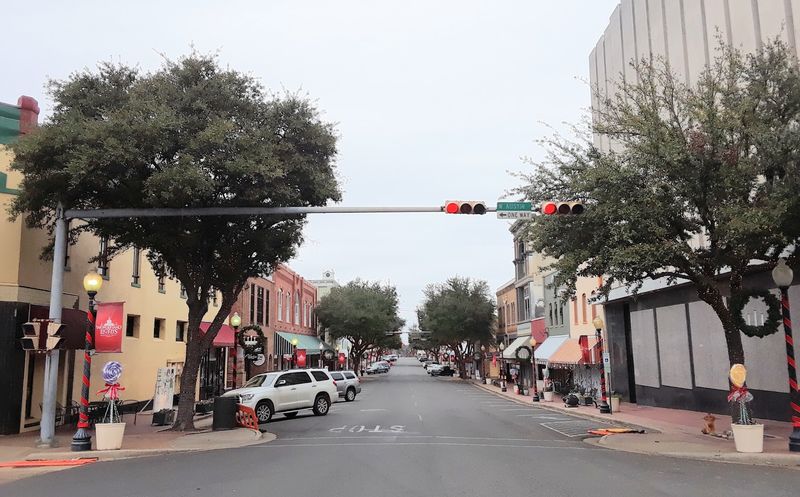
East Texas history saturates every brick and cornerstone of Marshall’s downtown, where Victorian commercial buildings line streets that once hosted some of the state’s most significant political and economic activity. This was the self-proclaimed cultural capital of Texas in the 19th century, a railroad hub and commercial powerhouse that attracted wealth and influence before Houston and Dallas claimed those roles. The architecture reflects that former prominence with a grandeur that smaller towns rarely achieved.
The 1900 Harrison County Courthouse anchors the square with its Romanesque Revival design and red sandstone construction. Surrounding blocks contain dozens of historic structures, many beautifully restored and housing antique shops, boutiques, and professional offices. The Ginocchio Hotel, built in 1896, stands as a reminder of the town’s railroad heyday, when travelers passed through regularly and prosperity seemed guaranteed.
Antique shopping here means serious business, with dealers who know their inventory and price accordingly. You’ll find genuine period pieces rather than reproduction junk, with everything from furniture to jewelry to rare books filling multi-room shops. Browsers are welcome, but this isn’t a place for bargain hunters expecting yard sale prices on quality merchandise.
Local restaurants serve East Texas comfort food with an emphasis on Southern traditions. Barbecue joints smoke meat low and slow, while cafes dish out plate lunches that keep working folks fed and satisfied. A few newer establishments have introduced contemporary concepts, but the overall dining scene stays rooted in regional classics prepared the way they’ve been made for generations.
Marshall’s downtown benefits from being the county seat and regional commercial center, ensuring steady weekday traffic beyond tourist visits. Legal offices, government services, and local businesses create authentic activity that prevents the area from feeling like a preserved museum. The town celebrates its history actively, with museums and historic home tours available for those interested in deeper exploration.
It’s a downtown that remembers its glory days without dwelling in them, maintaining historic character while serving present-day community needs in a region where East Texas traditions still matter deeply.
9. Brenham Downtown District (Brenham)
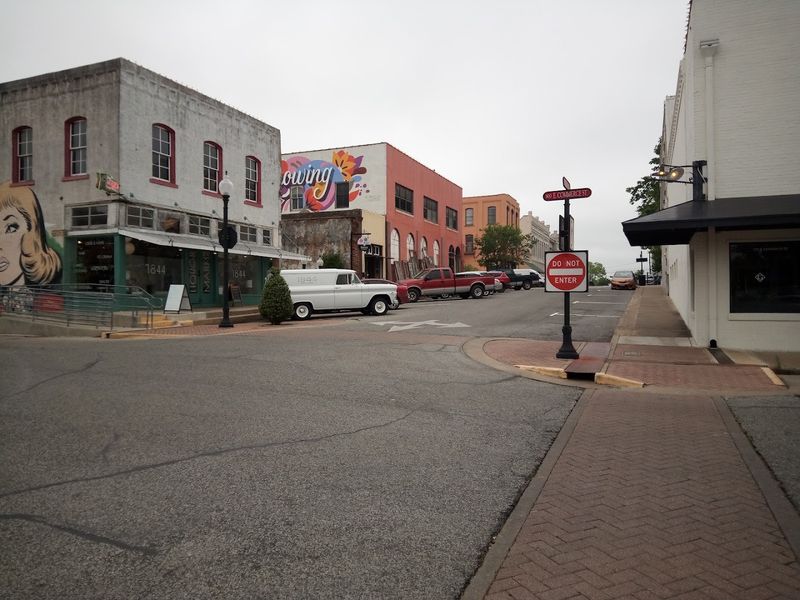
Blue Bell ice cream might be Brenham’s most famous export, but the downtown district offers plenty of reasons to visit beyond frozen desserts. This Washington County seat has maintained its small-town character despite being less than two hours from both Houston and Austin, with a historic district that balances preservation with practical modern use. The 1939 Art Deco courthouse provides an architectural focal point that’s more understated than many Texas county seats but no less impressive.
Antique stores fill multiple buildings downtown, offering furniture, collectibles, and vintage items that range from affordable to investment-grade. Dealers here tend toward knowledgeable and fair, creating an environment where both serious collectors and casual browsers feel comfortable. Several shops specialize in Texas-related items, from old advertising signs to ranch equipment that tells the story of the state’s agricultural heritage.
The downtown’s proximity to bluebonnet fields makes spring the busiest season, when wildflower enthusiasts flood the area for photography opportunities. Local shops capitalize on this with bluebonnet-themed merchandise, but the appeal extends year-round for those interested in the town’s German and Czech heritage, reflected in local architecture and food traditions.
Restaurants downtown serve a mix of Texas standards and more creative fare, with several occupying historic buildings that add atmosphere to every meal. German bakeries continue traditions brought by 19th-century immigrants, selling kolaches and strudels alongside American pastries. Coffee shops and cafes provide gathering spots where locals outnumber tourists, a good sign of authentic community use.
Brenham’s downtown works because it hasn’t tried to become something it’s not. There’s no pretense of being a major destination or competing with larger Hill Country towns for tourist dollars. Instead, it functions primarily as the commercial and social center of a rural county, with tourism as a welcome supplement rather than the main economic driver.
This creates a relaxed atmosphere where visitors can explore at their own pace without feeling pressured by crowds or commercialization, enjoying a genuine slice of small-town Texas life that still exists in Washington County.
10. McKinney Historic Downtown (McKinney)
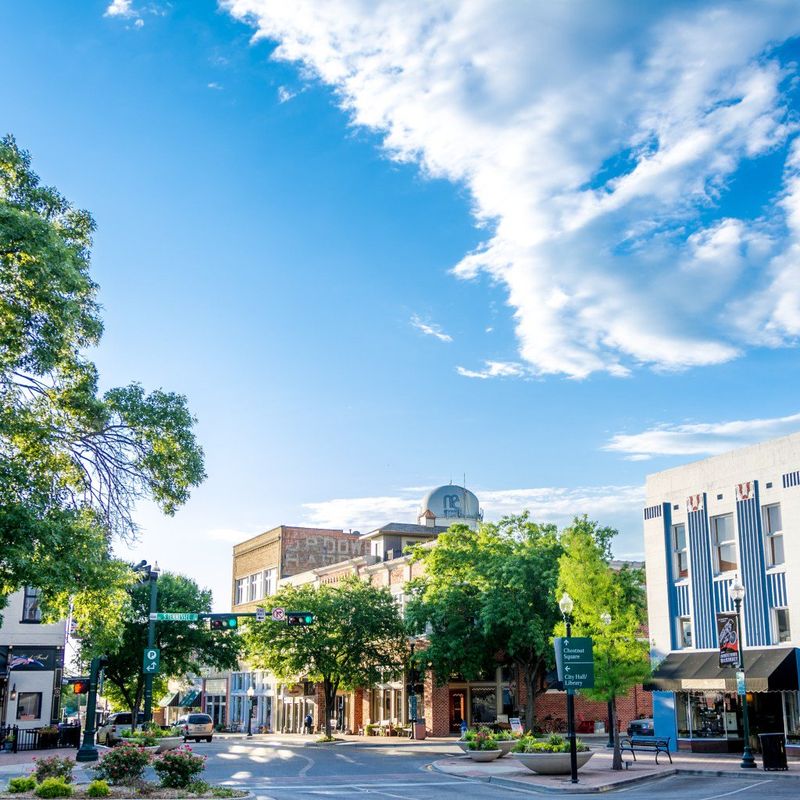
North of Dallas, where suburban sprawl threatens to homogenize everything in its path, McKinney has fiercely protected its historic downtown while growing into one of the fastest-expanding cities in America. The result is a remarkably intact commercial district that feels genuinely historic rather than recreated, with buildings dating from the 1850s through early 1900s lining streets that still follow their original grid pattern.
The town square centers around the 1875 Collin County Courthouse, a Second Empire masterpiece that survived a 1926 fire and subsequent restoration. Surrounding blocks contain over 200 buildings on the National Register of Historic Places, creating an architectural treasure trove that draws preservationists and casual visitors alike. Walking these streets means encountering cast-iron facades, detailed cornices, and craftsmanship that modern construction rarely attempts.
Boutiques and specialty shops fill storefronts with merchandise ranging from upscale women’s fashion to handcrafted home goods. The retail mix leans toward quality over quantity, with locally owned businesses dominating rather than chains. Several shops focus on Texas-made products, supporting regional artisans and manufacturers while giving visitors authentic souvenirs worth the investment.
The restaurant scene has exploded in recent years, with everything from farm-to-table concepts to ethnic cuisines finding homes in historic buildings. Patios stay packed during pleasant weather, and live music echoes from multiple venues on weekend evenings. Coffee roasters, craft breweries, and wine bars provide options for every taste and occasion, creating a dining and entertainment district that serves both McKinney residents and visitors from across the metro area.
What makes McKinney’s downtown remarkable is how it functions as a genuine neighborhood rather than just a tourist attraction. People live in lofts above shops, families stroll through after dinner, and community events fill the calendar year-round. The town has invested heavily in infrastructure and parking while maintaining strict design standards that ensure new construction respects historic context.
It’s a model for how growth and preservation can coexist, proving that protecting the past doesn’t mean rejecting the future but rather building on the best of what came before.
11. Lockhart Main Street (Lockhart)
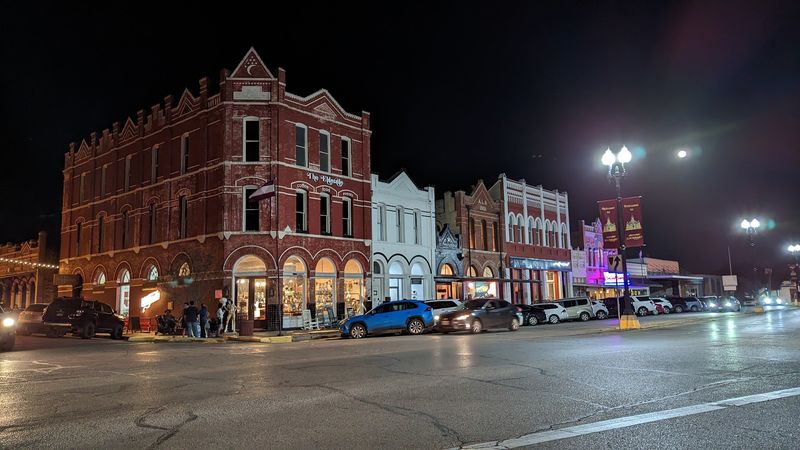
Barbecue pilgrims know Lockhart as the official Barbecue Capital of Texas, and Main Street serves as ground zero for some of the state’s most legendary smokehouses. But reducing this Caldwell County seat to just smoked meat misses the broader appeal of a downtown that’s maintained its working-town character while welcoming the food tourists who arrive daily seeking brisket perfection.
The 1894 Caldwell County Courthouse dominates the square with its Romanesque Revival architecture and pink granite construction. It’s a stunning building that would be the main attraction in most towns, but here it shares attention with Kreuz Market, Smitty’s Market, Black’s Barbecue, and Chisholm Trail BBQ, all within blocks of each other. Lines form early at these establishments, where pit masters continue traditions that stretch back generations.
Beyond barbecue, Main Street offers antique shops, vintage clothing stores, and the kind of businesses that serve actual residents rather than just tourists. Hardware stores, legal offices, and service businesses keep the downtown functioning as a commercial center, not just a food destination. This creates an authentic atmosphere where you might wait in line for brisket next to a local picking up lunch rather than just fellow travelers.
The Dr. Eugene Clark Library, a Carnegie library built in 1908, adds architectural interest and serves as a reminder of the town’s commitment to education and culture beyond its culinary fame. Several buildings downtown show their age in the best way possible, with weathered facades and worn details that speak to decades of continuous use rather than recent restoration.
Lockhart embraces its barbecue reputation without letting it define everything. The downtown hosts festivals, maintains parks, and supports local businesses that have nothing to do with smoked meat. It’s a place where food tourism and small-town Texas life intersect naturally, where you can eat world-class barbecue for lunch and then browse antique stores or explore historic architecture without feeling like you’ve left an authentic community for a manufactured tourist experience.
The smoke rising from pits along Main Street has become part of the town’s identity without overwhelming everything else that makes Lockhart worth visiting.
12. Salado Main Street (Salado)
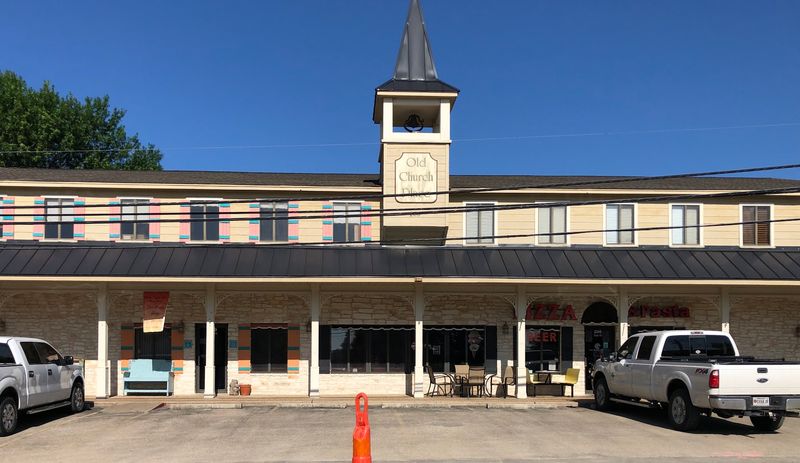
Straddling Salado Creek along Interstate 35 between Austin and Waco, this village has carved out an identity as an arts and shopping destination that draws travelers off the highway and into a downtown that feels pleasantly removed from modern hustle. The creek itself provides the focal point, with historic buildings clustered near its banks and shaded streets creating a walkable district that invites leisurely exploration.
Art galleries showcase works by Texas artists, with quality ranging from serious investment pieces to affordable prints and crafts. Many artists maintain studios in town, and you’ll often find them working or available for conversation about their process and inspiration. The emphasis leans toward traditional and representational art rather than cutting-edge contemporary work, matching the town’s overall aesthetic of accessible rather than challenging.
Shopping options include antique stores, boutiques, and specialty shops selling everything from handcrafted jewelry to gourmet foods. The Salado Creek runs through several properties, adding natural beauty and the soothing sound of flowing water to the shopping experience. Several businesses occupy historic buildings, including structures dating to the mid-1800s when Salado served as a stagecoach stop and educational center.
The historic Stagecoach Inn and other bed and breakfasts offer overnight accommodations within walking distance of shops and restaurants. Dining options range from casual cafes to more upscale establishments, with several featuring outdoor seating near the creek. The food scene emphasizes Texas and Southern traditions, with menus built around comfort rather than culinary innovation.
What Salado lacks in size it compensates for with charm and convenience. The entire downtown can be explored in a few hours, making it perfect for a quick break from highway driving or a relaxed day trip from Austin or Waco. The town hosts art fairs and festivals that draw larger crowds, but most days maintain a peaceful atmosphere where shopping and browsing happen at a civilized pace.
It’s a place that understands its niche as a small arts village and plays to that strength without overreaching, offering exactly what visitors expect from a Central Texas town built around a creek, shaded streets, and local artistry.
13. Nacogdoches Main Street (Nacogdoches)
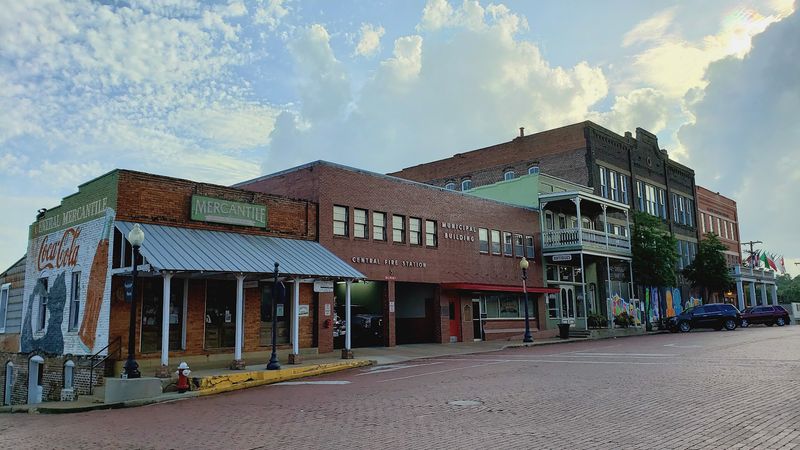
Claiming the title of Texas’s oldest town, Nacogdoches carries its history with pride along a main street where Spanish colonial roots meet modern college-town energy. Stephen F. Austin State University brings nearly 13,000 students to this Deep East Texas community, creating an interesting dynamic where centuries-old traditions coexist with the perpetual youth and change that universities generate.
Historic buildings downtown date from the late 1800s and early 1900s, with red brick construction and detailed facades that speak to the town’s former prosperity as a commercial center. Several structures have been carefully restored, housing restaurants, shops, and offices that serve both permanent residents and the student population. The Old University Building, dating to 1923, stands as an architectural landmark that connects the downtown to the university’s presence.
Antique stores and vintage shops offer treasures that reflect East Texas history, from furniture to photographs to items that tell stories of the region’s lumber industry, oil discoveries, and agricultural heritage. Dealers here tend toward knowledgeable and passionate about local history, making conversations part of the shopping experience. You’ll find items you won’t see elsewhere, specific to this corner of Texas and its unique cultural blend.
Restaurants serve a mix of college-friendly casual fare and more traditional East Texas cooking. Barbecue and Southern comfort food dominate many menus, while newer establishments cater to student tastes with pizza, burgers, and international options. Coffee shops provide study spaces and gathering spots where students and townspeople mix freely, creating the kind of cross-generational interaction that defines successful college towns.
The downtown benefits from year-round activity thanks to the university calendar, avoiding the boom-and-bust cycle that plagues purely tourist-dependent areas. Students keep businesses viable during slow tourism periods, while visitors exploring Texas history provide additional support. Annual events like the Texas Blueberry Festival draw crowds, but the downtown maintains steady traffic throughout the year.
It’s a main street where the oldest town in Texas meets the constant renewal that higher education brings, creating a blend of preservation and progress that honors the past while remaining firmly engaged with the present and future.
Share this story