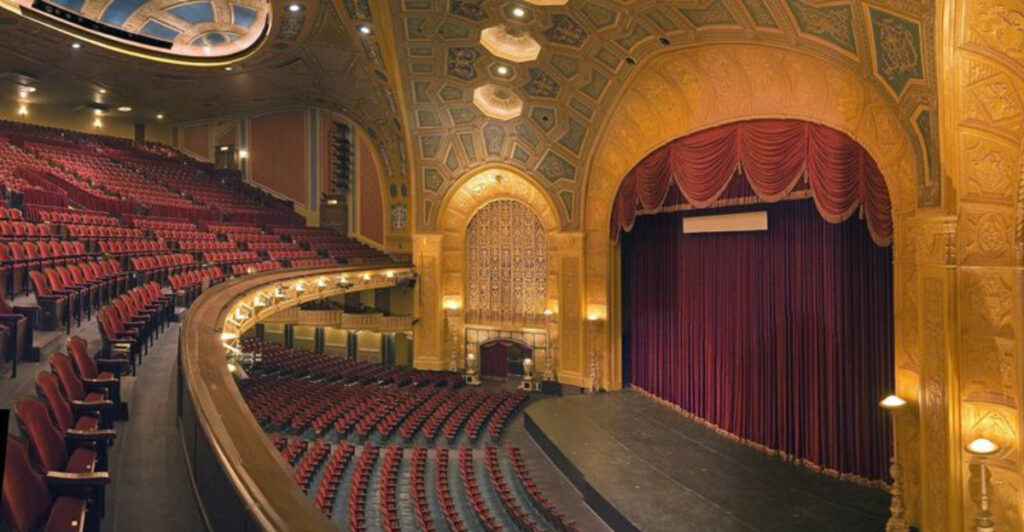
Some places entertain you for an afternoon, but Michigan has a way of pulling you into its story. Across the state, art, music, history, architecture, and tradition come together in places that feel meaningful long after you leave.
This is where Motown changed the sound of America, where world-class museums preserve priceless works, and where historic landmarks still carry the weight of generations past. From grand theaters and sculpture gardens to shipwreck museums, pottery studios, and centuries-old covered bridges, Michigan gives curious travelers plenty to explore.
Whether you love art, music, history, design, or simply discovering places with real character, these 13 Michigan cultural hotspots prove the Great Lakes State has a story worth slowing down for.
1. Pewabic Pottery – Detroit
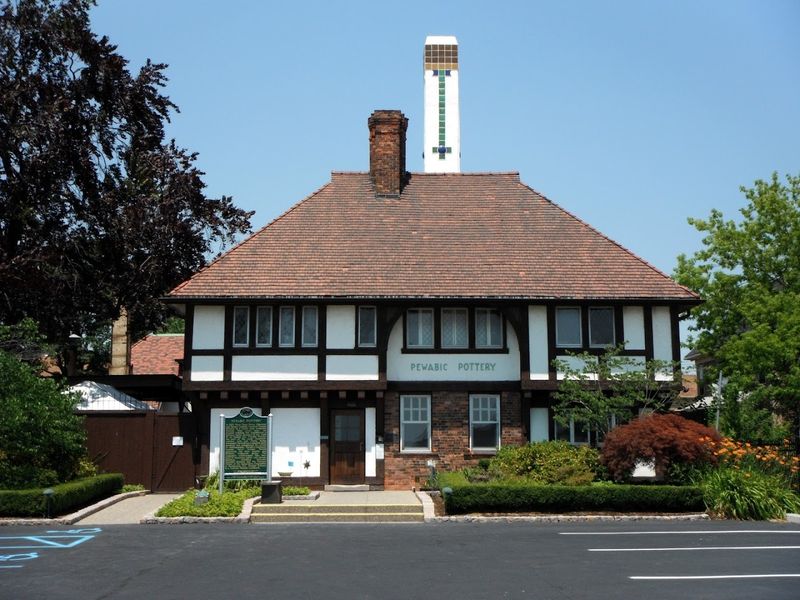
There’s something almost magical about watching raw clay become a piece of art, and Pewabic Pottery has been making that magic happen in Detroit since 1903. Founded by Mary Chase Perry Stratton, this National Historic Landmark has outlasted two world wars, economic downturns, and the rise of mass production — and it’s still firing kilns today.
That kind of staying power doesn’t happen by accident.
Pewabic tiles have graced some seriously iconic spaces, including the Detroit People Mover stations, the National Shrine of the Immaculate Conception in Washington D.C., and countless historic homes across Michigan. The signature iridescent glazes are instantly recognizable, shimmering with deep blues, greens, and golds that seem almost alive under light.
Visiting the studio feels like stepping into a living art history lesson.
The historic building on East Jefferson Avenue is open to the public and houses a gallery, a working studio, and a shop where you can take home a piece of Detroit’s ceramic legacy. Classes and workshops are offered regularly, so if you’ve ever wanted to try your hand at pottery, this is your moment.
Watching the resident artists work is genuinely mesmerizing — there’s a quiet focus in that studio that you don’t find many places.
Kids and adults alike tend to linger here longer than planned. The museum portion of the space walks you through Pewabic’s full history with original pieces, photographs, and archival materials that paint a vivid picture of Detroit’s arts and crafts movement.
Whether you’re buying a mug, taking a class, or just soaking in the atmosphere, Pewabic is one of those places that sticks with you long after you leave Detroit.
2. Cranbrook Art Museum – Bloomfield Hills

Cranbrook is the kind of place that makes you feel smarter just by walking around it. Nestled on 319 acres of beautifully landscaped grounds in Bloomfield Hills, the Cranbrook Educational Community is a UNESCO-recognized campus that has been shaping American art, design, and architecture since the 1920s.
The Art Museum sits at its heart, and it’s absolutely worth the trip.
The collection here focuses heavily on modern and contemporary art, with a particular emphasis on design and craft — which makes sense given Cranbrook’s deep roots in the arts and crafts movement. You’ll find furniture, ceramics, metalwork, textiles, and fine art that challenge your ideas about what those categories even mean.
Nothing here is boring, and nothing feels like filler.
Cranbrook’s graduate art academy has produced some genuinely influential names in American design, including Charles and Ray Eames and Florence Knoll. That creative legacy is palpable when you walk through the museum’s rotating exhibitions, which tend to be thoughtfully curated and surprisingly accessible.
Even if contemporary art usually leaves you cold, this place has a way of pulling you in.
Beyond the museum itself, the broader campus is a destination in its own right. The Saarinen House, designed by Finnish architect Eliel Saarinen, offers guided tours that are absolutely fascinating for anyone interested in mid-century design.
The outdoor sculpture garden is free to explore and features works by major artists in a setting that feels more like a private estate than a public park. Plan to spend at least half a day here — the grounds alone deserve that kind of time.
Cranbrook rewards slow, curious visitors more than almost any other cultural site in Michigan.
3. The Henry Ford Museum & Greenfield Village – Dearborn

Few museums in America can honestly claim to have changed how people understand history, but The Henry Ford Museum in Dearborn is one of them. This isn’t just a car museum — though the car collection alone is worth the price of admission.
It’s a sweeping, immersive look at American innovation, culture, and everyday life that spans centuries and covers everything from the Rosa Parks bus to a piece of the Wright Brothers’ bicycle shop.
The museum’s indoor collection is staggering in its scope. You can stand next to the presidential limousine from the Kennedy assassination, see the chair Abraham Lincoln was sitting in at Ford’s Theatre, or marvel at a full-scale steam locomotive.
The curators have a gift for placing objects in context so that history feels immediate and personal rather than distant and textbook-dry.
Greenfield Village, the outdoor portion of the experience, takes things to another level entirely. Henry Ford physically relocated dozens of historic buildings to this site, including Thomas Edison’s Menlo Park laboratory and the Wright Brothers’ home and cycle shop.
Costumed interpreters bring these spaces to life, and you can ride in a Model T, take a horse-drawn wagon, or watch a glassblower at work. It’s genuinely one of the most hands-on history experiences in the entire country.
Families could easily spend two full days here without running out of things to see. The IMAX theater, rotating special exhibitions, and seasonal events like the Hallowe’en in Greenfield Village program make repeat visits worthwhile.
If you only have time for one major museum stop in Michigan, the argument for making it The Henry Ford is hard to argue against. This place earns its reputation every single time.
4. Great Lakes Shipwreck Museum & Whitefish Point Light Station – Paradise / Whitefish Point

Lake Superior doesn’t forgive mistakes. That sobering reality is at the core of the Great Lakes Shipwreck Museum at Whitefish Point, a remote and atmospheric destination on Michigan’s Upper Peninsula that draws visitors from across the country.
The location itself sets the tone — Whitefish Point juts into Lake Superior like a finger pointing into one of the most treacherous stretches of freshwater in the world.
The museum tells the stories of ships and sailors lost to Superior’s legendary storms, and it does so with remarkable care and detail. The most emotionally charged exhibit centers on the Edmund Fitzgerald, the massive ore carrier that sank in November 1975 with all 29 crew members aboard.
The ship’s recovered bronze bell is displayed here, and standing in front of it is a genuinely moving experience — one that Gordon Lightfoot’s famous ballad can’t quite prepare you for.
Whitefish Point Light Station is the oldest active lighthouse on Lake Superior, and it’s every bit as striking in person as it looks in photographs. The grounds are open to explore, and the lighthouse itself has been restored with period-accurate detail.
Birdwatchers should know that Whitefish Point is also considered one of the premier raptor migration sites in eastern North America, which adds a whole other layer of appeal to the visit.
Getting here requires a drive through some genuinely wild Upper Peninsula terrain, which only adds to the sense of adventure. The nearest town, Paradise, is small and quiet — bring snacks, check your gas tank, and embrace the remoteness.
This is one of those destinations where the journey and the destination are equally rewarding. Very few places in Michigan carry this kind of raw, elemental power.
5. Detroit Opera House – Detroit
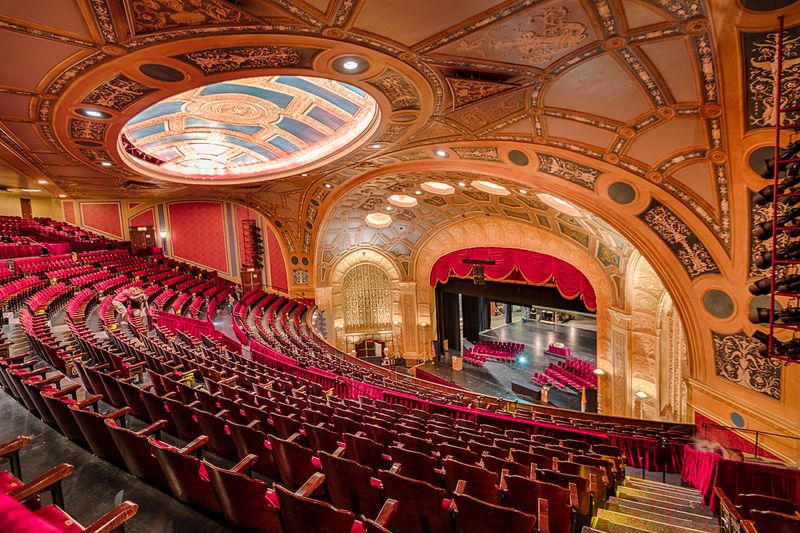
Walk through the doors of the Detroit Opera House and the city outside seems to fall away completely. This restored 1922 gem on Broadway Street is one of the finest performing arts venues in the Midwest, and its interior is the kind of space that makes you instinctively lower your voice out of sheer reverence.
Gilded details, soaring ceilings, and plush seating create an atmosphere that feels like a different era entirely.
The Michigan Opera Theatre, which calls this venue home, produces a full season of opera, ballet, and Broadway productions that regularly draw national talent. The acoustics are exceptional — sound moves through this hall in a way that feels almost physical, wrapping around you during a live performance in a manner that no home speaker system can replicate.
Experiencing a full operatic production here is something that tends to convert skeptics into believers.
Even if opera isn’t your usual scene, the building itself is worth seeing. Architecture enthusiasts will appreciate the careful restoration work that brought this theater back from decades of neglect and near-demolition.
The story of how Detroit fought to save this building in the 1980s is as compelling as anything performed on its stage — community fundraising, civic determination, and a refusal to let a masterpiece disappear.
Tours of the facility are available on select days, and the gift shop carries a range of opera-related merchandise for anyone looking to bring home a memory. Checking the performance calendar before your visit is strongly recommended, because attending a live show here transforms the experience from impressive to unforgettable.
Detroit’s cultural scene is often underestimated by outsiders, and the Opera House is one of the most powerful arguments against that underestimation.
6. Fallasburg Historic Village & Covered Bridge – Lowell
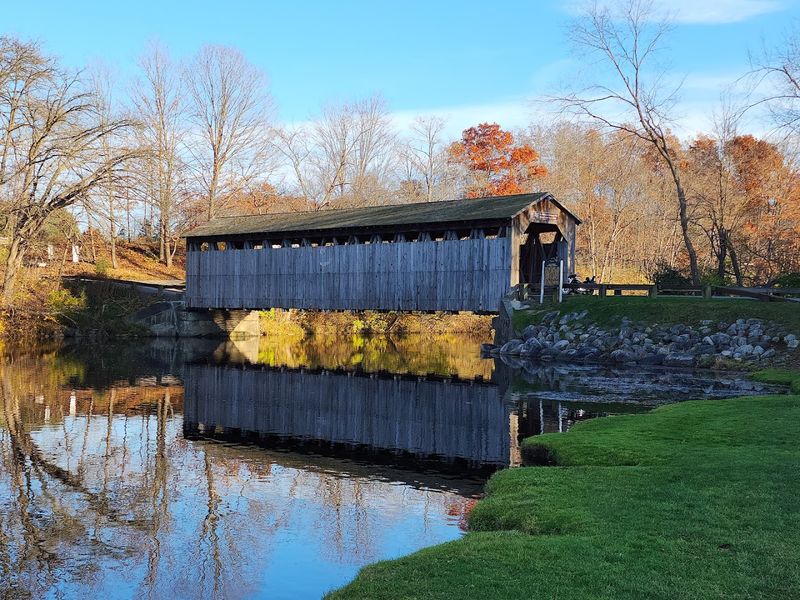
Not every cultural landmark needs to be in a major city to leave a lasting impression. Tucked into the rolling countryside near Lowell in Kent County, the Fallasburg Historic Village and its famous covered bridge offer a quieter, more contemplative kind of cultural experience — one that feels genuinely off the beaten path even though it’s less than 30 minutes from Grand Rapids.
The covered bridge itself dates to 1871 and is one of only a handful of authentic historic covered bridges still standing in Michigan. Crossing it on foot gives you a tangible connection to 19th-century rural life that no museum exhibit can fully replicate.
The wooden planks, the filtered light through the siding gaps, the sound of the river below — it’s the kind of sensory experience that photography struggles to capture honestly.
The surrounding historic village preserves several original 19th-century structures, including a schoolhouse, a church, and various farm buildings that help paint a picture of what small-town Michigan life looked like in the post-Civil War era. The Fallasburg Park that encompasses the area is beautifully maintained and popular with hikers, picnickers, and families looking for a peaceful outdoor afternoon with some historical texture.
Fall is widely considered the prime time to visit, when the surrounding hardwood forest turns into a riot of orange, red, and gold that frames the bridge in a way that feels almost staged. But honestly, this place has quiet appeal in every season — spring wildflowers, summer greenery, and even the stark beauty of winter all work in its favor.
For travelers who want Michigan’s cultural depth without the city crowds, Fallasburg is a genuinely rewarding discovery that deserves far more attention than it typically gets.
7. Motown Museum / Hitsville U.S.A. – Detroit
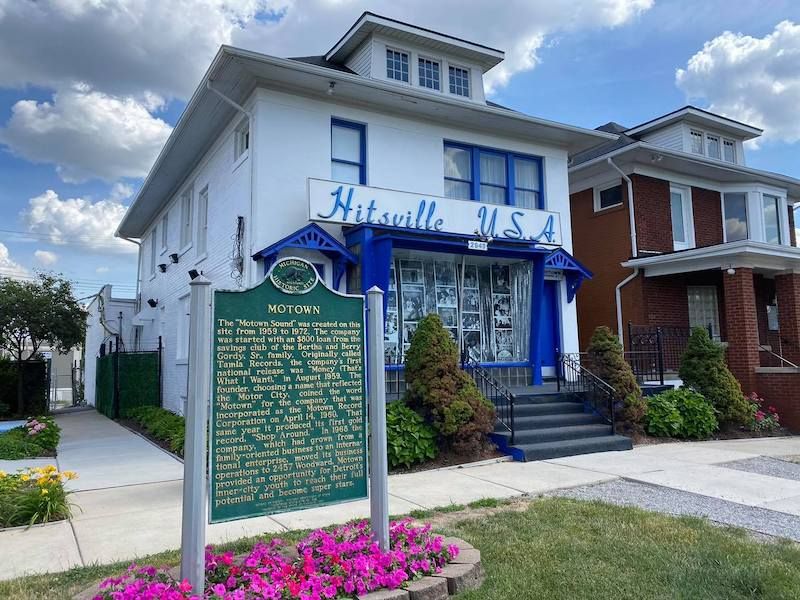
Some buildings change the world. The modest two-story house at 2648 West Grand Boulevard in Detroit is one of them.
Berry Gordy bought it in 1959 with an $800 loan, hung a sign that read Hitsville U.S.A., and proceeded to build one of the most influential record labels in music history. The Motown Museum now occupies that original building, and standing inside Studio A — where Marvin Gaye, Stevie Wonder, Diana Ross, and the Temptations all recorded — is a full-body experience.
The guided tours here are genuinely excellent. Knowledgeable guides walk you through the history of Motown with passion and detail, sharing stories that go far beyond what you’d find in a Wikipedia search.
You’ll see original recording equipment, gold records, artist contracts, wardrobe pieces, and photographs that bring the Motown story to life in vivid, human terms. The storytelling is what elevates this from a standard museum visit to something that actually moves people.
Studio A has been preserved almost exactly as it was during Motown’s golden era, right down to the egg cartons used for soundproofing on the ceiling. Visitors are allowed to stand at the same microphone positions used by some of the greatest vocalists in American music history.
That kind of physical connection to a pivotal cultural moment is rare and genuinely powerful.
The museum has undergone significant expansion in recent years, with a new building adjacent to the original house adding more exhibit space and event capacity. Visiting on a weekday tends to mean smaller crowds and a more personal experience with the tour guides.
If you have even a passing appreciation for soul, R&B, or pop music, the Motown Museum belongs near the very top of your Detroit itinerary — no debate needed.
8. Frederik Meijer Gardens & Sculpture Park – Grand Rapids
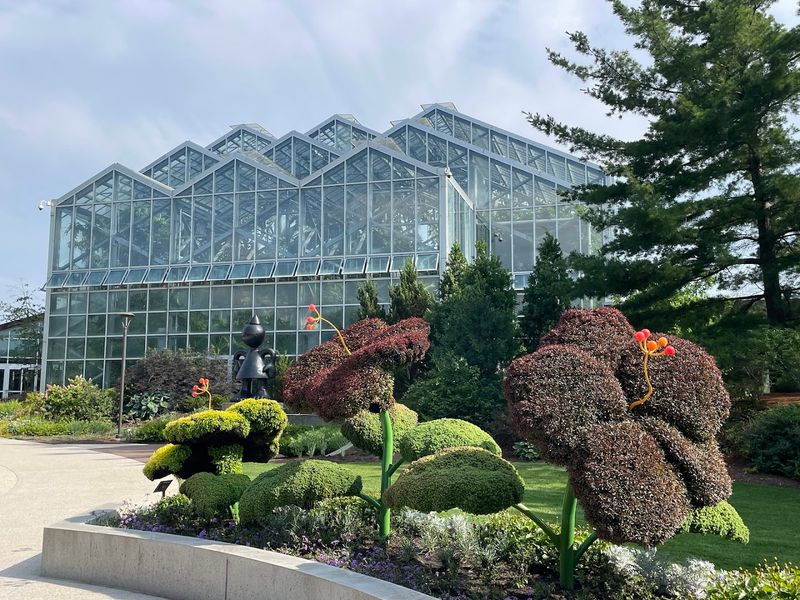
Grand Rapids has quietly built one of the most impressive cultural reputations of any mid-sized American city, and Frederik Meijer Gardens and Sculpture Park is a huge reason why. Spread across 158 acres on the eastern edge of the city, this place blurs the line between botanical garden, outdoor museum, and natural sanctuary in a way that feels completely effortless.
First-time visitors tend to be genuinely surprised by the scale of it.
The sculpture collection is remarkable both in its breadth and its quality. Works by Auguste Rodin, Henry Moore, Deborah Butterfield, and Alexander Calder are scattered throughout the grounds in settings that feel carefully considered rather than arbitrarily placed.
A massive bronze horse by Butterfield in the middle of a meadow, or a Calder stabile framed by mature oaks — these pairings of art and landscape create moments that linger in memory.
The indoor conservatories are equally impressive, housing tropical plants, carnivorous specimens, and seasonal butterfly releases that draw visitors from across the Midwest. The annual butterfly exhibit, held each spring, fills the tropical conservatory with hundreds of live butterflies and is genuinely spectacular — especially for younger visitors who tend to lose their minds in the best possible way.
Summer brings the Michigan Outdoor Sculpture Triennial and a world-class concert series that has featured major artists across multiple genres in the amphitheater. The winter season brings elaborate holiday light displays that transform the gardens into something almost otherworldly after dark.
Honestly, there’s no bad time to visit Meijer Gardens — the programming is thoughtful enough to give each season its own distinct character. West Michigan’s cultural crown jewel earns that title repeatedly and without much competition.
9. Ford Piquette Avenue Plant Museum – Detroit
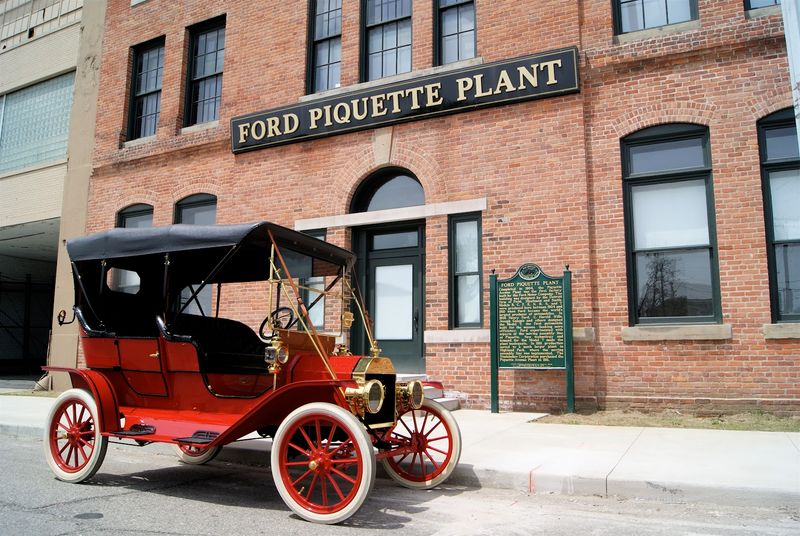
Before the River Rouge complex, before the moving assembly line, before the Model T became a cultural phenomenon, there was a modest brick building on Piquette Avenue in Detroit where Henry Ford and a small team of engineers quietly changed the world. The Ford Piquette Avenue Plant is where the Model T was born, and visiting this National Historic Landmark feels like finding a secret that most people have somehow missed.
Built in 1904, the plant is the oldest surviving purpose-built automobile factory in the world — and remarkably, it still has most of its original structure intact. The worn wooden floors, the brick walls, the old windows letting in streaks of natural light — all of it contributes to an atmosphere that’s more evocative than most carefully designed museum exhibits.
You can almost hear the sounds of early-20th-century manufacturing echoing off those walls.
The museum’s collection of early Ford vehicles is exceptional, with examples of the Models N, R, S, and T displayed alongside period tools, photographs, and archival materials that document the plant’s brief but enormously consequential production history. A recreation of the experimental room where Ford and his engineers developed the Model T concept is a highlight that gives real texture to the story of how that revolutionary car came to exist.
Volunteer guides here tend to be deeply knowledgeable and enthusiastic in a way that’s infectious rather than overwhelming. They’ll point out details you’d never notice on your own and share anecdotes that make the history feel immediate and alive.
The Piquette Plant draws a fraction of the visitors that The Henry Ford Museum does, which means a quieter, more intimate experience. For anyone serious about automotive or American industrial history, this place is absolutely essential.
10. Charles H. Wright Museum of African American History – Detroit

The Charles H. Wright Museum of African American History holds a distinction that matters: it’s the world’s largest institution dedicated to African American history and culture.
Located in Detroit’s Midtown neighborhood, the museum’s striking circular building is just the beginning of what makes this place extraordinary. What’s inside carries genuine weight — intellectual, emotional, and historical.
The permanent exhibition, And Still We Rise, takes visitors on a sweeping journey through the African American experience from the origins of humanity in Africa through the Middle Passage, slavery, Reconstruction, the Great Migration, the Civil Rights Movement, and into the present day. It’s a comprehensive, unflinching, and beautifully designed narrative that demands your full attention.
Plan to spend at least two hours in this exhibition alone if you want to experience it properly.
Detroit’s specific history with African American culture is woven throughout the museum’s programming and rotating exhibitions. The city’s role as a destination for Great Migration families, its contributions to civil rights organizing, and its central place in the story of Black music, art, and entrepreneurship are all explored with the depth and nuance they deserve.
This isn’t a surface-level treatment — the scholarship here is serious.
The museum also hosts lectures, film screenings, community events, and youth education programs that make it a living cultural institution rather than a static repository. The gift shop carries an excellent selection of books, art prints, and educational materials that are hard to find elsewhere.
Visiting the Wright Museum is the kind of experience that changes how you see not just Detroit, but American history as a whole. It belongs on every curious traveler’s itinerary without qualification — this is exactly the kind of place travel should lead you to.
11. Grand Rapids Public Museum – Grand Rapids
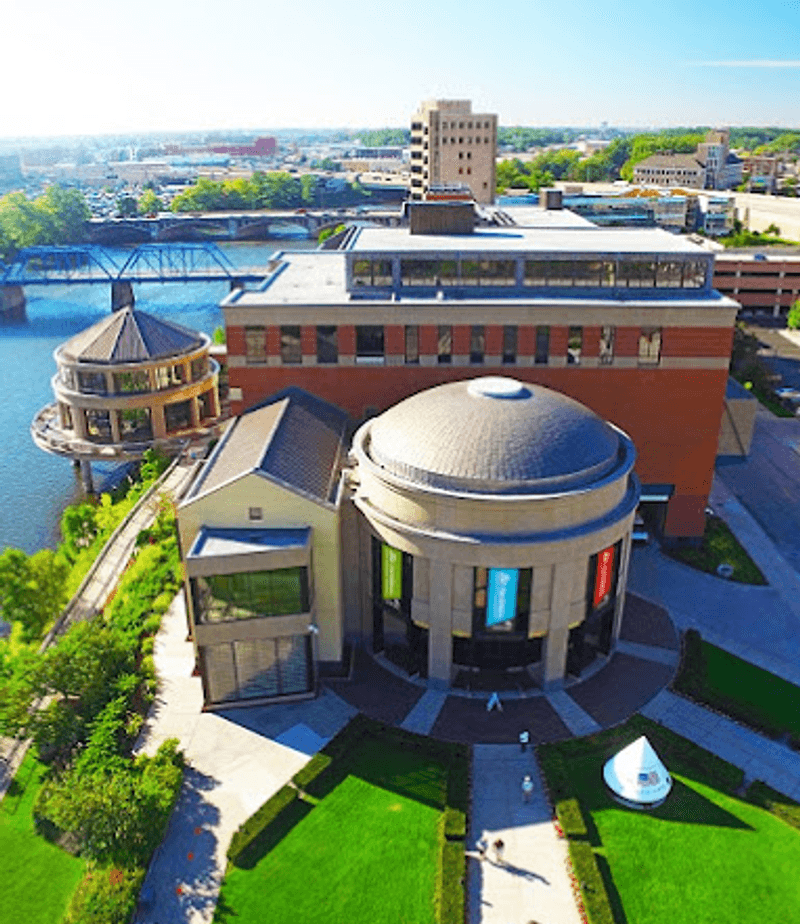
Grand Rapids doesn’t always get the cultural credit it deserves, but the Grand Rapids Public Museum is one of several institutions in the city working hard to change that perception. Housed in a purpose-built facility on the banks of the Grand River, this museum has been collecting, preserving, and interpreting the natural and cultural history of West Michigan for well over a century.
It’s the kind of place that rewards repeat visits because there’s genuinely more to see than one trip allows.
The museum’s permanent galleries cover everything from West Michigan’s geological history and native ecosystems to the furniture industry that built Grand Rapids into an economic powerhouse in the 19th and early 20th centuries. The furniture industry exhibits are particularly strong, documenting how this city became the furniture capital of America with a depth of detail that goes well beyond the usual summary treatment.
Local history told this well is a rarity.
One of the most beloved features of the museum is its 1928 Spillman carousel, a fully restored antique merry-go-round that operates inside the building and remains one of the most charming and unexpected things you’ll encounter in any Michigan museum. Kids absolutely love it, but adults tend to light up too — there’s something about a beautifully restored carousel that bypasses cynicism entirely.
The Roger B. Chaffee Planetarium, named for the Grand Rapids-born astronaut who died in the Apollo 1 fire, offers regular sky shows that are worth scheduling your visit around.
Temporary exhibitions rotate frequently and have covered topics ranging from ancient Egypt to Michigan’s freshwater ecosystems. The river views from the building’s exterior walkways are a nice bonus on a pleasant day.
All things considered, the Grand Rapids Public Museum delivers serious value for curious travelers who appreciate history told with heart.
12. Fox Theatre – Detroit
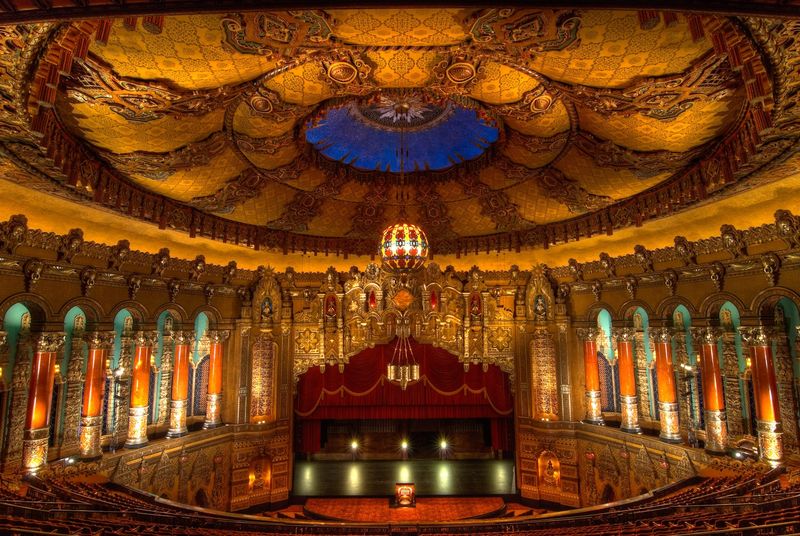
There are movie palaces, and then there’s the Fox Theatre in Detroit. Opened in 1928 and designed by architect C.
Howard Crane, the Fox is a jaw-dropping exercise in extravagance that was built during the golden age of cinema when going to the movies was meant to feel like going somewhere extraordinary. With 5,000 seats, it remains one of the largest surviving movie palaces in the United States, and its interior is the kind of thing you have to see in person to fully believe.
The decor is a spectacular mashup of East Asian, Indian, and Middle Eastern architectural motifs — gilded surfaces, carved woodwork, painted ceilings, ornate light fixtures, and a grand lobby that makes you feel like you’ve walked into a fever dream designed by someone with unlimited ambition and an equally unlimited budget. It’s gloriously, unapologetically over the top, and that’s precisely what makes it magnificent.
Today the Fox hosts a packed calendar of Broadway touring productions, major concerts, comedy shows, and special film screenings that keep the venue humming year-round. The acoustics and sightlines are excellent from virtually every section of the house, which is an engineering achievement given the building’s age and size.
Catching a live show here is an experience that the venue itself amplifies — the building is a performer in its own right.
Guided tours of the Fox are offered periodically and are highly recommended for anyone interested in architectural history or the cultural story of Detroit’s entertainment district. The surrounding area of Midtown and downtown Detroit has experienced significant reinvestment in recent years, making a Fox visit easy to pair with dinner and exploration in a neighborhood that’s genuinely exciting right now.
The Fox Theatre is living proof that Detroit has always known how to do things in a big way.
13. Detroit Institute of Arts – Detroit
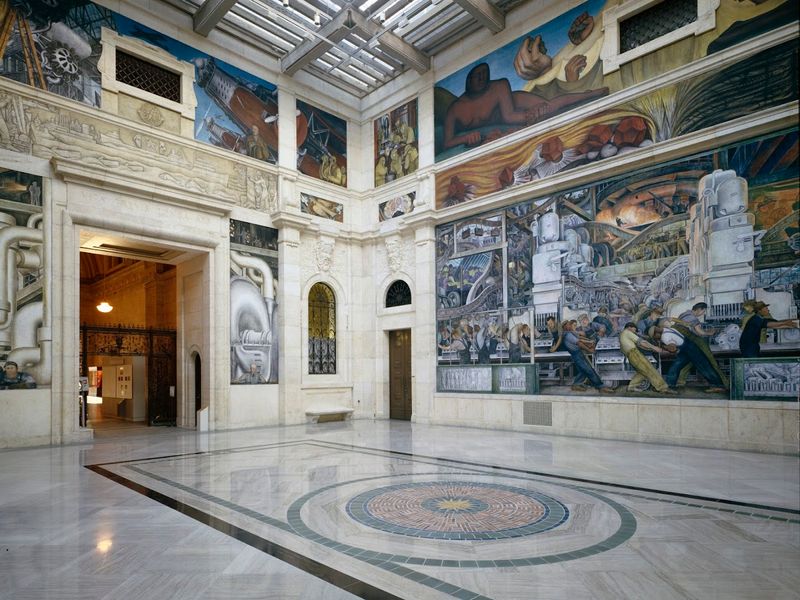
Ask any art museum professional in the country to name the great American art museums, and the Detroit Institute of Arts will almost certainly appear on that list. Founded in 1885, the DIA houses a collection of more than 65,000 works spanning 5,000 years of human creativity — and it presents that collection in a building that is itself a work of art.
The Italian Renaissance-style facade on Woodward Avenue is an announcement that what’s inside takes art seriously.
The crown jewel of the collection is Diego Rivera’s Detroit Industry Murals, a four-wall fresco cycle commissioned in 1932 that depicts the workers and machinery of Detroit’s industrial complex with breathtaking scale and technical mastery. Rivera spent months studying Ford’s River Rouge plant before painting these murals, and the result is one of the greatest public artworks in American history.
Standing in the Rivera Court surrounded by those paintings is an experience that stops most visitors cold.
Beyond Rivera, the DIA’s holdings include significant works by Rembrandt, Bruegel, Caravaggio, van Gogh, Picasso, Matisse, and Georgia O’Keeffe, alongside outstanding collections of African, Asian, Native American, and ancient art. The breadth here is genuinely world-class, and the curatorial approach favors context and accessibility over intimidation.
This is a museum that wants you to understand what you’re looking at.
The DIA’s Founders Society membership program and the tri-county millage that funds free admission for residents of Wayne, Oakland, and Macomb counties reflect a deep commitment to community access that sets this institution apart from many of its peers.
Visiting during a weekday morning offers the most contemplative experience, when the galleries are quieter and you can spend as long as you want in front of works that deserve real attention. The Detroit Institute of Arts is, without exaggeration, one of the finest museums in the entire country.
Share this story