Old brick sidewalks, lively town squares, and buildings with stories to tell make Pennsylvania a rewarding place to explore on foot. Leaving the car behind gives you more time to notice small details, stop at a bakery, and enjoy a museum without watching the parking meter. Across the state, historic communities offer compact centers where shops, restaurants, parks, and local landmarks sit close together. A little planning can turn those walkable streets into a relaxed day trip or a memorable weekend.
The places below range from quiet county seats to busy small cities, but each has a historic area that works well for walking. Some are easy to reach by passenger train, while others may require a regional bus, a taxi, or a ride from someone else. Exploring without a car does not always mean arriving without one, especially in communities with limited public transportation. The key is choosing lodging near the center and building your plans around attractions you can comfortably reach. Before leaving home, check current opening hours, transit schedules, and tour requirements. Older streets can have uneven pavement, and hills or summer heat may make a short walk feel longer than expected. Comfortable shoes, water, and a flexible schedule will help you enjoy the experience instead of rushing between stops. Whether you want Civil War history, riverside views, old factories, or a good lunch beside a courthouse square, Pennsylvania offers plenty of ways to spend a day at walking speed while discovering something new around the very next corner.
1. Carlisle: A Courthouse Square With Stories
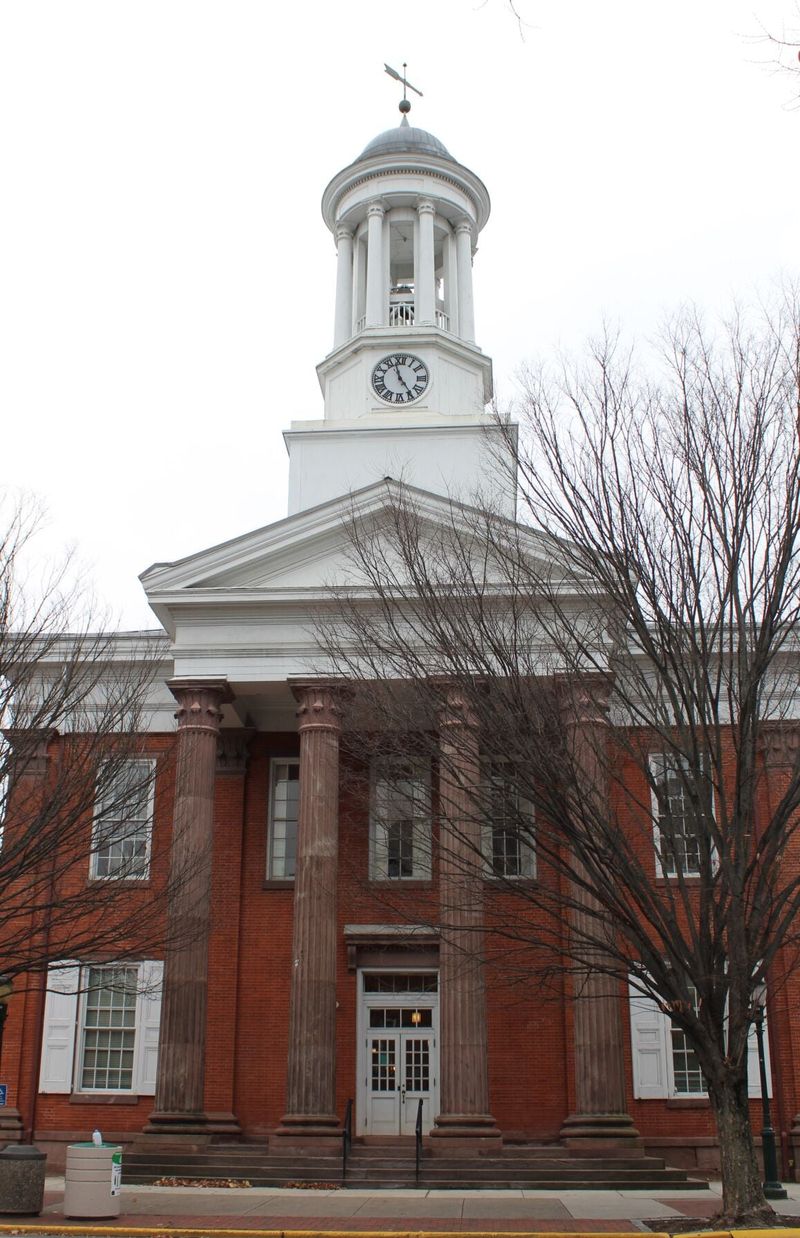
A cannonball scar can make an ordinary walk feel like a history lesson.
Around Carlisle’s central square, old buildings connect everyday life with events that shaped Pennsylvania, including a Confederate attack during the Civil War.
Begin near the Old Courthouse, where interpretive information helps explain the town’s past.
The square also gives you an easy starting point for exploring Hanover and High streets, with restaurants, independent shops, and historic facades within a few blocks.
For deeper background, visit the Cumberland County Historical Society when its museum is open.
Exhibits add useful context to the streets outside, making this a smart first stop rather than an attraction to squeeze in at the end.
Dickinson College brings another layer of history to the walk.
Founded in 1783, the college has an attractive campus near downtown, and its grounds offer a pleasant change from busy commercial blocks.
Respect campus signs and remember that public access to individual buildings can vary.
A relaxed day might include a museum visit, lunch near the square, and an afternoon campus stroll.
You do not need to march through a long checklist to enjoy Carlisle.
Leave room for browsing a bookstore or lingering over coffee while watching the town move around you.
Regional bus service can help with arrival, but check routes and weekend schedules before booking.
Staying downtown keeps the main sights close, while attractions farther away, including the Army Heritage and Education Center, require separate transportation planning.
Carlisle is especially enjoyable for visitors who like their history mixed with a working town rather than a setting built only for tourists.
Wear shoes with good support because older pavement can be uneven.
At larger intersections, use marked crossings and allow time for traffic signals.
A central hotel makes it easy to return for a break without rearranging your entire day.
2. Gettysburg: History Beyond the Battlefield
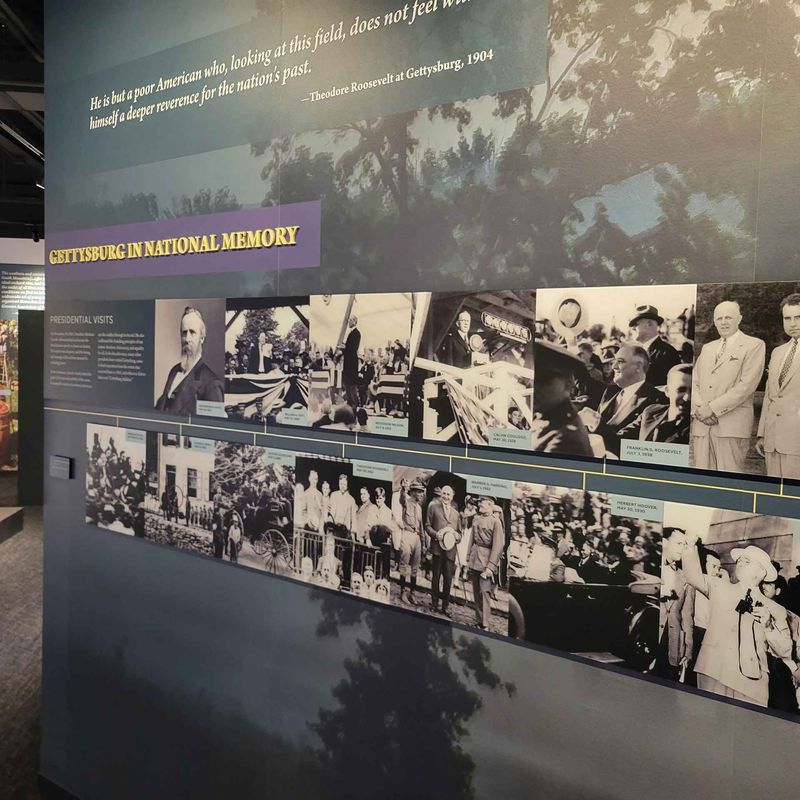
The most moving moments here can happen on an ordinary sidewalk.
Gettysburg’s downtown holds stories of families, soldiers, and a president, all within a compact street network that rewards a slow pace.
Start at Lincoln Square and look for the David Wills House, where Abraham Lincoln stayed before delivering the Gettysburg Address.
Check current visitor access before planning an indoor visit.
Even from outside, the building helps connect a famous national event to a real place.
Nearby streets offer shops, cafes, historic inns, and museums focused on different parts of the town’s experience.
Choose one or two indoor stops rather than trying to see everything.
A guided downtown walking tour can help explain details that are easy to miss without local knowledge.
The Gettysburg National Cemetery is reachable on foot from the town center for many visitors.
Expect a longer walk than a quick trip around the square, and allow quiet time once you arrive.
Its paths call for a respectful pace rather than hurried sightseeing.
Be careful not to confuse a walkable downtown with a fully walkable battlefield visit.
Gettysburg National Military Park covers a large area, and the museum and visitor center are outside the central shopping district.
Check seasonal shuttle options, local transit, or tours that provide transportation if those sites are priorities.
For an easy overnight stay, choose lodging near Lincoln Square or along a central street.
That puts dinner and evening activities within reach after a full day.
Regional transit options exist, but connections and operating days need checking well ahead of travel.
Summer afternoons can be hot, so carry water and take indoor breaks.
Comfortable shoes matter more than ambitious plans here.
Keeping your route realistic allows space to absorb the history instead of spending the day measuring how much farther you still have to walk.
3. Lewisburg: Market Street at an Easy Pace
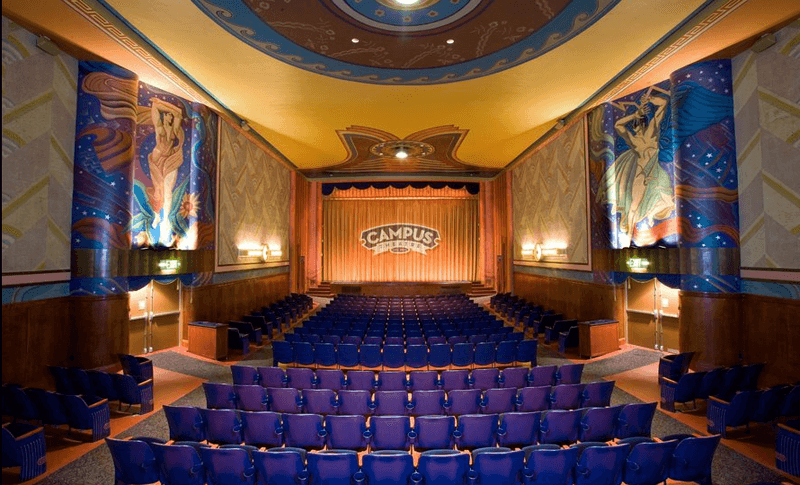
A vintage theater marquee sets the mood before you even buy a ticket.
Along Market Street, Lewisburg pairs preserved architecture with the everyday energy of a college town, making a simple stroll surprisingly satisfying.
The downtown commercial district is compact enough for browsing without a complicated route.
Stop for breakfast, look through independent shops, and notice how upper floors preserve details that street-level window displays sometimes distract you from.
The Campus Theatre adds a memorable Art Deco landmark to the walk.
If a film fits your schedule, an evening screening offers a pleasant way to enjoy the building rather than merely photograph it.
Confirm showtimes and ticket availability first.
Small-town entertainment schedules do not always match the assumptions you might bring from a larger city.
Bucknell University’s campus lies south of downtown and can extend your outing.
Its grounds introduce broad lawns, academic buildings, and a different rhythm from Market Street.
Distances increase once you leave the center, so decide how much walking suits your group before adding a campus loop.
Families may also want to check the Lewisburg Children’s Museum, located near downtown.
For outdoor time, investigate nearby access to the Buffalo Valley Rail Trail.
Pick a short section if your goal is a casual stroll rather than a long outing.
Getting here without driving takes more planning than exploring once you arrive.
Check current regional transportation options and arrange the final connection to your lodging in advance.
A downtown room is especially helpful because it lets you handle meals and most sightseeing on foot.
Market Street can carry steady traffic, so cross at designated locations rather than following the nearest tempting storefront.
Bring a light layer for cooler evenings and leave time for an unplanned snack stop.
Lewisburg works best when you treat its small discoveries as the main event, not filler between larger attractions.
4. Lancaster: Markets, Art, and Old Streets
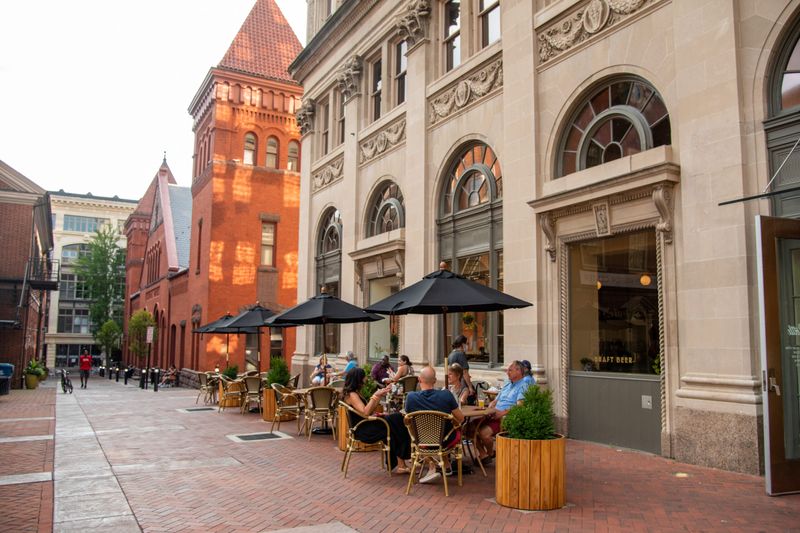
Breakfast can double as your first historic stop.
At Lancaster Central Market, food stalls fill a landmark building near Penn Square, placing local flavors right in the middle of a walkable city center.
Check market days before setting your schedule because the building is not open for shopping every day.
When vendors are operating, browse slowly and buy something you can enjoy nearby.
The market’s long history makes it more than a convenient place to find coffee or lunch.
From the square, follow downtown streets toward galleries, small stores, and performance spaces.
Architectural details reward looking up, especially on older commercial blocks.
Lancaster is a city rather than a small borough, but its central historic area still supports a satisfying day without a car.
The Fulton Theatre is another strong anchor for your plans.
Its history and active performance schedule give you a reason to return downtown after dinner.
Reserve tickets ahead if a show matters to your visit, and check whether a building tour is available during your stay.
Passenger rail makes Lancaster one of the more practical choices for a car-free Pennsylvania trip.
The Amtrak station is north of the main downtown attractions, so allow for a substantial walk or use local transportation for that connection.
Once settled in central lodging, many meals and activities become much simpler.
Keep expectations clear about the surrounding countryside.
Amish farms, rural markets, and scattered attractions outside the city generally need additional transportation.
A downtown walking visit offers its own experience and should not be treated as a substitute for a countryside tour.
Build your route around a few nearby stops, with time between them for browsing.
City crossings deserve attention, and weather can affect how comfortable the station walk feels.
A refillable water bottle and an indoor afternoon option help keep your plans flexible without losing the day to logistics.
5. Bellefonte: Victorian Details Beside the Water
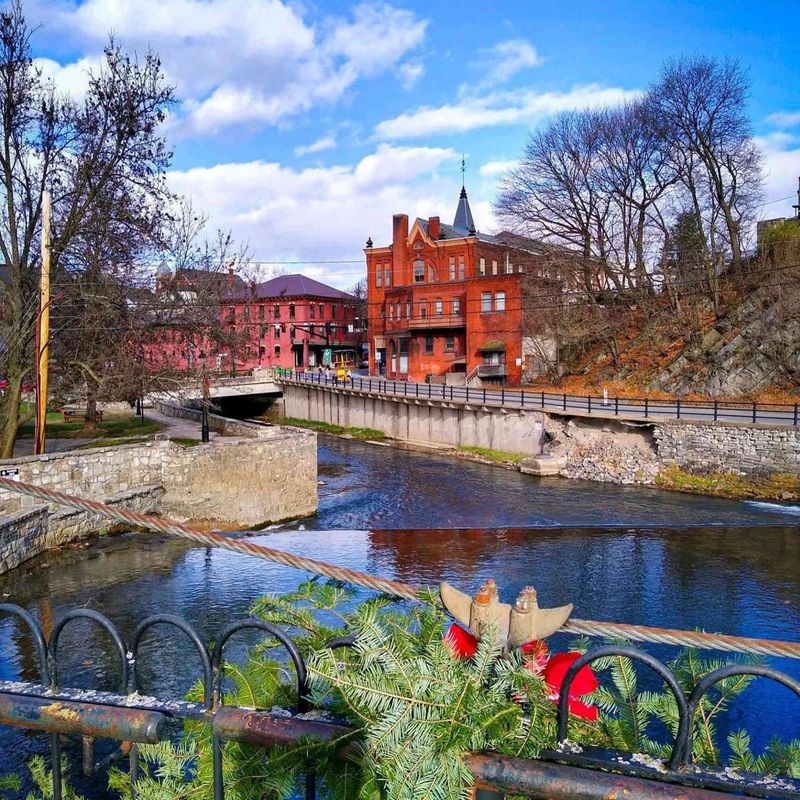
Look upward here, and the roofs almost steal the show.
Bellefonte’s Victorian architecture gives its downtown a richly detailed appearance, with decorative windows, handsome facades, and a courthouse that helps orient your walk.
Begin around the Centre County Courthouse, then explore nearby streets at a comfortable pace.
The pleasure comes from noticing individual buildings rather than racing between attractions.
A local walking guide, when available, can help explain the people and industries behind the impressive architecture.
Talleyrand Park provides a welcome change of scene near downtown.
Spring Creek runs through this green space, where paths and bridges offer places to pause between shopping and sightseeing.
Stay on designated paths and give wildlife plenty of room, especially when birds gather near the water.
The historic railroad station area adds another piece of the town’s story.
It is a good place to appreciate how rail connections once shaped local business and travel.
Check current visitor information before expecting access to any particular building or display.
For lunch, choose a downtown cafe or restaurant and keep the afternoon open for antique browsing or another architectural loop.
Some streets climb away from the creek, so a route that looks short on a map may still require effort.
Visitors with mobility concerns should review slopes and entrance details before committing to specific stops.
Bellefonte is easier to enjoy without a car than to reach without one.
Regional transportation may help, but schedules and final connections need advance research.
Lodging close to downtown is the simplest way to keep meals, the park, and the main historic streets within walking distance.
Bring a camera if building details interest you, but avoid blocking narrow sidewalks while taking photos.
After rain, watch for slippery surfaces near the creek.
A quiet morning and an unhurried lunch often reveal more of Bellefonte’s character than an overloaded sightseeing plan.
6. Lititz: Pretzels and Moravian Roots
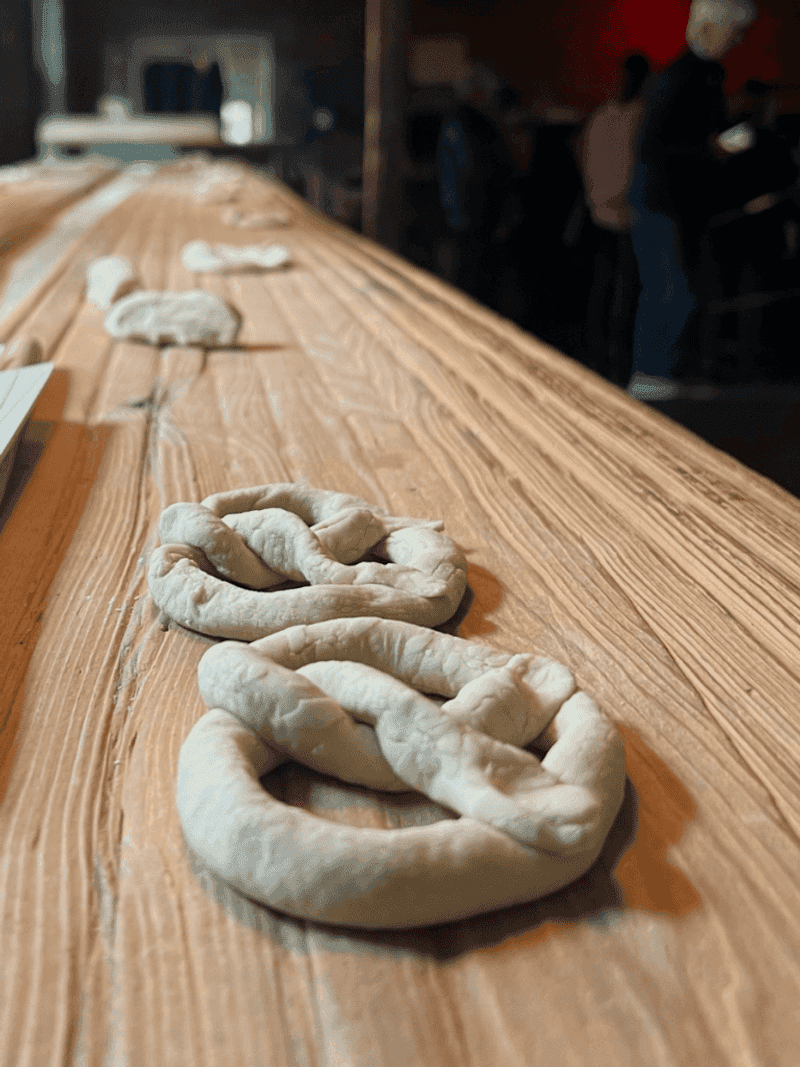
The smell of something baking makes a fine walking guide.
In Lititz, historic streets, pretzel traditions, and inviting shops create an outing that feels friendly from the first block.
Follow Main Street toward the Julius Sturgis Pretzel Bakery, a well-known stop tied to America’s early commercial pretzel industry.
Tours can include a lesson in twisting dough, making the visit especially appealing to families.
Check reservations, operating hours, and current tour details before arriving.
The town’s Moravian roots deserve equal attention.
Around Lititz Moravian Church and nearby historic buildings, the story reaches back to the eighteenth century.
Remember that religious and school properties remain active places, so follow posted access rules and respect services or private events.
Lititz Springs Park offers an easy outdoor break close to the commercial streets.
Its water features and shaded areas make it a useful place to rest after browsing.
Carry out food wrappers and use designated seating rather than treating historic grounds as an unrestricted picnic site.
A simple day can include a bakery visit, a heritage stop, lunch, and a park stroll.
Shops are close enough that you can return to something that caught your eye earlier without losing much time.
That freedom is one of the best reasons to leave the car parked once you reach town.
Arrival requires some research because Lititz does not have direct passenger rail service.
Check regional bus options from the Lancaster area and pay attention to return times.
If staying overnight, a central inn reduces the need for extra rides, particularly after dinner.
Weekends and special events can bring crowds to the main streets.
Start earlier if you prefer a quieter visit, and book popular activities in advance.
Comfortable shoes, a reusable shopping bag, and a little appetite are practical companions for a town where history and snack stops fit naturally together.
7. Doylestown: A Museum Day on Foot
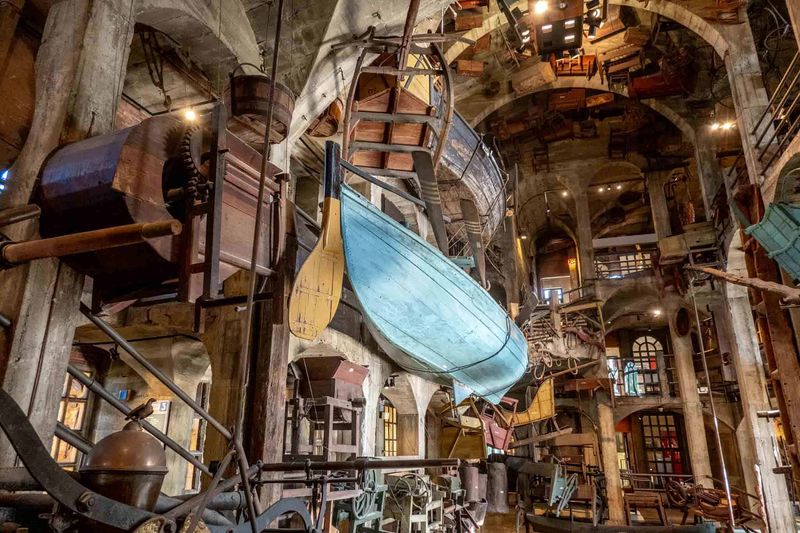
A concrete castle is not what most people expect from a county seat.
Yet the Mercer Museum gives Doylestown a striking landmark and a memorable starting point for a day built around history.
Inside, the museum explores tools and everyday objects from earlier American life.
The collection can turn familiar chores into surprising discoveries, from how people cooked to how they traveled.
Allow enough time to look carefully rather than treating the building as a quick photo stop.
The nearby James A. Michener Art Museum adds a different kind of experience.
Its art collections and changing exhibitions make a useful companion to the Mercer’s focus on material history.
Check admission policies and exhibition details when deciding whether to visit both in one day.
Between museum stops, downtown streets provide restaurants, shops, and older buildings within a manageable area.
A lunch break helps keep a museum-heavy outing from becoming tiring.
You can also spend part of the afternoon simply browsing instead of adding another ticketed attraction.
SEPTA Regional Rail serves Doylestown, making arrival without a car possible for travelers connecting through the Philadelphia region.
Confirm the current timetable and your return departure before leaving the station.
The walk from the station into the center is useful, but luggage and weather may change what feels comfortable.
Keep Fonthill Castle separate in your planning.
Although associated with Henry Mercer, it is farther from the central museum cluster and requires more walking or another transportation arrangement.
Tours may need advance booking, so do not assume you can add it casually at the last minute.
Choose downtown lodging if you want dinner and an evening stroll close at hand.
Older sidewalks and occasional slopes call for steady footwear.
Doylestown suits curious travelers who enjoy taking their time indoors, then stepping outside to find another appealing street just a few minutes away.
8. West Chester: Brick Blocks and Local Life
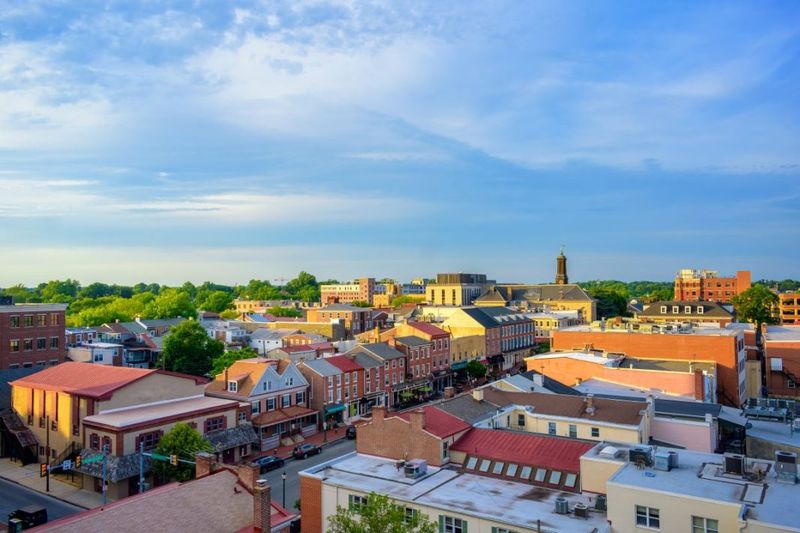
Some places invite sightseeing; others make you want to settle in for lunch.
West Chester does both, with a lively historic center where brick buildings frame restaurants, shops, and everyday street life.
Begin around the Chester County courthouse area and explore nearby Gay and Market streets.
The blocks are close together, so it is easy to browse without committing to a strict route.
Look above the storefronts for older architectural features that reveal how the commercial district developed.
The Chester County History Center provides a more focused introduction to local stories.
Exhibitions can help connect the borough’s buildings with the wider county’s past.
Check hours before visiting, especially if your trip falls early in the week or around a holiday.
Food is a major part of the experience, and a long lunch fits the setting well.
Pick a restaurant near your next stop so you are not crossing the center repeatedly.
Outdoor seating can be pleasant in good weather, although busy periods may call for reservations or a patient attitude.
West Chester University lies south of the commercial core and can add a campus walk to your afternoon.
Review distances before extending your route, particularly if traveling with children or anyone who needs frequent rests.
Campus buildings may have restricted access even when surrounding walkways are open.
Do not count on regular passenger rail service into the borough.
Regional buses can provide connections, but routes, frequency, and evening service need checking.
Staying downtown makes the car-free portion of the visit far easier, with dinner and most central attractions close to your room.
The West Chester Railroad offers excursions on selected dates, but those trips are attractions rather than a daily transportation solution.
Verify its schedule separately if interested.
With sensible arrival planning, this borough rewards an easy mix of history, shopping, and people-watching instead of a packed itinerary.
9. Bethlehem: Moravian Heritage and Steel
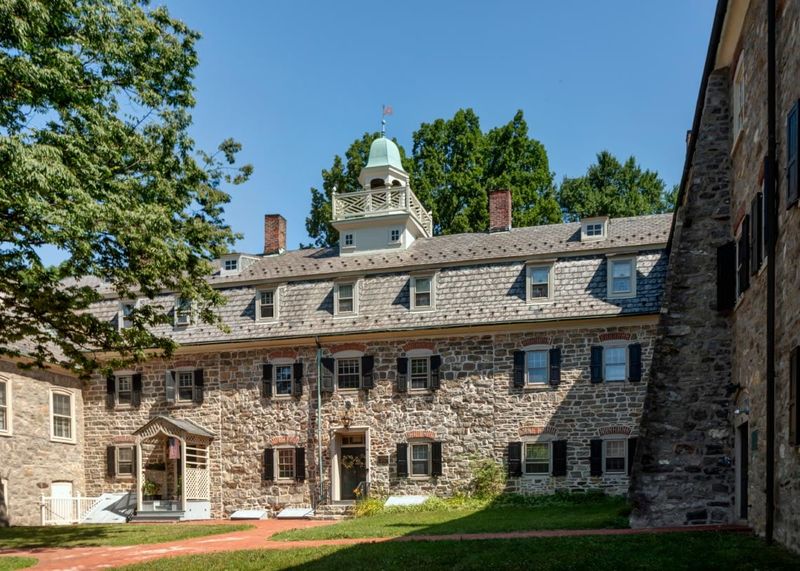
Church bells and old stone buildings introduce one chapter; towering industrial remains tell another.
Bethlehem offers two very different historic settings, with a walkable north-side center and a separate south-side arts district.
Start near Main Street and the Moravian historic area.
Historic Bethlehem Museums & Sites offers ways to learn about the community founded here in 1741, including tours and visits to selected properties.
Book ahead when required because access varies by building and season.
The Moravian Church Settlements include Bethlehem as part of a UNESCO World Heritage listing.
That recognition adds context, but the streets remain enjoyable even without a formal tour.
Small architectural details, open spaces, and nearby shops encourage a slower look at the neighborhood.
Allow time for lunch along Main Street before deciding whether to cross the Lehigh River.
SteelStacks, on the south side, preserves the dramatic backdrop of former Bethlehem Steel blast furnaces.
The Hoover-Mason Trestle offers elevated views when open, with its own access rules and operating conditions.
Walking between the historic core and SteelStacks is possible for some visitors, but it is not a short hop between neighboring attractions.
Check your route, bridge crossings, and total distance beforehand.
Local buses or a short ride may make more sense if you want to explore both areas without exhausting yourself.
Regional and intercity bus options can support a car-free arrival, although stops may not be beside your hotel.
Choose lodging based on the district you most want to explore.
Festival periods can change traffic patterns, prices, and the feel of an otherwise quiet walk.
Wear comfortable shoes and leave room in your schedule for unexpected music or an appealing gallery.
Bethlehem is most rewarding when you recognize its distinct neighborhoods rather than forcing everything into one hurried loop.
A two-day stay gives the colonial and industrial stories space to stand separately.
10. Chambersburg: A Town That Rebuilt
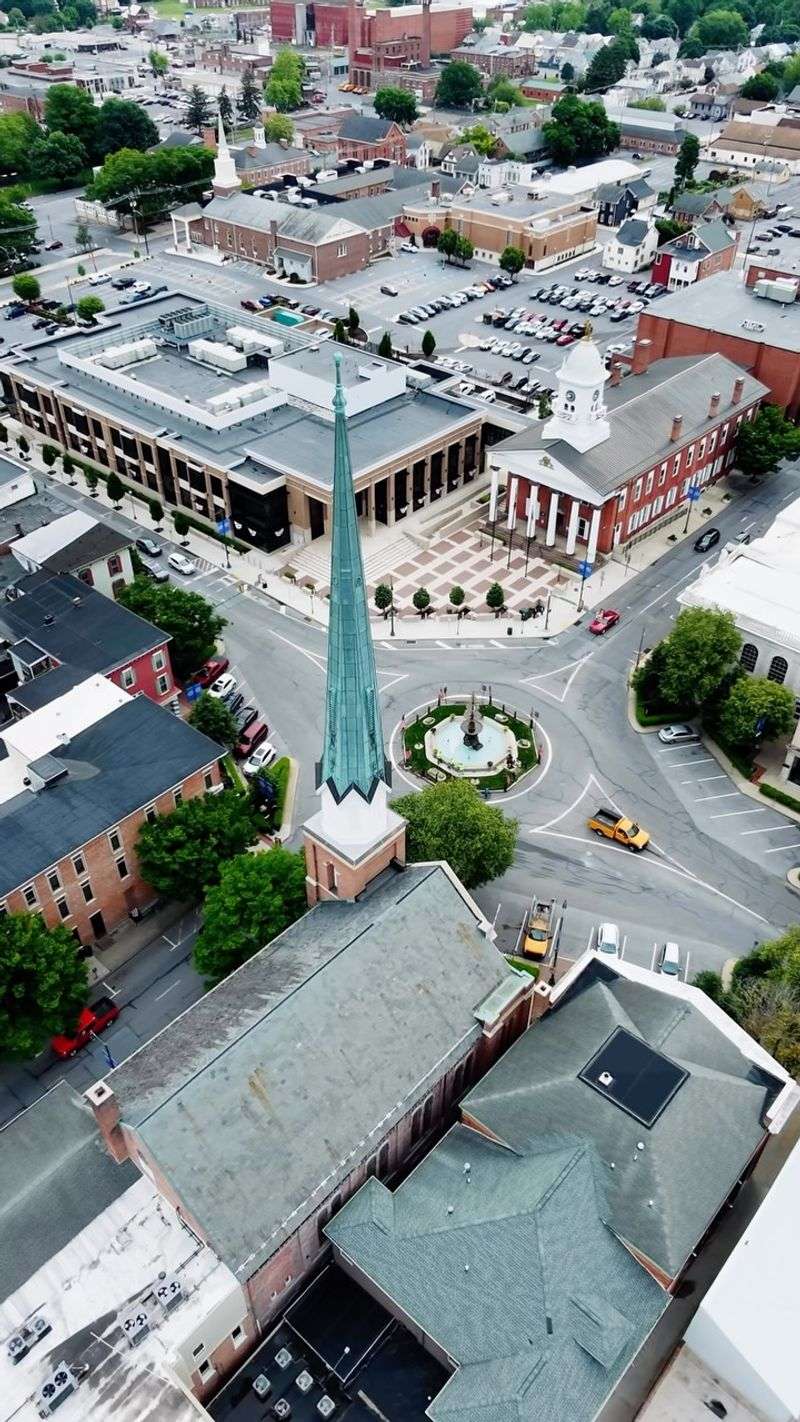
The streets here tell a story of loss and recovery.
Much of Chambersburg was burned by Confederate forces in 1864, and exploring its center reveals a community that rebuilt rather than disappeared.
Memorial Square makes a clear starting point, with the fountain and courthouse area helping you get your bearings.
Nearby blocks contain shops, restaurants, and historic buildings that support a manageable walking route.
Take time to read markers instead of passing them on the way to your next stop.
The Old Jail is an especially useful place to investigate local history.
Tours and exhibits can explain the building’s role and connect it to wider events in Franklin County.
Confirm opening times and tour arrangements because access should not be assumed from the exterior alone.
The Heritage Center, when open, offers another introduction to the area’s past.
Pairing an interpretive stop with a street walk helps make sense of what survived and what came afterward.
You do not need expert knowledge of the Civil War to follow the town’s central story.
For a lighter change of pace, look for downtown dining or a performance at the Capitol Theatre.
Check the event calendar before planning an evening around it.
A meal followed by a show can make an overnight stay feel complete without requiring a drive between venues.
Transportation is the main challenge for visitors arriving without a car.
Research current bus connections and arrange any final ride before setting out.
A central hotel or inn keeps the historic district accessible, while sites beyond downtown may require separate plans.
Use marked crossings around the square, where traffic can interrupt an otherwise relaxed walk.
Summer weather calls for water and occasional indoor breaks.
Chambersburg offers a thoughtful visit rather than a flashy one, especially for travelers interested in how ordinary streets carry memories of destruction, rebuilding, and the daily work of moving forward.
11. Easton: A Square, a Market, and a River
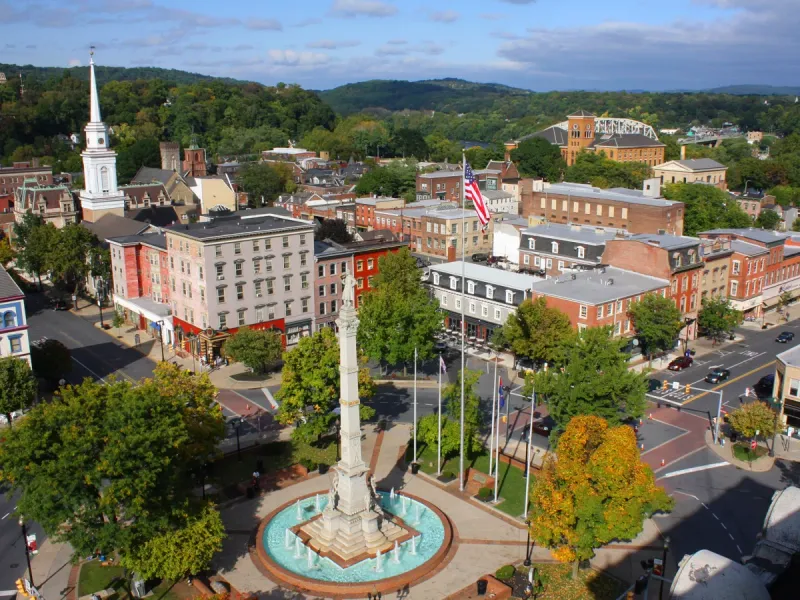
A public square can still feel like the heart of a city.
In Easton, Centre Square brings history, food, and street life together, making it a natural base for a car-free day.
The Declaration of Independence was publicly read here in July 1776, giving the center a direct link to the nation’s founding.
Today, surrounding blocks hold restaurants, shops, and cultural attractions.
Pause at the square before heading down a side street, and notice how the downtown layout keeps pulling you back toward it.
The Easton Farmers’ Market traces its roots to 1752 and operates on a schedule that should be checked before your visit.
Its regular riverfront location makes food shopping a chance to enjoy another part of downtown.
The indoor Easton Public Market provides a separate option for meals and browsing.
Families may want to reserve time for the Crayola Experience near the square.
While not a historic attraction, it adds variety to a day of older buildings and local stories.
Check admission details and allow a generous visit window rather than treating it as a brief stop.
Walk toward Scott Park for views near the meeting of the Lehigh and Delaware rivers.
River conditions and weather can affect outdoor comfort, so keep waterfront plans flexible.
The return trip into downtown offers plenty of chances to choose a lunch spot or bakery.
Bus connections make Easton possible for some travelers without a car, but arrival locations and service patterns vary.
Confirm where you will be dropped off and how you will reach your lodging.
A room close to Centre Square keeps most central activities within an easy radius.
Downtown is compact, though extending toward hillside neighborhoods adds climbing.
Stay mindful at busy intersections and avoid assuming every nearby attraction has a level route.
Easton’s strongest appeal is its mix of meaningful history and cheerful, practical places to eat.
12. Jim Thorpe: Mountain Scenery on Main Streets
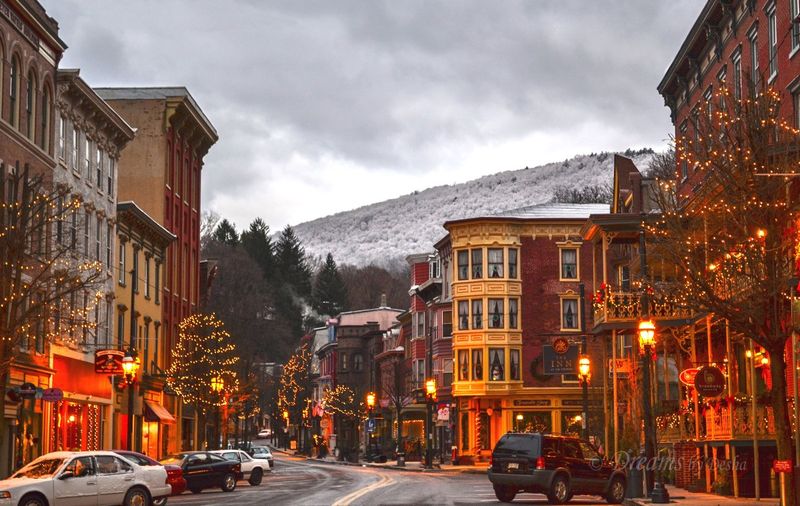
Mountains rise behind buildings that look ready for a storybook illustration.
Jim Thorpe’s narrow downtown packs Victorian architecture, railroad history, and small shops into a dramatic setting beside the Lehigh River.
Begin near the historic train station, where the town’s transportation past remains easy to picture.
The Lehigh Gorge Scenic Railway runs sightseeing trips on selected schedules.
It is an attraction, not a regular passenger connection for arriving in town, so check departures and buy tickets separately from your travel plans.
Broadway provides a main walking route past distinctive buildings and businesses.
The Asa Packer Mansion is a major historic stop, with tours available under published seasonal arrangements.
Reaching it involves climbing, so review access information if stairs or hills could be difficult for your group.
The Old Jail Museum adds another side of local history.
Tour availability can vary, and visitors should expect an older building rather than modern museum conditions throughout.
Choosing one major house or museum visit leaves more time to enjoy the streets themselves.
Do not mistake a compact map for an effortless walk.
Slopes, steps, narrow sidewalks, and busy roads make some routes demanding.
Comfortable footwear is essential, and anyone needing step-free access should contact attractions and lodging directly before booking.
Fall foliage weekends are especially popular, bringing crowds and longer waits for meals.
An early start or a weekday stay can make the center more comfortable.
Staying near Broadway or the station area also reduces the need to tackle extra hills after dinner.
Arriving without driving requires careful research into current bus services and final connections.
Arrange your return trip before spending the day browsing.
Once you are settled, a modest plan works beautifully: one historic tour, a scenic train ride if scheduled, and plenty of time to admire the buildings against their striking mountain backdrop.
13. New Hope: Canal Paths and Riverside Culture
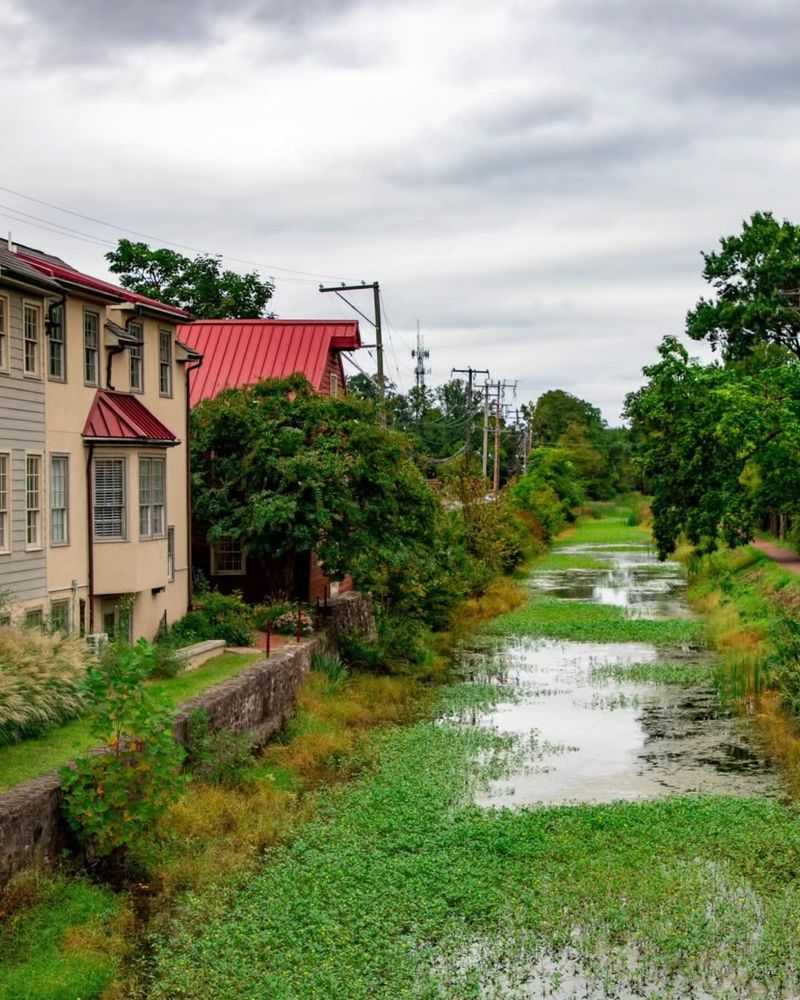
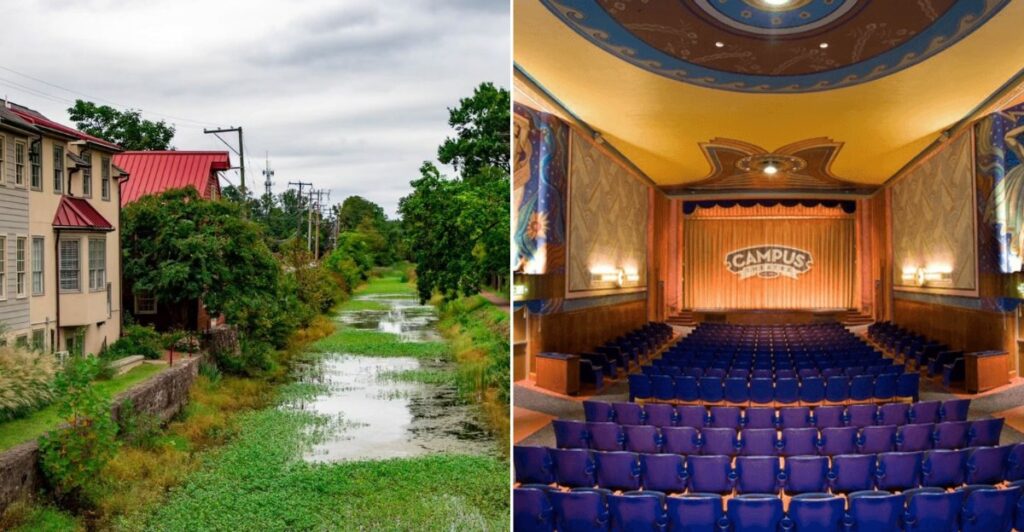
A canal path offers a quieter answer to a busy shopping street.
New Hope lets you move between both moods, with historic buildings, galleries, and waterside walking routes close to its compact center.
Main Street is the obvious place to begin, especially if you enjoy browsing art and small shops.
Older buildings give the streets their character, while cafes provide plenty of reasons to pause.
Traffic and narrow sidewalk sections require attention, particularly during crowded weekend afternoons.
The Delaware Canal towpath introduces a different pace just beyond the commercial bustle.
Choose a short out-and-back walk rather than assuming you need to cover miles.
Check current conditions before setting out because weather, repairs, or closures can affect individual trail sections.
For an evening plan, look at the Bucks County Playhouse schedule.
The theater occupies a historic mill site and adds a cultural highlight to a riverside visit.
Book tickets ahead and choose dinner nearby so you can keep the entire evening comfortably within walking distance.
The New Hope Railroad offers sightseeing excursions from town on selected dates.
Like other heritage railways, it should not be mistaken for regular commuter service.
Verify the timetable, boarding requirements, and ticket availability if a train ride is part of your plans.
Although the bridge across the Delaware is a familiar local landmark, a Pennsylvania-only outing has plenty to offer without crossing it.
Spend that extra time along the canal, at a gallery, or enjoying river views from an appropriate public spot.
Stay clear of private terraces and respect posted access signs.
Reaching New Hope without a car can require a regional connection followed by a taxi or another arranged ride.
Check transportation before reserving lodging, then choose somewhere central.
Comfortable shoes and a weekday visit can make exploring easier, especially when your main goal is an unhurried mix of history, art, and fresh air.
Share this story