Tennessee holds some of the most remarkable pieces of American history within its borders. From Civil War battlefields to presidential homes, the Volunteer State offers visitors a chance to step back in time and walk where history was made.
These preserved locations tell stories of pioneers, presidents, and everyday people who shaped our nation. Whether you’re a history buff or just curious about the past, these thirteen spots will transport you to Old Tennessee and help you understand what life was really like centuries ago.
1. The Hermitage
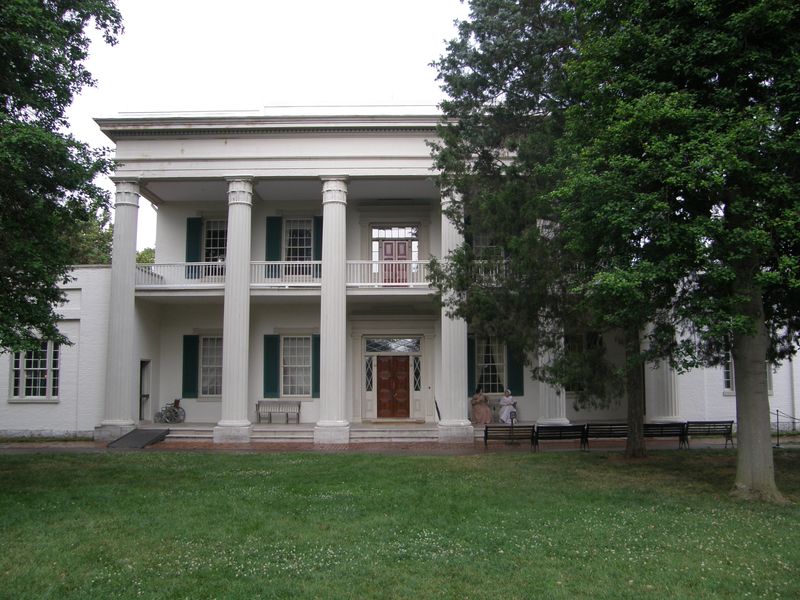
Andrew Jackson built this stunning plantation in 1819, and today it stands as one of the best-preserved presidential homes in America. Walking through the mansion feels like Jackson himself might return any moment.
The house contains original furniture, paintings, and personal items that belonged to Old Hickory and his beloved wife Rachel.
The grounds stretch over 1,100 acres and include beautiful gardens, slave cabins, and Jackson’s tomb. Guides share fascinating stories about Jackson’s military victories, his controversial presidency, and daily plantation life.
You can explore the original log cabin where the Jacksons first lived before building the grand mansion.
Kids especially enjoy seeing the working farm with heritage breed animals. The museum displays Jackson’s military uniforms, swords, and even his fancy carriages.
Special events throughout the year bring history alive with reenactors, traditional crafts, and period music performances that make history feel real and exciting.
2. Shiloh National Military Park
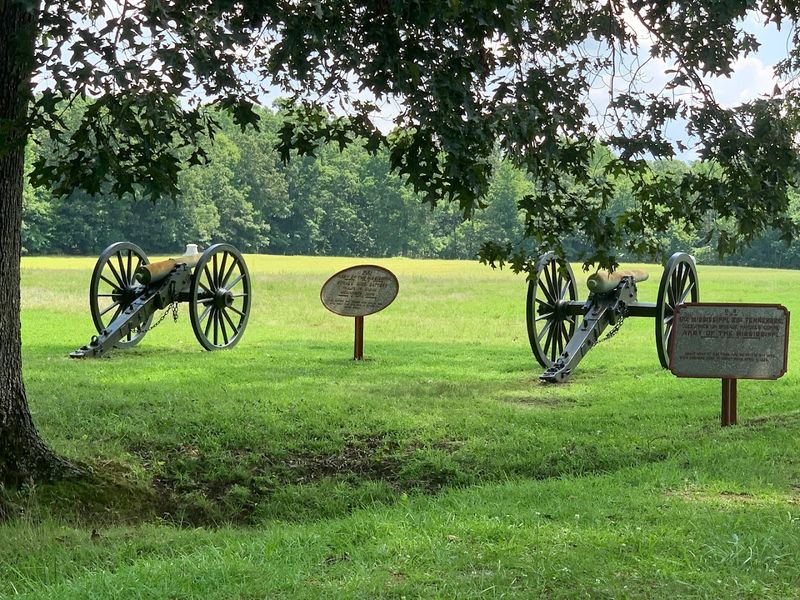
Blood soaked into this ground during two brutal days in April 1862 when 110,000 soldiers clashed in one of the Civil War’s deadliest battles. More than 23,000 men were killed, wounded, or went missing here.
The peaceful fields today contrast sharply with the chaos that erupted when Confederate forces launched a surprise attack at dawn.
Walking trails wind through the battlefield where you can find original trenches, monuments, and cannons marking where regiments fought. The visitor center displays authentic weapons, uniforms, and personal letters written by soldiers.
Audio tours help you understand how the battle unfolded across the rolling landscape.
Spring visitors might spot wildflowers blooming where soldiers fell. The National Cemetery contains graves of nearly 4,000 Union troops.
Ranger programs explain military tactics and share heartbreaking stories of young men far from home facing unimaginable violence in Tennessee’s backwoods.
3. Belle Meade Plantation
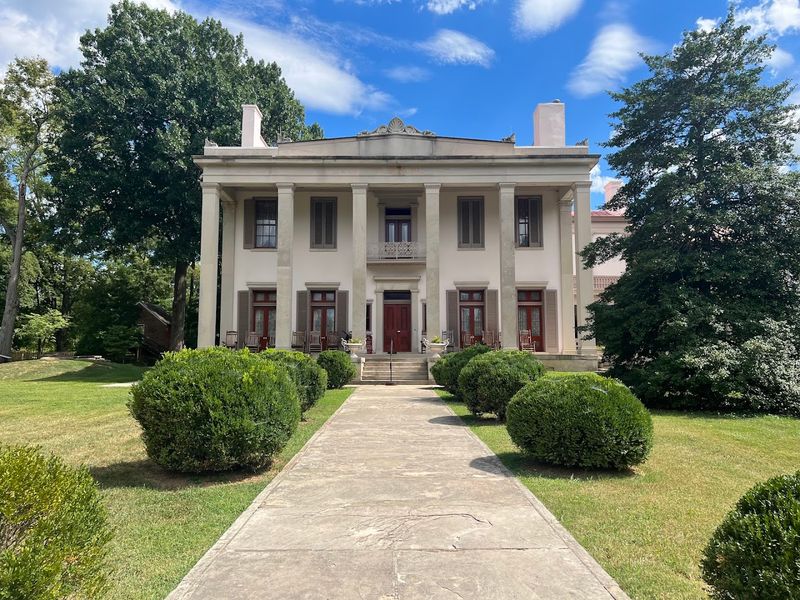
Once known as the finest thoroughbred farm in America, Belle Meade raised champion horses that won races worldwide. The Greek Revival mansion showcases the wealth and power of John Harding’s family during the 1800s.
Fancy furnishings, crystal chandeliers, and imported wallpaper demonstrate how Southern aristocrats lived before the Civil War.
Tours don’t sugarcoat the plantation’s history. Guides discuss the enslaved people who made Belle Meade successful through their skilled labor.
You’ll visit reconstructed slave cabins and hear stories about specific individuals who lived and worked here. The plantation acknowledges both triumph and tragedy in Tennessee’s complex past.
The property includes a working winery where you can taste wines made from historic recipes. Carriage rides give you a feel for how visitors arrived in the Victorian era.
Kids love seeing the stables where legendary horses like Iroquois, the first American-bred winner of the English Derby, once lived.
4. Fort Loudoun State Historic Park
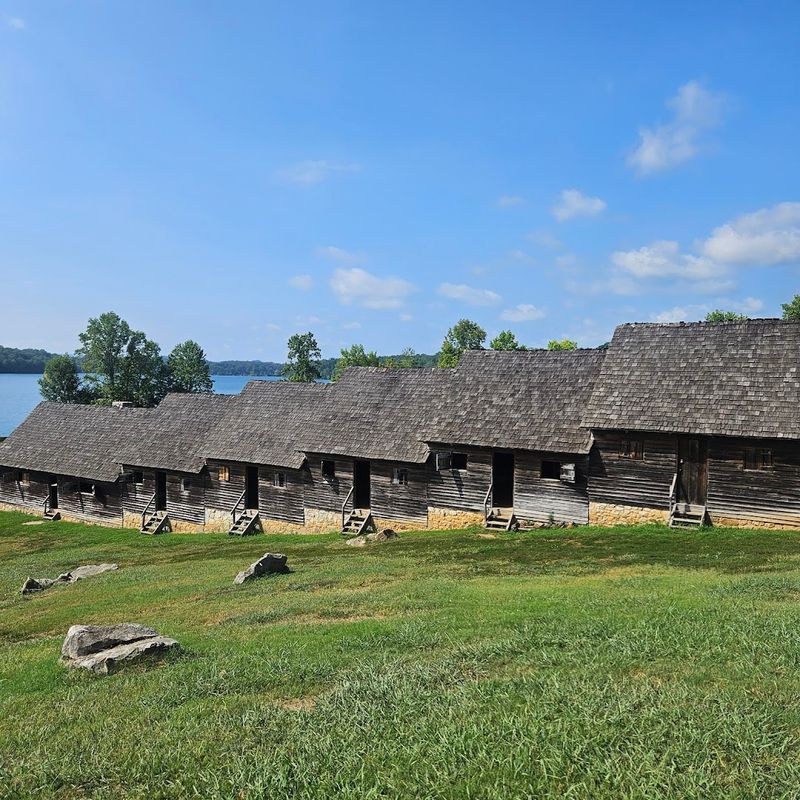
British soldiers built this frontier fort in 1756, making it the first English fortification in what would become Tennessee. The Cherokee Nation surrounded the region, and complex relationships between Native Americans and colonists played out within these wooden walls.
Standing inside the reconstructed fort, you can almost hear the sounds of 18th-century military life.
The original fort fell in 1760 after Cherokee warriors besieged it for months. Today’s reconstruction stands on the original foundation, showing exactly how soldiers and settlers lived on the dangerous frontier.
Authentic cannons point through gun ports, and you can climb into watchtowers for views across the valley.
Living history days feature costumed interpreters demonstrating musket firing, cooking over open fires, and military drills. The park sits beside beautiful Tellico Lake, perfect for picnicking after exploring.
Archaeological exhibits display artifacts uncovered from the original fort, including buttons, pottery, and weapons that tell forgotten stories.
5. Carter House
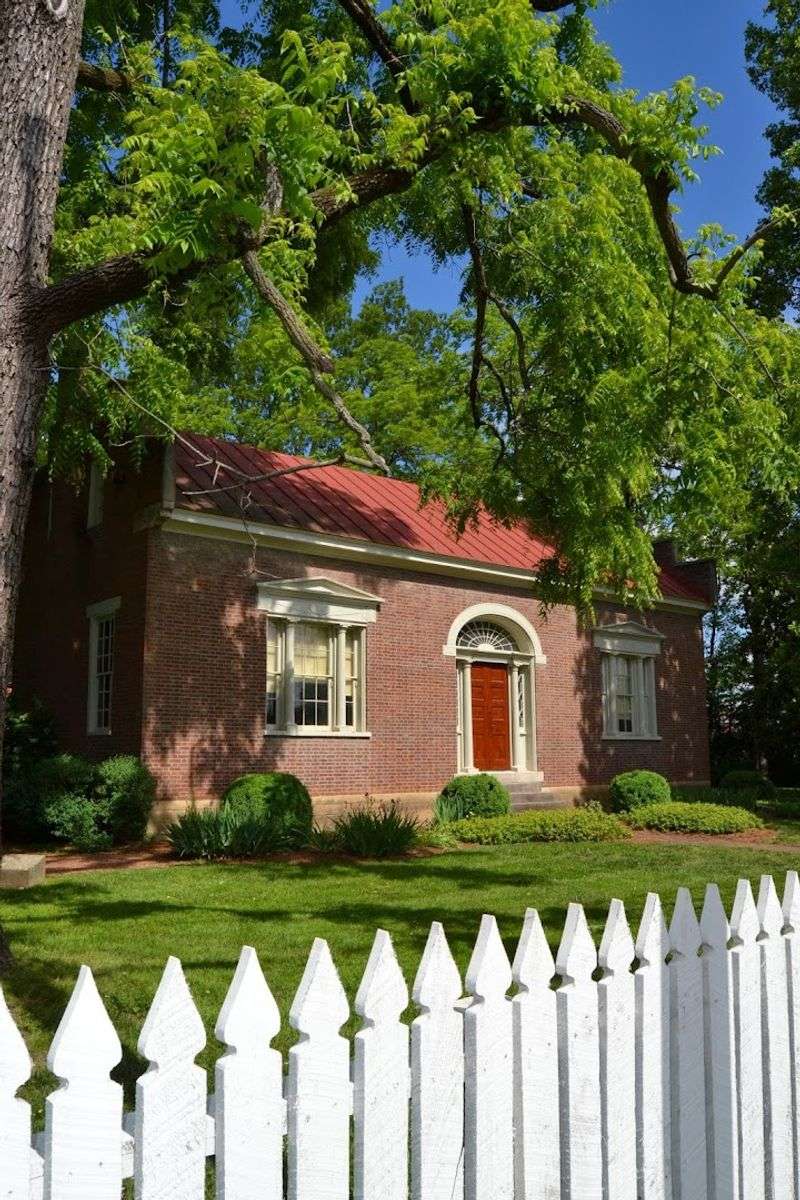
Over a thousand bullet holes scar the walls of this 1830s brick house, silent witnesses to the Battle of Franklin’s fury. On November 30, 1864, Confederate troops launched a desperate frontal assault while Union soldiers defended from the Carter family’s farm buildings.
The fighting lasted just five hours but left nearly 10,000 casualties scattered across Franklin’s fields.
Captain Tod Carter, who grew up in this house, was mortally wounded just yards from his childhood home during the battle. His family found him the next day and brought him inside where he died two days later.
This heartbreaking story represents thousands of similar tragedies during America’s bloodiest war.
Original Civil War artifacts fill the museum, including weapons pulled from the ground and soldiers’ personal belongings. You can see where cannonballs struck the house and examine trenches Union troops dug in the garden.
Guided tours explain the battle’s tactical mistakes that led to catastrophic Confederate losses.
6. Carnton Plantation
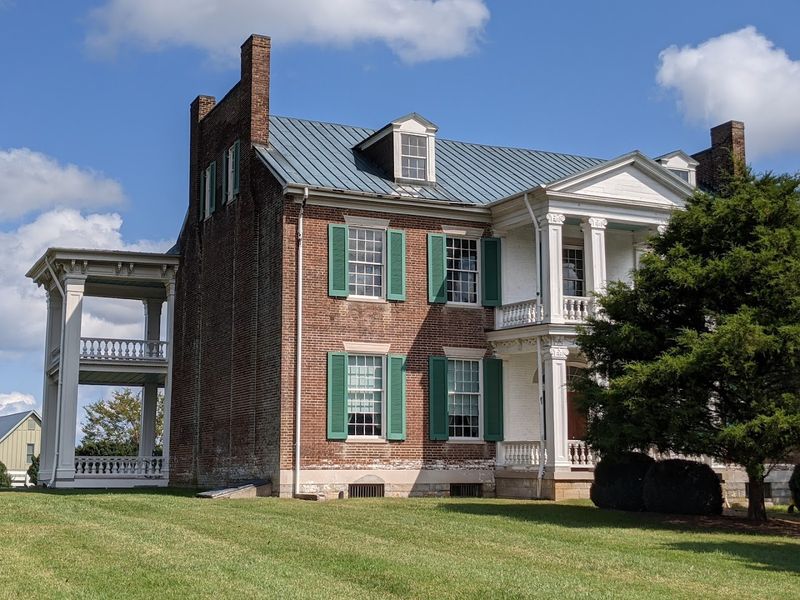
After the Battle of Franklin ended, the McGavock family turned their elegant home into a field hospital. Doctors performed surgeries on the blood-soaked floors while hundreds of wounded and dying soldiers filled every room.
Blood stains still mark the wood floors where Confederate soldiers suffered through the night after the disastrous charge.
The McGavock family decided to create a cemetery on their property for Confederate soldiers who died at Franklin. Today, 1,481 soldiers rest in organized rows, making it the largest privately maintained Confederate cemetery.
Each headstone bears a name when known, though many simply read “Unknown.” Walking through these graves brings home the war’s terrible human cost.
The restored mansion contains period furnishings and exhibits about the McGavock family’s difficult decisions during wartime. Gardens bloom where temporary hospitals once stood.
Evening tours by lantern light create an atmospheric experience.
The plantation hosts annual memorial services honoring all who fell, regardless of which side they fought for.
7. Rocky Mount
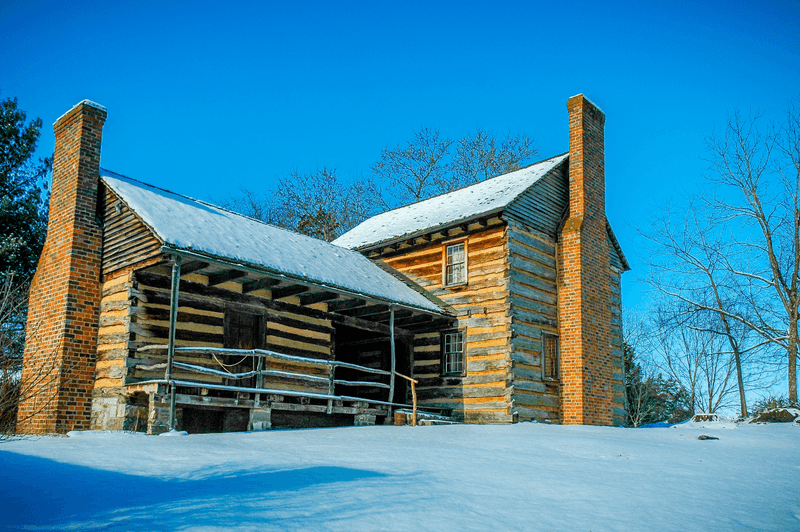
William Cobb built this massive log home in 1770, creating the first territorial capitol of lands that would become Tennessee. The two-story structure served as home, courthouse, and government center for the frontier region.
Original hewn logs still stand strong after more than 250 years, showing the incredible craftsmanship of early settlers.
Living history interpreters dressed in period clothing demonstrate skills necessary for frontier survival. Watch them spin wool, forge iron tools, cook over open hearths, and preserve food for winter.
They explain how families made everything they needed from materials found nearby. No grocery stores or Amazon deliveries back then!
The property includes authentic outbuildings like smokehouses, barns, and workshops that show pioneer self-sufficiency. Seasonal festivals celebrate historical crafts, music, and foodways.
Kids can try their hand at churning butter or carding wool.
The museum houses artifacts from archaeological digs around the property, including Native American tools and early settler possessions that connect us to Tennessee’s earliest residents.
8. Sam Davis Home
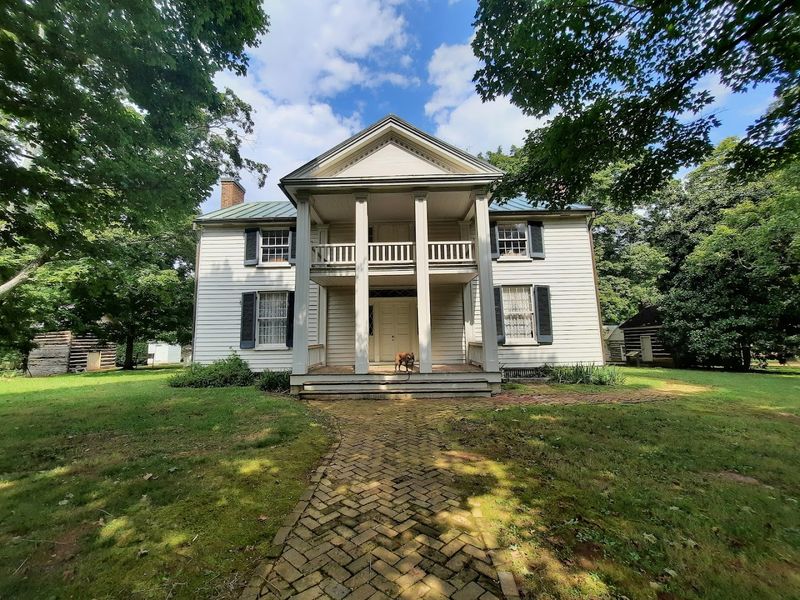
Tennessee calls Sam Davis the “Boy Hero of the Confederacy” for refusing to betray his comrades even when facing execution. Union forces captured the 21-year-old Confederate scout carrying secret documents in 1863.
Officers offered to spare his life if he revealed his source, but Davis replied, “If I had a thousand lives, I would lose them all before I would betray my friend.”
The modest farmhouse where Davis grew up stands preserved with original family furnishings. His bedroom looks ready for him to return from war.
Personal items like his uniform, sword, and final letters home create powerful emotional connections. The property includes slave quarters, demonstrating the uncomfortable reality that the Davis family owned enslaved people.
Guides share the complex story of a young man who showed remarkable courage for a cause we now recognize as deeply flawed. Beautiful gardens surround the house, and farm animals graze in pastures.
The cemetery contains Sam Davis’s grave where people still leave flowers honoring his bravery if not his cause.
9. Historic Rugby
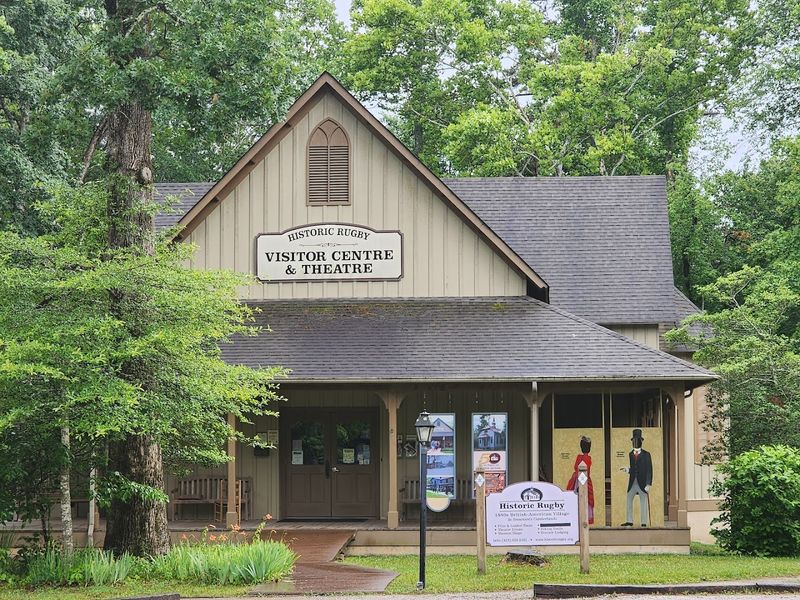
English author Thomas Hughes founded this utopian colony in 1880, hoping to create a perfect society where British younger sons could prosper. These young men couldn’t inherit property under English law, so Hughes imagined a cultured community in Tennessee’s mountains.
About 70 original Victorian buildings still stand, creating an authentic 19th-century English village in unexpected surroundings.
Christ Church Episcopal features stunning original stained glass windows and hand-carved woodwork. The Hughes Public Library contains 7,000 volumes, many brought from England over 140 years ago.
You can browse the same books those hopeful colonists read. The Harrow Road Cafe serves authentic British food including scones, shepherd’s pie, and proper tea.
Walking Rugby’s quiet streets feels like time travel to Victorian England, though the experiment ultimately failed economically. Many colonists weren’t prepared for frontier farming’s hard work.
Craft shops sell traditional British goods, and bed-and-breakfast inns let you sleep in restored Victorian homes.
Special events feature cricket matches, British festivals, and historical reenactments celebrating this unique cultural crossroads.
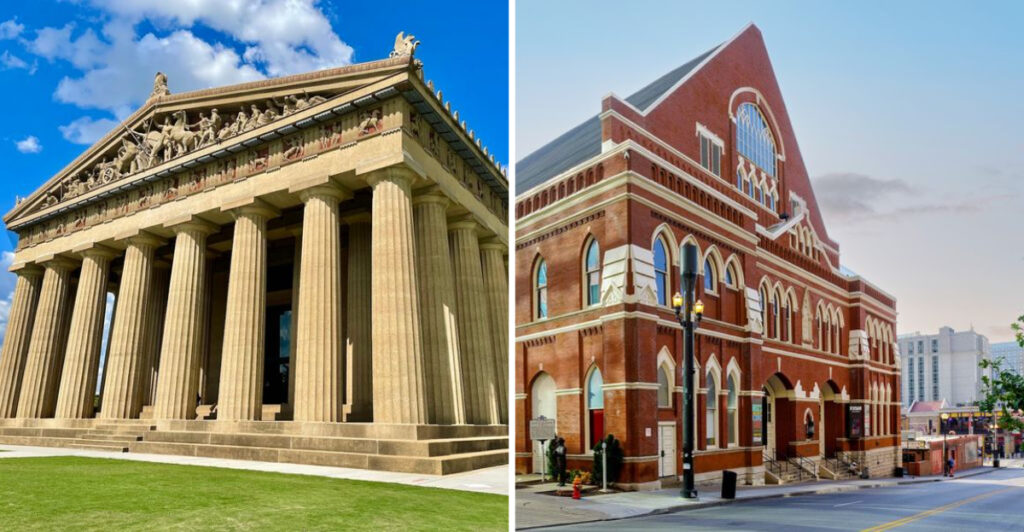
10. Ryman Auditorium
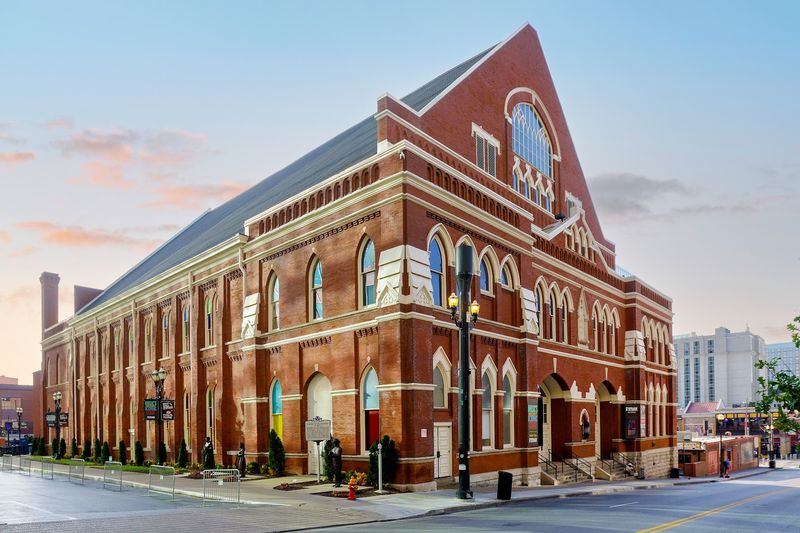
Riverboat captain Thomas Ryman built this tabernacle in 1892 after a powerful religious conversion changed his life. The former saloon owner wanted to create a place for revival meetings and moral improvement.
Little did he know his building would become the “Mother Church of Country Music” and launch countless legendary careers.
The Grand Ole Opry called Ryman home from 1943 to 1974, broadcasting live radio shows that made country music a national phenomenon. Hank Williams, Patsy Cline, Johnny Cash, and Loretta Lynn all performed on this stage.
The auditorium’s incredible acoustics, designed for preachers’ voices, turned out perfect for music. You can stand on the same stage where music history was made.
Today the Ryman hosts concerts year-round while maintaining its historic character. Original wooden pews remain where audiences sat before air conditioning existed.
Backstage tours show dressing rooms covered in signatures of famous performers.
The museum displays vintage instruments, costumes, and photographs documenting country music’s evolution from regional tradition to global industry.
11. Jonesborough
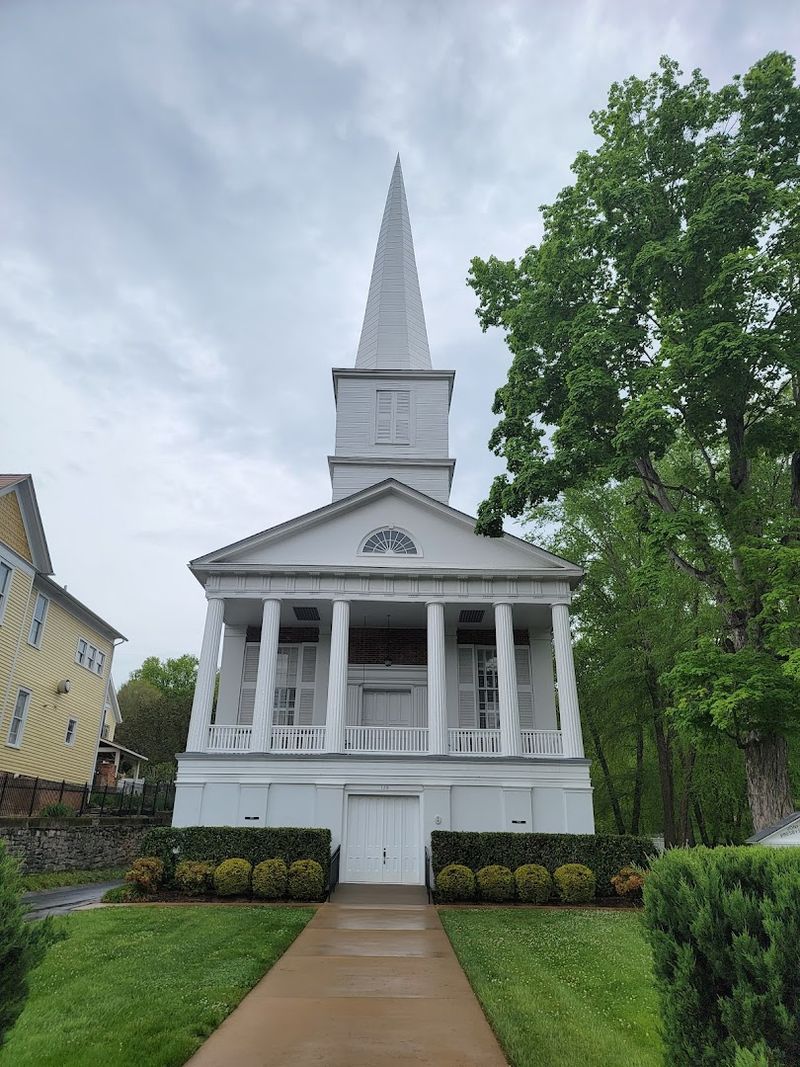
Founded in 1779, Jonesborough holds the title of Tennessee’s oldest town. Walking down Main Street feels like stepping into a vintage postcard with beautifully preserved buildings housing shops, restaurants, and museums.
The town played a key role in the short-lived State of Franklin, an independent government that existed before Tennessee joined the Union.
Historic structures include the 1846 Chester Inn where three presidents stayed, and the 1913 courthouse with its distinctive clock tower. Many buildings display plaques explaining their histories and famous visitors.
Small-town charm combines with genuine historical significance in ways bigger cities can’t replicate. You’ll find friendly locals happy to share stories about their ancient town.
The International Storytelling Center makes Jonesborough famous for preserving oral traditions. Annual storytelling festivals draw performers and audiences from worldwide to celebrate narrative arts.
Antique shops sell treasures from bygone eras. The town’s commitment to preservation means modern chain stores stay away, maintaining authentic character.
Walking tours led by costumed guides bring frontier days and Victorian elegance back to life.
12. Stones River National Battlefield
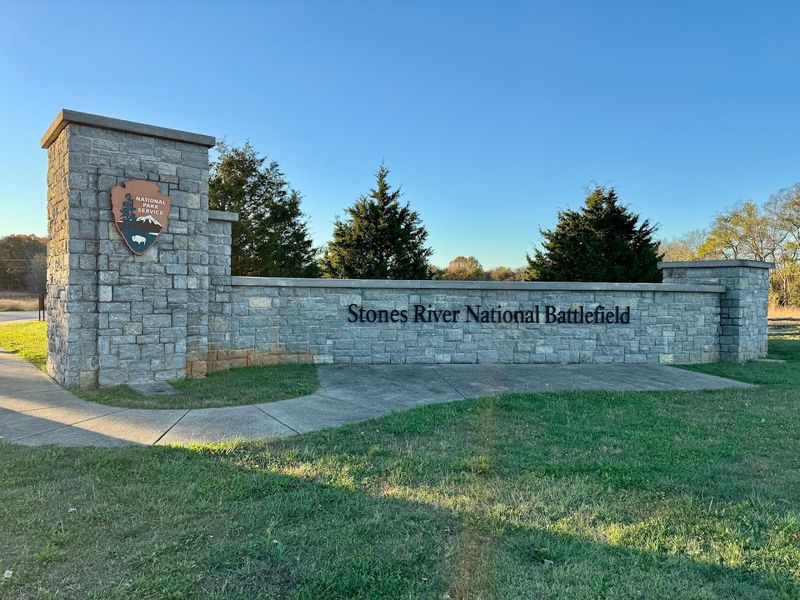
Freezing rain fell on December 31, 1862, as Union and Confederate armies collided near Murfreesboro. The three-day Battle of Stones River resulted in over 23,000 casualties, making it one of the war’s bloodiest fights.
Both sides claimed victory, though Union forces eventually held the field. President Lincoln said the battle gave the nation hope during a dark time when Union armies were losing most major engagements.
Eight miles of trails cross the battlefield where you can follow the action hour by hour. Monuments mark where specific regiments fought and fell.
The Hazen Brigade Monument, erected in 1863, is the oldest surviving Civil War memorial. Original earthworks and artillery positions remain visible across the landscape.
Imagine the terror of soldiers charging across these open fields into enemy fire.
The national cemetery contains graves of Union soldiers and veterans from later wars. A massive stone marks the mass grave of Confederate soldiers.
The visitor center features a powerful film and exhibits explaining the battle’s strategic importance.
Ranger programs help modern visitors understand 19th-century warfare’s brutal reality.
13. The Parthenon
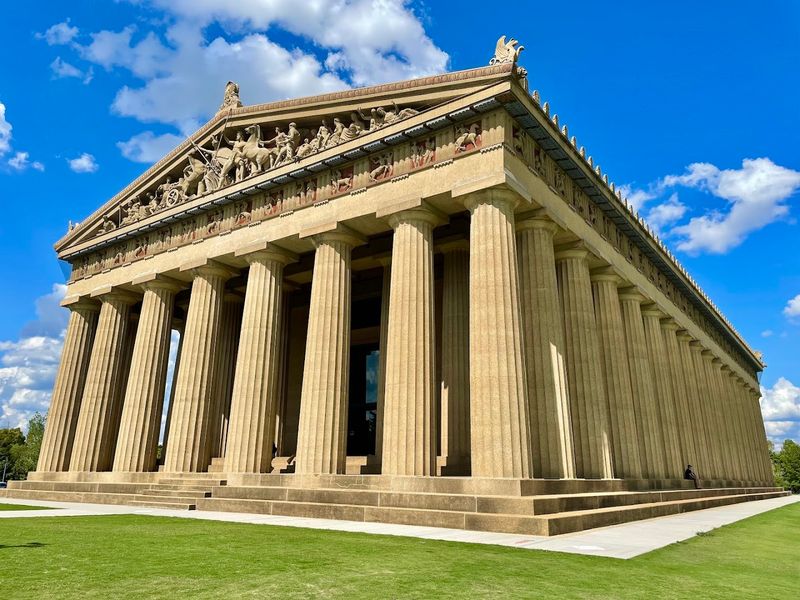
Yes, Nashville really built a full-scale replica of ancient Athens’ Parthenon! Constructed for Tennessee’s 1897 Centennial Exposition, this architectural wonder celebrates Nashville’s nickname as the “Athens of the South.” The original temporary structure proved so popular that the city rebuilt it permanently in concrete during the 1920s.
It remains the world’s only full-size reproduction of the Greek masterpiece.
Inside stands a 42-foot statue of Athena Parthenos covered in gold leaf, recreating the ancient sculpture that once graced the original Parthenon. The goddess towers over visitors in breathtaking splendor.
Her details match scholarly research about how the lost ancient statue appeared. Smaller sculptures fill the building, demonstrating Greek artistic excellence.
The basement houses an art museum featuring 19th and 20th century American paintings. But most visitors come to marvel at the architecture itself.
Sixty-three exterior columns support the structure just like in ancient Greece. The building serves as both a monument to classical civilization and a quirky symbol of Tennessee’s cultural aspirations.
It’s wonderfully unexpected in Middle Tennessee!
Share this story