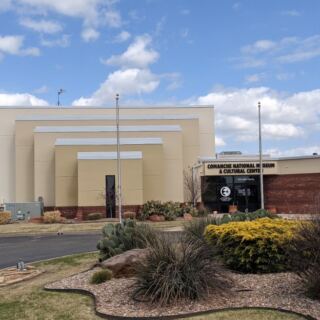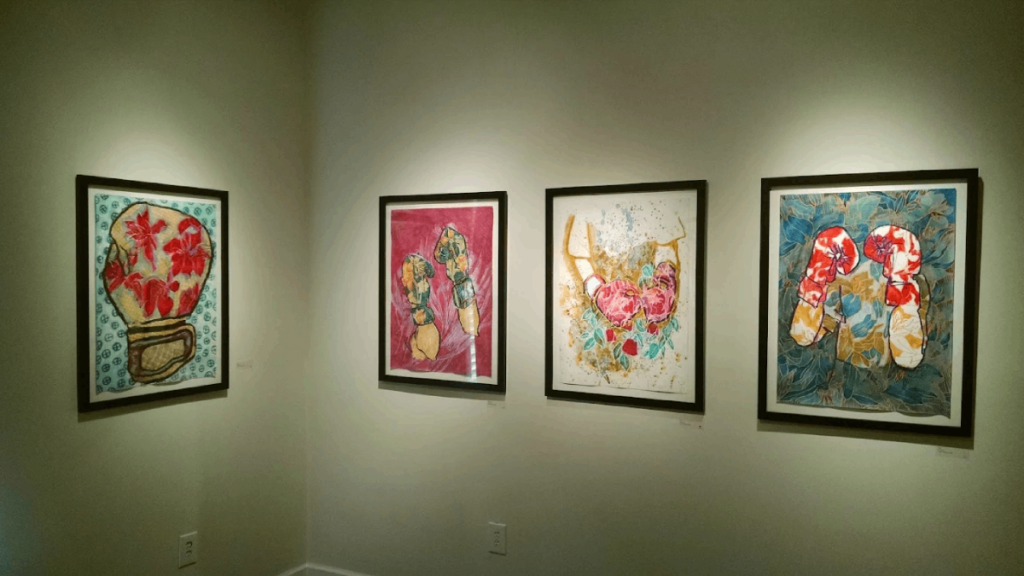
Tennessee has quietly become one of the most exciting places for art lovers in the Southeast. From Nashville’s buzzing gallery scene to historic collections in small college towns, the state offers a surprising variety of visual experiences that rival those in bigger cities.
Whether you’re into modern abstracts, classic American paintings, or works by emerging Southern artists, these galleries prove that Tennessee’s creative energy extends far beyond its famous music scene.
1. Frist Art Museum — Nashville
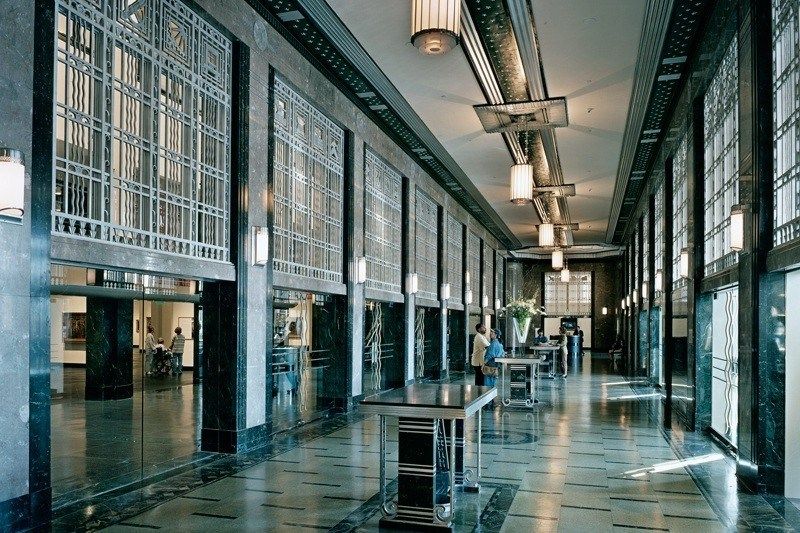
Nashville’s premier art destination sits in a stunning Art Deco building that once served as a post office. The Frist doesn’t maintain a permanent collection, which means every visit brings something completely new. Major exhibitions rotate through regularly, bringing works from world-class museums and private collections you’d normally have to travel across the country to see.
What makes this place special is how it balances serious art with genuine accessibility. The galleries showcase everything from Renaissance masters to cutting-edge contemporary installations. One month, you might explore Impressionist landscapes; the next, you’re walking through an immersive digital art experience that responds to your movements.
Families absolutely love the Martin ArtQuest Gallery, an interactive space where kids and adults can experiment with different artistic techniques. You can try printmaking, create digital animations, or mess around with light and shadow. It’s hands-on learning that doesn’t feel like a museum education program—it’s actually fun.
The building itself deserves attention. Those soaring ceilings and elegant proportions remind you that even functional spaces can be works of art. The cafe offers decent food if you need a break, and the gift shop stocks items that go beyond typical museum merchandise.
Admission prices are reasonable considering the quality of exhibitions, and they offer free community days throughout the year. The Frist has become a genuine gathering place for Nashville, proving that a city known for honky-tonks and hot chicken can also support a thriving visual arts scene.
2. Griffin Art Gallery — Jonesborough
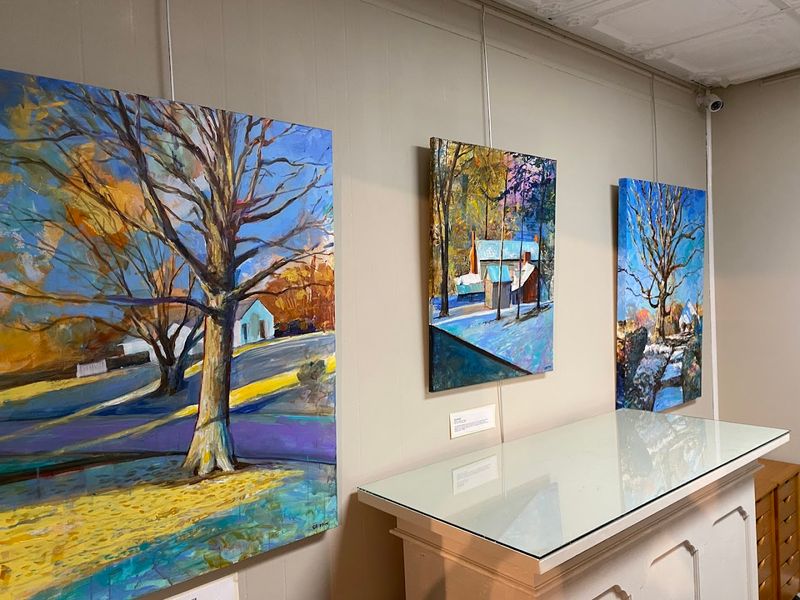
Tucked away in Tennessee’s oldest town, this gallery operates on a completely different wavelength from the big-city museum experience. Jonesborough itself feels like stepping back in time, with brick sidewalks and buildings that have stood since the 1700s. The Griffin fits perfectly into this historic setting while showcasing decidedly contemporary work.
Walking through these rooms, you’ll find pieces that reflect both traditional Appalachian influences and modern artistic sensibilities. The gallery represents regional artists who deserve wider recognition, folks creating work that speaks to the mountain culture without falling into stereotypical crafts. Paintings, sculptures, and mixed media pieces rotate regularly, so return visits always reveal something unexpected.
The scale here is intimate in the best possible way. You can actually have conversations with gallery staff who know the artists personally and can share stories about creative processes and inspirations. That personal connection transforms how you see the work—suddenly you’re not just looking at a painting, you’re understanding the person and place behind it.
Jonesborough’s status as the storytelling capital of America adds another layer to the experience. Many pieces carry narrative elements that complement the town’s oral tradition heritage. You might see landscapes that tell stories about changing rural communities or portraits that capture the dignity of working people.
Visiting requires a bit of planning since Jonesborough isn’t a major tourist hub, but that’s part of the charm. You can explore the gallery, grab lunch at a local cafe, and wander the historic district all in one afternoon.
3. Fisk University Galleries — Nashville
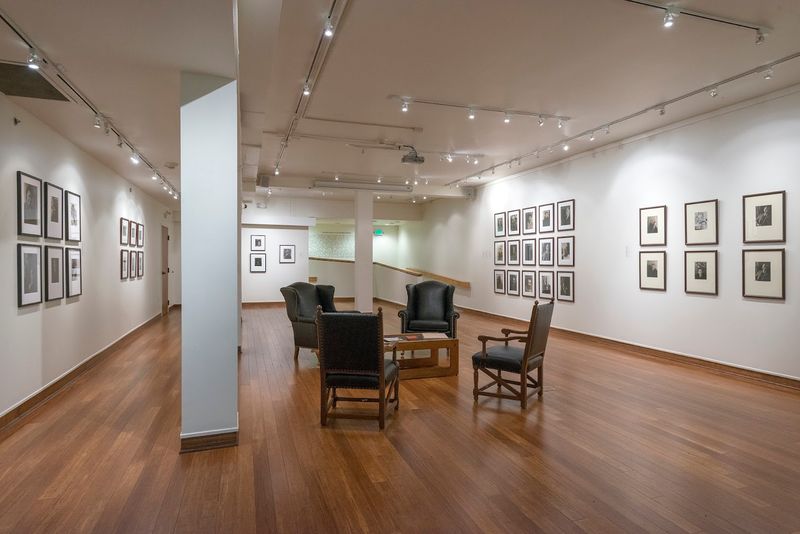
Art and history intersect powerfully on this historically Black university campus. Fisk has been collecting significant artworks since the 19th century, building a collection that would make many larger institutions jealous. The university operates multiple gallery spaces, each offering distinct experiences that connect visual art to broader stories about American culture and civil rights.
The Carl Van Vechten Gallery houses the Alfred Stieglitz Collection, an astonishing gift that includes works by Georgia O’Keeffe, Pablo Picasso, Paul Cezanne, and other modernist giants. This alone makes Fisk a destination—seeing these masterpieces in an intimate university setting rather than a massive museum creates unexpected intimacy. You’re standing feet away from paintings that shaped 20th-century art.
Aaron Douglas murals represent another treasure. Douglas, often called the father of African American arts, created powerful works that blend African imagery with modernist techniques. His murals depicting Black history and experience remain visually stunning and emotionally resonant decades after their creation.
The Aaron Douglas Gallery provides context about his influence on the Harlem Renaissance and beyond.
Campus visits require some advance planning since access can vary with academic schedules. Call ahead or check the website before making the trip. That small inconvenience is worth it for the privilege of experiencing these collections in their intended educational context.
Walking these galleries, you feel the weight of history and the ongoing commitment to preserving Black artistic heritage. Fisk’s collections tell stories that mainstream museums often overlook or marginalize.
4. Gallery 48 — Columbia
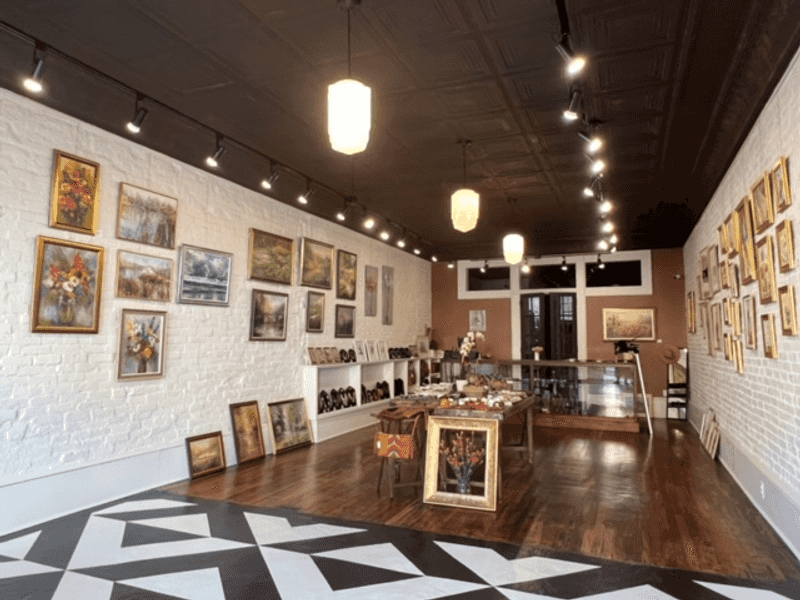
Columbia might not immediately come to mind when thinking about Tennessee art destinations, but that’s exactly why Gallery 48 matters. Positioned about 45 minutes south of Nashville, this space proves that compelling contemporary art doesn’t require a major metropolitan setting. The gallery name references its location on South Main Street, right in Columbia’s walkable historic downtown.
Gallery 48 focuses on contemporary work that balances aesthetic appeal with conceptual depth. You won’t find dusty landscapes or predictable tourist art here. Instead, expect bold abstracts, thoughtful figurative work, and pieces that make you stop and really look.
What’s refreshing is the lack of pretension. Gallery spaces can sometimes feel intimidating, like you need an art history degree to appreciate what’s on the walls. Gallery 48 welcomes everyone, from serious collectors to curious folks who just wandered in from the sidewalk.
Columbia itself deserves exploration while you’re visiting. The town has worked hard to revitalize its downtown, and Gallery 48 is part of that creative renaissance. Antique shops, local restaurants, and other small businesses create a pleasant afternoon destination.
You can make a day of it rather than just popping in for a quick gallery visit.
The gallery also hosts openings and special events that bring the community together. These receptions let you meet artists, mingle with other art enthusiasts, and see how a small-town gallery functions as a cultural anchor. It’s a reminder that thriving art scenes can exist anywhere people care enough to create them.
5. Tinney Contemporary — Nashville
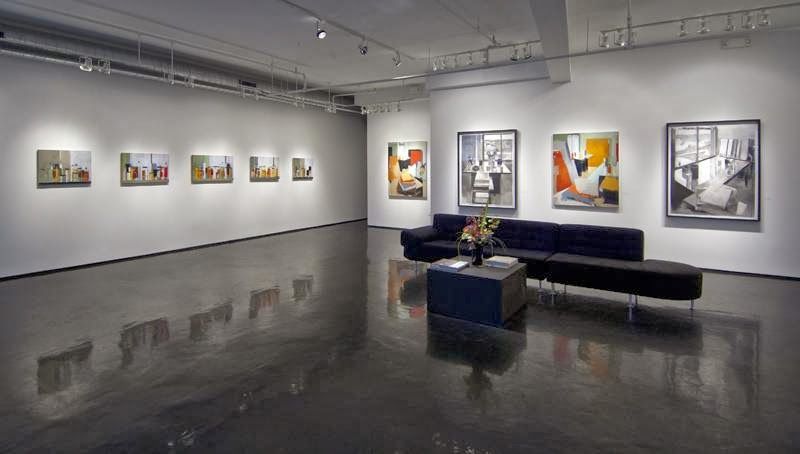
Sleek, professional, and unapologetically contemporary, Tinney Contemporary has established itself as a serious player in Nashville’s growing art market. The gallery occupies a prime downtown location, making it easily accessible for both locals and visitors exploring the city. Walking in, you immediately sense the commitment to quality—this isn’t a hobby gallery but a sophisticated operation representing artists at various career stages.
The roster includes local Tennessee artists alongside regional, national, and international names. This mix creates exhibitions that connect Nashville to broader contemporary art conversations while still maintaining Southern roots. You might see minimalist abstractions next to figurative paintings that reference Appalachian landscapes, all coexisting in thoughtful dialogue.
Tinney Contemporary specializes in modern and contemporary works, which means the aesthetic leans toward clean lines, bold colors, and conceptual approaches. If your taste runs toward traditional realism, this might not be your spot. But if you appreciate work that challenges expectations and pushes boundaries, you’ll find plenty to engage with here.
The gallery actively participates in art fairs and maintains relationships with collectors, which elevates the overall professionalism. Prices reflect serious market positioning—these aren’t impulse purchases for most visitors. However, browsing costs nothing, and seeing high-quality contemporary art in person, rather than online, offers valuable education about current trends and techniques.
Staff knowledge runs deep. They can discuss individual artists’ practices, explain conceptual frameworks, and help collectors navigate acquisitions. Even if you’re not buying, conversations here can deepen your understanding of contemporary art’s directions and debates.
6. Modfellows Art Gallery — Nashville
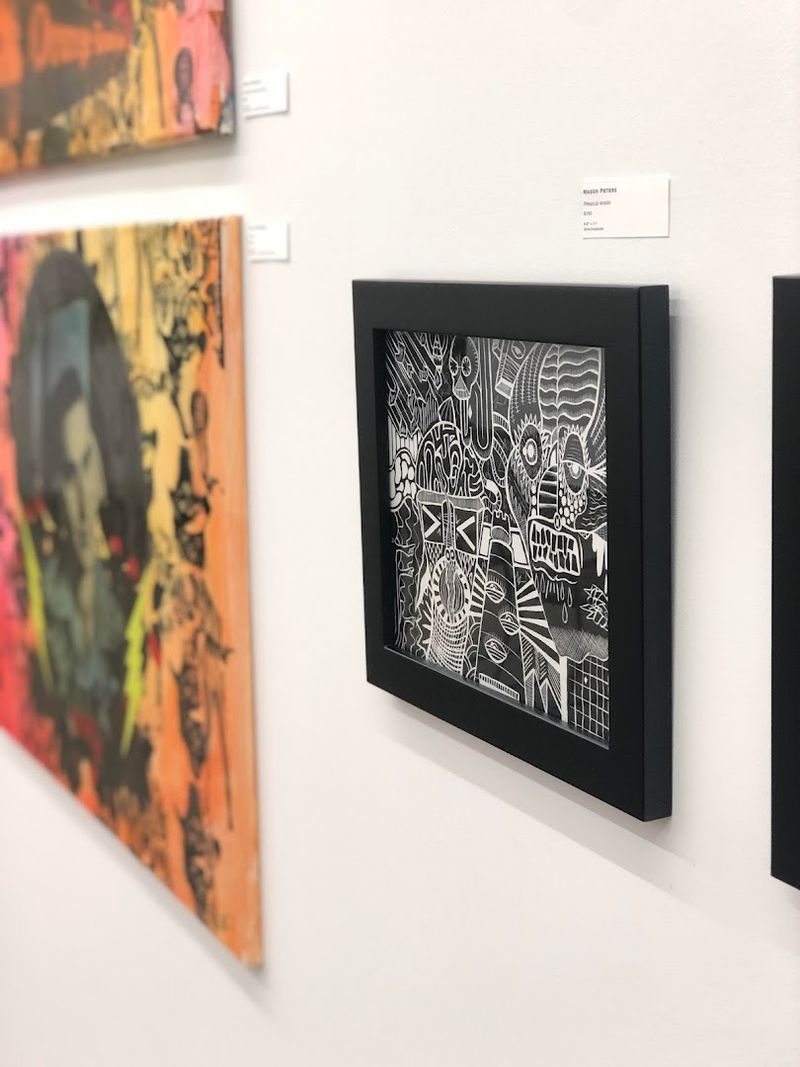
Modfellows operates with a distinct philosophy: contemporary art should be approachable without sacrificing sophistication. The gallery has carved out a niche representing both emerging talents and established names, creating a roster that appeals to serious collectors while remaining welcoming to newcomers. It’s collector-friendly but never stuffy, a balance that’s harder to achieve than it sounds.
The space itself reflects contemporary sensibilities with clean lines and careful lighting that lets the artwork breathe. Exhibitions rotate regularly, showcasing painting, sculpture, photography, and mixed media. Modfellows doesn’t lock into a single aesthetic, which keeps visits fresh and occasionally surprising.
One month might feature moody abstract landscapes, the next bold graphic works that pop off the walls.
What distinguishes Modfellows is the curatorial eye. Someone here clearly understands how to build exhibitions that flow, where individual pieces complement each other without becoming repetitive. Walking through feels intentional, like you’re experiencing a carefully constructed visual argument rather than just a collection of nice things on walls.
The gallery has built relationships with artists whose careers are ascending. Getting in early on emerging talent offers both the satisfaction of discovery and potential investment value. Modfellows helps navigate that process, offering guidance about artists’ trajectories and market positioning without high-pressure sales tactics.
Nashville’s gallery scene has matured significantly in recent years, and Modfellows represents that evolution. The city now supports multiple serious contemporary galleries, creating an ecosystem where artists, collectors, and casual appreciators can all find their place. This particular gallery sits comfortably in that middle zone—serious enough for collectors, accessible enough for everyone else.
Located in an area with other galleries and creative businesses, Modfellows works well as part of a larger art-focused outing. You can hit multiple spaces in one afternoon, comparing approaches and discovering which aesthetic speaks to you.
7. David Lusk Gallery — Nashville
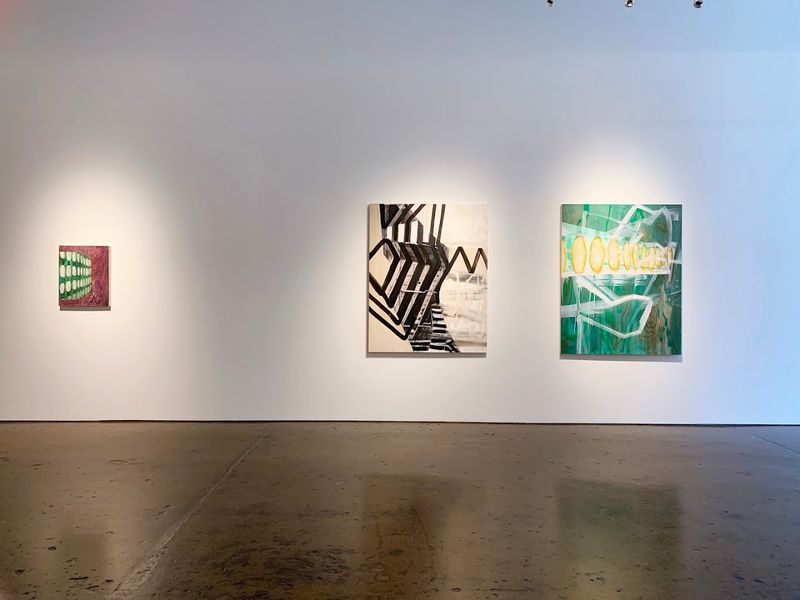
Longevity means something in the gallery world. David Lusk Gallery has been operating since 1995, which represents genuine staying power in an industry where many spaces come and go. With locations in both Memphis and Nashville, the gallery has become a Tennessee institution, representing artists whose work spans traditional fine art and contemporary practice.
The Nashville space maintains a polished professionalism that reflects decades of experience. Exhibitions showcase painting, sculpture, and works on paper by artists with substantial resumes—these are folks who’ve shown nationally, received grants and residencies, and built serious bodies of work. The quality bar sits consistently high.
What you won’t find here is trendy work that chases whatever’s hot on social media. David Lusk Gallery focuses on artists with sustained practices, people who’ve been developing their vision for years or decades. This creates exhibitions with depth and substance, where you’re seeing the result of genuine artistic evolution rather than quick style experiments.
The gallery represents both Southern artists and makers from across the country, creating dialogue between regional and national contemporary art scenes. Some pieces clearly reference Tennessee landscapes and culture, while others could exist anywhere.
Prices reflect the gallery’s positioning and the artists’ career levels. This isn’t where you’ll find affordable first purchases, but serious collectors appreciate the vetted roster and professional operation. The gallery handles everything from initial viewing through installation, making the acquisition process smooth for those ready to invest.
David Lusk Gallery’s sustained presence has helped legitimize Nashville and Memphis as art markets worth national attention. By consistently representing strong artists and maintaining high standards, the gallery has contributed to Tennessee’s growing reputation as a place where visual arts thrive.
8. Memphis Brooks Museum of Art — Memphis
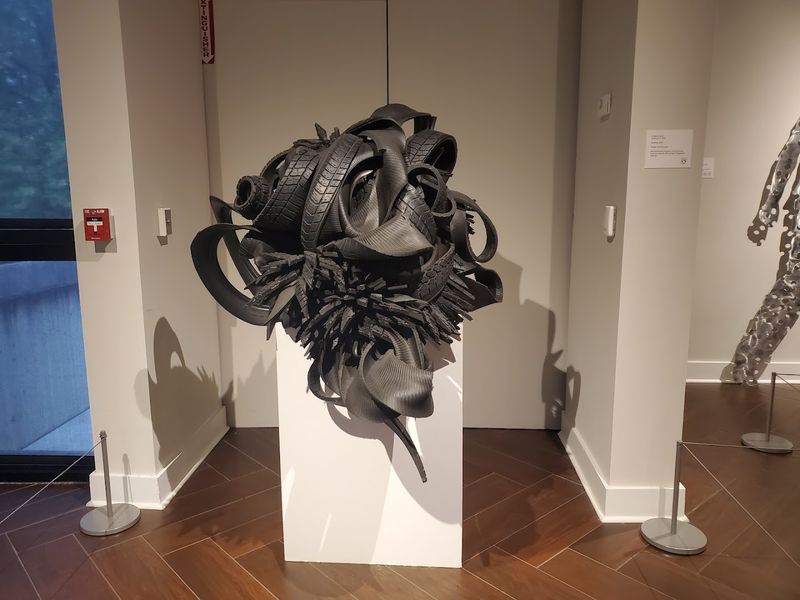
Memphis Brooks holds the distinction of being Tennessee’s oldest and largest art museum, a heavyweight institution that’s shaped the state’s cultural landscape since 1916. The collection spans centuries and continents, offering everything from Renaissance paintings to contemporary installations. It’s the kind of encyclopedic museum where you could visit monthly and still discover something new.
The permanent collection deserves serious time. Italian Renaissance works, Impressionist paintings, American art from colonial times through today—the breadth is genuinely impressive for a regional museum. Memphis Brooks has built these holdings over more than a century, through gifts, purchases, and bequests that reflect the community’s commitment to preserving visual culture.
Changing exhibitions bring fresh perspectives and major loans from other institutions. The museum participates in traveling shows that might otherwise skip Tennessee entirely, making it possible to see important works without flying to New York or Los Angeles. Recent years have seen increased focus on contemporary art and diverse voices, expanding beyond the traditional Western canon.
Community programs extend the museum’s reach beyond its galleries. Educational initiatives, artist talks, family days, and special events make Memphis Brooks a genuine gathering place rather than just a repository for old paintings. The museum understands its role as a community resource, not an ivory tower.
Located in Overton Park, the museum benefits from beautiful surroundings. You can combine your visit with a walk through the park or trips to nearby attractions. However, it’s worth noting that Memphis Brooks is planning a major move to a new downtown location, which will transform how the museum functions and appears.
Check the current status before visiting.
9. Hunter Museum of American Art — Chattanooga
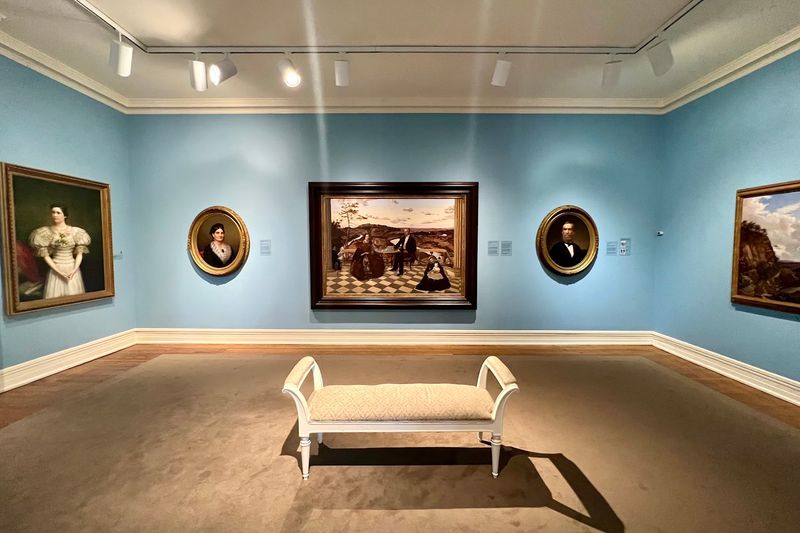
Perched on a bluff above the Tennessee River, Hunter Museum enjoys one of the most spectacular settings of any art institution in America. The location alone makes it memorable—floor-to-ceiling windows frame river and mountain views that compete with the artworks for your attention. The building itself combines a historic mansion with bold contemporary additions, creating architectural drama that mirrors the collection’s range.
Nearly 3,000 works trace American art from the Colonial period through today. This isn’t a collection that tries to be everything to everyone—it focuses specifically on American artists and movements, telling the story of how visual culture developed in this country. You’ll see Hudson River School landscapes, American Impressionism, Modernist experiments, and cutting-edge contemporary work, all connected by their American origins.
The chronological arrangement helps visitors understand artistic evolution. Start with 18th-century portraits and work your way forward through changing styles and concerns. By the time you reach contemporary galleries, you’ve experienced the full arc of American art history.
It’s an education that happens almost by accident while you’re just enjoying beautiful objects.
Contemporary galleries showcase living artists pushing boundaries and questioning assumptions. Hunter Museum doesn’t just preserve the past—it actively engages with current artistic production. Temporary exhibitions bring in works and ideas that keep the museum feeling vital and connected to ongoing creative conversations.
Chattanooga has invested heavily in its riverfront and downtown, and Hunter Museum anchors that cultural district. You can easily combine your visit with the Tennessee Aquarium, outdoor activities, and the revitalized downtown dining scene. The city has become a genuine destination, and the museum plays a central role in that transformation.
It’s a rare museum that successfully serves multiple audiences without compromising quality or vision.
10. Knoxville Museum of Art — Knoxville
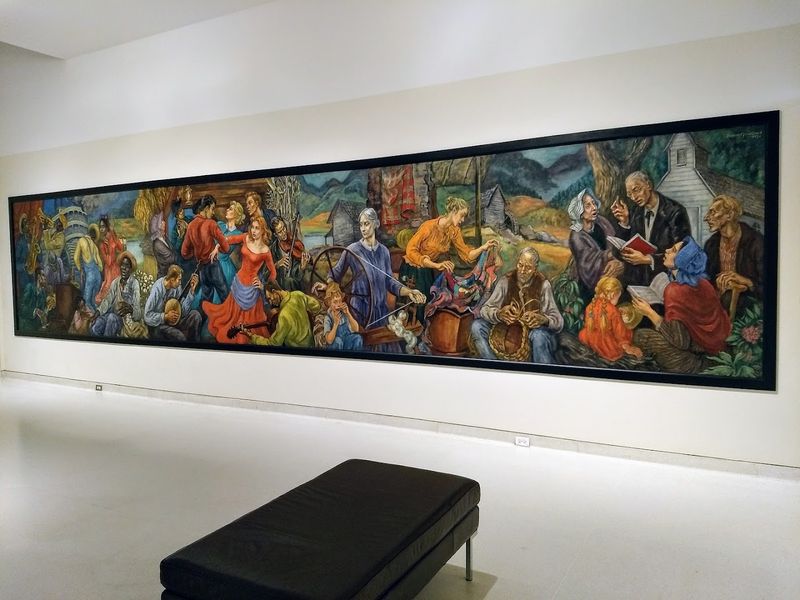
Free admission removes a significant barrier that keeps many people from exploring art museums regularly. Knoxville Museum of Art has maintained this policy for years, demonstrating commitment to access and community engagement. You can visit weekly without worrying about ticket costs, which transforms how you interact with the space—it becomes a genuine community resource rather than an occasional special outing.
The museum focuses on East Tennessee artists and broader regional work, creating a collection that reflects Appalachian culture and contemporary Southern art. Exhibitions like “Higher Ground” and “Currents: Contemporary Art from East Tennessee and Beyond” showcase artists working in the region, many of whom deserve wider recognition.
Seeing regional artists get major museum exhibitions validates the creative energy that’s always existed in East Tennessee but hasn’t always received proper attention.
The building itself is worth appreciating—clean lines, abundant natural light, and spaces that let art breathe without overwhelming it. A sculpture garden extends the museum outdoors, connecting art to Knoxville’s mountain landscape. On nice days, this outdoor space becomes particularly appealing.
Educational programming serves all ages, from toddler art classes to adult lectures and workshops. The museum functions as a genuine community center where people gather for creative experiences beyond just viewing exhibitions. This broader mission makes KMA essential to Knoxville’s cultural ecosystem.
East Tennessee’s creative community has deep roots that don’t always get national attention. Knoxville Museum of Art works to change that, preserving regional artistic heritage while supporting contemporary makers. The free admission policy means anyone can participate in that mission, regardless of economic circumstances.
11. Townsend Artisan Gallery — Townsend
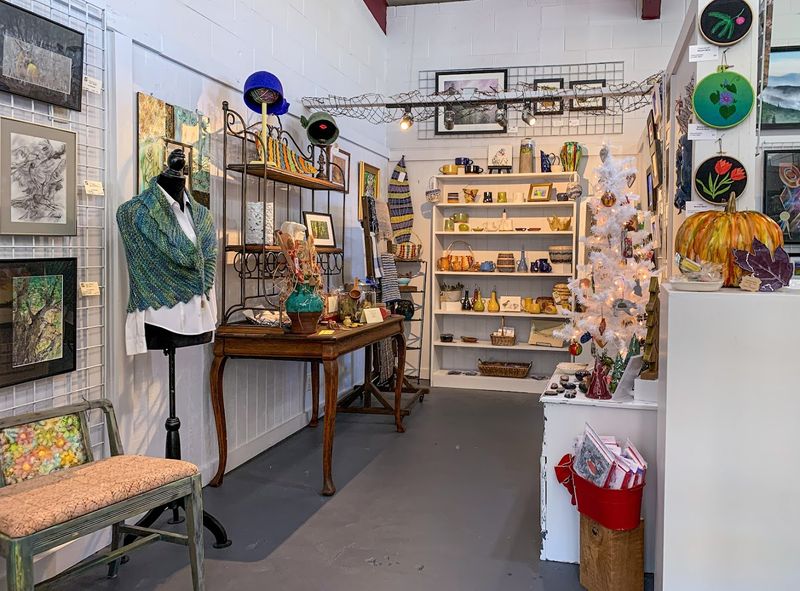
Gateway communities to Great Smoky Mountains National Park often specialize in tourist kitsch—the same mass-produced “crafts” you’ll find at every mountain destination. Townsend Artisan Gallery offers something genuinely different: authentic work by regional artists and craftspeople who take their practice seriously. It’s the distinction between actual art and souvenir shop merchandise, and once you know the difference, you can’t unsee it.
Located in the “Peaceful Side of the Smokies,” Townsend itself attracts visitors looking to avoid Gatlinburg’s crowds and commercialism. The artisan gallery fits perfectly into this quieter, more authentic mountain town vibe. Walking in, you’ll find pottery, paintings, woodwork, jewelry, and textiles that reflect genuine Appalachian creative traditions rather than cartoon versions of mountain culture.
Many represented artists live and work in the surrounding area, drawing inspiration from the landscape and cultural heritage that surrounds them. Their work often incorporates traditional techniques passed down through generations, updated with contemporary sensibilities. A potter might use local clay and wood-firing methods while creating forms that feel decidedly modern.
A painter captures mountain landscapes without falling into cliched sunset-and-barn territory.
Prices vary widely depending on the piece and artist, but you’ll find options at multiple price points. Small items make perfect gifts or personal souvenirs that actually mean something beyond “I went to Tennessee.” Larger investment pieces reward serious collectors willing to seek out regional talent before wider markets discover them.
The gallery staff typically know the artists personally and can share stories about creative processes and inspirations. This connection adds depth to what you’re seeing—suddenly you understand not just what something is, but why and how it came to exist.
After hiking waterfalls and mountain trails, stopping here grounds you in the human creativity that mountain landscapes inspire. It’s a reminder that Appalachia’s cultural wealth extends far beyond natural beauty into artistic traditions that deserve recognition and support.
12. Gallery 202 — Franklin
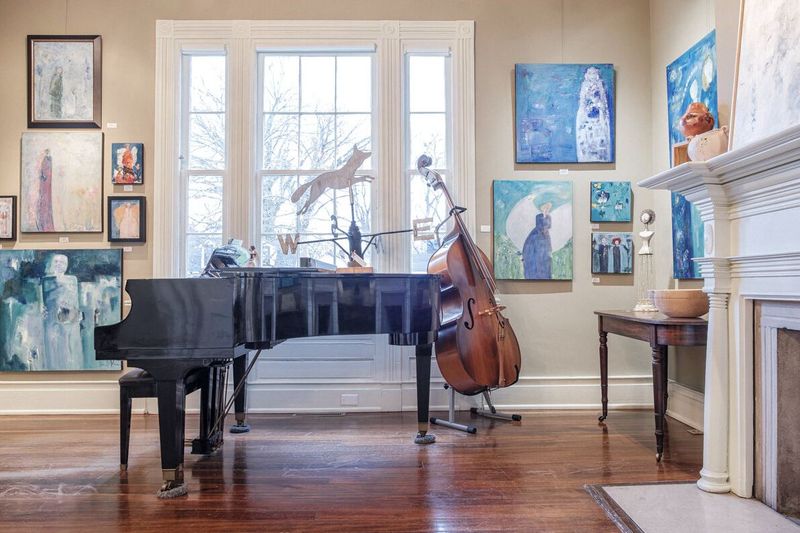
Franklin’s historic downtown has become one of Middle Tennessee’s most popular destinations, drawing crowds for shopping, dining, and Civil War history. Gallery 202 adds visual arts to that mix, occupying prime real estate among the antique stores and boutiques that line Main Street. The location means you’ll catch visitors who might not specifically seek out galleries but discover art while exploring the town.
The gallery showcases fine art with broad appeal—paintings, sculptures, and works on paper that balance aesthetic beauty with artistic merit. This isn’t a place pushing challenging conceptual work or avant-garde experiments. Instead, expect well-executed representational and abstract pieces that most viewers can immediately appreciate.
Franklin attracts affluent residents and visitors, and Gallery 202 serves that market with work at various price points. Some pieces represent significant investments, while smaller works offer entry points for newer collectors. The gallery understands its audience and stocks accordingly, creating a welcoming environment whether you’re browsing or buying.
Multiple artists are represented, creating variety in style and subject matter. One wall might feature colorful abstracts while another displays realistic landscapes or figurative work. This range ensures most visitors find something that speaks to their personal taste.
Gallery 202 doesn’t impose a single aesthetic vision but rather offers choices.
The staff balances professionalism with Southern hospitality, making newcomers feel comfortable while providing expertise to serious collectors. They’ll discuss artists and techniques without pressuring anyone toward purchases. That relaxed approach suits Franklin’s overall vibe—upscale but not pretentious, welcoming but not unsophisticated.
Visiting works well as part of a larger Franklin outing. You can tour historic sites, grab lunch at one of the excellent restaurants, browse shops, and pop into Gallery 202 when you need a break from the crowds. The downtown’s walkability makes it easy to include art appreciation in a day of varied activities.
13. Julia Martin Gallery — Nashville
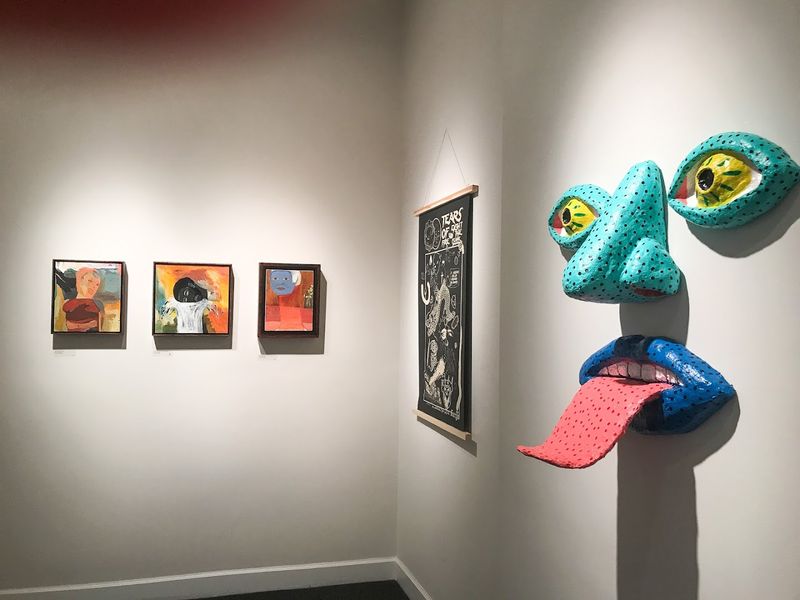
Nashville’s gallery scene keeps expanding, with new spaces opening as the city’s arts infrastructure matures. Julia Martin Gallery has established itself as a destination for contemporary work that leans colorful, bold, and visually engaging. The aesthetic here skews toward pieces that make immediate impact—work that grabs your attention from across the room and rewards closer inspection.
The artist roster includes both local Nashville makers and artists from elsewhere, creating connections between Tennessee’s creative community and broader contemporary art movements. You might see abstract paintings with vibrant color fields next to mixed-media works incorporating unexpected materials. The common thread is energy—these pieces don’t whisper, they speak with confidence.
Julia Martin Gallery appeals to collectors looking for statement pieces that transform spaces. These are works that become focal points in homes or offices, commanding attention and sparking conversation. If your taste runs toward subtle neutrals and quiet contemplation, this might not be your gallery.
But if you appreciate art that brings joy and visual excitement, you’ll find plenty to love.
The gallery participates actively in Nashville’s art community, hosting openings and events that bring people together. These gatherings offer chances to meet artists, discuss work with other enthusiasts, and experience the social dimension of gallery culture. Art viewing becomes a communal activity rather than solitary museum wandering.
Pricing reflects the contemporary art market—these aren’t impulse purchases for most people, but neither are they completely out of reach for collectors willing to invest. The gallery works with buyers to make acquisitions possible, understanding that building a collection happens over time rather than all at once.
Located in an area with other creative businesses and galleries, Julia Martin Gallery contributes to Nashville’s developing arts district. The city has worked to create neighborhoods where visual arts can thrive alongside music venues and other cultural attractions. This particular gallery represents that broader vision—Nashville as a place where multiple creative disciplines coexist and support each other.
Share this story