Tennessee holds onto its farming roots in special places scattered across the state, where history isn’t locked behind glass cases but lived out daily. These working farms and historic homesteads let you step back in time to see how Tennesseans grew their food, raised their families, and built communities long before modern conveniences arrived.
From Appalachian mountain homesteads to pioneer settlements and Civil War-era plantations, each site offers a genuine glimpse into the grit, ingenuity, and rhythms of rural life that shaped the Volunteer State.
1. Homeplace 1850s Working Farm — Dover
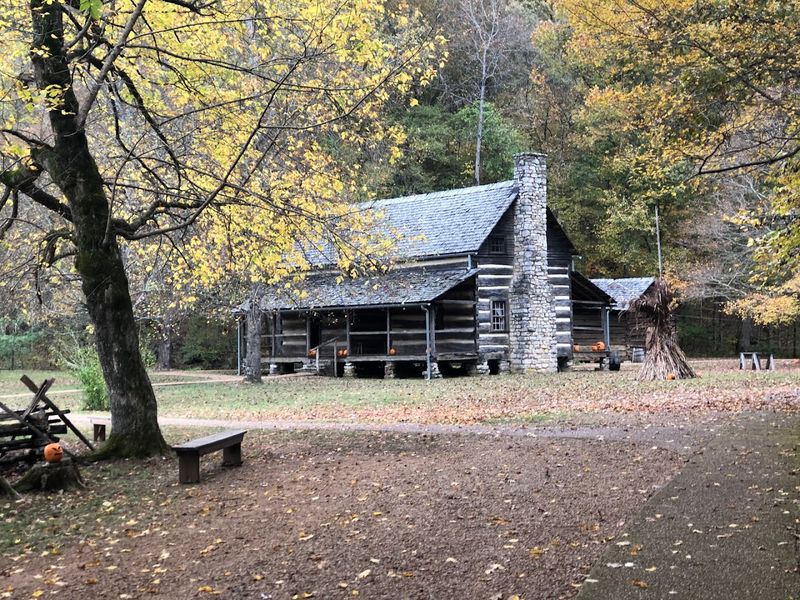
Walking onto this Dover farm feels like crossing an invisible line straight into the 1850s. Costumed interpreters don’t just stand around—they’re out there plowing fields with mules, tending heirloom crops, and cooking over open hearths the way Tennessee farm families did before the Civil War changed everything. The smells alone tell the story: woodsmoke, fresh-turned earth, and animals in the barn.
Kids get a kick out of seeing how much work went into everyday survival back then. No running to the grocery store for dinner—families grew, harvested, preserved, and cooked everything themselves. The interpreters explain it all in plain language, showing how each season brought different chores and challenges.
Spring planting, summer weeding, fall harvest, winter repairs—the cycle never stopped.
The buildings themselves are authentic period structures, from the log cabin with its sleeping loft to the smokehouses and barns that kept families fed through long winters. You’ll see heritage breed animals that look different from modern livestock because they haven’t been bred for industrial farming. These are the tough, versatile breeds pioneer families depended on.
What makes this place special is how it connects the dots between hard work and survival. Every tool, every technique, every daily routine had a purpose. Nothing was wasted.
Families relied on each other and their neighbors because one bad crop or harsh winter could mean real trouble. The farm sits within Land Between the Lakes National Recreation Area, so you can easily make a full day of exploring both the historic site and the beautiful surrounding landscape. It’s living history that doesn’t feel stuffy or boring—just real.
2. Sadie Ford Heritage Farm — Lebanon
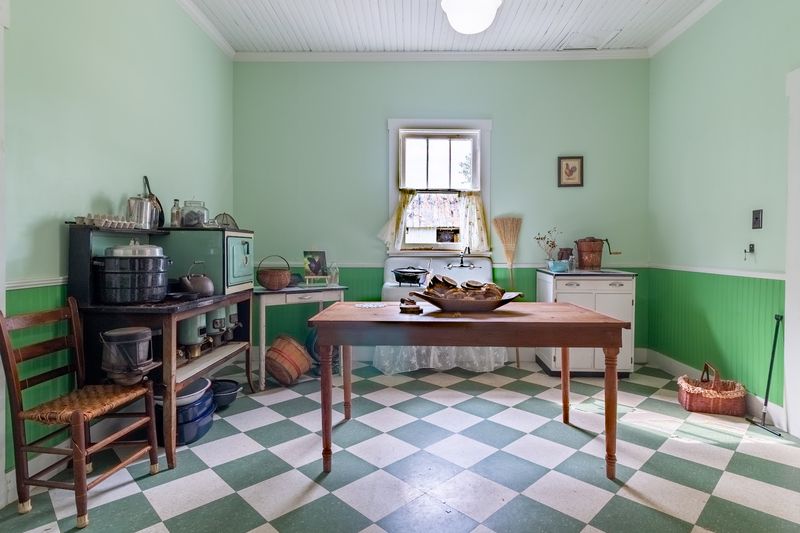
Tucked inside Cedars of Lebanon State Park, this preserved farmstead captures Tennessee farm life during the 1920s and 1930s, when the Great Depression tested rural families in ways most of us can’t imagine. The Sadie Ford Heritage Farm shows how families made do with what they had, fixing things until they couldn’t be fixed anymore, growing and canning food to stretch through lean times, and finding joy in simple pleasures.
The farmhouse tour reveals everyday details that bring the era to life—the kitchen setup, the sleeping arrangements, the way rooms served multiple purposes because space was precious. No wasted square footage here. Each room tells stories about how families organized their lives around work, weather, and the seasons.
The guides share anecdotes about actual farm families from that period, making it personal rather than just educational.
Outside, the historic outbuildings show the infrastructure needed to run a working farm. Chicken coops, tool sheds, barns—each structure played a vital role in the farm’s productivity. Families couldn’t just call a repairman or order parts online.
They built, maintained, and repaired everything themselves, passing skills down through generations. That self-reliance defined rural Tennessee culture.
The setting itself adds to the experience. Cedars of Lebanon State Park’s distinctive landscape—with its limestone glades and eastern red cedar forests—shaped how people farmed here. The terrain and soil determined what crops would grow, where animals could graze, and how families adapted their farming practices.
It’s a reminder that successful farming meant understanding your specific piece of land intimately. Plan to explore both the farm and the park’s unique natural features for a complete picture of rural Tennessee life during a pivotal era.
3. Tennessee Agricultural Museum — Nashville
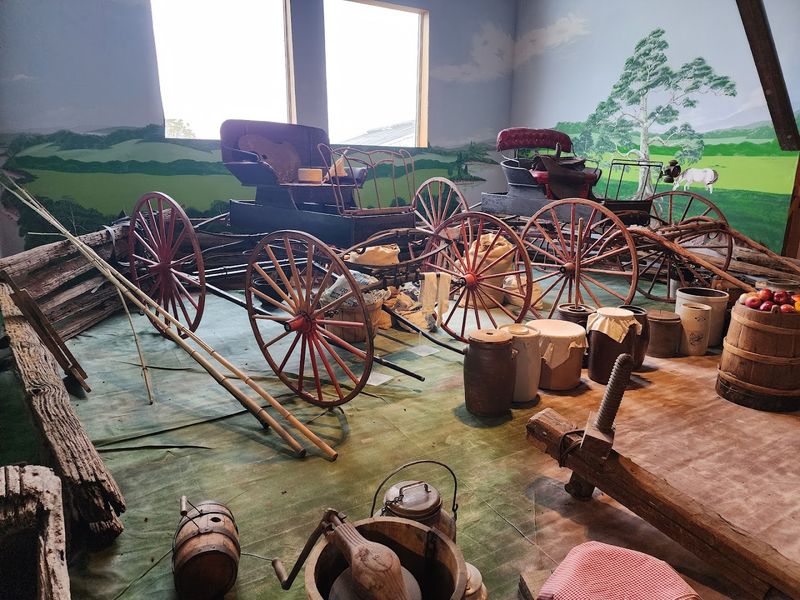
More than 4,000 artifacts fill this Nashville museum, each one representing a piece of Tennessee’s agricultural past. But this isn’t some dusty collection gathering cobwebs—it’s a thoughtfully curated look at how Tennesseans fed themselves and their communities before electricity transformed rural life. The sheer variety of tools, implements, and household items shows how much skill and knowledge farm families needed just to get through each year.
The historic cabins on the grounds demonstrate actual living conditions, not romanticized versions. Small spaces, basic furniture, minimal privacy—that was reality for most rural Tennesseans. Yet these cabins also reveal ingenuity: clever storage solutions, multi-purpose furniture, and layouts designed for efficiency.
Families made these small spaces work because they had no other choice.
The heirloom garden grows varieties of vegetables, herbs, and flowers that Tennessee farmers cultivated generations ago. Many of these plants have been replaced by modern hybrids, but the old varieties often had qualities that made them perfect for Tennessee’s climate and growing conditions. Seeing them growing reminds you that agriculture isn’t just about machinery—it starts with seeds, soil, and knowledge passed down through families.
Exhibits cover everything from cotton cultivation to dairy farming, blacksmithing to food preservation. You realize how specialized knowledge had to be—farmers needed to understand animal husbandry, crop rotation, weather patterns, equipment repair, and a dozen other skills. One bad decision could cost a season’s income.
4. Miller Farmstead — Roan Mountain
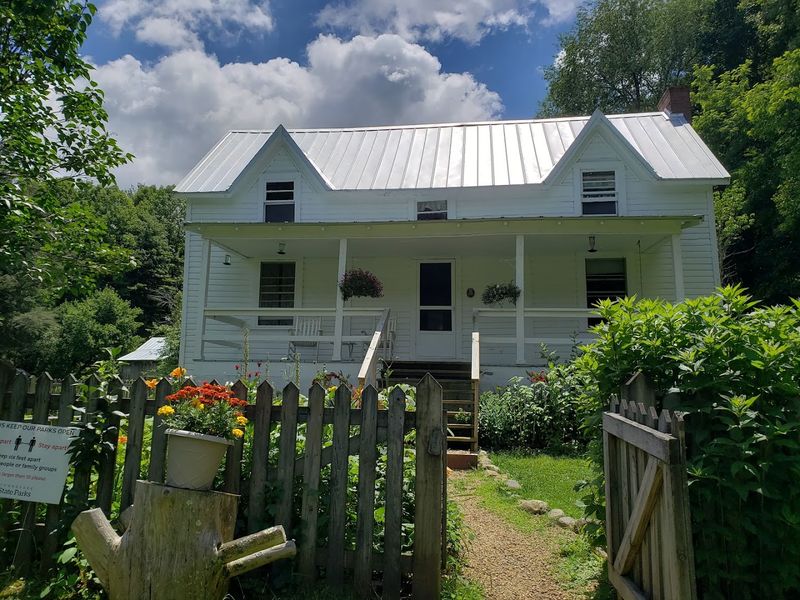
High in the Appalachian Mountains, the Miller Farmstead shows what subsistence farming looked like when families carved out lives in Tennessee’s rugged high country. This wasn’t farming for profit—this was growing enough to survive, raising enough animals to get through winter, and making almost everything by hand because the nearest store might be a day’s journey away.
The farmstead reflects early 20th-century mountain life with remarkable authenticity. Buildings, tools, and the farm layout itself reveal how families adapted to steep terrain, shorter growing seasons, and isolation that could be dangerous during harsh winters. You couldn’t run to a neighbor’s place in five minutes.
Help might be miles away over rough mountain trails. Self-reliance wasn’t a lifestyle choice—it was mandatory.
What strikes visitors is how the farm worked with the landscape rather than against it. Crops were planted where the terrain allowed. Animals grazed where the mountain provided forage. Water sources determined where buildings sat.
The Miller family understood their environment intimately because survival depended on that knowledge. One miscalculation about when the first frost would arrive could wipe out a food supply.
The Roan Mountain location adds dramatic beauty to the historical experience. These high elevations offer stunning views, but they also mean shorter summers, unpredictable weather, and harder physical work. Everything had to be hauled uphill—supplies, building materials, harvest yields heading to market.
The isolation that makes the area peaceful today made life genuinely challenging back then. Yet mountain families like the Millers persevered, developing a distinct culture and way of life that still influences the region. Their farmstead stands as proof of remarkable human adaptability.
5. Museum of Appalachia — Clinton
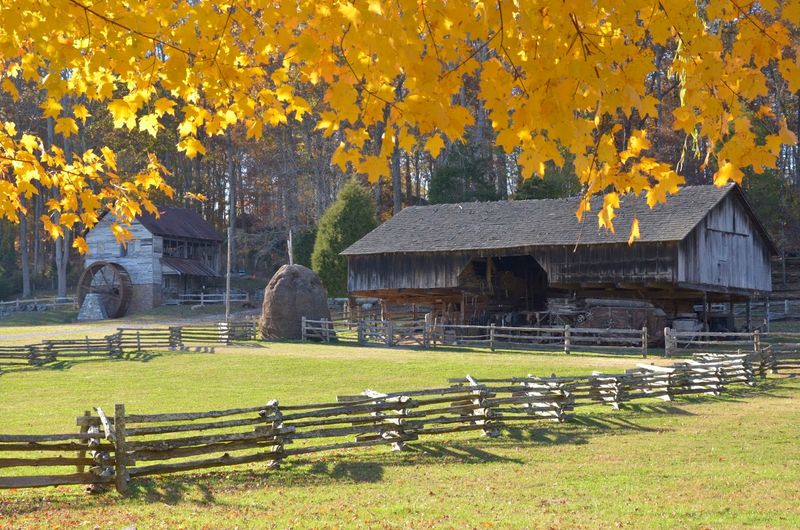
Spread across dozens of acres, this living history museum recreates an entire Appalachian community rather than just one farm. Log cabins, barns, churches, schools, and workshops show how mountain people built complete, self-sufficient communities where neighbors relied on each other for survival and companionship.
Founder John Rice Irwin spent decades collecting buildings and artifacts to preserve a way of life that was rapidly disappearing from the Tennessee mountains.
The sheer scope impresses immediately—this isn’t a small exhibit. You wander through an actual village layout, seeing how different buildings and functions are connected. The blacksmith shop near the barn.
The schoolhouse within walking distance of most cabins. The church as the community’s social and spiritual center. Each building placement tells you something about how these communities organized themselves around practical needs and shared values.
Farm animals roam the grounds, not as decorations but as working parts of the living history experience. Chickens, goats, mules—these animals were essential to Appalachian farm life. They provided food, labor, transportation, and income.
The museum’s gardens grow heirloom varieties that mountain families depended on, demonstrating how people ate seasonally because they had no choice. What you could grow or preserve determined what you ate all year.
The artifact collection numbers in the thousands, from farm tools to musical instruments to household items. Each piece represents someone’s daily life, their work, their few possessions. You see the worn handles on tools, the patches on quilts, the repairs on furniture—evidence of people using things until they absolutely couldn’t be used anymore.
6. Sgt. Alvin C. York Farm — Pall Mall
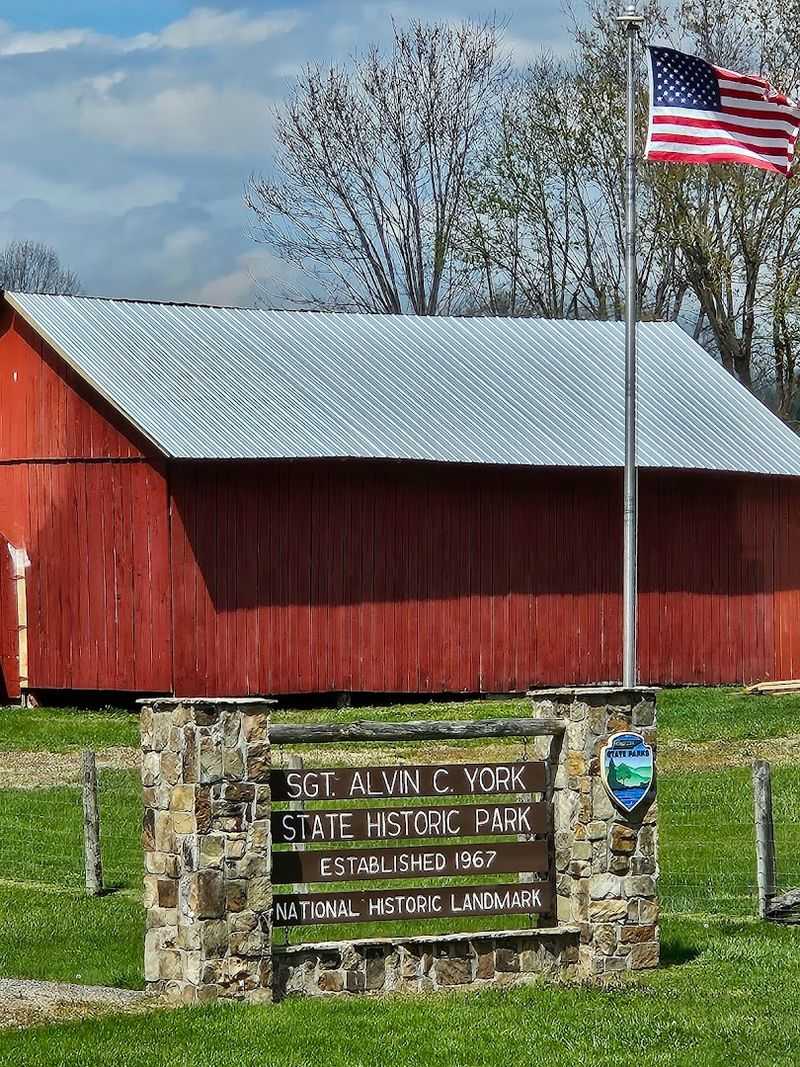
Before Alvin York became America’s most famous World War I hero, he was a Tennessee farm boy who grew up working the land in Fentress County’s Wolf River valley. This preserved farm and home show the values and daily life that shaped him—hard work, faith, family, and the self-reliance that comes from subsistence farming in Tennessee’s Cumberland Plateau region.
The farm tells two stories: the grinding poverty and hard work of York’s early years, and the modest prosperity he achieved later through careful stewardship and his wife Gracie’s management. The contrast reveals how Tennessee farm families could improve their situations through determination and smart decisions. York used his fame to bring better roads and schools to his community, but he kept farming because it grounded him.
Walking the property, you see how the York family lived simply despite Alvin’s celebrity. No mansion, no ostentation—just a solid farmhouse and the outbuildings needed to run a working farm. The setting in the Wolf River valley is beautiful but remote, the kind of place where neighbors helped each other because isolation made cooperation essential.
York’s values came directly from this environment and community.
The site interprets both York’s military service and his farming life, showing how the skills he learned here—marksmanship, navigation through rough terrain, calm under pressure—served him in France. But it also emphasizes what mattered most to York: providing for his family, serving his community, and living according to his faith. The farm represents the Tennessee values he carried throughout his life.
7. Stonecipher Kelly Homeplace — Wartburg
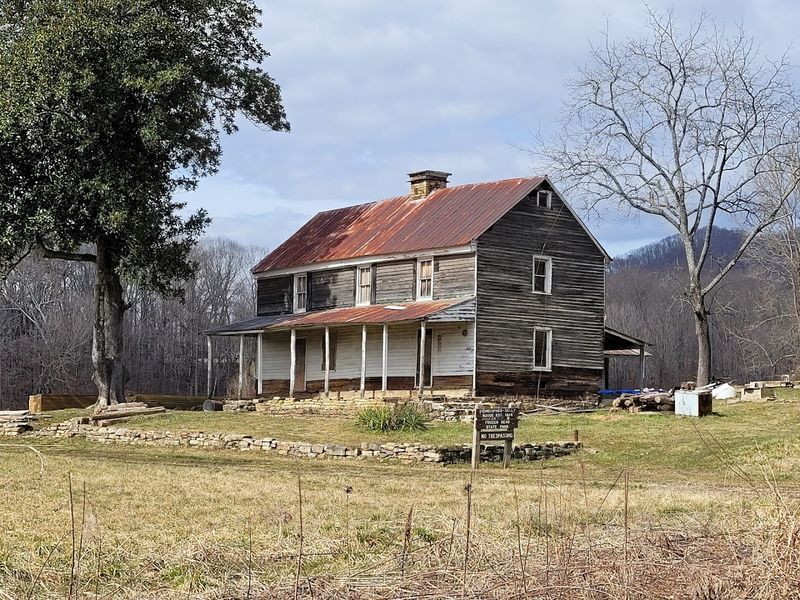
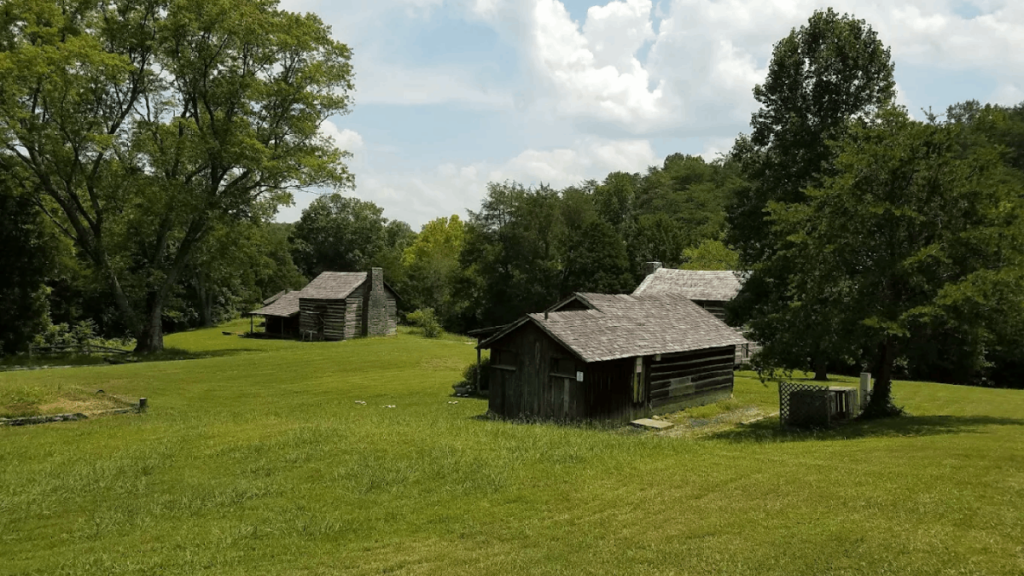
Dating back to the early 1800s, this Wartburg homeplace captures Tennessee’s settlement era when pioneers pushed into the Cumberland Plateau and carved farms from wilderness. The Stonecipher Kelly family built their life here when Tennessee was still a frontier state, when Native American trails were becoming roads, and when every acre had to be cleared by hand. The original outbuildings and setting evoke that difficult, transformative period.
What makes this site remarkable is its authenticity. These aren’t reconstructions or replicas—they’re the actual buildings where a Tennessee pioneer family lived, worked, and raised children in conditions modern visitors can barely imagine. No electricity, no running water, no nearby stores or doctors.
Everything the family needed, they made, grew, or traded for. The isolation was real and sometimes dangerous.
The outbuildings show the infrastructure needed for frontier self-sufficiency: smokehouses for preserving meat, springhouses for keeping food cool, barns for animals and equipment, and workshops for endless repairs. Pioneer families were constantly fixing things, building things, and making do with limited resources. Waste wasn’t an option.
Every scrap of wood, metal, or fabric had potential uses.
The setting itself tells the story—wooded land that had to be cleared, rocky soil that challenged farming, terrain that made travel difficult. The Stonecipher Kelly family succeeded here through sheer determination and the knowledge they brought from previous generations. They understood how to read the land, when to plant, how to preserve food, and how to survive Tennessee’s sometimes harsh weather.
The homeplace stands as a monument to that pioneer spirit and the backbreaking work that turned wilderness into farmland. Visiting here connects you to Tennessee’s foundational period when people transformed the landscape through muscle, sweat, and stubborn persistence.
8. Historic Collinsville — Southside
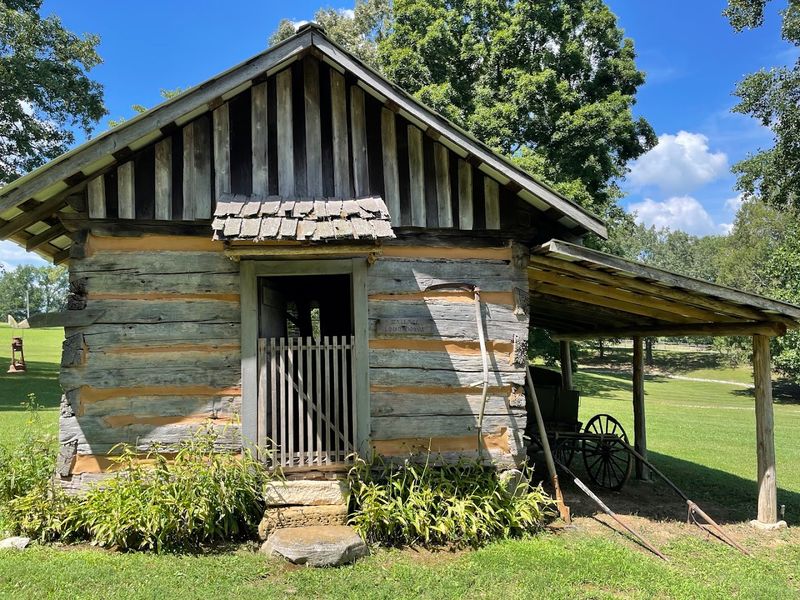
This 40-acre pioneer settlement near Southside preserves multiple log homes and outbuildings that interpret rural Tennessee life before, during, and after the Civil War. Unlike single-homestead sites, Collinsville shows how a small rural community functioned, with different families, buildings, and roles creating a network of mutual support. The Civil War disrupted these communities catastrophically, and the site doesn’t shy away from that difficult history.
The restored log homes represent different economic levels and family sizes, showing that not all pioneers lived identically. Some families prospered more than others. Some had help from enslaved people—a reality the site addresses honestly. Some barely scraped by.
The variety of structures reveals the economic diversity that existed even in small rural settlements. Tennessee’s Civil War experience was complex and often tragic, with communities and families divided.
Walking between buildings, you imagine the community interactions that made rural life bearable—neighbors helping with barn raisings, women gathering for quilting, children playing together, families sharing news and resources. Isolation could be crushing without these social connections. Community events, church services, and simple visiting broke the monotony and loneliness of farm life.
These weren’t just social niceties—they were psychological necessities.
The site’s interpretation covers the dramatic changes the Civil War brought to Tennessee communities. Men went off to fight for both sides. Armies swept through, taking food and supplies.
Reconstruction brought new challenges and opportunities. The settlement shows both the continuity of farming traditions and the upheavals that transformed Tennessee society. It’s a sobering but important look at how ordinary rural people experienced extraordinary times.
9. Matt Gardner Homestead Museum — Prospect
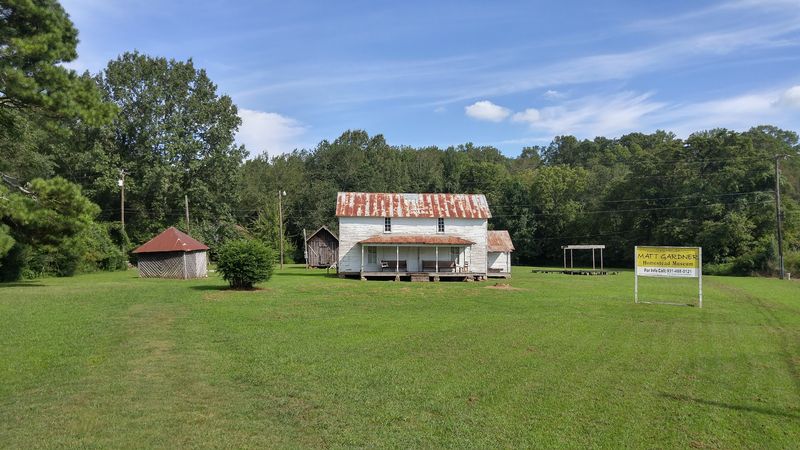
The Matt Gardner Homestead Museum in Prospect preserves a slice of Tennessee farm life with buildings, artifacts, and stories that bring the past into focus. This Giles County site shows how middle Tennessee farming differed from mountain agriculture—richer soil, longer growing seasons, and closer proximity to markets created different opportunities and challenges.
The museum’s collection includes tools, household items, and farm equipment that demonstrate the evolution of Tennessee agriculture through different eras. You see how technology gradually changed farming—from hand tools to animal-powered equipment to early mechanization.
Not every family could afford the latest equipment, creating economic disparities that shaped rural communities.
The homestead buildings show how a successful Tennessee farm was organized. The main house, outbuildings, and land layout reveal careful planning and years of accumulated improvements. Successful farms weren’t built overnight—they were the result of generations of work, with each generation adding to what the previous one had accomplished.
What makes this site valuable is how it connects Tennessee’s agricultural past to the present. Many farming traditions, techniques, and values continue in modern Tennessee agriculture, even though the tools and scale have changed dramatically. Understanding where Tennessee farming came from helps explain current agricultural practices and rural culture.
The museum doesn’t just preserve old stuff—it maintains living connections to Tennessee’s agricultural heritage. Visitors leave with a deeper appreciation for the knowledge, skill, and hard work that made Tennessee farming successful across generations.
10. Rocky Mount State Historic Site — Piney Flats
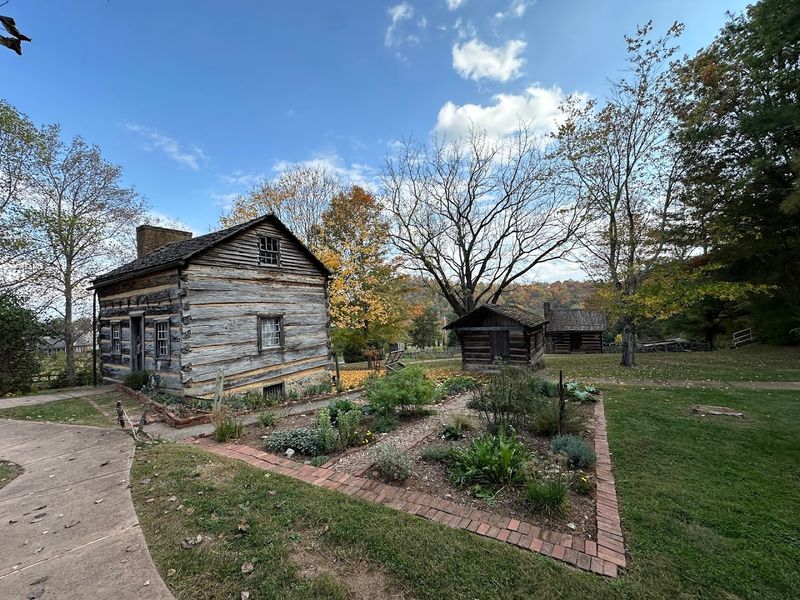
Costumed interpreters bring frontier Tennessee to life at Rocky Mount, where the state’s earliest history unfolds through demonstrations, historic buildings, and hands-on activities. This Piney Flats site served as the territorial capital before Tennessee became a state, so you’re standing where crucial political decisions happened while families simultaneously struggled with the daily challenges of frontier farming.
The living history approach means you don’t just look at old buildings—you see people cooking over open fires, tending gardens, caring for animals, and using period tools the way Tennessee pioneers actually did. The interpreters explain their tasks in plain language, answering questions and demonstrating techniques that kept frontier families fed, clothed, and sheltered.
The site’s buildings include the main house where territorial business was conducted, along with the barns, workshops, and outbuildings that made frontier farming possible. The contrast between the relatively refined main house and the rougher outbuildings shows the economic and social divisions that existed even on the frontier. Not everyone lived equally, even in pioneer Tennessee.
Some families had resources and connections; others had nothing but determination and muscle.
Rocky Mount’s demonstrations cover seasonal activities—planting, harvesting, preserving food, making clothing, and the endless cycle of maintenance and repairs that frontier life demanded. Nothing was ever truly finished. There was always another task, another season, another challenge.
The interpreters help visitors understand that frontier farming required constant vigilance and backbreaking work. One lazy week or bad decision could cascade into serious problems. Yet the site also shows the satisfaction and pride frontier families took in their self-sufficiency and accomplishments.
They were building Tennessee from scratch, creating farms and communities where wilderness had stood.
11. Marble Springs State Historic Site — Knoxville
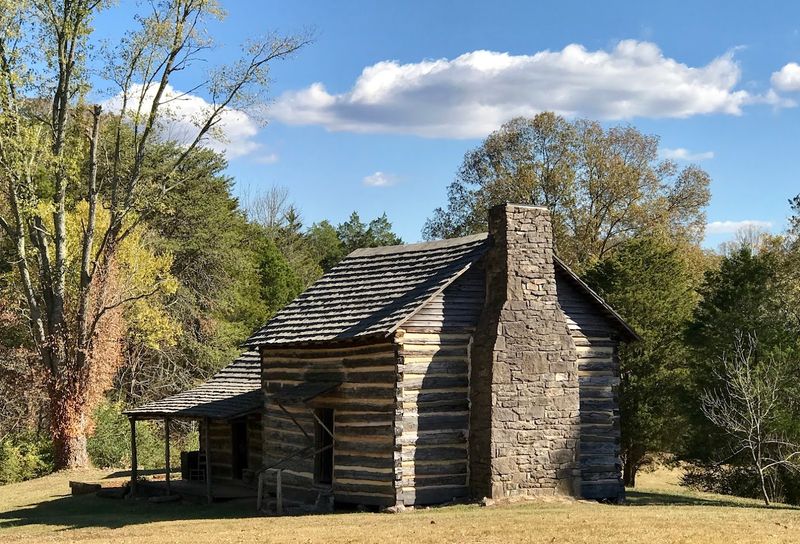
Just outside Knoxville, Marble Springs preserves the farm where Tennessee’s first governor, John Sevier, lived with his family during the state’s earliest years. But this site isn’t really about political history—it’s about how a frontier family farmed Tennessee land in the late 1700s when statehood was brand new and everything was still being figured out. Sevier was a farmer first, a politician second, and this homestead shows that reality.
The log cabin and outbuildings represent typical frontier construction—sturdy enough to last but built quickly from available materials. Frontier families couldn’t spend months perfecting their homes. They needed shelter fast so they could focus on the urgent work of clearing land, planting crops, and establishing their farms before winter arrived.
The site’s natural spring—which gave Marble Springs its name—was crucial to the farm’s success. Reliable water meant the difference between a viable homestead and a failed one. Frontier families chose their land based on water access, soil quality, and defensibility.
Sevier picked this spot because it met all those criteria. The spring still flows, just as it did when the Sevier family depended on it daily.
Native American conflicts, uncertain weather, limited tools, and isolation made farming dangerous and difficult. Yet families like the Seviers persevered, establishing the agricultural traditions that would shape Tennessee for generations.
The site shows that even prominent political leaders lived relatively simple farming lives by modern standards. Sevier’s fame and position didn’t exempt him from the hard physical work of farming. Everyone worked—men, women, children—because survival demanded it.
12. Ames Plantation Farmstead — Grand Junction
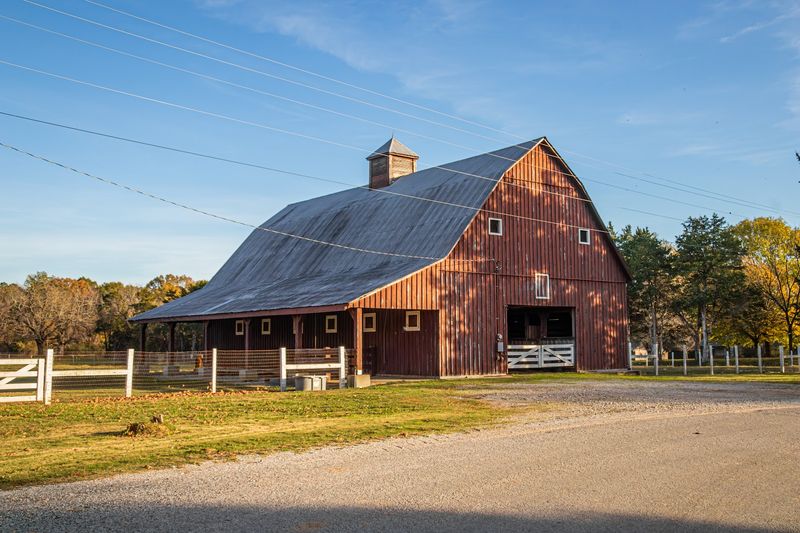
Way out in West Tennessee’s Grand Junction, Ames Plantation operates as both a historic site and a working agricultural research center. This unusual combination means you see both how Tennessee plantation agriculture functioned historically and how modern research builds on that legacy.
The plantation’s 18,000 acres make it one of Tennessee’s largest agricultural properties, offering perspectives on large-scale farming that smaller homesteads can’t provide.
The historic farmstead buildings show the infrastructure needed for plantation-scale agriculture—massive barns, equipment sheds, storage facilities, and the many structures required to process and store crops. This wasn’t subsistence farming. This was agriculture as business, growing crops for market and managing large operations that required significant labor forces.
Today, the University of Tennessee uses Ames Plantation for agricultural research, testing crop varieties, forestry practices, and wildlife management techniques. This working farm aspect means you might see modern farming equipment alongside historic buildings—a visual representation of how Tennessee agriculture has evolved while maintaining connections to the past. Research conducted here helps current Tennessee farmers make better decisions.
The plantation’s size lets you understand the scale of West Tennessee’s agricultural economy. This region’s fertile soil and flatter terrain supported different crops and farming methods than Middle or East Tennessee. Cotton, soybeans, and other row crops thrived here, shaping the region’s economic development and social structure.
Ames Plantation represents that distinct agricultural heritage. The site hosts field trial events and agricultural education programs, making it a living link between Tennessee’s farming past and its agricultural future. You leave understanding that agriculture isn’t just history—it’s an evolving practice that continues shaping Tennessee’s economy and landscape.
13. Sam Davis Home and Plantation — Smyrna
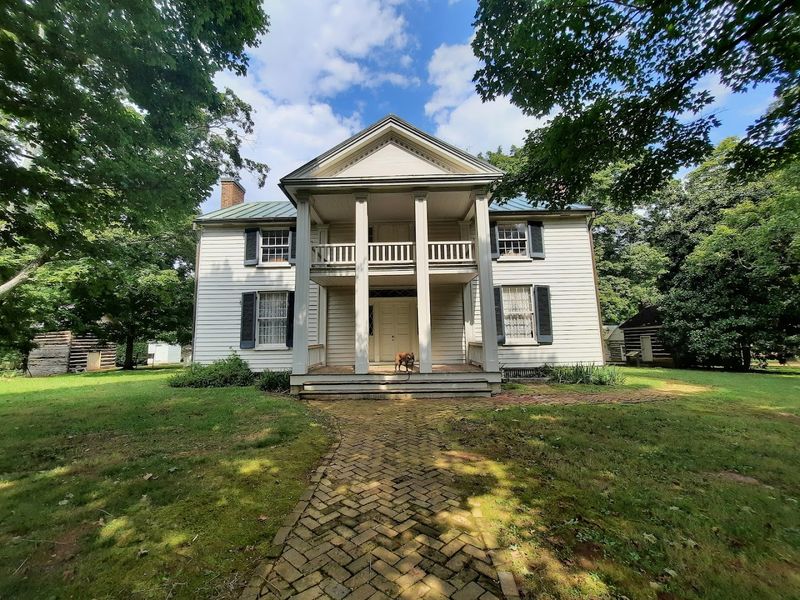
The Sam Davis Home preserves an 1850s Middle Tennessee plantation where Confederate scout Sam Davis grew up before his execution during the Civil War made him a legendary figure. But beyond the Civil War story, this Smyrna site shows how prosperous Middle Tennessee farms operated during the antebellum period, when cotton and tobacco created wealth for some families while enslaved people did the backbreaking work.
The main house, outbuildings, and grounds reveal the economic structure of plantation agriculture. This wasn’t a small family farm. This was a business operation that required managing labor, crops, equipment, and markets.
The Davis family’s prosperity came from this system, and the site’s interpretation includes the stories of enslaved people whose labor made that prosperity possible. Their quarters, work areas, and contributions are part of the site’s narrative.
The farm buildings show the scale and complexity of plantation operations—smokehouses, kitchens, barns, workshops, and storage buildings that supported both the family and the agricultural enterprise. Everything was produced on-site, from food to clothing to tools. The plantation aimed for self-sufficiency in daily necessities while growing cash crops for market.
The Civil War destroyed this agricultural system, and the site explores that transformation. The war didn’t just kill soldiers—it upended Tennessee’s entire economic and social structure. Farms were damaged, labor systems collapsed, and families faced financial ruin.
Reconstruction brought new challenges as Tennessee agriculture had to reinvent itself. The Sam Davis Home shows both the antebellum prosperity and the war’s devastating impact, offering a complete picture of how conflict transformed Tennessee farming. It’s a sobering reminder that agriculture and history are inseparable in Tennessee.
Share this story