A curtain lifts, a torch flashes across a slice of fatty tuna, and one perfect bite lands on warm rice before you have even decided what to order next. That scene is no longer reserved for Manhattan.
Across New Jersey, sushi chefs are aging fish, brushing nigiri with house-made sauces, importing prized seafood from Japan, and turning compact counters into some of the state’s most memorable dining rooms. The options stretch well beyond formal omakase, too.
You can chase inventive hand rolls in Jersey City, order playful specialty rolls along the Shore, or settle into a neighborhood restaurant where regulars know to ask what arrived that morning.
Some of these meals demand advance reservations and a special-occasion budget; others work beautifully for a spontaneous weeknight dinner.
What connects them is an attention to fish, rice, texture, and timing that makes every piece count. Bring an appetite and, at the BYOB spots, perhaps a good bottle of sake.
1. DOMODOMO
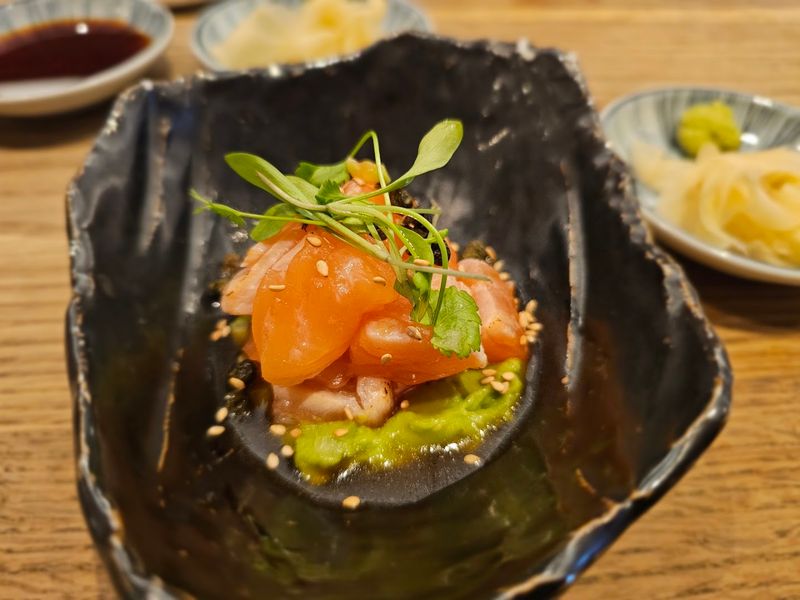
A hand roll has a very short window of perfection: the rice should still be warm, the fish cool, and the nori crisp enough to crackle. DOMODOMO builds much of its appeal around getting that timing exactly right.
The Jersey City restaurant helped turn Newark Avenue into a serious sushi destination with a menu that feels polished without becoming overly ceremonial.
Its signature Domokase is the smart starting point for a first visit, moving through oysters, small plates, sushi, hand rolls, and dessert in a progression that lets the kitchen show its range.
Expect carefully seasoned rice and thoughtful accents rather than fish buried beneath heavy sauces. Individual nigiri may pair branzino with shiso pesto, king salmon with truffle salt, or amberjack with pickled leek.
The hand-roll selection takes a slightly more playful turn, with fillings such as blue crab, scallop, miso black cod, and spicy tuna. There are also cooked dishes for anyone who wants to stretch dinner beyond raw fish; the miso black cod and Korean fried chicken make particularly useful additions when sharing.
The room has clean modern lines, counter seats that put the preparation in view, and enough energy to keep a tasting menu from feeling stiff. Reservations are a good idea for weekend dinner, especially if you want the chef’s counter rather than a standard table.
2. Shumi
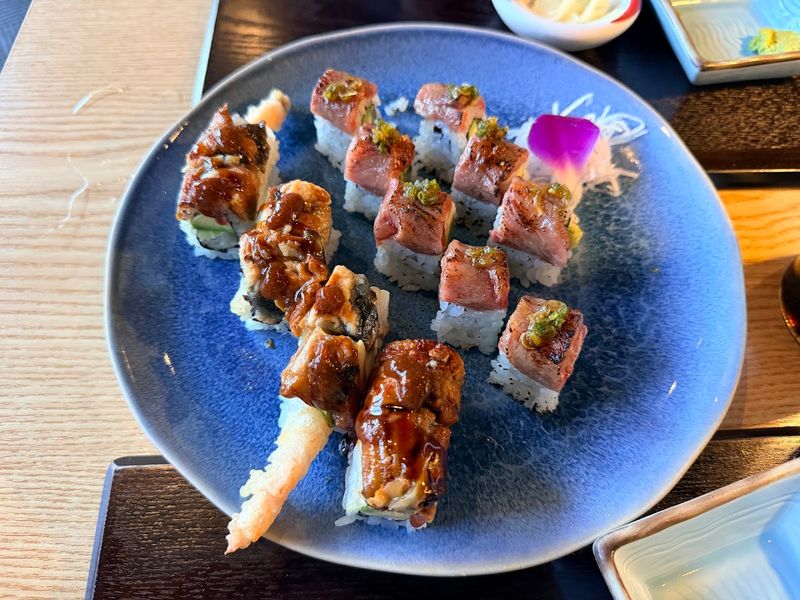
Seasonal fish gets the final word at this Bergen County favorite, where the day’s catch determines the most interesting parts of the meal. Shumi has served Ridgewood since 1986 and now also operates in Leonia, giving North Jersey diners two chances to experience its distinctive mix of traditional sushi and modern flourishes.
The full Shumi Omakase pairs four appetizer courses with 15 pieces of chef-selected sushi, while the shorter Omakase Express offers two appetizers and eight pieces.
Both formats reward diners who are happy to surrender control and see what the chef can do with bluefin tuna, Japanese mackerel, Hokkaido scallop, sea urchin, and other premium ingredients.
For an à la carte meal, look for the otoro roll, fatty tuna crispy rice, yellowtail ponzu, and the eye-catching Shumi Temaki, which combines otoro, uni, and caramelized A5 Miyazaki wagyu. Those richer creations are balanced by clean, precise nigiri that keeps the fish front and center.
The Ridgewood dining room works equally well for a celebratory tasting or a more relaxed dinner assembled from sashimi, rolls, and cooked dishes. Since Shumi is BYOB, bring a crisp sake, Champagne, or mineral-driven white wine.
Reservations make sense for omakase and busy evenings, and serious sushi fans should request counter seating to watch each piece come together.
3. Naoki Sushi
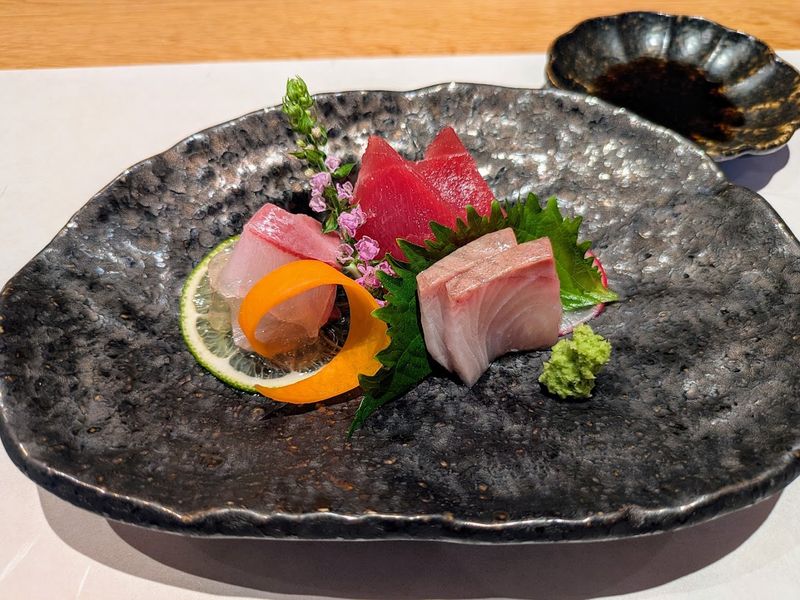
Only eight guests sit at the counter, so every slice, brushstroke, and careful adjustment of rice temperature happens within view. Naoki Sushi brings that focused experience to Lawrenceville in a serene dining room inspired by a traditional Japanese tea house.
Executive chef Naoki Tashiro favors an authentic, measured approach to omakase, using premium seasonal seafood and letting technique do more work than decoration.
The standard tasting begins with three appetizers before progressing through sashimi, snow crab chawanmushi, 12 pieces of nigiri, seasonal clear soup, and matcha affogato.
A second option adds A5 Miyazaki wagyu cooked on a hot stone, giving the meal an indulgent detour without distracting from the sushi. If a full tasting feels too ambitious, the dinner set offers a more approachable route through an appetizer, soup, 10 pieces of sushi, and a signature roll.
Either way, the pleasure lies in small details: the balance of vinegar in the rice, the cut of the fish, and the way each course quietly leads into the next. There are two scheduled evening services, so punctuality matters and advance booking is essential.
The restaurant is BYOB, which makes it worth choosing a bottle that will not overpower delicate seafood. This is not a rushed roll-and-go stop; plan on settling in, paying attention, and letting the chef control the evening.
4. OEN Omakase by Morimoto
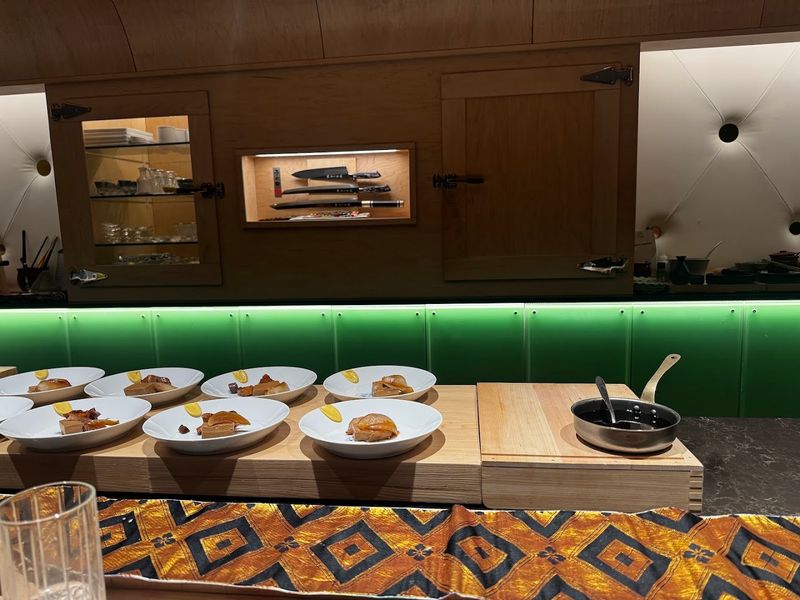
The entrance is discreet, the counter seats just a small group, and dinner unfolds as a shared performance rather than a conventional restaurant meal. OEN Omakase brings Masaharu Morimoto’s polished Japanese cooking to Montclair in its most intimate form.
Guests arrive for a scheduled seating and experience the tasting together, allowing the chefs to serve each course at precisely the temperature and pace intended.
Fish and other seasonal ingredients dictate the details, but the overall approach blends traditional omakase discipline with the imaginative touches associated with Morimoto.
That might mean pristine nigiri followed by a richer luxury ingredient, an elegantly composed small plate, or an unexpected contrast in texture.
Because everyone is seated around the counter, the preparation becomes part of the entertainment: knives move quickly, fish is scored or torched, and each piece is finished seconds before it reaches you.
The experience is refined, but it is not silent or solemn. Conversation with the chefs and fellow diners gives the room a communal quality, while a carefully chosen drinks program supplies sake, wine, cocktails, and spirits suited to the progression.
Reservations can be difficult to secure, so this is one to plan rather than attempt on a whim. Arrive on time, mention allergies when booking, and resist filling up beforehand.
OEN is built for diners ready to hand over the decisions and enjoy the surprise.
5. Butterfish
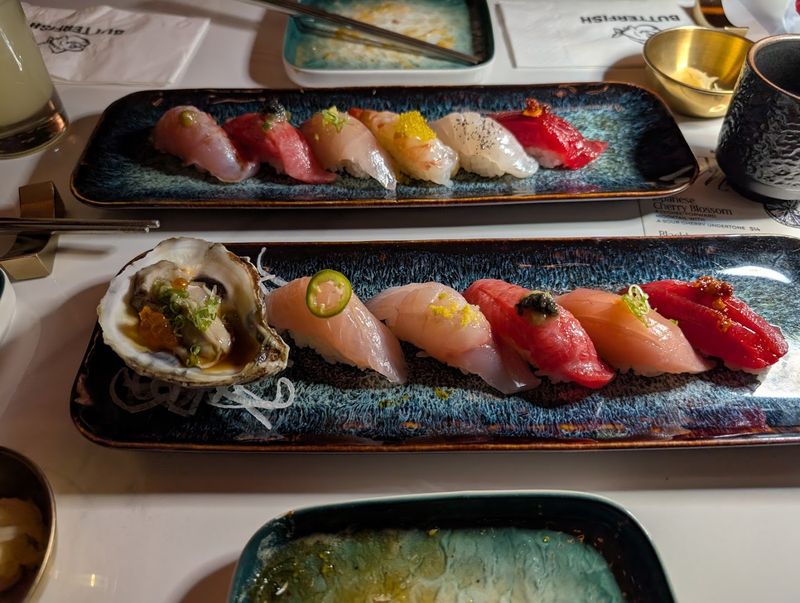
Black marble, custom artwork, and a minimalist dining room set the stage, but the real luxury at Butterfish is the quality of what lands on the rice. This Rutherford restaurant specializes in high-end omakase made with seafood sourced from Japan and other respected markets.
The menu offers multiple tasting formats, allowing diners to choose between a substantial progression and a slightly shorter introduction to the kitchen.
Expect appetizers followed by chef-selected sushi and hand rolls, with premium ingredients worked into combinations such as salmon with truffle, A5 wagyu, blue crab, toro, and foie gras-topped eel.
The name makes sense once the fattier cuts arrive: properly handled tuna belly and salmon seem to dissolve rather than require chewing. Still, the strongest meals here are not simply a parade of expensive ingredients.
Bright citrus, pickles, fresh wasabi, and carefully calibrated sauces keep the richer bites from becoming exhausting. Counter seating is the best way to appreciate the chefs’ precise movements and hear about unfamiliar fish as it is served.
Butterfish is BYOB, though the restaurant also prepares nonalcoholic drinks, including a Japanese cherry blossom mocktail. It suits a birthday, anniversary, or dinner where the food itself is the event, and reservations are strongly recommended.
Rutherford’s compact downtown can make parking a small puzzle on busy nights, so leave a few extra minutes before your seating.
6. Sushi Aoki
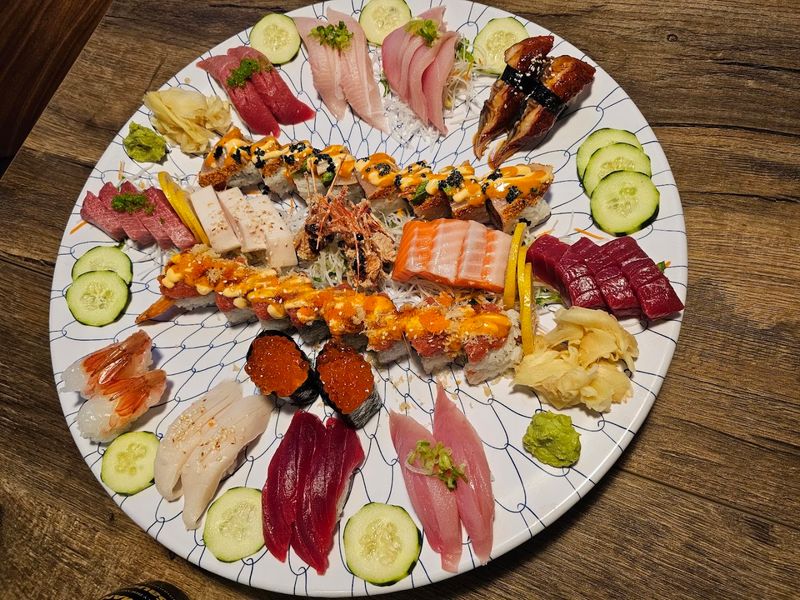
Chef Aoki’s compact Fort Lee counter leaves very little distance between the person preparing dinner and the people eating it.
With roughly 10 seats, the restaurant offers the kind of direct omakase experience where guests can ask about a particular fish, watch the chef shape each piece, and notice how the menu changes with the day’s best ingredients.
The standard course includes a sashimi combination, four appetizers, 12 pieces of sushi, soup, dessert, and roasted green tea. There is also a premium version that adds another appetizer and a special hand roll, but it requires at least a week of advance notice, has a two-person minimum, and is not available every night.
Uni is part of the regular omakase, making this a particularly appealing stop for diners who enjoy sea urchin’s creamy, briny character. The food favors clarity over spectacle.
Instead of crowding nigiri with toppings, the chef uses seasoning and knife work to draw out each fish’s texture and natural sweetness. That restraint gives the progression a calm, traditional rhythm, while the intimate room keeps it personal.
This is a reservation-first restaurant rather than a casual walk-in roll shop, and the chef-selected format offers limited room for last-minute changes. Share allergies or restrictions before confirming, arrive ready to trust the kitchen, and let the counter become the evening’s entertainment.
7. Sushi Bada
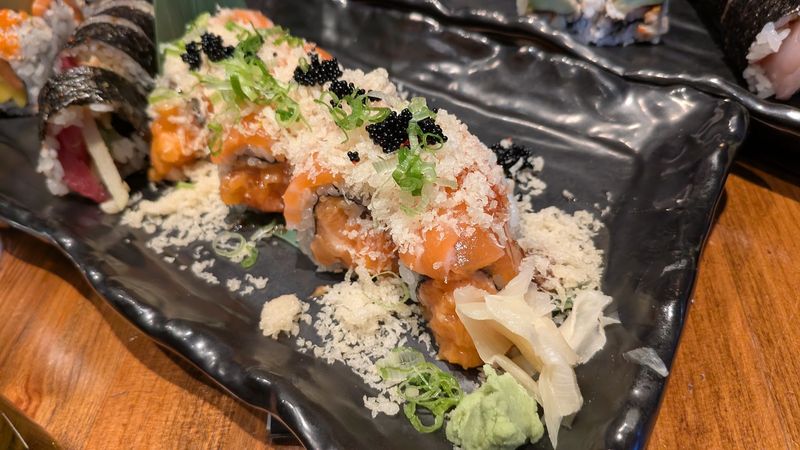
Crispy rice topped with spicy tuna and jalapeño disappears quickly at Sushi Bada, but ordering only the familiar crowd-pleasers would miss what makes this Cliffside Park kitchen interesting.
The restaurant moves easily between creative neighborhood sushi and chef-driven omakase, making it useful for groups with different levels of adventurousness.
One person can order a rainbow roll or shrimp tempura maki while another explores uni, chutoro, Japanese scallop, madai, or yellowtail belly. The omakase selections come in several sizes, so diners can try six pieces, build up to nine, or commit to a 12-piece progression without signing on for a long formal tasting.
There is also a “Trust Me” combination that mixes an appetizer, sashimi, nigiri, and a roll chosen by the chef. Specialty rolls lean playful, with combinations involving mango, apple, lobster salad, seared salmon, soft-shell crab, and house sauces.
For something lighter, the Geisha roll skips rice and wraps salmon, fruit, and vegetables in cucumber; for maximum indulgence, look toward toro tartare or uni-toro. The setting is relaxed enough for a weeknight meal, and the broad menu includes udon, teriyaki, karaage, and tempura for anyone avoiding raw seafood.
Parking along Anderson Avenue can require patience at peak hours. Reservations are helpful on Friday and Saturday, but this remains one of the list’s more flexible stops when you want excellent sushi without turning dinner into a full ceremony.
8. Hadaka
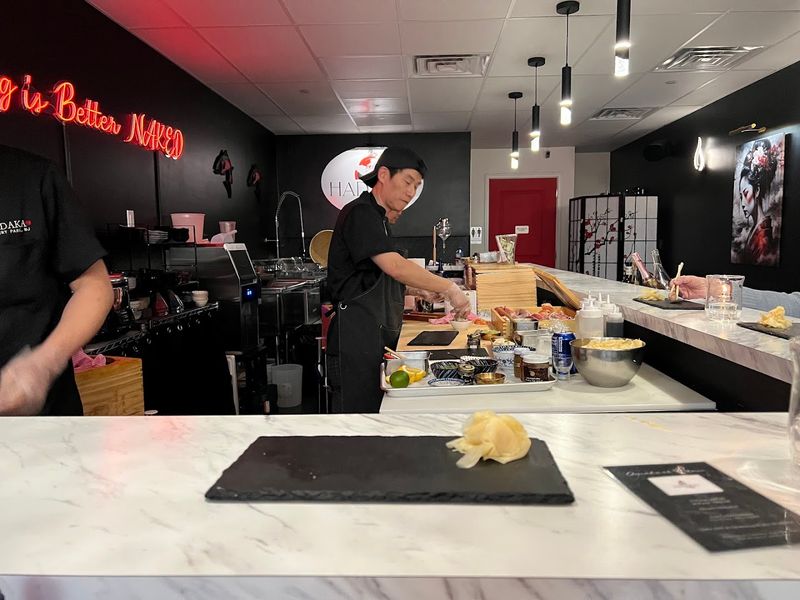
There is no giant menu to debate at Hadaka. You reserve a seat, choose the length of the omakase, and let the chef guide the rest.
The Asbury Park location serves tasting menus exclusively, with 12-, 15-, and 18-course options built around seasonal seafood and carefully composed bites. Each step arrives one at a time, which keeps the nori crisp, the rice warm, and the diner’s attention fixed on the details.
The longest tasting is the one for committed sushi lovers, making room for rarer cuts, richer ingredients, and more of the chef’s signatures. Shorter versions preserve the same focused style while requiring less time and appetite.
The counter can be cheerful and conversational rather than hushed; chefs explain courses, react to guests, and give the meal the energy of a small dinner party. That makes Hadaka a good choice for people who want high-end omakase without a stiff dining room.
Asbury Park is BYOB, so bring sake, Champagne, or a bright white wine and remember glasses may be small counter-style pours rather than an elaborate wine service. A second Hadaka operates in Lambertville with a full bar, offering the concept in a different setting.
Both are reservation-only. For the Shore location, leave time to find downtown parking, especially during summer weekends, and arrive promptly because the tightly paced experience works best when the entire seating begins together.
9. Yumi
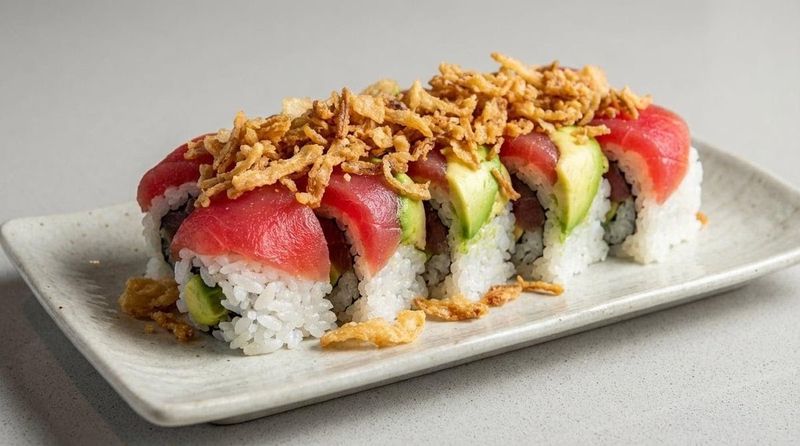
Chef Shuenn Chai calls his cooking Neo-Asian, and that description fits Yumi far better than the usual label of neighborhood sushi restaurant. With locations in Sea Bright and Red Bank, Yumi combines precise raw fish with sauces, tropical fruit, spice, and cooked dishes that borrow freely from across Asia.
Start with clean sashimi or an omakase-style nigiri tasting, then add one of the kitchen’s signatures to see how playful the menu can get. The TNT roll layers spicy tuna with salmon, avocado, and crunch, while other creations bring mango, jalapeño, yuzu, truffle, or crispy shallots into the mix.
Purists still have plenty to order: tuna, yellowtail, salmon, eel, scallop, and other selections appear as nigiri or sashimi without unnecessary fuss. The otsumami tasting is a good middle ground for diners who want chef-selected raw fish but are not ready for a long counter experience.
Cooked plates such as miso-marinated sea bass and inventive seafood appetizers make Yumi particularly group-friendly. Sea Bright has the bonus of sitting close to the ocean, though summer traffic and limited parking reward an early reservation.
Red Bank works well as part of a downtown evening and offers more nearby places for a pre-dinner drink. Menus can vary by location, so arrive open-minded rather than attached to one exact roll.
Yumi is at its best when the table shares broadly.
10. Ryujin Sushi
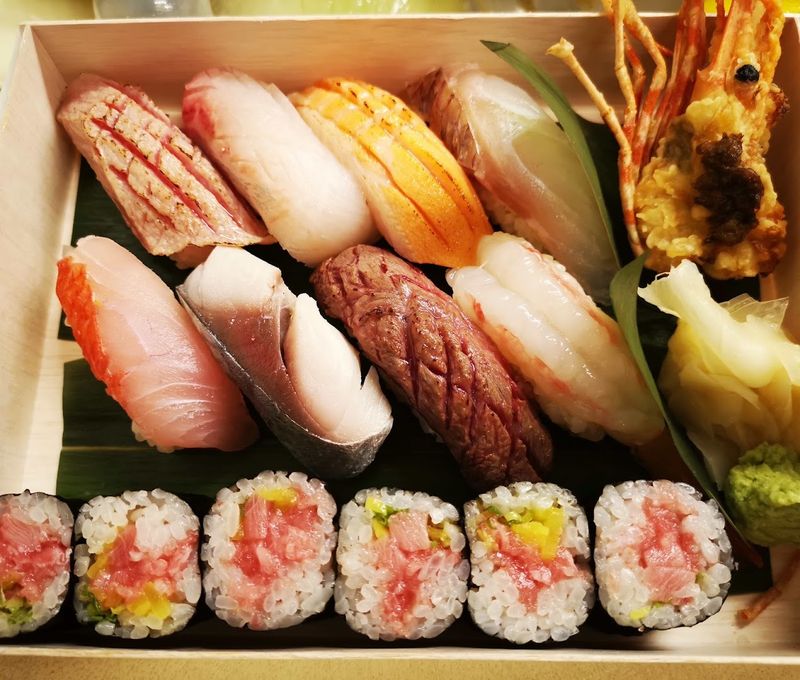
The fish selection at Ryujin changes according to what the chef can source, giving its omakase the welcome unpredictability of a true daily tasting. Located in Bridgewater, the restaurant imports premium seafood from Japan and turns it into a progression of roughly a dozen courses plus dessert.
Diners may encounter delicate white fish, rich tuna, shellfish, or a lightly torched piece finished with just enough sauce to sharpen its character. The chef’s tasting is the centerpiece, but the broader menu makes Ryujin more flexible than an omakase-only counter.
Cold small plates, sashimi, inventive rolls, ramen, curry, udon, and cooked appetizers allow a table to build dinner at its own pace. Sashimi pizza offers a playful start, while pork gyoza and hot noodle dishes help balance a raw-fish-heavy order.
Even dessert has a mischievous streak; tempura-fried Oreo ice cream is exactly as unapologetic as it sounds. The dining room feels contemporary and approachable, making it a comfortable introduction for someone curious about omakase but wary of a silent, highly formal experience.
Ryujin now serves sake, wine, and cocktails, so there is no need to plan a bottle in advance. Dinner is offered throughout the week, with lunch available on select days.
Reservations are wise for the tasting menu and weekend evenings, and anyone with allergies should discuss them when booking because the chef-selected sequence depends heavily on seafood.
11. Sushi by Bou
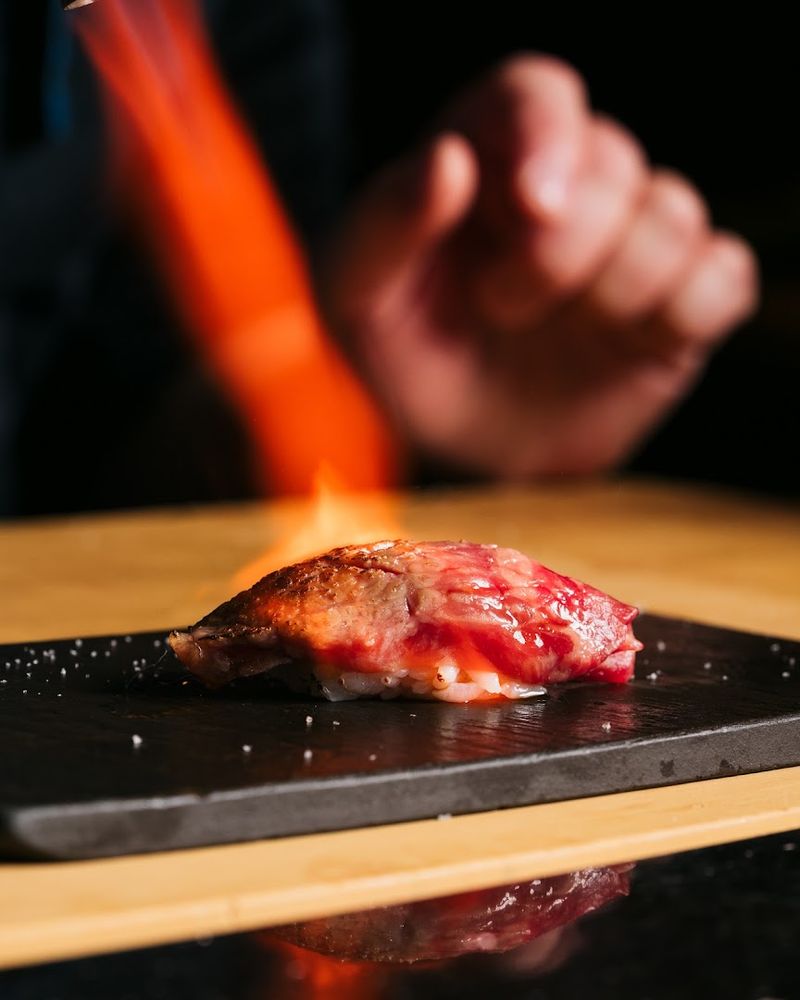
Sixty minutes, 12 courses, and no time wasted pretending omakase must be solemn: Sushi by Bou packages serious fish into a fast-moving Jersey City experience.
Hidden inside Ani Ramen on Newark Avenue, the intimate counter uses dim lighting, upbeat music, and a stocked bar to create something closer to a sushi party than a traditional tasting room.
The signature progression moves through Edomae-style nigiri such as hamachi, lean bluefin tuna, marinated ikura, Hokkaido scallop, fatty tuna, miso black cod, and unagi.
One of the most memorable bites is the Wagyuni, a lightly torched combination of wagyu beef and sea urchin that captures the menu’s fondness for rich, celebratory finishes.
Diners wanting more can upgrade to a 17-course format, while the reserve version adds extravagances such as caviar, foie gras, bone marrow, truffle, and upgraded wagyu. The tasting is timed, so late arrivals risk disrupting both the pacing and the value of the meal.
Book ahead, show up early enough to settle in, and mention dietary restrictions during the reservation process; the fixed menu cannot accommodate every request. Cocktails, sake, beer, and wine are available, and the energetic format makes this a natural date-night or birthday choice.
Parking is scarce in downtown Jersey City, so public transportation or a garage is often easier than circling Newark Avenue.
12. Nobu Atlantic City
Yellowtail sashimi with jalapeño needs only a few ingredients to explain why Nobu became a global name. Cool, buttery fish meets citrusy yuzu-soy sauce and a clean spark of heat, producing a dish that feels both luxurious and remarkably simple.
The Atlantic City outpost brings those signatures to Caesars, pairing Japanese technique with the Peruvian influences that have long defined chef Nobu Matsuhisa’s cooking. Black cod with miso is another essential order, its sweet-savory glaze caramelized around soft, flaky fish.
From there, explore the sushi and sashimi à la carte, asking the server what is especially good that evening rather than defaulting entirely to elaborate rolls. Tuna, salmon, yellowtail, scallop, eel, and premium selections are treated with the precision expected at this price point.
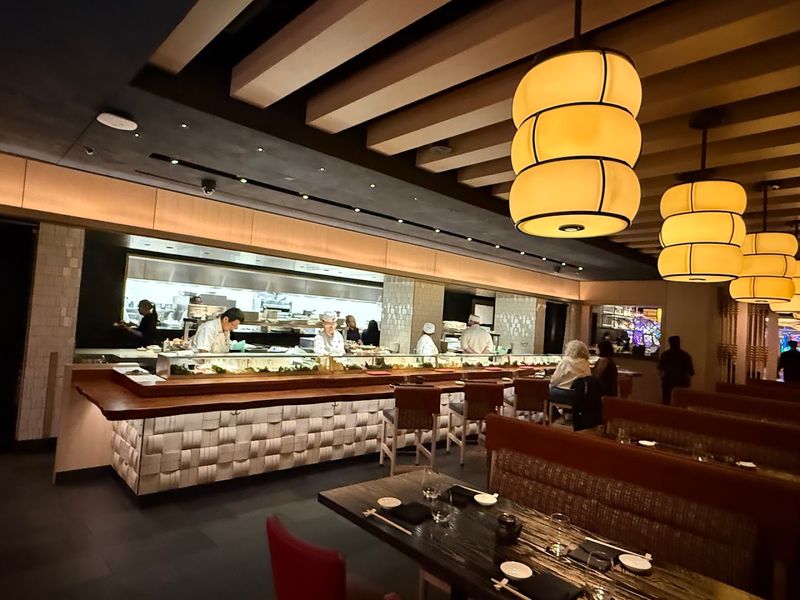
For a broader experience, let the kitchen assemble a tasting that mixes raw fish with hot dishes and Nobu classics. The dining room is sleek and dramatic, with views that remind you this is an Atlantic City night out rather than a quiet neighborhood counter.
Prices are firmly in special-occasion territory, and reservations are important during weekends, holidays, and major casino events. Dress up a little, arrive hungry, and avoid ordering everything at once; the menu works best as a sequence of contrasting plates shared across the table.
13. Zushi Dozo
South Jersey diners looking for excellent fish without an elaborate dress code should point themselves toward Cherry Hill. Zushi Dozo serves polished sushi in a casual room, striking a useful balance between destination-worthy quality and an easygoing neighborhood meal.
It does not revolve around a traditional piece-by-piece omakase. Instead, chef-selected platters provide a similar element of trust at a friendlier pace.
The Nigiri Lover combines assorted chef’s-choice sushi with a spicy tuna roll, while larger deluxe selections increase the variety. Sashimi platters do the same for diners who prefer fish without rice.
This format makes the restaurant ideal for sharing: add a few specialty rolls, pass everything around, and compare bites without waiting through a fixed tasting.
Classic tuna, salmon, yellowtail, eel, and shellfish sit comfortably beside more inventive combinations, so both traditionalists and sauce-loving roll fans can leave happy.
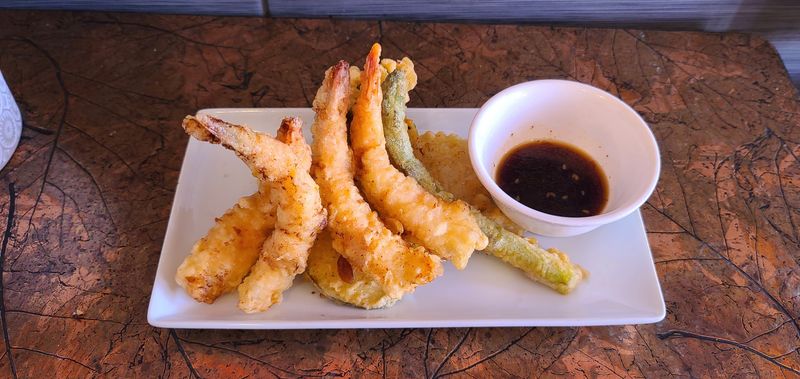
The kitchen also serves familiar Japanese appetizers and cooked entrées, a practical advantage when the group includes someone who would rather have tempura or teriyaki. Service is unhurried, and the suburban location removes much of the parking drama attached to North Jersey’s compact downtowns.
Zushi Dozo is especially appealing for a weeknight dinner or relaxed celebration when you want the fish to feel special but not the occasion overly formal. Ask about the freshest arrivals, order one platter for the table, and let the chef make a few decisions.
Share this story