Texas has a reputation for wide-open spaces and rugged charm, but some of its cities shine with spotless streets, lush parks, and carefully maintained neighborhoods. From bustling suburbs north of Dallas to charming Hill Country towns, these destinations prove that beauty and cleanliness go hand in hand. Whether you’re planning a weekend getaway or searching for your next place to call home, these 13 cities offer an inviting blend of Southern hospitality, natural scenery, and pride in keeping their communities pristine.
1. The Woodlands
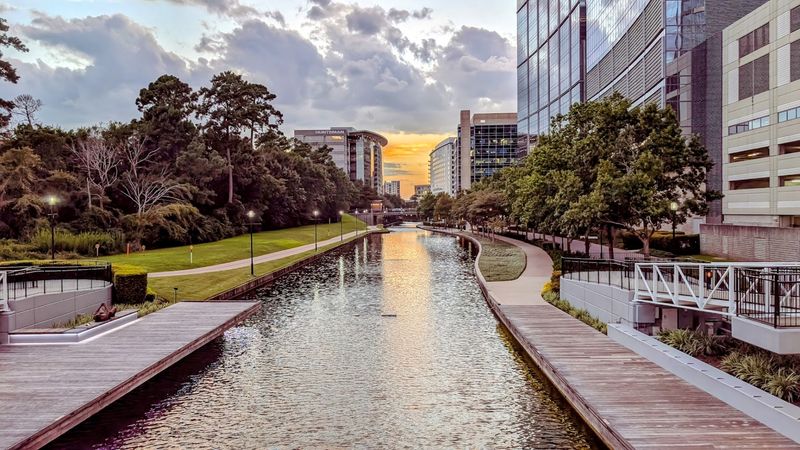
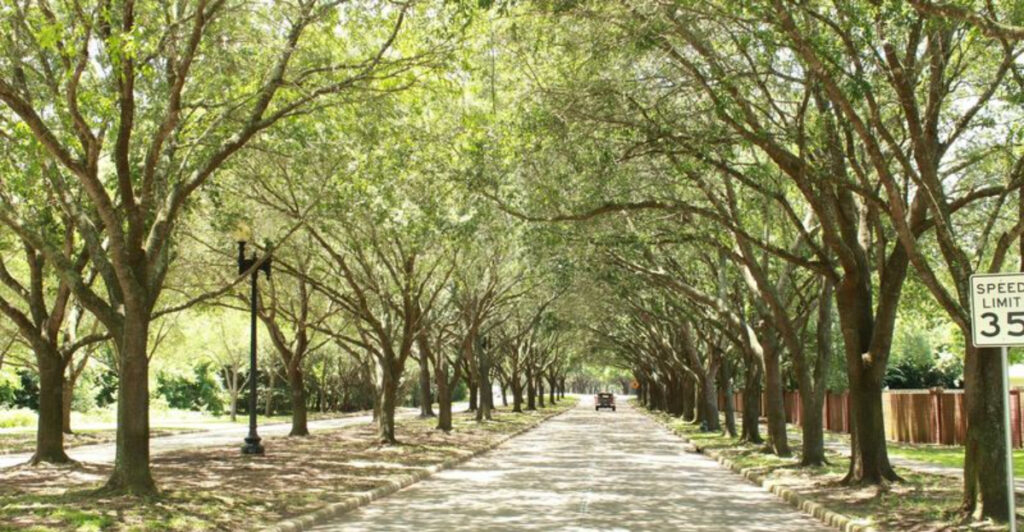
Tucked just north of Houston, The Woodlands feels more like a sprawling forest retreat than a major suburb. Developers preserved thousands of native trees when building this master-planned community, creating shaded streets that stay cooler even during Texas summers. Walking trails wind through neighborhoods, connecting residents to parks, shopping areas, and schools without ever feeling cramped or chaotic.
Cleanliness here isn’t an accident—it’s part of the culture. Homeowners associations maintain strict standards for landscaping and exterior upkeep, which means lawns stay trimmed and sidewalks remain free of debris. Public spaces like Market Street and Town Green Park get regular attention from maintenance crews who pick up litter, refresh mulch beds, and keep fountains sparkling.
The result is a community that consistently ranks among the best places to live in America.
Outdoor enthusiasts love the 220 miles of pathways perfect for biking, jogging, or casual strolls beneath towering pines and oaks. Waterway Square hosts free concerts and festivals throughout the year, drawing crowds who appreciate the venue’s well-kept grounds and family-friendly atmosphere. Even the shopping centers feel different—parking lots are swept clean, storefronts gleam, and landscaping includes seasonal flowers that add pops of color year-round.
Dining options range from upscale steakhouses to casual cafes, many with outdoor patios that overlook tranquil water features or wooded areas. The local convention center and resort hotels cater to business travelers and vacationers alike, offering amenities that rival major metropolitan destinations. Schools receive top ratings, and the low crime rate adds to the area’s appeal for families.
What makes The Woodlands stand out is how it balances growth with environmental stewardship. New developments follow the same tree-preservation philosophy that shaped the original vision, ensuring that expansion doesn’t sacrifice the natural beauty residents cherish. If you’re seeking a place where urban convenience meets forest serenity, this community delivers on both fronts with style and substance.
2. Frisco
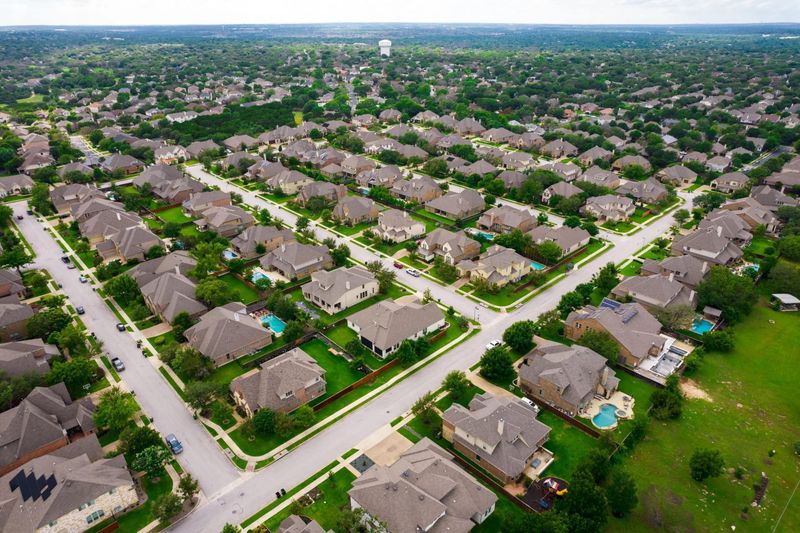
Frisco exploded from a quiet railroad town into one of the fastest-growing cities in the nation, yet it managed to keep its streets spotless and its infrastructure cutting-edge. Sports fans know it as home to the Dallas Cowboys practice facility, but locals appreciate the meticulous attention paid to parks, public buildings, and roadways. Drive through any neighborhood and you’ll notice freshly painted crosswalks, manicured medians, and storm drains that actually work during heavy rains.
The city invests heavily in public art and green spaces, creating gathering spots that feel inviting rather than neglected. Frisco Commons Park features splash pads, playgrounds, and walking trails that see daily use from families who value safe, clean recreation areas. Even the shopping districts along Preston Road and the Dallas North Tollway maintain high standards—parking garages are well-lit, trash receptacles get emptied regularly, and landscaping crews keep flower beds looking magazine-worthy.
Development here follows strict codes that prevent the cookie-cutter sprawl plaguing other boom towns. Mixed-use projects combine residential, retail, and office space in walkable layouts that reduce traffic congestion and encourage community interaction. The Star district exemplifies this approach, offering dining, entertainment, and professional services within a pedestrian-friendly environment where cleanliness is visibly prioritized.
Schools consistently earn top marks, and the library system rivals those in much larger cities. Sports complexes host tournaments year-round, bringing visitors who often comment on how well-maintained facilities are compared to similar venues elsewhere. Youth leagues thrive here partly because fields get proper care—grass stays green, bleachers remain sturdy, and restrooms stay stocked and sanitary.
Frisco proves that rapid growth doesn’t require sacrificing quality of life. City planners work closely with developers to ensure new construction enhances rather than detracts from existing neighborhoods. The result is a place where modern amenities coexist with small-town values, and where taking pride in your community means keeping it beautiful for everyone to enjoy.
3. Plano
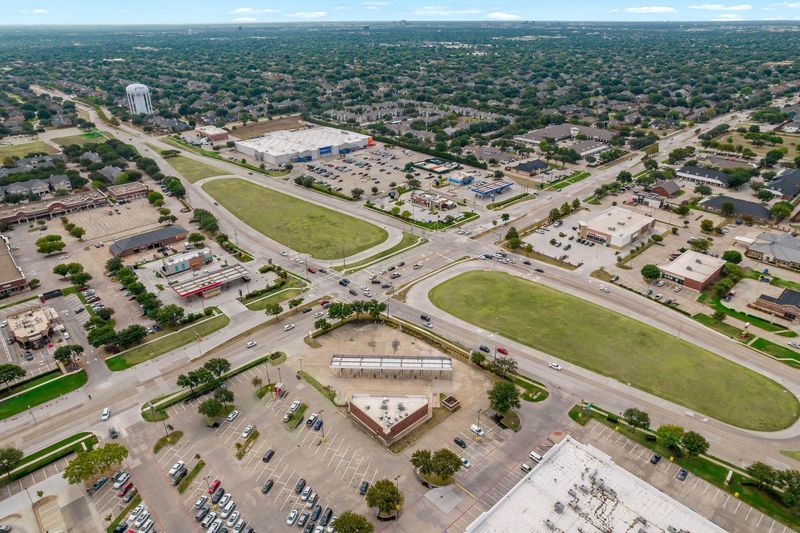
Corporate headquarters dot Plano’s skyline, but this city’s real success story lies in how it maintains suburban charm while hosting Fortune 500 companies. Legacy West and Legacy Town Center showcase urban planning done right—pedestrian walkways stay swept, water features run clear, and outdoor seating areas invite lingering without the grime you’d find in less-maintained districts. Businesses here understand that curb appeal matters, and it shows in every polished storefront and pristine parking area.
Residential neighborhoods benefit from strict code enforcement that keeps properties looking sharp. Front yards display seasonal plantings, fences get repaired promptly, and streets see regular sweeping that prevents dirt buildup along curbs. Oak Point Park and Nature Preserve offers 800 acres of trails, wetlands, and picnic areas where volunteers supplement city crews to pick up litter and maintain habitats for local wildlife.
The city’s commitment to trees sets it apart from other North Texas suburbs. Mature canopies line older streets while newer developments include native species that require less water and maintenance. This focus on sustainability extends to recycling programs that rank among the most comprehensive in the state, making it easy for residents to reduce waste and keep landfills from overflowing.
Dining and entertainment options cater to diverse tastes, from hole-in-the-wall taco joints to upscale fusion restaurants. Food truck parks have designated areas with seating, shade structures, and sanitation stations that prevent the chaos seen in less-organized cities. Even the major shopping malls—Shops at Legacy, Collin Creek—invest in regular deep cleaning and renovation projects that keep interiors fresh and exteriors attractive.
Schools receive national recognition, and the arts scene thrives with galleries, theaters, and music venues that draw crowds from across the region. Public transit options continue expanding, reducing car dependence and the associated pollution. Plano demonstrates that economic prosperity and environmental responsibility aren’t mutually exclusive—they’re complementary goals that create communities people genuinely want to call home.
4. Sugar Land
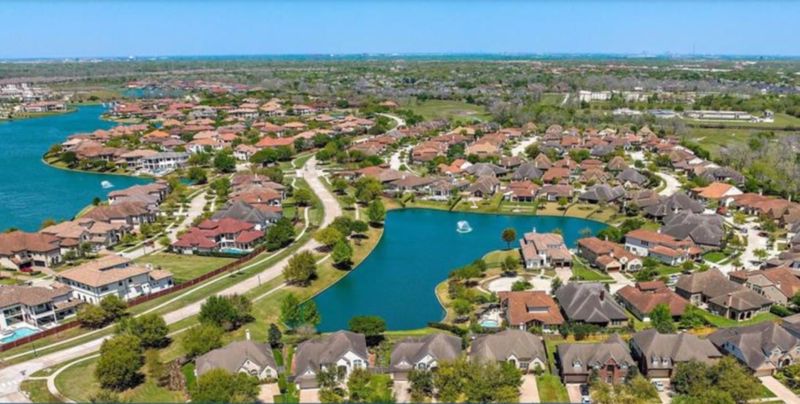
Southwest of Houston sits Sugar Land, a city that transformed from its agricultural roots into a polished suburban destination without losing its sense of history. Town Square serves as the heart of the community, featuring a plaza where festivals happen year-round on grounds that maintenance crews keep immaculate. Brick pavers get power-washed regularly, fountain water sparkles under LED lights, and landscaping changes with the seasons to provide constant visual interest.
Imperial Sugar once dominated the local economy, and remnants of that heritage appear in restored buildings that now house museums and event spaces. The city preserves these structures while ensuring modern amenities meet current standards—restrooms stay clean, parking areas remain well-lit, and accessibility features accommodate all visitors. This blend of old and new creates character that newer suburbs often lack.
Residential areas range from affordable starter homes to luxury estates, but all neighborhoods follow guidelines that maintain property values and aesthetic appeal. Homeowners associations enforce rules about lawn care, exterior paint, and visible storage, resulting in streets that look photo-ready any day of the week. Crime rates stay low, partly because well-maintained areas discourage vandalism and neglect.
Parks throughout Sugar Land offer more than just green space—they provide amenities like disc golf courses, dog runs, and sports fields that see regular use because they’re kept in excellent condition. Oyster Creek Trail connects various parts of the city via paved pathways perfect for cycling or walking, with rest stops that include benches, water fountains, and waste bins emptied daily.
The dining scene reflects the area’s diversity, with authentic Vietnamese, Indian, Mexican, and Southern cuisine available within minutes of each other. Strip malls might sound uninspiring, but here they feature coordinated signage, shared landscaping budgets, and property management that addresses maintenance issues quickly. Smart Growth America recognized Sugar Land for development practices that prioritize walkability and mixed-use zoning, proving that thoughtful planning creates communities people love living in and visiting.
5. Georgetown
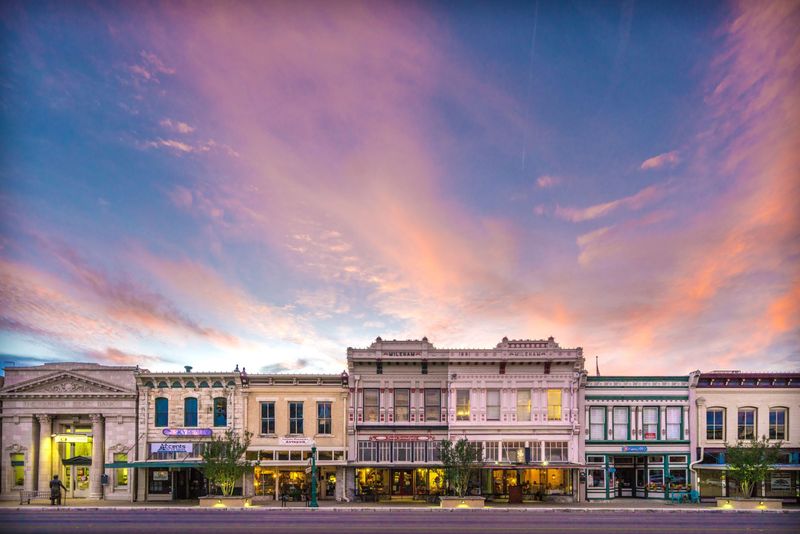
Victorian architecture meets modern sensibility in Georgetown, where the historic courthouse square anchors a downtown that feels frozen in time—in the best possible way. Brick storefronts house boutiques, coffee shops, and restaurants that take pride in maintaining period details while meeting current building codes. Sidewalks stay swept, window displays change regularly, and outdoor dining areas feature planters overflowing with native flowers that thrive in Central Texas heat.
Blue Hole Park provides a swimming hole fed by the San Gabriel River, offering relief during scorching summers. Unlike many natural swimming areas, this one benefits from regular testing and maintenance that keeps water quality high and facilities sanitary. Lifeguards patrol during peak hours, and volunteers organize cleanup days that prevent trash from accumulating along the banks.
Residential growth exploded in recent years as retirees and young families discovered Georgetown’s appeal, but city planners managed expansion carefully. New subdivisions include parks, trails, and community centers built to the same high standards as older neighborhoods. Streets get paved promptly, stormwater systems prevent flooding, and code enforcement ensures properties don’t fall into disrepair.
Southwestern University adds cultural vibrancy with theater productions, art exhibits, and lectures open to the public. Campus grounds showcase landscaping that requires minimal irrigation thanks to native plant selection, setting an example for homeowners looking to reduce water usage. The university’s presence also supports local businesses, creating an economic base that keeps downtown thriving year-round rather than just on weekends.
Lake Georgetown offers boating, fishing, and camping opportunities just minutes from town, with Corps of Engineers staff maintaining facilities that rival private resorts. Trails around the lake attract hikers and mountain bikers who appreciate well-marked routes and trailheads equipped with parking, restrooms, and information kiosks. Georgetown proves that small-town charm and modern amenities can coexist when community leaders prioritize quality over quantity and residents take genuine pride in their surroundings.
6. McKinney
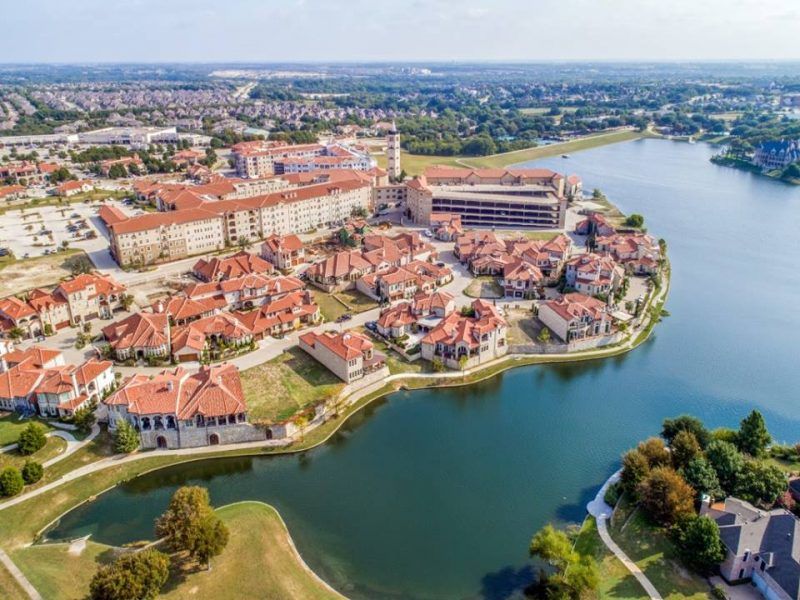
Named the best place to live in America by Money magazine, McKinney earned that recognition partly through tireless efforts to preserve its historic downtown while accommodating explosive suburban growth. The square surrounding the 1875 courthouse features antique stores, galleries, and eateries housed in buildings that receive regular maintenance to prevent deterioration. Awnings stay taut, paint looks fresh, and sidewalks remain level thanks to ongoing repairs that address tree root damage before it becomes hazardous.
Chestnut Square Historic Village transports visitors to the 1800s with preserved homes and buildings that demonstrate life in early Texas. Docents lead tours through structures maintained by volunteers who understand that authenticity doesn’t mean tolerating decay. Gardens feature heirloom plants, pathways get raked regularly, and special events take place on grounds that look pristine despite heavy foot traffic.
Modern McKinney extends far beyond downtown, with master-planned communities offering resort-style amenities and strict homeowner association standards. Pools stay crystal clear, clubhouses get cleaned daily, and common areas feature landscaping worthy of luxury resorts. This attention to detail creates neighborhoods where property values climb steadily and residents feel invested in maintaining community standards.
Adriatica Village mimics a Croatian coastal town with imported stone, Mediterranean architecture, and a man-made lake that serves as a focal point for events and gatherings. What could have been kitschy instead feels charming, largely because maintenance never slacks—water stays clear, stonework gets pressure-washed, and landscaping remains lush despite Texas droughts. It’s become a popular spot for weddings and photo shoots, generating revenue that supports ongoing upkeep.
Parks throughout McKinney cater to various interests, from sports complexes with tournament-grade fields to nature preserves with minimal human intervention. Towne Lake Recreation Area combines both approaches, offering kayaking, fishing, and trails alongside playgrounds and pavilions available for rent. Restrooms stay stocked, trash gets collected promptly, and safety equipment receives regular inspections to prevent accidents.
7. Southlake
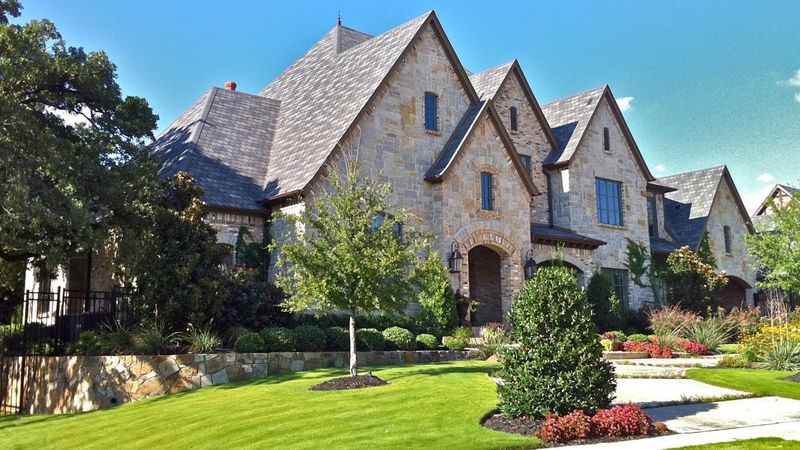
Affluence shows in Southlake, but so does a commitment to excellence that extends beyond wealth. Town Square shopping center sets the standard for retail development in Texas, with covered walkways, central fountains, and landscaping that changes seasonally to maintain visual appeal. Stores range from national chains to local boutiques, all adhering to design guidelines that create cohesive architecture rather than the hodgepodge typical of strip malls.
Residential areas feature homes ranging from comfortable to palatial, but even modest properties benefit from neighborhood standards that keep values high. Lawns stay green thanks to irrigation systems and professional lawn care services most residents employ. Streets get swept regularly, and the city responds quickly to code violations, ensuring one neglected property doesn’t drag down an entire block.
Carroll Independent School District draws families willing to pay premium prices for top-tier education. Campuses look more like college facilities than typical K-12 schools, with state-of-the-art equipment, pristine athletic fields, and performing arts centers that host professional-quality productions. Maintenance staffs work year-round to keep buildings gleaming and grounds looking their best, understanding that facilities reflect educational priorities.
Bob Jones Park provides hiking trails, picnic areas, and a nature center where kids learn about local ecosystems. Unlike many municipal parks, this one receives funding that allows for interpretive programs, habitat restoration, and infrastructure improvements that enhance rather than exploit natural features. Boardwalks protect sensitive wetlands while allowing visitors to observe wildlife, and volunteers supplement city efforts to remove invasive species and plant natives.
Dining options cater to refined tastes, with wine bars, steakhouses, and farm-to-table restaurants that emphasize quality over quantity. Patios stay immaculate, restrooms meet luxury hotel standards, and service matches the high expectations residents bring to every aspect of life here. Southlake might not suit everyone’s budget, but it demonstrates what’s possible when a community commits to excellence and backs that commitment with resources and enforcement.
8. Flower Mound
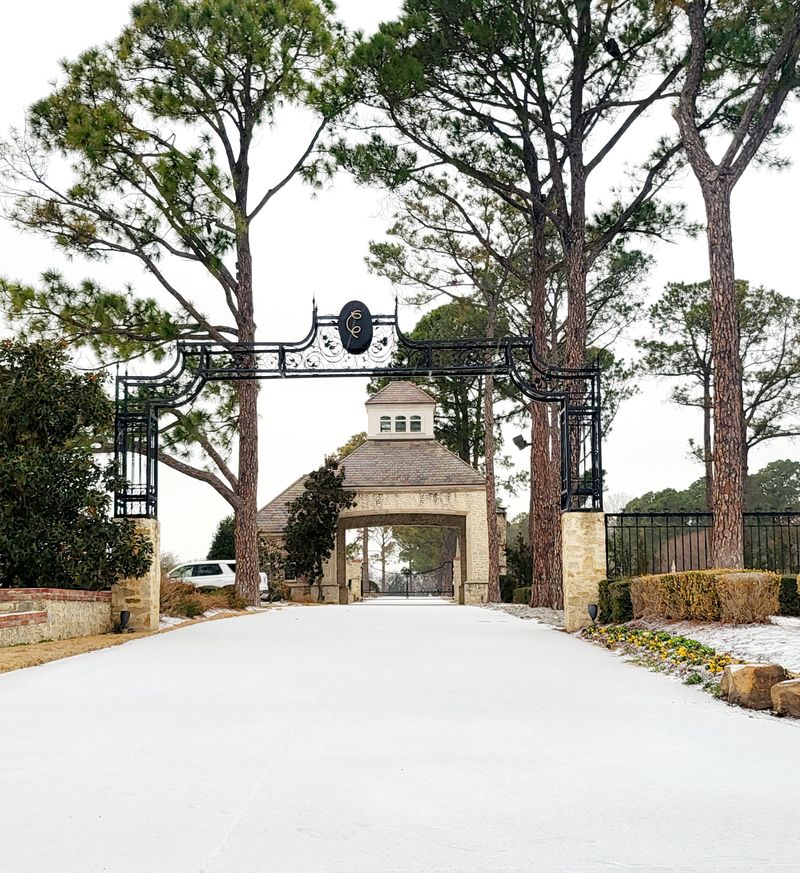
Named for a prominent 50-foot hill covered in wildflowers each spring, Flower Mound balances natural beauty with suburban convenience. The landmark mound itself is protected as a nature preserve, with trails maintained by volunteers who remove litter, repair erosion damage, and monitor plant health. During peak bloom, photographers flock here for shots of bluebonnets and Indian paintbrush blanketing slopes that overlook Grapevine Lake.
Residential development follows environmental guidelines stricter than state requirements, protecting trees and waterways while allowing growth. Neighborhoods incorporate green belts, detention ponds designed to look like natural features, and parks connected by trails that encourage walking or biking instead of driving. Streets curve to preserve mature trees, and builders must replace any removed vegetation with native species that require less maintenance.
Twin Coves Park offers lake access with boat ramps, fishing piers, and picnic facilities maintained to standards that rival private marinas. Restrooms get cleaned multiple times daily during busy seasons, and grounds crews patrol for trash that visitors might miss. The park hosts triathlons and fishing tournaments, attracting competitors who consistently praise facility quality and organization.
Downtown Flower Mound lacks the historic character of older Texas towns but compensates with modern amenities and meticulous upkeep. The River Walk development includes shops, restaurants, and office space arranged around pedestrian plazas where events happen regularly. Management companies keep common areas pristine, and business owners take pride in storefronts that reflect well on the entire district.
Schools earn strong ratings, and the community center offers programs for all ages in facilities that stay updated through bond measures voters consistently approve. Indoor pools, fitness equipment, and gymnasium floors receive maintenance that extends their lifespan and keeps users safe. This investment in infrastructure pays dividends in resident satisfaction and property values that remain stable even when broader markets fluctuate.
Flower Mound proves that protecting natural resources and promoting development aren’t opposing forces—they’re complementary strategies for building communities that last.
9. Cedar Park
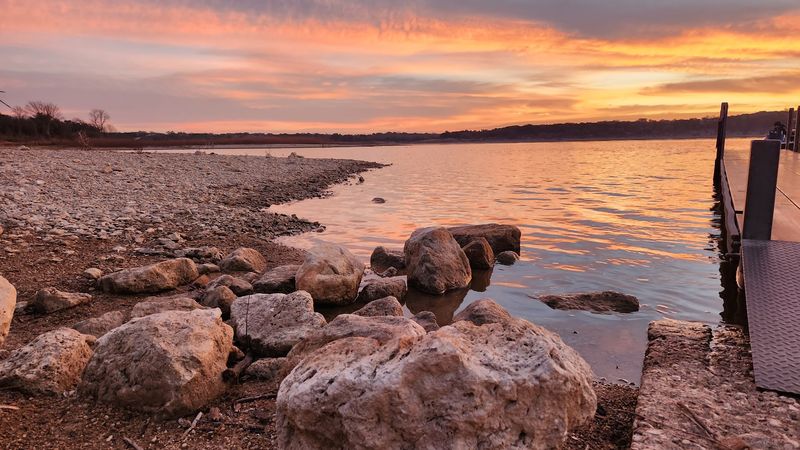
Austin’s northern suburbs include several contenders for cleanest city, but Cedar Park stands out for how it manages rapid growth without sacrificing livability. The H-E-B Center hosts minor league hockey and concerts, with parking lots, concourses, and restrooms maintained to professional standards that make events enjoyable regardless of who’s performing. Surrounding development includes hotels, restaurants, and entertainment venues built to complement rather than compete with the arena.
Brushy Creek Regional Trail stretches for miles through the city, connecting parks and neighborhoods via paved pathways that see heavy use from cyclists, runners, and families with strollers. Trailheads feature parking, water fountains, and dog waste stations that get serviced regularly to prevent overflow and odor. The creek itself benefits from watershed protection efforts that keep water quality high and banks stable despite urban runoff challenges.
Veterans Memorial Park honors military service with monuments, flags, and landscaping that receives special attention from maintenance crews who understand the symbolism involved. Ceremonies held here draw crowds who appreciate grounds kept in condition befitting the solemn purpose. Playgrounds and sports fields share the space, creating a venue where recreation and remembrance coexist respectfully.
Residential areas range from affordable apartments to upscale subdivisions, all benefiting from code enforcement that addresses violations quickly. Homeowners associations in newer developments set high standards for exterior maintenance, resulting in neighborhoods that look sharp even in intense summer heat. Older areas receive reinvestment through city programs that help with facade improvements and infrastructure upgrades.
The library system expanded recently with a new facility featuring modern technology, comfortable seating, and meeting rooms available for community use. Staff keep collections current, and cleaning crews ensure restrooms, shelves, and public computers stay sanitary and functional. It’s become a popular gathering spot for students, job seekers, and anyone needing quiet space that’s safe and welcoming.
Cedar Park demonstrates that being close to a major city doesn’t mean accepting second-tier services—residents here demand and receive amenities that rival anything Austin offers.
10. Round Rock
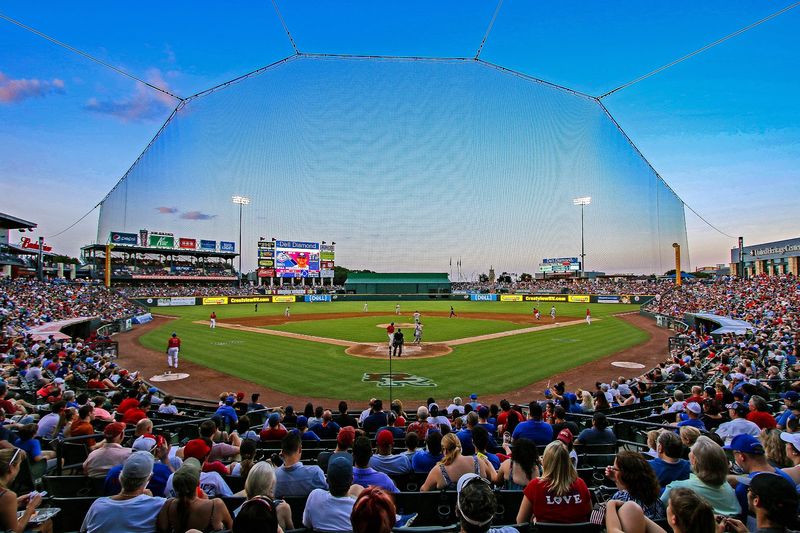
Dell Diamond baseball stadium put Round Rock on the map for sports fans, but locals know the city offers much more than minor league games. Downtown preserves historic buildings along Main Street while accommodating new development that respects the area’s railroad heritage. Tracks still run through town, and the depot serves as a reminder of Round Rock’s origins as a frontier settlement.
Murals brighten walls, benches line sidewalks, and flower baskets hang from lampposts maintained by volunteers who rotate seasonal displays.
Round Rock Premium Outlets attract shoppers from across Central Texas, generating sales tax revenue that funds city services. The shopping center maintains high standards for cleanliness, with security staff doubling as litter patrol and maintenance crews working after hours to pressure-wash walkways and empty overflowing trash cans. Parking lots stay well-lit and clearly marked, reducing confusion and improving safety.
Parks throughout Round Rock cater to active lifestyles, with sports complexes hosting tournaments nearly every weekend. Fields get aerated and reseeded regularly, dugouts receive fresh paint, and concession stands meet health department standards that exceed minimum requirements. Parents appreciate playgrounds with rubberized surfaces that cushion falls and equipment inspected monthly for wear or damage.
Old Settlers Park combines recreation with nature, offering trails, disc golf, and open spaces alongside preserved creek habitat. Interpretive signs educate visitors about native plants and wildlife, and volunteers lead nature walks that highlight conservation efforts. The park stays clean despite heavy use, thanks to adequate trash receptacles and a culture that discourages littering.
Residential growth continues as Austin’s tech industry expands northward, bringing workers who want suburban space without long commutes. New neighborhoods include sidewalks, parks, and retail centers within walking distance, reducing car dependency and the associated pollution. Round Rock’s planning department learned from mistakes other cities made during boom times, implementing smart growth strategies that preserve quality of life while accommodating population increases.
The result is a city that feels established despite being relatively young.
11. Boerne
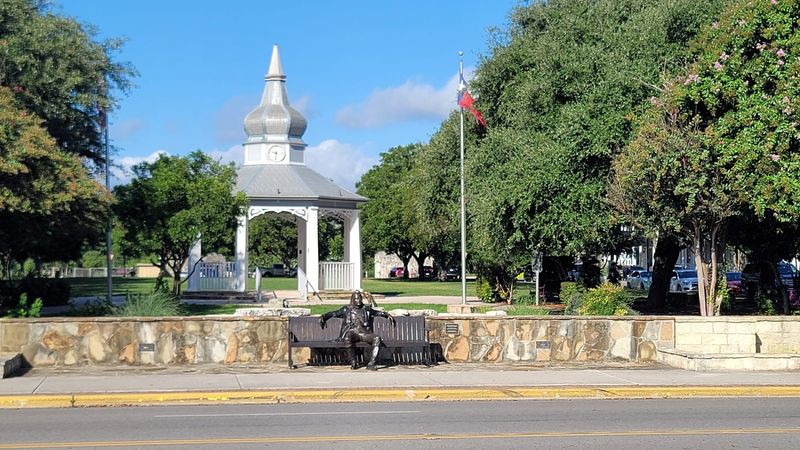
Hill Country charm radiates from Boerne’s historic downtown, where German heritage shows in architecture, festivals, and a commitment to orderliness that feels distinctly Old World. Main Street slopes gently toward Cibolo Creek, lined with buildings that house antique shops, galleries, and restaurants serving schnitzel alongside Texas barbecue. Shopkeepers sweep sidewalks daily, planters overflow with seasonal blooms, and holiday decorations transform the district into a postcard-worthy scene.
Cibolo Nature Center preserves riparian habitat within city limits, offering trails, educational programs, and event spaces that demonstrate how development and conservation can coexist. Boardwalks cross wetlands where birds nest and turtles sun themselves, giving visitors close encounters with wildlife just minutes from downtown. Staff and volunteers maintain facilities to standards that earn the center recognition from environmental organizations and tourism boards alike.
Cave Without a Name draws tourists to underground chambers filled with formations that took millions of years to create. Above ground, the property features picnic areas, a gift shop, and hiking trails maintained by owners who understand that natural wonders require protection from the crowds they attract. Guides emphasize conservation, and visitors leave with appreciation for delicate ecosystems that human activity can easily damage.
Residential areas blend established neighborhoods with new developments catering to retirees and remote workers fleeing big-city stress. Hill Country views come standard, and building codes ensure homes complement rather than clash with natural surroundings. Stone and stucco dominate, colors lean toward earth tones, and landscaping emphasizes native plants that thrive without excessive watering or chemical treatments.
Agricultural roots remain visible in ranches surrounding town, where cattle graze and crops grow in soil that’s supported human activity for generations. Farmers markets connect producers with consumers, offering fresh vegetables, artisan goods, and a sense of community that larger cities struggle to replicate. Boerne grows carefully, with leaders who recognize that uncontrolled expansion would destroy the qualities that make this place special in the first place.
12. Fredericksburg
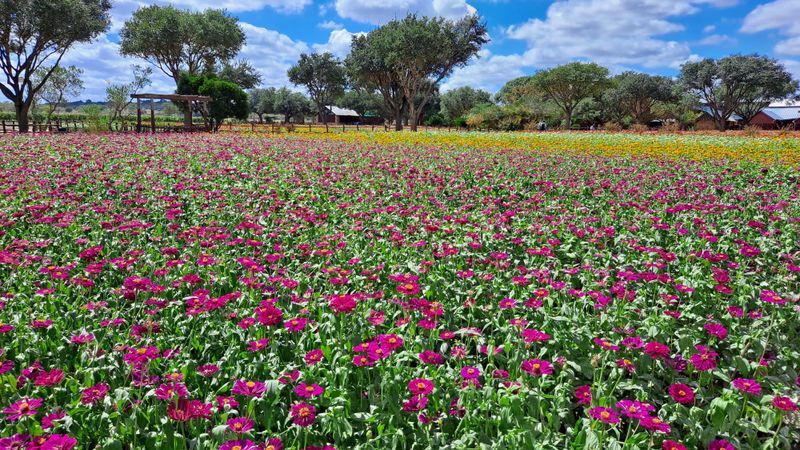
German immigrants founded Fredericksburg in 1846, and their descendants maintain traditions that include punctuality, quality craftsmanship, and spotless public spaces. Main Street stretches for blocks, packed with shops selling everything from handmade furniture to gourmet fudge. Storefronts get power-washed regularly, window displays change with the seasons, and sidewalks stay clear of debris thanks to business owners who take personal responsibility for their frontage.
Wineries dot the countryside surrounding town, transforming Fredericksburg into Texas Wine Country. Tasting rooms range from rustic barns to modern facilities with climate-controlled cellars and event spaces overlooking vineyards. Owners invest in landscaping that enhances rather than competes with natural beauty, using native grasses and wildflowers that require minimal maintenance while providing habitat for pollinators.
The National Museum of the Pacific War honors Admiral Chester Nimitz, a Fredericksburg native who commanded Allied forces during World War II. Exhibits span multiple buildings and outdoor areas maintained to standards befitting the subject matter. Gardens provide quiet reflection space, and volunteers ensure grounds stay pristine for veterans and their families who visit to pay respects.
Enchanted Rock State Natural Area lies just north of town, offering hiking, camping, and stargazing on a massive pink granite dome that rises 425 feet above surrounding terrain. Park rangers maintain trails, campgrounds, and facilities despite budget constraints that plague many state parks. Volunteer organizations supplement staff efforts, organizing cleanup days and fundraisers that keep this natural landmark accessible and protected.
Bed and breakfasts occupy historic homes throughout Fredericksburg, providing accommodations that feel personal compared to chain hotels. Owners maintain period details while upgrading plumbing, electrical, and HVAC systems to modern standards. Gardens get daily attention, and cleanliness standards exceed those at many luxury resorts.
Guests often remark that Fredericksburg feels like stepping into a simpler time, but one with excellent Wi-Fi and comfortable mattresses.
13. Kerrville
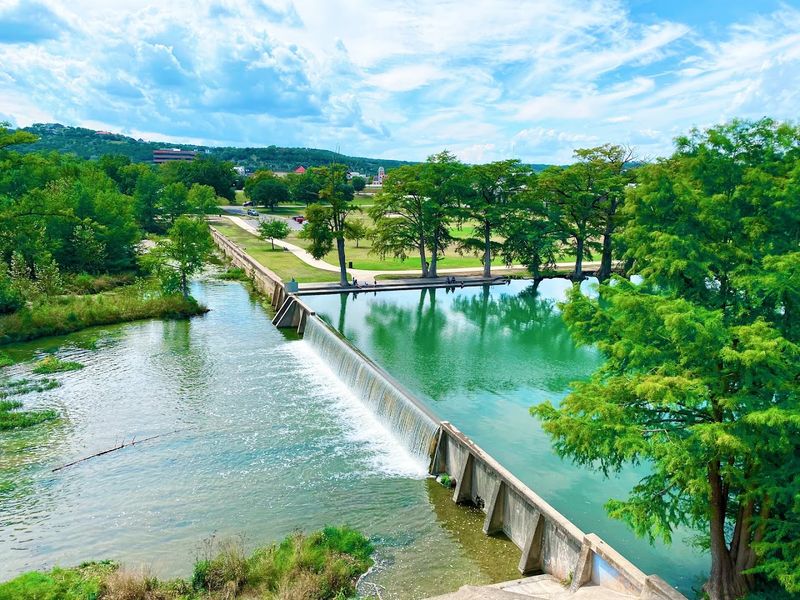
The Guadalupe River flows through Kerrville, providing scenic beauty and recreational opportunities that define this Hill Country retreat. Riverside parks offer picnic areas, playgrounds, and trails shaded by massive cypress trees that have stood for decades. City crews maintain these spaces with care that shows in mowed grass, emptied trash cans, and restrooms that stay stocked and sanitary even during peak tourist season.
Kerrville-Schreiner Park combines camping, hiking, and swimming in a 517-acre natural area that feels remote despite being minutes from downtown. The Guadalupe River forms one boundary, with swimming holes deep enough for jumping from low cliffs but supervised enough to prevent serious accidents. Rangers patrol regularly, and volunteers supplement city staff to keep facilities clean and trails clear of overgrowth.
The Museum of Western Art showcases paintings and sculptures celebrating cowboy culture and frontier life. The building itself exemplifies Hill Country architecture, with native stone walls, timber beams, and landscaping that blends seamlessly with surrounding terrain. Galleries stay climate-controlled to protect artwork, and staff ensure visitors experience collections in spaces that feel curated rather than cluttered.
Downtown Kerrville lacks the tourist crowds that swamp Fredericksburg, offering a more relaxed pace that appeals to retirees and artists who’ve made this their home. Galleries display local work, coffee shops serve pastries baked fresh daily, and bookstores stock regional authors alongside bestsellers. Business owners know each other, creating a sense of community that translates into collective responsibility for keeping downtown attractive and welcoming.
Hill Country views surround Kerrville, with homes perched on slopes that overlook the river valley. Building codes limit development on steep terrain, protecting watersheds and preventing erosion that would damage water quality downstream. This foresight preserves scenic vistas while allowing growth that benefits the economy without sacrificing environmental health.
Kerrville demonstrates that small cities can thrive by emphasizing quality of life over rapid expansion, attracting residents who value clean air, clear water, and communities that care about their surroundings.
Share this story