
Tennessee has more than country music and barbecue. Hidden across the state are attractions so unusual, so wonderfully bizarre, that they make you wonder how they even came to exist. From underground lakes to giant pyramids filled with swamps, these spots prove that Tennessee embraces the strange with open arms.
Get ready to explore thirteen places that redefine what it means to be a tourist destination.
1. The Salt & Pepper Shaker Museum, Gatlinburg
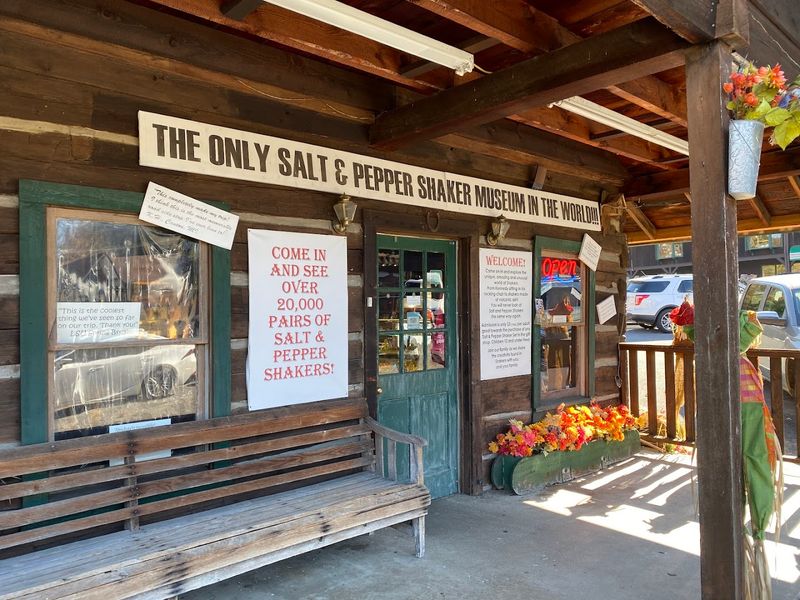
Over 20,000 salt and pepper shaker sets live under one roof in Gatlinburg. That number alone sounds impossible, but walk through the doors and you will see them everywhere—covering walls, filling cases, arranged by theme and era.
This museum celebrates the humble tabletop duo with an intensity that borders on obsession. You will find shakers shaped like animals, cartoon characters, historical figures, and objects you never imagined would dispense seasoning. Some are delicate antiques, others are kitschy souvenirs from roadside stops decades ago.
The collection grew from one couple’s hobby into a public attraction that draws curious visitors year-round. It is the kind of place that makes you laugh and wonder at the same time. Who knew salt and pepper shakers had so much personality?
Admission is affordable, and the experience is surprisingly engaging. Whether you are a collector yourself or just appreciate dedicated weirdness, this museum delivers.
2. The Lost Sea, Sweetwater
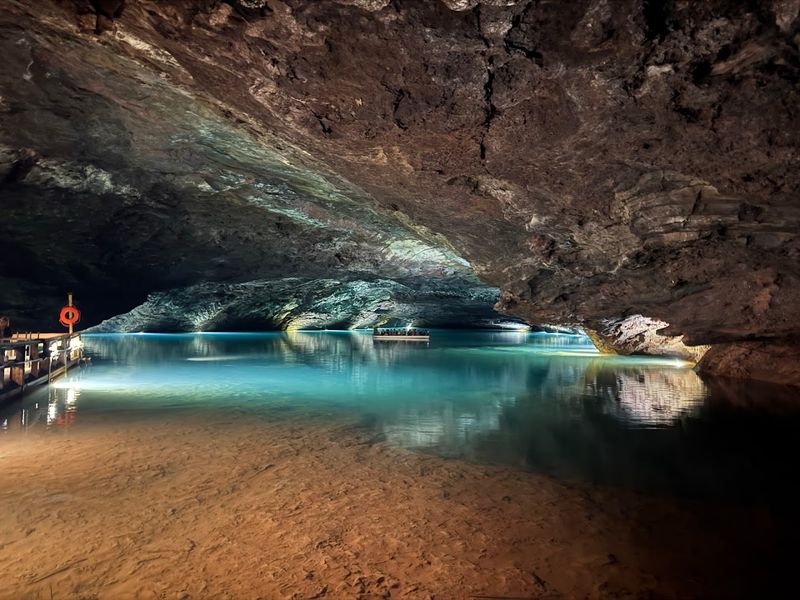
America’s largest underground lake sits beneath the hills of Sweetwater, waiting for visitors brave enough to descend into the cave system. The Lost Sea is not just a lake—it is an entire subterranean world complete with rock formations, crystal-clear water, and boat tours that feel like something from a fantasy novel.
Getting there requires walking through winding passages and hearing stories about Confederate soldiers who once used the cave. Then you reach the water, stretching out into darkness, and board a glass-bottom boat. Fish swim below, completely adapted to life without sunlight.
The temperature stays cool year-round, making it a refreshing escape during Tennessee summers. Guides share facts about the cave’s history and geology, but the real draw is the sheer oddness of cruising across an underground lake. It is one of those experiences that sounds made up until you are actually doing it.
3. The Parthenon, Nashville
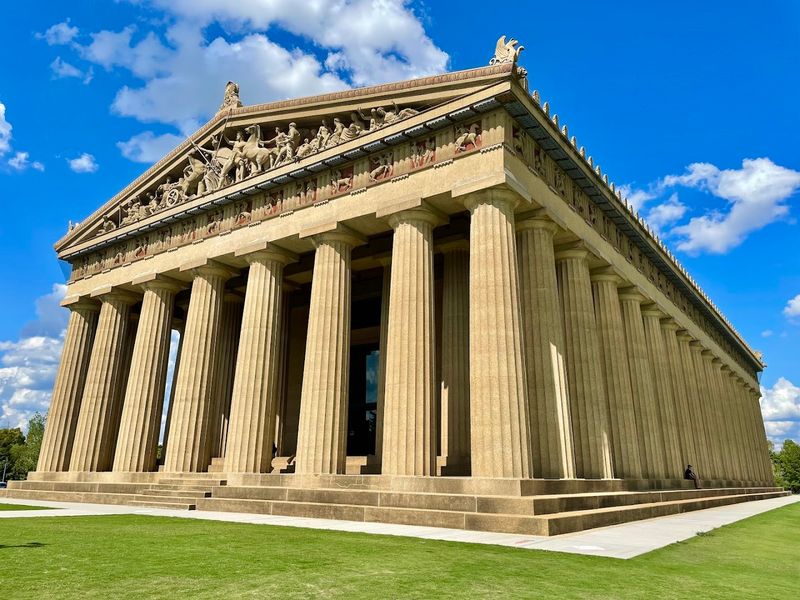
Nashville decided it needed a full-scale replica of the Greek Parthenon, so it built one. Not a scaled-down version or a themed facade—an actual, full-size recreation sitting in Centennial Park. The building was originally constructed for Tennessee’s 1897 Centennial Exposition and was meant to be temporary, but locals loved it so much they made it permanent.
Inside stands a 42-foot statue of Athena, covered in gold leaf and looking every bit as impressive as you would imagine. The attention to detail is remarkable, from the architectural proportions to the art gallery housed within. It serves as both a monument and a functioning museum.
Walking up to the Parthenon feels surreal, especially when you remember you are in the middle of Tennessee. It is a strange collision of ancient Greece and Southern culture, and somehow it works. The building hosts events, exhibits, and attracts visitors who want to see classical architecture without flying to Athens.
Admission is inexpensive, and the surrounding park makes for a pleasant afternoon.
4. Crystal Shrine Grotto, Memphis
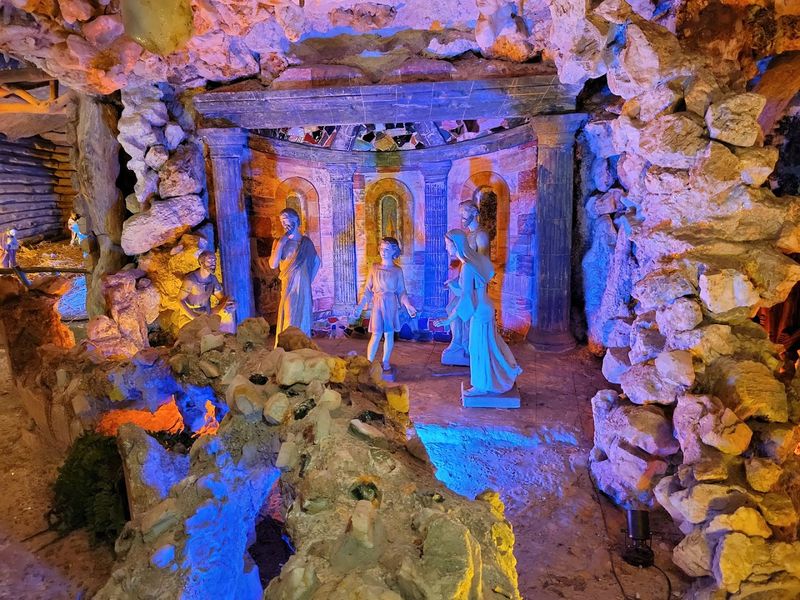
Tucked inside Memorial Park Cemetery in Memphis sits a grotto that looks like it belongs in a dream. The Crystal Shrine Grotto features religious scenes encrusted with crystals, creating a shimmering, otherworldly atmosphere. It was built in the 1930s by artist Dionicio Rodriguez, who specialized in creating artificial rock structures that look real.
Walking through feels like entering a secret cave system filled with spiritual art. Light catches the crystals and throws reflections everywhere, making the space feel both sacred and slightly surreal. The craftsmanship is impressive—Rodriguez used concrete to mimic natural rock formations so convincingly that you have to look closely to realize it is man-made.
The grotto tells biblical stories through sculpture and design, but even visitors without religious interest find it captivating. It is the kind of place that makes you stop and stare, trying to process how someone created something so intricate and beautiful in an unexpected location.
Visiting is free, though the cemetery setting means keeping a respectful tone.
5. Bass Pro Shops at the Pyramid, Memphis
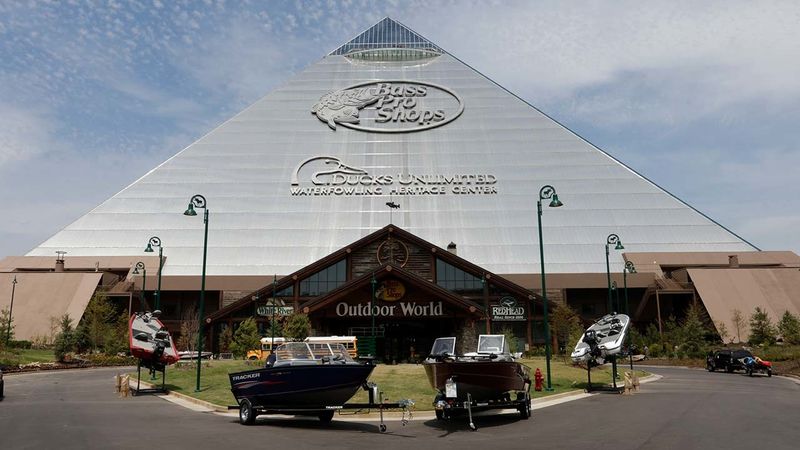
Memphis has a giant pyramid on its skyline, and inside is possibly the most over-the-top retail experience in America. Bass Pro Shops took over the abandoned Pyramid arena and transformed it into a megastore, hotel, indoor swamp, aquarium complex, and observation deck. Yes, all of that fits inside one building.
The scale is absurd. You can ride an elevator to the top for skyline views, watch alligators in the indoor swamp, browse endless aisles of outdoor gear, or even stay overnight in the hotel rooms built into the structure. It is part shopping mall, part theme park, part architectural oddity.
Explaining this place to someone who has not seen it is nearly impossible. The combination of Egyptian-inspired architecture and outdoor sporting goods creates a vibe that defies categorization
Entry to the observation deck requires a fee, but wandering the store itself is free. This is peak Tennessee weird—taking something monumental and filling it with something completely unexpected, then making it work somehow.
6. International Towing & Recovery Museum, Chattanooga
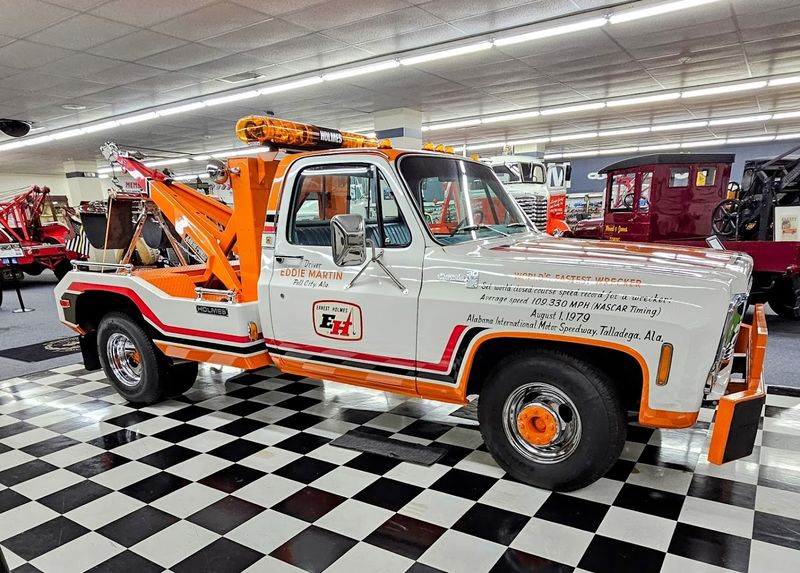
Chattanooga celebrates tow trucks with the dedication most cities reserve for fine art. The International Towing & Recovery Museum chronicles the history of an industry most people never think about, and it does so with genuine enthusiasm and impressive detail.
The collection includes vintage tow trucks, equipment evolution displays, and exhibits honoring tow truck operators who died on the job. It is unexpectedly moving in places, highlighting the dangers of roadside recovery work. You will also see some truly creative towing solutions from decades past, including contraptions that look like they were cobbled together in someone’s garage.
What makes this museum wonderfully weird is its absolute commitment to the niche. There are no apologies for focusing on tow trucks—the curators embrace the specificity and run with it. You will learn more about vehicle recovery than you ever imagined wanting to know, and somehow it stays interesting throughout.
Admission is reasonable, and the staff are passionate about their subject matter. Even visitors who arrive skeptical usually leave impressed. It is proof that any topic becomes fascinating when presented with enough knowledge and care.
7. Alcatraz East Crime Museum, Pigeon Forge
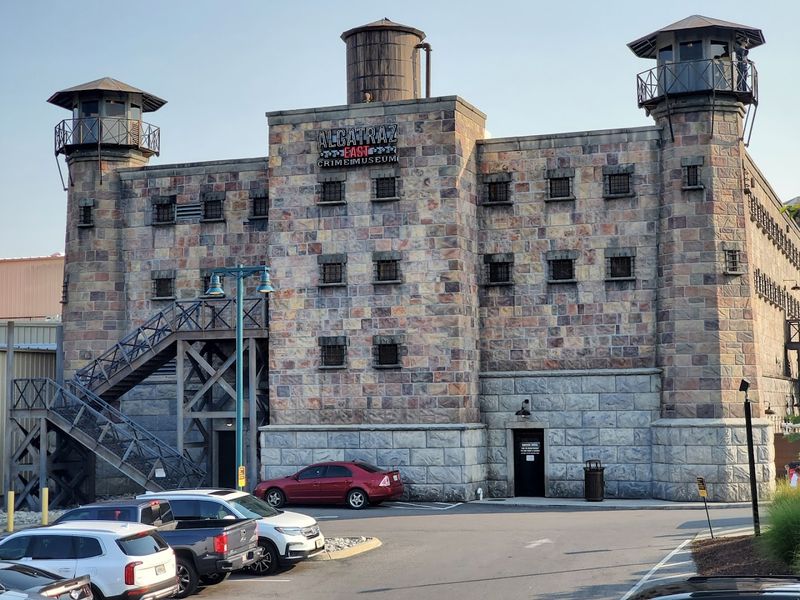
Pigeon Forge is known for family-friendly attractions, which makes the presence of a massive crime museum all the more bizarre. Alcatraz East leans hard into true crime culture, offering exhibits on notorious criminals, forensic science, crime scene investigation, and the history of American law enforcement.
The museum is surprisingly well-done, with interactive displays and artifacts that include getaway cars, prison cells, and items connected to famous cases. You can test your own detective skills in mock crime scenes or learn about the evolution of forensic technology. It is educational and slightly unsettling at the same time.
What makes it weird is the location—surrounded by dinner theaters, go-kart tracks, and pancake houses, you will find detailed exhibits about serial killers and heists. The contrast is jarring but somehow very Tennessee. The museum does not shy away from dark subject matter, though it handles everything with a focus on education rather than glorification.
8. Titanic Museum Attraction, Pigeon Forge
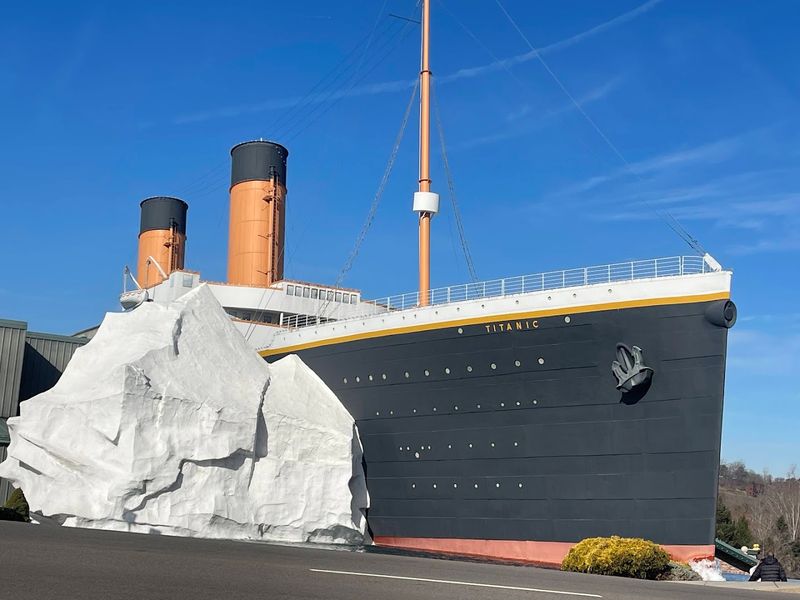
A half-scale replica of the Titanic sits in the middle of the Smoky Mountains, miles from any ocean. The Titanic Museum Attraction in Pigeon Forge commits fully to the theme, with a ship-shaped building, iceberg out front, and an interior designed to recreate the doomed vessel’s experience.
Visitors receive boarding passes with the name of an actual Titanic passenger, and at the end of the tour, you discover whether your assigned person survived. The museum contains over 400 artifacts, room recreations, and interactive exhibits. You can touch an iceberg, feel the temperature of the water, and even try to stand on a sloping deck.
The oddity factor comes from the location. Why is there a Titanic museum in Tennessee? The answer is simply that Pigeon Forge attracts millions of tourists, and someone decided to build something memorable.
Mission accomplished—the sight of that ship against the mountain backdrop is unforgettable.
9. The Rubik’s Cube, Knoxville
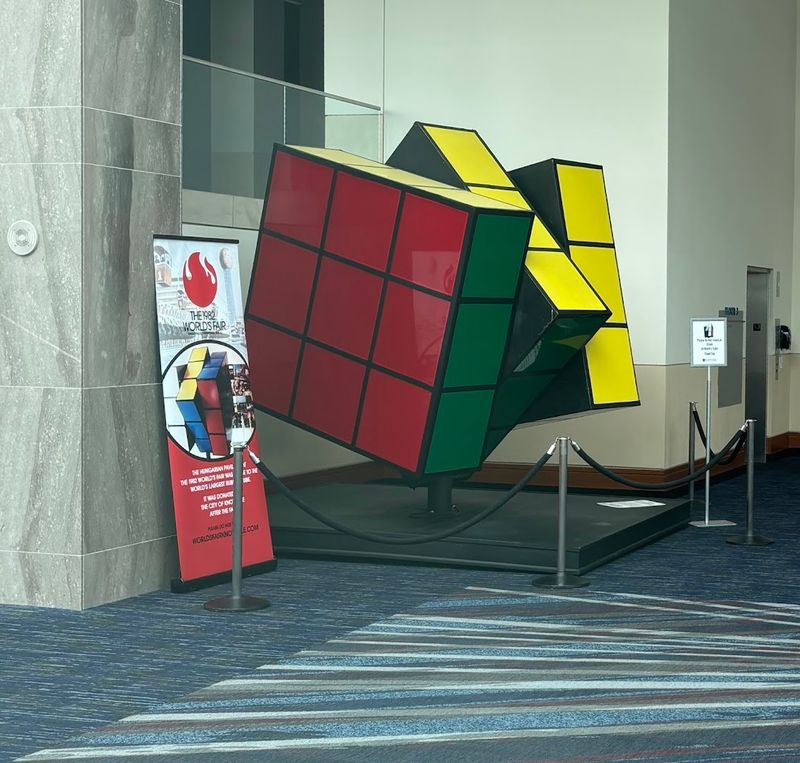
Knoxville has an enormous Rubik’s Cube sitting inside its convention center, left over from the 1982 World’s Fair. The cube is a relic from an era when the puzzle was a global phenomenon, and Knoxville decided to make one big enough to become a landmark.
The cube does not solve or rotate—it is a static sculpture, but its presence is delightfully random. Most convention centers have generic art or corporate installations. Knoxville has a giant puzzle toy from the 1980s, and locals have embraced it as a quirky piece of city identity.
Finding it requires going inside the convention center, which means it is not always accessible depending on events. When you can see it, though, it is worth the visit for the sheer novelty. The cube represents a specific moment in pop culture history and Knoxville’s willingness to preserve oddball pieces of its past.
There is no admission fee since it is in a public space. Grab a photo and appreciate the randomness of it all.
10. Trenton Teapot Museum, Trenton
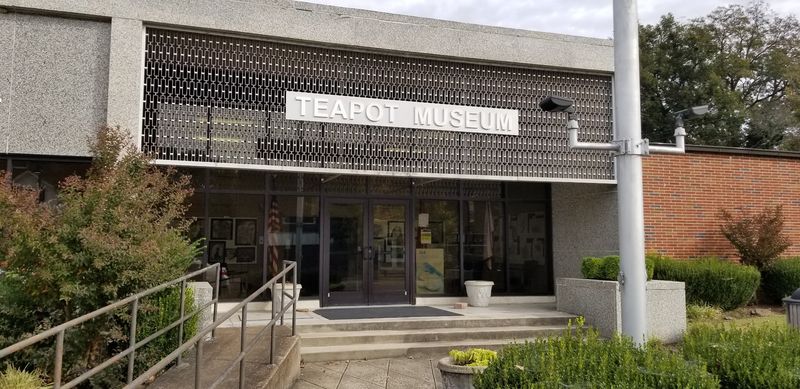
Trenton, Tennessee, holds the title of Teapot Capital of the World, and the Teapot Museum backs up that claim with an impressive collection. Hundreds of teapots from different eras, countries, and styles fill the small museum space, creating a surprisingly diverse display.
The collection ranges from delicate porcelain pieces to quirky novelty pots shaped like animals and buildings. Some are valuable antiques, others are whimsical souvenirs, and together they tell a story about how something as simple as a teapot can reflect culture and creativity. The museum also hosts an annual teapot festival, because why stop at just a museum?
What makes this place charmingly weird is the earnestness of it all. Trenton fully commits to its teapot identity, and the museum curators clearly love their subject matter. You will learn more about teapot history and design than you expected, and the passion is contagious.
11. Lodge Museum of Cast Iron, South Pittsburg
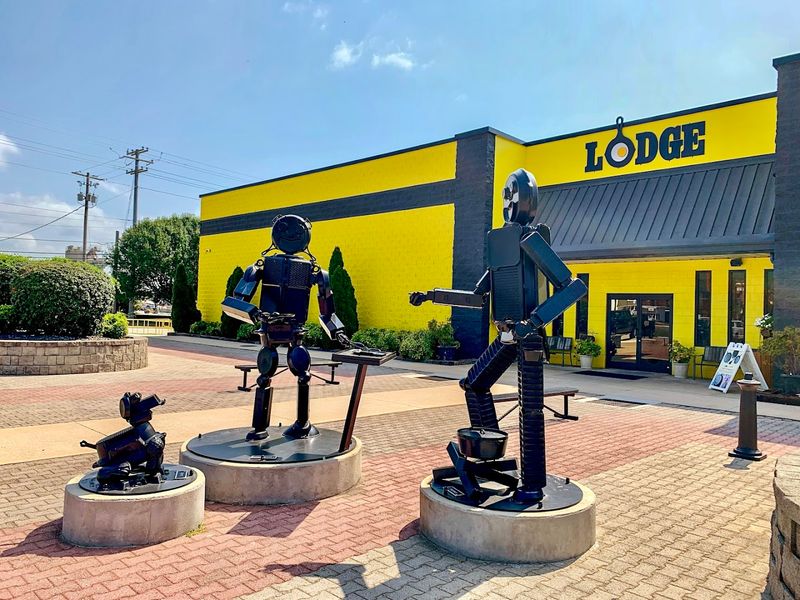
South Pittsburg is home to Lodge Cast Iron, and the company runs a museum dedicated entirely to cast iron cookware. If that sounds too niche to be interesting, you have not spent time with people who are passionate about their skillets.
The collection includes vintage pieces, manufacturing equipment, and displays showing how cast iron production has evolved. You will see everything from antique waffle irons to the modern skillets Lodge produces today. The museum also offers factory tours where you can watch molten iron being poured into molds—a surprisingly mesmerizing process.
What elevates this from a simple brand museum to a genuinely weird attraction is the level of detail and the enthusiasm surrounding cast iron culture. People drive hours to visit, and the gift shop does serious business selling cookware. It is a pilgrimage site for cast iron devotees.
Admission is free, and the factory store offers discounts on Lodge products. The tour requires advance booking but is worth the effort if you want to see manufacturing in action.
12. The Gray Fossil Site & Museum, Gray
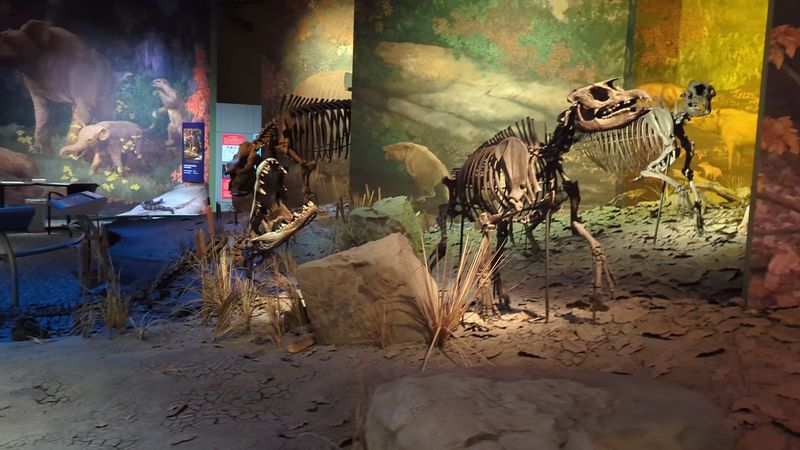
Gray, Tennessee, has one of North America’s most significant fossil sites, discovered accidentally during highway construction in 2000. The Gray Fossil Site preserves an ancient sinkhole that trapped animals and plants five million years ago, creating a time capsule of prehistoric life. Now it is both an active dig site and a public museum.
Visitors can watch paleontologists working on real excavations through viewing windows, then explore the museum’s collection of fossils found on site. The discoveries include extinct species of rhinos, alligators, tapirs, and even a red panda ancestor—creatures that once roamed Tennessee when the climate was much different.
Most people do not associate Tennessee with major paleontology, but Gray has become a research hub. The museum does an excellent job of making the science accessible while maintaining the excitement of ongoing discovery.
Admission is affordable, and the facility is modern and well-designed. If you visit during active dig seasons, you might see researchers uncovering new specimens. It is a rare chance to witness scientific work in progress while learning about Tennessee’s ancient past.
13. Bush’s Visitor Center, Dandridge
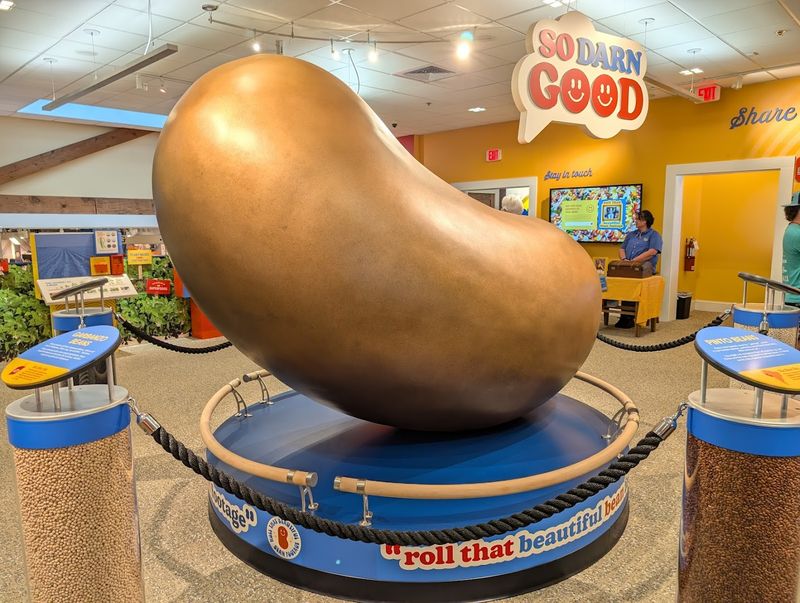
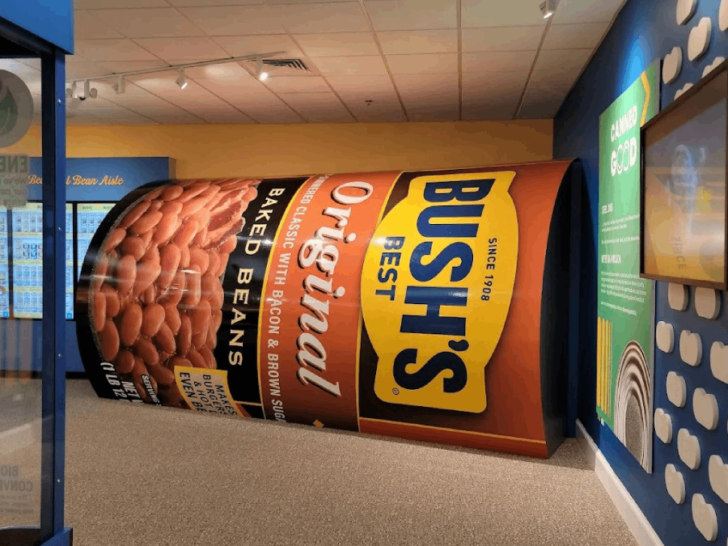
Dandridge hosts a visitor center dedicated entirely to Bush’s Baked Beans, complete with a museum, cafe, and gift shop. The center celebrates the brand’s history and the family behind it, including Duke, the golden retriever who became the face of Bush’s commercials. There is even a statue of Duke outside.
Inside, you will find exhibits on bean farming, the company’s history, and interactive displays. The cafe serves dishes featuring beans in ways you might not expect, and the general store sells bean-themed merchandise alongside the company’s products. It is wholesome, slightly kitschy, and undeniably Tennessee.
What makes this wonderfully weird is the dedication to beans as a tourist attraction. Most food brands do not inspire visitor centers, but Bush’s leaned into their Tennessee roots and created something that works. Families stop by, take photos with Duke’s statue, and leave with cans of beans and branded merchandise.
This is small-town Tennessee at its best—taking something simple, celebrating it with genuine pride, and creating an experience that is both strange and endearing.