Pennsylvania surprises you when you step inside its museums and feel stories reach out from every corner, inviting you to touch the past and see the future with fresh eyes. From ancient artifacts to cutting-edge science, from gritty penitentiary walls to polished galleries of American masters, the Commonwealth turns learning into a living, breathing experience.
As you wander from Philadelphia to Pittsburgh and across the state’s storied towns, you are welcomed by curators, makers, and interpreters who make complex ideas personal and unforgettable. If you are craving a day that leaves you inspired, grounded, and a little more curious about how everything connects, these museums are where Pennsylvania truly comes alive.
1. Penn Museum, Philadelphia
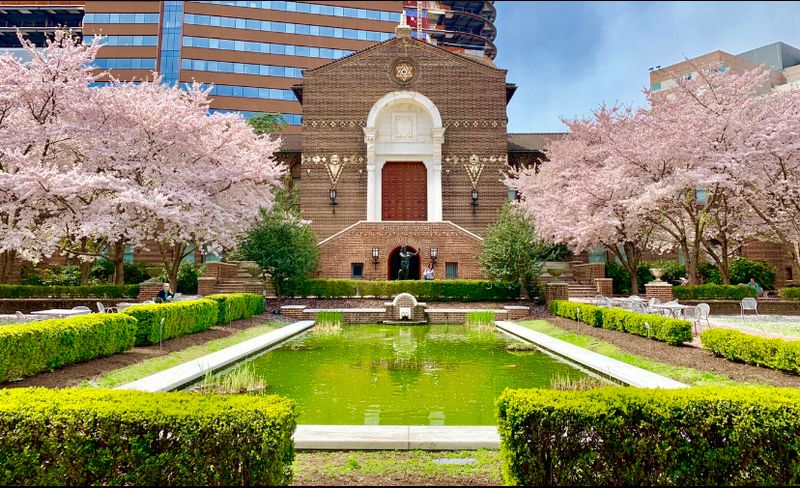
Step into a world where thousands of years feel arm’s length away, and curiosity turns into genuine discovery.
The galleries guide you through ancient Egypt, Mesopotamia, the Mediterranean, and the Americas with artifacts that look both fragile and indomitable.
You notice the quiet hum of awe around you, the kind of silence that comes when everyone is learning without being lectured.
What stands out most is how everything is grounded in people.
You see fingerprints pressed into clay tablets, intricately woven textiles, and jewelry that still glints like it did centuries ago.
The museum helps you imagine who wore these items, what they feared, and what they celebrated.
Interactive displays, thoughtful interpretation, and expert storytelling make complex histories remarkably accessible.
You are never just reading labels.
Instead, you are connecting dots across continents, watching trade routes form in your mind, and sensing how ideas migrate like travelers under wide skies.
Do not miss the Egyptian galleries, where monumental sculptures share space with everyday objects that quietly reveal how life was actually lived.
The architectural beauty of the building elevates the experience, especially in the rotunda, where light lifts your gaze and your thoughts.
Whether you spend an hour or an afternoon, you leave with timelines reordered, myths reexamined, and a deeper respect for the ingenuity of ancient communities.
2. Mutter Museum, Philadelphia
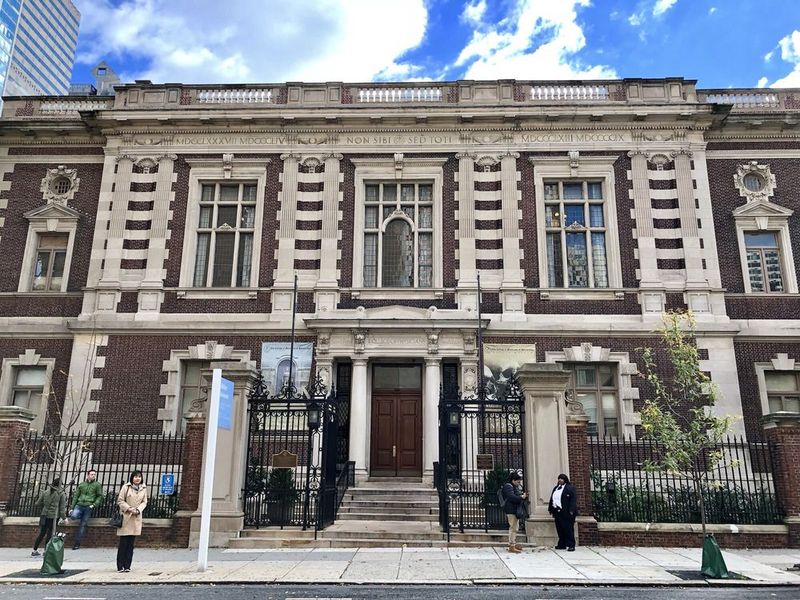
Curiosity meets compassion the moment you enter, where human stories are preserved with meticulous care.
The Mütter Museum invites you to look closely at the body’s mysteries and the history of medicine without sensationalism.
Cabinets glow softly, framing specimens that once belonged to lives full of hope, fear, resilience, and pain.
You move slowly, guided by labels that respect both science and humanity.
Historical instruments reveal the evolution of techniques that now seem routine but were once radical.
The collection challenges your assumptions about normal, rare, and extraordinary.
It is not just about unusual anatomy.
It is about progress learned the hard way, about trial and error, and about physicians and patients who faced uncertainty with courage.
You leave with a newfound appreciation for the fragile brilliance of the human body.
Educational programs and rotating exhibits add dimension, tying past breakthroughs to modern dilemmas.
You might reflect on ethics, public health, and how communities support care.
This museum asks you to hold two truths at once: that wonder and discomfort can coexist, and that thoughtful looking can be an act of empathy.
As you step back into Philadelphia’s bright streets, you carry a quiet gratitude for the lives that taught medicine how to heal.
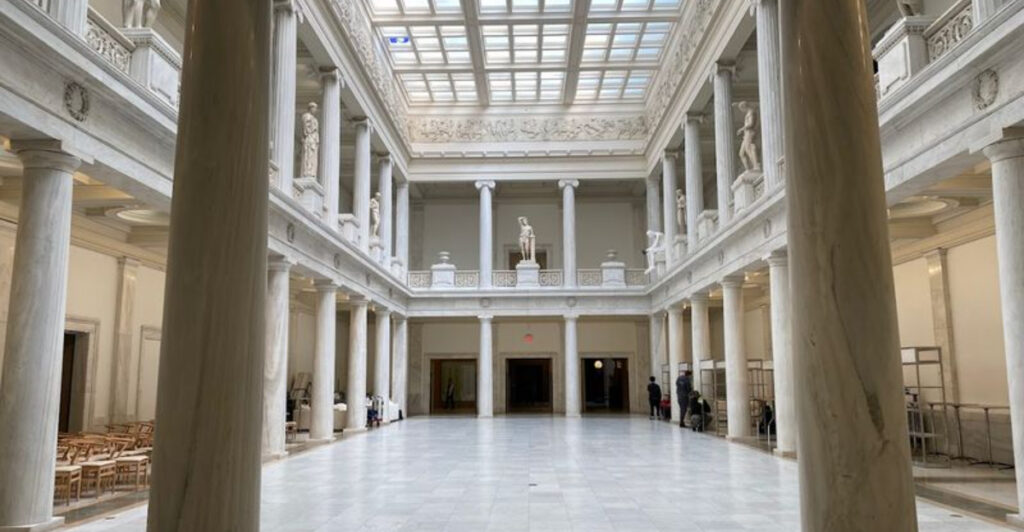
3. Carnegie Museum of Art, Pittsburgh
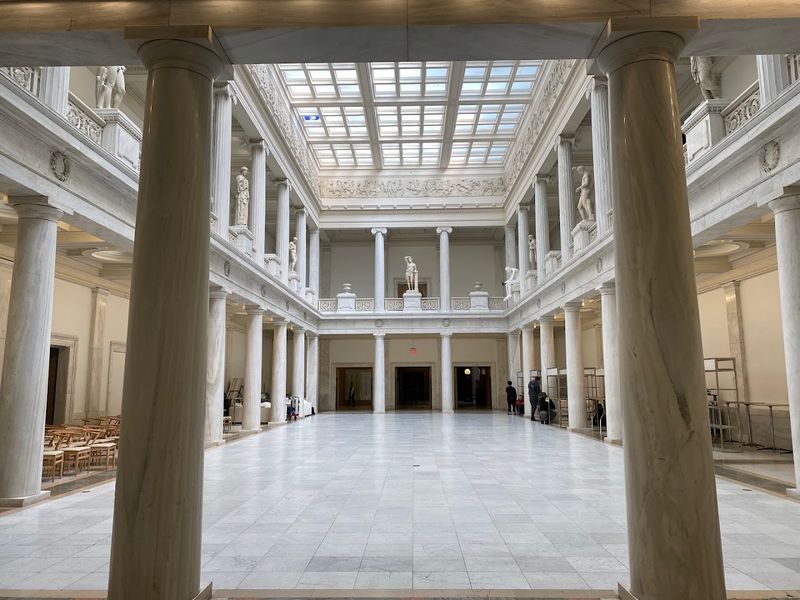
In Pittsburgh, creativity stretches across centuries and mediums under one elegant roof.
The Carnegie Museum of Art feels like a conversation between artists who never met yet still speak to each other across time.
You wander from Renaissance to contemporary work and sense that ideas keep flowing like the rivers outside.
The collection balances tradition with risk.
Paintings glow with layered colors, sculptures cast interesting shadows, and installations pull you into new perspectives.
You find yourself leaning closer, then stepping back to see how pieces echo across galleries.
What makes the experience memorable is how accessible it feels.
Thoughtful labels, smart curation, and a welcoming layout let you explore at your own pace.
You are encouraged to find your own path, connecting emotion with observation.
Temporary exhibitions refresh the journey with bold themes that touch everyday life.
Education spaces and programs invite you to sketch, discuss, and question.
Before leaving, take a moment in the Hall of Architecture, where casts of historic monuments surround you with a global timeline.
The museum shows how art documents change, carries memory, and nudges society forward.
You step back into Pittsburgh feeling a little lighter and sharper, as if your vision learned a new language.
4. Philadelphia Museum of Art, Philadelphia
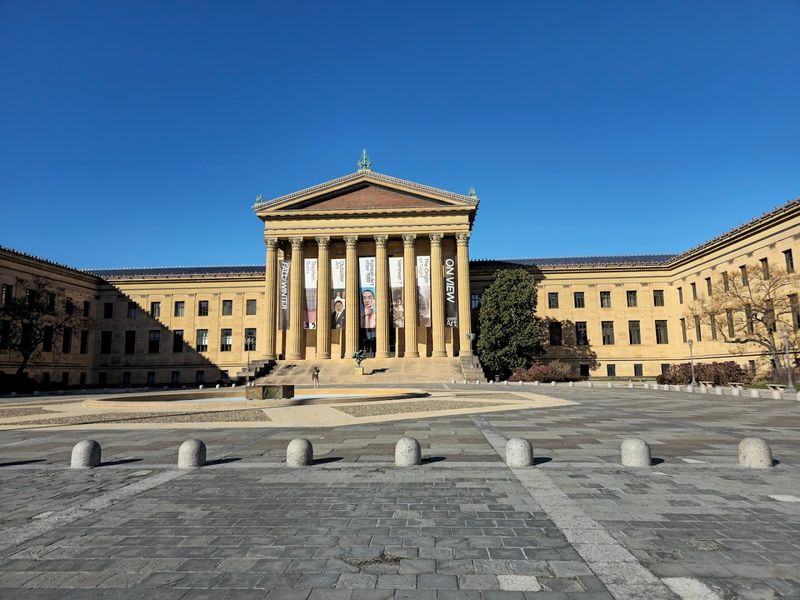
Standing at the top of those famous steps, you feel both the sweep of the city and the quiet pull of masterpieces waiting inside.
The Philadelphia Museum of Art is a landmark for a reason.
Galleries unfold like chapters, each room inviting you to slow down and look with intention.
From Asian art to European painting and American design, the range is thrilling.
You notice how one brushstroke opens a door to another era, how furniture whispers about daily life, and how textiles share cultural rhythms.
The curation gently teaches you to see with more patience.
It is not just a collection.
It is a bridge between centuries, styles, and stories that mirror Philadelphia’s layered history.
You find contemporary works sparking dialogue with ancient craft, and it feels surprisingly natural.
Plan time for special exhibitions that reframe familiar narratives and spotlight underrepresented voices.
The museum’s scale can be energizing, so choose a few sections and savor them.
Whether you arrive for the art, the architecture, or the view across the Benjamin Franklin Parkway, you leave feeling connected to a wider world.
The steps may be iconic, but it is the quiet moments in front of a single painting that tend to stay with you.
5. Eastern State Penitentiary, Philadelphia
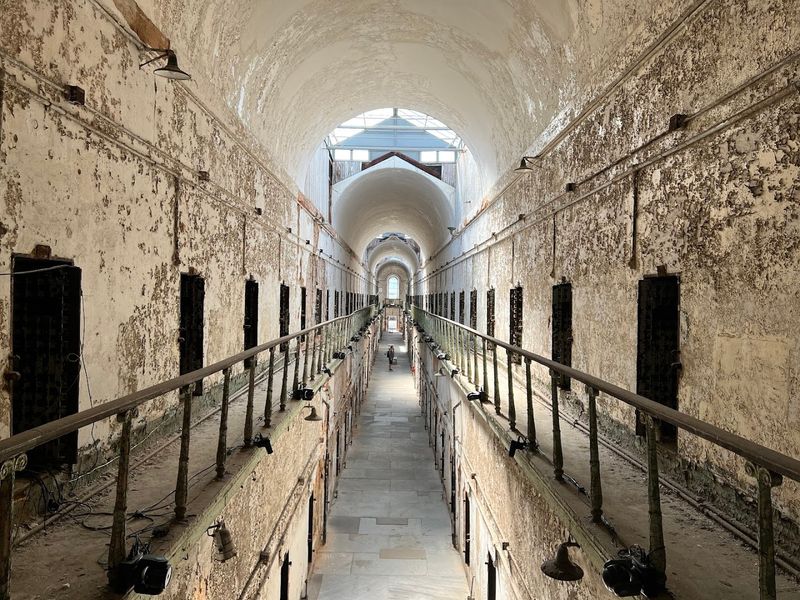
Haunting corridors lead you through one of the most influential prisons in American history.
Eastern State Penitentiary blends architecture, policy, and human experience in ways that feel immediate.
The famous radial design once set global standards, and the remains carry that bold vision in stark relief.
Walking the cellblocks, you hear stories through an exceptional audio tour that balances empathy with clear-eyed history.
You learn how isolation was meant to inspire reflection, and what that meant for real people.
The echoes feel heavy but honest.
Interpretive exhibits tackle incarceration, reform, and public safety today.
You are invited to weigh tradeoffs rather than accept simple answers.
Art installations bring contemporary voices into the old stone, asking you to imagine better futures.
Seasonal programming adds even more dimension, whether you prefer thought-provoking daytime visits or atmospheric evenings.
Photography lovers will appreciate the textures of weathered walls and filtered light.
By the time you step back onto Fairmount Avenue, you carry a layered understanding of American justice.
It is a sobering, necessary experience that manages to be both historically rigorous and deeply human.
6. The Andy Warhol Museum, Pittsburgh
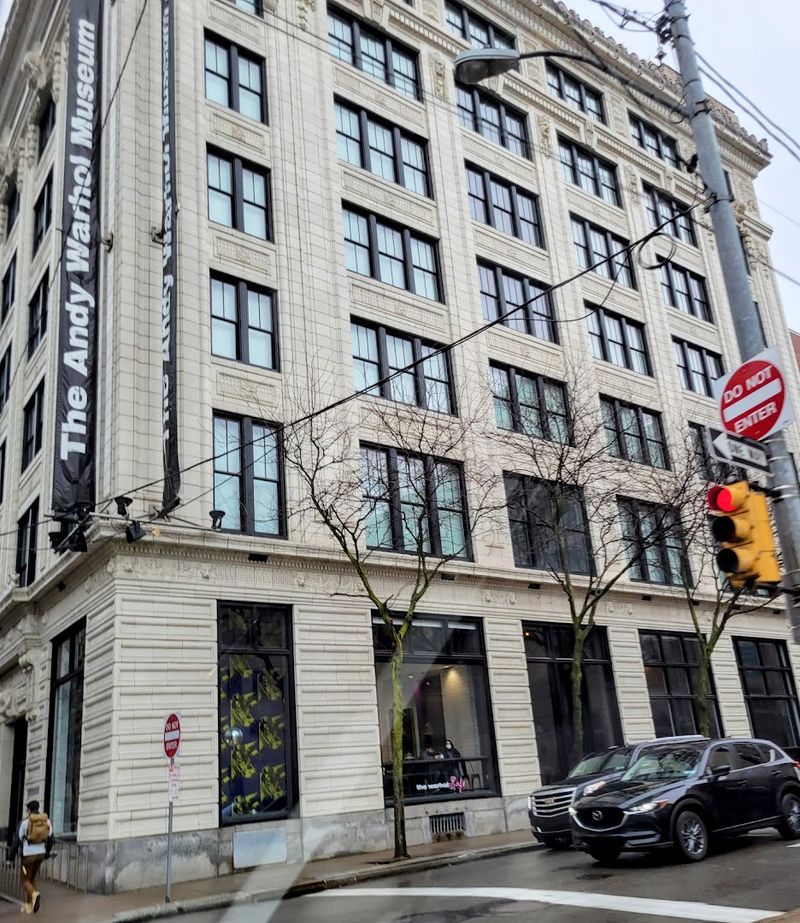
Color, celebrity, and curiosity collide in a museum that rewards playfulness as much as reflection.
The Andy Warhol Museum spans seven floors, each revealing a different facet of an artist who turned everyday images into cultural mirrors.
You are invited to question what is original, what is reproduced, and what still surprises.
The galleries trace Warhol’s life from Pittsburgh roots to pop icon.
Silkscreens pulse with neon energy, films flicker with deadpan humor, and archives whisper about meticulous process.
You sense how relentless experimentation powered his vision.
Interactive elements keep things lively.
You might make a screen test, explore the Factory’s vibe, or design your own riff on celebrity culture.
It is easy to linger, then loop back and notice new connections.
Special exhibitions often pair Warhol with contemporary artists, showing how his questions about fame, identity, and commerce remain urgent.
The gift shop doubles as a playful coda, full of objects that wink at the art you just saw.
When you leave, the world outside looks a little brighter and stranger, as if every can, billboard, and selfie contains a secret.
7. Railroad Museum of Pennsylvania, Strasburg
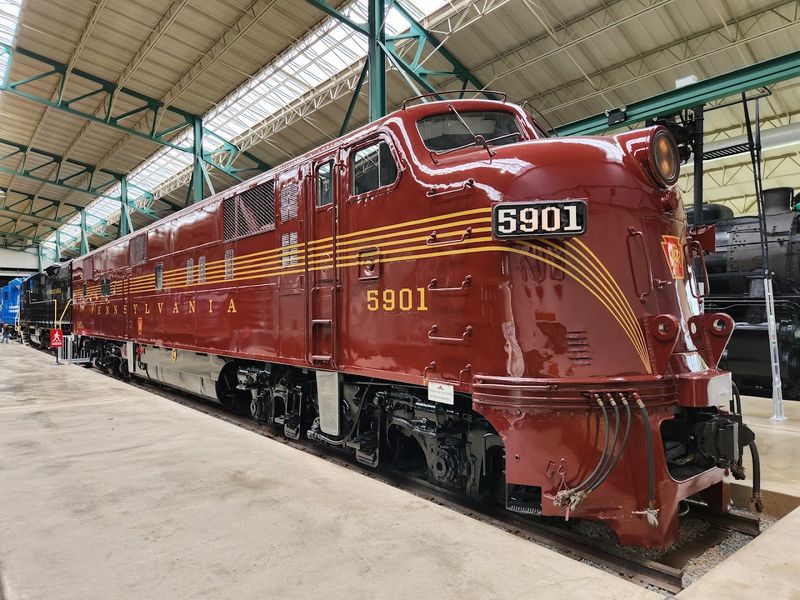
Steel giants rest here like sleeping storytellers, their rivets and rods still humming with motion.
The Railroad Museum of Pennsylvania puts you right beside locomotives that once stitched towns together across the Commonwealth.
You feel how rail shaped work, time, and opportunity.
Climb into cabs, peer at engineer controls, and notice the craftsmanship that kept trains running through snow, heat, and mountain grades.
Exhibits explain technology without drowning you in jargon.
It is tactile history that clicks for all ages.
Strasburg’s pastoral setting adds charm, especially when paired with nearby heritage rail experiences.
You can practically hear whistles on the breeze.
The museum’s restoration work shows a care that borders on devotion.
Interpretive panels connect rail to immigration, labor, and industry.
You leave with a broader sense of how goods and people moved, and how infrastructure builds community.
If you love design, materials, or just the romance of a long journey, this place delivers.
Bring comfortable shoes, a camera, and an open ear for stories carried on steel and steam.
8. Senator John Heinz History Center, Pittsburgh
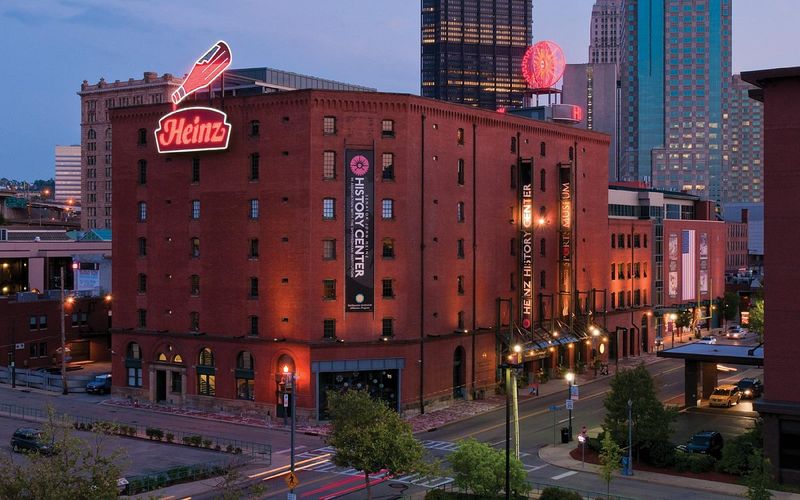
History in Pittsburgh feels industrious, inventive, and personal, and this museum captures that beautifully.
The Heinz History Center turns regional stories into national conversations.
You move through floors of exhibits that celebrate grit, humor, and big ideas from Western Pennsylvania.
There is room for sports, steel, glass, robotics, and everyday home life.
Artifacts are displayed with warmth, making it easy to picture them in kitchens, factories, and stadiums.
The tone is proud but honest about challenges and change.
Interactive elements invite you to tinker, test, and remember.
You will likely recognize objects from childhood, which makes the journey both nostalgic and forward looking.
The building’s warehouse bones add character without crowding the content.
Temporary exhibitions keep things fresh, often highlighting underrepresented communities and hidden innovators.
Family friendly programming and archives make it a resource as much as a destination.
When you leave, Pittsburgh’s bridges feel like metaphors for connection, linking past, present, and the next idea waiting to be built.
9. The Barnes Foundation, Philadelphia
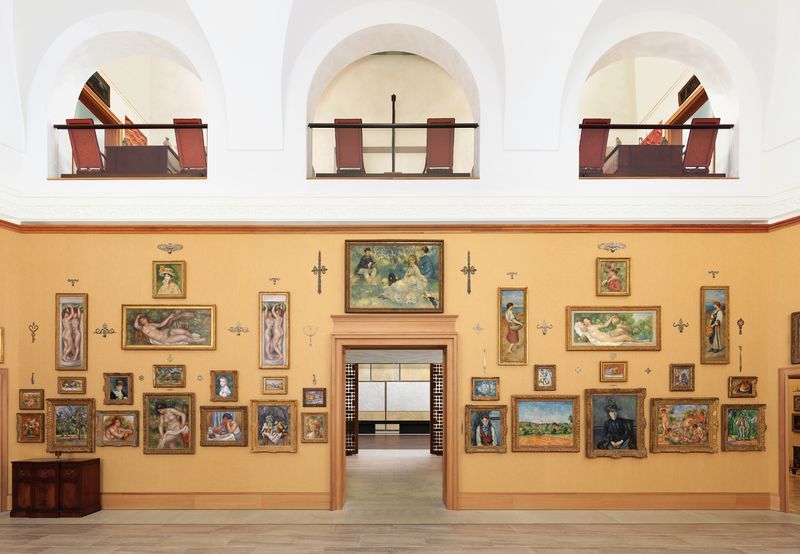
Prepare for a rewire of how you look at art.
The Barnes Foundation arranges paintings, metalwork, and furniture into ensembles that spark visual conversations.
You are not just seeing masterpieces.
You are learning how to see line, color, and form in dialogue.
Impressionist and Post Impressionist works glow with familiar names, yet the arrangement shifts your focus from labels to relationships.
A hinge echoes a brushstroke.
A curve in a chair rhymes with a dancer’s arm.
It is quietly thrilling.
Docents and digital guides help decode founder Albert Barnes’s teaching methods.
Rather than a greatest hits tour, you get a lesson in perception.
It is surprisingly hands on for a gallery setting.
The building’s serene light and thoughtful proportions support close looking.
Take your time, circle back, and notice how your eyes sharpen with each room.
By the end, you feel like you have taken a masterclass without the homework.
You carry the method with you, and even the street outside starts to look composed.
10. Museum of the American Revolution, Philadelphia
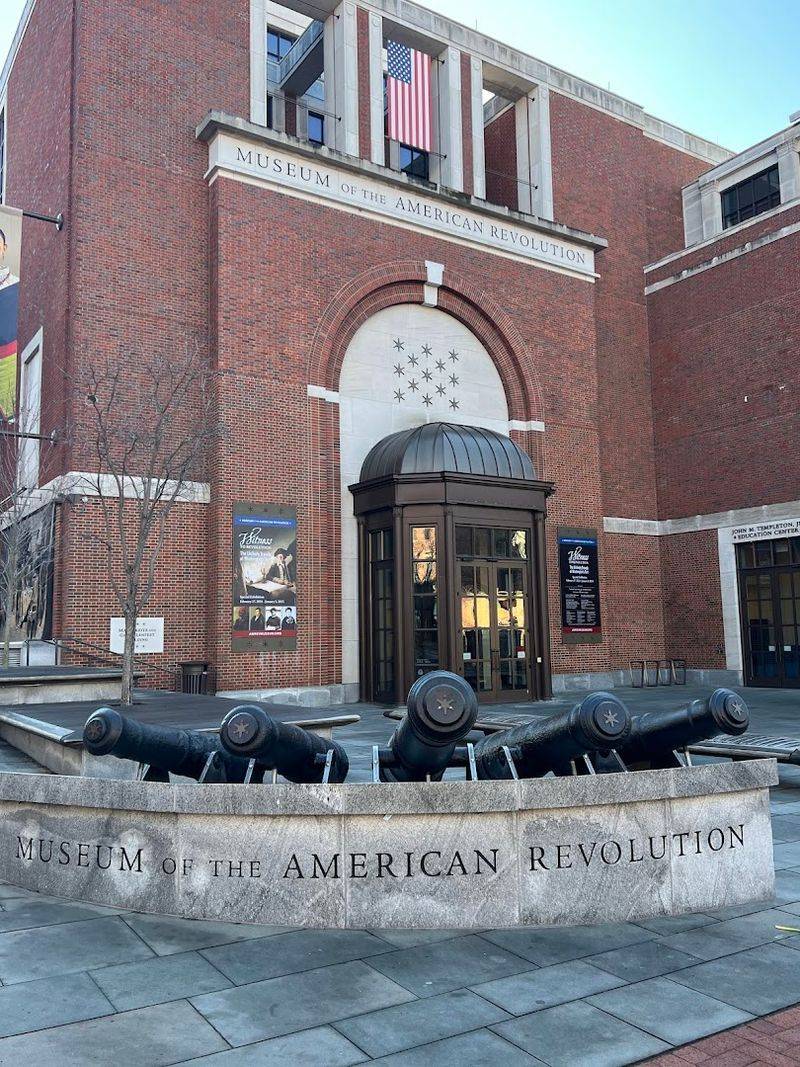
Revolutionary stories become human scale here, unfolding with urgency and nuance.
The Museum of the American Revolution welcomes you into scenes where decisions were messy and courage personal.
You are guided through causes, campaigns, and consequences without losing sight of individual lives.
Artifacts and exhibits are deeply immersive.
Washington’s War Tent anchors the experience with a powerful theatrical presentation.
You feel the weight of choices under canvas, where weather, illness, and uncertainty tested resolve.
Interpretation makes room for complexity.
Loyalists, Indigenous nations, free and enslaved people all have presence, expanding the narrative beyond famous names.
You leave with a more complete map of the struggle for independence.
Interactive galleries keep younger visitors curious while giving adults new angles.
The design balances drama with scholarship, so you trust what you are feeling and learning.
Step out onto Philadelphia’s streets and the city’s Revolutionary landmarks feel newly charged, as if echoes still ride the cobblestones.
11. National Constitution Center, Philadelphia
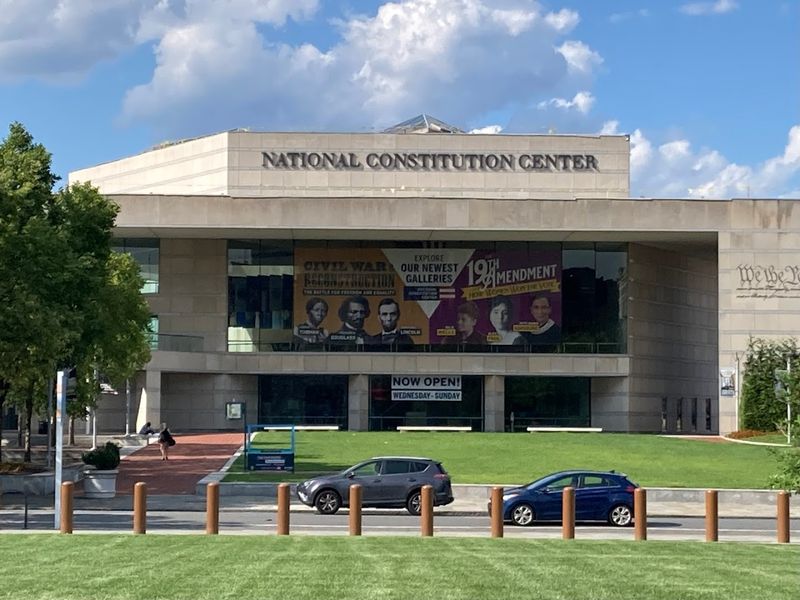
Here, big ideas are designed to be touched, debated, and lived.
The National Constitution Center transforms civics into an interactive experience.
You test rights, weigh responsibilities, and see how amendments shape everyday choices.
Signers’ Hall is unforgettable, where life size statues invite photos and reflection.
You can walk among them like a time traveler, feeling the tension and ambition of a young nation.
Exhibits highlight both triumphs and contradictions.
Multimedia theaters and hands on stations make complex legal concepts digestible.
You do not need a law degree to feel informed.
The center encourages civil conversation, something we all need more of.
Temporary exhibitions bring contemporary issues into focus, showing constitutional debates as ongoing rather than settled.
The view of Independence Mall grounds everything in place.
When you leave, you might find yourself reading headlines differently, more interested in how principle meets policy and people.
12. Pennsylvania Academy of the Fine Arts, Philadelphia
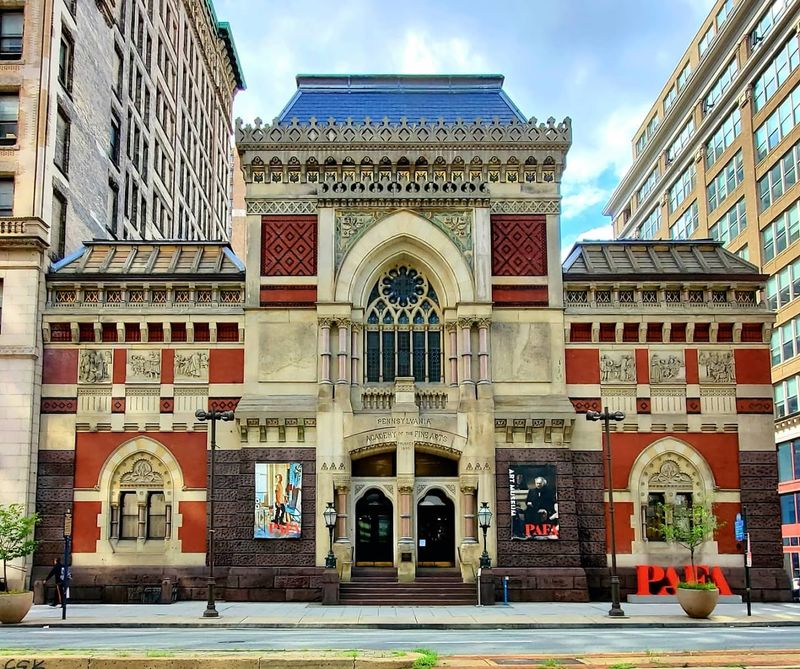
Art school and museum meet in a space that feels charged with making.
The Pennsylvania Academy of the Fine Arts nurtures artists while showcasing American art with depth and care.
You sense the lineage of creativity passing from studio to gallery and back again.
The Historic Landmark Building dazzles with ornate detail, a work of art in itself.
Inside, paintings and sculptures span centuries of American vision, from the celebrated to the newly rediscovered.
The atmosphere invites slower looking and real conversation.
Rotating exhibitions spotlight alumni, trailblazers, and voices that expand the canon.
You are reminded that art history is not fixed.
It evolves every time a new artist finds a new question.
Workshops, talks, and student energy animate the experience.
If you enjoy seeing how artists learn, this is your place.
You leave with admiration for tradition and appetite for what comes next, as if a door to your own creative practice just cracked open.
13. The Franklin Institute, Philadelphia
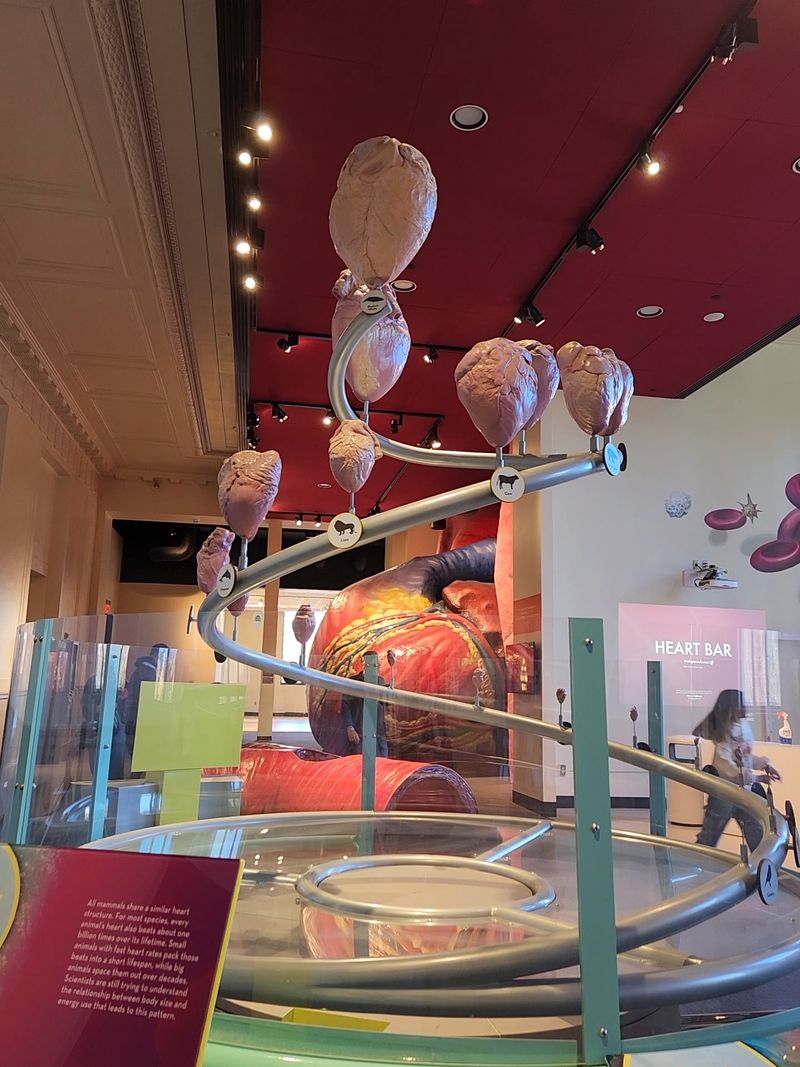
Curiosity runs the show here, and you are encouraged to touch almost everything.
The Franklin Institute makes science feel immediate, playful, and powerful.
It is the kind of place where questions multiply in the best way.
Walking through the Giant Heart never gets old, no matter your age.
Hands on exhibits turn physics, engineering, and tech into aha moments.
Planetarium shows and special exhibitions layer wonder with solid science.
Educators shine, meeting you where you are and nudging you forward.
Whether you are calibrating a simple machine or catching your breath after a flight simulator, learning feels active.
The building’s blend of classic architecture and modern labs sets a confident tone.
Plan extra time because curiosity is a time thief.
Families, solo explorers, and date night duos all find their groove here.
You will leave with a head full of ideas and a new respect for how science shapes everyday life in Pennsylvania and beyond.
Share this story