Tennessee has the kind of places that make your out-of-town guests pull out their phones and start texting everyone back home. From underground waterfalls to misty mountain peaks, the state is packed with spots that feel almost too good to be real.
Whether you want to show off natural beauty, quirky attractions, or a little bit of both, Tennessee delivers without even trying. Here are thirteen places guaranteed to make you look like the ultimate host.
1. Great Smoky Mountains National Park
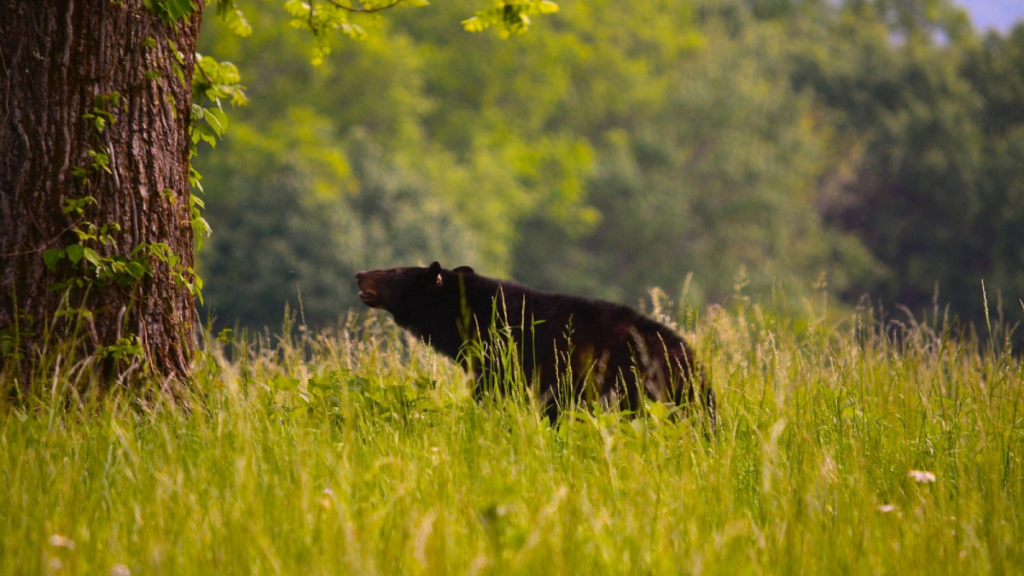
America’s most visited national park sits right here in Tennessee, which is the kind of fact that ends arguments before they start. The Smokies give you everything: waterfalls tumbling over moss-covered rocks, black bears wandering through meadows, and those signature misty peaks that look like something out of a painting. Guests who think they’ve seen mountains before will quickly realize they haven’t seen them like this.
The park straddles the Tennessee-North Carolina border, but the Tennessee side claims Gatlinburg and Townsend as gateways, both offering their own brand of mountain-town charm. Clingmans Dome, the highest point, rewards the short uphill walk with 360-degree views that stretch for miles on clear days. Newfound Gap Road winds through the heart of the park, delivering overlook after overlook without requiring any serious hiking.
Wildlife sightings happen often enough to feel special but not so often that they lose their magic. Elk graze in Cataloochee Valley, synchronous fireflies light up summer nights in select areas, and salamanders—yes, salamanders—thrive in numbers that make scientists giddy. The park protects old-growth forests, some of the most diverse temperate ecosystems on the planet.
Admission costs nothing, which somehow makes the whole experience feel even more generous. Guests leave understanding why Tennesseans talk about the Smokies the way other people talk about their favorite relatives. The park doesn’t just look good in photos; it feels good to be in, and that difference shows.
2. Cades Cove
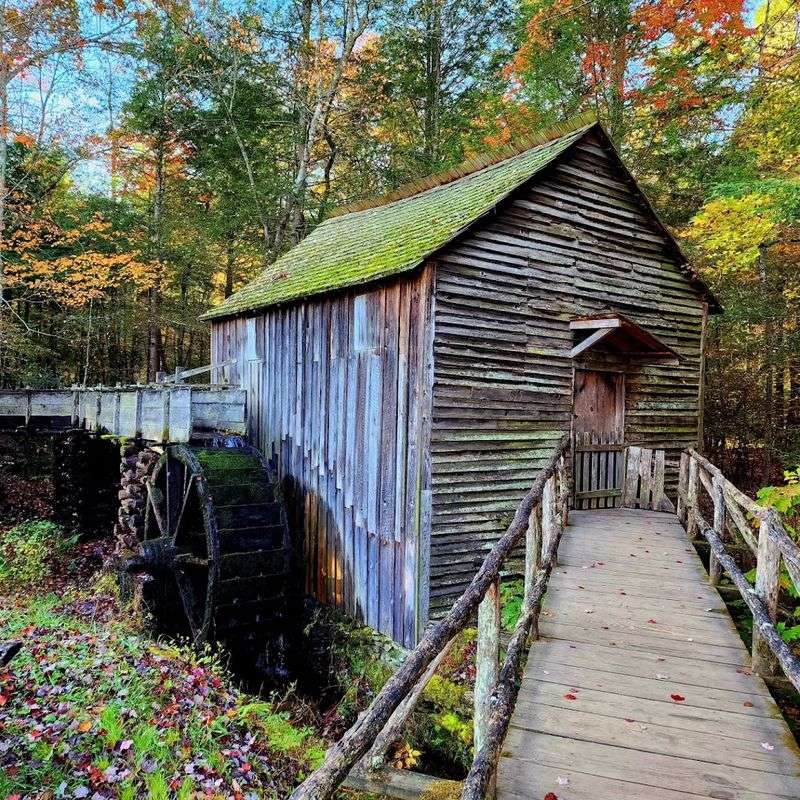
Cades Cove is what happens when a mountain valley gets preserved just right—historic buildings, open fields, wildlife, and enough scenic beauty to justify the slow 11-mile loop drive that circles the area. It sits inside Great Smoky Mountains National Park, but it deserves its own mention because it delivers a completely different experience from the rest of the park. This is where guests see deer grazing at dawn, black bears crossing the road, and wild turkeys strutting around like they own the place.
The loop road passes weathered log cabins, churches with hand-split shingles, and working grist mills that ground corn the same way settlers did in the 1800s. Each structure tells a story about the families who farmed this valley before the park existed. Guests can get out, walk through the buildings, and peek into windows that frame mountain views settlers woke up to every morning.
Early mornings and late afternoons bring the best light and the most wildlife. Midday crowds can slow things down, but even then, the scenery makes waiting worthwhile. Cyclists love the Wednesday and Saturday morning car-free hours when the loop belongs to bikes only.
3. Lookout Mountain
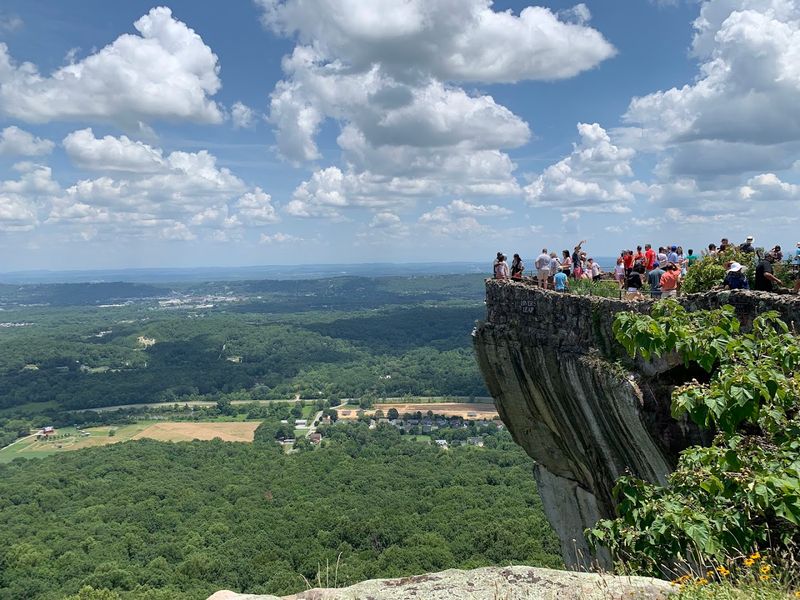
Lookout Mountain rises above Chattanooga like Tennessee’s version of a greatest-hits album—everything worth bragging about packed into one dramatic ridge. The views alone justify the trip: seven states visible on clear days, the Tennessee River snaking through the valley below, and Chattanooga spread out like a detailed map. But the mountain offers way more than just overlooks.
Ruby Falls hides inside the mountain, an underground waterfall that drops 145 feet in a limestone cavern lit up like nature’s own theater. The Incline Railway climbs the steep slope at angles that make guests grip their seats, earning its reputation as one of the steepest passenger railways in the world.
Rock City sits near the top, offering gardens, rock formations, and that famous “See Seven States” lookout that’s been luring visitors since the 1930s.
Civil War history runs deep here too. The Battle Above the Clouds took place on these slopes in 1863, and Point Park preserves the battlefield with monuments, cannons, and interpretive signs that bring the story to life. Guests who care about history get their fill; guests who just want pretty views get those too.
The mountain works for all ages and energy levels. You can drive most of the way up, take the Incline, or hike if you’re feeling ambitious. Each approach delivers, and the combination of natural beauty, quirky attractions, and genuine history makes Lookout Mountain the kind of place that checks multiple boxes at once.
Guests leave impressed, which is exactly the point.
4. Ruby Falls
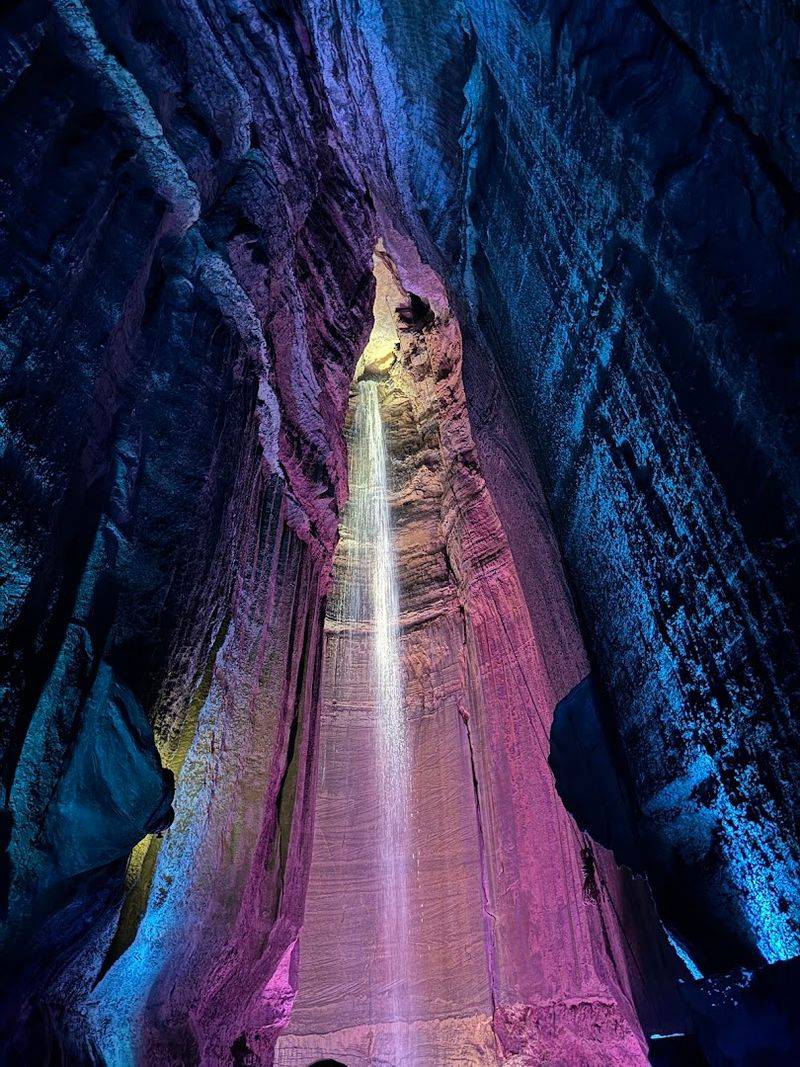
An underground waterfall sounds like something from a fantasy novel, but Ruby Falls is real, touristy in the best possible way, and exactly the kind of attraction that makes guests text photos to everyone they know.
The falls drop 145 feet inside Lookout Mountain, deep enough underground that you take an elevator down 26 stories just to start the cave tour. The whole experience feels like a secret that somehow became famous.
Guides lead groups through narrow passageways lined with limestone formations—stalactites, stalagmites, flowstone, and other geological features that took thousands of years to form. The tour builds anticipation, winding deeper into the mountain until you reach the main chamber where the waterfall cascades down in a column of water lit by colored lights. Yes, the lights are dramatic, and yes, they work.
Leo Lambert discovered the falls in 1928 while drilling an elevator shaft for a separate cave tour. He named them after his wife, Ruby, and opened the attraction to the public shortly after.
5. Fall Creek Falls State Park
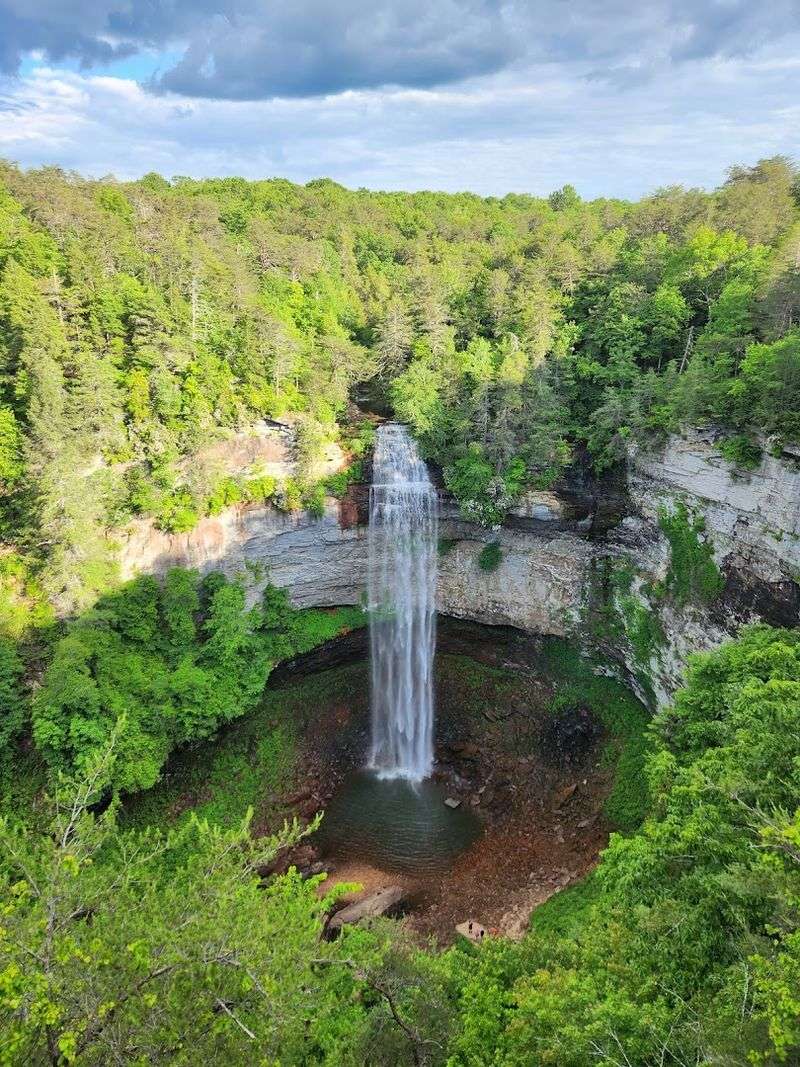
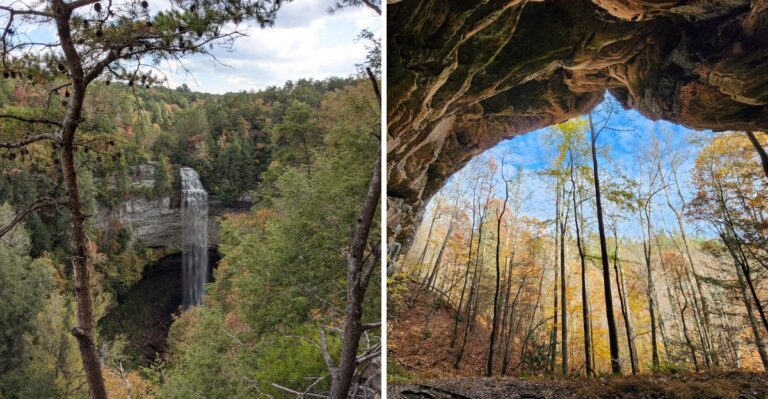
Fall Creek Falls drops 256 feet into a misty gorge, making it one of the tallest waterfalls east of the Mississippi and the crown jewel of Tennessee’s largest state park. The waterfall alone would be enough to impress guests, but the park spreads across more than 26,000 acres of Cumberland Plateau wilderness, offering overlooks, gorges, and cascades that keep delivering long after the main attraction.
Four other major waterfalls—Cane Creek, Piney Falls, Cane Creek Cascades, and Rockhouse Falls—give guests plenty of reasons to linger. Trails range from easy walks to challenging scrambles, with suspension bridges, steep staircases, and overlook platforms that frame the falls from multiple angles. The scenery shifts with the seasons: spring brings wildflowers and heavy water flow, fall delivers fiery foliage, and winter occasionally freezes the falls into icy sculptures.
The park offers more than just waterfalls. A lake, golf course, ziplines, and miles of mountain biking trails keep guests busy if they want variety. Cabins and a lodge provide comfortable overnight options for those who want to wake up in the middle of all this beauty.
What makes Fall Creek Falls a true brag-worthy destination is the scale—everything here feels bigger and more dramatic than expected. Guests who think they’ve seen Tennessee waterfalls before will recalibrate their standards.
6. The Lost Sea Adventure
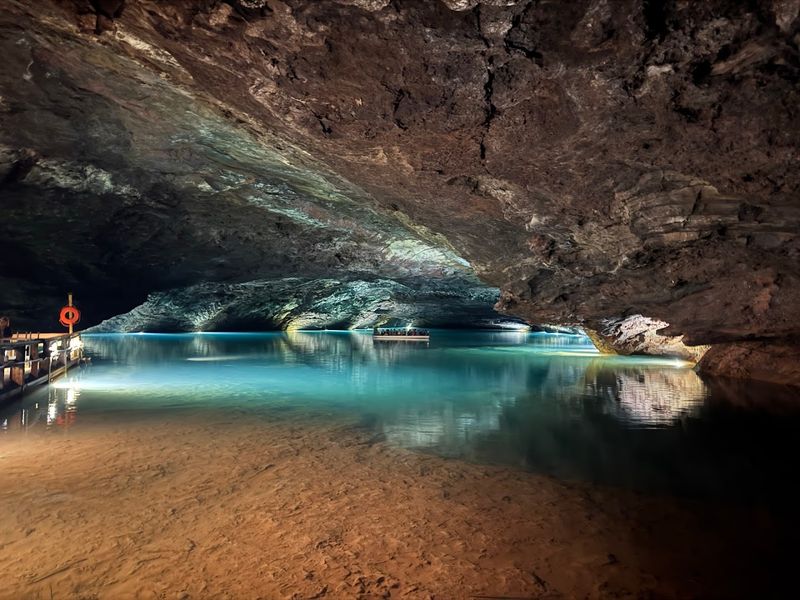
A boat ride on America’s largest underground lake isn’t something guests expect to find in Tennessee, which makes The Lost Sea Adventure exactly the kind of surprise that sticks in memory. The tour starts with a walk through cavern rooms filled with formations, then opens into a massive underground lake that spreads across 4.5 acres—and that’s just the part that’s been mapped. Divers have explored farther, but nobody knows exactly how big the lake really is.
The guided tour keeps things moving at a comfortable pace, with stories about the cave’s history mixed in with geological explanations. Confederate soldiers mined the cave for saltpeter during the Civil War. Prohibition-era moonshiners allegedly used it for storage.
A giant prehistoric jaguar skeleton was discovered deep inside, now displayed in the American Museum of Natural History.
The boat ride itself is short but memorable—rainbow trout swim in the clear water, and guides point out formations reflected on the lake’s glassy surface. The whole experience takes about an hour and works for all ages, which makes it an easy win when you’re hosting guests with different interests and energy levels.
The Lost Sea sits near Sweetwater, about halfway between Knoxville and Chattanooga, making it a convenient stop that feels way more exotic than its location suggests. Guests who’ve done the usual Tennessee attractions appreciate something genuinely unusual.
7. Reelfoot Lake State Park
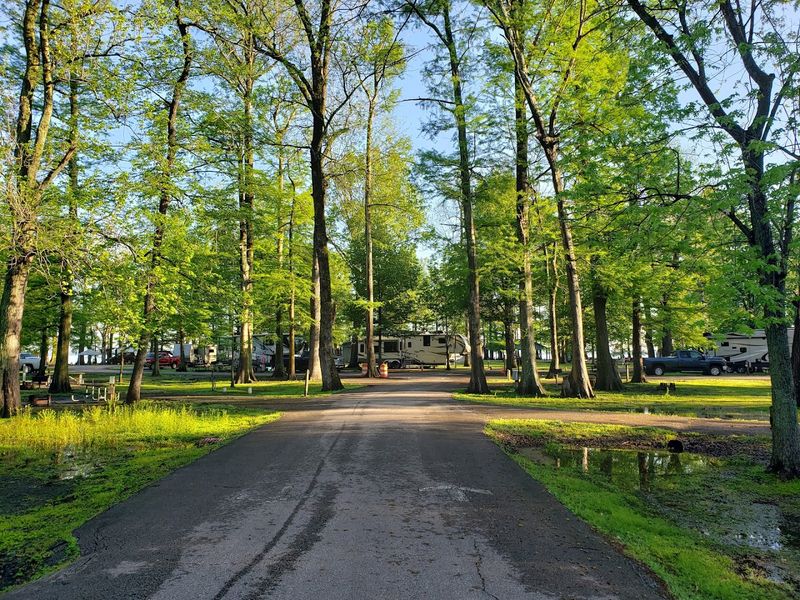
Reelfoot Lake looks nothing like the rest of Tennessee, which is exactly why it belongs on this list. Bald cypress trees rise from shallow water, their trunks swelling at the base and their roots creating a maze that feels more Louisiana than Volunteer State. Spanish moss drapes from branches, great blue herons stalk the shallows, and bald eagles nest in numbers that make this one of the best eagle-watching spots in the country.
The lake formed during the New Madrid earthquakes of 1811-1812, when the ground dropped and the Mississippi River temporarily flowed backward, filling the depression. It’s Tennessee’s only large natural lake, and its shallow, nutrient-rich waters support an ecosystem that attracts birders, photographers, and anyone who appreciates landscapes that don’t fit expectations.
Boat tours glide through the cypress forest, guides pointing out wildlife and explaining the lake’s unusual origin story. Winter brings bald eagles—sometimes dozens roosting in a single tree—while spring and fall migrations fill the wetlands with ducks, geese, and shorebirds. Fishing is excellent year-round, with crappie being the local favorite.
The park sits in the northwest corner of Tennessee, far from the mountains and tourist crowds that dominate the eastern part of the state. That remoteness adds to the appeal.
Reelfoot Lake offers proof that the state contains multitudes, and the eerie beauty of those cypress swamps makes for photos that don’t look like anywhere else.
8. Dollywood
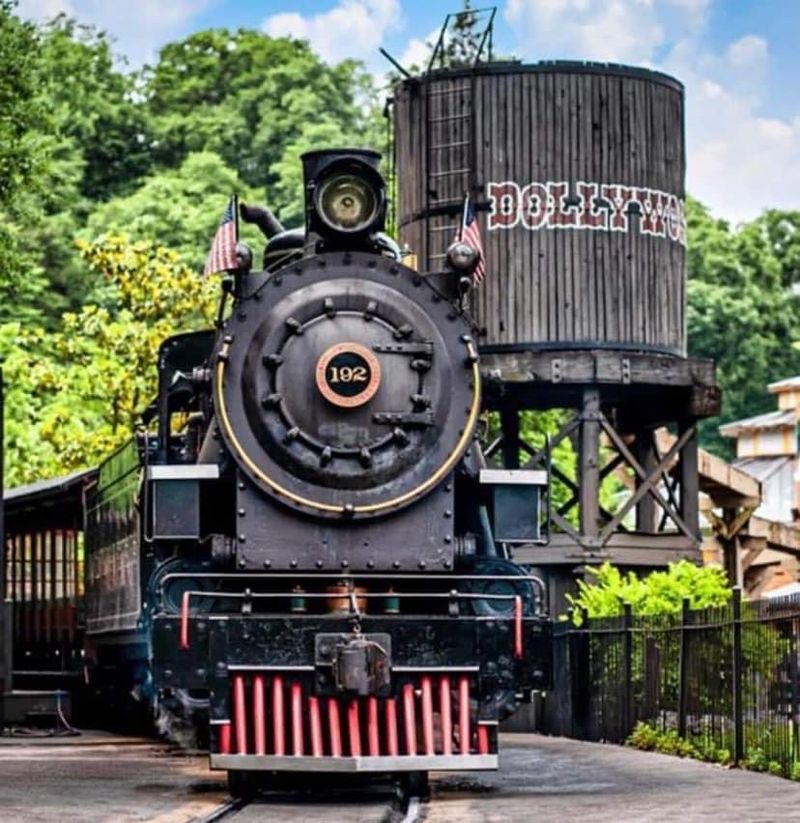
Even guests who claim they don’t do theme parks usually make an exception for Dollywood, and once they’re there, they get it. The park blends thrill rides with Smoky Mountain scenery, live bluegrass and gospel music with funnel cakes, and enough Dolly Parton charm to make even the most cynical visitors smile. It’s a theme park that somehow feels authentically Tennessee, which is a harder trick to pull off than it sounds.
The rides range from family-friendly to genuinely intense—Lightning Rod launches riders up a hill before dropping them down one of the fastest wooden coaster tracks in the world. Wild Eagle soars above the treetops on a wing coaster that takes full advantage of the mountain views. Younger guests gravitate toward Wildwood Grove, a newer area with rides scaled for smaller thrill-seekers.
But Dollywood offers more than just rides. Craftsmen demonstrate blacksmithing, glassblowing, and other traditional Appalachian skills in shops scattered throughout the park. Musical performances happen on multiple stages, showcasing everything from country to Southern gospel.
Seasonal festivals—spring flowers, summer concerts, fall harvest, Christmas lights—give repeat visitors reasons to come back.
The food goes beyond typical theme park fare, with options like smoked turkey legs, cinnamon bread, and Aunt Granny’s Restaurant serving up country cooking that actually tastes like someone’s aunt granny made it.
Dollywood’s location in Pigeon Forge, surrounded by mountains, means the setting enhances rather than detracts from the experience. Guests leave understanding why this park consistently ranks among the best in the country, and why Tennesseans are genuinely proud of it.
9. Jack Daniel’s Distillery
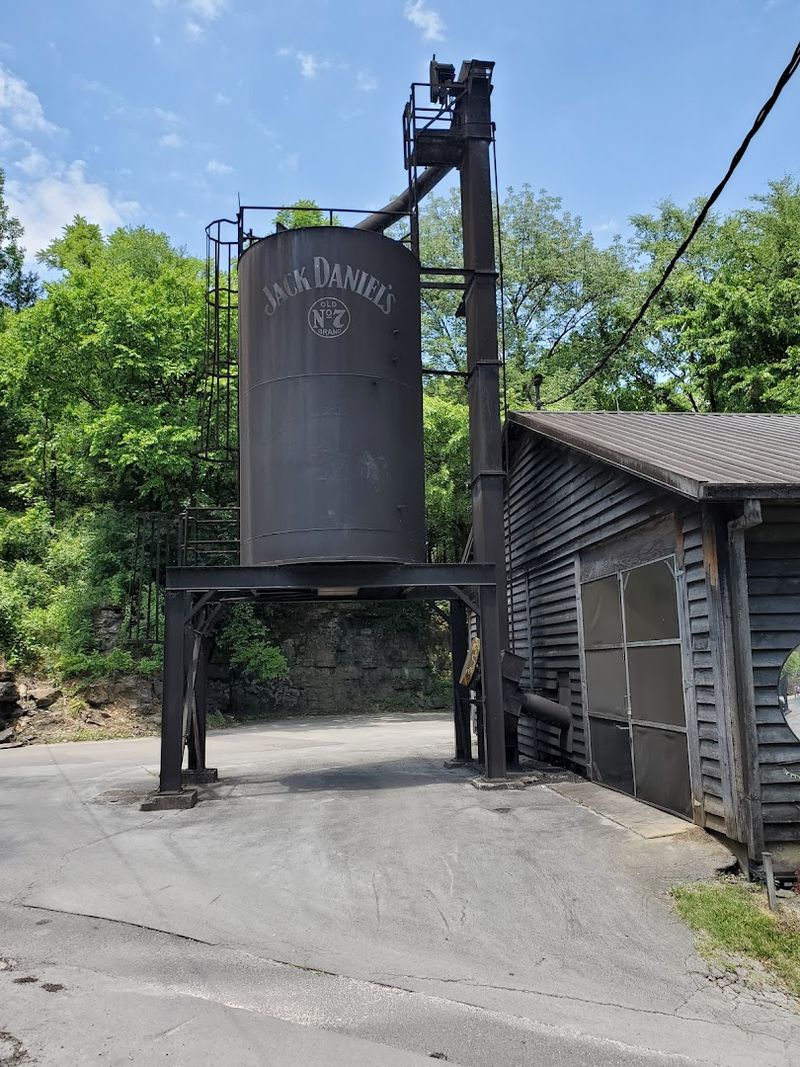
The Jack Daniel’s Distillery tour in Lynchburg is Tennessee in a bottle—literally and figuratively. This is where one of the world’s most recognized whiskeys gets made, using the same charcoal-mellowing process Jack Daniel established in 1866. Guests see the cave spring that supplies the iron-free water, watch whiskey drip through ten feet of sugar maple charcoal, and walk past warehouses stacked floor to ceiling with aging barrels.
Guides explain the process with enough detail to satisfy whiskey nerds but keep things accessible for guests who just like a good story. The history runs deep: Jack Daniel registered his distillery in 1866, making it the oldest in the United States. The town of Lynchburg remains dry, which means you can tour a distillery but can’t buy a bottle in town—a quirk that somehow makes the whole experience more memorable.
The town square complements the distillery tour perfectly. Lynchburg’s population hovers around 6,000, and the downtown area looks like it hasn’t changed much in decades. Miss Mary Bobo’s Boarding House serves traditional Southern meals family-style, and shops sell everything from whiskey-scented candles to barrel-aged coffee.
Multiple tour options exist, from basic distillery walkthroughs to more in-depth experiences that include tastings and barrel sampling. Even guests who don’t drink whiskey appreciate the craftsmanship and the chance to see a genuine piece of Tennessee heritage still operating the old way.
10. Natchez Trace Parkway
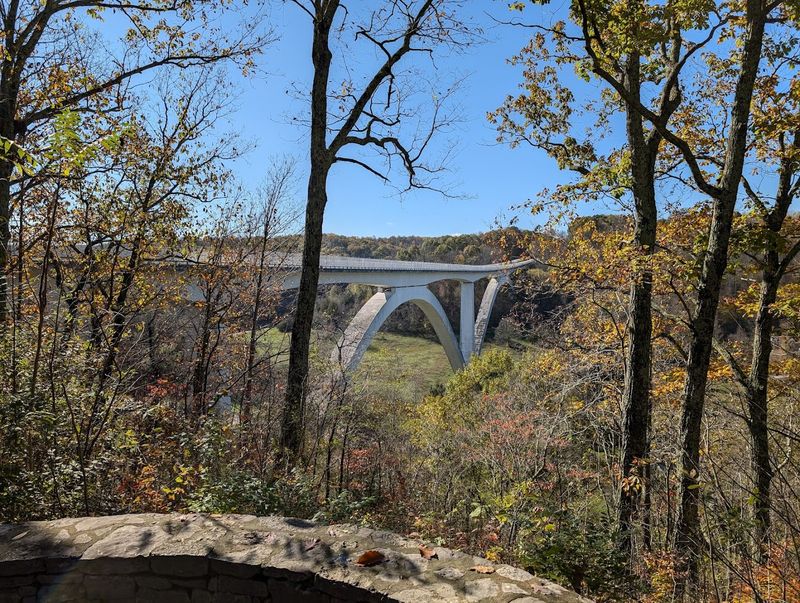
The Natchez Trace Parkway unfolds like Tennessee’s answer to a meditation session—444 miles of two-lane road with no stoplights, no billboards, and no gas stations, just forests, fields, and historic sites that tell stories going back thousands of years. The National Park Service maintains the entire route, which follows the path of the Old Natchez Trace, a trail used by Native Americans, traders, soldiers, and settlers traveling between Nashville and Natchez, Mississippi.
The Tennessee section offers dozens of pull-offs and short trails. Birdsong Hollow showcases a sunken section of the original trace, worn deep into the earth by decades of foot traffic. The Meriwether Lewis Monument and gravesite mark where the explorer died under mysterious circumstances in 1809.
Fall Hollow Waterfall rewards a short walk with a 30-foot cascade, and numerous overlooks frame rolling hills and river valleys.
The parkway attracts cyclists, motorcyclists, and drivers looking for an alternative to interstates and traffic. The 50-mph speed limit feels almost leisurely, encouraging the kind of meandering pace that lets you actually notice things. Wildflowers bloom in spring, dogwoods light up the understory in early summer, and fall foliage turns the route into a corridor of color.
What makes the Trace brag-worthy is its quiet insistence that slowing down reveals more. Guests accustomed to rushing between destinations find themselves pulling over at historic markers, walking trails they hadn’t planned on, and losing track of time in the best possible way. The parkway doesn’t shout for attention—it just delivers beauty and history in steady, generous doses.
11. Norris Lake
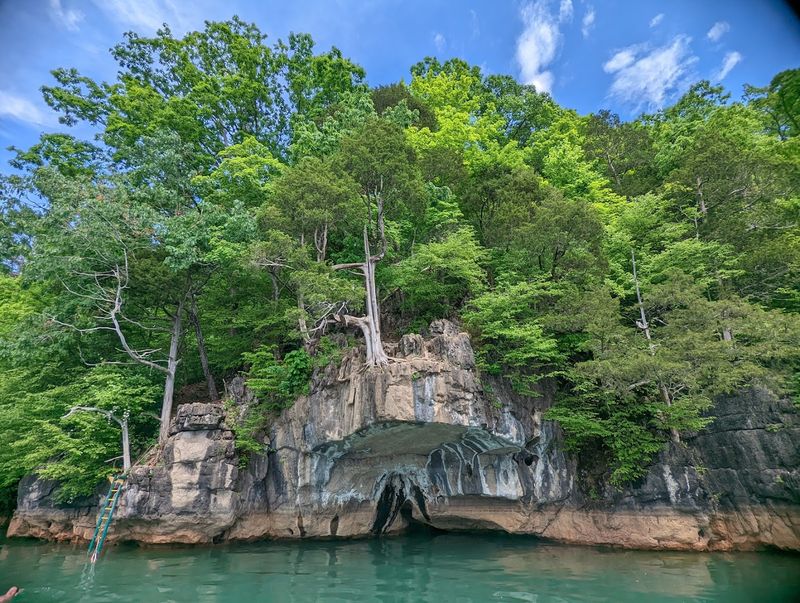
Norris Lake surprises guests who think Tennessee lakes mean muddy water and crowded shores. This reservoir, created by the Tennessee Valley Authority’s first dam in 1936, spreads across 34,000 acres with water so clear you can see fish swimming below the surface. The lake’s 800 miles of shoreline weave around coves, islands, and inlets, creating the kind of scenery that makes people understand why Tennesseans spend summer weekends on the water.
The lake sits in the foothills of the Appalachian Mountains, which means the backdrop includes tree-covered ridges instead of flat farmland. Marinas dot the shoreline, offering boat rentals, houseboat vacations, and everything needed for a day on the water. Wakeboarding, skiing, tubing, paddleboarding, and fishing all thrive here, with bass, crappie, and striped bass keeping anglers busy.
Several parks and recreation areas provide access for guests who don’t own boats. Swimming beaches, picnic areas, and hiking trails make it easy to enjoy the lake without committing to a full-day rental. The water stays relatively warm through summer, and the clarity makes swimming feel more appealing than in murkier lakes.
What sets Norris Lake apart is that combination of clear water, mountain scenery, and relative lack of overdevelopment. It doesn’t feel like a tourist trap—it feels like a local secret that happens to be big enough to share. Guests from landlocked cities or those used to ocean beaches get a different perspective on what lake life can look like.
12. National Civil Rights Museum
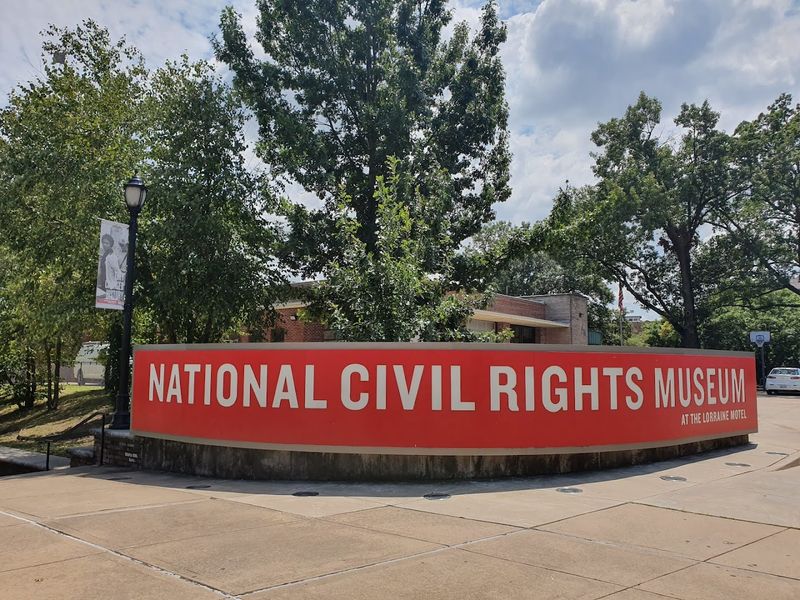
The National Civil Rights Museum occupies the Lorraine Motel in Memphis, where Dr. Martin Luther King Jr. was assassinated on April 4, 1968. That location alone carries weight, but the museum extends far beyond that single tragic moment, tracing the American civil rights movement from slavery through Reconstruction, Jim Crow, the movement’s peak years, and into contemporary struggles. It’s powerful, necessary, and one of the most important museum experiences in the country.
Exhibits include a slave ship replica that forces visitors to confront the brutal reality of the Middle Passage, a Montgomery bus where Rosa Parks refused to give up her seat, lunch counter stools from sit-in protests, and multimedia presentations that place visitors inside key moments of the movement. The museum doesn’t shy away from difficult truths or sanitize history for comfort—it presents the story with honesty and context.
The preserved rooms at the Lorraine Motel, including the balcony where King was shot, remain as they were in 1968. Across the street, the museum expanded into the boarding house where James Earl Ray fired the fatal shot, creating a complete narrative that includes both the movement’s achievements and its costs.
Visitors consistently describe the museum as emotionally intense but essential. It’s not entertainment—it’s education that challenges, informs, and often changes perspectives. For guests who want to understand Tennessee and American history more deeply, this museum delivers with unflinching honesty and profound respect for the people who fought and died for civil rights.
13. Big South Fork National River and Recreation Area
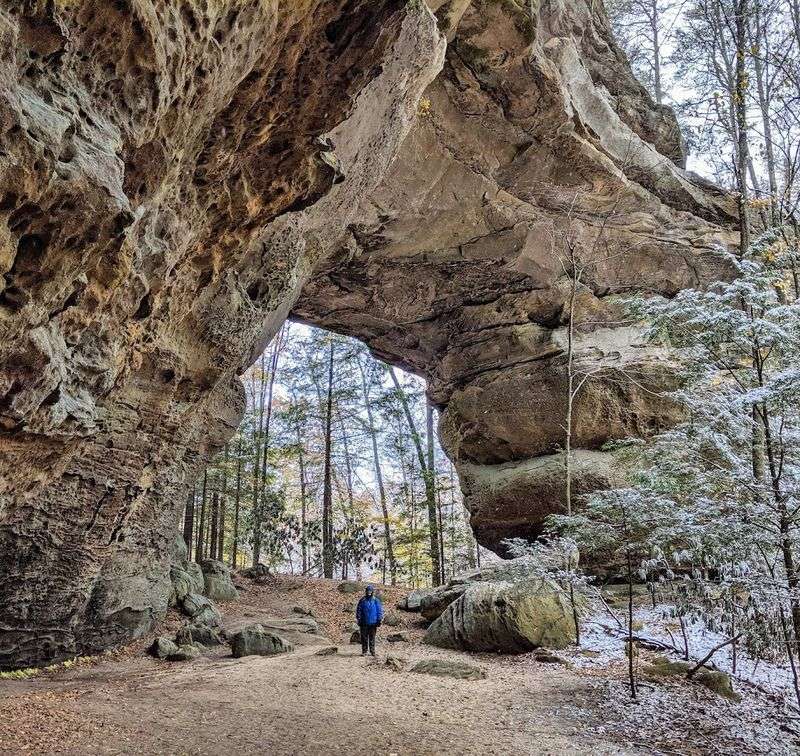
Big South Fork National River and Recreation Area sprawls across 125,000 acres of rugged gorges, sandstone cliffs, and wilderness that feels genuinely remote despite being relatively accessible. The Big South Fork River cuts through the Cumberland Plateau, creating dramatic rock formations, natural arches, and whitewater rapids that attract paddlers, hikers, and anyone who wants to see Tennessee at its wildest.
The gorge system offers some of the most impressive scenery in the state—sheer sandstone bluffs rise hundreds of feet above the river, and overlooks like East Rim provide views that stretch for miles. Twin Arches, one of the largest natural double-arch formations in the country, rewards a moderate hike with the kind of geological wonder that makes guests pull out their cameras and actually use them.
The area supports more than 200 miles of trails, from easy riverside walks to challenging backcountry routes. Horseback riding thrives here, with designated equestrian trails and campsites that welcome riders. The river itself draws kayakers and rafters, especially during spring when water levels run high enough for Class III and IV rapids.
What makes Big South Fork brag-worthy is its combination of accessibility and wildness. You can reach major attractions by car, but once you’re on the trails, the crowds disappear and the landscape takes over. Guests expecting manicured state park experiences get something rawer and more authentic.
The area doesn’t try to be polished—it just offers stunning natural beauty and enough space to feel like you’ve discovered something most people miss. That’s exactly the kind of place that makes you look good as a host.
Share this story