Tennessee is packed with incredible places just waiting to be explored, and the best part is that you don’t need to pack an overnight bag to see them. Whether you’re craving mountain views, chasing waterfalls, or looking for a fun town to wander through, there are dozens of spots within a three-hour drive from almost anywhere in the state.
These 13 destinations offer everything from wild rivers and historic parks to charming downtowns and natural swimming holes, making them perfect for a spontaneous Saturday adventure or a well-planned family outing.
1. Chattanooga
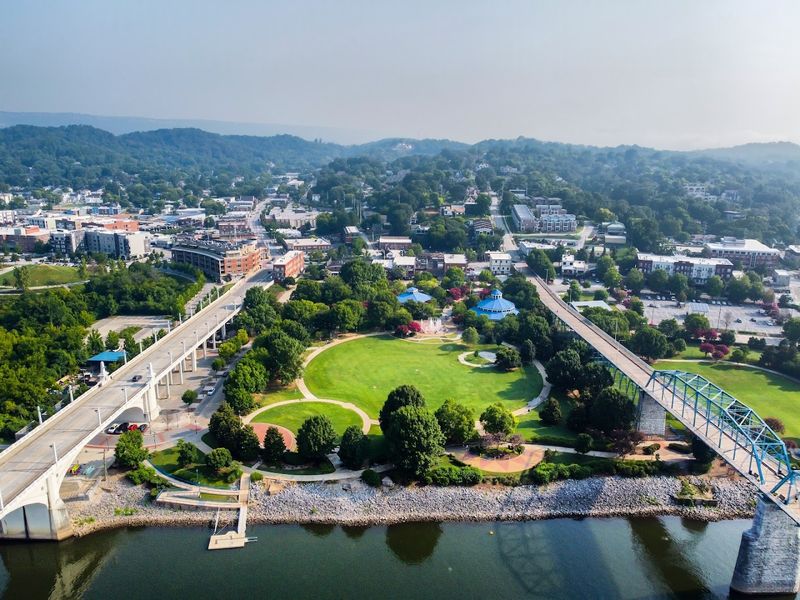
Chattanooga sits along the Tennessee River and delivers one of the most complete day-trip experiences in the state. You get mountain scenery, a walkable downtown packed with locally owned restaurants, and attractions that work for every age group. Lookout Mountain towers over the city and offers views that stretch across multiple states on clear days.
The Tennessee Aquarium anchors the riverfront district and is one of the top freshwater aquariums in the country. Families can easily spend hours here watching river otters, penguins, and stingrays. Outside, the Walnut Street Bridge is one of the longest pedestrian bridges in the world and connects downtown to the North Shore neighborhood, where you’ll find cafes, shops, and a laid-back vibe.
If you’re into outdoor stuff, the Riverwalk trails hug the waterfront and are perfect for biking or walking. Rock City and Ruby Falls are both on Lookout Mountain and offer underground caverns and scenic overlooks. The Incline Railway is another classic—it’s one of the steepest passenger railways in the world and climbs straight up the mountain.
Chattanooga’s food scene has grown a lot in recent years. You’ll find everything from barbecue joints to farm-to-table spots and craft breweries. The city also hosts festivals and events year-round, so there’s usually something happening downtown.
Parking is easy to find, and the compact layout means you can explore on foot once you arrive.
Because Chattanooga offers such a wide mix of activities, it’s a solid pick whether you’re traveling solo, with friends, or with kids. It’s one of those places that feels like a mini-vacation without the hassle of booking a hotel.
2. Fall Creek Falls State Park
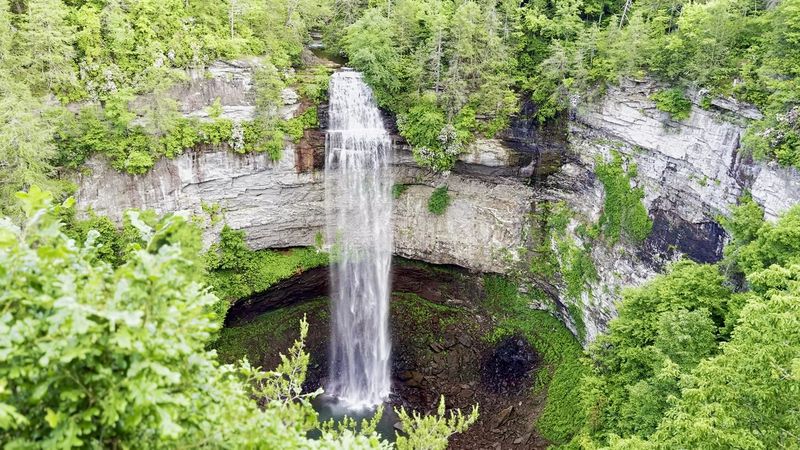
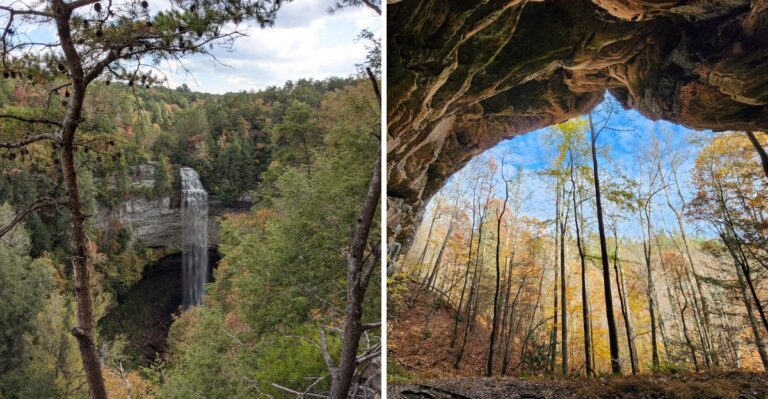
Fall Creek Falls is home to Tennessee’s tallest waterfall, and that alone makes it worth the trip. The main falls drop 256 feet into a misty gorge, and the viewing platform puts you right in front of the action. You can hear the roar of the water before you even see it, and the spray creates rainbows on sunny afternoons.
The park covers more than 26,000 acres and includes several other waterfalls, each with its own trail and personality. Cane Creek Falls, Cane Creek Cascades, and Piney Falls are all within the park boundaries and offer different levels of difficulty for hikers. Some trails are short and paved, while others take you deep into the woods and require sturdy shoes.
If you’re not into heavy hiking, the park also has scenic overlooks you can drive to. The gorge overlooks give you sweeping views of the canyon without the climb. There are picnic areas scattered throughout, so you can pack a lunch and make a full day of it.
The park is especially beautiful in the fall when the leaves change, but it’s busy during peak season. Spring is another great time to visit because the waterfalls are at their fullest from recent rain. Summer brings more crowds, but the shade from the forest keeps things cooler than you’d expect.
Fall Creek Falls is located near Pikeville and Spencer, which are small towns with a few local diners and gas stations. Plan to bring snacks and water, especially if you’re hiking multiple trails. The park does have a visitor center with restrooms and maps, and rangers are usually available to answer questions.
This is one of the most photographed spots in Tennessee, and for good reason. It’s dramatic, accessible, and feels like a true escape into nature. Whether you’re chasing waterfalls or just want to unplug for a few hours, this park delivers.
3. Rock Island State Park
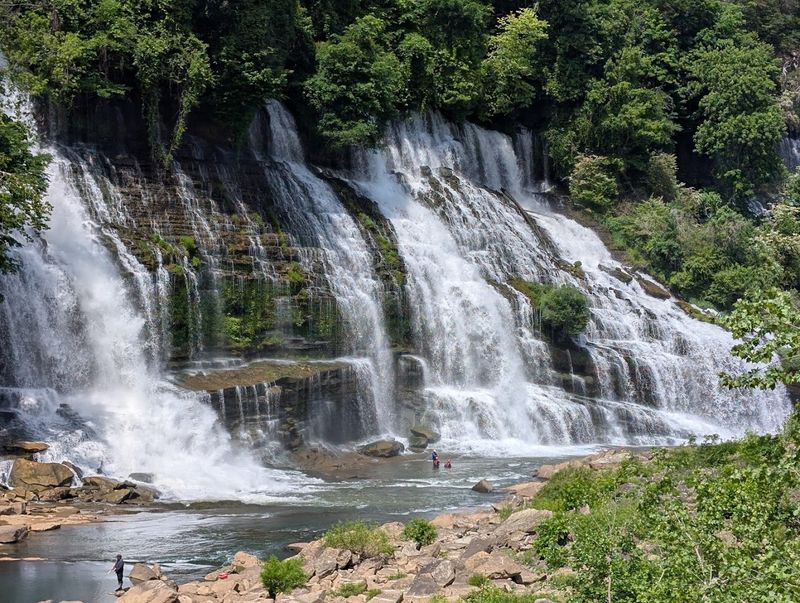
Rock Island sits at the meeting point of three rivers—the Caney Fork, Collins, and Rocky—and the result is a landscape that feels rugged and wild. Limestone cliffs rise above the water, and waterfalls spill over rock ledges into deep pools below. It’s one of those places that looks like it belongs in a postcard, but it’s surprisingly uncrowded compared to other state parks.
The Great Falls Dam creates a dramatic backdrop, and there are several overlooks where you can watch the water cascade over the rocks. The trails here range from easy walks to more challenging scrambles, and some lead down to the riverbanks where you can wade or fish. The Twin Falls trail is a favorite because it takes you to two separate waterfalls and offers plenty of spots to stop and take photos.
Kayaking and paddling are popular here, especially for people who know how to navigate moving water. The river conditions can change quickly, so it’s not the best spot for beginners, but experienced paddlers love the challenge. There are also swimming areas when the water is calm, though you’ll want to check with park staff about current conditions before jumping in.
Rock Island has a quieter, more remote feel than some of the other parks on this list. There aren’t as many facilities, so come prepared with food, water, and any gear you’ll need. The park does have restrooms and picnic tables near the main parking area, but you won’t find a visitor center or gift shop.
The drive to Rock Island takes you through small Middle Tennessee towns and farmland, which adds to the adventure. It’s about an hour from Murfreesboro and a little over two hours from Nashville. If you’re looking for a place that feels off the beaten path but is still easy to reach, this is it.
The scenery is stunning, the trails are varied, and the lack of crowds makes it feel like your own private getaway.
4. Cookeville

Cookeville doesn’t always get the attention it deserves, but it’s one of the best day-trip towns in Middle Tennessee. Located right off Interstate 40, it’s centrally positioned between Nashville, Knoxville, and Chattanooga, which makes it an easy stop no matter where you’re coming from. The town itself has a charming downtown square with local restaurants, coffee shops, and boutiques that give it a friendly, small-town vibe.
What really sets Cookeville apart is its proximity to some of Tennessee’s best waterfalls. Cummins Falls, Burgess Falls, and Fall Creek Falls are all within a short drive, so you can base your day trip here and hit multiple spots without backtracking.
Downtown Cookeville is walkable and easy to explore. You’ll find local eateries serving everything from Southern comfort food to international flavors, and there are several breweries and cafes if you want to take a break between adventures. The town also has a few antique shops and art galleries that are worth checking out if you have extra time.
Tennessee Tech University is located here, which gives the town a youthful energy and keeps the restaurant and entertainment scene active. There are parks and greenways if you want to stretch your legs without leaving the city limits, and the Cookeville Depot Museum offers a quick look at the area’s railroad history.
Because Cookeville is such a practical jumping-off point, it’s a smart choice if you want to mix outdoor exploration with a bit of town time. You can hike a waterfall trail in the morning, grab lunch at a local spot, and spend the afternoon browsing shops or visiting another nearby park. It’s versatile, affordable, and genuinely welcoming.
Plus, the drive is straightforward, and there’s plenty of parking once you arrive.
5. Cummins Falls State Park
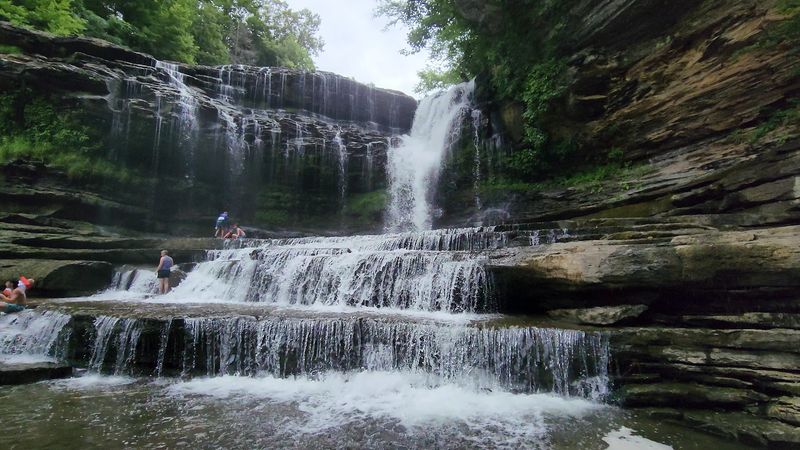
Cummins Falls is for people who don’t mind getting their feet wet. The park’s main attraction is a 75-foot waterfall that drops into a natural swimming pool, and getting there requires a hike that includes wading through the river. It’s part trail, part water scramble, and it’s one of the most adventurous day trips you can take in Tennessee without needing any special equipment.
The hike is about a mile and a half round trip, but the terrain is rocky and uneven, so give yourself extra time. You’ll cross the river multiple times, and the water can be anywhere from ankle-deep to waist-deep depending on recent rainfall. Wear shoes with good grip that can get wet—water shoes or old sneakers work best.
Once you reach the falls, the payoff is huge. The waterfall crashes into a wide pool that’s deep enough for swimming, and the surrounding rock walls create a natural amphitheater. On warm days, the pool is packed with families, college students, and anyone looking to cool off.
The water is cold and refreshing, even in the middle of summer.
Cummins Falls requires a day-use permit, which you can reserve online through the Tennessee State Parks website. The park limits the number of visitors each day to protect the area and keep it from getting overcrowded. Permits are free, but they do sell out on weekends and holidays, so plan ahead.
The park also closes the gorge area when water levels are too high for safe access, so check conditions before you drive out.
This isn’t a leisurely stroll—it’s a physical adventure that rewards you with one of the coolest natural swimming spots in the state. If you’re up for the challenge, Cummins Falls is an unforgettable experience. Just bring a waterproof bag for your phone, pack snacks, and be ready to embrace the river.
6. Burgess Falls State Park
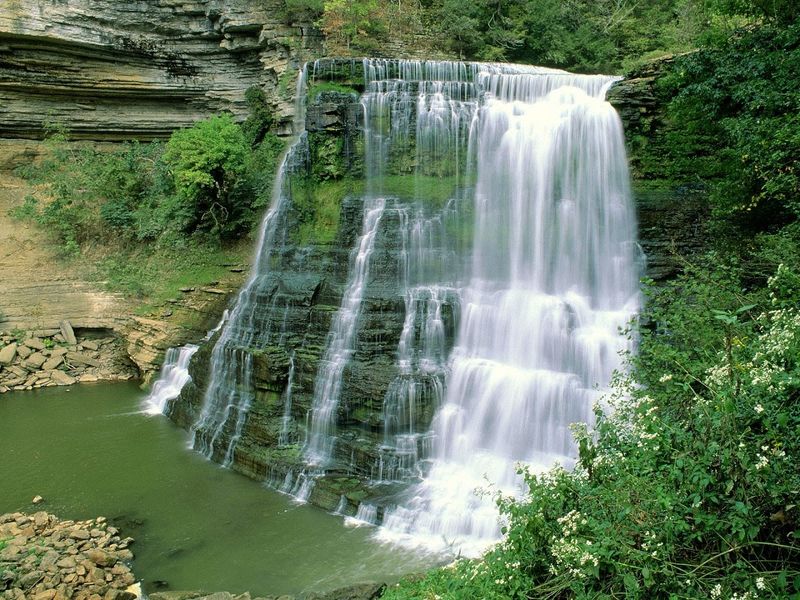
Burgess Falls is the kind of place you can visit when you don’t have all day but still want to see something beautiful. The park is compact, the trails are short, and the main waterfall is stunning. It’s a quick, scenic stop that delivers big rewards without requiring a major time commitment or strenuous hiking.
The main trail is about 1.5 miles round trip and leads to the base of Burgess Falls, where the water plunges over a rock ledge into a deep pool below. The trail is mostly flat and follows the Falling Water River, passing smaller cascades along the way. There are overlook platforms at key spots, so you can stop and take photos without scrambling down to the water.
The final overlook at the main falls is dramatic. The waterfall is framed by rock walls and surrounded by trees, and the sound of the rushing water fills the gorge. It’s one of those views that feels bigger than you expect, and it’s easy to see why people keep coming back.
Burgess Falls is located near Sparta and Cookeville, so it pairs well with a stop in either town. The park has picnic areas near the trailhead, restrooms, and a small parking lot. On busy weekends, parking can fill up, so arriving early is a good idea.
The park is free to enter, and there’s no need to reserve a permit.
Because the hike is short and relatively easy, this park works for all ages and fitness levels. Families with young kids, older adults, and anyone who just wants a quick nature fix will appreciate how accessible it is. The trail does have some uneven sections and tree roots, so watch your step, but it’s nothing too challenging.
If you’re planning a waterfall tour of Middle Tennessee, Burgess Falls is a must. It’s close to Cummins Falls and Rock Island, so you can easily visit multiple parks in one day. The scenery is gorgeous, the trails are manageable, and the experience feels complete even if you only spend an hour or two here.
7. Cumberland Mountain State Park
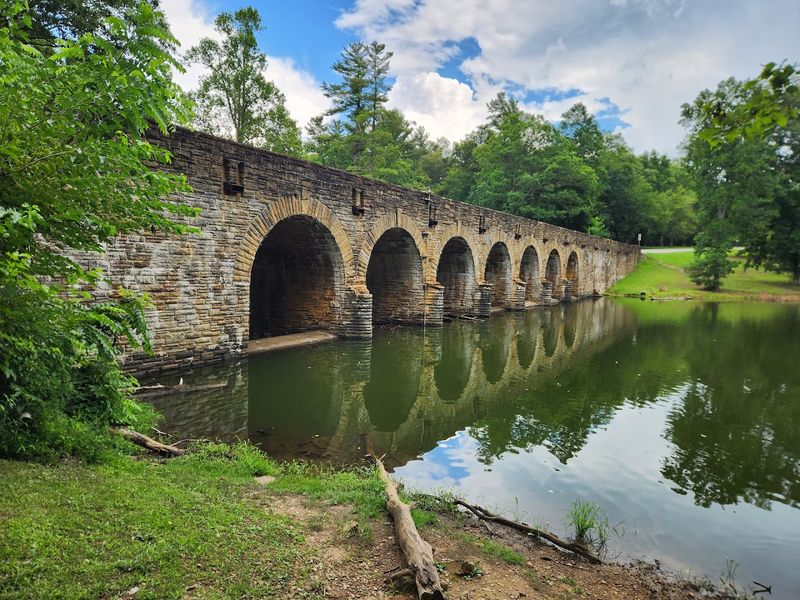
Cumberland Mountain State Park offers a quieter, more laid-back escape compared to some of the higher-traffic parks in Tennessee. Located near Crossville on the Cumberland Plateau, it’s a place where you can slow down, walk around a peaceful lake, and soak in the natural beauty without fighting crowds. The park covers more than 1,700 acres and centers around Byrd Lake, which is stocked with fish and surrounded by trails.
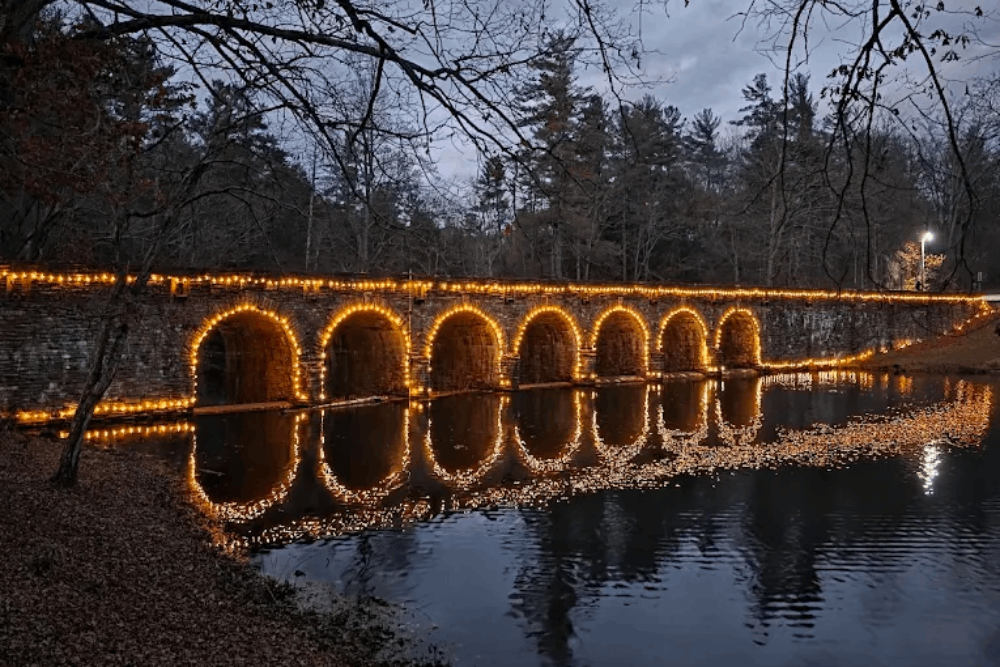
The iconic stone bridge that crosses the lake is one of the park’s most photographed features. Built by the Civilian Conservation Corps in the 1930s, the bridge is a piece of history and a beautiful spot to pause and take in the view. The park has several other CCC-era structures, including a stone dam and historic cabins, which add to the nostalgic, old-fashioned feel.
Hiking trails wind through the woods and along the lakeshore, offering easy to moderate options for all skill levels. The trails aren’t as rugged as some of the mountain parks, but they’re scenic and peaceful. You’ll pass through hardwood forests, cross small streams, and spot wildlife like deer, turkeys, and a variety of birds.
Byrd Lake is popular for fishing, and you’ll often see people casting lines from the shore or from small boats. Paddling is allowed, and the calm water makes it a great spot for kayaking or canoeing. There’s a swimming beach during the summer months, and the park also has a restaurant that serves classic Southern comfort food.
Cumberland Mountain State Park is about an hour and a half from Nashville and Knoxville, making it a convenient midpoint for people traveling across the state. It’s not flashy or extreme, but that’s part of its charm. If you’re looking for a place to unwind, enjoy some fresh air, and appreciate Tennessee’s natural and historical roots, this park is a solid choice.
Bring a picnic, rent a paddleboard, or just sit by the lake and relax.
8. Big South Fork National River and Recreation Area
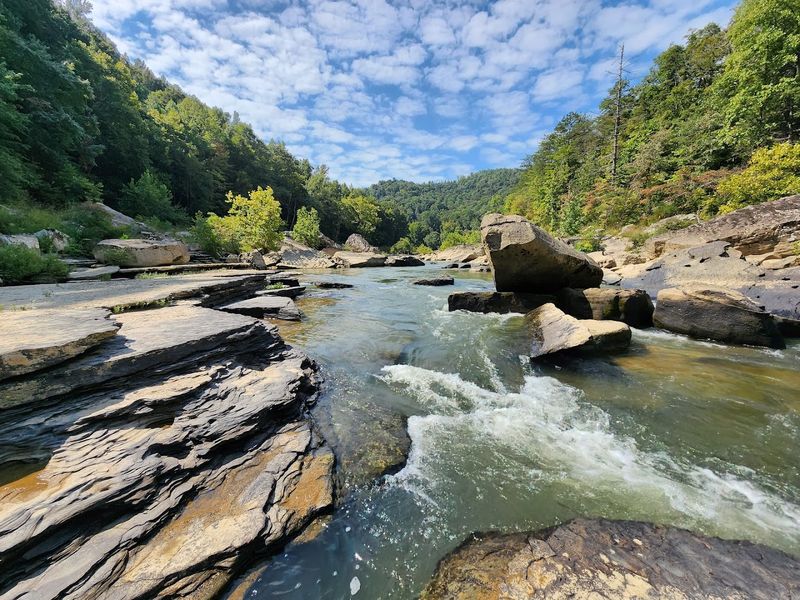
Big South Fork is the kind of place that makes you feel like you’ve stepped into true wilderness. Managed by the National Park Service, this massive recreation area protects 125,000 acres of the Cumberland Plateau, including the free-flowing Big South Fork River and its tributaries. The landscape is rugged, with deep gorges, sandstone cliffs, natural arches, and dense forests that stretch as far as you can see.
The park straddles the Tennessee-Kentucky border, and there are multiple access points depending on what you want to do. Hiking is the main draw, with trails ranging from short walks to multi-mile backcountry routes. The Twin Arches trail is one of the most popular and takes you to two massive natural stone arches that are some of the largest in the eastern United States.
If you’re into horseback riding, Big South Fork has miles of equestrian trails and several campgrounds designed for riders and their horses. Whitewater rafting and kayaking are also big here, especially in the spring when water levels are high. The river cuts through narrow gorges and offers Class II to Class IV rapids, depending on the section and conditions.
There are several overlooks you can drive to if you want to see the scenery without committing to a long hike. The East Rim Overlook and Yahoo Falls are both accessible by car and offer stunning views of the gorge and surrounding plateau. Yahoo Falls is actually Kentucky’s tallest waterfall and is just a short walk from the parking area.
Big South Fork is remote, so plan accordingly. There are no major towns nearby, and cell service is spotty in many areas. Bring plenty of water, snacks, and a map.
The Bandy Creek Visitor Center is the best place to start and has restrooms, trail information, and rangers who can help you plan your visit. This is a place for people who want to disconnect and experience nature in its wildest form.
9. Norris Dam State Park
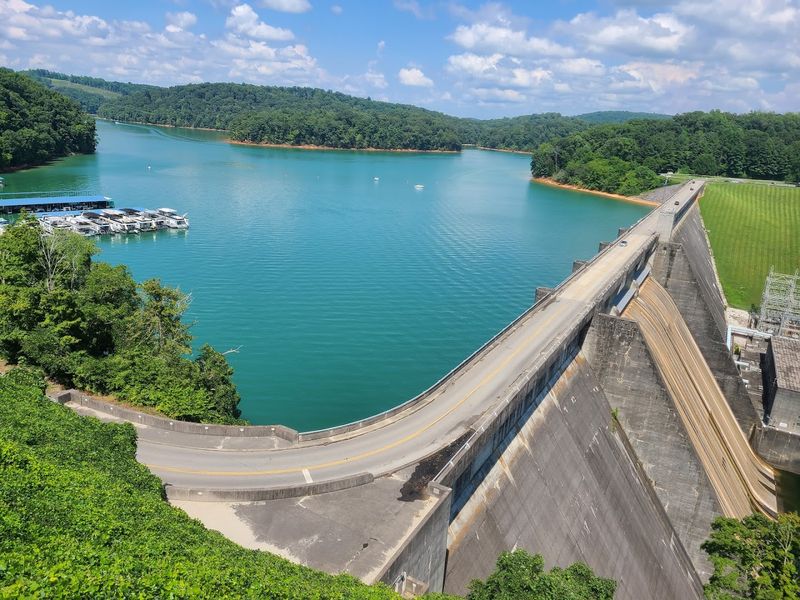
Norris Dam State Park combines natural beauty with a fascinating slice of American history. The park covers more than 4,000 acres in East Tennessee, nestled between the Cumberland and Appalachian mountain ranges. Norris Lake, created by the Tennessee Valley Authority’s first dam project in the 1930s, is the centerpiece, and it’s one of the cleanest and most scenic lakes in the region.
The dam itself is an engineering marvel and still generates hydroelectric power today. You can walk across the top of the dam and look out over the lake and the valley below. The visitor center offers exhibits about the TVA’s history and the role the dam played in bringing electricity to rural Appalachia during the Great Depression.
Hiking trails wind through the park and offer views of the lake, forests, and rock formations. The trails vary in difficulty, so there’s something for casual walkers and serious hikers alike. Some trails lead to quiet coves and overlooks where you can sit and watch the water.
Others take you deeper into the woods, where you might spot deer, wild turkeys, or even a black bear.
Norris Lake is popular for boating, fishing, and swimming. The water is clear and cool, and there are several beaches and boat ramps within the park. Anglers come here for bass, crappie, and catfish, and the lake’s many coves and inlets provide plenty of spots to cast a line.
If you don’t have your own boat, there are rental options nearby.
The park also has a historic area with cabins and structures built by the Civilian Conservation Corps. These buildings are beautiful examples of rustic craftsmanship and add to the park’s nostalgic atmosphere. There’s a campground, picnic areas, and even a swimming pool if you prefer chlorinated water over lake swimming.
Norris Dam State Park is about 30 minutes from Knoxville, making it an easy escape from the city. It’s a place where history and nature come together in a way that feels authentic and unhurried.
10. Roan Mountain State Park
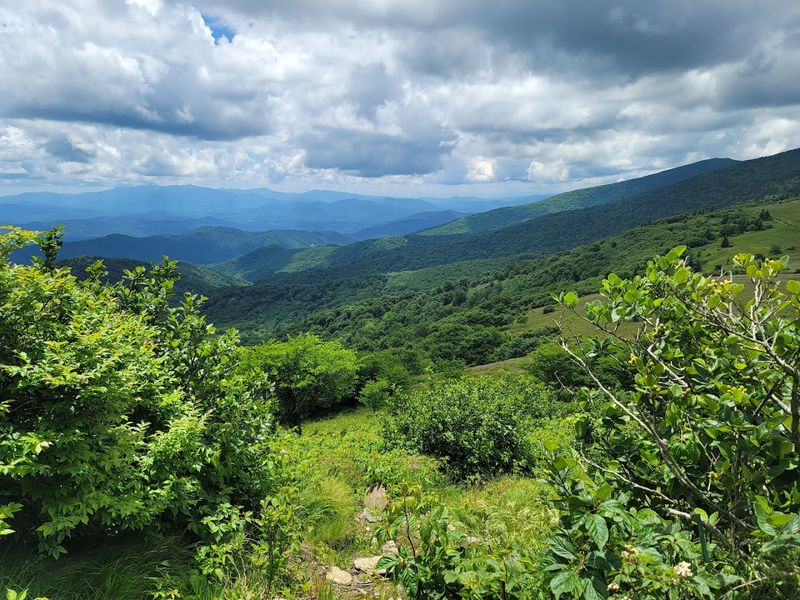
Roan Mountain State Park sits in the northeastern corner of Tennessee, where the Appalachian Mountains rise to their full glory. The park is named after Roan Mountain, which is part of the Roan Highlands and known for its grassy balds and stunning 360-degree views. The scenery here is dramatic and feels more like something you’d find in the Rockies than the Southeast.
The Doe River runs through the park, and its clear, cold water is perfect for wading and trout fishing. The riverbanks are lined with rhododendron and hemlock trees, and the sound of the water creates a peaceful backdrop for hiking or picnicking. There are several trails that follow the river and lead into the surrounding forests.
One of the park’s biggest draws is the nearby Roan Highlands, which are just outside the park boundary but easily accessible. The highlands are famous for their rhododendron blooms in June, when the mountainsides turn pink and purple with flowers. Hikers flock here during bloom season, and the views from the balds are some of the best in the entire Appalachian range.
The park itself has more than 2,000 acres of forest, meadows, and mountain streams. There are cabins for rent, a campground, and an outdoor amphitheater that hosts seasonal programs. The trails range from easy nature walks to challenging climbs, and the elevation changes give you a real workout if you’re up for it.
Roan Mountain State Park is about an hour and a half from Johnson City and two hours from Asheville, North Carolina. It’s a bit more remote than some of the other parks on this list, but that’s part of the appeal. The air is cooler, the crowds are thinner, and the mountains feel wild and untouched.
If you’re looking for a day trip that feels like a true mountain escape, Roan Mountain delivers. The combination of river, forest, and highland scenery makes it one of the most beautiful parks in Tennessee, and the sense of solitude is hard to beat.
11. Tims Ford State Park
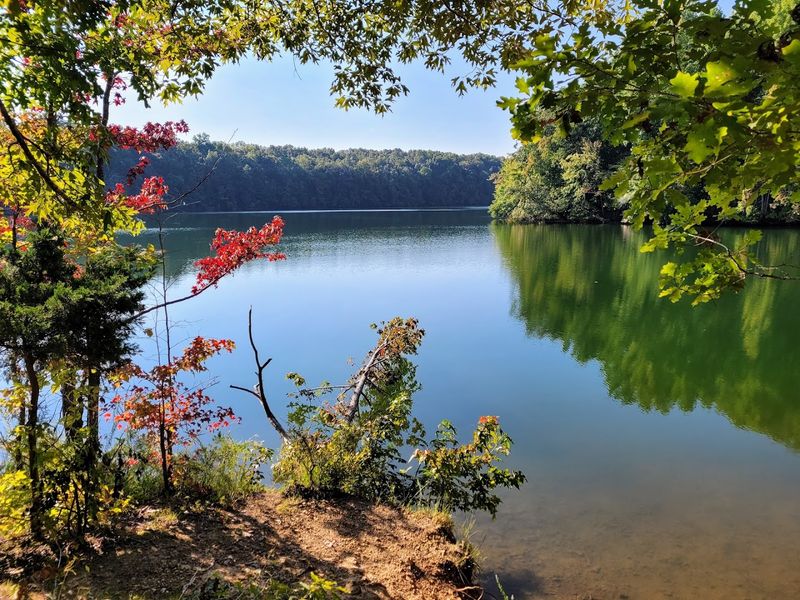
Tims Ford State Park is all about the lake. Tims Ford Lake is one of the most picturesque bodies of water in Tennessee, and it’s a favorite among bass fishermen and recreational boaters. The lake covers more than 10,000 acres and has over 250 miles of shoreline, most of which is undeveloped and lined with trees.
The water is clear, the scenery is peaceful, and the vibe is relaxed.
The park sits on the southern shore of the lake near Winchester, and it offers everything you need for a full day of outdoor fun. There are hiking trails that wind through the woods and along the water, giving you plenty of opportunities to spot wildlife or find a quiet spot to sit and enjoy the view. The trails aren’t too challenging, so they’re accessible for most visitors.
Fishing is the main activity here, and Tims Ford Lake has a reputation for producing trophy bass. Anglers come from all over the region to test their skills, and the lake also has crappie, catfish, and bluegill. There are boat ramps and a marina if you want to get out on the water, and kayaks and paddleboards are welcome too.
The park has a swimming beach that’s open during the summer, and it’s a great place to cool off after a hike or a morning of fishing. There are picnic areas with grills, playgrounds for kids, and plenty of shaded spots to relax. The campground is well-maintained and offers both tent and RV sites, though you can easily visit for the day without staying overnight.
Tims Ford State Park is about an hour and a half from Chattanooga and two hours from Nashville, making it a manageable drive for a day trip. It’s not as well-known as some of the other state parks, which means it’s often quieter and less crowded. If you’re looking for a lake-focused escape with beautiful scenery and plenty of space to unwind, this is a great pick.
12. David Crockett State Park
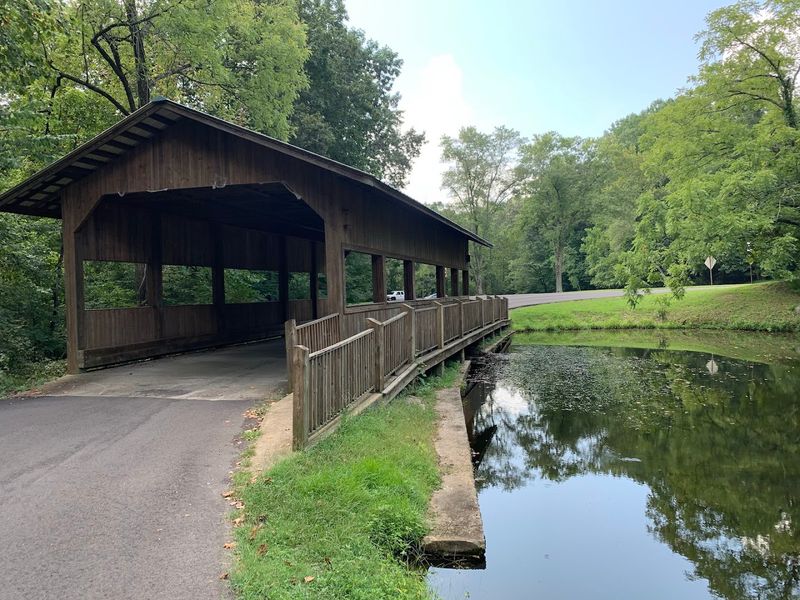
David Crockett State Park sits just outside Lawrenceburg in southern Middle Tennessee, and it’s a park that blends history, nature, and a genuinely peaceful atmosphere. The park honors frontiersman and folk hero David Crockett, who operated a grist mill and powder mill on this land in the early 1800s. You can still see a reconstructed mill on Shoal Creek, and it’s a popular spot for photos and a little bit of history.
The park covers 1,400 acres of rolling hills, hardwood forests, and open meadows. Shoal Creek winds through the property, and there are several trails that follow the water and loop through the woods. The trails are well-marked and range from easy to moderate, making them suitable for families, casual hikers, and anyone looking for a low-key outdoor experience.
One of the best things about David Crockett State Park is how uncrowded it feels. Even on weekends, you’re likely to have large sections of the park to yourself. The atmosphere is calm and welcoming, and it’s a great place to escape the noise and busyness of daily life.
You can fish in Shoal Creek, have a picnic by the water, or just walk the trails and listen to the birds.
The park has a swimming pool that’s open during the summer months, which is a nice bonus if you’re visiting with kids. There are also tennis courts, a playground, and a large campground with sites for tents and RVs. The park hosts seasonal events and educational programs, and the visitor center has exhibits about David Crockett’s life and the history of the area.
David Crockett State Park is about an hour and a half from Nashville and two hours from Huntsville, Alabama. It’s not flashy or extreme, but that’s exactly what makes it appealing. It’s a place where you can slow down, enjoy some fresh air, and appreciate a quieter side of Tennessee.
If you’re looking for a day trip that feels restorative and grounded, this park is a solid choice.
13. Reelfoot Lake State Park
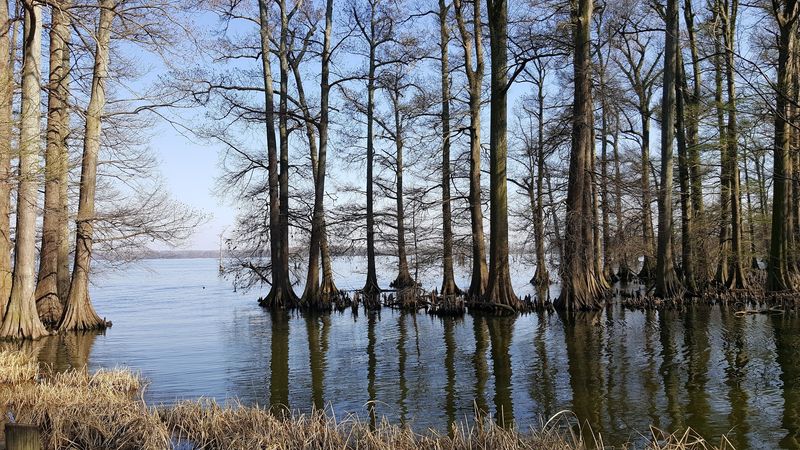
Reelfoot Lake is unlike any other place in Tennessee. It’s the state’s only large naturally occurring lake, and it was formed by a series of massive earthquakes in 1811 and 1812 along the New Madrid fault. The quakes caused the ground to sink and the Mississippi River to flow backward, creating a shallow, sprawling lake filled with cypress trees and bald cypress stumps.
The landscape is haunting, beautiful, and feels more like Louisiana than West Tennessee.
The lake is a haven for wildlife, especially birds. Reelfoot is one of the best places in the state to see bald eagles, particularly in the winter when they migrate here to feed on the abundant fish population. The park offers guided boat tours during eagle season, and it’s not uncommon to see dozens of eagles in a single outing.
Herons, egrets, pelicans, and waterfowl are also common year-round.
Fishing is huge at Reelfoot Lake. The shallow, nutrient-rich water supports large populations of crappie, bass, catfish, and bluegill, and anglers come from all over the region to fish here. The lake’s stumps and cypress trees create natural structure that fish love, and the setting is unforgettable.
You can fish from the shore, rent a boat, or hire a guide who knows the lake’s best spots.
The park has several trails and boardwalks that take you out over the water and into the cypress groves. Walking among the trees with their knobby knees rising out of the water is a surreal experience, and the trails are easy enough for all ages. There’s also a visitor center with exhibits about the lake’s geology, ecology, and history.
Reelfoot Lake State Park is located in the far northwestern corner of Tennessee, about two and a half hours from Memphis and three hours from Nashville. It’s remote, but that’s part of the appeal. The lake feels wild and untouched, and the sense of stepping into a different world is strong.
Share this story