Tennessee summers run hot, and when the humidity climbs, locals skip the crowded public pools and head straight for the state’s best-kept secrets: quarry swimming holes, waterfall pools, and crystal-clear lakes tucked into the hills. These aren’t your typical tourist traps with overpriced concessions and packed parking lots. From old limestone quarries transformed into urban oases to wild river gorges where you can cliff-jump into emerald water, Tennessee offers swimming spots that feel like private getaways even on the busiest weekends.
Whether you’re looking for a family-friendly park with facilities or a rugged backcountry plunge pool reached by trail, this list covers the clear-water destinations that keep Tennesseans cool all summer long.
1. Augusta Quarry at Fort Dickerson Park — Knoxville
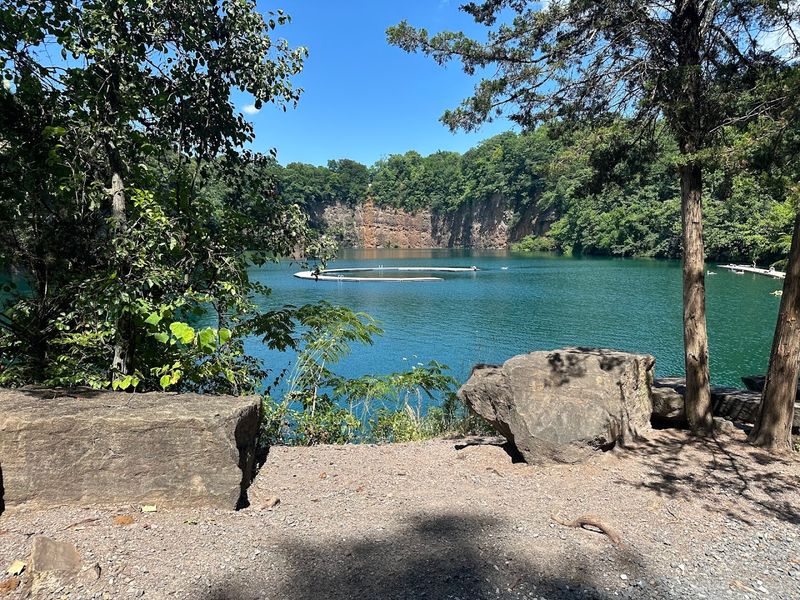
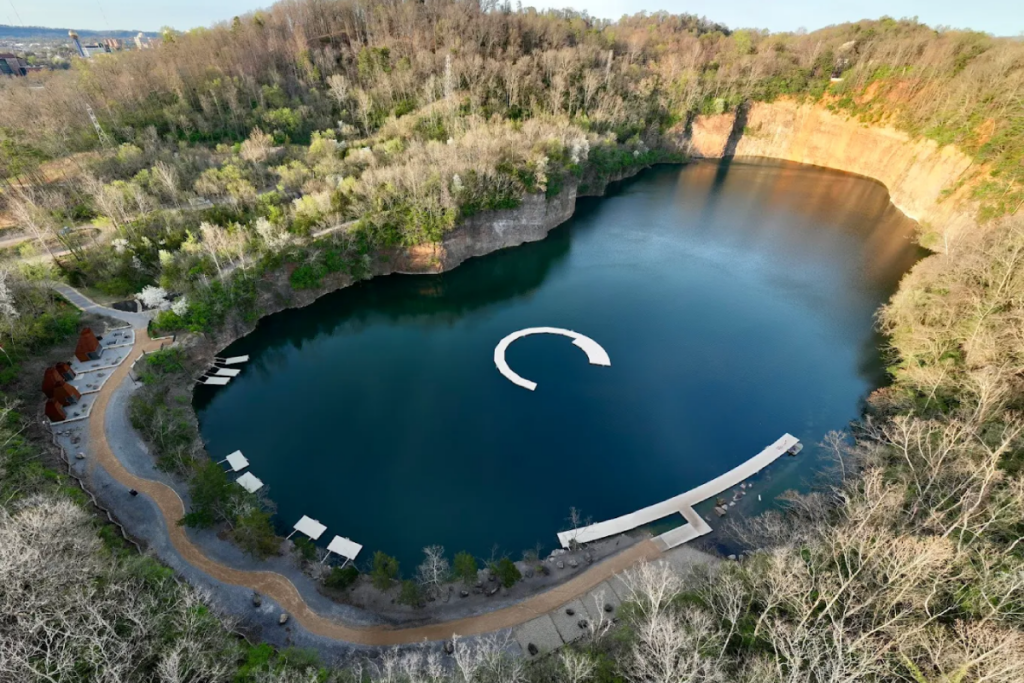
Knoxville turned an abandoned limestone quarry into one of the coolest urban swimming spots in the state. Augusta Quarry sits inside Fort Dickerson Park, just minutes from downtown, but once you’re standing on the overlook looking down at that turquoise water, you’d swear you’re miles from civilization. The quarry fills naturally with spring water, keeping it clear and surprisingly chilly even when the air temperature hits the nineties.
Floating swim platforms anchor in the deeper sections, giving swimmers a place to rest between laps or just lounge in the sun. Kids love jumping off the platforms, and the water’s deep enough that you don’t have to worry about rocky bottoms. The city upgraded the site with real bathrooms, changing rooms, and a viewing deck that makes it easy to keep an eye on younger swimmers from above.
Parking fills up fast on weekends, especially holiday weekends when half of East Tennessee seems to have the same idea. Arrive before noon if you want a decent spot and a chance at snagging one of the shaded areas near the water. The quarry closes periodically for water quality testing, so check the park’s status before you load up the car.
There’s no food sold on-site, so pack a cooler with snacks and plenty of water. The rocky terrain around the quarry heats up quickly, and you’ll want shoes with good grip for walking around. Lifeguards aren’t on duty, so swim at your own risk and keep an eye on kids.
2. Mead’s Quarry at Ijams Nature Center — Knoxville
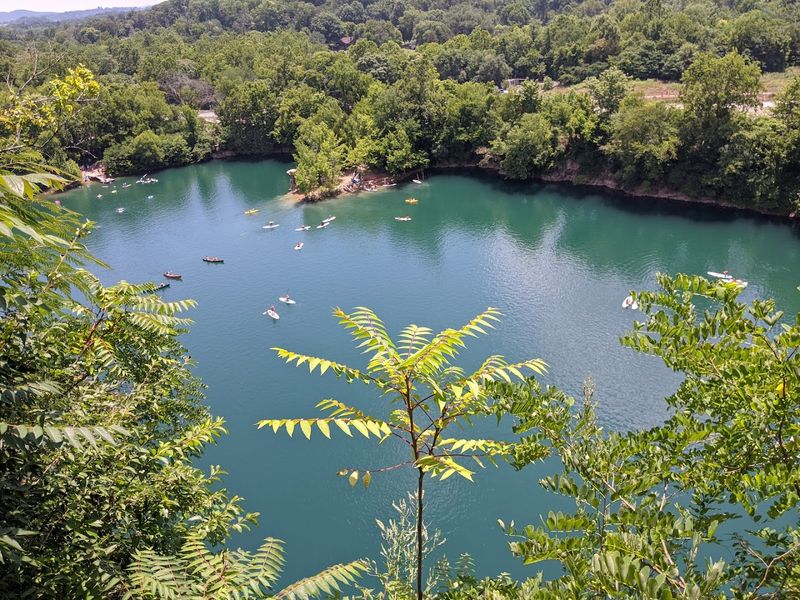
Just south of downtown Knoxville, Mead’s Quarry feels like stepping into a different world. The old marble quarry flooded decades ago, creating a 26-acre lake with water so clear you can see fish darting around the submerged rocks. Ijams Nature Center manages the quarry as part of Knoxville’s Urban Wilderness, which means you can swim, paddle, hike, and explore without ever leaving the city limits.
The quarry’s steep limestone walls create natural diving spots for the brave, though you’ll want to scope out the depth before you leap. Paddleboarders and kayakers share the water with swimmers, and the calm surface makes it perfect for beginners trying out a board for the first time. Ijams rents paddleboards and kayaks if you don’t own your own, and the rental station sits right at the water’s edge for easy access.
Miles of trails loop around the quarry and connect to the broader Urban Wilderness trail system. You can cool off with a swim, then hike up to the overlooks for views across the water and into the city beyond. The trails range from easy lakeside paths to rocky scrambles that’ll get your heart pumping, so there’s something for every fitness level.
Summer weekends bring crowds, but the quarry’s size means you can usually find a quiet cove if you’re willing to paddle or walk a bit. The nature center charges a small parking fee that helps maintain the trails and facilities. Bathrooms and water fountains are available near the visitor center, and the staff runs educational programs throughout the summer if you’re interested in learning about the area’s ecology and history.
3. Cummins Falls State Park — Cookeville
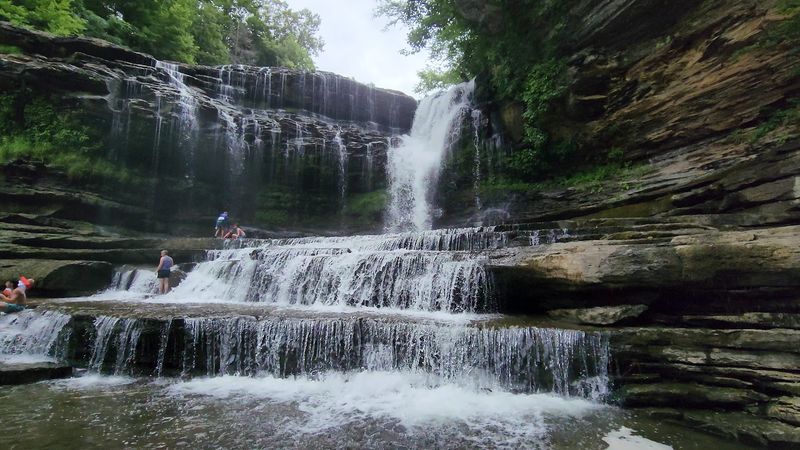
When Tennesseans talk about the ultimate waterfall swimming hole, Cummins Falls tops nearly every list. A 75-foot curtain of water crashes into a massive natural pool carved out of solid rock, creating a swimming spot that looks like something from a movie. The falls sit in a rugged gorge about an hour east of Nashville, and getting there requires scrambling over rocks and wading through the creek, which filters out anyone not serious about the adventure.
The state implemented a permit system after the park became dangerously overcrowded. You’ll need to reserve your spot online before you go, and permits sell out quickly for summer weekends. The system limits daily visitors, which keeps the experience more enjoyable and safer for everyone.
Rangers check permits at the trailhead, so don’t try to sneak in without one.
The hike down follows the creek for about a mile and a half, crossing the water multiple times. Wear shoes with good grip that can get wet—water shoes or old sneakers work better than flip-flops or hiking boots. The rocks get slippery, especially near the falls where the spray keeps everything damp.
Trekking poles help if you’re unsure about your footing or carrying a heavy pack.
Once you reach the falls, the swimming area spreads out with plenty of room for everyone. The water runs cold year-round, fed by springs upstream, so expect a shock when you first jump in. Rocky ledges around the pool make perfect spots for sunbathing between swims.
4. Blue Hole and Greeter Falls — Altamont
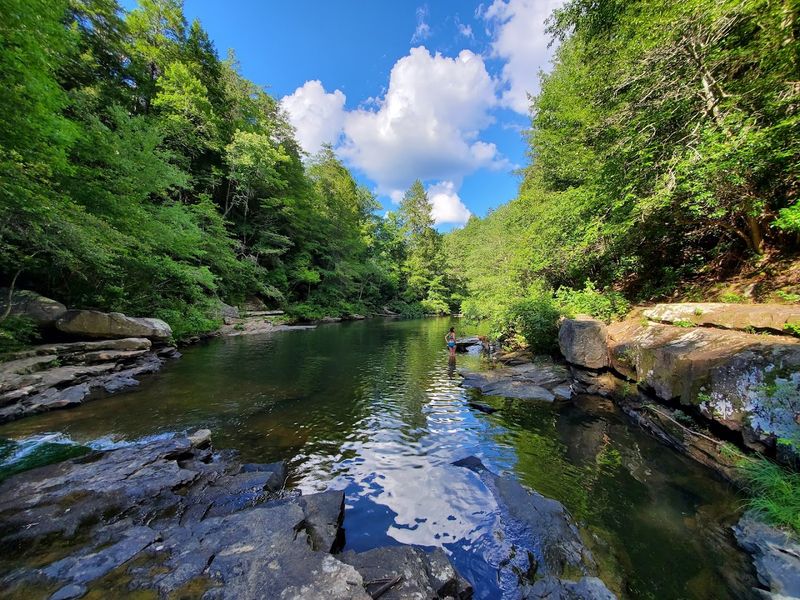
Tucked into the South Cumberland State Park system, Blue Hole and Greeter Falls offer two swimming spots for the price of one hike. The trail from the Savage Gulf West trailhead winds through hardwood forest before dropping down to Upper Greeter Falls, where water spills over a rocky ledge into a shallow pool.
Keep going, and you’ll reach the real prize: Lower Greeter Falls and the Blue Hole, where the waterfall plunges into a deep, clear swimming hole that earns its name.
The Blue Hole’s water glows with that distinctive blue-green color that comes from limestone-filtered spring water. On sunny days, the light filters through the forest canopy and turns the pool into something magical. The swimming area stays cool and shaded most of the day, making it perfect for those brutally hot afternoons when you need serious relief from the heat.
The trail down runs about two miles round-trip, with some steep sections that can be slick after rain. Roots and rocks cross the path frequently, so watch your footing and take your time on the descent. Most people handle it fine, but it’s more challenging than a paved park trail.
Bring water and snacks, since there are no facilities once you leave the parking area.
Weekdays offer the best experience if you can swing it. Summer weekends bring crowds, and the swimming area isn’t huge, so it can feel packed when everyone shows up at once. Early morning visits give you the best chance at having the falls mostly to yourself, plus the morning light creates better photo opportunities.
The water temperature stays consistently cold regardless of air temperature, so steel yourself before you jump in.
5. Dale Hollow Lake — Celina
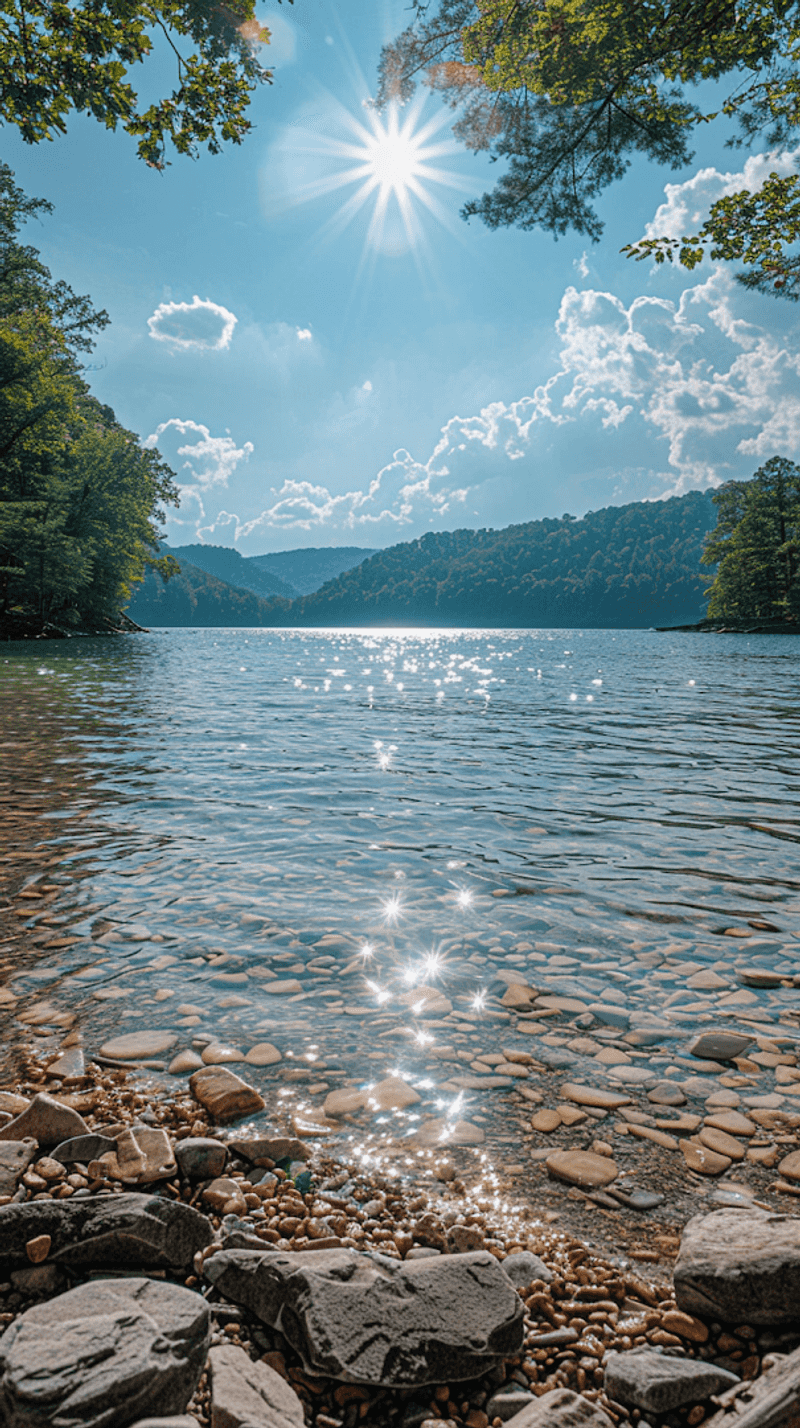
Dale Hollow Lake stretches across the Tennessee-Kentucky border with some of the clearest water you’ll find in any TVA reservoir. The lake’s depth and rocky limestone basin keep the water exceptionally clean, and visibility often reaches 20 feet or more. Locals know the best swimming spots cluster around the rocky points and coves where you can jump off the limestone ledges into deep water.
The lake bottom drops off quickly in many areas, creating natural swimming zones where you don’t have to wade through shallow muck to reach swimmable depth. Rocky shorelines mean less sediment stirring up the water, which contributes to that glassy clarity Dale Hollow is famous for. The lake stays cooler than shallower reservoirs, which feels amazing on scorching summer days but might be too chilly for some swimmers early in the season.
Several marinas and public access points dot the shoreline, giving you options for launching boats or finding a swimming spot. Willow Grove Resort and Holly Creek Resort both offer marina services and shoreline access if you’re visiting for the day. Primitive camping is available at some of the Army Corps of Engineers parks, and developed campgrounds provide full hookups if you’re bringing an RV.
Fishing is legendary here—Dale Hollow holds the world record for smallmouth bass—but swimmers have just as much reason to love the lake. Rental pontoon boats let you explore hidden coves and find your own private swimming spot away from the main beaches. Pack a cooler, bring some floats, and spend the day drifting between swimming sessions.
6. Norris Lake — LaFollette
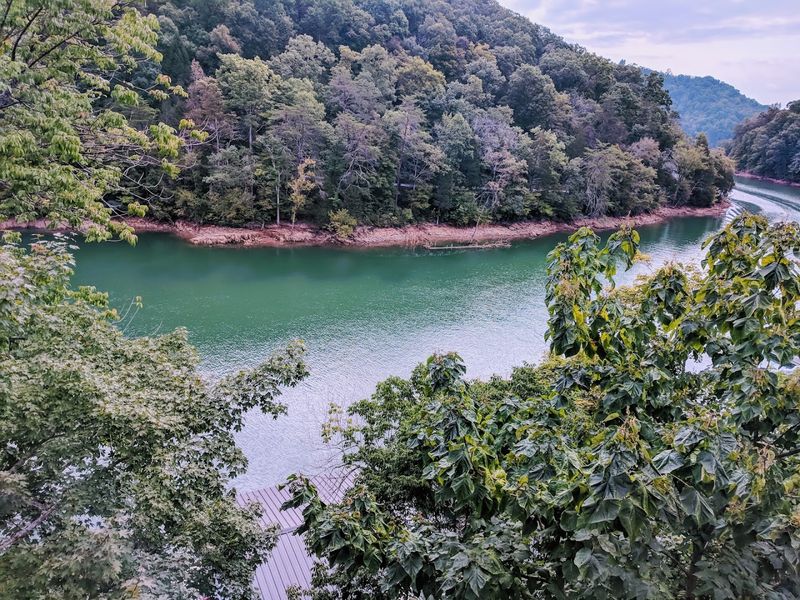
Norris Lake claims the title of cleanest lake in the TVA system, and one look at that clear blue water explains why locals pack the coves every summer weekend. The lake formed when TVA dammed the Clinch and Powell Rivers back in the 1930s, creating 800 miles of shoreline that winds through the mountains of East Tennessee.
Unlike muddier reservoirs, Norris maintains remarkable clarity thanks to its depth, rocky basin, and the clean mountain streams that feed it.
Islands dot the lake, creating natural breakwaters that form calm swimming coves perfect for families with young kids. Many of the islands are accessible by boat, and people anchor off the beaches to swim, picnic, and explore. The water depth varies dramatically—some coves offer gradual entries while others drop off quickly from the shore, so scout your swimming area before letting kids loose.
Multiple marinas around the lake provide boat rentals if you don’t own your own watercraft. Pontoon boats are hugely popular here since they give you a stable platform for swimming and sunbathing while you cruise between coves. Several public boat ramps offer free access, though parking fills up early on summer weekends and holidays.
Arrive before 10 a.m. if you want to avoid circling for a parking spot.
The surrounding mountains create stunning scenery that changes throughout the day as the sun moves across the sky. Morning light turns the water silvery, while afternoon sun brings out the deep blues and greens. Swimming feels different here compared to flatter lakes—the mountain backdrop and clear water combine to create an almost alpine atmosphere.
Water temperatures warm up nicely by mid-June and stay comfortable through September, giving you a long swimming season to enjoy.
7. Rock Island State Park — Rock Island
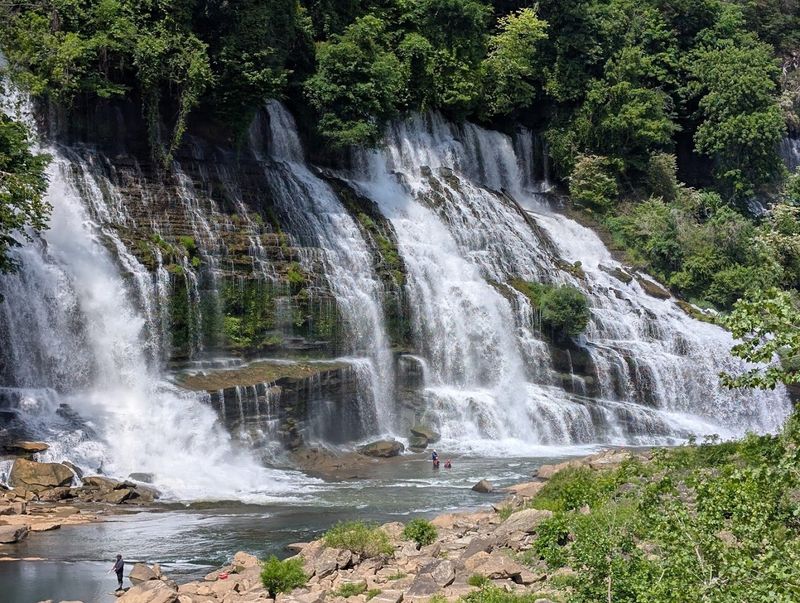
Rock Island State Park packs more dramatic water features into one place than seems fair. The Caney Fork River powers through a rocky gorge, creating Great Falls and several smaller cascades before flowing into Center Hill Lake. The water runs that distinctive blue-green color that signals limestone-filtered springs, and the rocky gorge setting makes the whole place feel wild despite being a developed state park.
Great Falls itself is more of a look-don’t-touch situation—the current there is dangerously powerful—but downstream swimming areas offer plenty of places to cool off safely. The Blue Hole swimming area sits in a calmer section of the river with rocky ledges for sunbathing and deep pools for swimming. The rocks can be sharp, so water shoes help protect your feet while you’re navigating the shoreline.
The park offers more than just swimming. Miles of trails explore the gorge and connect to overlooks where you can watch kayakers running the rapids below. The old Cotton Mill stands as a reminder of the area’s industrial past, and interpretive signs explain how the falls once powered textile production.
Picnic areas with grills and tables make it easy to spend a full day at the park without leaving for lunch.
Summer weekends bring crowds, but the park is large enough that you can usually find a spot. Camping is available if you want to make a weekend of it, with sites ranging from primitive tent camping to RV hookups. The park sits about an hour east of Nashville, making it a popular day trip destination for city dwellers looking to escape the heat.
8. Fall Creek Falls State Park — Spencer
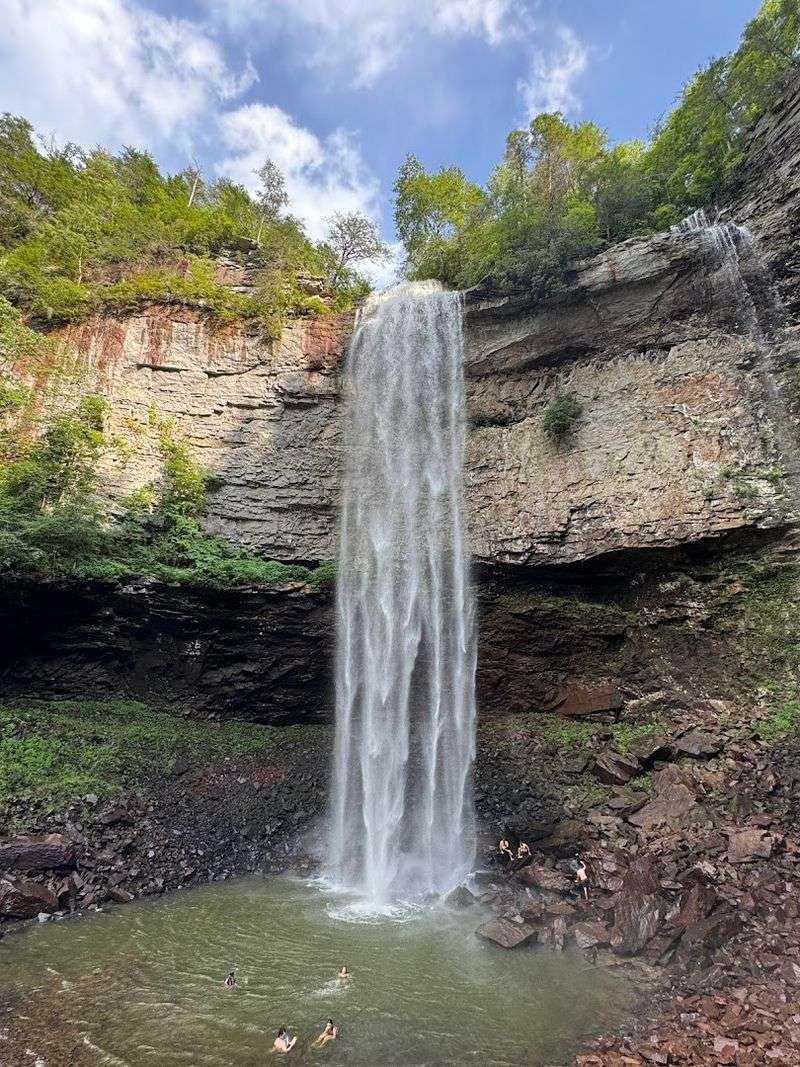
Fall Creek Falls State Park is the heavyweight champion of Tennessee state parks, covering more than 26,000 acres of waterfalls, gorges, and swimming spots. The namesake Fall Creek Falls drops 256 feet, making it one of the tallest waterfalls east of the Rockies, but the swimming happens at the park’s designated beach area and in various creek pools scattered throughout the property.
The park’s size means you can find both developed swimming areas with lifeguards and wild swimming holes if you’re willing to hike a bit.
The main swimming beach sits on Fall Creek Lake, a peaceful impoundment with a sandy shoreline and roped-off swimming area. Lifeguards staff the beach during summer months, making it the safest choice for families with young children. The water is calm and relatively warm compared to the spring-fed swimming holes elsewhere in the park.
Bathhouses, picnic shelters, and snack bars sit nearby, giving you all the amenities of a traditional beach setup.
For a more adventurous swimming experience, hike to the base of some of the smaller waterfalls where pools form in the creek. Cane Creek Cascades and Piney Falls both offer swimming opportunities, though you’ll need to scramble over rocks to reach them. The water in these natural pools runs much colder than the lake, fed by springs and shaded by the surrounding forest.
These spots see fewer visitors, giving you a more secluded experience if you don’t mind the extra effort.
The park includes a full-service resort inn, cabins, and campgrounds, making it easy to base yourself here for multiple days of exploring. The trail system connects all the major waterfalls and swimming areas, with options ranging from easy paved paths to challenging backcountry routes.
Summer heat makes the waterfalls slightly less impressive than spring runoff season, but the swimming is obviously better when you can actually stand to get in the water.
9. The Townsend Wye — Townsend
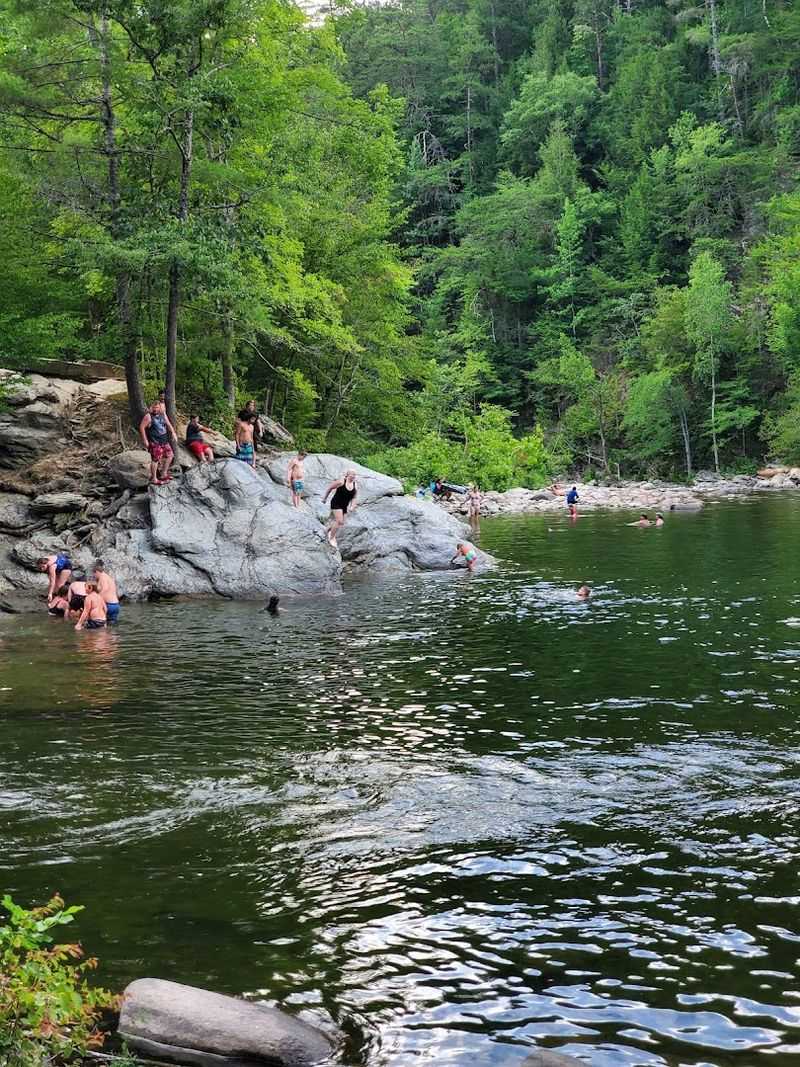
Where the Little River splits into its Middle and West Prongs, the Townsend Wye creates the most popular swimming hole in the Smoky Mountains’ quiet side. The Y-shaped confluence forms deep pools and gentle rapids perfect for tubing, wading, and swimming.
On any hot summer day, you’ll find the parking area packed with cars and the riverbanks dotted with families claiming their favorite spots on the smooth river rocks.
The water here flows straight out of Great Smoky Mountains National Park, meaning it’s cold, clear, and clean. Even in the heat of July, the temperature will take your breath away for the first few seconds. Kids love the natural water slides formed by smooth bedrock, and the current is generally gentle enough that even younger swimmers can enjoy the river with proper supervision.
Access is easy since the Wye sits right along Highway 73, with parking areas on both sides of the road. The proximity to parking makes it simple to haul coolers, chairs, and all the gear families need for a day at the river. The downside of easy access is crowds—expect company on weekends and holidays.
Weekday mornings offer the best chance at finding a quiet stretch of river.
The Townsend area maintains a deliberately low-key atmosphere compared to Gatlinburg and Pigeon Forge. You won’t find massive tourist attractions here, just mountain scenery and river access. Several outfitters in town rent inner tubes if you want to float downstream, though most people are content to find a good pool and stay put for the afternoon.
Bring water shoes—the river rocks can be slippery and occasionally sharp. The surrounding national park means no alcohol is allowed, and rangers do patrol the area regularly to enforce park rules.
10. North Chick Blue Hole — Soddy-Daisy
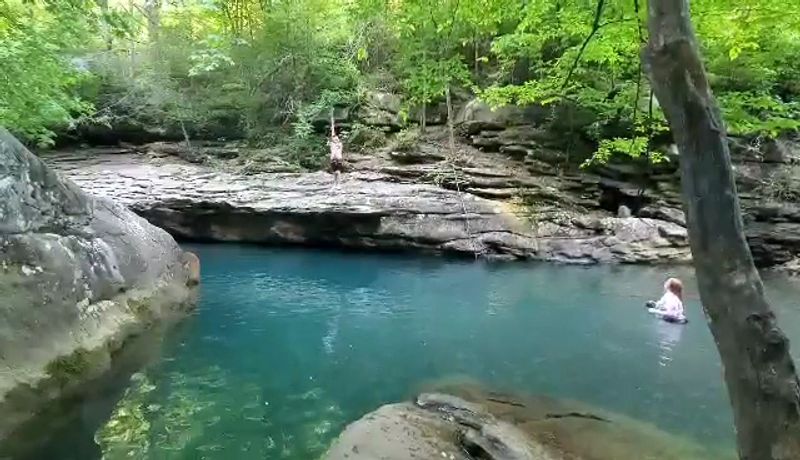
North Chickamauga Creek carves through a rocky gorge just outside Chattanooga, and somewhere along its length sits the Blue Hole—a swimming spot that feels more like a secret club than a public park. There’s no official signage directing you to the exact location, and parking involves pulling off along the road and hiking down an informal trail. This keeps the crowds manageable and maintains the swimming hole’s adventurous character.
The creek creates a series of pools separated by small rapids and boulder gardens. The main swimming area sits in a deeper section where the water takes on that blue-tinted clarity that gives the spot its name. Large boulders line the banks, providing places to sun yourself between swims or jump into the deeper sections.
A rope swing usually hangs from one of the trees, though its presence depends on whether someone’s bothered to replace it recently.
Getting to the water requires scrambling down a somewhat steep trail that can be muddy and slick after rain. Wear appropriate shoes and be prepared for a bit of a workout on the way back up. The informal nature of the access means there are no facilities, no lifeguards, and no safety equipment—you’re completely on your own here.
That’s part of the appeal for many visitors, but it also means you need to be honest about your swimming ability and comfort level.
The swimming hole attracts a younger crowd and locals who’ve been coming here for years. Summer weekends see the most activity, with people claiming spots on the boulders and spending entire afternoons swimming and socializing. Respect the area by packing out all your trash and being mindful of private property near the access points.
11. Ozone Falls State Natural Area — Ozone
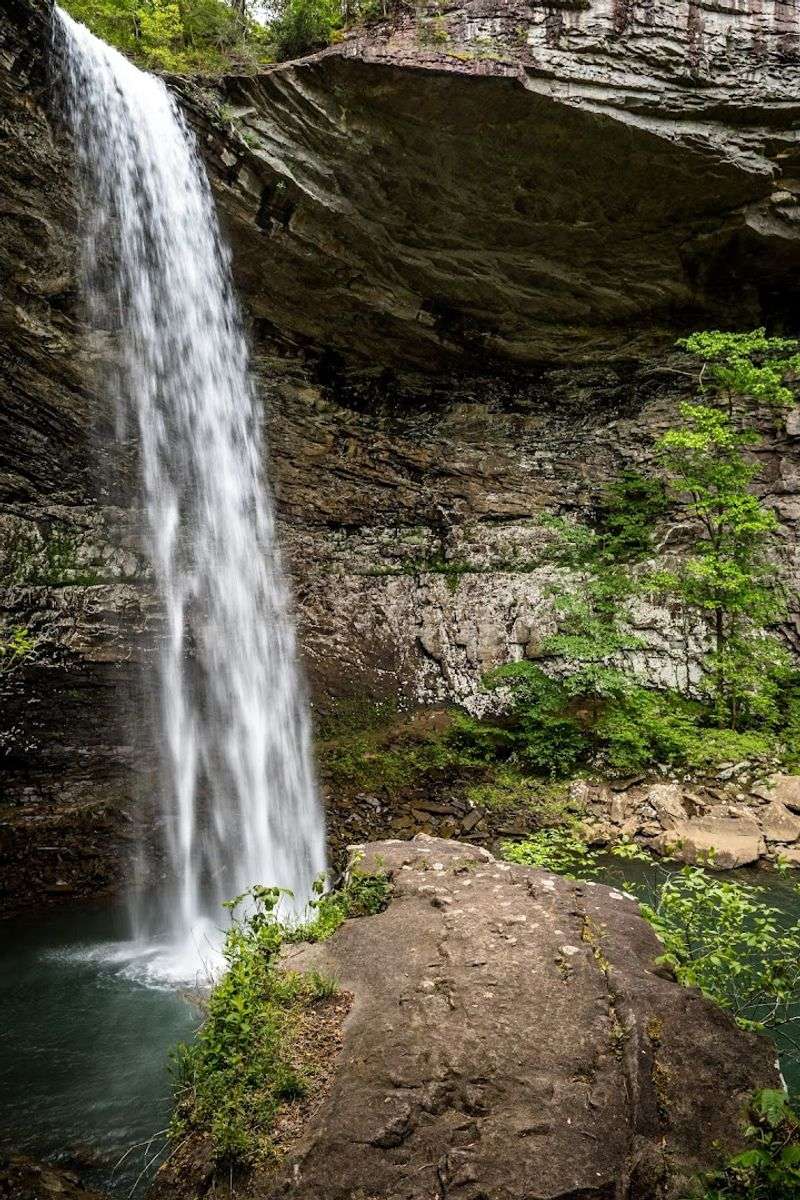
Ozone Falls drops 110 feet into a natural amphitheater carved from sandstone cliffs, creating one of the most photogenic swimming holes in Tennessee. The falls are visible from an overlook that requires only a short walk from the parking area, but getting down to the swimming pool at the base involves a more challenging scramble down steep, rocky terrain.
The reward is a dramatic plunge pool surrounded by towering cliffs that create natural acoustics amplifying the waterfall’s roar.
The pool at the base stays deep and cold year-round, fed by the constant flow of Fall Creek. Jumping into that icy water on a sweltering summer day feels incredible, though you’ll probably only stay in for a few minutes before the cold drives you back to the sunny rocks. The mist from the falls creates a natural cooling zone around the swimming area, dropping the temperature noticeably compared to the surrounding forest.
The state natural area designation means development is minimal. There are no facilities beyond a small parking area, and the trails are primitive and potentially hazardous. The scramble down to the base requires using your hands in places, navigating loose rocks, and dealing with wet, slippery conditions near the falls.
This isn’t a spot for young children or anyone uncomfortable with exposure and steep terrain. People get hurt here regularly by overestimating their abilities or taking unnecessary risks.
Swimming directly under the falls is dangerous due to the force of the falling water and the unpredictable currents it creates. Stick to the main pool area away from the falls themselves. The cliffs surrounding the pool are tempting for jumping, but hidden rocks and varying depths make this extremely risky.
Several serious accidents have occurred from people jumping without knowing what’s below the surface. Enjoy the stunning scenery, cool off in the pool, but leave the daredevil stunts to someone else.
12. Obed Wild and Scenic River — Wartburg
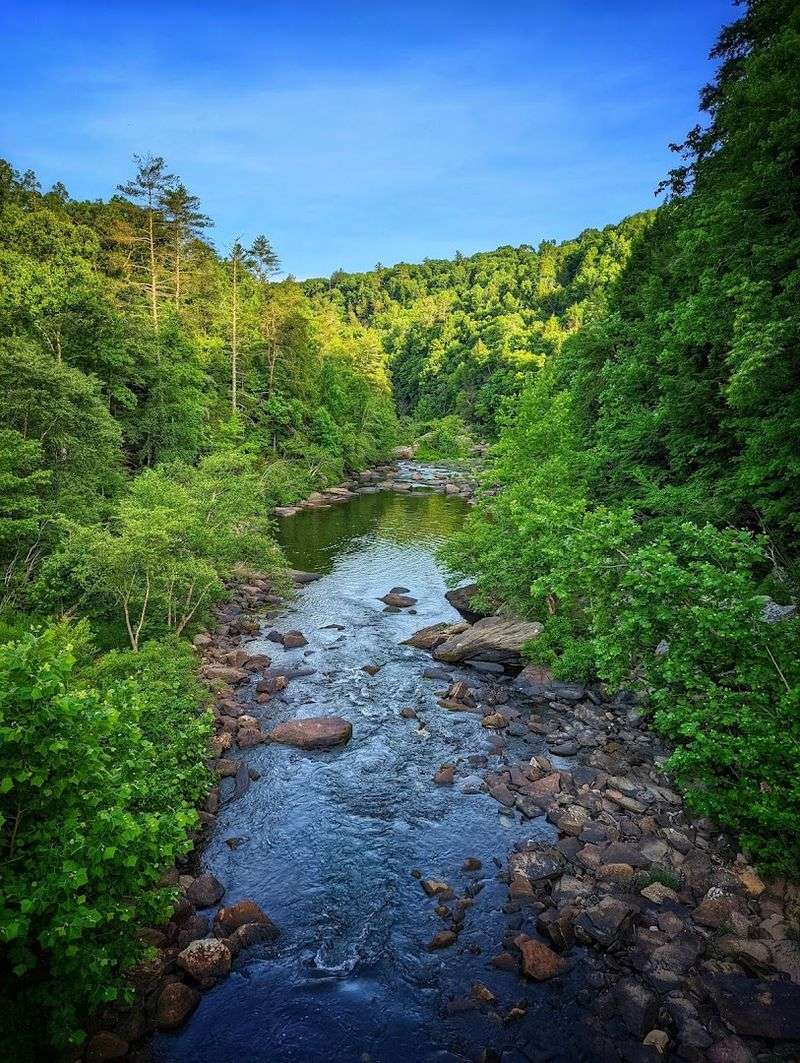
The Obed Wild and Scenic River system protects some of the most rugged river gorges in Tennessee, where clear water flows over sandstone bedrock and creates countless swimming holes between the rapids. The river cuts through the Cumberland Plateau, forming deep gorges with sheer rock walls that glow orange and white in the afternoon sun.
Several access points along the river provide swimming opportunities, with Nemo Bridge being one of the most popular and accessible.
At Nemo Bridge, the river widens into a calm section perfect for swimming, with rocky banks and sandbars providing easy entry points. The water clarity here is exceptional—you can watch fish swimming around your feet and see every pebble on the bottom. Upstream and downstream from the bridge, the river alternates between calm pools and small rapids, giving you options depending on your skill level and what kind of experience you’re seeking.
The Obed attracts serious whitewater paddlers when water levels are up, but during lower summer flows, the river becomes more of a swimming and wading destination. You can rent kayaks or paddleboards from local outfitters if you want to explore beyond the main access points.
Floating downstream between swimming holes makes for a perfect summer afternoon, though you’ll need to arrange shuttle logistics or be prepared for a long paddle back upstream.
The gorge environment creates microclimates that keep the air temperature surprisingly cool even on hot days. Shade from the cliffs and moisture from the river combine to make the Obed area noticeably more comfortable than the surrounding plateau. This also means the water stays cold throughout the summer—refreshing but potentially shocking if you’re not expecting it.
13. Big South Fork National River and Recreation Area — Oneida
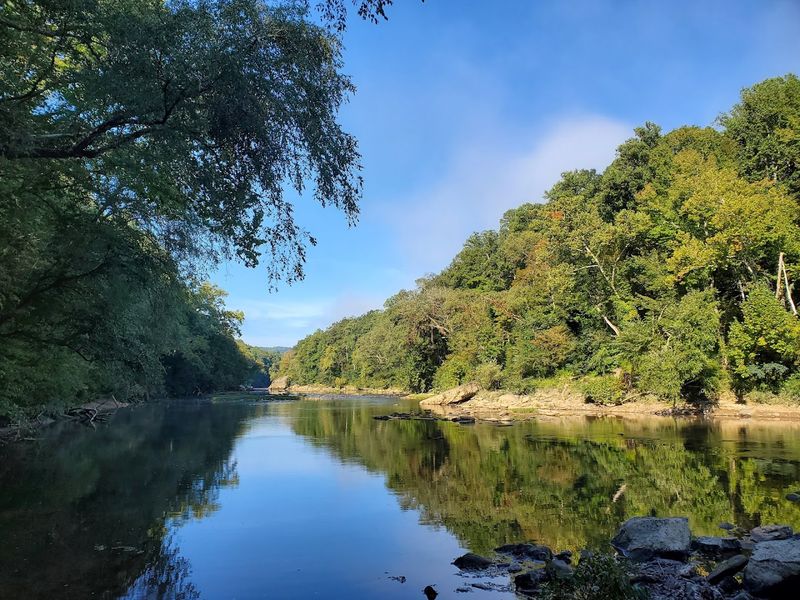
Big South Fork sprawls across 125,000 acres of river gorges, sandstone bluffs, and dense forest straddling the Tennessee-Kentucky border. The Cumberland River and its tributaries carve through the plateau, creating dozens of swimming holes ranging from gentle creek pools to deep river channels. The park’s massive size means you can find everything from easily accessed family swimming spots to backcountry pools that require serious hiking to reach.
The main river offers excellent swimming at several access points, with Leatherwood Ford being particularly popular. Here the river widens and slows, forming a broad swimming area with a mix of sandy and rocky bottom. The water runs clear enough to see the bottom in most places, and the current is generally manageable for confident swimmers.
Sandbars emerge during lower water levels, creating natural beaches perfect for spreading out towels and setting up for the day.
For a more adventurous experience, hike to some of the side creek swimming holes. Yahoo Falls, Tennessee’s tallest waterfall, feeds into pools that are swimmable during higher water levels. Twin Arches, one of the park’s signature rock formations, sits near creek access where you can combine swimming with exploring the geological features.
The backcountry trail system connects various swimming spots, letting you plan multi-day trips that include river swimming as part of the adventure.
Camping options range from developed campgrounds with amenities to primitive backcountry sites accessible only by foot or horseback. The park’s equestrian facilities are extensive, and you’ll often see riders heading down to the river to let their horses cool off in the same swimming holes humans enjoy. Summer weekends bring crowds to the most accessible areas, but the park’s size means you can always find solitude if you’re willing to hike a bit.
Check water levels before planning your trip—heavy rain can make the river dangerous, while extreme low water might limit your swimming options.
Share this story