A ghost village where cranberries once ruled. A glacial lake without the whine of jet skis.
A mountain observatory where the real show starts after sunset. New Jersey’s park system has plenty of big-name draws, but some of its best days out happen in the places people talk about less.
That is good news for anyone who prefers trailheads over traffic, canoe launches over crowded boardwalk parking, and a little local bragging rights with their weekend plans. The parks on this list are not “hidden” in the fake-internet sense of the word; they are very much there, open, and waiting.
They just tend to get overshadowed by the usual Jersey heavy hitters. What makes them bucket-list worthy is not one single thing, either.
Some are all about water. Some are history with hiking boots on.
Some feel like the Pine Barrens at their eeriest and best. All 13 are strong reminders that New Jersey is much wilder, stranger, and prettier than it ever gets credit for being.
1. Brendan T. Byrne State Forest
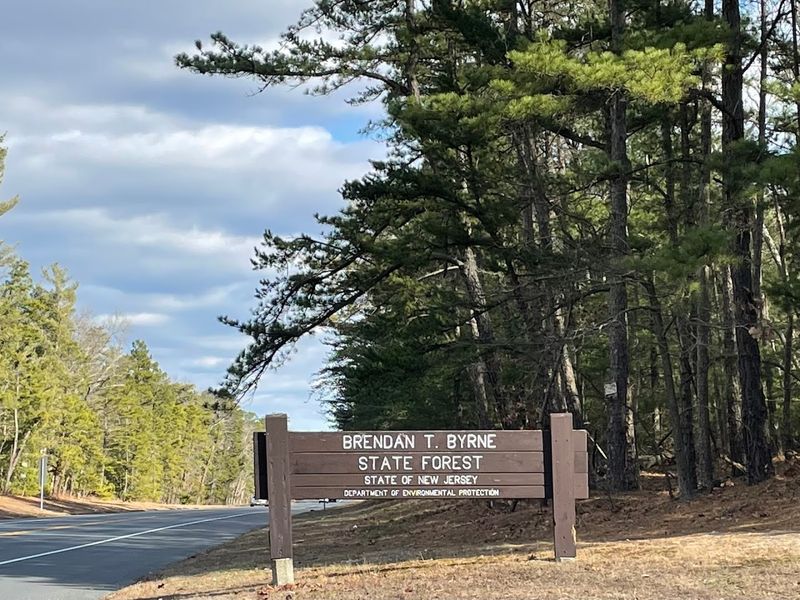
If your ideal day involves tall pines, sandy trails, and the kind of quiet that makes you check whether your phone is even still on, Brendan T. Byrne State Forest deserves a prime slot on your 2026 list.
This Pinelands giant spans a little over 38,000 acres, making it the second-largest state forest in New Jersey, and it gives you room to spread out in a way that feels unusual in this state.
The Batona Trail runs through here, and the forest also offers marked trails for hiking, mountain biking, birding, fishing, and camping, so you can keep the day as mellow or ambitious as you want.
There is also a nice history bonus: Whitesbog Village sits within the forest, and that is where the first cultivated blueberry was developed, which is a very New Jersey flex if there ever was one.
The practical move is to treat this as a full-day outing rather than a quick stop, especially if you want to combine a hike with Whitesbog wandering or camping.
This one earns its place because it gives you the classic Pine Barrens experience on a grand scale, without feeling packaged or overdone.
2. Double Trouble State Park
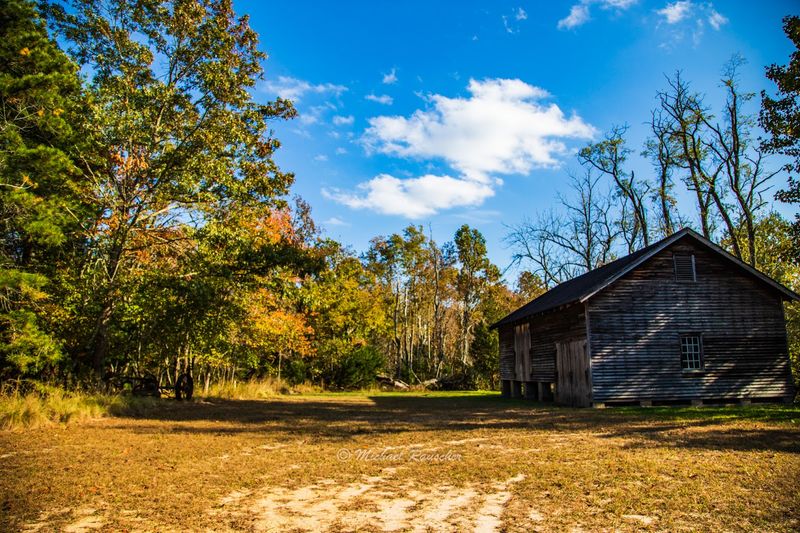
The name alone sounds like a dare, but the real surprise here is how calm the place feels. Double Trouble State Park protects more than 8,000 acres of Pinelands landscape, and the mood is part ghost town, part cranberry-country time capsule.
The historic heart of the park is Double Trouble Village, where the old cranberry industry shaped the landscape for well over a century; the first cranberry bogs were planted here in the 1860s, and by the 20th century the company was one of the largest cranberry operations in the state.
Today, that old industrial village sits in a setting of pine woods, sand roads, cedar-colored water, and flat, approachable trails.
If you are not in the mood for a lung-busting hike, this is a smart pick because the blazed trails around the village and bogs are relatively easygoing, and Cedar Creek is a popular paddle if you bring a canoe or kayak.
For planning, focus on the village and creek corridor rather than trying to turn it into a peak-bagging day; this park works best when you slow down and let the history and scenery do the work.
It earned this spot because nowhere else on the list blends Pine Barrens atmosphere and industrial history quite this well.
3. Jenny Jump State Forest
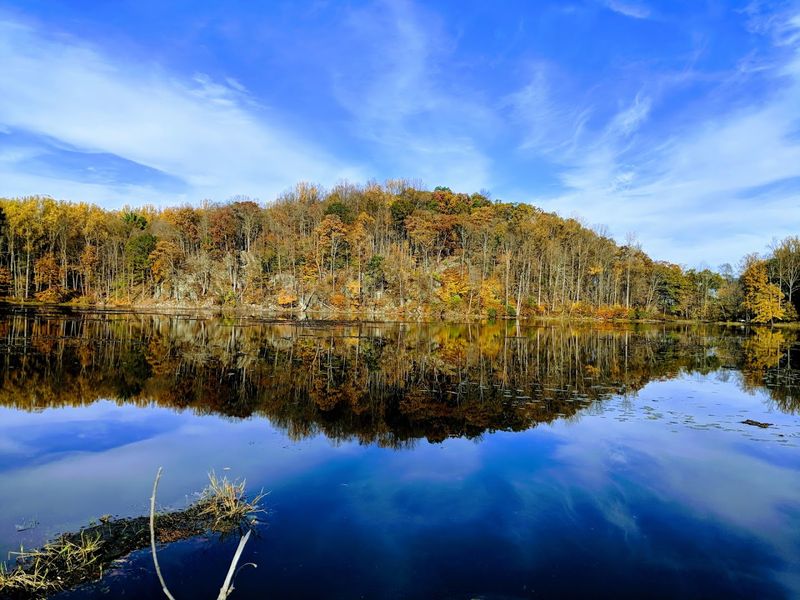
The rocky stuff is the point here. Jenny Jump State Forest, in Warren County, is not the place for a lazy little wander in flimsy sneakers; it is the place for outcroppings, boulders, steep-ish climbing, and the kind of summit payoff that makes you stop talking for a minute.
The forest sits along the Jenny Jump Mountain Range, and the reward for heading uphill is a sweep of the Highlands, the Kittatinny Mountains and Valley, and Great Meadows.
Fourteen miles of hiking trails run through the park, including the Summit Trail, and the terrain still shows the marks of ancient glacial movement, which helps explain the dramatic, jumbled feel underfoot.
There is another reason this one stands out: the United Astronomy Clubs of New Jersey operate the Greenwood Observatory here and host Saturday evening public programs from April through October, weather permitting.
That means you can build a visit around both a daylight hike and a stargazing program, which is a pretty great way to get two totally different moods out of one park.
Camping is a real option here too, with 22 tent and trailer sites open April 1 through October 31, plus year-round shelters near the top of Jenny Jump Mountain. It made the list because it is one of the few New Jersey parks that can give you a mountain view by day and a telescope by night.
4. Swartswood State Park
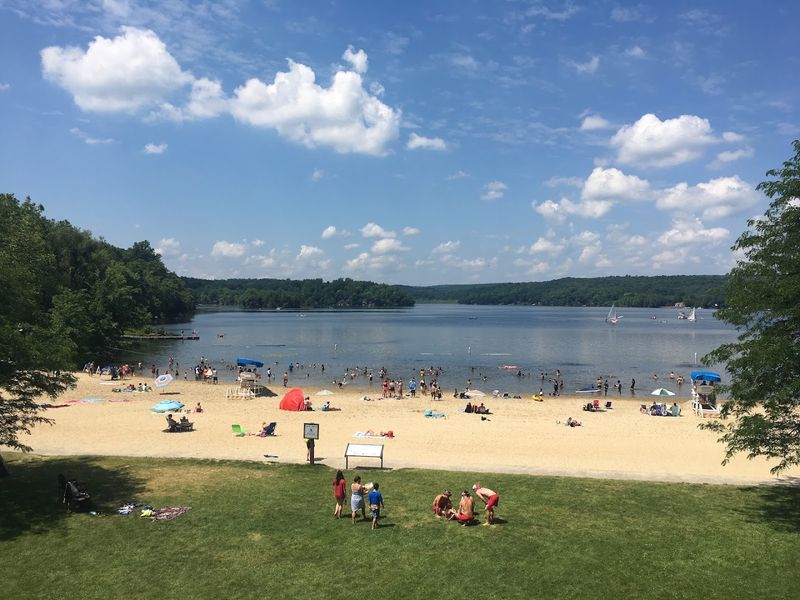
You can tell a lot about Swartswood in one glance across the lake: there are sailboats, canoes, and kayaks, but no gas-powered chaos. That is because only electric motors are permitted on 519-acre Swartswood Lake, a natural glacial lake in Sussex County, and the difference in vibe is immediate.
This is New Jersey’s oldest state park, purchased for public enjoyment in 1914, yet it still feels pleasantly off the main circuit. The setting is rural, low-key, and scenic in a way that works whether you want a paddle, a swim, a picnic, or a shoreline walk that does not feel engineered within an inch of its life.
It is especially good for people who like their lake days calm rather than crowded and loud. In practical terms, this is a strong warm-weather pick for kayaking and canoeing, and a smart family day-trip option if you want water without an ocean-level production.
Because it is off the beaten path and away from major highways, it rewards people who plan it on purpose instead of stumbling into it. Swartswood earned its place because it delivers one of the prettiest, most peaceful freshwater days you can have in New Jersey, and it does it without trying too hard.
5. Kittatinny Valley State Park
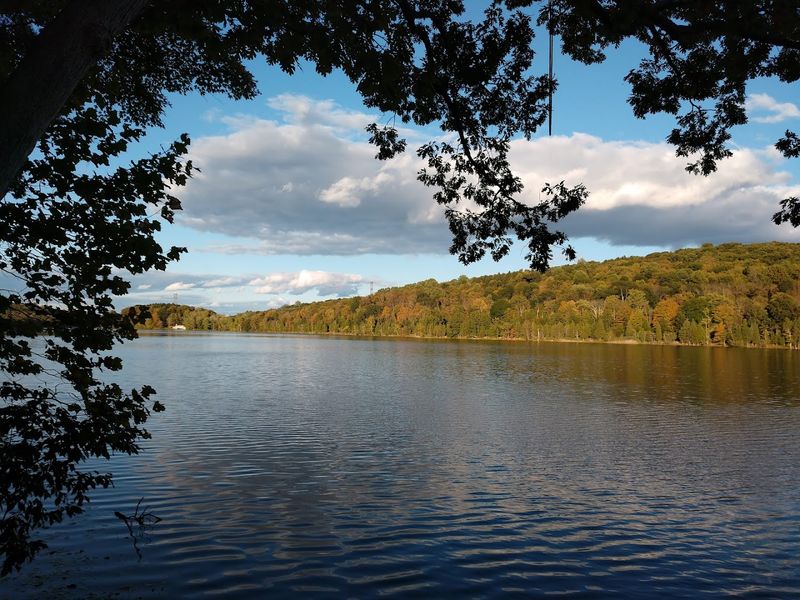
A park with four lakes, four rail trails, more than 200 bird species, rugged mountain-bike terrain, and a working airport inside its boundaries should be a much bigger deal than it is. Kittatinny Valley State Park, centered around the Newton area, is wonderfully eclectic in the best possible way.
The four converted rail corridors here—the Paulinskill Valley Trail, Sussex Branch Trail, Great Valley Rail Trail, and Lehigh & Hudson River Rail Trail—give you miles of flat, multi-use riding and walking, while other sections bring rougher terrain for hikers and bikers who want something more technical.
Lake Aeroflex is the standout for paddlers and anglers; at 119 acres, it is stocked annually with brown and rainbow trout and is reached from Limecrest Road rather than by direct vehicle access to the shoreline.
Then there is the airport, operated by the New Jersey Forest Fire Service, where plane-watching is actually a thing. This is one of those parks that works especially well if your group never agrees on one activity, because somebody can bird, somebody can bike, somebody can fish, and everybody can still claim victory.
It belongs on this list because it feels less like one park and more like a whole menu of North Jersey outdoor fun packed into a single address.
6. Voorhees State Park
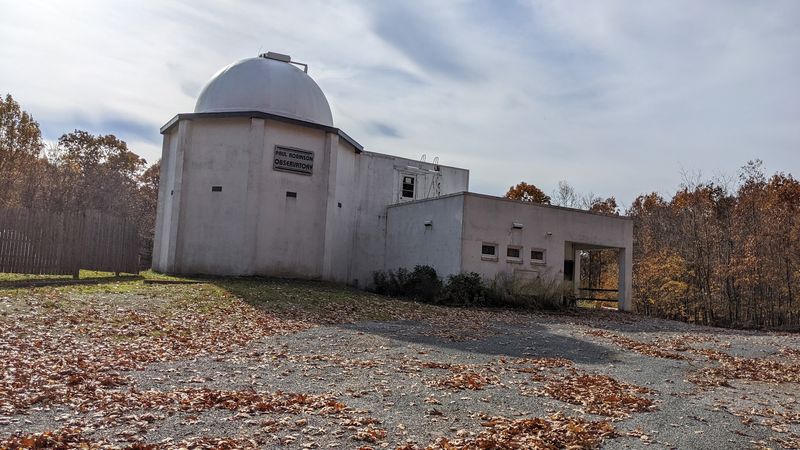
Some parks are all about the trail. Voorhees adds stars.
Tucked into the wooded hills of northern Hunterdon County, this park mixes straightforward outdoor appeal with one of the cooler niche features in the state park system: an observatory run by the New Jersey Astronomical Association.
You can spend the day on the park’s multi-use trails, which are suitable for a wide range of abilities and include options for biking and mountain biking, then stick around for night-sky programming when the observatory schedule lines up.
The park also has a very visible Civilian Conservation Corps fingerprint. From 1933 to 1941, roughly 1,000 CCC workers helped shape the roads, shelters, trails, and visitor amenities that still define the place, and that gives Voorhees a built-in historic texture beyond the scenery.
If you like a park with structure, this is a good one: the one-mile Parcourse fitness circuit adds something a little different from the usual loop-trail routine, and camping is available if you want to stretch the visit into an overnight.
It earns its bucket-list spot because it manages to feel both grounded and a little cosmic, which is not a combination New Jersey delivers every day.
7. Belleplain State Forest
Belleplain is what you pick when you want the Pine Barrens, but with variety instead of one-note scenery.
Established in 1928 and shaped in part by three Civilian Conservation Corps camps during the 1930s, this South Jersey forest sits within the Pinelands National Reserve and packs an impressive mix of habitats into one place: saltwater marsh, Atlantic white cedar swamp, mixed hardwood swamp, and oak-hickory forest all show up here.
That diversity makes it especially appealing for birders and wildlife-watchers, but it also keeps the landscape from ever feeling monotonous. You are not just walking through pines and calling it a day.
Belleplain is also the kind of park that can carry a full weekend, thanks to camping and seasonal programming; recent park events have included guided birding trips, which tells you something about how rich the wildlife scene is.
For planning, it is smart to think of Belleplain as a slower, more immersive trip rather than a quick box-checking stop.
This is the park to choose when you want to drive a little deeper into South Jersey and stay long enough to notice the shifts in water, woods, and light. It earned this spot because it shows off just how layered and biologically rich the Pine Barrens region can be.
8. Stephens State Park
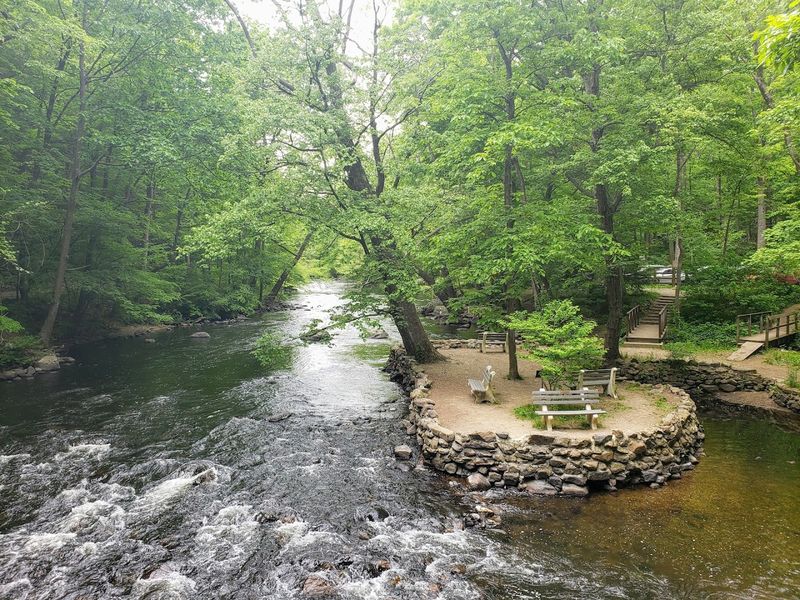
Not every under-the-radar park needs a dramatic summit or a famous lake. Sometimes a place wins you over by being quietly useful, scenic, and easy to return to.
Stephens State Park, along the Musconetcong River corridor in Warren County, has exactly that kind of repeat-visit appeal.
It is often paired with trail guides for Allamuchy Mountain and Stephens State Park together, which makes sense geographically and recreationally: this is a good area for people who want river views, forest walking, and a more relaxed North Jersey outing that still feels outdoorsy in a real way.
The park’s facilities are partially accessible, and the setting near the Musconetcong adds fishing and riverside atmosphere to the usual day-hike equation. This is not the park you pick for bragging rights; it is the one you pick because you want a genuinely pleasant day outside without a giant production around it.
Think picnic-table energy, trail-shoes energy, and “let’s stay a little longer” energy. Since the park does require special-use permits for organized events and has the usual state-park rules around alcohol, smoking, and ATVs, it is best approached as a simple, well-planned day trip.
It made the list because it is the kind of overlooked place locals keep in rotation long after trendier destinations lose their shine.
9. Wawayanda State Park
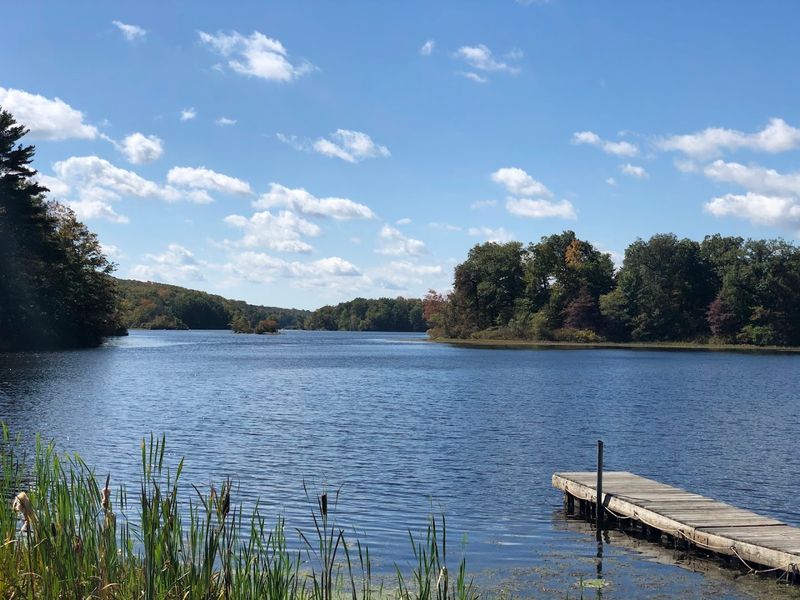
Big lake, dense forest, enough trails to keep you busy, and a name that somehow still feels like an insider tip: Wawayanda State Park is one of those places that should be swarming with hype but mostly is not.
Set in the Highlands near the New York border, it offers the kind of broad, classic outdoor mix that makes planning easy.
You come here for hiking, paddling, fishing, camping, and a proper unplugged day in the woods, not for a novelty feature or a quick photo-op. That is exactly why it works.
The scale of the park gives it a roomy feel, and the recreational facilities are partially accessible, which is useful to know before you go. This is also a park where camping can turn a good day into a much better weekend, especially if your ideal morning involves lake mist and a camp stove instead of a coffee line.
Practical advice: treat Wawayanda like a destination, not a pit stop. Bring the gear that lets you stay awhile, and do not rush in expecting a one-hour wander to capture the place.
It earned its place on this list because it offers the full North Jersey outdoors package, but still somehow feels like a recommendation you got from somebody who knows better than to post everything online.
10. Long Pond Ironworks State Park
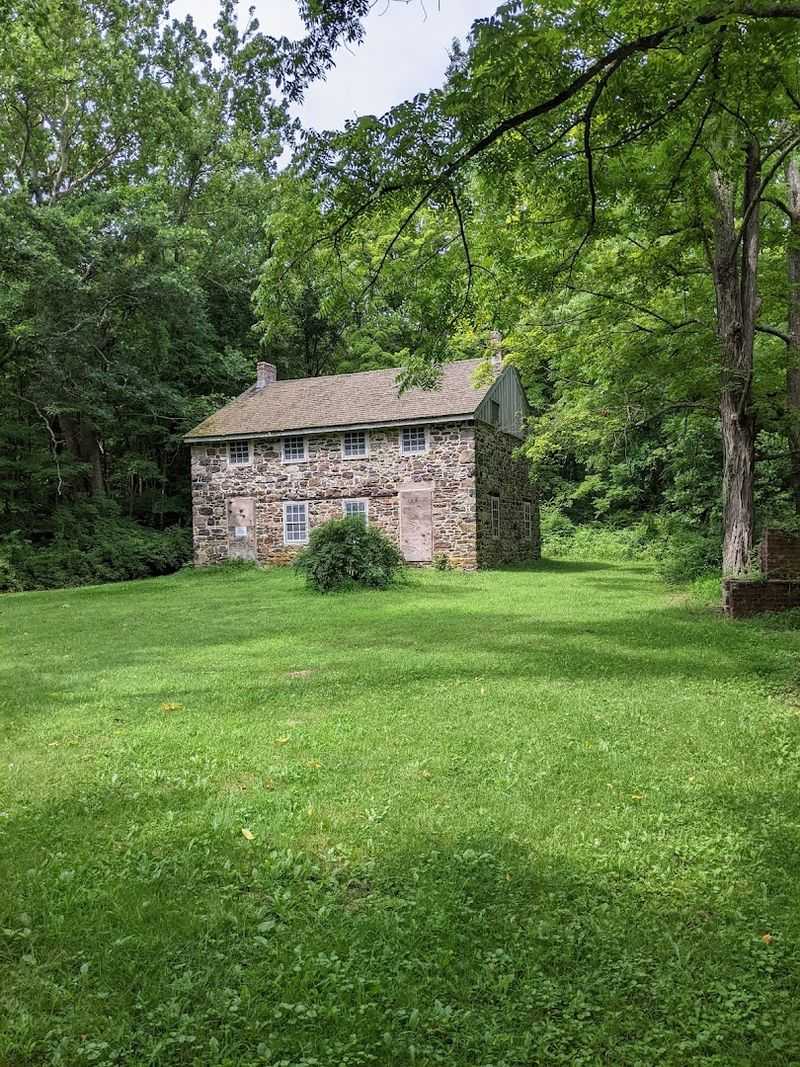
There are parks where the history is a plaque by the parking lot, and then there is Long Pond Ironworks, where the history is basically the whole landscape.
In northern Passaic County, this state park preserves the remains of a former ironworking community that produced iron for the Continental Army, American forces in the War of 1812, and the Union Army during the Civil War.
That is already enough to make it interesting, but what elevates it is the setting: the historic district sits beside the Wanaque River and includes remnants like stone walls, furnaces, and waterwheels, while the surrounding parkland opens up into hiking, mountain biking, boating, fishing, wildlife watching, and more.
It is the kind of place where you can spend half the day reading the land and the other half actually moving through it.
That combination makes Long Pond especially strong for people who do not want a museum-only history outing or a scenery-only trail day. Practical move: give yourself time to explore both the ironworks district and at least one trail or waterside section, because doing only one shortchanges the experience.
It earned its place because it makes industrial history feel tangible, not abstract, and wraps it in genuinely beautiful North Jersey scenery.
11. Monmouth Battlefield State Park
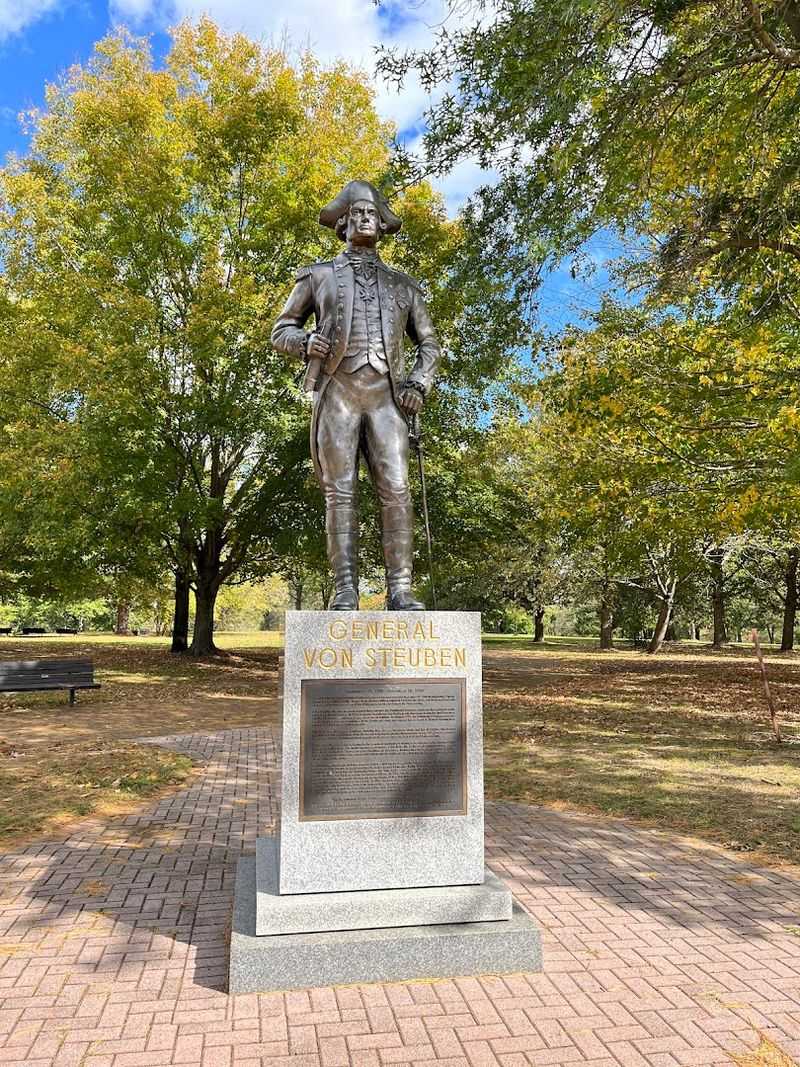
You do not need to be a hardcore Revolutionary War person to appreciate Monmouth Battlefield State Park, but it definitely helps if you enjoy the idea of a walk with a little drama in it.
On June 28, 1778, this land was the site of one of the longest battles of the American Revolutionary War, fought on a blisteringly hot day that left more than 600 men dead, dying, or wounded by the end.
Today the same landscape is a preserved spread of hilly farmland, hedgerows, woods, and meadows with 25 miles of paths, farm roads, and field edges to explore. That gives the park a rare dual personality: peaceful enough for a shady stroll or wildlife spotting, but loaded with the weight of what happened there.
The restored Craig House and visitor center deepen the story, and seasonal reenactments keep the place from feeling static. One especially local touch is Battleview Orchards, right in the working landscape of the park, where seasonal pick-your-own fruit adds a very Jersey counterpoint to all that battlefield history.
Go when you are in the mood for a walk with context, not just steps. It earned this spot because it turns a history lesson into a vivid, open-air experience without sacrificing the simple pleasure of being outside.
12. Parvin State Park
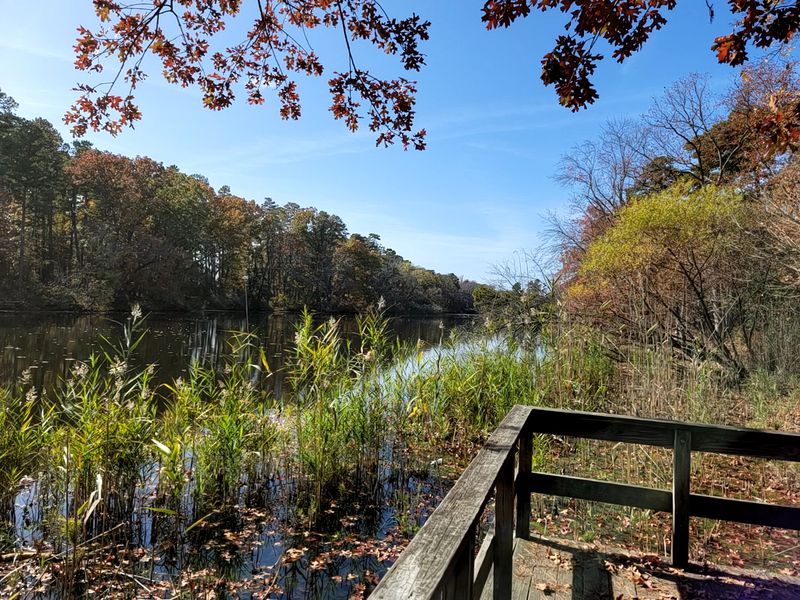
Parvin feels like the kind of park people “discover” and then start mentioning in a low voice, as if they are trying not to ruin it. In Cumberland County, it combines cabins, campsites, trails, wildlife, boating, and a lifeguard-staffed swimming beach on Parvin Lake, which already makes it one of the more versatile picks on this list.
But what really gives it personality is the habitat mix. The park’s combination of pine forest, hardwood swamp, and open water supports more than 200 bird species, which helps explain why birders love it and why even casual visitors tend to notice more life here than they expected.
Canoe rentals are available seasonally, and kayaks and stand-up paddleboards are permitted, so there are several easy ways to make the water part of your visit rather than just background scenery.
The park dates to 1930, and much of its enduring infrastructure came out of CCC work in the 1930s, including recreational facilities and cabins that still shape the experience.
For planning, Parvin works beautifully as either a day trip or an overnight, and the sunrise-to-sunset hours make it easy to build around a full day outdoors. It earned its spot because it feels like a complete little getaway, not just a park you pass through.
13. Bulls Island Recreation Area
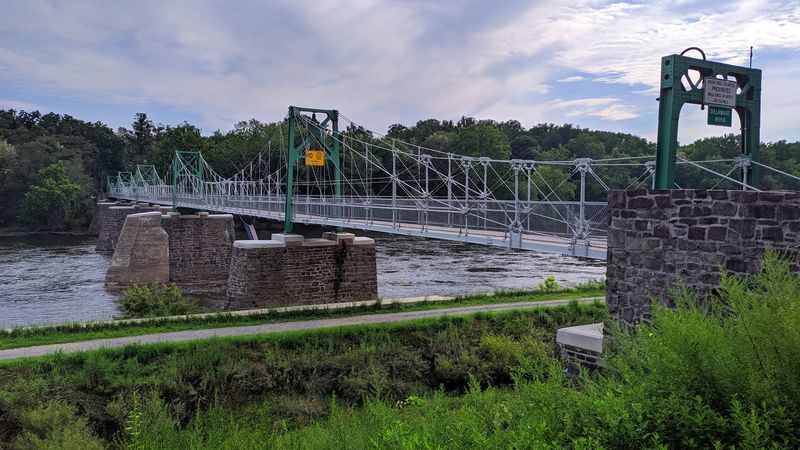
Crossing a Roebling-designed pedestrian bridge to reach an 80-acre forested island is a strong opening move for any park visit. Bulls Island Recreation Area, part of Delaware and Raritan Canal State Park in Hunterdon County, delivers exactly that.
Bounded by the Delaware River on one side and the canal feeder on the other, the island gives you a distinct sense of place right away; it feels tucked between two working landscapes, watery and green at the same time.
Once you are there, the appeal is simple and solid: a large picnic area, playground, boat launches into both the canal and the river, and direct access to the canal towpath, a wide, flat crushed-stone route that is part of a trail system running more than 70 continuous miles and linked to the East Coast Greenway.
That makes Bulls Island especially good for people who want biking or walking without steep climbs, and for families who like to mix an easy trail with a picnic and some river watching. It is not about high drama; it is about having a really good day outside in a beautiful river corridor.
This one earned its place because the bridge, the island setting, and the towpath access make it feel like an outing with a built-in sense of occasion.
Share this story