A giraffe’s purple tongue curls around a lettuce leaf, a wolf pack answers one howl with another, and somewhere in the Pine Barrens, a rescued bear is settling in for the afternoon. You can fit all three scenes into a New Jersey zoo road trip without ever getting on a plane.
The state’s animal attractions range from polished, full-day zoos to tiny historic collections, sprawling safaris, and quiet refuges where the residents arrived after difficult beginnings. Better still, several excellent choices sit just across the state line, close enough for an easy day trip.
Some places on this list are built for strollers, carousels, and snack breaks; others reward an early start, sturdy shoes, or a reservation made before the weekend fills up.
Whether the goal is feeding a giraffe, spotting a snow leopard, hearing wolves howl, or simply giving the kids something better to watch than another screen, these 13 zoos deliver a genuinely wild day out.
1. Cape May County Park & Zoo – Cape May Court House, New Jersey
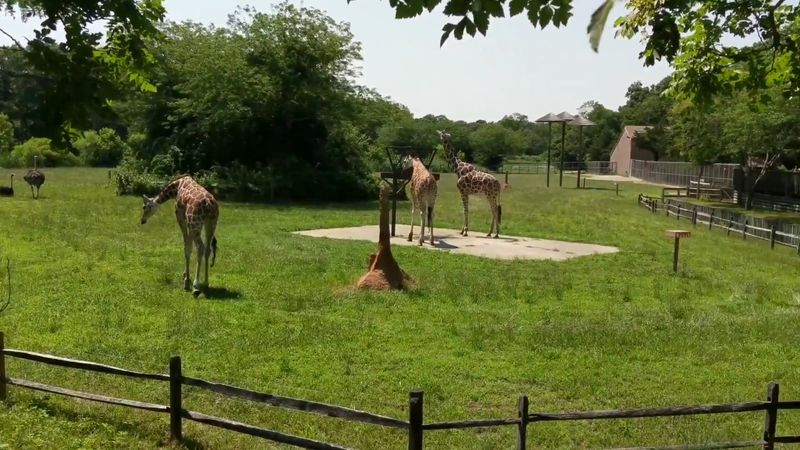
The price of admission here is pleasantly old-fashioned: nothing. Cape May County Park & Zoo remains free to enter, with donations encouraged, which makes it especially easy to add to a Shore trip without turning the day into a major production.
The animal lineup is far bigger than the modest ticket price suggests. Giraffes, Grant’s zebras, cheetahs, African lions, red pandas, capybaras, primates, bears, and scimitar-horned oryx are among the residents spread across the wooded property.
The African Savanna is an obvious first stop, but the shady paths and smaller habitats make wandering just as rewarding as racing toward the headliners. The surrounding county park is part of the appeal.
It covers more than 200 acres and includes walking and biking paths, playgrounds, fishing ponds, picnic areas, and disc golf, so families can turn a zoo visit into a full outdoor day. Pack lunch for the park rather than the zoo itself, since outside food is not permitted inside the animal area.
Summer zoo hours are longer than winter hours, and arriving near opening is a smart move when the forecast is hot. Parking is free, the grounds are relaxed, and the whole place feels like one of South Jersey’s best bargains—even though the secret has been out for years.
2. Turtle Back Zoo – West Orange, New Jersey
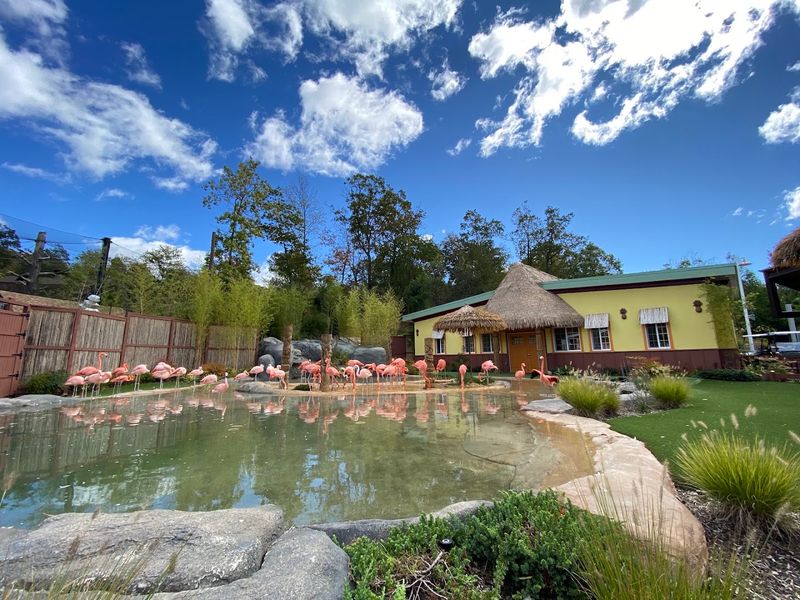
Sea lions bark across the water, a miniature train rolls toward South Mountain Reservation, and children suddenly develop very strong opinions about which animal comes next. Turtle Back Zoo has the energy of a major family attraction without requiring a trek into New York City.
Its exhibit list moves quickly across continents: African Adventure brings giraffes and other savanna species into view, Amazing Asia focuses on animals from across the region, and Big Cat Country delivers the kind of close-up encounters that stop everyone mid-conversation.
Sea Lion Sound is a natural crowd magnet, while World of Water adds an indoor break when the weather turns sticky or gray.
This is also one of the best choices for families who want more than a straightforward walk past habitats. Depending on the day and season, visitors can add a giraffe feeding, aviary experience, carousel ride, playground stop, or train trip.
The attractions make it easy to pace the visit for younger children, though they can also push a quick zoo outing toward a full afternoon. Timed tickets are worth buying before a busy weekend, and the large parking area can still fill during school breaks and special events.
Arrive early, choose two must-see exhibits before entering, and leave room for the inevitable detour when someone spots a red panda overhead.
3. Bergen County Zoo – Paramus, New Jersey
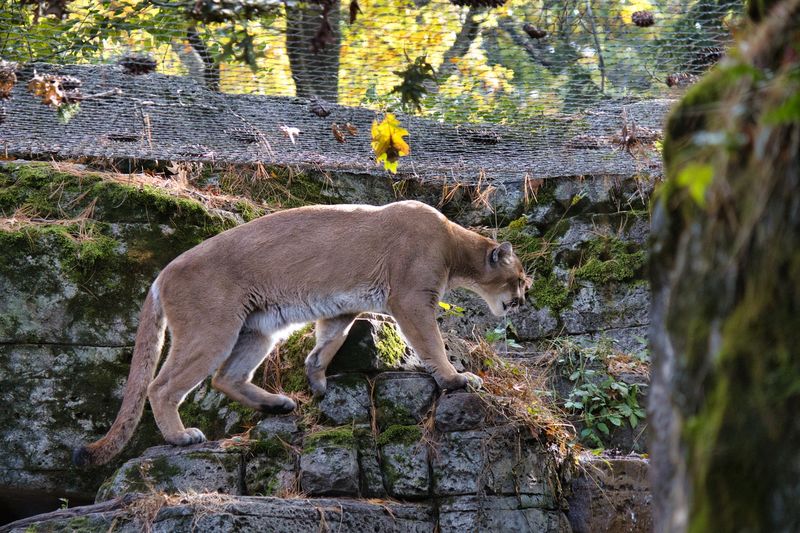
A giant anteater shuffling through the grass may be the moment that wins the day at this compact Paramus zoo. Set inside Van Saun County Park, Bergen County Zoo focuses heavily on species from North and South America, giving the collection a clearer identity than the usual continent-hopping lineup.
Visitors can look for American bison, elk, red wolves, mountain lions, guanacos, spider monkeys, prairie dogs, and cotton-top tamarins, along with colorful birds and a surprisingly varied reptile and amphibian collection.
The Andean condor habitat is another standout, with an expanded design built around high perches, rockwork, water, and a towering central structure that gives the enormous birds room to move.
Because the zoo is manageable in size, it works beautifully for younger kids, grandparents, or anyone who prefers a satisfying two-hour outing over an all-day endurance event.
The surrounding park keeps the fun going with a carousel, miniature train, playgrounds, and broad lawns, so it is easy to pair animal viewing with a picnic or a slower afternoon outside.
Admission policies and attraction hours vary by season, making a quick check before leaving home worthwhile. On warm weekends, arriving early helps with parking and gives visitors a better shot at seeing active animals before the midday heat sends everyone—humans included—looking for shade.
4. Cohanzick Zoo – Bridgeton, New Jersey
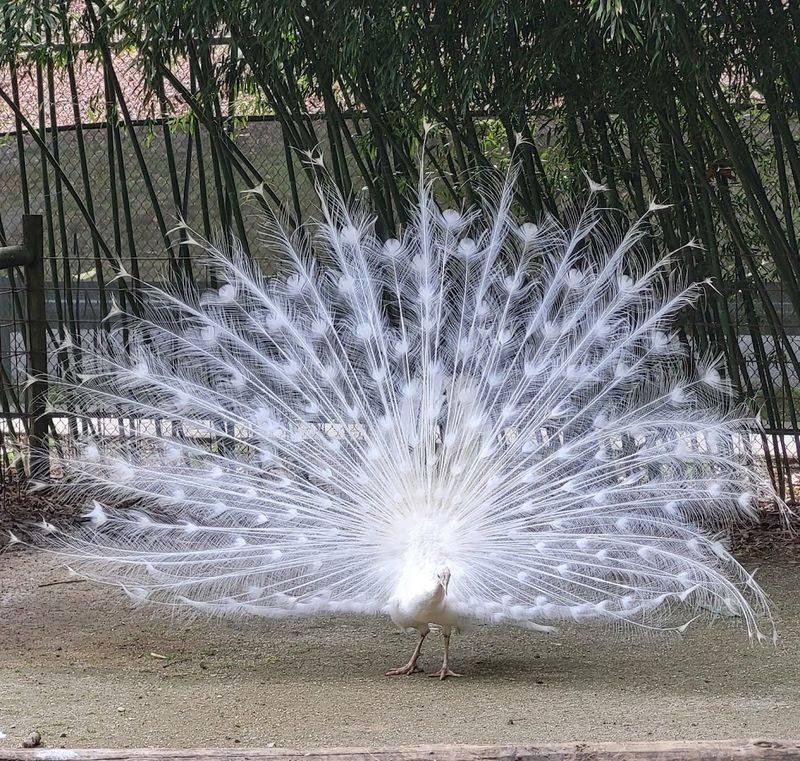
New Jersey’s first zoo does not announce itself with a giant entrance plaza or a maze of souvenir stands. It sits inside Bridgeton City Park, where a simple walk beneath the trees leads to Bengal tigers, leopards, mountain lions, wallabies, gibbons, red river hogs, fennec foxes, cranes, lemurs, and other residents.
Opened in 1934, Cohanzick Zoo has the scale and pace of a true community institution. It is small enough to explore without checking a map every five minutes, yet varied enough to keep children guessing about what waits around the next bend.
The big cats tend to command the longest pauses, but the smaller animals provide plenty of personality, especially the foxes, porcupine, and pot-bellied pig. Admission is free, and public support helps the zoo continue caring for its animals and improving habitats, so leaving a donation feels like part of the visit rather than an afterthought.
The surrounding park covers more than 1,000 acres, giving families room for a picnic, a walk, or extra playtime after the zoo loop is complete. Spring and summer bring longer visiting hours than fall and winter.
This is not the place for a packed itinerary of rides and add-ons; it is the place for an easy, affordable afternoon where the animals—not the attractions—remain the main event.
5. Popcorn Park Animal Refuge – Forked River, New Jersey
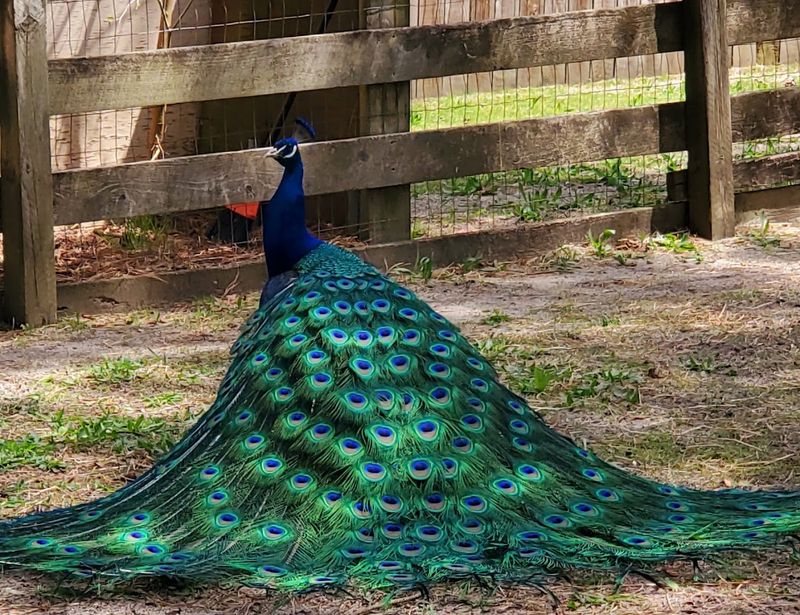
The animals at Popcorn Park often come with stories that are harder than the usual zoo biography. This Forked River refuge cares for more than 200 rescued exotic animals, wildlife, birds, and farm animals, all of which receive permanent care in the peaceful surroundings of the Pine Barrens.
That mission changes the tone of a visit. You may still hear excited children calling out to bears, big cats, monkeys, deer, pigs, or birds, but the experience carries an extra layer of meaning because admission and donations help support the residents.
The refuge’s sandy, unpaved paths give the grounds a rustic character that fits the Ocean County setting. Strollers can be used, though the ride may get bumpy, and visitors who need mobility assistance can ask about the beach wheelchairs kept on site.
Popcorn Park is best approached as a sanctuary rather than a polished metropolitan zoo. Exhibits are simpler, the focus is rescue, and the pace encourages visitors to stop, read, and learn about the individual animals rather than hurrying toward the next major attraction.
Pair it with a relaxed Ocean County day, wear shoes that can handle sandy ground, and leave room in the schedule to linger. Most people arrive hoping to see impressive animals and leave talking just as much about the second chances they received.
6. Space Farms Zoo & Museum – Wantage, New Jersey
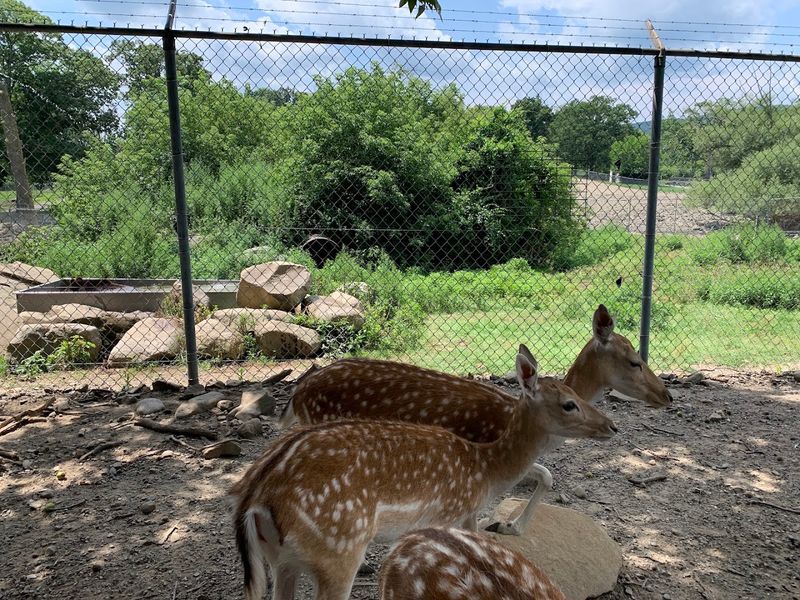
A row of antique cars is not what most people expect to find between lions, bears, and kangaroos, but Space Farms has never been a standard zoo. The family-run Wantage attraction combines a 100-acre animal park with 11 museum buildings filled with vintage vehicles, motorcycles, tools, farm equipment, and Americana.
Its wildlife collection includes more than 500 animals, with African lions, tigers, jaguars, leopards, cougars, lynx, bears, hyenas, monkeys, lemurs, bison, and plenty of farm animals sharing the billing.
Free-roaming chickens, ducks, and geese add to the old-country-farm feel, while designated feeding areas give younger visitors a chance to interact with gentler residents.
The museum side is more than a rainy-day backup. It turns the visit into an odd, memorable double feature—part wildlife outing, part roadside history collection—and gives adults something to linger over while children compare big-cat sightings.
The property is large and the walk can be longer than expected, so comfortable shoes matter. It operates seasonally, generally from spring into fall, and the last entry comes before closing time.
Bring water, allow several hours, and do not rush the museum buildings. Space Farms works best when treated as a full Sussex County excursion rather than a quick stop squeezed between other plans.
7. Six Flags Wild Safari – Jackson, New Jersey
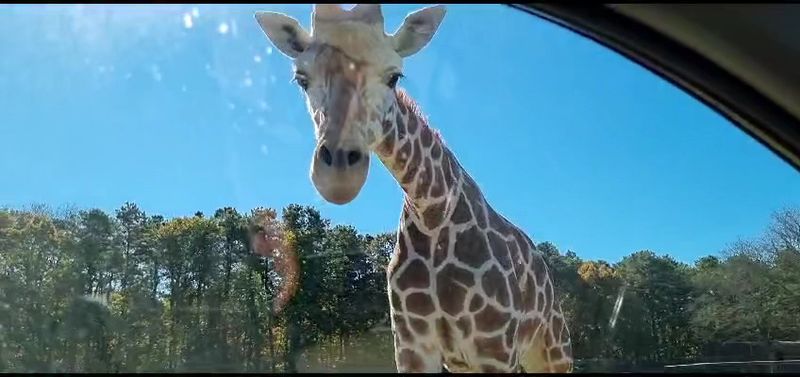
The first giraffe leaning toward the safari vehicle tends to erase any lingering interest in roller coasters. Six Flags Wild Safari is built around scale: nearly 1,200 animals representing six continents live across the Jackson property, and the guided off-road experience moves through broad landscapes rather than a traditional loop of fenced exhibits.
Depending on where the animals choose to wander, visitors may encounter elephants, rhinos, giraffes, bison, elk, antelope, ostriches, tigers, and lions during the trip. Guides supply the names, habits, and conservation context while also handling the questions children produce at remarkable speed.
The appeal is simple—you stay seated while the landscape changes around you, and the animals can appear much closer than expected. That makes the safari a strong choice for mixed-age groups, visitors who cannot comfortably walk a large zoo, or families already planning a Great Adventure day.
The current off-road tour departs from inside the theme park and lasts about 30 minutes, although safari operations and ticket options can change with the season. Check the day’s schedule before arrival and build in time for lines, especially on summer weekends.
Keep phones ready but secured; sudden bumps and curious animals are a risky combination. Even without riding a single coaster, this is one of New Jersey’s biggest wildlife experiences.
8. Lakota Wolf Preserve – Columbia, New Jersey

A chorus of wolves howling from the surrounding woods is the kind of sound that makes an entire tour group go quiet. Lakota Wolf Preserve offers a guided experience centered on four wolf packs, with foxes, a bobcat, and a lynx also living on the property.
Instead of wandering freely from exhibit to exhibit, visitors join a scheduled educational tour and gather in an observation area positioned among the wolf enclosures.
The owners and guides explain pack structure, communication, feeding behavior, and the differences between real wolves and the villains that still turn up in old stories.
Watching the animals interact is compelling, but hearing several packs answer one another is the moment people remember. Reaching the preserve adds a small dose of adventure.
Guests can take a scenic half-mile nature walk from the parking area or use the shuttle, and the grounds are located within Camp Taylor Campground, though the two businesses operate separately. Tours are offered at set times, commonly in the late morning and afternoon, and booking online ahead of time is essential.
This is also a serious destination for wildlife photographers, with separate guided sessions designed for unobstructed shooting opportunities. Bring weather-appropriate layers, wear walking shoes, and remind younger visitors that staying calm and quiet improves the chance of seeing the wolves close to the viewing area.
9. Philadelphia Zoo – Philadelphia, Pennsylvania
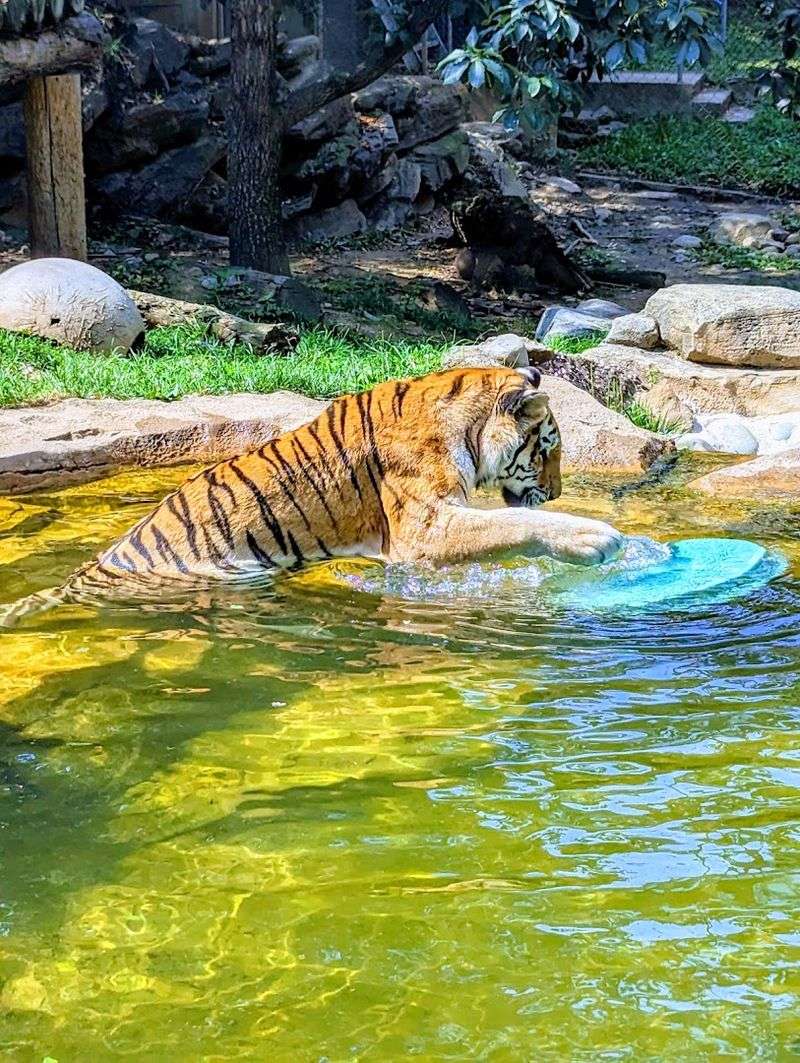
Look up while walking through Philadelphia Zoo and a tiger, monkey, or other big cat may be moving through a mesh trail above the path. Zoo360, the campus-wide network that connects habitats, gives animals more room to explore and gives visitors the amusing experience of becoming the ones under observation.
That innovation fits a place with serious history: Philadelphia Zoo opened as America’s first zoo and now cares for nearly 1,300 animals on a 42-acre campus.
Big Cat Falls brings visitors close to lions, tigers, leopards, pumas, and snow leopards, while the PECO Primate Reserve, African Plains, Rare Animal Conservation Center, and Reptile and Amphibian House can easily fill the rest of the day.
Water is Life adds playful giant river otters and red pandas, with tunnels, bridges, and slides that make the area especially good for children who need to move. Daily keeper talks are worth working into the route because they add context without requiring a separate tour.
Parking is available near the zoo, but buying admission and parking before a busy weekend can simplify arrival. Start with the farthest must-see habitat, then work back toward the entrance; otherwise, the historic grounds and constant distractions can leave everyone exhausted before reaching the favorite animal.
10. Elmwood Park Zoo – Norristown, Pennsylvania
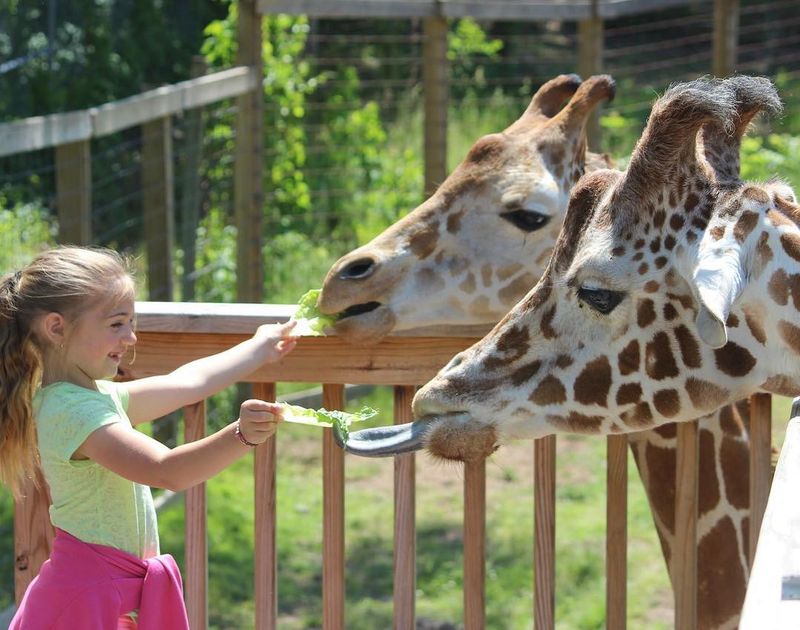
The giraffe feeding deck is where carefully planned schedules tend to fall apart—in the best possible way. At Elmwood Park Zoo, visitors can purchase a small feeding experience and come face-to-face with the world’s tallest land mammal, weather and temperature permitting.
That hands-on moment is the headline, but the Norristown zoo has enough variety to carry a full family outing. Jaguars prowl along the Trail of the Jaguar, red pandas climb above the main path, American bison anchor the grasslands, and smaller habitats introduce visitors to tamarins, sloths, birds, reptiles, and amphibians.
The grounds feel approachable rather than overwhelming, making it easier to revisit a favorite animal without crossing miles of pathways. A carousel, playground, seasonal activities, and the Zoo Brew Beer Garden give different age groups their own incentives to linger.
For a deeper visit, separately booked encounters may include sessions with giraffes, river otters, and other residents. The zoo is open year-round, though outdoor experiences naturally depend on weather, and giraffe feedings stop when temperatures are too low.
Buy general admission ahead on peak weekends, but purchase feeding tickets according to the zoo’s same-day instructions. Elmwood Park works especially well for families seeking more interaction than a small zoo offers without committing to the scale of Philadelphia or the Bronx.
11. Lehigh Valley Zoo – Schnecksville, Pennsylvania
The morning air in the Lehigh Valley can make the animals noticeably more interested in moving, eating, and investigating their habitats. That is a good reason to arrive early at this manageable zoo inside the Trexler Nature Preserve, especially during summer.
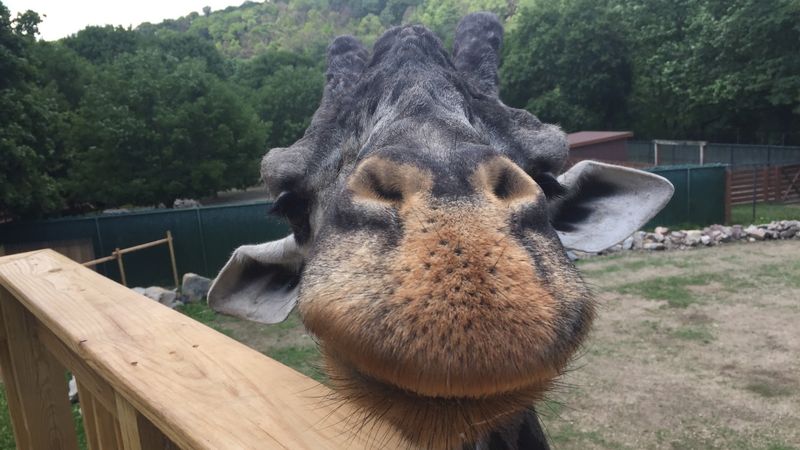
The collection balances familiar favorites with species that do not appear on every family itinerary: Masai giraffes, Mexican gray wolves, red pandas, Canada lynx, river otters, bison, zebras, kangaroos, lemurs, scimitar-horned oryx, and a lively mix of reptiles and birds.
Joshua and Tatu, the zoo’s male giraffes, are natural stars, and seasonal feeding opportunities or advance-booked encounters can bring visitors onto a dedicated deck for an even closer look.
Lorikeet, goat, sheep, and swan feedings may also be available at different points in the year. The loop is comfortable for a half-day visit, yet the surrounding preserve gives the outing a more rural feel than a city zoo.
Food stands go beyond basic snacks with burgers, tacos, steak sandwiches, pierogies, fried pickles, and loaded fries, which is useful when the group’s appetite arrives before the final habitat. Parking is free, and the zoo operates year-round.
Mild spring and fall days often provide the best combination of active animals, comfortable walking weather, and fewer overheated humans.
12. Bronx Zoo – Bronx, New York
Trying to “see everything” at the Bronx Zoo is a reliable way to spend the afternoon studying a map with tired feet. The smarter plan is to choose a handful of headline exhibits and accept that this 265-acre institution deserves more than one visit.
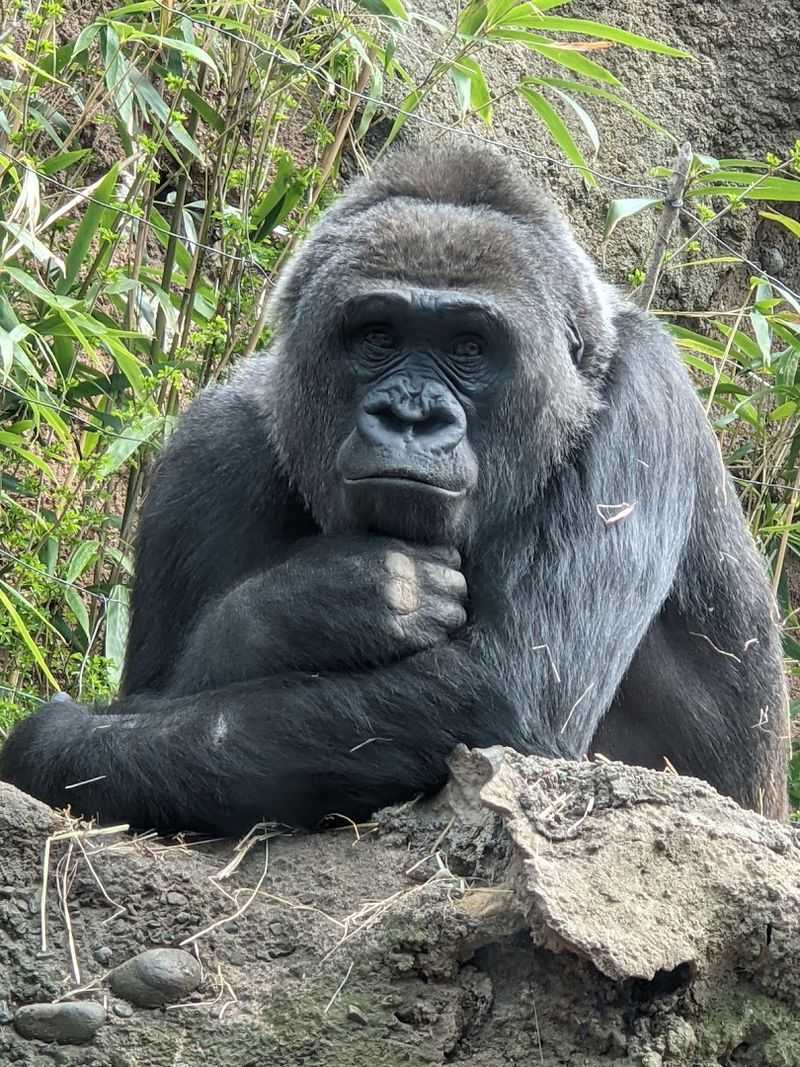
Congo Gorilla Forest is a top priority, placing western lowland gorillas and other Central African species in a lush, immersive setting.
Tiger Mountain, Himalayan Highlands, Madagascar!, the African Plains, and the indoor JungleWorld each feel substantial enough to anchor the trip, while the Wild Asia Monorail offers a welcome chance to sit as elephants, rhinos, deer, and other animals appear along the route.
More than 11,000 animals live at the zoo, so even the walk between major exhibits produces surprises, from red pandas and geladas to sea lions and birds of prey. General admission now includes unlimited access to the major star attractions, but seasonal rides and exhibit schedules still deserve a check before departure.
Use the Southern Boulevard parking lot for the most straightforward driving arrival, open the digital map, and wear shoes chosen for distance rather than style. Families with small children should pick one geographical zone and build outward.
Everyone else should begin early, take the shuttle when available, and save enough energy for one final detour.
13. Staten Island Zoo – Staten Island, New York
Rain does not automatically ruin a visit to Staten Island Zoo, which is one reason this compact choice earns a place beside the region’s larger outdoor giants.
Much of the collection can be explored inside the Reptile Wing, Tropical Forest, Aquarium, and African Savannah Wing, giving families somewhere productive to go when the forecast refuses to cooperate.
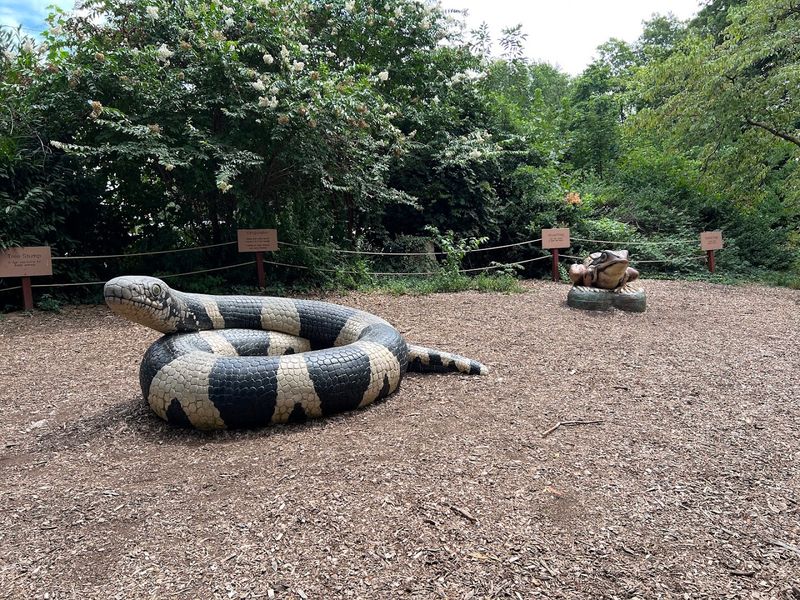
The reptile collection is a particular strength, with timber rattlesnakes, anacondas, crocodile lizards, beaded lizards, turtles, axolotls, and other cold-blooded residents rewarding anyone who slows down enough to look.
Outdoor habitats add capybaras, emus, ostriches, foxes, tortoises, and more, while the Kids Korral and Conservation Carousel provide well-timed breaks for younger visitors.
Nicknamed New York City’s “biggest little zoo,” the property is easy to navigate and generally takes about 90 minutes to two hours, though admission does not impose a strict time limit. That makes it a practical day trip for families who want a real zoo experience without the mileage of the Bronx.
Parking and bus information should be checked before leaving, particularly on event days. Outside food is allowed in the zoo, and picnic tables make a packed lunch a useful option.
Save the Reptile Wing for last only if you are confident the children will willingly leave it.
Share this story