Tennessee has plenty of crowded attractions, but it also hides quiet corners where cell service fades and the pace slows to something closer to what your great-grandparents knew. Some of these places sit deep in the forest, others rest along forgotten rivers, and a few preserve entire communities frozen in time.
If you’re ready to trade traffic jams for trails and Wi-Fi for wildness, these fourteen spots offer the kind of escape that sticks with you long after you return home.
1. Reelfoot Lake State Park, Tiptonville
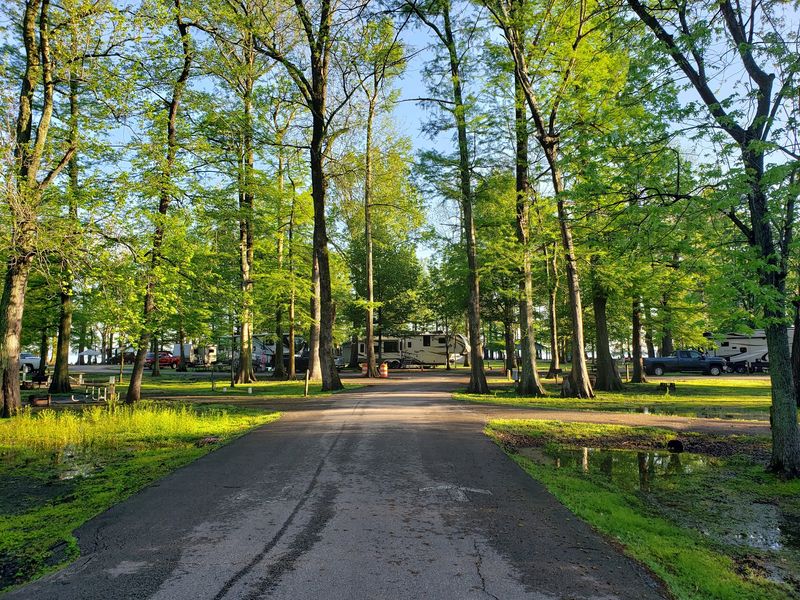
Formed by earthquakes in the early 1800s, Reelfoot Lake spreads across 15,000 acres of northwest Tennessee like a secret left behind by nature. Bald cypress trees rise straight out of the water, their knobby knees breaking the surface while Spanish moss drapes from branches overhead.
Paddling here feels like gliding through a Southern Gothic painting, especially when morning mist clings to the surface and great blue herons watch from the shallows.
The lake hosts one of the largest winter populations of bald eagles in the Southeast, and guided boat tours bring you close enough to see them perched in the treetops. But the real magic happens when you rent a canoe or kayak and slip into the quieter channels on your own.
The water stays shallow enough that you can see stumps and lily pads beneath you, and the only sounds come from frogs, fish jumping, and the occasional splash of a turtle sliding off a log.
Trails loop through bottomland hardwood forest where deer tracks press into muddy paths and woodpeckers hammer at dead snags. The visitor center explains the geology and ecology, but you don’t need a lecture to understand why this place feels different.
There’s no bustling marina, no jet skis, no condos crowding the shoreline. Just water, trees, and wildlife doing what they’ve done for centuries.
Fishing is popular here, especially for crappie and catfish, and locals know the best spots by heart. If you visit in winter, bring binoculars for eagle-watching.
If you come in summer, expect heat, humidity, and mosquitoes, but also the kind of solitude that’s hard to find anywhere else in the state. Reelfoot doesn’t try to be a resort. It just sits there, wild and unbothered, waiting for anyone willing to slow down.
2. Fort Pillow State Historic Park, Henning
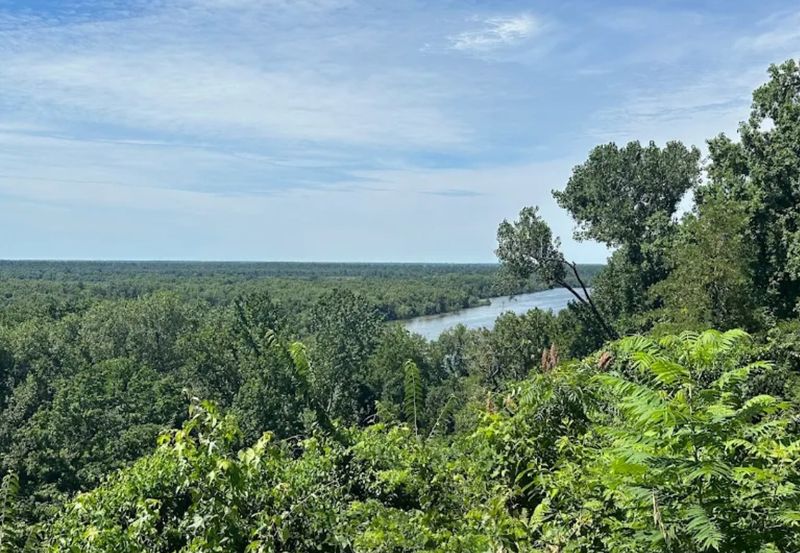
Perched high above the Mississippi River on Chickasaw Bluffs, Fort Pillow sits in a part of Tennessee that most travelers miss entirely. The park preserves a Civil War battlefield, but it’s the setting that really grabs you: steep bluffs, dense hardwood forest, and sweeping views over the river that once carried gunboats and steamers.
Walk the trails here and you’ll find yourself alone more often than not, surrounded by nothing but birdsong and the rustle of leaves.
The earthworks still stand, grassy mounds and ditches that mark where Confederate and Union forces clashed in 1864. Interpretive signs explain the history, including the controversial battle that made national headlines.
But even if you’re not a history buff, the landscape itself tells a story. You can hike to overlooks where the river bends far below, or follow paths through forest so thick it feels like you’ve stepped back into frontier Tennessee.
Spring brings wildflowers and migrating warblers. Summer gets hot and buggy, but the shade under the canopy keeps things bearable.
Fall colors light up the bluffs in October, and winter strips the trees bare so you can see the river even better. The campground is small and primitive, the kind of place where you might be the only camper for miles.
There’s no gift shop selling T-shirts, no food trucks, no crowds snapping selfies. Just trails, history, and a lot of quiet.
If you want to understand what Tennessee looked like before highways and suburbs, this bluff does a pretty good job of showing you. Bring water, wear sturdy shoes, and don’t expect cell service.
3. Big Cypress Tree State Park, Greenfield
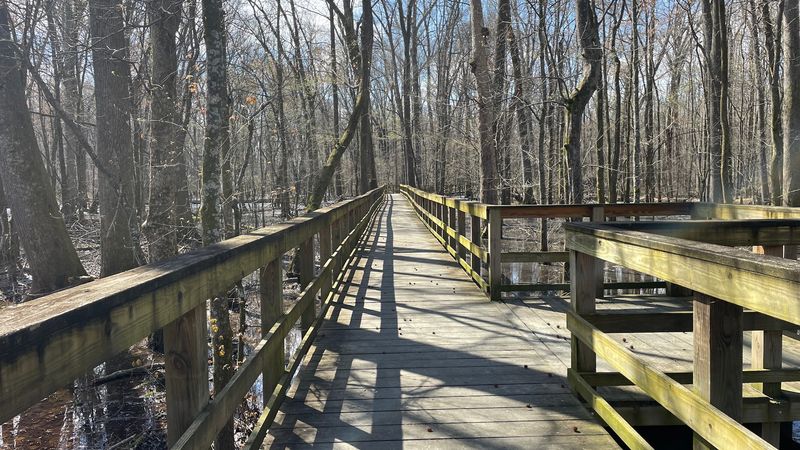
Tucked into a bend of the Middle Fork of the Obion River, Big Cypress Tree State Park protects a slice of West Tennessee bottomland that feels like it belongs to another century. The star attraction used to be a massive bald cypress tree, one of the largest in the country, but a storm took it down in 1976.
What remains is the forest itself: a quiet, watery world of tupelo gums, cypress knees, and tangled vines where the only noise comes from woodpeckers and the occasional splash of a beaver.
A short boardwalk trail loops through the wetlands, giving you a close look at the swampy habitat without getting your boots soaked. Interpretive signs point out native plants and explain the ecology, but mostly you just walk and listen.
In spring, warblers and thrushes fill the canopy with song. In summer, dragonflies zip over standing water and turtles sun themselves on half-submerged logs.
Fall brings color to the sweetgums, and winter opens up the understory so you can see deeper into the forest.
The park is small, just over 300 acres, and you won’t find a playground or a lodge or a visitor center full of exhibits. There’s a picnic area, a pavilion, and the trail.
That’s it. But that simplicity is the whole point.
Big Cypress doesn’t try to entertain you. It just invites you to slow down and notice things: the way light filters through the trees, the smell of damp earth, the stillness that settles over wetlands when nothing moves.
If you’re driving through West Tennessee on a long road trip, this is a perfect place to stop and reset. Pack a sandwich, walk the boardwalk, and sit by the water for a while.
You won’t find anything dramatic or Instagram-famous here. Just a quiet forest doing what forests do.
4. Pinson Mounds State Archaeological Park, Pinson
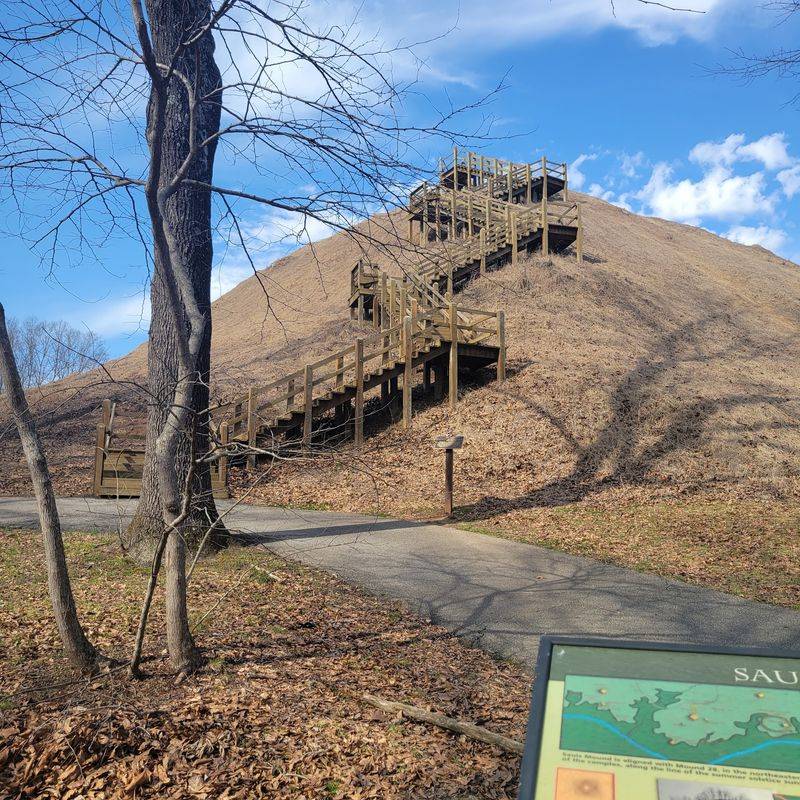
More than a dozen earthen mounds rise from the fields and forests of Pinson, built by Indigenous peoples between 2,000 and 1,000 years ago. Walking among them, you feel the weight of time in a way that’s hard to describe.
These aren’t reconstructions or replicas. They’re the real thing, carefully preserved and largely undisturbed, scattered across 1,200 acres of quiet countryside near Jackson.
Some are small, barely noticeable bumps in the landscape. Others, like Sauls Mound, tower 72 feet high and command the horizon.
The park’s museum explains who built the mounds, how they were used, and what archaeologists have learned from excavations. But the real experience happens outside, on the trails that connect the mounds and wind through oak-hickory forest.
You can climb to the top of some mounds and look out over the same landscape the builders saw, minus the modern roads and power lines. It’s humbling in a way that feels different from visiting a monument or a statue.
This is Tennessee’s deep history, written in earth and silence.
Birding is excellent here, especially during migration when warblers and tanagers pass through. Deer are common, and if you walk quietly, you might spot a fox or a bobcat.
The trails are easy, mostly flat, and well-marked. There’s no admission fee, no crowds, and plenty of space to wander on your own.
Pinson doesn’t get the attention it deserves, which is part of what makes it special. You won’t fight for parking or wait in line. You’ll just walk, think, and maybe wonder what it was like to live here a thousand years ago.
5. Port Royal State Historic Park, Adams
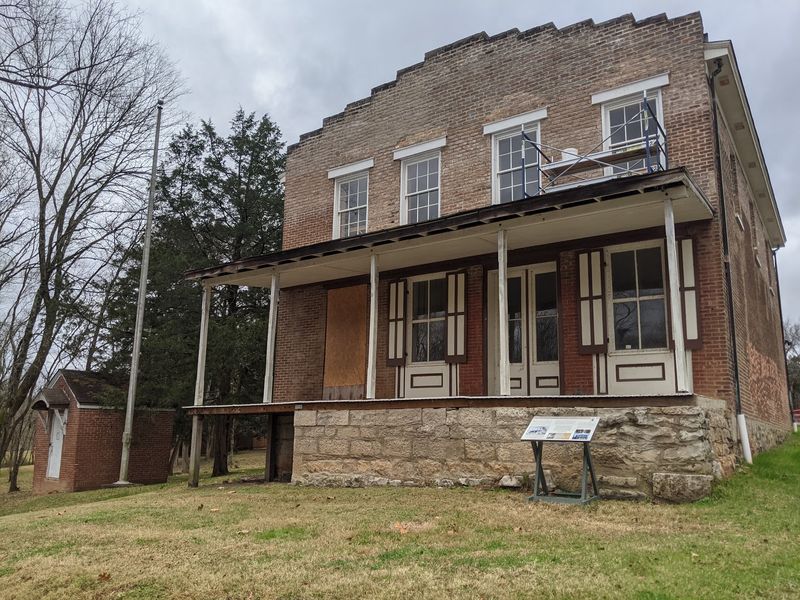
Port Royal once thrived as a busy river town on the Red River, a stop for traders, travelers, and settlers heading west. Now it’s a quiet historic park centered around an 1859 general store, a covered bridge, and a preserved section of the Trail of Tears.
The town never recovered after the Civil War, and instead of rebuilding, it just faded away. What’s left feels frozen in time, a place where you can still imagine what life looked like before railroads and highways changed everything.
The general store still stands, its wooden floors creaking underfoot and its shelves lined with old goods and tools. A museum inside tells the story of the town and the people who passed through, including the Cherokee who were forced along the Trail of Tears in the 1830s.
Outside, you can walk the old roads, cross the covered bridge, and follow trails along the river where boats once docked. There’s a small cemetery, a few historic buildings, and a lot of open space where houses used to stand.
The park hosts bluegrass concerts and heritage festivals a few times a year, but most days it’s just you, the trees, and the sound of the river sliding past. It’s a good place to bring a picnic, sit on the bank, and let your mind wander.
The trails are short and easy, and the river is shallow enough to wade in if the weather’s warm.
Port Royal doesn’t try to be flashy. It just sits there, quiet and unassuming, holding onto a piece of Tennessee history that’s easy to overlook.
If you’re driving through Middle Tennessee and want a break from the interstate, this is a solid detour. You won’t spend all day here, but you’ll remember it longer than you’d expect.
6. Historic Granville
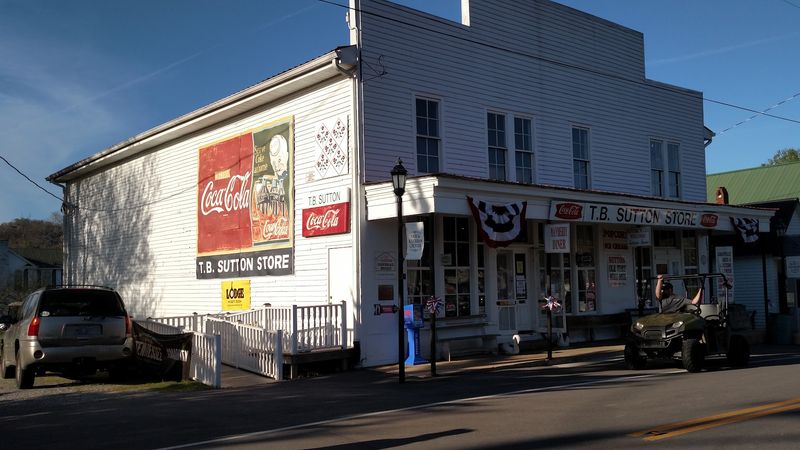
Granville sits along the Cumberland River like a town that forgot to modernize. The population hovers around 300, and the main street is lined with buildings that look like they were built when Andrew Jackson was president.
The Granville Museum occupies an old general store, its shelves stocked with antiques, photographs, and relics from a slower era. Across the street, the Sutton House serves meals in a historic home, and the sound of bluegrass music drifts from the porch on weekends.
This isn’t a restored village or a theme park. People actually live here, and the town functions like it always has, just quieter and smaller than it used to be.
You can walk the streets in fifteen minutes, but most visitors linger longer, poking through the museum, browsing the antique shops, or just sitting by the river watching the water roll past. The pace here doesn’t just feel slow, it feels deliberate, like Granville decided long ago that there’s no reason to hurry.
The museum is a highlight, packed with Civil War artifacts, old farming tools, and stories about the families who settled this part of Tennessee. The volunteers who run it are walking encyclopedias of local history, happy to talk as long as you’re willing to listen.
If you visit on a Saturday, you might catch a bluegrass jam session or a storytelling event. If you visit on a weekday, you might have the whole town to yourself.
There’s no hotel, no chain restaurant, no traffic light. Just a handful of buildings, a river, and a sense that time moves differently here.
7. Cedars of Lebanon State Park, Lebanon
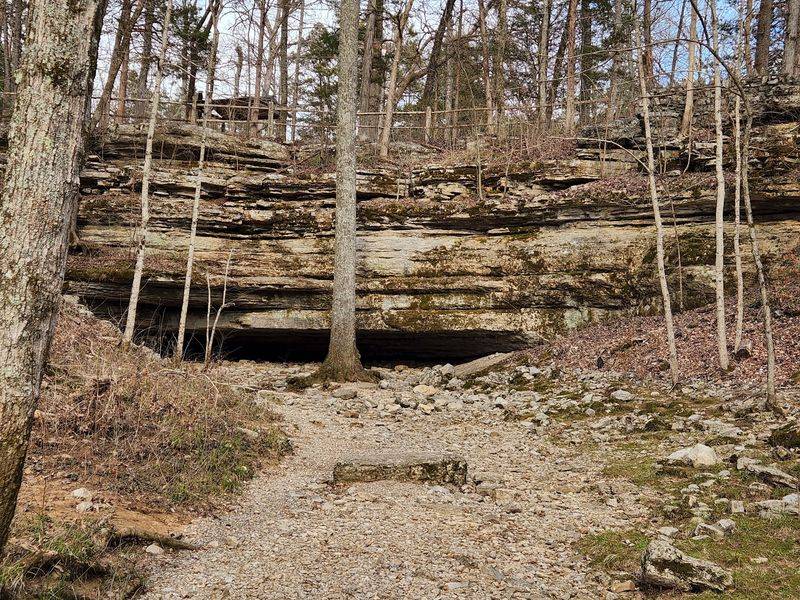
Most people know Cedars of Lebanon for its campground and picnic areas, but the real treasure lies beyond the busy sections. The park protects one of the largest remaining stands of eastern red cedar in the country, along with rare limestone glades that look more like the desert Southwest than Middle Tennessee.
Walking through the glades in summer, you’ll find cactus, wildflowers, and rocky outcrops baking under the sun. Step into the forest, and the temperature drops ten degrees as cedar and oak close in overhead.
The Hidden Springs Trail takes you deep into the backcountry, past sinkholes, caves, and streams that disappear underground through karst limestone. It’s a 6.5-mile loop, and you won’t see many other hikers once you get a mile or two in.
The trail is rocky and rooty in places, but it’s worth the effort. You’ll pass through ecosystems that exist almost nowhere else, and if you visit in spring, the wildflowers are stunning: purple coneflower, Indian paintbrush, and Tennessee coneflower, a species found almost exclusively in these glades.
The park also includes the Sadie Ford Heritage Farm, a preserved homestead that shows what rural Tennessee life looked like in the early 1900s. The farm isn’t always open, but when it is, you can tour the log cabin, barn, and outbuildings, all maintained to reflect the era.
It’s a nice counterpoint to the natural areas, a reminder that people once lived off this land without electricity or running water.
Cedars of Lebanon gets busy on summer weekends, but the backcountry stays quiet year-round. If you want solitude, skip the campground and head straight for the trails.
Bring plenty of water, especially in summer, and watch for ticks. The glades don’t offer much shade, and the sun can be brutal. But if you’re looking for a landscape that feels nothing like the rest of Tennessee, this is it.
8. Savage Gulf State Park, Beersheba Springs
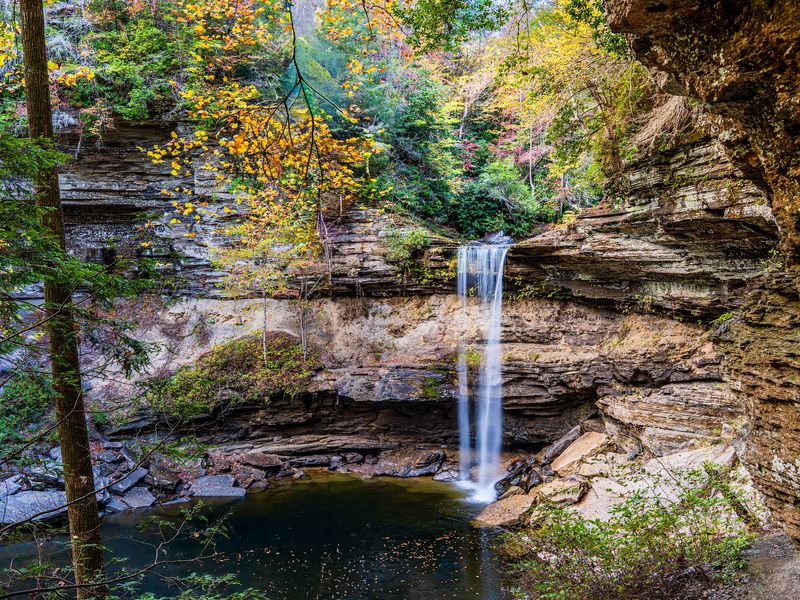
Savage Gulf carves deep into the Cumberland Plateau, creating a wilderness of sandstone bluffs, waterfalls, and gorges that stretch across nearly 19,000 acres. This is backcountry hiking at its best: rocky trails, creek crossings, and views that make you stop in your tracks.
The park is divided into three main sections, each with its own character, but all of them share the same wild, rugged beauty that makes Savage Gulf one of Tennessee’s most convincing escapes from modern life.
The Savage Gulf section features trails that drop into the gorge and follow the creek past waterfalls like Greeter Falls and Stone Door. The Stone Door itself is a natural crack in the cliff that opens onto a staircase leading down into the canyon.
Standing at the top, you can see for miles across forested ridges and valleys that look untouched by development. Once you descend, the trail follows the canyon floor through boulder fields, rhododendron thickets, and streams that run cold and clear.
The Fiery Gizzard section to the south is even more remote, with trails that challenge experienced hikers with steep climbs, narrow ledges, and scrambles over rocks. It’s not a place for beginners, but if you’re up for it, the payoff is huge.
Waterfalls tumble over layered sandstone, caves hide in the cliffs, and the forest feels ancient, thick with hemlock and poplar.
Camping is primitive, mostly backpacking sites scattered along the trails. There’s no cell service, no visitor center, and no shortcuts. You hike in, set up camp, and spend the night surrounded by nothing but forest and stars. It’s the kind of place where you remember why you started hiking in the first place.
Bring a good map, plenty of food, and a sense of adventure. Savage Gulf doesn’t hold your hand.
9. Historic Rugby, Rugby
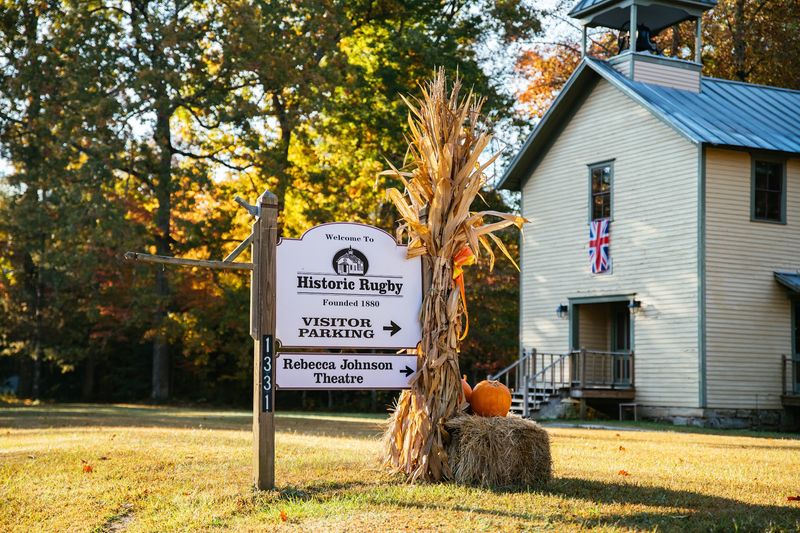
Founded in 1880 by British author and social reformer Thomas Hughes, Rugby was meant to be a utopian colony where younger sons of English gentry could build new lives free from the rigid class system back home. The experiment didn’t last, but the village itself survived, and today it stands as one of the best-preserved Victorian settlements in the South.
Walking through Rugby feels like stepping into a time capsule, with board-and-batten cottages, Gothic Revival buildings, and narrow lanes shaded by old-growth trees.
The Hughes Free Public Library still holds thousands of original Victorian-era books, their spines lined up on shelves just as they were 140 years ago. Guided tours take you through the Christ Church Episcopal, the Thomas Hughes Library, and several restored homes, all furnished with period pieces and filled with stories about the settlers who tried to make this dream work.
The guides know the history inside and out, and they’ll tell you about the typhoid outbreak, the financial struggles, and the slow decline that followed the colony’s early optimism.
But Rugby isn’t just a museum. It’s a living community, with a handful of residents, a working café, and a calendar of events that includes everything from craft workshops to ghost tours.
The surrounding forest is laced with hiking trails that lead to overlooks, streams, and historic sites. The pace here is slow, almost meditative, and there’s no pressure to rush through your visit.
You can stay overnight in one of the restored cottages, which are rented out to visitors who want the full experience. Waking up in a Victorian house, walking to the café for breakfast, and spending the day exploring the village and trails is about as far from modern life as you can get in Tennessee.
10. Pickett CCC Memorial State Park, Jamestown
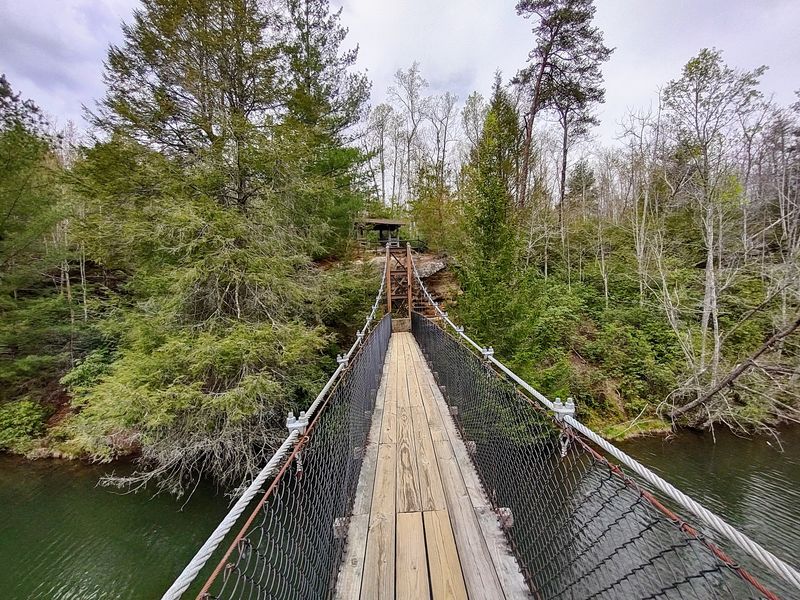
Built by the Civilian Conservation Corps during the Great Depression, Pickett State Park sits on the Cumberland Plateau near the Kentucky border, surrounded by 19,000 acres of Big South Fork National River and Recreation Area. The CCC workers left behind stone cabins, arched bridges, and shelters that blend so seamlessly into the landscape you’d think they grew there naturally.
Staying in one of those cabins, with their thick stone walls and wooden interiors, feels like camping without giving up a roof.
The park is famous among stargazers because it’s one of the darkest places in Tennessee. The International Dark-Sky Association recognizes it as a Dark Sky Park, and on clear nights, the Milky Way stretches overhead like a river of light.
The park hosts star parties and astronomy programs, but you don’t need a telescope to be impressed. Just step outside after sunset and look up.
The trails here wind through sandstone arches, caves, and rock shelters that have been used by humans for thousands of years. The Hazard Cave Loop takes you past a massive rock overhang where archaeologists found evidence of prehistoric occupation.
The Natural Bridge Trail leads to a stone arch that frames the forest beyond it like a postcard. Both trails are short enough for families but interesting enough to hold your attention.
Cell service is spotty at best, and the nearest town is small and quiet. That isolation is part of the appeal.
Pickett doesn’t get the crowds that pack into Gatlinburg or Fall Creek Falls. It just sits there, tucked into the plateau, offering solitude, stars, and a connection to the landscape that’s hard to find in busier parks.
11. Daisy Town at Elkmont, Great Smoky Mountains National Park
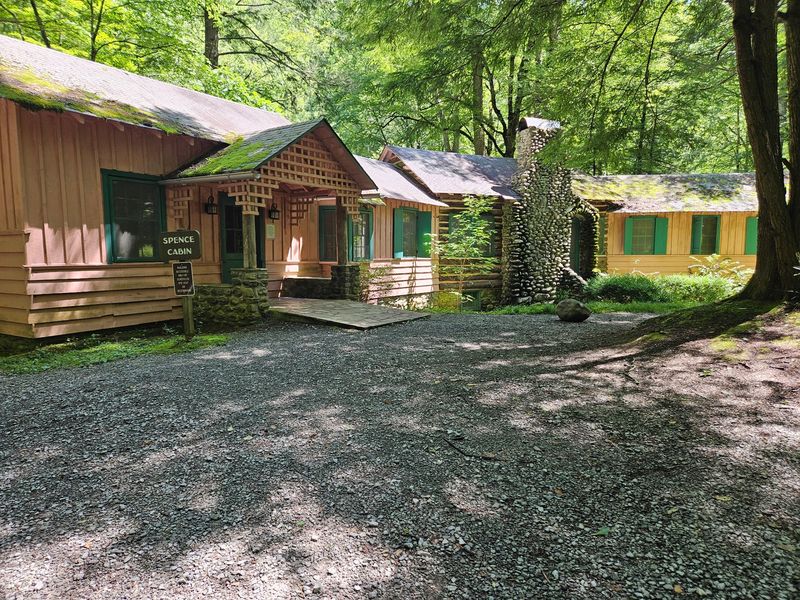
Hidden along Jakes Creek in the Smokies, the Elkmont Historic District preserves the remains of a summer resort community that thrived in the early 20th century. Wealthy families from Knoxville built vacation cottages here, escaping the heat and enjoying the cool mountain air.
When the park was established in the 1930s, the owners were allowed to lease the land for decades, creating a strange limbo where private cottages existed inside a national park. Now most of the buildings stand empty, slowly being reclaimed by the forest, but a few have been stabilized and opened to the public.
The Appalachian Clubhouse, built on the site of an old logging town, is the centerpiece. It’s a rustic two-story building with a stone fireplace, wraparound porches, and a feel that’s equal parts mountain cabin and country club.
Walking through it, you can almost hear the laughter and music that once filled the rooms. Outside, the cottages line the creek and dirt roads, some tilting, some missing roofs, all of them haunted by the past.
The site is also famous for synchronous fireflies, which light up the forest in perfect unison every June. Thousands of people enter a lottery for the chance to visit during the firefly event, but the rest of the year, Elkmont stays quiet.
You can walk the trails, explore the buildings, and listen to the creek without seeing another soul.
There’s something eerie and beautiful about Elkmont. It’s not quite a ghost town, not quite a historic site, but something in between.
The forest is slowly winning, and in a few decades, the cottages might disappear entirely. For now, they stand as reminders of a time when the Smokies were just starting to become a park, and people still lived inside its boundaries.
12. Lamar Alexander Rocky Fork State Park, Flag Pond
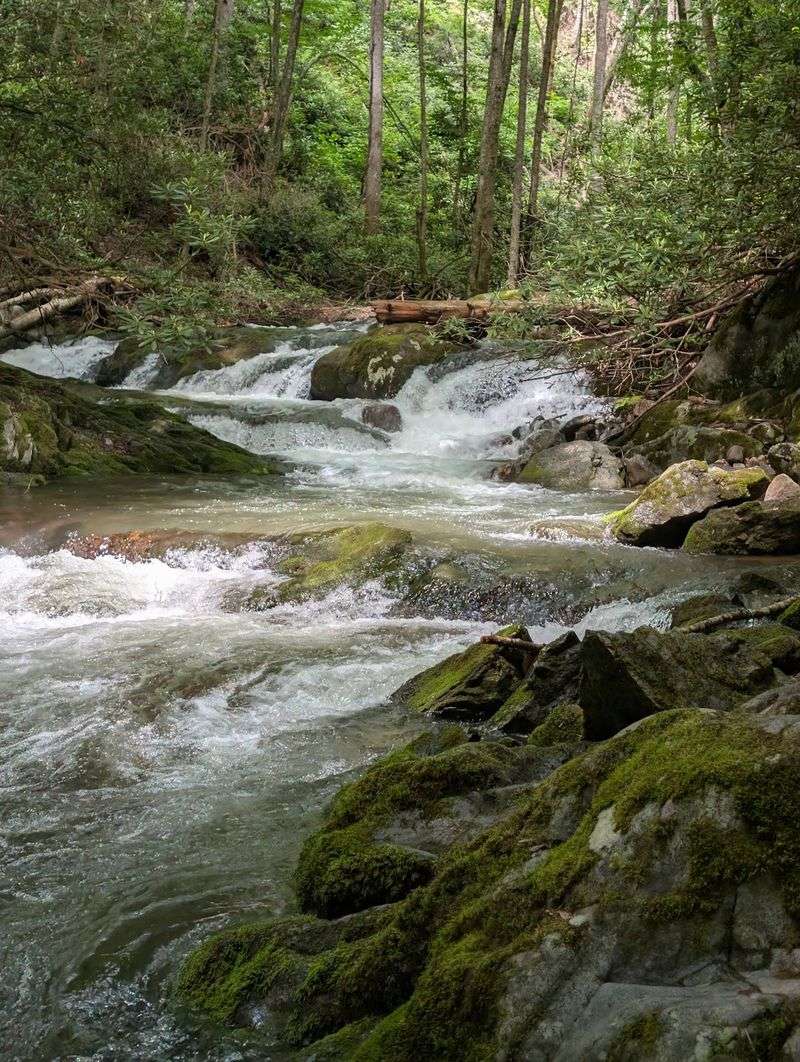
Named after the former Tennessee governor and senator, Rocky Fork State Park sprawls across 2,000 acres of steep, rugged terrain in the Appalachian Mountains. This is one of the state’s newer parks, and it still feels raw and undeveloped.
The trails follow old logging roads and creek beds, crossing streams on stepping stones and climbing through dense forest where rhododendron and mountain laurel form tunnels overhead. Cell service is almost nonexistent, and the nearest town is small enough that you’ll drive past it if you blink.
The park was created to protect a critical watershed and provide public access to land that had been logged and then left alone for decades. The forest is recovering, and you can see the signs everywhere: young trees pushing up through old stumps, wildlife reclaiming the ridges, streams running clear and cold.
The trails aren’t manicured or easy. They’re muddy in spring, rocky in summer, and covered in leaves in fall. But if you’re looking for a place where you have to pay attention to where you’re going, this is it.
Fishing is allowed in Rocky Fork Creek, which runs through the heart of the park. The creek is stocked with trout, and local anglers know the best pools and runs.
If you’re not into fishing, the trails offer plenty to explore: waterfalls, rock outcrops, and views that stretch across ridges layered like waves on the horizon. There’s no campground yet, no visitor center, no gift shop. Just trails, a parking area, and a lot of wilderness.
That simplicity is the whole point. Rocky Fork doesn’t try to compete with the bigger, more famous parks.
It just offers a quiet corner of the Appalachians where you can hike, fish, and forget about the rest of the world for a while. Bring a map, sturdy boots, and a sense of self-reliance.
13. Unaka Mountain Wilderness, Unicoi
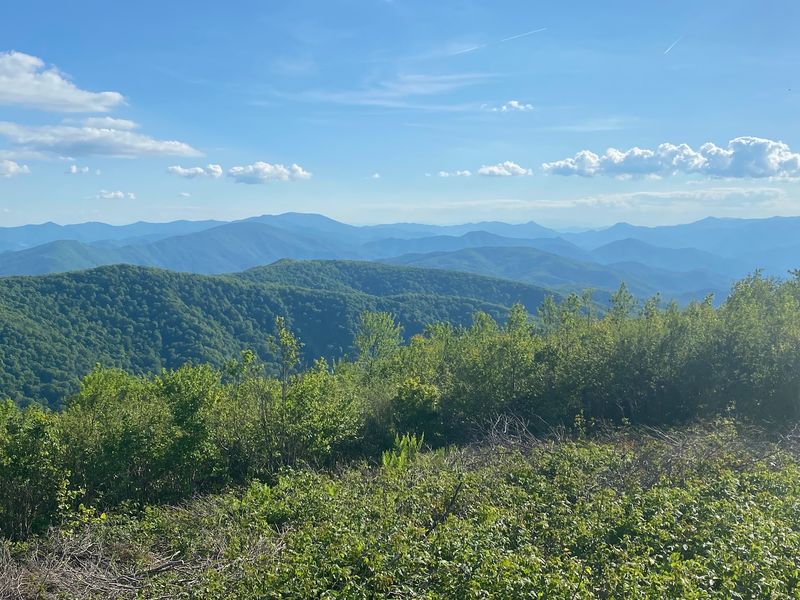
Unaka Mountain Wilderness covers more than 7,000 acres of high-elevation forest and grassy balds along the Tennessee-North Carolina border. The trails here are steep, the views are big, and the sense of remoteness is real.
The Appalachian Trail runs through the wilderness, crossing Unaka Mountain’s summit and passing through stands of red spruce and Fraser fir that look more like Canada than the South. On clear days, you can see for miles across layer after layer of ridges fading into the distance.
The grassy balds are the real draw. These open meadows sit atop the ridges, covered in wildflowers in spring and summer, and surrounded by forest that seems to stop at an invisible line.
Scientists still debate why the balds exist, whether they’re natural or the result of grazing or fire, but hikers don’t care about the theory. They just know that standing on a bald at sunrise or sunset, with the wind in your face and nothing but mountains in every direction, is one of the best feelings you can have in Tennessee.
The trails are challenging, with steep climbs and rocky sections that require good boots and decent fitness. The Unaka Mountain Trail climbs more than 2,000 feet in just a few miles, and by the time you reach the top, your legs will know it.
But the effort is worth it. The forest up here is cool and quiet, the air smells like balsam, and the sense of being far from civilization is absolute.
The nearby Nolichucky River adds another layer of wildness. It’s one of the best whitewater rivers in the region, and rafters and kayakers flock to it in spring and early summer.
But even if you’re not into paddling, the river gorge is worth seeing, with cliffs, rapids, and forest pressing in from both sides. Unaka Mountain Wilderness doesn’t get the crowds that pack into the Smokies, and that’s exactly why it’s worth seeking out.
14. Tellico Plains and the Cherohala Skyway, Monroe County
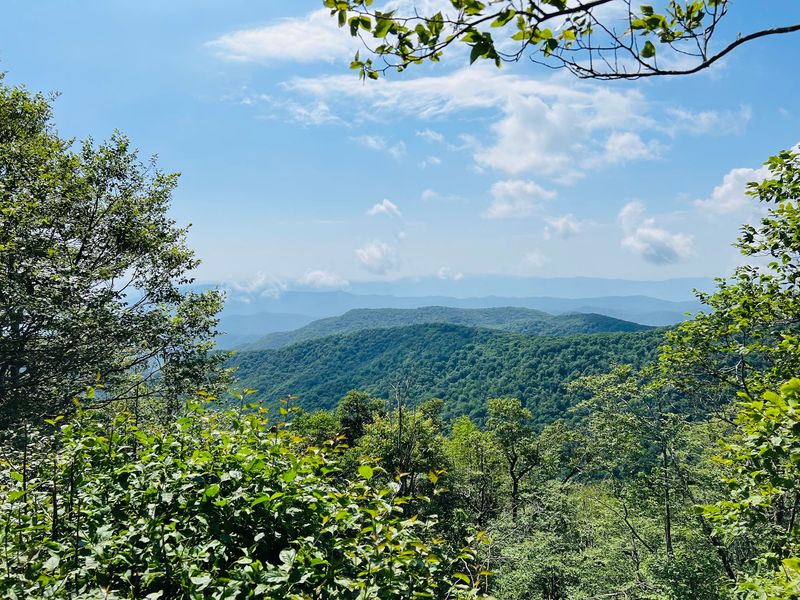
Tellico Plains sits at the junction of the Tellico and Little Tennessee rivers, a small mountain town that serves as the gateway to the Cherohala Skyway. The skyway itself is a 43-mile scenic road that climbs from Tennessee into North Carolina, winding through Cherokee and Nantahala National Forests with overlooks, pullouts, and mile after mile of nothing but trees and mountains.
It’s one of the least-developed scenic drives in the state, with no billboards, no gift shops, and no traffic lights. Just curves, elevation, and views that go on forever.
The town of Tellico Plains feels like it belongs to another era. There’s a historic downtown with a few shops, a couple of diners, and not much else.
The Charles Hall Museum tells the story of the area’s Cherokee heritage, early settlers, and the logging industry that once dominated the economy. The museum is small but packed with artifacts, photographs, and stories that give you a sense of what life was like here before tourism took over.
Once you leave town and start climbing the skyway, the modern world fades fast. The road passes through tunnels of rhododendron, crosses high ridges with views across the Smokies, and dips into valleys where creeks tumble over mossy rocks.
There are campgrounds, hiking trails, and fishing spots along the way, but mostly you just drive, stop at overlooks, and breathe in the mountain air.
Most of the year, you’ll have the road almost to yourself. Bring a camera, pack a lunch, and take your time. The skyway doesn’t rush you, and neither should you. This is Tennessee at its most remote, most beautiful, and most unbothered by the modern world.
Share this story