
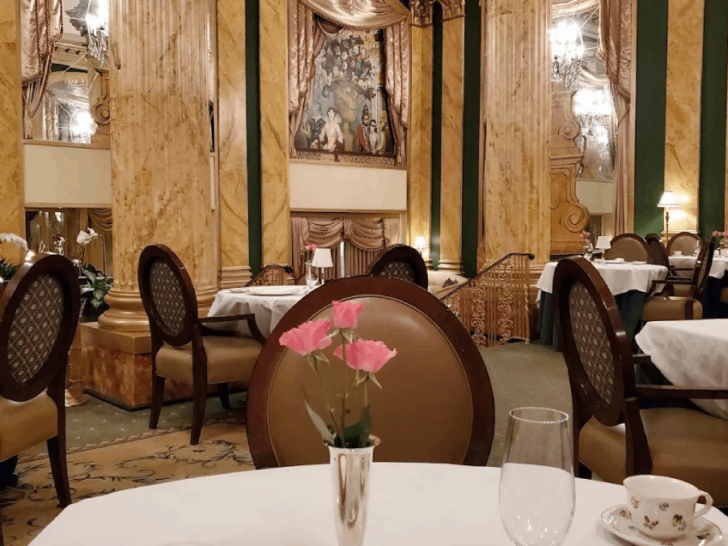
Tennessee’s oldest dining rooms hold stories that most visitors never hear about. Locals know these places aren’t just restaurants—they’re time capsules where you can taste history alongside your meal.
From former boarding houses to restored inns tucked in tiny towns, these dining rooms have fed generations of Tennesseans while keeping their original character intact.
1. McKinney’s Tavern at Historic Hale Springs Inn — Rogersville
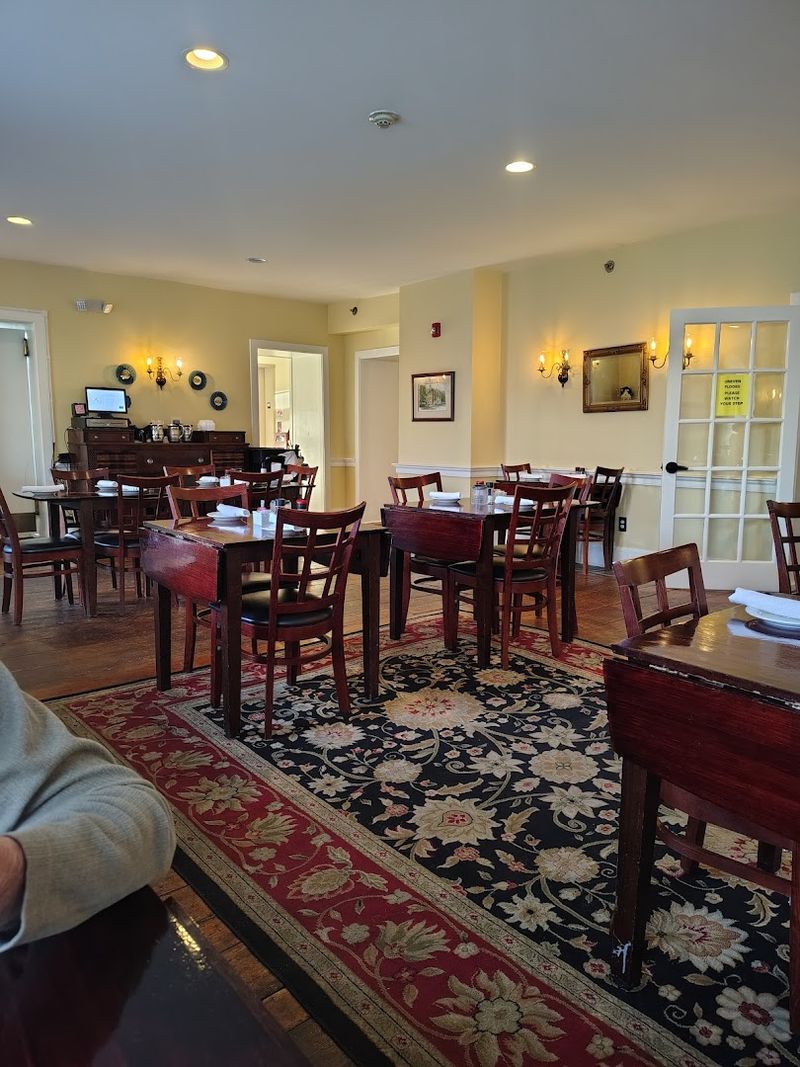
Walking into this place feels like borrowing someone’s family heirloom for dinner. Rogersville sits in the northeast corner of Tennessee, and the town wears its age like a badge. Hale Springs Inn has been around since the 1820s, making it one of the oldest continuously operating inns in the state.
McKinney’s Tavern occupies the ground floor, and the dining room keeps that old Tennessee atmosphere without turning into a museum. The floors creak just enough to remind you where you are. Candlelight reflects off original woodwork, and the menu leans into regional cooking without overthinking it.
Locals come here for anniversaries and quiet weeknight dinners when they want something more meaningful than chain food. It’s not flashy, which is exactly why it works. The inn itself has hosted famous guests over two centuries, but the tavern doesn’t need to advertise that—you feel it the moment you sit down.
2. Amis Mill Eatery — Rogersville
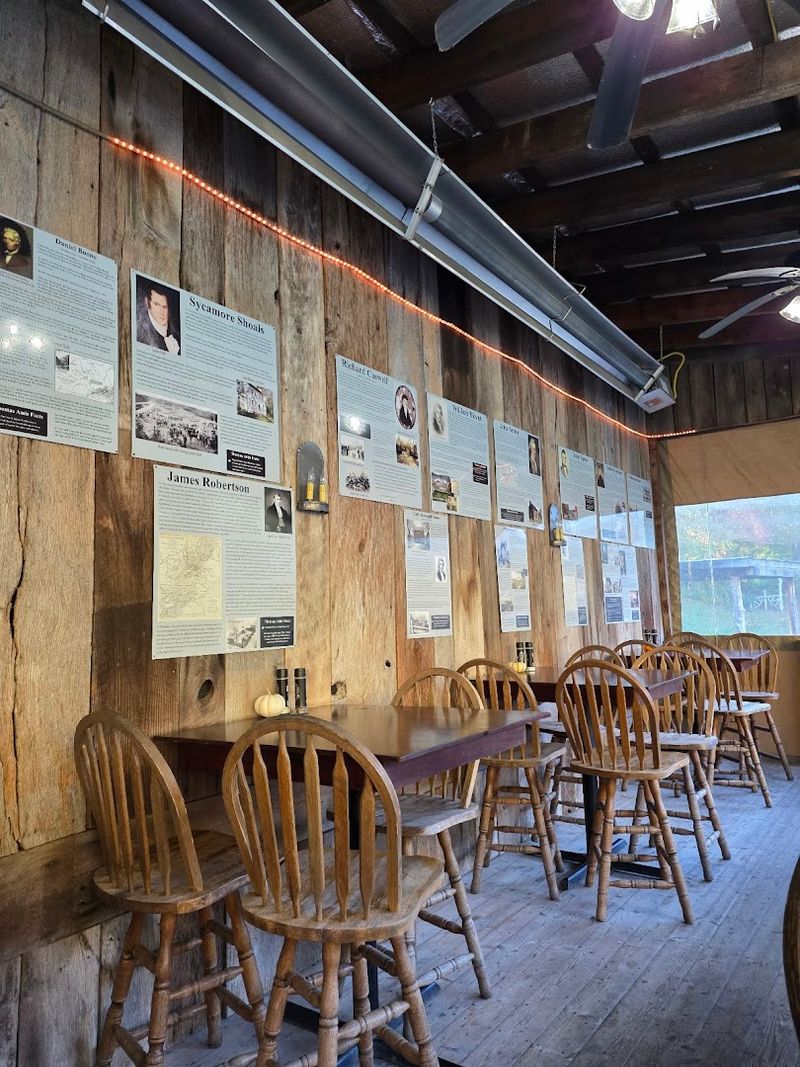
You drive out to this one, which means it’s already special before you even park. Amis Mill sits on actual mill grounds with the Holston River right there, giving you water views and old stone buildings that look like they grew out of the landscape. The mill dates back generations, and the restaurant uses that history as its foundation—literally and figuratively.
The menu shifts seasonally, which tells you the kitchen takes itself seriously without being pretentious about it. Locals treat this as their special-occasion spot, the place they recommend when out-of-towners ask where to go that isn’t on every travel blog yet.
It’s the kind of restaurant that rewards the drive.
3. Brumley’s at the General Morgan Inn — Greeneville
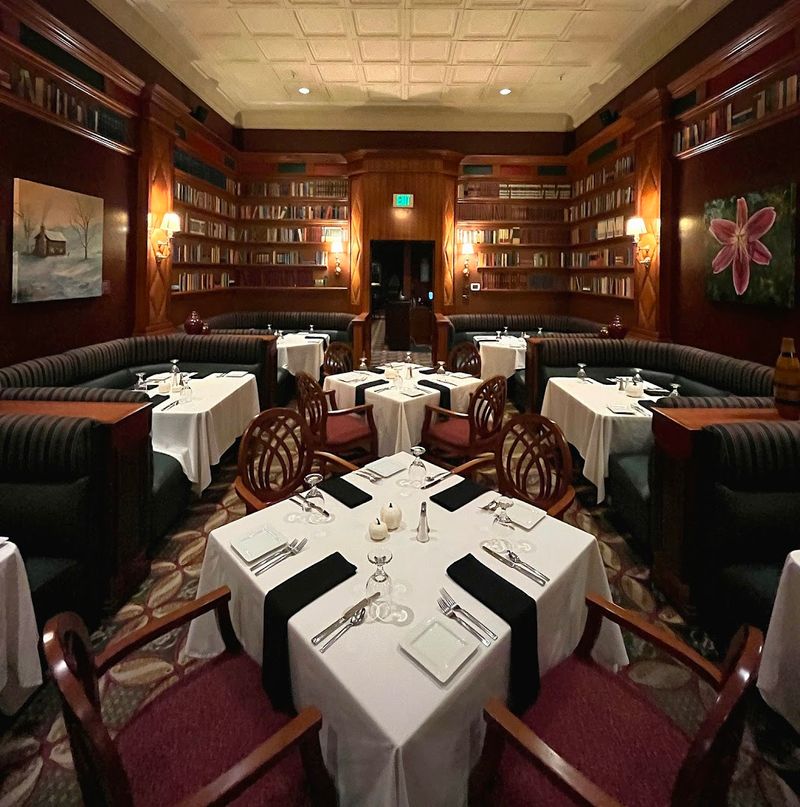
Greeneville doesn’t get as much attention as it deserves, which works in favor of locals who’d rather keep Brumley’s to themselves. The General Morgan Inn anchors Main Street with the kind of restored elegance that feels earned, not staged. The building has history baked into its walls, and the dining room carries that forward without trying too hard.
Brumley’s strikes a balance between upscale and approachable. White tablecloths and polished service, yes, but the atmosphere stays warm rather than stuffy. The menu pulls from Appalachian roots while adding just enough refinement to justify the prices.
This is where locals bring visiting relatives they actually want to impress. The inn itself has been a Greeneville fixture for decades, and eating here connects you to that legacy in a way that feels genuine. You’re not just dining in a historic building—you’re participating in a tradition that the town still values.
4. Bell Buckle Cafe — Bell Buckle
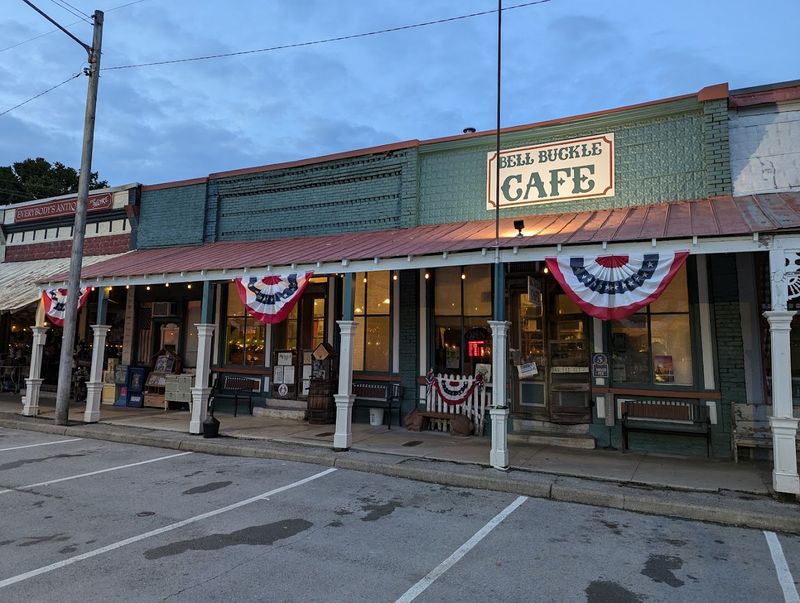
Bell Buckle barely shows up on most maps, which is part of its charm. The cafe sits in Railroad Square, a cluster of old buildings that still look like they’re waiting for the next train. The town built itself around the railroad, and that identity stuck even after the trains stopped being the main event.
Inside, the cafe keeps things simple in the best way. Wooden tables, local art on the walls, and a menu that doesn’t pretend to be anything other than good Southern cooking done right. Breakfast draws the biggest crowds, but lunch holds its own with plate lunches that remind you why Tennessee food doesn’t need to be fancy to be memorable.
Locals gather here for coffee and conversation, which means you’re eating alongside people who know each other’s names. The pace is slower, the portions are generous, and the whole experience feels like you stumbled onto something that wasn’t meant for tourists—even though they’re more than welcome.
5. Miss Mary Bobo’s Boarding House — Lynchburg
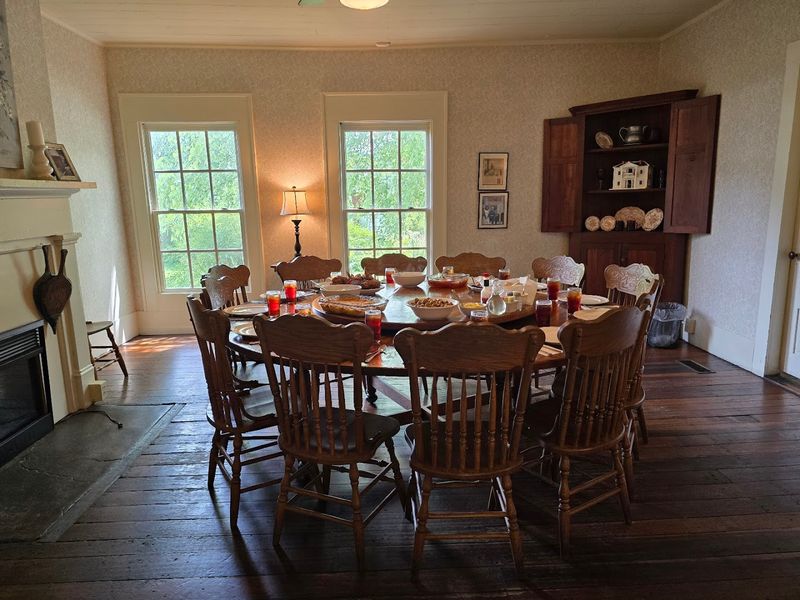
Some places earn their reputation through marketing. Miss Mary Bobo’s earned it by feeding people the same way for over a century. This boarding house sits on the National Register of Historic Places, which tells you it’s not just playing at history—it is history.
Meals are served family-style at communal tables, which means you’re eating with strangers who become temporary dinner companions. The menu changes daily based on what’s seasonal and available, and the cooking stays true to traditional Tennessee recipes that haven’t been watered down for modern tastes. Reservations are required because seating is limited and demand is high.
Lynchburg knows this place is special, and locals treat it with the kind of reverence usually reserved for family heirlooms. Visitors come for the novelty; regulars come because the food and tradition still matter.
Book well in advance, especially during tourist season when Lynchburg swells with Jack Daniel’s distillery visitors.
6. Sutton General Store Dining Room — Granville
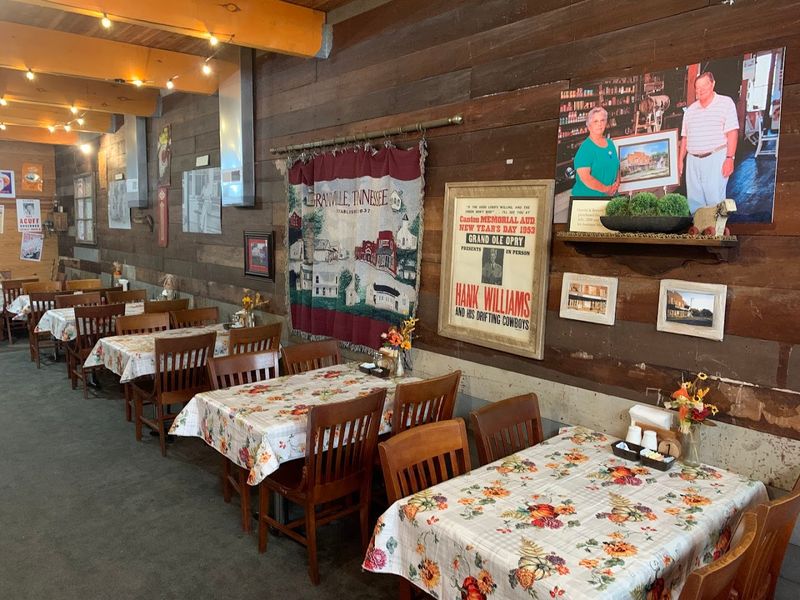
Granville might be the smallest town on this list, which makes the Sutton Store feel even more like a hidden treasure. The building started as an actual general store, and the dining room still carries that old-store charm without turning it into a gimmick. Shelves line the walls, antiques fill the corners, and the whole place smells like whatever’s cooking in the back.
Country cooking here means exactly that—fried chicken, cornbread, vegetables cooked low and slow, and desserts that taste like someone’s grandmother made them. Because someone’s grandmother probably did teach the cooks these recipes. The portions are generous, the prices are fair, and the atmosphere is so genuinely local that you feel like you’re intruding on a community secret.
Locals drive here from surrounding towns because this kind of authenticity is hard to find anymore. The store doesn’t advertise much, which means most people find it through word of mouth or stumble across it by accident. Either way, you leave feeling like you discovered something special.
7. Commodore Hotel & Cafe — Linden
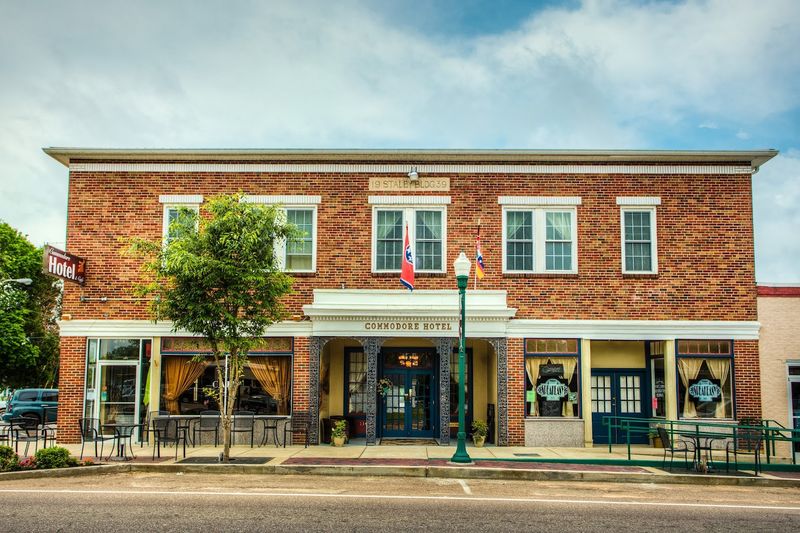
Linden doesn’t demand attention, which is why the Commodore feels like such a find. This historic hotel anchors the town square with the kind of presence that suggests it’s been important for a long time. The cafe operates inside the hotel, and eating there connects you to decades of local history that most people never hear about.
The dining room keeps things straightforward—good food, reasonable prices, and an atmosphere that feels more like a neighborhood gathering spot than a tourist attraction. Breakfast and lunch draw steady crowds of locals who treat this place as their regular spot. The menu leans traditional with enough variety to keep things interesting without overwhelming you with choices.
The building itself is a historical landmark, and the cafe honors that legacy by staying true to what it’s always been: a reliable, welcoming place to eat.
8. The Old Mill Restaurant — Pigeon Forge
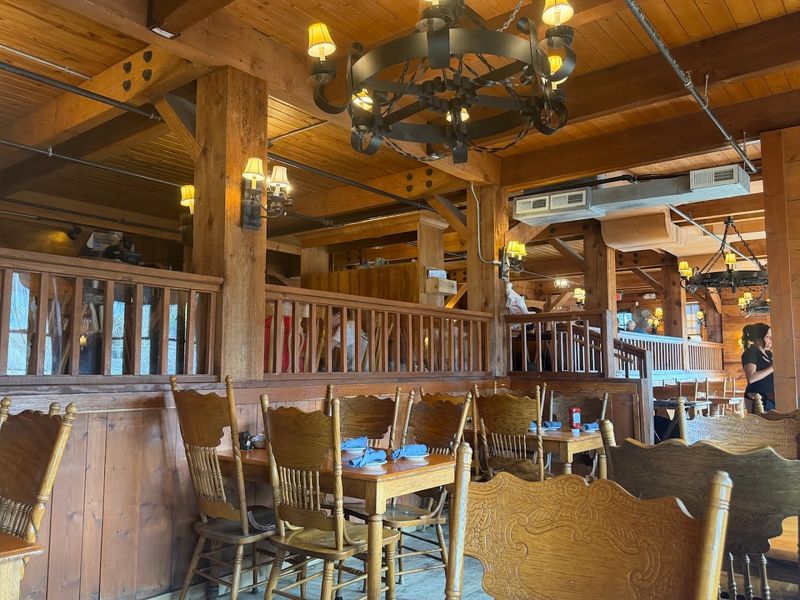
Pigeon Forge gets dismissed as too touristy, but the Old Mill deserves better than that reputation. The mill itself is the real deal—a functioning piece of Tennessee history that still grinds corn and wheat. Old Mill Square built up around it, and the restaurant trades on that authentic foundation even though the town around it has changed dramatically.
Inside, the dining room uses exposed beams, stone walls, and mill machinery as decor because it’s actually part of the building’s history. The menu focuses on Southern comfort food with an emphasis on cornbread and biscuits made from mill-ground flour. Breakfast is particularly strong, with crowds forming early on weekends.
Locals know to visit during off-peak hours when the tourist rush dies down and the experience feels more genuine. The setting remains undeniably historic even if the surrounding area has commercialized.
Expect waits during peak season, but the food and atmosphere justify the patience.
9. Finn’s Irish Restaurant & Tavern — Knoxville
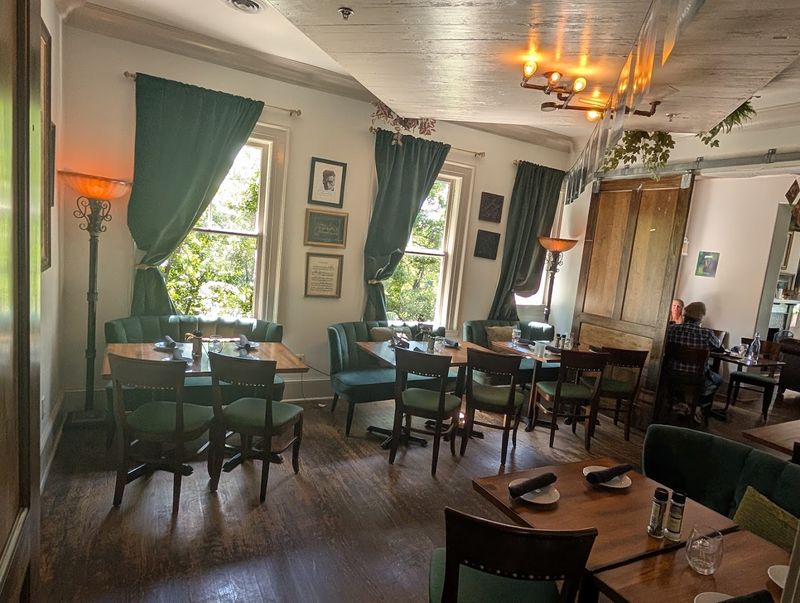
Knoxville has plenty of restaurants, but Finn’s occupies a special category because of where it lives. The Baker Peters House dates back to the 1800s, and the restaurant uses every inch of that historic home’s character.
The menu balances traditional Irish dishes with Southern influences, creating something that feels both authentic and regional. The pub atmosphere downstairs contrasts nicely with the more formal dining rooms upstairs, giving you options depending on your mood.
Locals appreciate that Finn’s respects the building’s history while still functioning as a modern restaurant. Visit Knoxville highlights the house’s age and preservation, which adds legitimacy to the experience. You’re eating in a genuine historic structure, not a replica or theme restaurant pretending at history.
10. Boyette’s Dining Room — Tiptonville
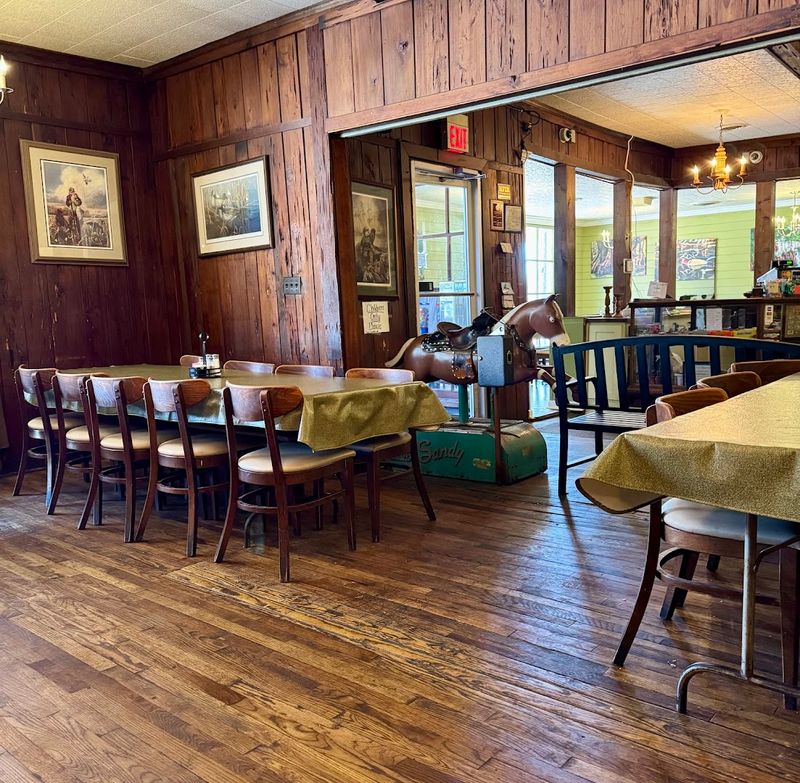
West Tennessee doesn’t get enough credit for its dining history, and Boyette’s is exactly the kind of place that proves why it should. Operating since 1921 means this restaurant has fed multiple generations of Tiptonville residents, and that longevity speaks louder than any marketing campaign could.
The dining room keeps things simple because it doesn’t need gimmicks. Traditional Southern cooking executed well, generous portions, and prices that haven’t inflated beyond reason. Locals come here for Sunday lunch after church, weeknight dinners when nobody wants to cook, and celebrations that call for something familiar and reliable.
The atmosphere feels lived-in rather than preserved, which gives it authenticity that museum-style restaurants can’t replicate. You’re eating in a space that has served its community continuously for over a century, and that matters. The staff treats regulars like family and newcomers like future regulars.
Tiptonville is out of the way, which means you’re making a deliberate trip—and that’s part of what makes it special.
11. Brooks Shaw’s Old Country Store — Jackson
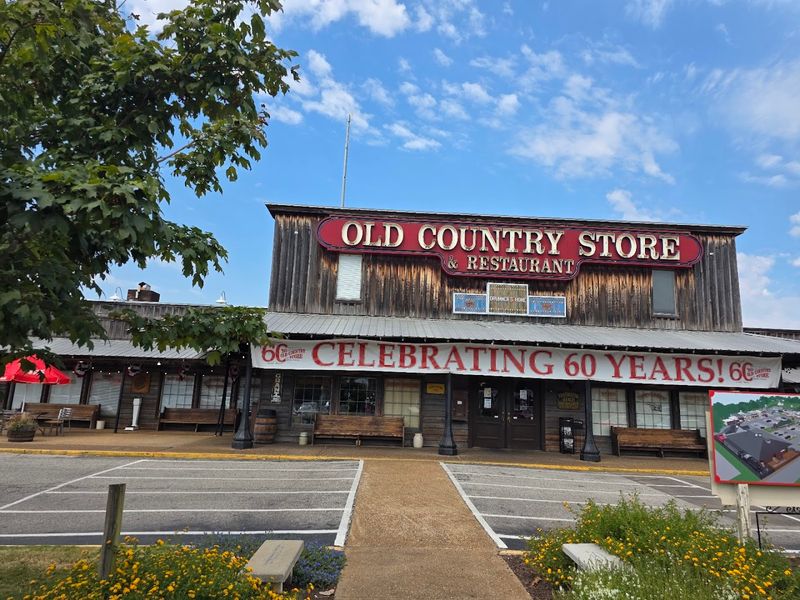
Jackson is bigger than most towns on this list, but Brooks Shaw’s still delivers that step-back-in-time experience that makes historic dining rooms special. The store explicitly invites you to revisit the past, and it backs up that promise with a building full of antiques, vintage signs, and memorabilia that creates a legitimate time-capsule atmosphere.
The restaurant serves Southern comfort food with an emphasis on plate lunches and traditional recipes that haven’t been modernized into blandness. Fried chicken, country ham, and vegetables cooked the old way—this is the food Tennessee grandmothers made before restaurants started trying to reinvent Southern cooking.
Locals appreciate that Brooks Shaw’s maintains its identity even as Jackson has grown around it. The store portion is worth exploring before or after your meal, filled with Tennessee-made products and nostalgia items that reinforce the overall theme. It’s touristy, yes, but in a way that still feels rooted in something genuine.
12. Bridgeman’s Chophouse at The Read House — Chattanooga
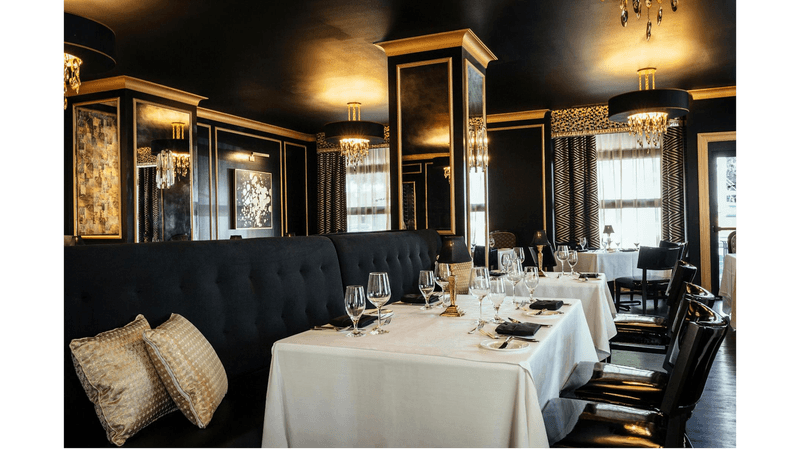
Chattanooga has modernized rapidly, which makes The Read House feel like an anchor to the city’s more refined past. Bridgeman’s Chophouse occupies space in this historic hotel with the kind of old-money elegance that Tennessee cities used to do better than anyone. The dining room delivers on that grand-hotel promise without feeling stuffy or outdated.
The menu focuses on steaks and chops prepared with the kind of precision you expect from an upscale hotel restaurant. This isn’t casual dining—it’s the place locals choose when they want to mark an occasion properly. The atmosphere leans formal, with attentive service and a wine list that takes itself seriously.
The Read House has been a Chattanooga landmark long enough that eating here connects you to the city’s history in a tangible way. The hotel’s preservation and continued operation give Bridgeman’s a legitimacy that newer restaurants can’t manufacture. Locals know this is where you go when you want to impress someone or treat yourself to something beyond everyday dining.
13. Drusie & Darr at The Hermitage Hotel — Nashville
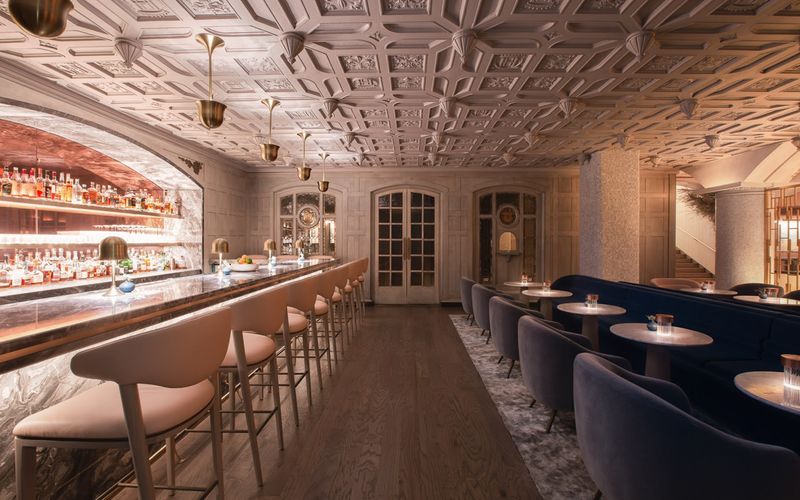
Nashville has exploded with restaurants, but The Hermitage Hotel remains in a category of its own. Drusie & Darr occupies space in one of Tennessee’s most prestigious historic hotels, and the dining room carries that weight with appropriate gravitas. This is formal Southern dining done at the highest level, where the room itself is part of the experience.
The menu changes seasonally but maintains a commitment to Tennessee ingredients and Southern culinary traditions elevated through technique and presentation. This isn’t down-home cooking—it’s refined, ambitious food that respects its roots while pushing boundaries. The service matches the setting, with staff who understand that dining here is about more than just eating.
Locals reserve this for truly special occasions because the prices reflect the prestige. But that’s appropriate for a dining room in a hotel that has hosted presidents, celebrities, and important moments in Tennessee history.
14. Chez Philippe at The Peabody — Memphis
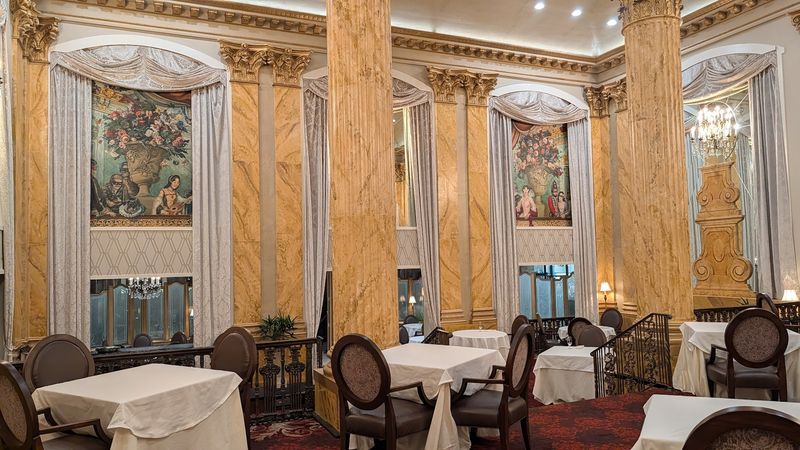
Memphis dining history runs deep, and The Peabody stands at the center of that story. Chez Philippe delivers the kind of grand-hotel dining experience that defined Southern elegance for generations. The room itself speaks to a time when hotel restaurants represented the pinnacle of local dining, and this space still honors that tradition.
The menu has evolved over the years but maintains a commitment to sophisticated preparation and impeccable presentation. This is special-occasion dining where the atmosphere, service, and food all contribute to an experience rather than just a meal. The Peabody’s famous ducks get most of the attention, but the hotel’s dining room deserves equal recognition for maintaining standards in an era when most historic hotels have compromised their restaurants.