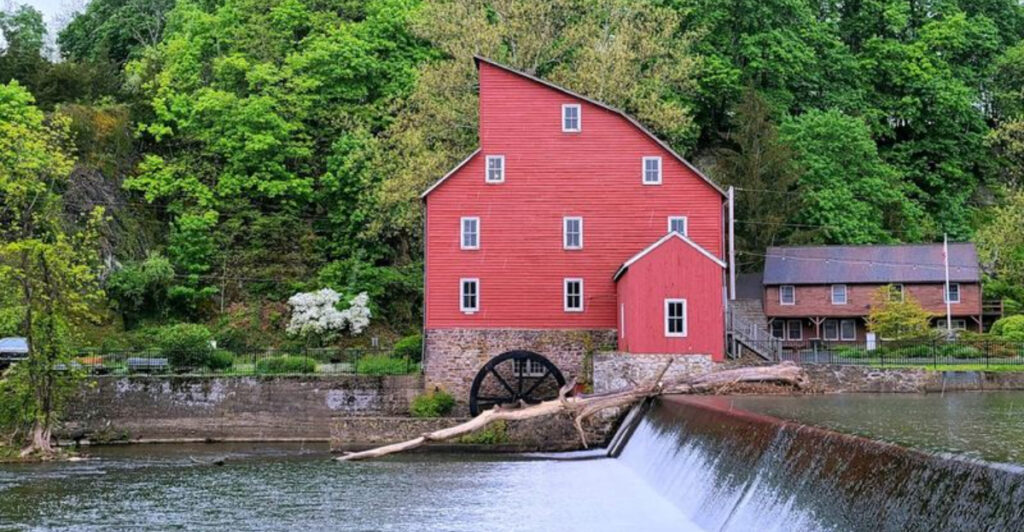
A gas lamp flickers outside a Victorian porch in Cape May. A stone mill rises over a river in Clinton like it has been waiting for your camera roll since 1810.
In Ocean Grove, summer still arrives with canvas tents around a giant wooden auditorium, which is not the kind of sentence you get to write about many shore towns. New Jersey moves fast most of the time, but these places stubbornly refuse to rush.
They keep their brick sidewalks, old inns, courthouse squares, church steeples, boardwalks without neon overload, and main streets where the best plan is still to park once and wander. Some are polished, some are a little weathered, and some feel like they’ve been preserved by sheer force of local affection.
All of them reward anyone who likes history with a side of coffee, antiques, river views, or a very good lunch. Here are 14 New Jersey towns that still feel gloriously, unmistakably out of step with the clock.
1. Cape May
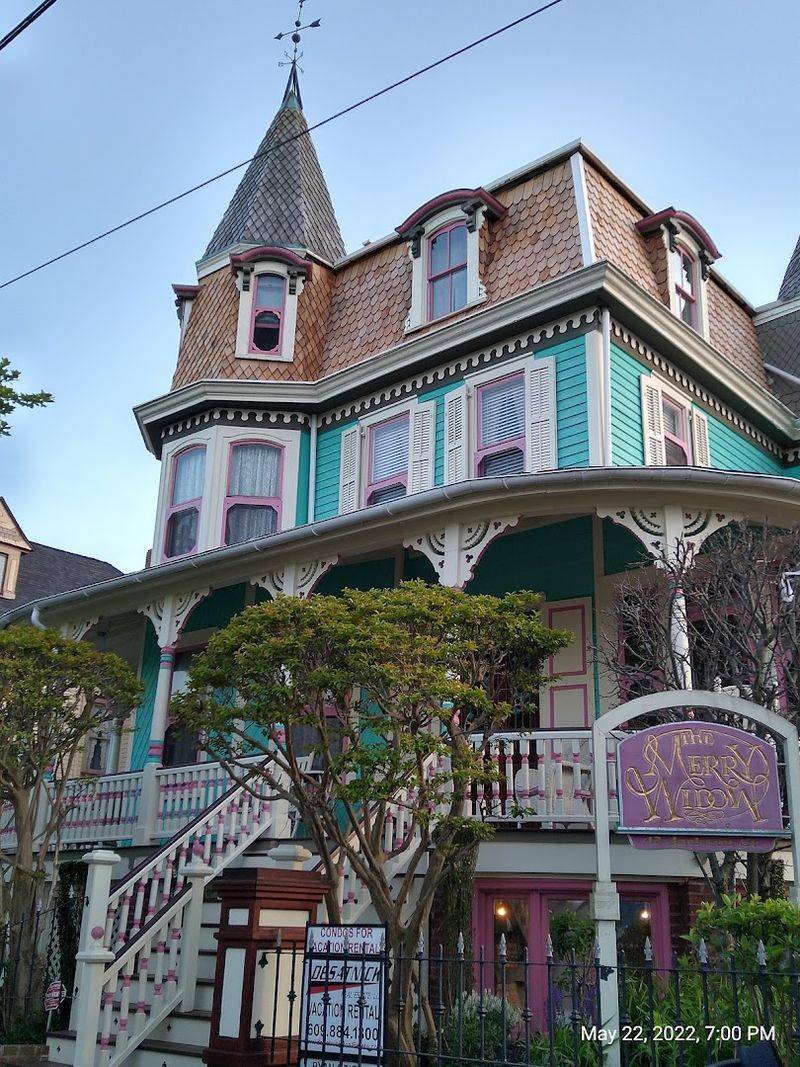
The first thing that gets you in Cape May is the architecture. Not “nice old houses,” but full-on gingerbread-trim, painted-lady, turret-and-porch Victoriana that makes entire blocks feel like a movie set with better salt air.
Cape May is a National Historic Landmark city, and the best way to feel that is to start around the Washington Street Mall, then wander the nearby residential streets before heading to the Emlen Physick Estate for a closer look at the town’s lavish late-19th-century style.
The Mall’s shops are independently operated, but in the high season most are open daily from about 10 a.m. to 10 p.m., which makes it easy to build a lazy afternoon around browsing, fudge, coffee, and dinner without sprinting from place to place.
Parking takes a little strategy: the Washington Street Mall area is metered from April 1 through December 31, so this is a town where arriving earlier in the day pays off. What makes Cape May work is that it never feels like a museum piece; you can tour a Victorian estate, then go straight back to shopping, people-watching, and ocean air.
It earned its place because nowhere else in New Jersey makes historic grandeur feel this breezy and walkable.
2. Lambertville
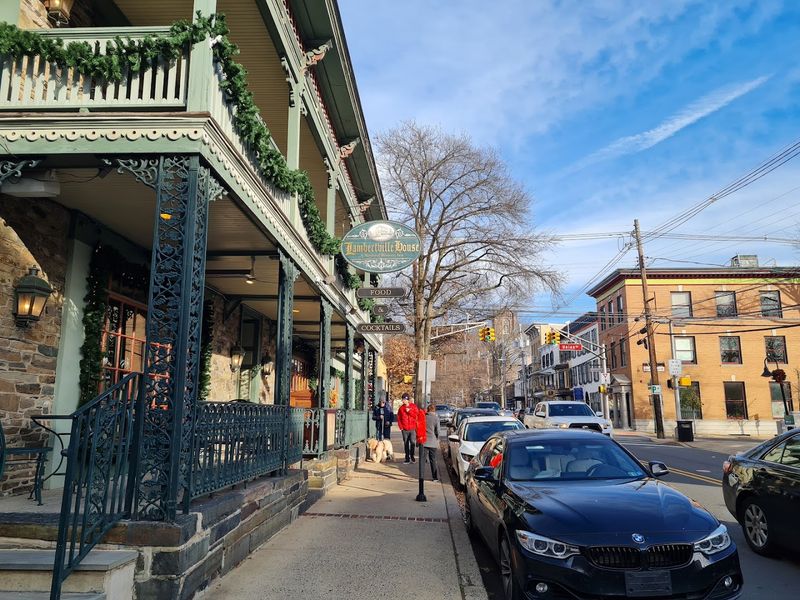
Antiques are not a side note in Lambertville; they are part of the town’s personality.
This riverfront place has been called the “Antiques Capital of New Jersey,” and once you start strolling Bridge, Main, and Union streets, you understand why—shop windows are packed with art, vintage finds, old books, lighting, glassware, and the kind of furniture that makes you suddenly believe you need a walnut sideboard.
Lambertville dates to 1705, and the town’s Federal row houses and Victorian homes give the whole place a handsome, slightly literary look. One of the smartest moves here is to walk across the bridge to New Hope and then come back for dinner or a drink at Lambertville Station, set in a restored 19th-century train depot right on the river.
If you’re visiting on a market day, the Golden Nugget Antique Flea Market is worth building the outing around. Lambertville is best done slowly: browse first, river walk second, meal third.
Parking can tighten up on busy weekends, so this is another town where earlier arrival makes life easier, especially if you want a leisurely cross-river wander instead of a hunt for a space.
It earned its place because it feels like an old trading town that somehow evolved into a stylish little time capsule without losing its bones.
3. Frenchtown
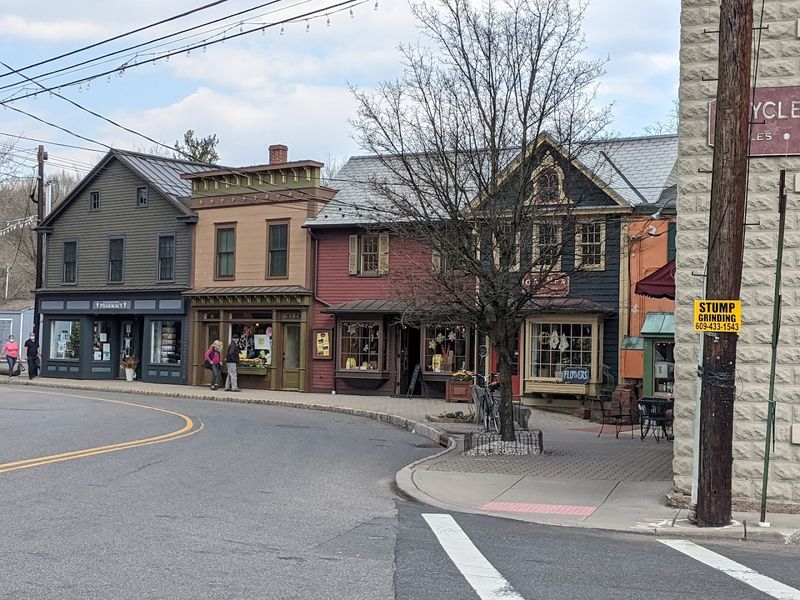
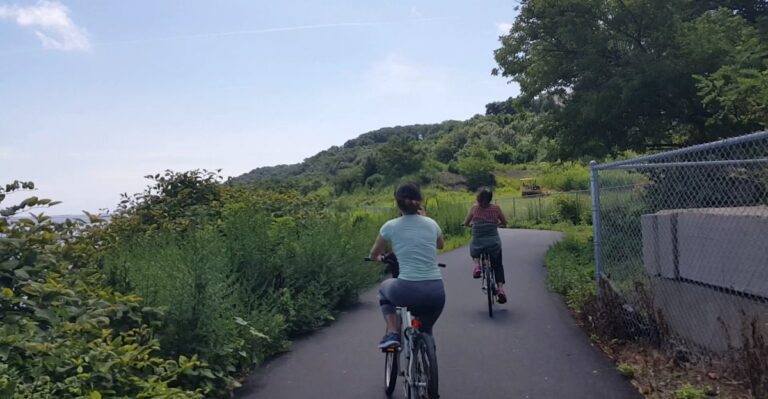
Bring sneakers or a bike, because Frenchtown’s old-time charm comes with an excellent excuse to move around.
This Delaware River town is where the Delaware & Raritan Canal State Park towpath begins its long, scenic run south, and that gives the place a different kind of frozen-in-time feeling: less grand, more easygoing, like a town that has always understood the value of a good main street and a better river view.
Bridge Street is lined with galleries, cafés, restaurants, and small shops, so you can start with coffee, browse a little, then rent a bike from Cycle Corner if you didn’t bring one. If you want to stretch the day into an overnight, the National Hotel gives you the classic old-inn option, complete with restaurant and bar.
Frenchtown doesn’t need a big checklist to win you over. It is the kind of place where the plan can be as simple as this: park, walk the bridge, rent the bike, stop for lunch, and linger by the river longer than you meant to.
It works especially well as a day trip because almost everything that gives it character is packed into a compact, strollable center. It earned its place because it feels like a river village that never gave in to hurry, chain stores, or unnecessary fuss.
4. Clinton
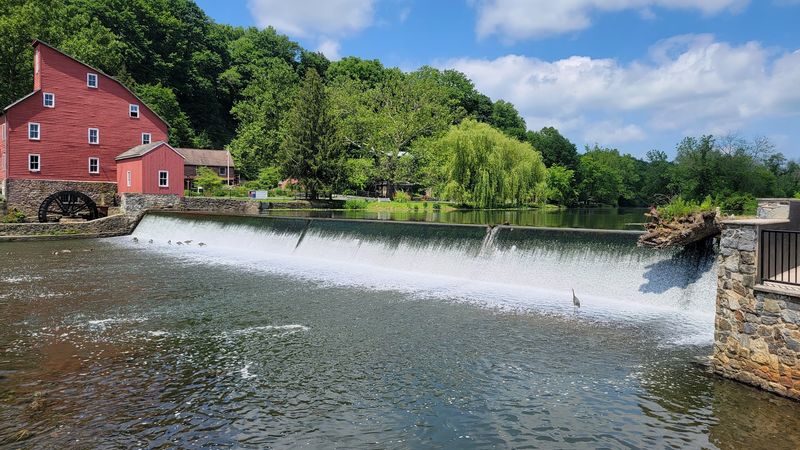
Some towns get one postcard view and spend decades living off it. Clinton earns the postcard.
The Red Mill, sitting right on the South Branch of the Raritan River, is one of the most recognizable historic sights in the state, and it deserves the reputation.
The mill itself dates to 1810, and the surrounding Red Mill Museum Village spreads across 10 acres with 12 historic buildings, so there is more here than a quick photo stop if you want to lean into the history.
Just across the river, the Hunterdon Art Museum occupies a 19th-century stone mill, which gives Clinton that rare trick of pairing old industrial architecture with a contemporary arts scene. Main Street ties it together with cafés, specialty shops, and galleries that make the town pleasant even if you do absolutely nothing ambitious.
Clinton is easy to recommend because the visit almost organizes itself. You walk to the river, get the classic view, cross over for the museum, grab coffee or lunch, and realize you have accidentally built a very good afternoon.
Fall is particularly popular here, and October brings the famously theatrical Haunted Red Mill, so expect more crowds then. It earned its place because that stone-and-water millscape looks less like preserved history and more like history that simply never left.
5. Haddonfield
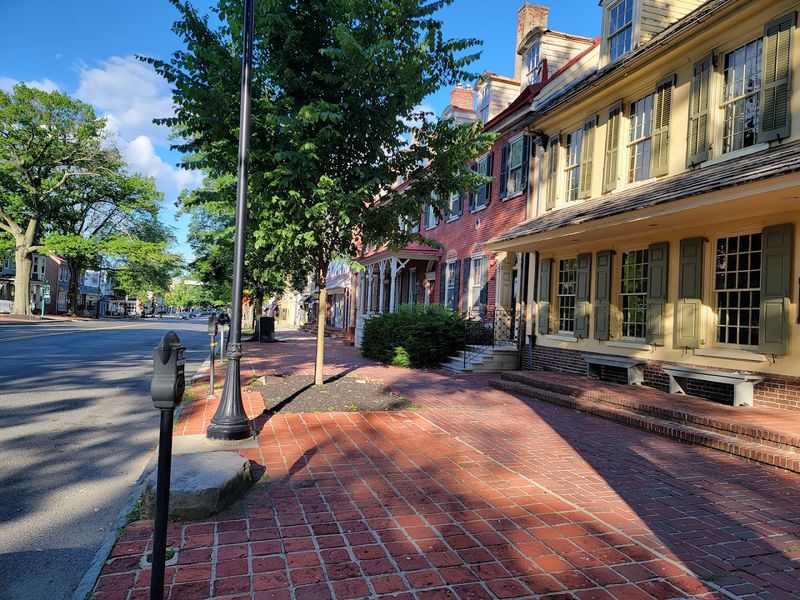
Revolutionary-era history and dinosaur lore is a combination few towns can claim with a straight face, but Haddonfield pulls it off. This South Jersey favorite is polished without feeling precious, and Kings Highway is one of those downtown stretches that makes “just a quick walk” an obvious lie.
History lovers should make time for the Indian King Tavern Museum, where the New Jersey Legislature once met during the Revolution, then grab a map from the Information Center at 2 Kings Court and see the town on foot.
The place is also famously tied to the 1858 discovery of Hadrosaurus foulkii, the first nearly complete dinosaur skeleton found in North America, which gives Haddonfield a fun little edge other historic towns do not have.
On the practical side, Haddonfield is one of the easier day trips if you want convenience with your charm: PATCO access makes it a painless car-free option from Philadelphia, and the borough maintains public parking options if you do drive. Once you’re there, the appeal is simple—coffee, boutiques, dinner, old houses, tree shade, repeat.
It earned its place because it manages to feel both deeply historic and completely livable, like the sort of town where the past and present have agreed to split the block evenly.
6. Ocean Grove
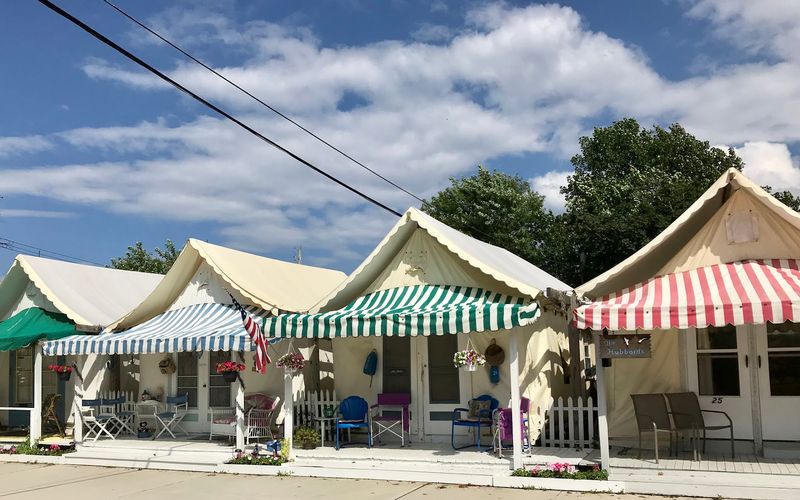
Nothing says “time seems to stand still” quite like a shore town built around a giant wooden auditorium and a summer tent colony that still exists.
Ocean Grove began as a Methodist camp meeting community in the 19th century, and the tenting tradition continues today around the Great Auditorium, with canvas-front seasonal structures that look wonderfully out of sync with modern coastal development.
The Great Auditorium, which has been the center of activity since 1894, still hosts concerts and major events, and the boardwalk adds another layer of old-school appeal without the carnival noise you get elsewhere at the Shore. This is the place to come when you want the beach and a sense of history in equal measure.
Walk the boardwalk, peek at the tents, admire the Victorian homes, and plan on some patience if you drive—parking is the one modern stressor that can intrude here, especially in summer. The local chamber is useful for checking beach information, lodging, and seasonal happenings before you go.
Ocean Grove is also compact enough that once you’ve claimed a spot, the best strategy is to keep the car parked and do the rest on foot. It earned its place because nowhere else on the Jersey Shore feels this intentionally, charmingly committed to keeping an older rhythm alive.
7. Princeton
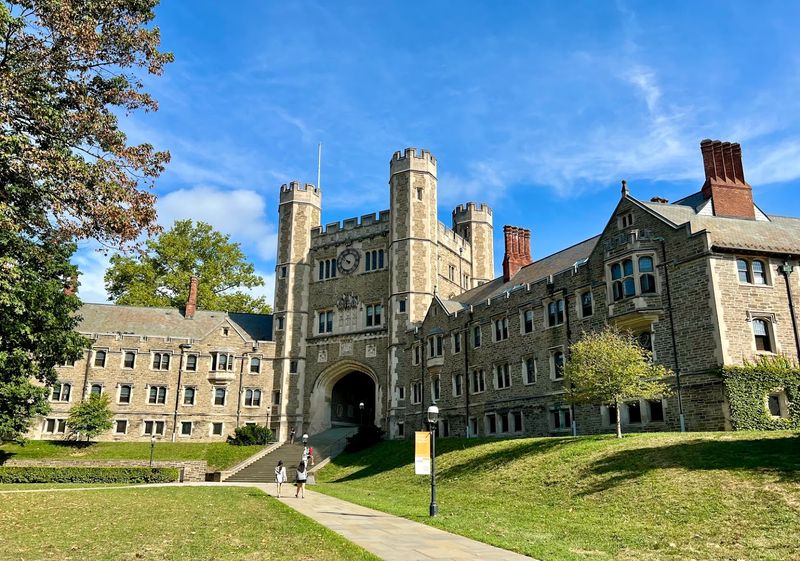
A lot of college towns feel historic. Princeton actually feels settled into its history, as if Nassau Street, the university campus, and Palmer Square have been politely refining each other for generations.
The town’s biggest advantage is range: you can do ivy-covered campus wandering, dip into the Princeton University Art Museum, browse shops around Palmer Square, and still have time for a proper meal without ever feeling like you’re checking boxes.
The new museum is a real draw on its own, and its current hours make it workable for both daytime visitors and people arriving later in the week; the building sits about a five-minute walk from Nassau and Witherspoon, so it folds naturally into a downtown stroll.
Planning is straightforward. The garages around Palmer Square are convenient for downtown, and Princeton University points weekday visitors to Stadium Drive Garage, where you register for a daily visitor permit and can hop TigerTransit toward Nassau Street and University Place.
That means you can visit Princeton as a browser, a culture person, or a campus walker and all three versions of the day work. It earned its place because it makes old money, old stone, and old academic prestige feel unexpectedly easy to enjoy rather than intimidating.
8. Chester
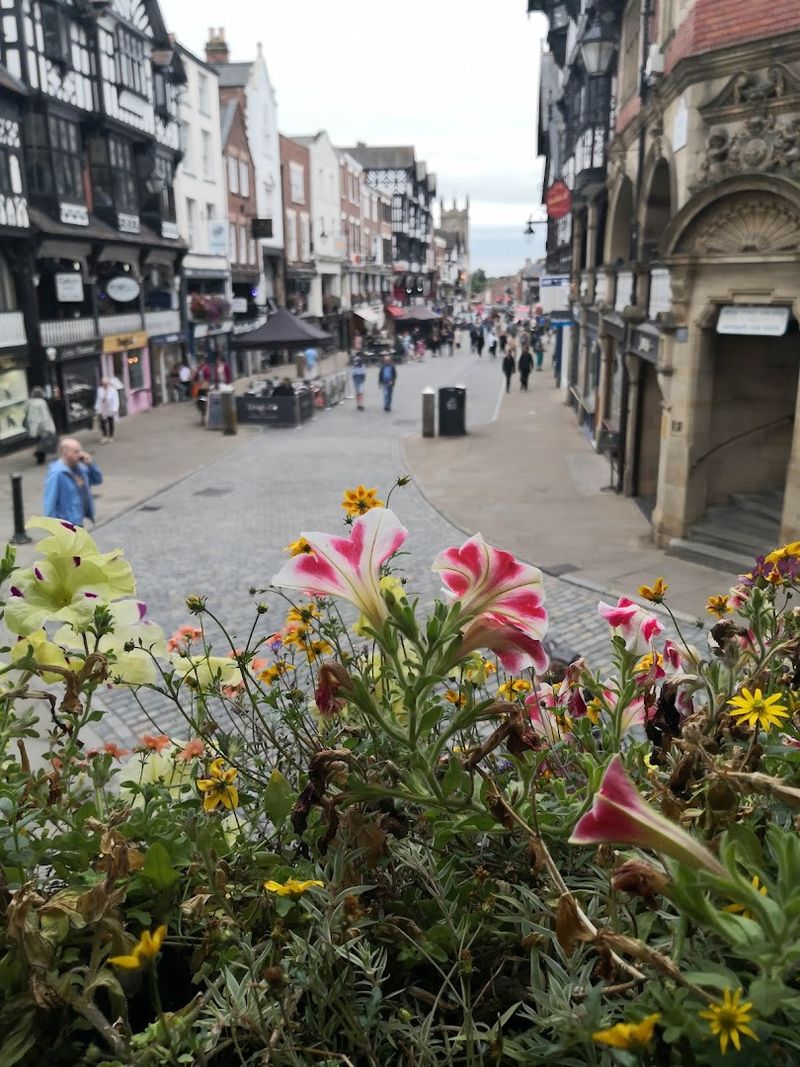
If your idea of a good old-fashioned town includes brick sidewalks, boutique windows, and the possibility of leaving with fudge, candles, or an unnecessary but excellent throw pillow, Chester is going to treat you very well.
Historic Chester Downtown has more than 80 boutique shops and eateries tucked among preserved buildings, and the place leans fully into its reputation as a shopping-and-strolling town.
That could make it sound overly curated, but Chester works because the scale still feels small and the historic setting keeps the retail energy from tipping into blandness. Chester is especially good for a low-stakes day out.
You come for wandering rather than landmarks, for the kind of visit where lunch becomes coffee becomes “one more shop.”
It pairs nicely with the nearby countryside and makes a strong fall outing, though weekends in peak foliage season are predictably busy. The town itself is manageable on foot once you arrive, so the trick is simply to park and give yourself enough time to browse without rushing.
It is less about one signature attraction and more about an atmosphere that feels intentionally preserved but still useful. It earned its place because it captures a very specific New Jersey pleasure: the historic downtown that still knows exactly how to entertain a modern afternoon.
9. Allentown
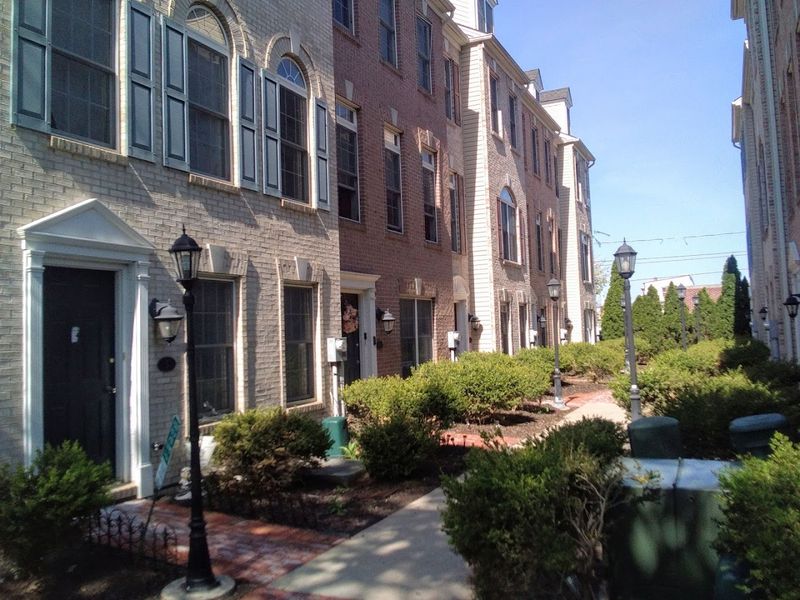
Allentown feels like the kind of place location scouts pray nobody else discovers first. The borough’s Main Street is beautifully walkable, framed by historic buildings and surrounded by preserved farmland, which means the town arrives with a built-in sense of separation from busier parts of the state.
That greenbelt setting matters; it keeps Allentown from feeling like a downtown preserved in isolation and instead makes it feel like an entire small-town landscape survived.
Historically, Main Street was part of an 18th-century travel route linking the Amboys to Burlington, which helps explain why the town still reads like an older crossroads community.
A visit here is best kept simple. Walk Main Street, dip into the small shops, and then take advantage of the nearby parks—Connine’s Pond is a nice local option if you want to stretch the day with a slower outdoor break.
This is also a town that works well as a lunch-and-wander destination rather than a packed itinerary stop, and that is part of its charm. You are not racing from one marquee attraction to another; you are letting a handsome, preserved small town do the work.
It earned its place because Allentown still looks and feels like the sort of New Jersey village people assume no longer exists.
10. Cranbury
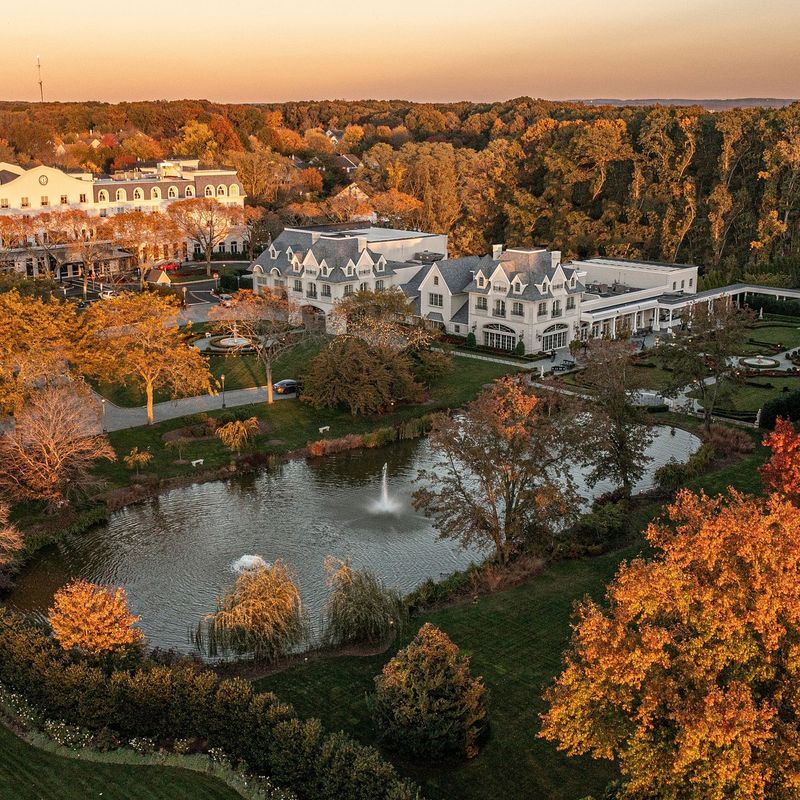
There is something deeply satisfying about a town that still has an inn from 1780 at the center of the action. Cranbury’s historic village core made the state and national registers decades ago, and once you’re on Main Street, that recognition makes immediate sense.
The scale is gentle, the preserved houses and civic buildings feel authentic rather than theatrical, and the town keeps just enough everyday life in the mix to avoid becoming precious.
If you want a classic anchor for the visit, the Cranbury Inn is the obvious one; it has been operating in some form since the 18th century and gives the town exactly the kind of historic focal point a list like this hopes to find.
Cranbury is a good choice for people who want history without crowds and charm without a long checklist. The Cranbury Museum adds context, and the township’s historic preservation materials make self-guided exploring especially rewarding if you like looking closely at streetscapes and old buildings.
Restaurants, bakeries, delis, and cafés are all close at hand, so this is an easy place to settle into a lunch-first, walk-second rhythm. It is not trying to dazzle you.
It is simply being old, lovely, and very sure of itself. It earned its place because Cranbury proves a quiet main street can feel just as transporting as a grand landmark when the setting has been this well kept.
11. Burlington
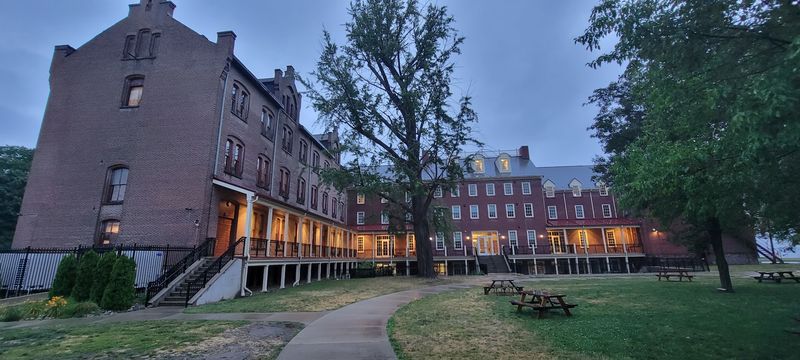
Burlington has the kind of history that makes other old towns look under-researched. This city dates to 1677, was tied to the Quaker founding of West Jersey, and still carries an extraordinary concentration of colonial-era significance in its historic district.
Ben Franklin learned the printing trade here, James Fenimore Cooper was born here, and you can feel that long civic memory when you walk the old streets near High Street and the river.
The Riverfront Promenade adds a lovely practical bonus: after the architecture and historic sites, you get a broad Delaware view and a place to slow down.
Burlington is best visited as a mix of history and rambling. The historic district rewards a self-guided walk, and the city’s maps make that easier if you want to connect old sites rather than just browse casually.
Then head to the promenade and let the river do the rest. It is one of the stronger picks on this list for people who like their “frozen in time” towns a little more urban and layered, not just quaint.
There is real depth here, and the waterfront keeps it from feeling overly solemn. It earned its place because Burlington doesn’t merely preserve the colonial era—it still wears it in public, right out by the water.
12. Salem
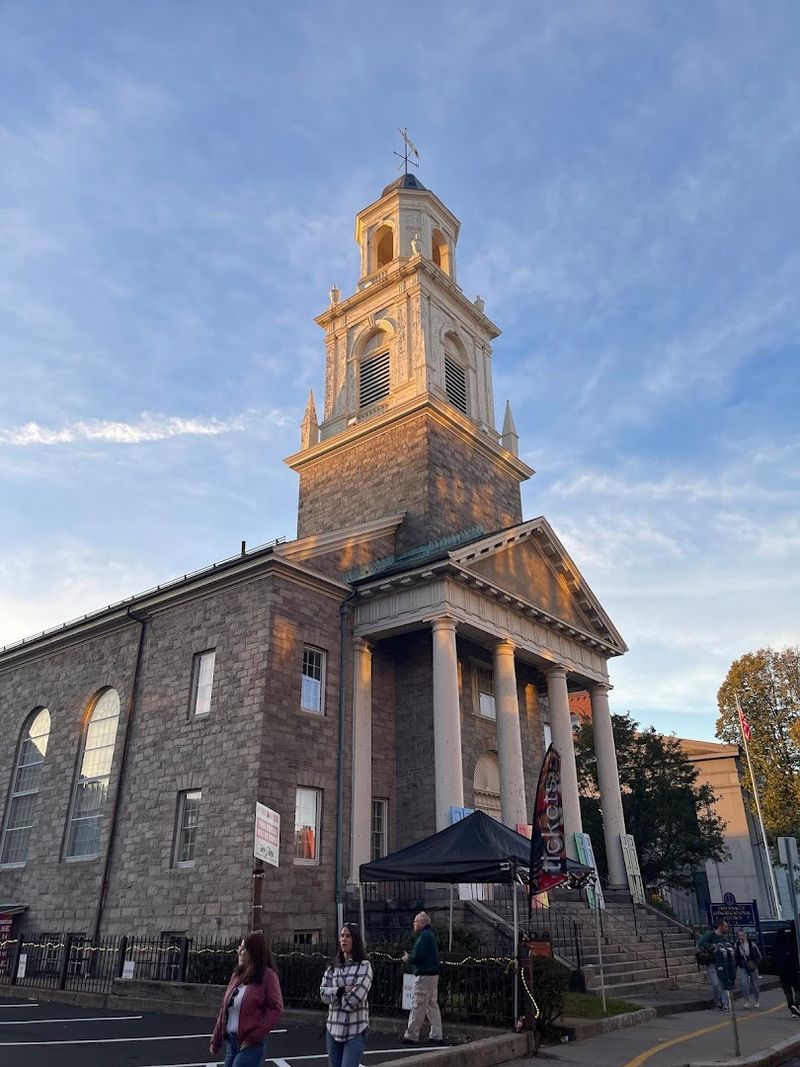
Weathered old brick, broad streets, and a courthouse from 1735 will do a lot to convince you time has been behaving strangely. Salem is not polished in the same way as some of the other towns on this list, which is exactly why it belongs here.
Its appeal is older, quieter, and more haunted by history. The Old Salem County Courthouse is the star, and it is not just old by local standards—it is the oldest active courthouse in New Jersey and the second-oldest courthouse in continuous use in the United States.
Add the Salem County Historical Society on Market Street, the self-guided walking tour brochures, and the historic districts around West Broadway and Market Street, and you have a town that asks to be explored slowly and with your eyes up. Salem works best for folks who enjoy places with a little texture and mystery.
Start at the Salem County Visitors Center at 1 New Market Street, pick up the walking material, and build the visit around architecture rather than shopping. This is not a place that overwhelms you with things to do; it draws you in with what has lasted.
That can be even more memorable. It earned its place because Salem feels less curated than preserved, as though the centuries simply piled up here and never bothered to leave.
13. Hopewell
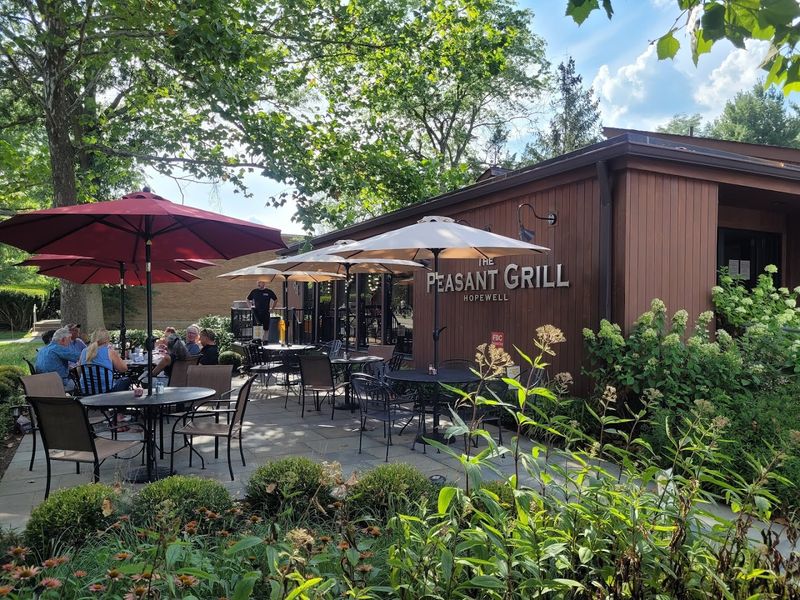
Hopewell is the kind of place where you notice the sidewalks, then the storefronts, then the old houses, and then suddenly realize you have relaxed without meaning to. The borough’s historic character is carefully protected, but it doesn’t feel frozen behind glass.
Instead, Broad Street and the surrounding area read like an old small town still doing its everyday job very well. Hopewell Park adds to that sense of gentleness with walking trails, Victorian bridges over Bedens Brook, picnic spots, and a gazebo that hosts summer concerts.
If you are the sort of visitor who likes a little browsing with your history, the Tomato Factory’s antiques and design offerings fit the mood perfectly. For a meal, Brick Farm Tavern just outside the borough is one of the smartest pairings, especially if you want to turn the day trip into something more lingering.
The tavern is currently open for brunch and dinner, and it leans hard into its pasture-to-table identity, which suits Hopewell’s surrounding farmland beautifully. Practical tip: this is an easy town to do at a relaxed pace, so don’t overbook it.
A walk, some antique browsing, a park stop, and a good meal is more than enough. It earned its place because Hopewell feels like a place where preservation was never a project—it was simply the local habit.
14. Spring Lake
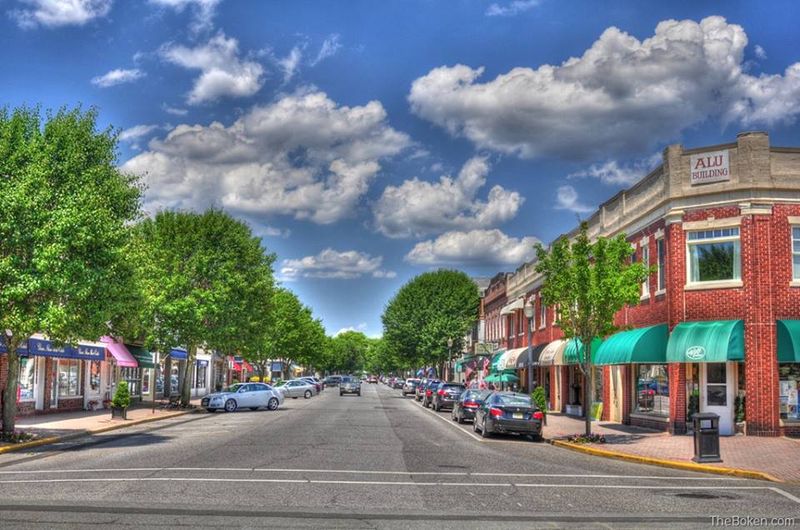
Two miles of beach and boardwalk without the usual sensory ambush is Spring Lake’s party trick. No roaring amusement rides, no neon shouting match—just a long, clean oceanfront promenade, a historic downtown, and enough Victorian character to justify its reputation as the “Jewel of the Jersey Shore.”
The town grew as a summer retreat for wealthy vacationers in the 19th century, and that genteel origin story still shows in the homes, the pace, and the way the whole place seems slightly allergic to excess.
Divine Park, with the lake that gave the town its name, is the inland counterpoint to the beach and worth folding into the same walk. Spring Lake is ideal for the person who wants timeless shore atmosphere without the boardwalk circus.
The downtown gives you shops and dining, the beach offers the obvious summer draw, and the town’s calm is part of the experience. One especially charming detail: Spring Lake has no traffic lights or parking meters, which somehow tells you almost everything about the place before you even set foot on Ocean Avenue.
Beach access is fee-based in season, so check ahead if you are planning a full beach day rather than just a stroll. It earned its place because it delivers the Jersey Shore in a lower, softer voice—and that voice sounds wonderfully old-fashioned.
Share this story