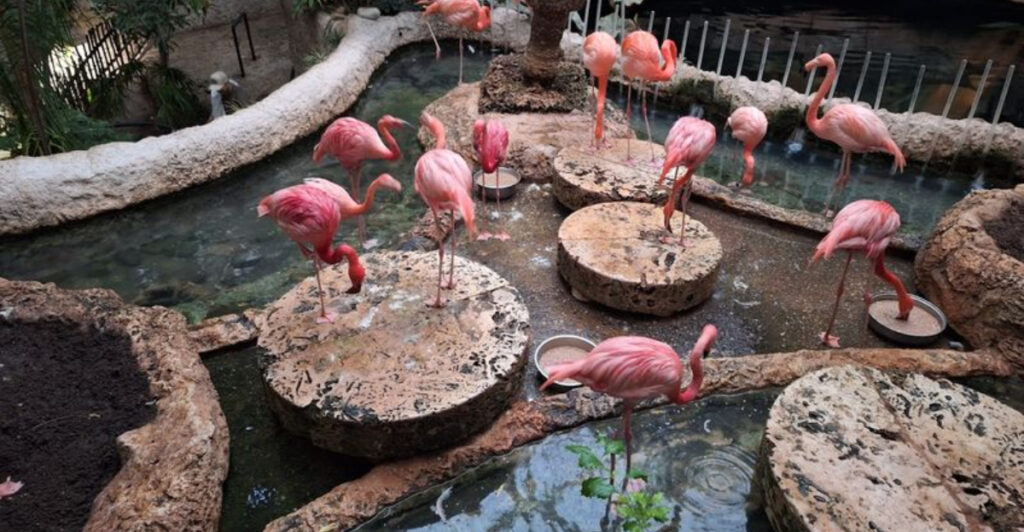
Texas weather can be unpredictable, with scorching summers and surprise rainstorms that send everyone running for cover. Luckily, the Lone Star State offers incredible indoor attractions that entertain, educate, and inspire visitors of all ages. From interactive museums to stunning aquariums, these destinations prove that staying inside can be just as adventurous as exploring the great outdoors.
1. National Videogame Museum (Frisco)
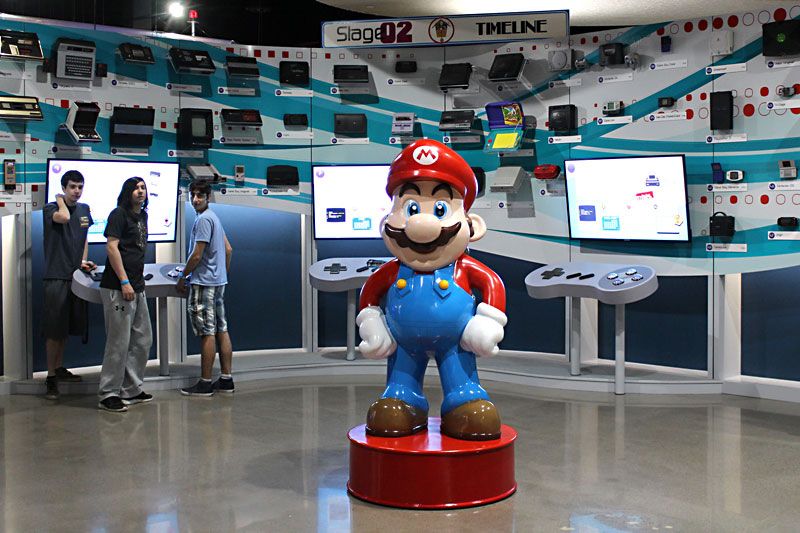
Gamers of all generations find their happy place at this one-of-a-kind museum dedicated to the history and evolution of video games. Walking through the doors feels like stepping into a time machine that travels from Pong to PlayStation, with every major gaming milestone represented along the way. The collection includes rare consoles, vintage cartridges, and memorabilia that tells the story of how gaming became a cultural phenomenon.
What sets this place apart is the hands-on approach to learning about gaming history. Visitors can actually play many of the classic games on display, from arcade cabinets to home consoles spanning multiple decades. Kids who only know modern graphics get their minds blown by the simplicity of early games, while parents relive their childhood favorites.
The museum rotates exhibits regularly, so repeat visits always offer something new to discover.
Interactive displays explain how game developers created beloved characters and overcame technical limitations of early hardware. Special exhibits highlight influential games that changed the industry forever, from Super Mario Bros. to The Legend of Zelda. The museum also hosts gaming tournaments and special events throughout the year, bringing the community together for friendly competition.
Educational programs teach coding basics and game design principles, inspiring the next generation of developers. The staff members are passionate gamers themselves who love sharing trivia and personal gaming stories with visitors. Birthday parties here are legendary, with kids getting tournament-style competitions and access to games they’ve never experienced before.
Located in Frisco’s entertainment district, the museum makes a perfect rainy-day destination or a fun break from outdoor activities when the Texas heat becomes unbearable.
2. Houston Museum of Natural Science (Houston)
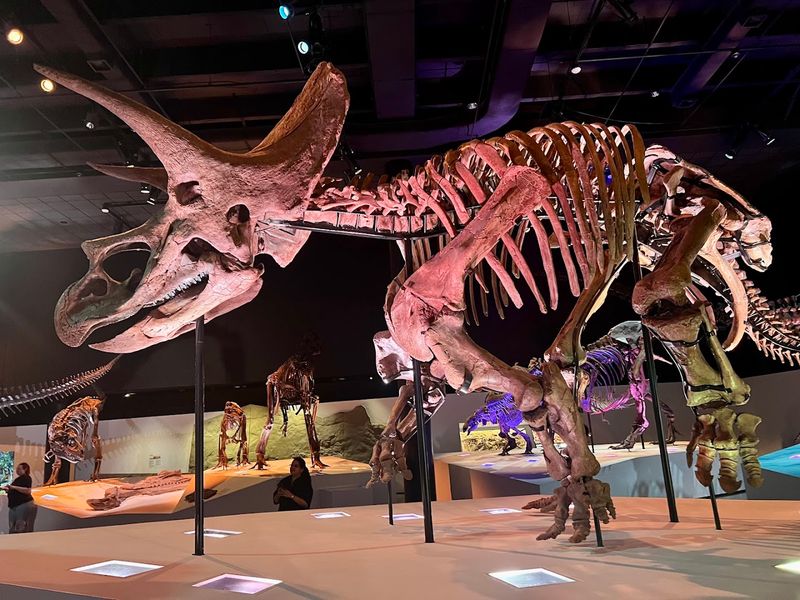
Few museums in America can match the sheer scale and variety of what this Houston institution offers under one roof. The permanent collection includes everything from towering dinosaur skeletons to glittering gems that look like they belong in a fantasy novel. Each hall transports visitors to different worlds, whether exploring ancient Egypt or examining the microscopic details of insects.
The paleontology hall steals the show for many visitors, featuring complete dinosaur skeletons that tower overhead and make you feel tiny. Kids press their faces against display cases filled with fossils, tracing the evolution of life on Earth through millions of years. The Morian Hall of Paleontology showcases Texas’s own prehistoric past, revealing that giant creatures once roamed the same ground where Houston now stands.
Downstairs, the Cullen Hall of Gems and Minerals dazzles with thousands of specimens from around the world. The collection includes massive crystals, rare stones, and precious metals displayed in ways that highlight their natural beauty. Interactive elements let visitors learn about mineral formation and discover which stones come from Texas soil.
The Cockrell Butterfly Center creates a tropical paradise where hundreds of live butterflies flutter freely around guests. Walking through the humid environment feels like visiting a rainforest, complete with waterfalls and exotic plants. The Burke Baker Planetarium offers shows that explore the cosmos, with state-of-the-art projection technology that makes you feel like you’re traveling through space.
Special traveling exhibits rotate throughout the year, covering topics from ancient civilizations to cutting-edge science. With so much to see, most families plan multiple visits to experience everything this museum offers.
3. The Sixth Floor Museum at Dealey Plaza (Dallas)

Standing in the exact location where history changed forever creates an eerie, powerful experience that no textbook can replicate. This museum occupies the sixth and seventh floors of the former Texas School Book Depository, where evidence suggests shots were fired on November 22, 1963. The exhibits chronicle President Kennedy’s life, presidency, and the tragic events that unfolded in Dallas that day.
Visitors move through carefully curated displays featuring photographs, documents, and artifacts from the Kennedy era. The museum doesn’t sensationalize the assassination but instead provides historical context about the political climate of the early 1960s. Films and audio recordings bring the period to life, showing Kennedy’s charisma and the hopes many Americans placed in his leadership.
The corner window overlooking Dealey Plaza remains preserved behind glass, allowing visitors to see the vantage point described in investigation reports. Looking down at the street below helps people understand the geography and timeline of that fateful day. The museum presents multiple perspectives and encourages critical thinking about the evidence and various theories that emerged afterward.
Personal stories from witnesses and journalists who were present add emotional depth to the historical narrative. Exhibits explore how the assassination impacted American culture, politics, and the collective psyche of a generation. The museum also examines Kennedy’s legacy and the lasting influence of his brief presidency on civil rights, space exploration, and international relations.
Special programs and lectures feature historians, authors, and experts who continue researching this pivotal moment in American history. The museum maintains a respectful, educational atmosphere that honors Kennedy’s memory while providing factual information. Many visitors leave with a deeper understanding of how one event can reshape a nation’s trajectory and consciousness.
4. Texas State Aquarium (Corpus Christi)
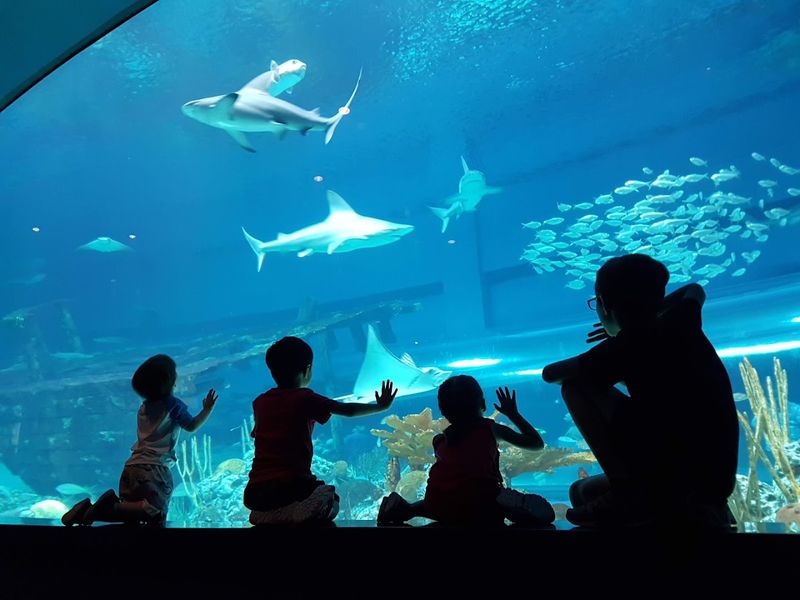
Coastal magic comes alive at this sprawling facility dedicated to the Gulf of Mexico and Caribbean ecosystems. Unlike generic aquariums that showcase fish from around the world, this destination focuses specifically on marine life found in Texas waters and neighboring regions. The result is an authentic look at the incredible biodiversity thriving just offshore from the Lone Star State.
Touch tanks offer hands-on encounters with stingrays, whose smooth skin surprises first-time visitors expecting something slimy or rough. Staff members encourage gentle interaction while teaching about each animal’s unique adaptations and behaviors. Kids squeal with delight when stingrays glide past their fingertips, creating memories that last long after the visit ends.
The Dolphin Bay habitat showcases rescued Atlantic bottlenose dolphins in a spacious environment designed for their wellbeing. Educational presentations explain how these intelligent mammals communicate, hunt, and play in the wild. The aquarium’s rescue and rehabilitation programs have saved countless marine animals, giving visitors a chance to see conservation in action.
Massive tanks recreate different marine habitats, from shallow seagrass beds to deep reef environments. Sharks patrol overhead in the Islands of Steel exhibit, which explores how offshore oil rigs accidentally created artificial reef ecosystems. Colorful tropical fish dart between coral formations, while groupers and snappers lurk in shadowy corners waiting for feeding time.
The Flower Garden exhibit replicates the famous Flower Garden Banks National Marine Sanctuary, one of the northernmost coral reefs in North America. Jellies displays mesmerize with their graceful, pulsing movements and ethereal beauty. Outside areas feature rescued sea turtles recovering from injuries, with signs explaining each individual’s story.
The aquarium combines education, conservation, and entertainment in ways that inspire visitors to protect Texas’s coastal resources.
5. Perot Museum of Nature and Science (Dallas)
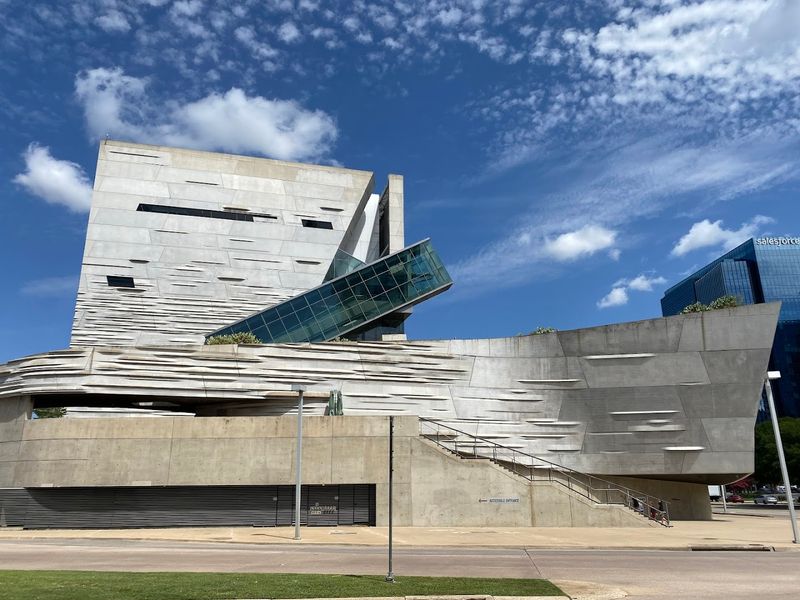
Architecture alone makes this museum worth visiting, with its striking modern design featuring a glass-enclosed escalator that rises along the exterior like a scientific specimen on display. Inside, five floors of exhibits cover everything from earthquakes to human anatomy, with interactive elements that turn passive observers into active participants. The building itself demonstrates sustainable design principles, with features that reduce energy consumption and water usage.
The Being Human Hall explores what makes our species unique, from brain function to emotional responses. Visitors can test their reflexes, measure their lung capacity, and learn about genetic inheritance through engaging displays. A giant heart sculpture pumps rhythmically, showing how this vital organ keeps us alive every second of every day.
Earthquake simulators let people experience different magnitude tremors in a safe, controlled environment. The shaking intensity increases gradually, helping visitors understand why proper building construction matters in earthquake-prone regions. Seismograph displays show real-time earthquake activity from around the world, proving that the ground beneath our feet is constantly moving.
The Expanding Universe Hall takes visitors on a journey through space and time, from the Big Bang to present day. Interactive displays explain complex concepts like black holes and dark matter in ways that make sense to curious minds. The T.
Boone Pickens Life Then and Now Hall showcases fossils and explains evolution through engaging storytelling and impressive specimens.
Engineering exhibits challenge visitors to solve problems using scientific principles and creative thinking. Kids build structures, test their designs, and learn from failures in a supportive environment. The museum regularly updates exhibits and brings in traveling shows that cover cutting-edge scientific discoveries.
Special programs include overnight camps where kids sleep among the dinosaurs and participate in exclusive after-hours activities. Every corner reveals something fascinating, making it easy to spend an entire day exploring without seeing everything.
6. LBJ Presidential Library (Austin)
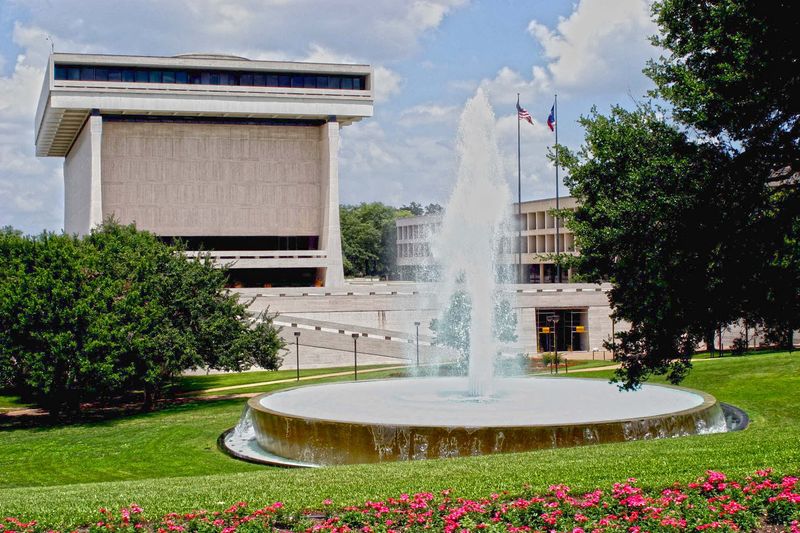
Perched on the University of Texas campus, this library and museum tells the story of one of the most consequential presidents in American history. Lyndon Baines Johnson’s legacy includes landmark civil rights legislation, the Great Society programs, and the escalation of the Vietnam War. The exhibits don’t shy away from controversy, presenting both achievements and failures with historical honesty.
The Great Hall features a towering wall of red archival boxes representing the forty-five million pages of historical documents housed in the facility. This visual representation of presidential records creates an immediate sense of the massive scope of Johnson’s political career. Original documents, including handwritten notes and official correspondence, give visitors direct access to history in the making.
Civil rights exhibits chronicle the passage of the Civil Rights Act of 1964 and Voting Rights Act of 1965, landmark legislation that transformed American society. Photographs and film footage capture the tension and triumph of the era, showing both peaceful protests and violent resistance. Johnson’s telephone conversations, which he routinely recorded, play throughout the museum, offering unfiltered glimpses into presidential decision-making.
The Vietnam War section presents multiple perspectives on the conflict that divided the nation and ultimately contributed to Johnson’s decision not to seek reelection. Letters from soldiers, protest materials, and news coverage illustrate how the war impacted American families and politics. The exhibit encourages visitors to grapple with complex questions about presidential power, military intervention, and democratic accountability.
A replica of the Oval Office during Johnson’s presidency shows where he worked and made decisions that affected millions of lives. Lady Bird Johnson’s contributions receive proper recognition, highlighting her environmental advocacy and beautification campaigns. The library hosts regular programs featuring historians, politicians, and journalists discussing contemporary issues through the lens of LBJ’s presidency.
Many visitors leave with a more nuanced understanding of this complicated figure who shaped modern America.
7. The Dallas World Aquarium (Dallas)
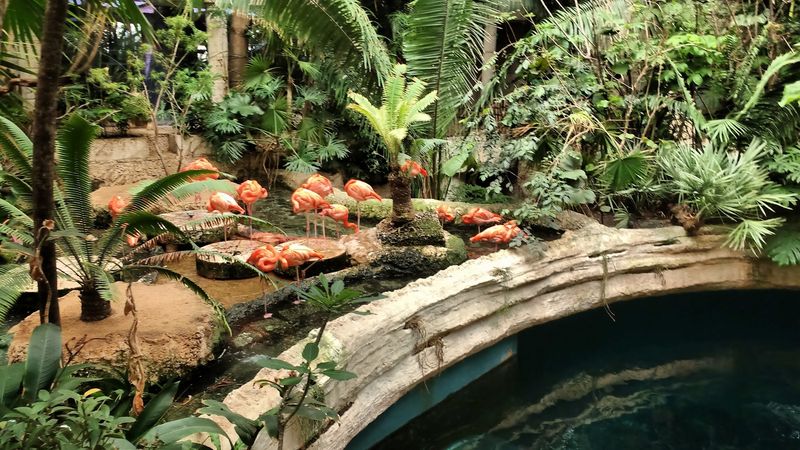
Forget everything you think you know about aquariums, because this place starts with a rainforest canopy and works its way down to ocean depths. Entering through the Orinoco exhibit feels like stepping into the Amazon, with free-flying birds, sloths hanging from branches, and a multi-level waterfall creating a humid, jungle atmosphere. The immersive design makes you forget you’re in downtown Dallas within seconds.
Manatees glide gracefully through murky water that mimics their natural habitat, their whiskered faces pressing against the glass to inspect curious onlookers. These gentle giants, rescued from threatening situations, serve as ambassadors for their species while living in carefully maintained environments. Educational signs explain the threats manatees face in the wild and what conservation efforts are doing to protect them.
The Mundo Maya exhibit recreates a Central American cloud forest, complete with jaguars prowling through vegetation and colorful birds calling overhead. Toucans with their oversized beaks perch on branches at eye level, allowing for incredible photo opportunities. Spider monkeys swing through the canopy while visitors walk along elevated pathways that wind through different levels of the exhibit.
Descending to the aquarium level reveals underwater ecosystems from around the world, with massive tanks holding sharks, rays, and schools of tropical fish. The tunnel walkway surrounds visitors with marine life on all sides, creating the sensation of walking on the ocean floor. Bonnethead sharks cruise past while sea turtles paddle gracefully through the blue water.
Japanese spider crabs, with legs spanning several feet, look like creatures from another planet as they move slowly across the tank floor. The jellyfish gallery mesmerizes with its ethereal displays of pulsing, translucent bodies drifting through illuminated water. Staff members stationed throughout provide information and answer questions, sharing their passion for the animals in their care.
The combination of rainforest and marine exhibits makes this a unique destination that offers more variety than traditional aquariums.
8. Kimbell Art Museum (Fort Worth)
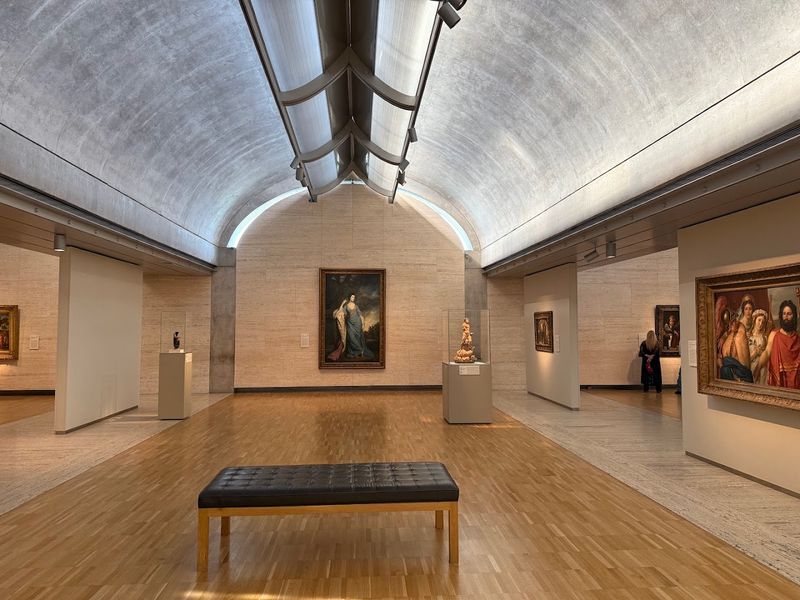
Natural light floods through ingenious skylights, illuminating masterpieces in a way that honors the artists’ original intentions and creates an almost spiritual viewing experience. Architect Louis Kahn designed the building to be a work of art itself, with graceful vaulted ceilings and carefully proportioned spaces that enhance rather than distract from the collection. Even people who think museums are boring find themselves moved by the beauty of the architecture alone.
The permanent collection spans thousands of years, from ancient Mediterranean artifacts to modern masterpieces by artists like Picasso and Monet. Each piece is carefully selected for quality rather than quantity, meaning every work on display deserves close attention. Asian art, European paintings, and pre-Columbian sculptures coexist in thoughtfully arranged galleries that encourage contemplation and discovery.
A Caravaggio painting, one of only a few dozen in American museums, draws art lovers from around the world. The dramatic use of light and shadow in the work demonstrates why this Italian master influenced countless artists who followed. Standing before such historically significant pieces creates a direct connection to the past and the artists who created them.
The Renzo Piano Pavilion addition doubled the museum’s exhibition space while maintaining the intimate, contemplative atmosphere of the original building. Special exhibitions bring in works from major museums and private collections worldwide, offering Fort Worth residents access to art they might otherwise need to travel to New York or Paris to see. Recent shows have featured everything from ancient Greek sculpture to contemporary photography.
Free admission to the permanent collection makes world-class art accessible to everyone, regardless of financial circumstances. Educational programs for children introduce young minds to art appreciation through hands-on activities and age-appropriate tours. The museum’s park-like grounds provide peaceful outdoor spaces perfect for reflection after viewing the galleries.
Many visitors make the Kimbell part of their regular routine, returning to favorite pieces or discovering new details in familiar works.
9. The DoSeum (San Antonio)
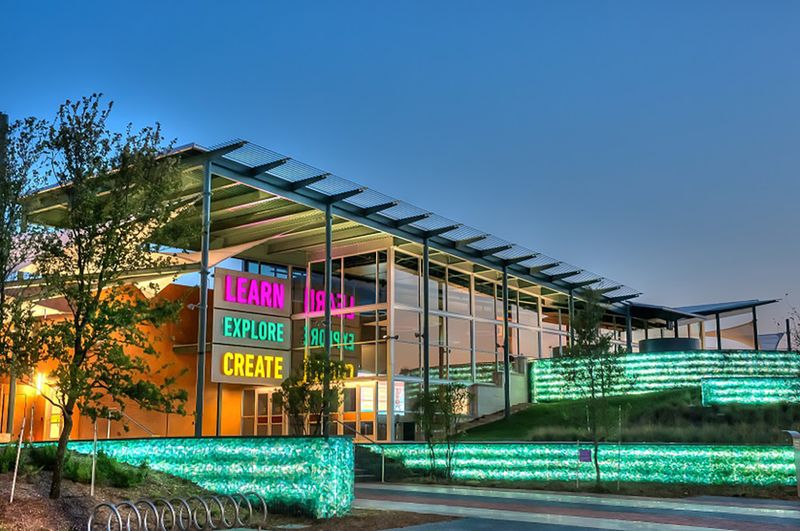
Energy levels skyrocket the moment kids spot this vibrant building designed specifically for young, curious minds ready to explore, create, and learn through play. Every exhibit encourages hands-on interaction, from building structures to creating art, with no “don’t touch” signs to worry about. Parents appreciate that their children are learning while having so much fun they don’t even realize education is happening.
The innovation station provides materials for engineering challenges that spark creative problem-solving skills. Kids design and test their inventions, learning from failures and celebrating successes in a supportive environment. Collaboration happens naturally as children work together to overcome obstacles and build increasingly complex creations.
Spy Academy turns kids into secret agents completing missions that require observation, critical thinking, and teamwork. Crawling through tunnels, cracking codes, and solving puzzles keeps them engaged for extended periods. The immersive theming makes children feel like they’re part of an exciting adventure rather than simply playing with educational toys.
Little Town provides a pint-sized city where young children roleplay adult activities like shopping, cooking, and caring for babies. A veterinary clinic lets animal lovers tend to stuffed patients, while a construction zone offers hard hats and toy tools. These imaginative play spaces help children process the world around them and develop social skills through interaction with peers.
The outdoor area features water play during warm months, with fountains, channels, and pumps that demonstrate scientific principles while keeping kids cool. Climbing structures challenge physical abilities and build confidence as children push their limits in safe ways. Art studios offer rotating projects led by teaching artists who encourage self-expression without judgment.
Special programs include science demonstrations, storytime sessions, and themed events that align with holidays or current exhibitions. Membership pays for itself quickly for local families who visit regularly. The museum designed spaces for different age groups, ensuring toddlers and older children both find appropriate challenges.
Watching kids completely absorbed in discovery reminds adults why hands-on learning matters so much during early childhood development.
10. George W. Bush Presidential Library and Museum (Dallas)
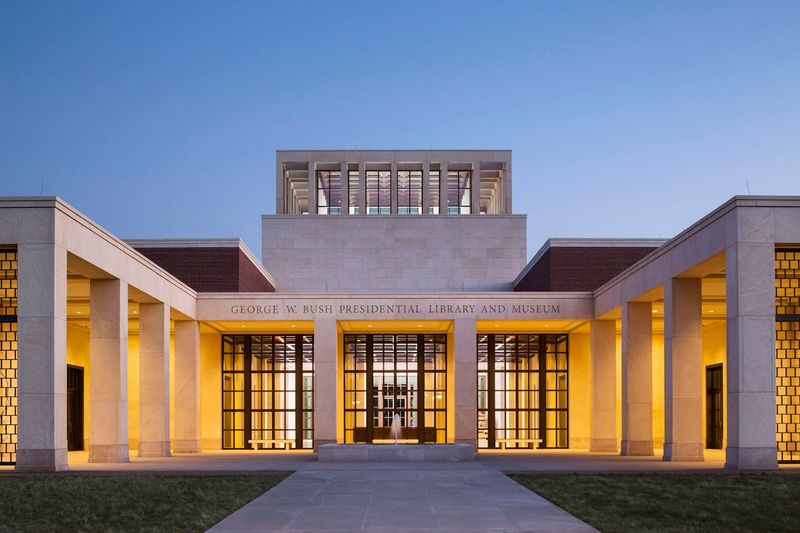
September 11, 2001, changed everything, and this museum doesn’t pull punches when presenting the challenges and decisions that defined the Bush presidency. Walking through the exhibits chronologically helps visitors understand the context in which major policy decisions were made. Whether you agreed with those decisions or not, the museum provides insight into the enormous weight of presidential responsibility during crisis moments.
The Decision Points Theater places visitors in the president’s shoes, presenting actual dilemmas Bush faced and asking what you would do in his position. After making your choice, screens reveal what Bush decided and the reasoning behind those decisions. This interactive approach encourages empathy and critical thinking about leadership challenges that rarely have clear right answers.
A twisted beam from the World Trade Center serves as a powerful memorial to the nearly three thousand lives lost on 9/11. The exhibit exploring that day includes timeline information, personal stories, and artifacts that document how the attacks unfolded. Many visitors find this section emotionally difficult but important for understanding the events that shaped the following years.
The Oval Office replica shows where Bush worked daily, complete with personal touches like family photos and the desk used by several previous presidents. Seeing the famous room helps people visualize where countless historic conversations and decisions took place. The attention to detail in the recreation demonstrates the museum’s commitment to accuracy and historical preservation.
Exhibits covering Hurricane Katrina, the financial crisis, and other domestic challenges present multiple perspectives on controversial topics. The museum acknowledges criticism while explaining the administration’s responses and reasoning. AIDS relief efforts in Africa receive substantial coverage, highlighting initiatives that saved millions of lives but often received less attention than military actions.
Laura Bush’s role as First Lady gets proper recognition, with exhibits showcasing her education advocacy and cultural initiatives. The museum grounds include a native Texas landscape designed to demonstrate environmental sustainability. Special events bring in political figures, journalists, and historians for discussions about current events viewed through the lens of recent history.
11. Bullock Texas State History Museum (Austin)
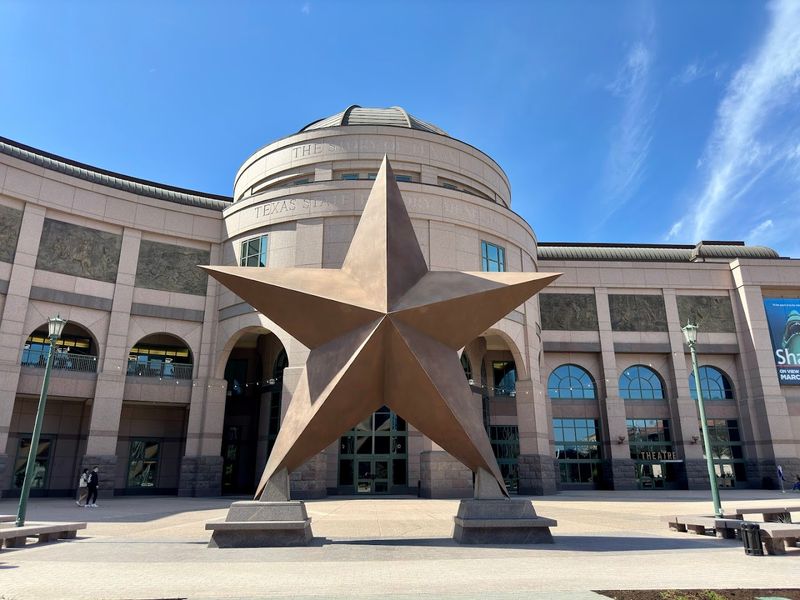
Three floors of exhibits tell the wild, complicated, fascinating story of Texas from prehistoric times to the present day. The museum doesn’t present a sanitized version of history but instead grapples with difficult topics like slavery, indigenous displacement, and political conflicts that shaped the state. This honest approach helps visitors understand how past events continue influencing Texas culture and politics today.
The first floor starts with natural history and early inhabitants, featuring fossils, artifacts, and information about the diverse groups who lived here before European contact. A replica of La Belle, a French ship that sank off the Texas coast in 1686, dominates the space with its impressive size and historical significance. The ship’s story connects to broader themes of exploration, colonization, and competing empires fighting for control of North American territory.
The Texas Revolution exhibits showcase weapons, documents, and personal items from figures like Sam Houston and Stephen F. Austin. Battle recreations and strategic maps help visitors understand military campaigns that led to Texas independence from Mexico.
The Alamo story receives proper context, explaining what led to the famous siege and its aftermath.
Cowboy culture comes alive through saddles, photographs, and stories about cattle drives that made Texas beef famous nationwide. Oil boom exhibits feature drilling equipment and explain how petroleum discovery transformed the state’s economy and landscape. Interactive elements let visitors experience what life was like during different historical periods, from frontier settlements to modern cities.
The Texas IMAX Theatre shows films on a four-story screen with powerful sound systems that make you feel part of the action. Shows rotate between educational documentaries and entertaining features suitable for all ages. The third floor explores modern Texas, including civil rights struggles, space exploration contributions, and the state’s growing diversity.
Special exhibitions tackle contemporary issues facing Texas, from water conservation to immigration. The museum store offers Texas-themed books, gifts, and souvenirs that go beyond typical tourist merchandise. School groups fill the museum during weekdays, but weekends offer a more relaxed pace for families exploring at their own speed.
12. Space Center Houston (Houston)
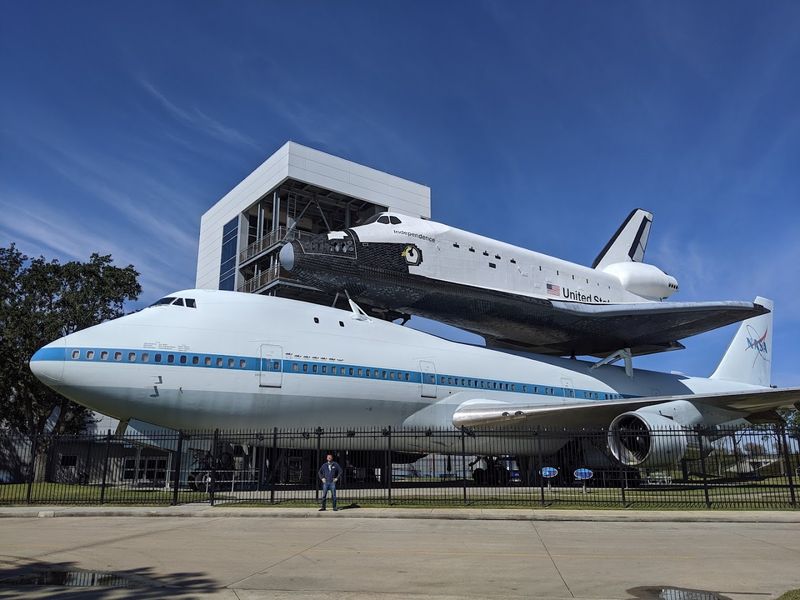
Actual spacecraft that traveled to space rest inside this massive facility, close enough to touch and study in detail that photographs can never capture. Walking beneath a Saturn V rocket, the most powerful launch vehicle ever successfully flown, creates an overwhelming sense of the engineering achievement required to send humans to the moon. The rocket’s sheer size makes modern spacecraft look tiny by comparison, demonstrating how technology has evolved to accomplish more with less.
Tram tours take visitors behind the scenes at NASA’s Johnson Space Center, where astronauts train and mission control monitors space station operations. Seeing real NASA employees at work brings space exploration out of the realm of history books and into present-day reality. The tram passes massive buildings where spacecraft are tested and astronauts practice for missions in underwater tanks that simulate weightlessness.
The Independence Plaza features a shuttle replica mounted on top of the original NASA 905 shuttle carrier aircraft. Visitors can walk through both the shuttle and the massive Boeing 747 that transported shuttles across the country. Standing inside the shuttle’s cargo bay while learning about satellite deployment and space station construction missions helps people appreciate the shuttle program’s contributions to space exploration.
Astronaut encounters let visitors meet people who have actually traveled to space and hear firsthand accounts of what leaving Earth feels like. These presentations make space exploration personal and inspiring, especially for young people considering STEM careers. Astronauts answer questions about everything from bathroom logistics to the emotional experience of seeing Earth from orbit.
The Starship Gallery displays spacecraft from different eras of space exploration, including Mercury, Gemini, and Apollo capsules. Touching a moon rock, one of only a few places in the world where this is possible, creates a tangible connection to lunar exploration. Interactive exhibits let visitors practice docking spacecraft, experience motion simulators, and learn about current Mars exploration plans.
Mission Mars exhibition explores the challenges of sending humans to the red planet and what technologies need development before such missions become possible. Educational programs range from space camp experiences to lectures by NASA scientists and engineers. The center continuously updates exhibits to reflect current missions and discoveries, ensuring repeat visitors always find something new.
13. Fort Worth Museum of Science and History (Fort Worth)
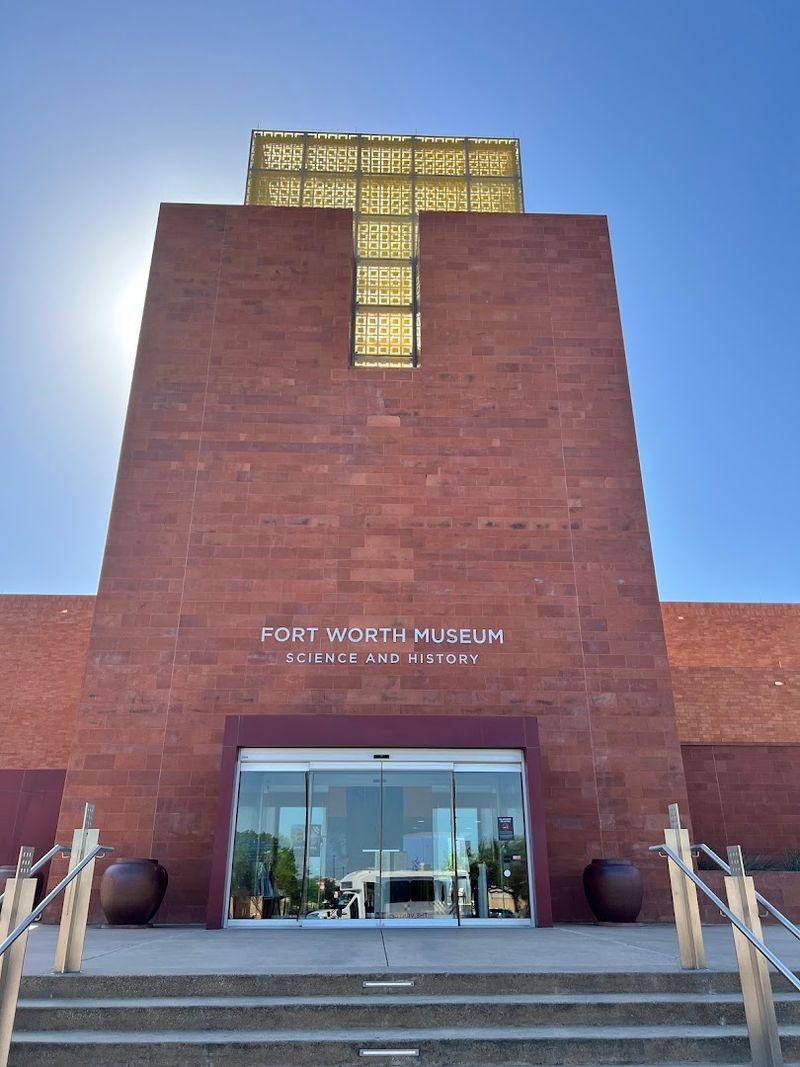
Dinosaur fossils discovered right here in Texas prove that some of the most fearsome creatures ever to walk the Earth once roamed the Lone Star State. The DinoLabs and DinoDigsite exhibits showcase these local discoveries while explaining how paleontologists find, extract, and study fossils. Kids can participate in mock excavations, learning proper techniques for uncovering ancient remains buried in sediment.
The Cattle Raisers Museum tells the story of Texas ranching heritage through artifacts, photographs, and interactive displays. Visitors learn how cowboys drove massive herds across open range, dealing with weather, stampedes, and rustlers along the way. The exhibit connects past ranching practices to modern beef industry operations that continue feeding the nation.
Energy Blast explores the science behind different energy sources, from fossil fuels to renewable options like wind and solar power. Interactive displays let visitors generate electricity through various means, demonstrating the effort required to power modern society. Texas’s role as an energy-producing state receives special attention, explaining how oil, gas, wind, and solar all contribute to the state’s economy.
The Innovation Studios provide maker spaces where visitors design, build, and test creations using provided materials and tools. Staff members offer guidance but encourage independent problem-solving and creative thinking. These hands-on areas often get crowded because kids don’t want to leave once they start building.
The Noble Planetarium presents shows about astronomy, space exploration, and the night sky visible from Texas. State-of-the-art projection technology creates immersive experiences that transport audiences beyond Earth’s atmosphere. Special shows for young children introduce basic astronomy concepts without overwhelming developing minds.
The Omni Theater’s domed screen surrounds viewers with larger-than-life images accompanied by powerful sound that makes documentary subjects feel immediate and exciting. Films cover topics from ocean exploration to wildlife conservation, chosen for both educational value and entertainment appeal. The combination of museum exhibits, planetarium shows, and Omni films means families can easily spend an entire day exploring without running out of things to see.
Traveling exhibitions bring in content from other institutions, ensuring the museum stays fresh even for frequent visitors. Birthday party packages let kids celebrate among dinosaurs and scientific wonders. The museum balances education and entertainment perfectly, proving that learning can be thrilling.
14. Museum of Fine Arts, Houston (Houston)
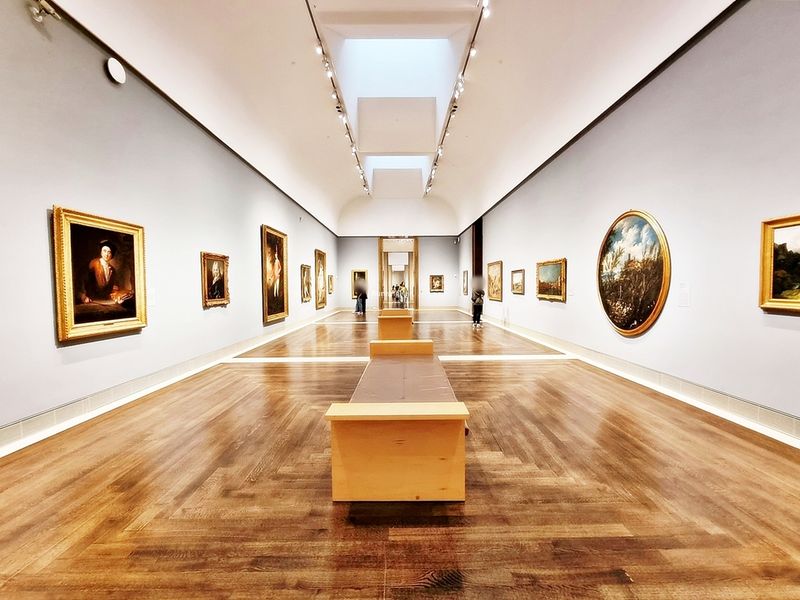
Over seventy thousand works spanning six thousand years make this one of the largest art museums in the United States, yet the collection never feels overwhelming thanks to thoughtful curation and spacious galleries. Ancient Egyptian artifacts share the building with cutting-edge contemporary installations, demonstrating how human creativity has expressed itself across cultures and centuries. The diversity of the collection means every visitor finds something that speaks to them personally.
European masters like Rembrandt, Monet, and van Gogh attract crowds who stand mesmerized before paintings they’ve only seen in textbooks. The museum’s Impressionist collection ranks among the finest in America, with works that capture light and movement in ways that still feel revolutionary. Seeing brushstrokes up close reveals techniques and decisions that reproductions can never convey.
The American art collection tells the story of the nation’s artistic development, from colonial portraits to Hudson River School landscapes to modern abstract works. Texas artists receive appropriate recognition, showcasing the state’s contributions to American art history. Sculpture gardens provide outdoor spaces where art and nature coexist beautifully, offering peaceful retreats between gallery visits.
The Glassell School of Art, connected to the museum, offers classes for all ages and skill levels. Students learn from practicing artists in studios filled with natural light and professional-grade equipment. The school’s presence creates a living connection between viewing art and making it, inspiring visitors to try their own creative projects.
Photography and decorative arts collections demonstrate that artistic expression extends beyond painting and sculpture. Fashion exhibitions showcase clothing as wearable art, exploring how designers push boundaries and reflect cultural moments. The museum regularly rotates works from storage, meaning the galleries look different with each visit.
Free admission on Thursdays removes financial barriers that might prevent some people from experiencing world-class art. Family programs include art-making activities and scavenger hunts designed to engage children without boring adults. The museum restaurant serves meals worthy of the artistic surroundings, with seasonal menus featuring local ingredients.
Special exhibitions bring in works from international museums, offering Houston residents access to art they might otherwise need to travel abroad to see. The museum’s commitment to education, accessibility, and excellence makes it a cultural treasure for the entire region.
15. Meow Wolf Grapevine (Grapevine)

Reality bends and breaks inside this mind-bending immersive art experience that defies simple description or categorization. Walking through the entrance starts a journey through interconnected rooms, each more bizarre and beautiful than the last, filled with interactive elements that respond to touch and movement. This isn’t a traditional museum where you quietly observe from a distance; instead, you become part of the art, exploring hidden passages and discovering secrets around every corner.
The narrative follows a mysterious story about portals between dimensions, but honestly, most visitors get so caught up in the visual spectacle that plot details fade into background noise. Neon colors glow against dark walls while strange sounds create an otherworldly atmosphere that feels like stepping into a fever dream. Artists from various disciplines collaborated to create environments that challenge perception and encourage exploration without predetermined paths or rules.
Climbing through a washing machine might lead to a forest of oversized flowers, while opening a refrigerator could reveal a portal to an alien landscape. The unexpected connections between spaces create a sense of wonder and discovery that appeals to visitors of all ages. Adults appreciate the artistic vision and technical execution, while kids simply enjoy the weirdness and freedom to touch everything.
Photography enthusiasts go crazy capturing the vibrant, surreal environments that look incredible on camera. Every angle offers a new composition, and the dramatic lighting creates naturally stunning photos without filters. Social media feeds fill with images that make friends ask “Where is that place?” and plan their own visits.
The experience takes roughly two hours if you explore thoroughly, checking every nook and examining all the details artists packed into each space. Some visitors rush through in less time, while others linger for three hours or more, finding new elements on repeated visits. The replayability factor is high because it’s nearly impossible to notice everything during a single visit.
Local artists contributed to the installation, adding Texas-specific elements and cultural references throughout the experience. The gift shop sells artist-created merchandise that extends the weird, wonderful aesthetic beyond the main attraction. Meow Wolf represents a new kind of entertainment that blurs lines between art gallery, theme park, and interactive theater, creating something entirely unique that traditional categories can’t contain.
Share this story