The trick to retiring in New Jersey on $1,800 a month is not pretending you are going to sip lattes in Hoboken and casually browse beachfront condos.
It is knowing where the everyday stuff still feels manageable: a grocery run that does not sting, a diner breakfast that feels like a treat, a bus or train nearby when driving gets old, and a park bench with a view that does not cost a dime.
New Jersey can be expensive, no argument there, but it also has older river towns, South Jersey communities, Pine Barrens pockets, and small cities where retirees can build a normal routine without feeling boxed in. The places on this list are not luxury retirement escapes.
That is exactly the point. They are practical, familiar, lived-in New Jersey communities where a modest budget can still cover a quiet, social, and comfortable life.
1. Camden
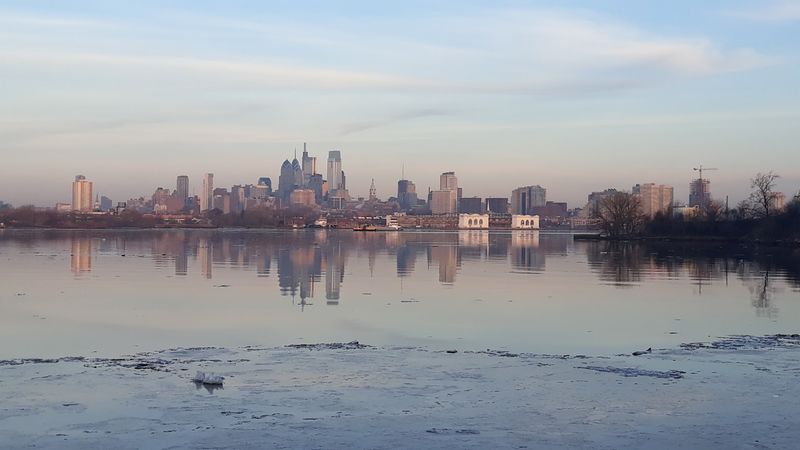
The best argument for retiring in Camden is the view from the waterfront: Philadelphia right across the Delaware, ferries and traffic moving in the distance, and the sense that you are close to everything without paying Center City prices.
For retirees on a tight monthly income, Camden works best when housing is already secured through a senior apartment, subsidized unit, shared household, or a very modest rental.
From there, daily life can be surprisingly convenient. PATCO access nearby makes car-free trips into Philly realistic, and the Walter Rand Transportation Center connects several bus routes for errands around South Jersey.
The waterfront gives residents something many expensive towns charge dearly for: open space, skyline views, and easy walking. Cooper River Park, just outside the city line, is another strong perk for anyone who wants fresh air without a membership fee.
Camden is not a glossy postcard town, and retirees should be thoughtful about neighborhood choice, safety, and transportation. But it has hospitals, colleges, libraries, food spots, and public transit packed into a small footprint.
For someone who wants urban convenience, low-cost routines, and the ability to reach Philadelphia without owning two cars, Camden deserves a serious look.
2. Vineland
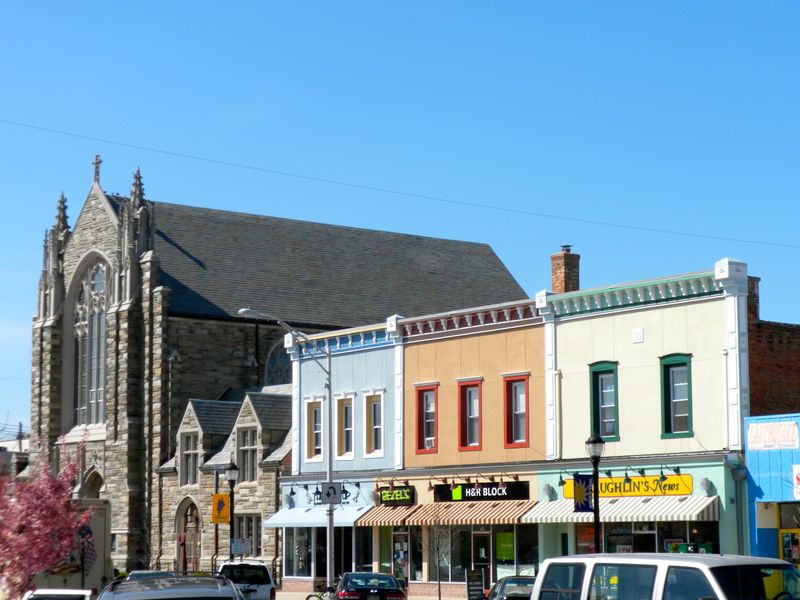
A basket of Jersey tomatoes, a loaf of Italian bread, and a drive past open farmland are still part of normal life in Vineland, which is why it makes sense for retirees who want room to breathe. This is one of South Jersey’s more practical choices: spread out, affordable compared with much of the state, and full of everyday services that do not require a trip to a big city.
Landis Avenue is the traditional spine of town, while Delsea Drive has the familiar chain stores, supermarkets, pharmacies, and medical offices that make weekly errands easier. Vineland’s agricultural roots still show up in produce stands, nurseries, and local restaurants where portions tend to be generous and the mood is unpretentious.
It is not a place for someone who needs nightlife outside the front door, but it works well for retirees who like a slower rhythm, a car-friendly layout, and access to shore points without living at shore prices. The city also has a strong mix of longtime residents and newer families, so it does not feel like a retirement bubble.
On $1,800 a month, the key is modest housing and disciplined transportation costs, but Vineland gives you enough grocery options, parks, and local flavor to make that budget feel less punishing.
3. Trenton
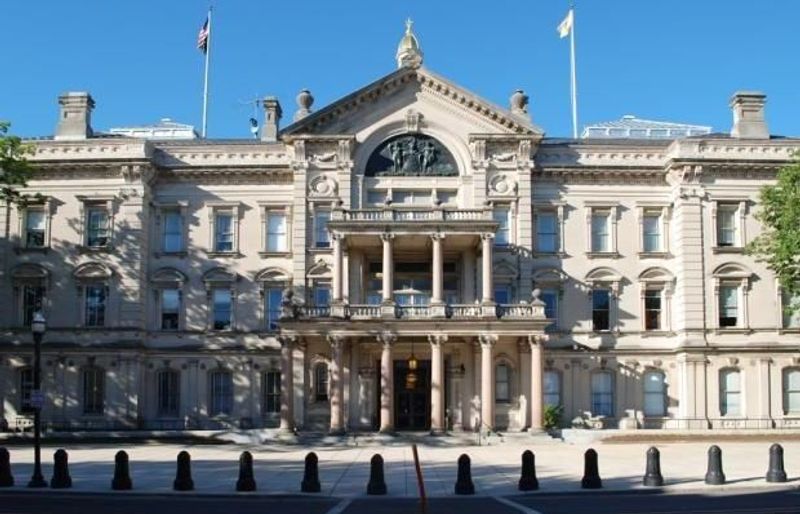
There is something refreshingly useful about retiring in a capital city that still has bargain pockets. Trenton gives retirees public buildings, buses, trains, river views, museums, and old neighborhoods with character, all without the polished price tag of Princeton or the suburban towns nearby.
The transit advantage is the big one. Trenton Transit Center connects NJ Transit, SEPTA, Amtrak, and local buses, which can be a lifesaver for retirees who want to reduce driving or visit family in Philadelphia, New York, or elsewhere in New Jersey.
Daily life can be kept simple here: a library visit, a walk near the Delaware River, a museum afternoon, or a stop for tomato pie, which Trenton treats less like food and more like civic identity. Housing varies sharply by neighborhood, so this is not a “pick any block and relax” kind of city.
The best fit is for retirees who are comfortable with an urban environment and willing to be selective. What Trenton offers is access.
State offices, medical care, transit, parks, and old-school food are all close together. For someone living on $1,800 a month, that convenience can matter just as much as rent.
4. Atlantic City
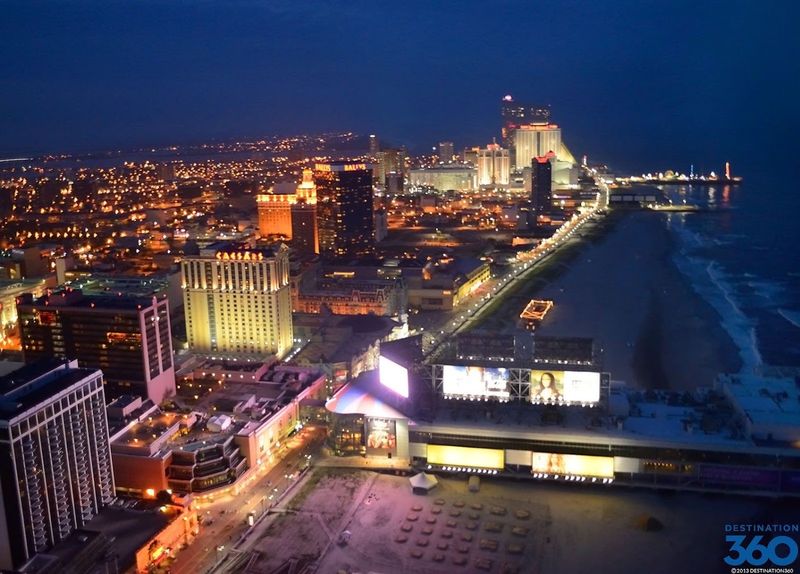
Wake up early enough in Atlantic City and the boardwalk belongs to walkers, joggers, gulls, and retirees who know the ocean is best before the crowds show up. That free beach access is one of the city’s strongest perks.
In many Jersey Shore towns, simply getting onto the sand can become part of the budget; in Atlantic City, the beach and boardwalk are everyday amenities. Retirees who can find a modest apartment away from the tourist core may get something rare: shore living without the usual shore-town cost.
The city has buses, jitneys, supermarkets, pharmacies, clinics, diners, casino buffets and cafes, plus entertainment that can be enjoyed without gambling away the rent. The smartest approach is to treat the casinos as weatherproof walking spaces and occasional cheap entertainment, not a lifestyle plan.
Atlantic City has rough edges, and neighborhood choice matters a lot, especially for anyone living alone. But it also has a strong local community beyond the visitor strip, with churches, senior services, corner stores, and familiar faces.
For retirees who love salt air, people-watching, and the option to live car-light, Atlantic City can stretch a small income in ways prettier shore towns cannot.
5. Millville
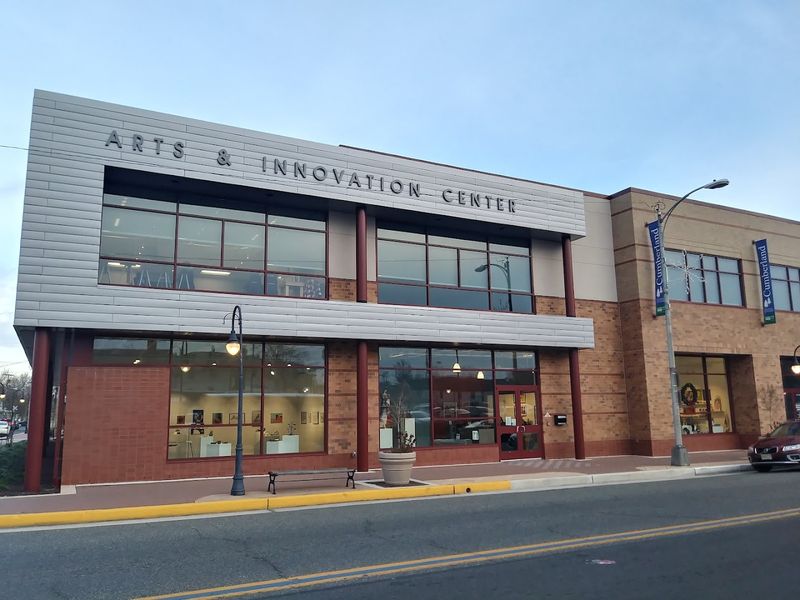
The surprise in Millville is how much personality you get for the price. This Cumberland County city has an artsy streak, a working-class backbone, and enough nature nearby to keep retirement from feeling boxed in.
The Glasstown Arts District gives the center of town color, with galleries, studios, small restaurants, and local events that make a low-cost afternoon feel like an actual outing. WheatonArts is one of the area’s signature stops, especially for anyone interested in glassmaking, crafts, and South Jersey history.
Retirees who like cars, engines, or simply a little noise in the distance may also know Millville for the motorsports park, which gives the city a different flavor from quieter rural towns.
For day-to-day life, Millville is practical: lower housing costs than many parts of New Jersey, access to supermarkets and basic services, and nearby Vineland for bigger errands or medical appointments.
The pace is slower, but not sleepy in the way some tiny towns can be. You can get a diner breakfast, walk by the river, browse art, and still be close to farms and wooded roads.
On $1,800 a month, Millville works best for retirees who want affordability with a little creative energy mixed in.
6. Bridgeton
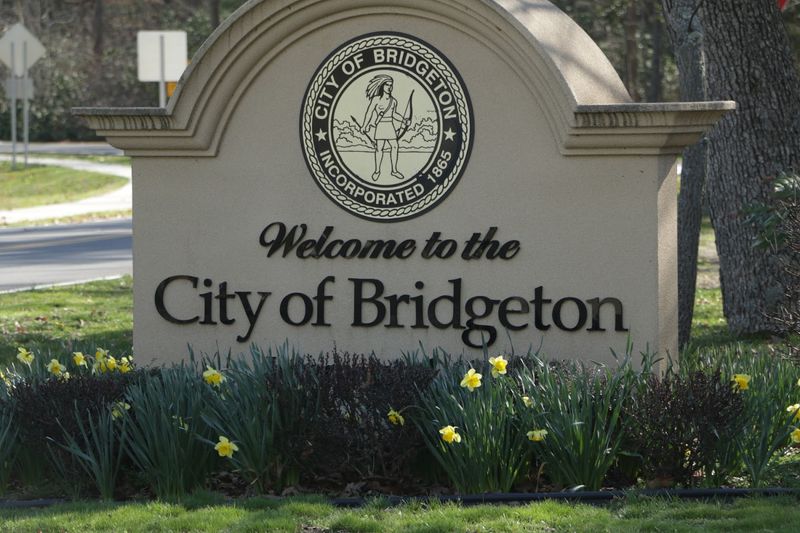
The old houses in Bridgeton tell you this place has been around for a while, and that history is part of its charm. This is not a shiny retirement destination, but it is one of South Jersey’s more affordable small cities, with a slower pace and a surprisingly strong mix of outdoor spaces.
Bridgeton City Park is the everyday prize: wooded areas, walking paths, water views, and the Cohanzick Zoo, which is a rare treat for retirees who want somewhere to take grandkids without turning the day into a major expense.
The downtown area has seen better days in some spots, but it still has local shops, casual food, and the kind of compact layout that reminds you older towns were built before every errand required a highway.
The surrounding farmland also helps with the cost-of-living equation. Produce stands, seasonal markets, and South Jersey’s agricultural culture make it easier to eat well without always paying premium prices.
Bridgeton is best for retirees who value quiet, history, parks, and a close-knit community over polish. Like many lower-cost towns, it rewards people who do their homework on housing and neighborhood fit.
But for a modest income, it offers something important: space, greenery, and a daily routine that does not feel rushed.
7. Salem
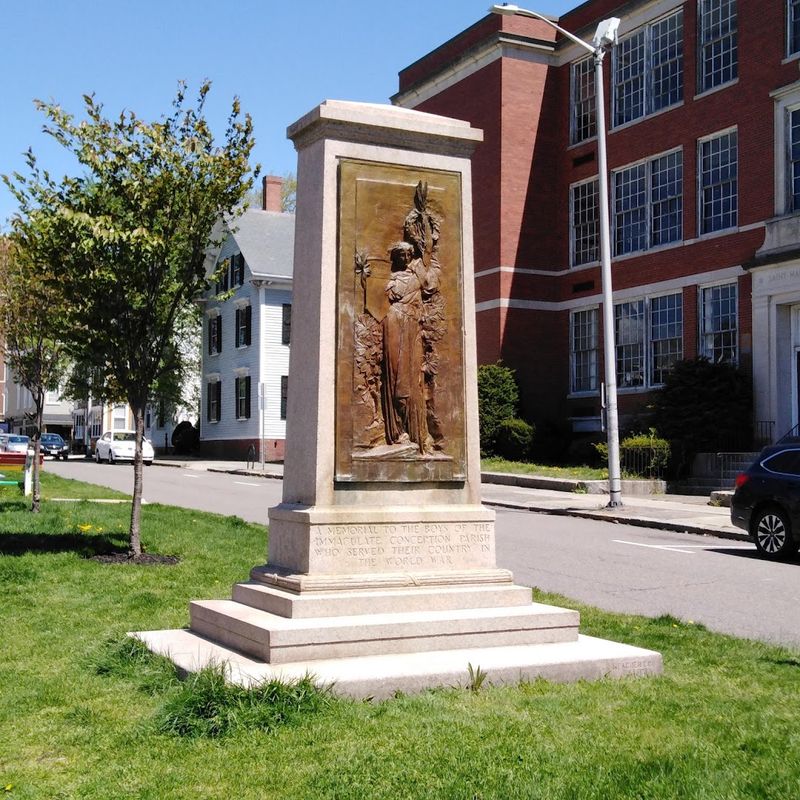
A retirement budget goes further when the town itself does not constantly pressure you to spend, and Salem is that kind of place. Sitting in one of New Jersey’s most rural counties, Salem has an old river-town feel, with historic buildings, quiet streets, and a pace that can feel almost surprising if you are coming from North Jersey traffic.
This is a good fit for retirees who do not need a packed social calendar but do appreciate low housing costs, local errands, and a strong sense of place. The downtown is modest, but it has the bones of a classic county seat: government buildings, older storefronts, churches, and a walkable core.
Nearby nature is part of the appeal. You are close to the Delaware River, wildlife areas, farm roads, and small communities where a simple drive can feel like a change of scenery.
Salem is not ideal for retirees who need frequent specialist appointments without traveling, and a car is usually important here. But for someone who enjoys quiet mornings, historic neighborhoods, and a budget that benefits from being outside New Jersey’s more expensive corridors, Salem has real value.
It is humble, practical, and refreshingly free of the “premium lifestyle” pricing that follows so many retirement towns.
8. Pennsville
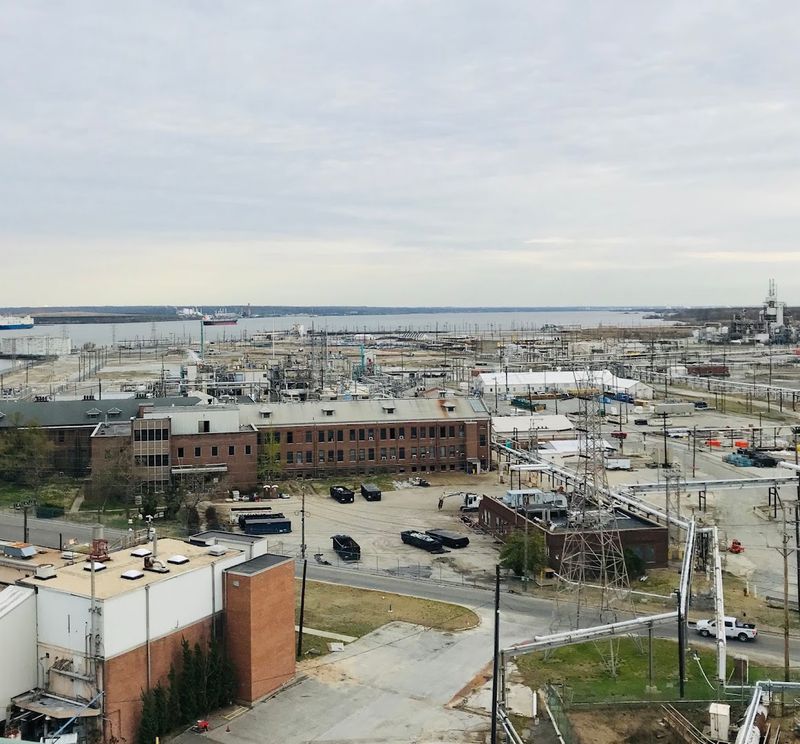
River breezes do a lot of heavy lifting in Pennsville. This Salem County township sits along the Delaware River, and its best retirement perk is the ability to enjoy waterfront views without moving into a high-priced shore town.
Riverview Beach Park is the local gem, with open lawns, walking space, benches, and a view that makes an ordinary afternoon feel like a small event. For retirees on $1,800 a month, Pennsville’s appeal is practical as much as scenic.
Housing is generally more manageable than in many coastal or suburban parts of the state, and daily errands are straightforward along the main roads. You are close to the Delaware Memorial Bridge, which can be useful for tax-free shopping trips, airport access, or visiting family in Delaware, though bridge traffic is its own little personality test.
Pennsville also has a quieter, more residential feel than nearby cities, which may appeal to retirees who want a slower routine without feeling isolated. Supawna Meadows and other nearby natural areas add birdwatching, walking, and peaceful drives to the mix.
It is not a walk-everywhere retirement spot, so keeping car costs under control matters. But if the goal is a calm, affordable base with water nearby, Pennsville is easy to understand.
9. Phillipsburg
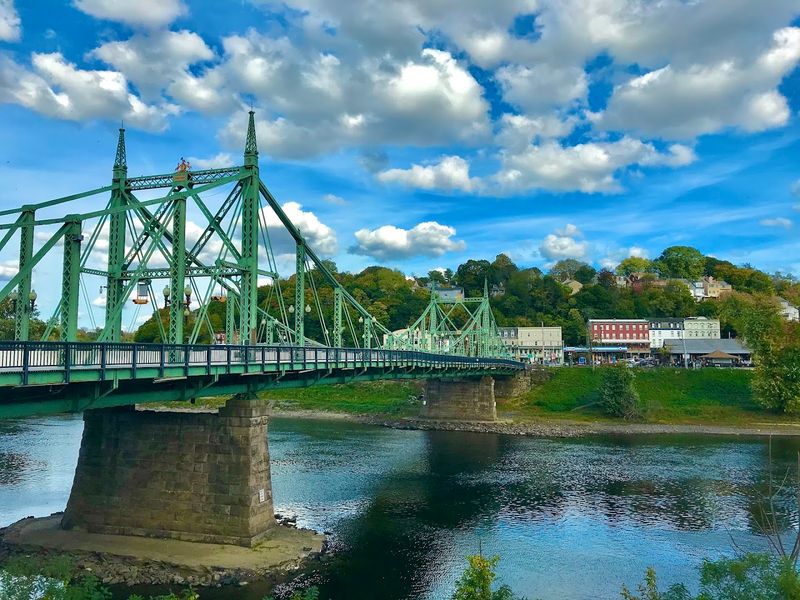
A normal day in Phillipsburg can include coffee downtown, a walk by the Delaware River, and a quick hop across the bridge into Easton, Pennsylvania, for lunch or a farmers market. That two-state convenience is a major reason retirees should look at it.
Phillipsburg has the bones of an old industrial river town, with brick buildings, hills, rail history, and prices that are often gentler than those in flashier parts of New Jersey. The town works especially well for retirees who want small-city living without being cut off from activity.
Easton’s restaurants, shops, festivals, and medical services are just across the river, giving residents more options without requiring a long drive. Phillipsburg itself has local diners, basic shopping, river views, and access to Warren County’s quieter countryside.
The historic train excursions add a fun local touch, especially when family visits. This is not a polished luxury retirement town, and some areas feel more worn-in than others.
But worn-in can also mean affordable, familiar, and neighborly. For retirees living on $1,800 a month, Phillipsburg’s advantage is that you can build a low-cost routine and still have somewhere interesting to go when you want a change of pace.
10. Gloucester City

The Philadelphia skyline is close enough to feel practical in Gloucester City, but the rent and daily pace can be far more forgiving than living across the river. This small Camden County city has deep working-class roots, a strong neighborhood feel, and an old-school South Jersey personality that shows up in its corner bars, rowhomes, diners, and riverfront parks.
For retirees, the appeal is access. You can reach Philadelphia without living in Philadelphia, and nearby towns like Collingswood, Haddon Heights, and Audubon add shopping, restaurants, and medical options within a short drive or bus ride.
Proprietors Park gives residents a place to sit by the water, watch boats move along the Delaware, and feel like they have claimed a little pocket of calm. Gloucester City is especially appealing for retirees who like compact neighborhoods and do not want the isolation of a far-flung rural town.
Housing can be more affordable than in many surrounding suburbs, though, as always, block-by-block research matters. This is a place with grit, not gloss.
But that grit comes with community, convenience, and a strong sense that people actually live here year-round. On a modest retirement income, that can be more useful than a postcard-perfect main street.
11. Egg Harbor City
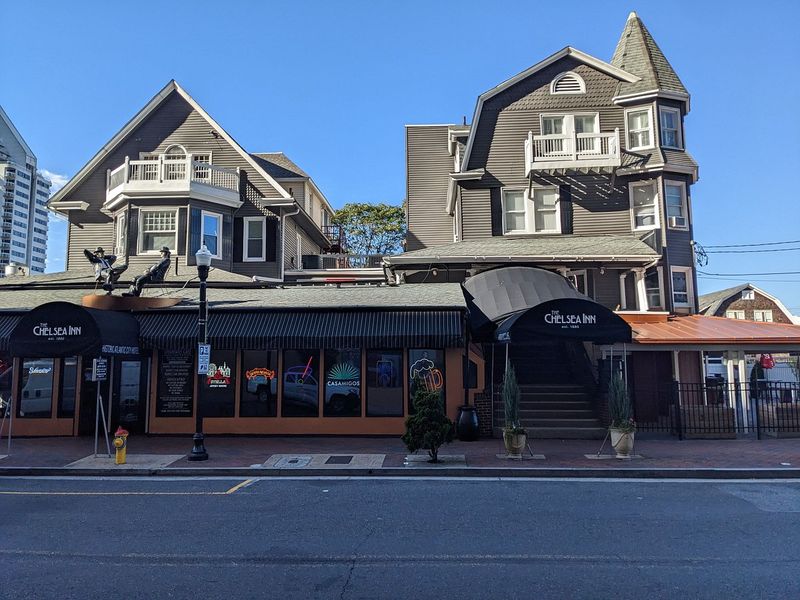
Pine trees, quiet streets, and a train station give Egg Harbor City a retirement formula that feels very South Jersey: low-key, practical, and closer to the shore than the price suggests. This Atlantic County town is small enough to feel manageable but not so remote that daily life becomes complicated.
The NJ Transit Atlantic City Line is a major plus for retirees who want access to Atlantic City or Philadelphia without depending entirely on driving. Around town, the mood is casual and residential, with local restaurants, small shops, and nearby wineries adding just enough personality for weekend plans.
Renault Winery is one of the area’s best-known stops, especially when visitors are in town and you want an easy outing that does not involve the boardwalk. Egg Harbor City also puts retirees near the Pine Barrens, which means wooded drives, nature walks, and the kind of quiet that can be hard to buy in busier counties.
It is not a place for someone who wants constant action or a big downtown scene. But for retirees living on $1,800 a month, that restraint is part of the appeal.
The town gives you breathing room, regional transit, access to shore-town fun, and a daily rhythm that does not demand much from your wallet.
12. Absecon
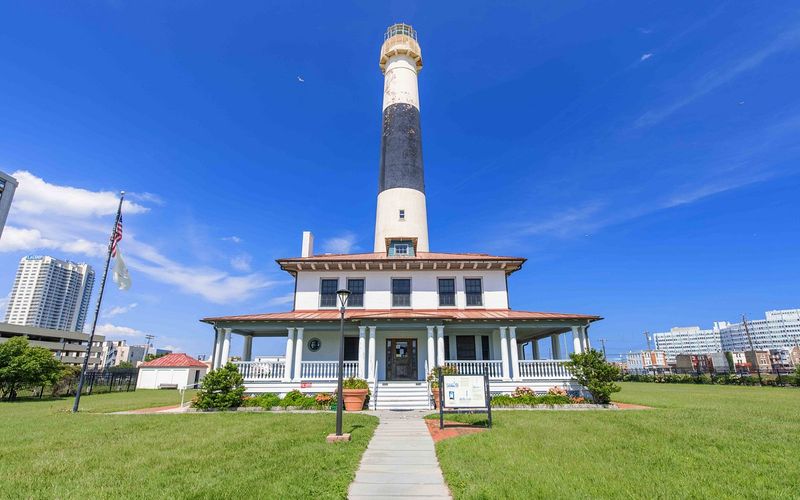
There is a sweet spot near Atlantic City where you can get the shore-area convenience without living directly in the casino crush, and Absecon lands right in it. Retirees here can reach Atlantic City’s beach, boardwalk, medical offices, entertainment, and restaurants quickly, then come home to a quieter community with a more everyday feel.
The train station is a useful feature, especially for those who want occasional trips toward Philadelphia or Atlantic City without always driving. White Horse Pike handles many of the practical needs: diners, pharmacies, casual restaurants, gas stations, and shops that make errands simple.
Absecon also has parks, residential neighborhoods, and a calmer pace than the nearby resort city. That balance is what makes it attractive for a fixed-income retiree.
You can enjoy the benefits of being close to the shore and casinos while avoiding some of the higher costs and noise that come with living in the thick of it. Housing can vary, so retirees should look carefully for modest apartments, smaller homes, or senior-friendly options.
But Absecon’s strongest selling point is convenience. It is close to the fun, close to transportation, close to services, and still quiet enough to feel like a place where you can actually keep a routine.
13. Manchester Township
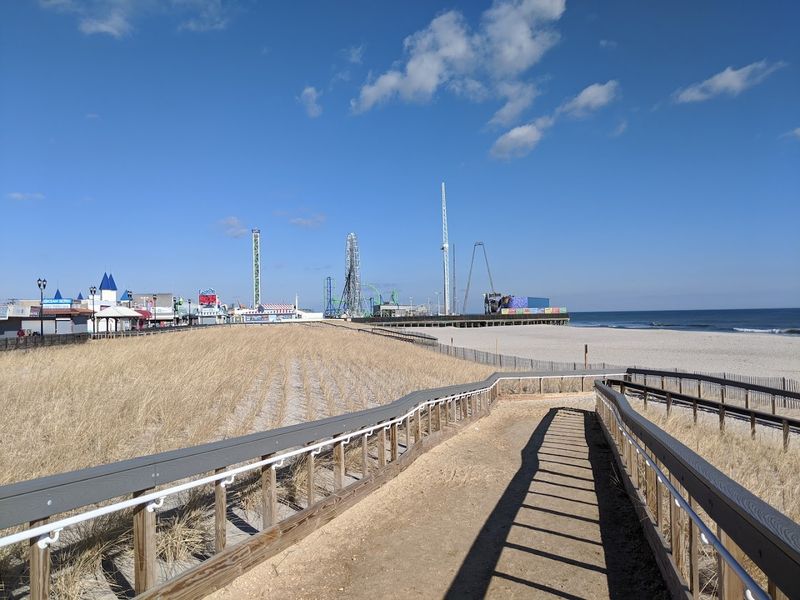
Retirement is already part of the local vocabulary in Manchester Township, and that matters. This Ocean County community is known for its senior developments, modest homes, quiet streets, and proximity to the Pine Barrens.
For retirees trying to live on $1,800 a month, Manchester can make sense when housing costs are controlled through an affordable adult community, a paid-off home, or a smaller unit. The township is spread out, so a car is helpful, but the tradeoff is space, calm, and access to everyday shopping without the intensity of busier shore towns.
The Whiting section is especially associated with retirement communities, and many residents appreciate having neighbors in a similar stage of life. Nearby Toms River, Lakehurst, and Manchester’s own commercial corridors add supermarkets, doctors, pharmacies, diners, and basic services.
Nature is another quiet advantage. You are close to wooded areas, lakes, and open roads, with the Jersey Shore reachable for day trips instead of daily expenses.
Manchester is not for retirees who want a walkable downtown or constant cultural events. It is better for people who like routine, privacy, senior-friendly neighborhoods, and a lower-key version of Ocean County living.
On a tight budget, that combination can feel not just affordable, but genuinely comfortable.
14. Hammonton
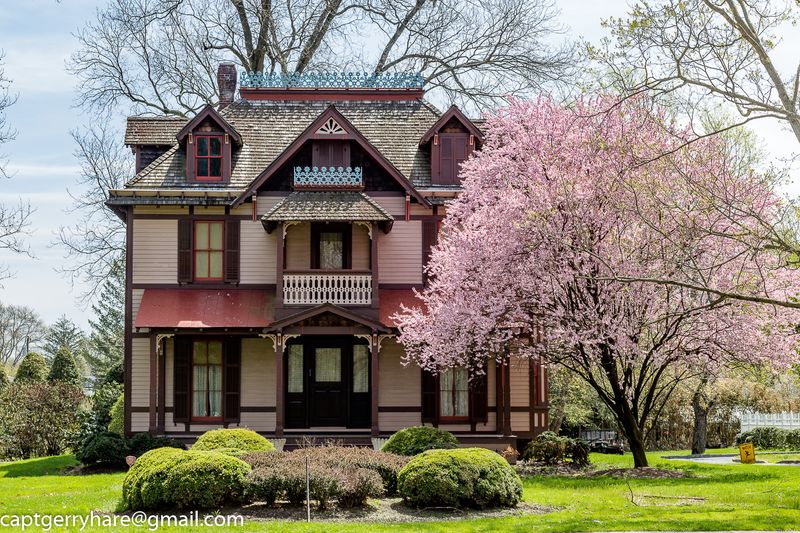
Order something with blueberries in Hammonton and nobody will accuse you of being predictable; they will accuse you of understanding the assignment. Known as the “Blueberry Capital of the World,” Hammonton has a cheerful South Jersey identity that makes it stand out from other affordable towns.
The downtown is one of its biggest strengths, with restaurants, cafes, shops, and old buildings that make errands feel a little less like errands. For retirees, Hammonton offers a nice middle ground: small-town charm without feeling cut off, farm-country calm without being too far from Atlantic City or Philadelphia.
The train station on the Atlantic City Line helps, especially for occasional trips when driving is not ideal. The surrounding area offers wineries, farms, produce markets, and easy access to Wharton State Forest and Batsto Village, making low-cost outings simple.
A good retirement routine here might include a morning walk downtown, a diner lunch, a farm-stand stop, and a quiet evening at home. Housing is not as cheap as the most distressed cities on this list, but it can still be more manageable than many North Jersey or shore-adjacent communities.
Hammonton is best for retirees who want affordability with a little sweetness, literally and otherwise.
15. East Orange
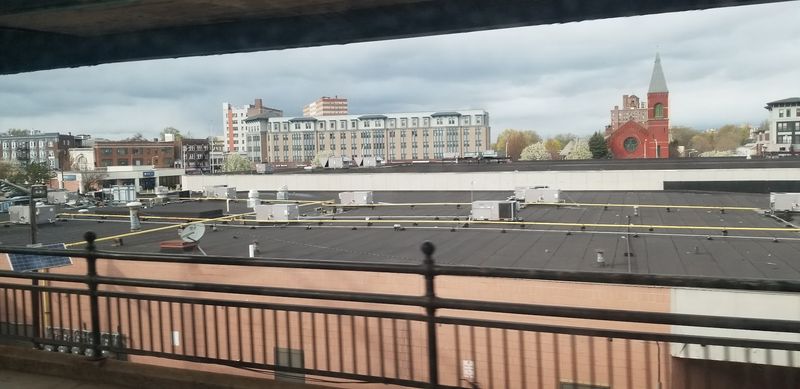
The smart play in East Orange is location. Retirees who want access to New York City, Newark, hospitals, buses, trains, parks, and shopping may find more practical value here than in many suburbs with prettier brochures and bigger price tags.
East Orange is dense, urban, and busy, which means it will not suit everyone. But for retirees who do not want to feel stranded, the transportation options are a major advantage.
Brick Church and East Orange stations connect to NJ Transit rail service, and local buses make it easier to run errands without relying entirely on a car. Nearby Branch Brook Park, just over the border, offers one of the region’s great free pleasures: long walks, open lawns, and cherry blossoms in season.
The city also has a strong network of churches, community organizations, small restaurants, barbershops, salons, pharmacies, and neighborhood businesses that make day-to-day life feel rooted. Housing is the big reason East Orange belongs here.
Compared with many Essex County neighbors, it can offer more attainable options, especially for retirees seeking apartments or senior housing. Neighborhood choice is important, and the urban pace can be a lot.
But for someone who wants affordability with serious regional access, East Orange is a practical contender.
Share this story