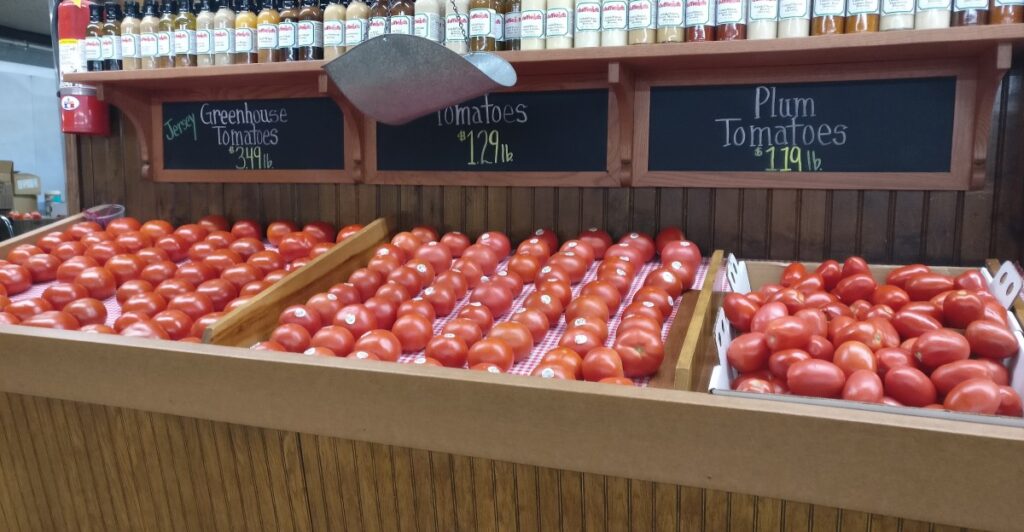
A supermarket tomato can survive a cross-country truck ride and two weeks under fluorescent lights. A Jersey tomato barely survives the drive home because somebody keeps reaching into the bag at red lights.
That is the difference these farm stands deliver. Their corn was often standing in a field that morning, their peaches smell ripe before you see them, and their handwritten signs change whenever the next crop is ready.
Some are simple roadside operations where the main attraction is a pile of Silver Queen corn. Others add bakeries, ice cream counters, pick-your-own fields, animals, and enough fall activities to occupy an entire Saturday.
What connects them is produce that actually tastes like the season it came from. Bring reusable bags, keep a cooler in the trunk, and forget the carefully planned shopping list.
At these 15 New Jersey farm stands, the ripest thing on the table gets to decide what is for dinner.
1. Stella Farms – Berlin
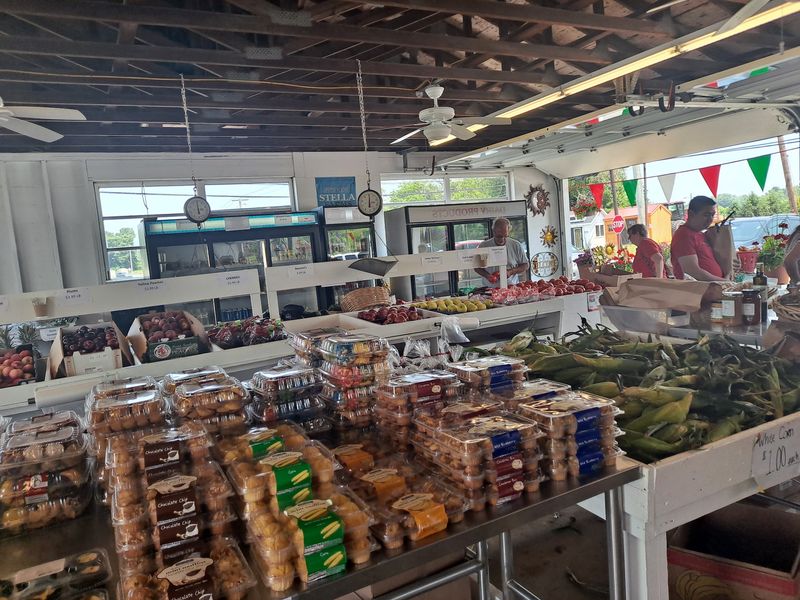
Corn devotees know the routine at Stella Farms: arrive during peak summer, grab more ears than seem reasonable, and start planning dinner before leaving the parking lot. The family has grown fruits and vegetables in Berlin for more than a century, and members of its third through fifth generations remain involved in the operation.
That history shows up in a stand that feels practical and produce-first rather than polished for an afternoon photo shoot. Sweet corn and Jersey tomatoes are the headline acts.
When both are in season, little else is required for a proper summer meal besides salt, butter, and perhaps a loaf of good bread. The selection changes with the harvest and may include cucumbers, peppers, onions, squash, strawberries, and other locally grown produce.
Because the farm pays close attention to soil health and fertility, what fills the tables reflects both the calendar and the conditions in the fields. The stand sits at 459 New Freedom Road and generally opens daily during its operating season.
It closes for winter and returns in spring, so check the farm’s latest update before making a special trip early or late in the year. This is an easy stop rather than an elaborate outing: park, inspect the baskets, and let dinner assemble itself.
Go early when corn and tomatoes are at their midsummer peak, since the shoppers who have been coming here for decades already know what disappears first.
2. Rosie’s Farm Market – Mullica Hill
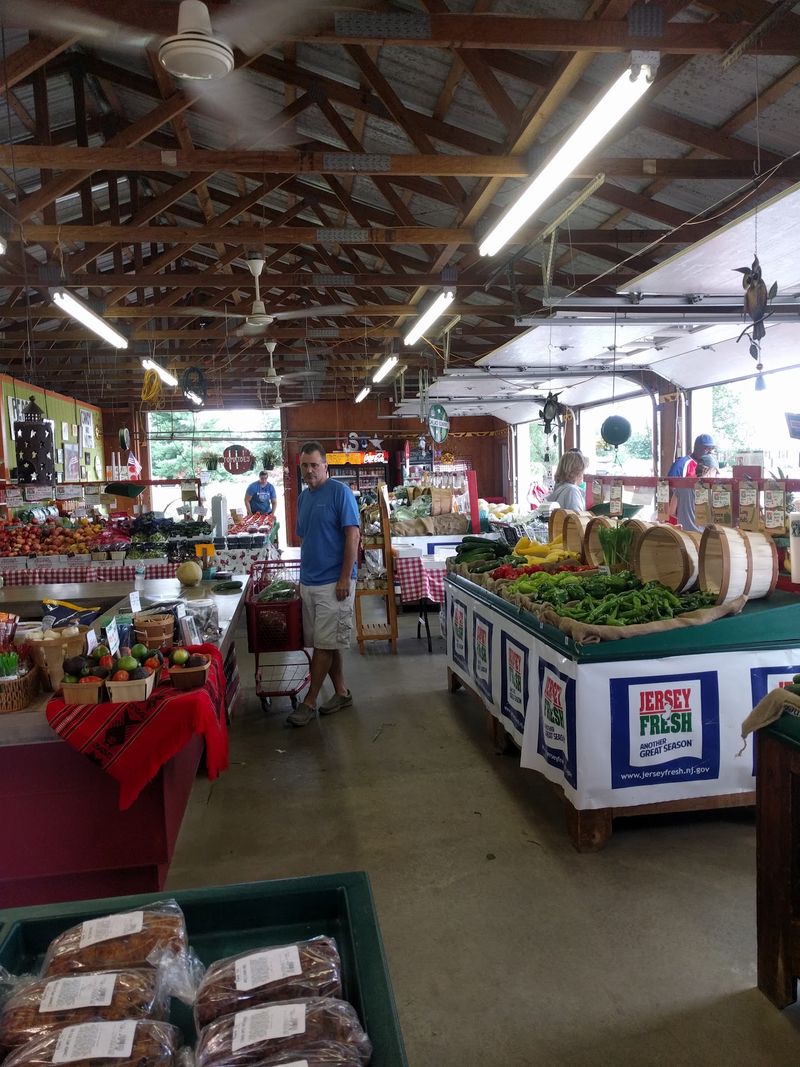
The danger at Rosie’s is thinking you are stopping only for tomatoes. Ten minutes later, there is a pie in your basket, peach salsa under your arm, and a chicken pot pie somehow coming home for dinner.
This family-owned Mullica Hill market has served shoppers for decades, offering a broader pantry-building experience than the typical roadside produce table. Local corn, tomatoes, peaches, nectarines, melons, and other seasonal fruits and vegetables cover the summer essentials.
Then the shelves complicate matters—in a good way—with jams, dressings, dairy products, local meats, baked goods, and prepared foods. Apple cider doughnuts are an easy addition when available, while fruit pies make a convincing argument for skipping the baking at home.
If yellow watermelon appears, do not overthink it; grab one while the season cooperates. Rosie’s stands along Route 322 at 317 Swedesboro Road, a handy position for Gloucester County locals and travelers heading toward the Shore.
There is a dedicated parking lot, and the market’s generous daily schedule makes an impromptu stop easy. Still, earlier visits offer the best chance of finding the day’s most desirable produce before weekend shoppers descend.
The place balances usefulness with temptation. You can finish an ordinary grocery run here, but the pleasure comes from allowing one or two unplanned items into the bag.
Rosie’s understands that fresh corn may bring you through the door, but a warm-weather shopping trip is considerably better when pie gets involved.
3. Eckert’s Corn Stand – Southampton Township
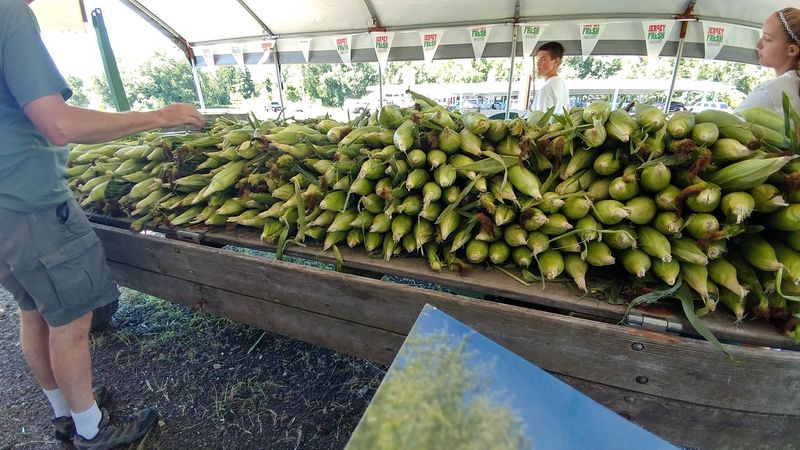
There is admirable honesty in naming a business after the thing it does best. At Eckert’s, Jersey sweet corn is not one choice among dozens competing for attention; it is the reason people pull off Route 70.
The ears are picked daily during the season, minimizing the time between stalk and stockpot. That freshness matters because the sugars in corn begin converting to starch after harvest.
In plain English: sooner tastes sweeter. The stand runs from roughly July through October, following the local growing season instead of pretending summer lasts forever.
Alongside the corn, shoppers may find tomatoes, peppers, eggplant, zucchini, yellow squash, cucumbers, and green beans. Local fruit can include blueberries, peaches, apples, watermelon, and cantaloupe.
The exact lineup shifts, so the smartest approach is to arrive without an overly rigid menu. Shelf-stable extras such as salsa, honey, fruit preserves, barbecue sauce, mustard, salad dressing, and fruit butter make useful additions, especially when grilling is on the agenda.
A jar of relish or sauce also travels better than a dozen ears of corn if you are stopping on the way to the Shore. Look for the stand across from Evergreen Dairy Bar at 1642 Route 70 in Southampton.
It is a direct, unfussy roadside operation, not an all-day attraction. Pull in, buy the corn, and consider getting several extra ears.
One of summer’s least surprising developments is discovering that the “leftovers” disappeared before dinner ended.
4. Duffield’s Farm Market – Sewell
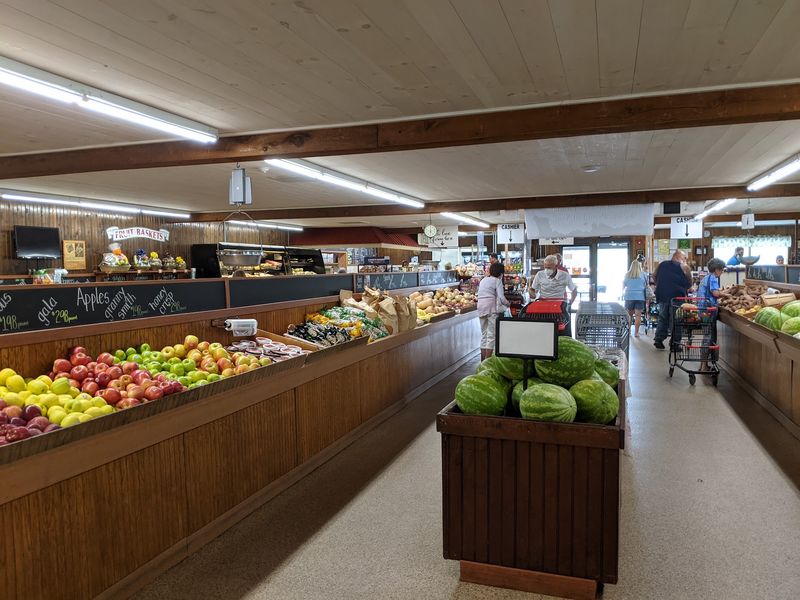
The scent of bakery sugar may challenge your commitment to buying vegetables at Duffield’s, but stay focused long enough to reach the homegrown produce.
This fourth-generation Sewell farm offers the satisfying combination of a serious market and a family outing, with a deli, bakery, seasonal picking, and farm activities gathered around its agricultural core.
Field-grown sweet corn and tomatoes deserve first attention in summer. Depending on the harvest, the displays may also hold peppers, cucumbers, squash, eggplant, fruit, and greens.
Duffield’s even turns some of its tomatoes into jarred sauce, giving shoppers a way to keep a little farm flavor in the pantry after tomato season ends. At the deli, sandwiches and rotating prepared foods can solve lunch, while the bakery handles pies, doughnuts, cookies, and other threats to restraint.
Families can stretch the visit with the Learning Barn, seasonal hayrides, story times, apple picking, and fall events. These extras make Duffield’s a useful compromise when one person wants good produce and somebody younger needs more entertainment than examining zucchini.
Activity schedules and admission requirements vary, so check ahead if the outing depends on a particular event. The market is located near Greentree and Chapel Heights roads and is typically open Monday through Saturday, with Sunday reserved as the weekly closing day.
Weekdays tend to be calmer than fall Saturdays. Come for corn, add something from the deli, and accept that leaving without a bakery box may require more discipline than anyone reasonably brings to a farm market.
5. Maugeri’s Farm Market – Woolwich Township

A cone of soft-serve melting in one hand and a bag of warm-weather produce swinging from the other is the correct way to leave Maugeri’s. The Woolwich Township market is run by third-generation farmers whose family has grown Jersey produce since 1928.
It feels rooted in that agricultural history without asking visitors to treat grocery shopping like a museum visit. Summer brings the strongest reasons to stop: sweet corn, tomatoes, peaches, and melons, much of it grown on or near the farm.
The market also carries items that can turn a produce haul into a full meal, including cheeses, dairy products, natural meats, pickles, bruschetta, salsa, pies, and New Jersey wines. The selection is broad, but it never obscures the seasonal rhythm.
What looks best in July will not be what commands attention in September. The ice cream stand makes this especially appealing for families.
Soft-serve, milkshakes, and pup cups provide immediate rewards, while shaded seating and a small children’s play area encourage visitors to stay awhile. Dogs are welcome, making the pup cup less theoretical than it is at some markets.
Maugeri’s operates seasonally from approximately mid-May through October at 1991 Oldmans Creek Road. It stays open into the evening on many operating days, which is useful when the dinner tomatoes are disappointing, and an emergency farm run becomes necessary.
Mondays have traditionally been the day off. Go near supper, eat dessert first, and bring home enough corn to make the trip look entirely responsible.
6. Dreyer Farms – Cranford
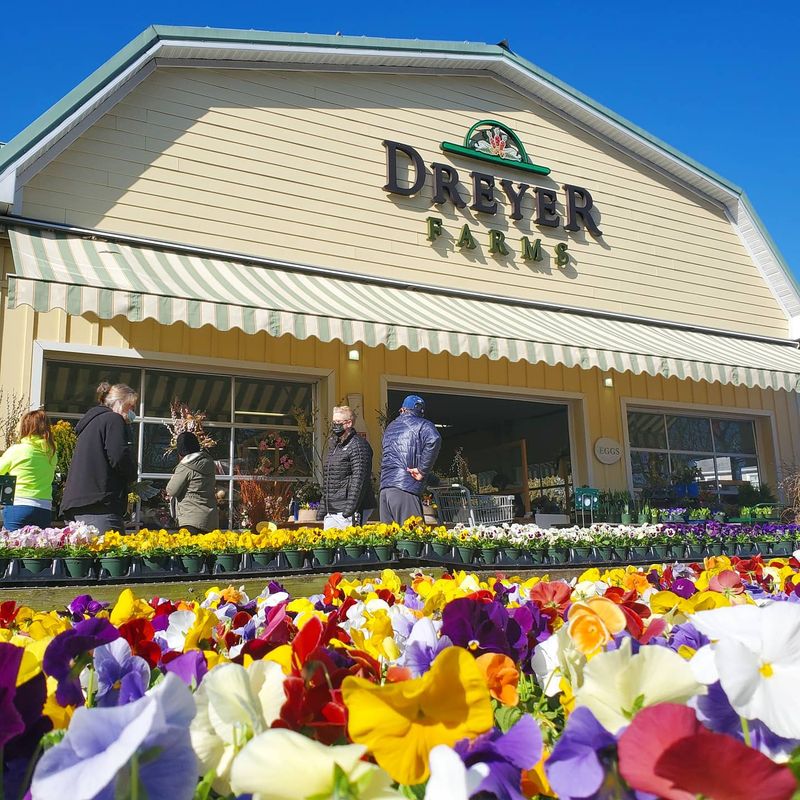
Heirloom tomatoes do not believe in uniformity. They bulge, crease, lean sideways, and arrive in colors that supermarket produce departments rarely attempt.
Dreyer Farms gives these beautiful oddballs the respect they deserve, growing an extensive tomato selection at its longtime Cranford operation. Slice several varieties side by side with a little salt, and lunch is handled.
The Dreyer family has farmed here since 1904, an impressive survival story in a densely developed part of Union County. Today, the market pairs its own seasonal harvest with produce from nearby growers.
Corn, peppers, cucumbers, squash, zucchini, lettuce, strawberries, and other crops rotate through as conditions allow. The greenhouse and garden center add vegetable plants, herbs, annuals, and perennials, so ambitious shoppers can buy a ripe tomato and the plant required to grow next year’s supply.
A bakery rounds out the stop with breads, pies, cookies, and seasonal treats. The combination makes Dreyer Farms feel like a neighborhood market with dirt under its fingernails: compact enough for a quick errand, yet interesting enough to derail a shopping list.
The farm is at 831 Springfield Avenue, convenient for Cranford residents who want genuinely local produce without driving deep into the countryside. It generally opens daily during its season but closes from around Christmas until mid-March.
Parking can require a little awareness when the market is busy, so watch the posted signs. In midsummer, come early for the broadest tomato choice—and bring a shallow bag so those gloriously misshapen heirlooms reach home intact.
7. Ort Farms – Long Valley
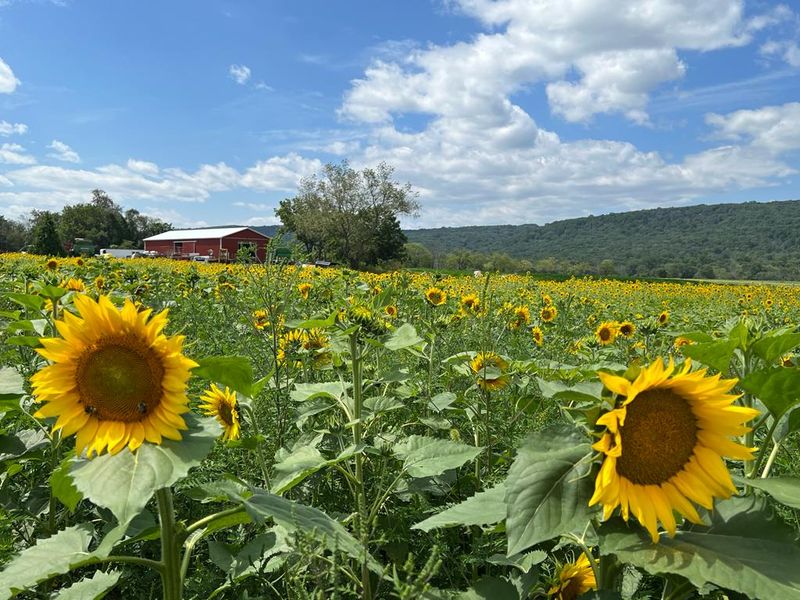
Six generations of farming have taught Ort Farms how to make a quick produce run expand into half a day. The Long Valley setting supplies rolling farmland and big skies; the market fills in the practical details with homegrown vegetables, baked goods, prepared meals, flowers, and homemade ice cream.
Jersey sweet corn and tomatoes are summer staples, but shoppers can also find peppers, eggplant, squash, cucumbers, beans, and other crops as they ripen. Some vegetables are available in the pick-your-own fields, giving visitors the satisfying experience of choosing dinner before pulling it from the plant.
The U-cut flower field adds a bouquet to the trip without requiring a second stop. Inside the newer farm market, the selection stretches beyond raw produce to grab-and-go meals and bakery items.
The ice cream counter serves hard and soft varieties, including seasonal flavors that provide an excellent reason to linger. Children can visit the farm animals and play area without an admission charge on ordinary days, though pick-your-own festivals and special weekends may require tickets.
The farm stands at 25 Bartley Road and generally operates daily, with field access ending earlier than the market. Picking conditions can change quickly after rain or a busy weekend, so confirm availability before driving specifically for one crop.
Fall brings larger crowds for apples, pumpkins, hayrides, and the corn maze. For a calmer, produce-centered visit, choose a summer weekday, grab a few tomatoes, and save enough time for ice cream to become inevitable.
8. Trenton Farmers Market – Lawrence Township
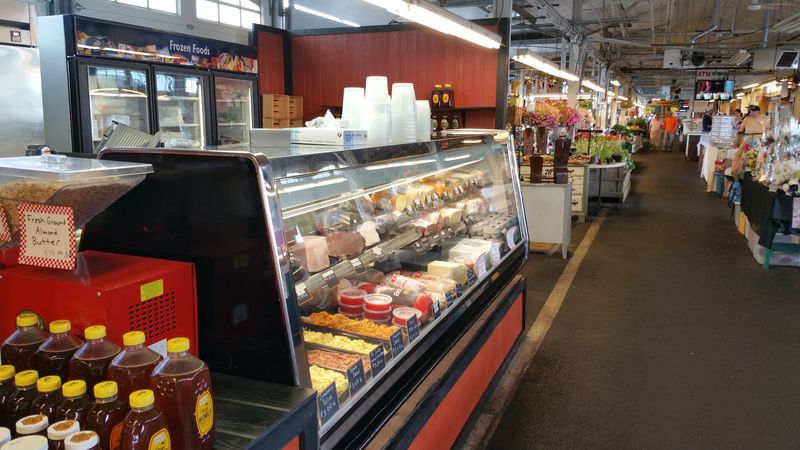
One roof, multiple farm stands, and no need to let a thunderstorm interfere with tomato shopping: the Trenton Farmers Market has a different advantage from every roadside stop on this list. Founded as a farmer-owned cooperative in 1939 and located on Spruce Street since 1948, it is New Jersey’s oldest continuously operating farmers market.
The produce selection comes from several vendors rather than a single farm, so shoppers can compare tomatoes, sweet corn, blueberries, peppers, squash, herbs, and other Jersey crops in one trip. That variety is particularly useful when preserving season arrives.
Anyone planning sauce, salsa, pickles, or freezer corn can ask about larger quantities without driving from stand to stand across the state. Then there is everything beyond produce.
The market’s dozens of businesses include bakeries, an Amish butcher, a Polish deli, cheese sellers, prepared-food counters, local wine, honey, eggs, sweets, and specialty shops. A disciplined visitor can assemble a week’s groceries.
An undisciplined visitor can eat barbecue, buy kielbasa, and leave carrying doughnuts. Both approaches are valid.
Find the market at 960 Spruce Street in Lawrence Township, with free parking available around the building. It typically operates from Thursday through Sunday, although individual vendors may keep their own schedules.
Saturday offers the fullest bustle; Thursday or Friday is easier for deliberate shopping and vendor conversations. Bring several bags and make one complete circuit before buying everything.
Otherwise, the first gorgeous tomato display may use up all the carrying capacity before you reach the second.
9. Red Top Farm Market – Vincentown
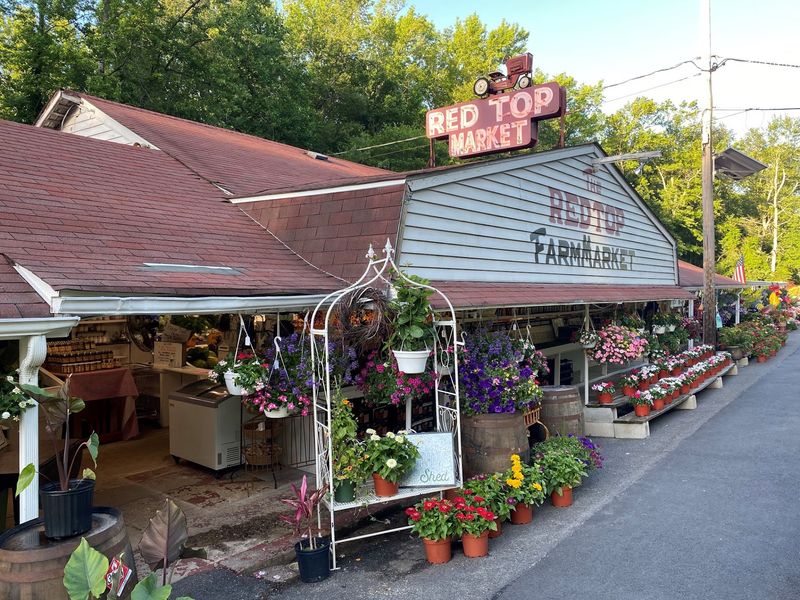
Before Red Top sold corn, flowers, wine, and cheese, its founders sold strawberries from a roadside wagon beneath a red umbrella. Italian immigrant James Conte and his wife, Kate, started the operation in the late 1920s, and the family later grew tomatoes for Campbell’s Soup Company.
Nearly a century on, that produce-first identity remains intact. The market hits full stride in summer, when Jersey sweet white corn and tomatoes arrive alongside blueberries, peaches, watermelon, peppers, squash, cucumbers, potatoes, and lima beans.
Do not overlook those lima beans; they are among Red Top’s top sellers and deserve better than the reputation earned by bland frozen versions. Spring emphasizes herbs, vegetable starts, annuals, and perennials, while fall shifts toward pumpkins, gourds, cornstalks, and mums.
Local honey, eggs, cheeses, meats, seafood, preserves, dressings, and New Jersey wine broaden the selection. The result is less like a minimalist roadside stand and more like a seasonal general store for people who plan meals around what was recently harvested.
Red Top occupies an easy-to-spot stretch of Route 70 at 1801 NJ-70 in Vincentown, making it a natural stop for travelers heading to or from the Shore. It usually operates from mid-April into October and keeps long daily hours during the season.
Parking is straightforward, but Route 70 traffic rewards a patient entrance and exit. If the car is already packed for the beach, leave space for corn.
Towels can bend; a dozen fresh ears should not have to.
10. Matt’s Farm Market & Garden Center – Belmar
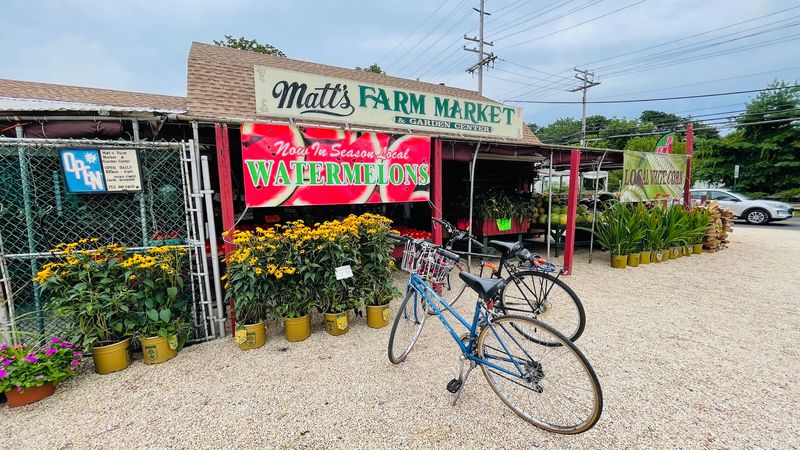
A few miles from beach blankets and boardwalk snacks, Matt’s offers a better kind of Shore provision: tomatoes juicy enough to require leaning over the sink. Its location on Route 71 makes the market convenient for Belmar-area residents, vacationers, and anyone who believes a beach-house sandwich deserves more than a pale supermarket slice.
Tomatoes lead the summer selection, including heirloom and familiar Jersey varieties suited to everything from salads to thick-cut tomato sandwiches. Fresh corn, herbs, peppers, cucumbers, fruit, and other seasonal produce fill out the tables.
Some items come from nearby farms rather than the property itself, allowing the market to keep a useful range while emphasizing local harvests. Look closely at the labels and ask what arrived most recently; the answer is usually the best shopping advice.
The garden-center side carries flowers, herbs, vegetable starts, and seasonal plants. That makes spring visits especially productive, when you can pick up basil for the patio and return later for the tomatoes that basil was destined to meet.
Holiday trees and decorations extend the operation beyond peak produce season. Matt’s is located at 1740 Route 71 and generally maintains daily hours, though schedules can change with the season.
The roadside lot is compact, and the entrance can feel busy when traffic is moving quickly, so slow down before the turn. This is primarily a shop-and-go market rather than a farm attraction.
Stop on the way back from the beach, choose the ripest tomatoes you can safely transport, and make dinner taste far more ambitious than the effort involved.
11. Lew’s Farm Market – Moorestown
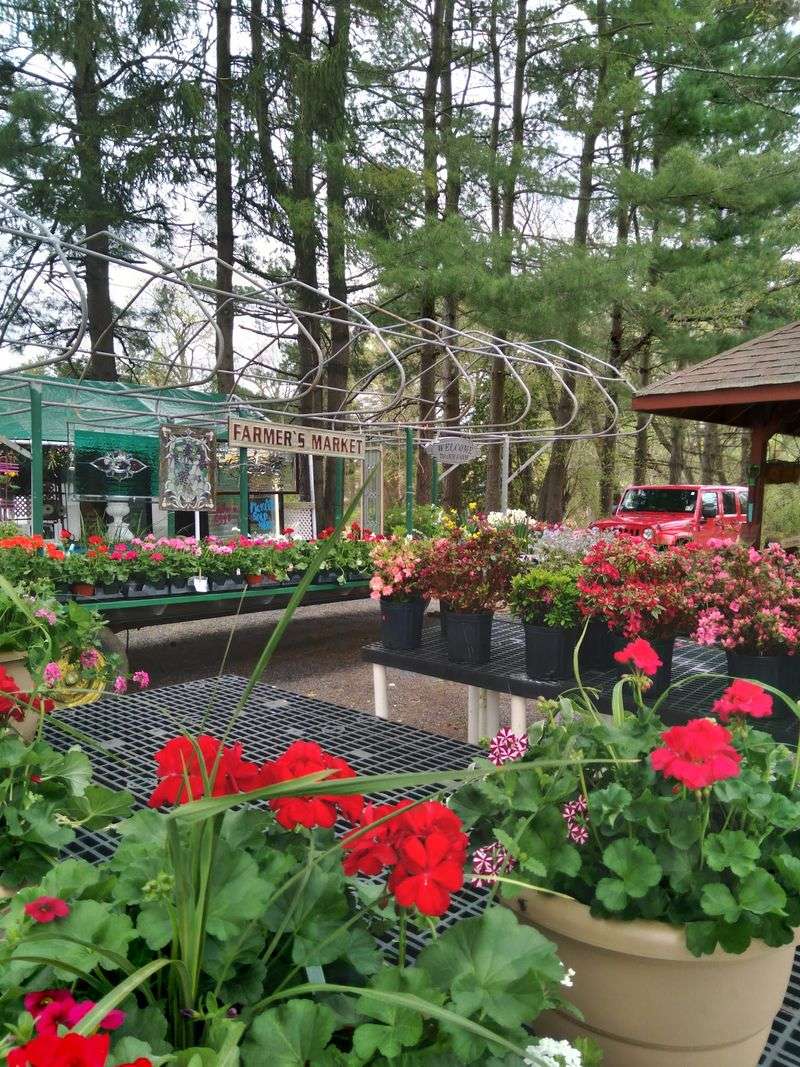
Yellow seedless watermelon is the sort of purchase that can turn an ordinary Saturday into an event. When it appears at Lew’s near the end of July, regulars know to act before the short season passes.
The Moorestown market has an old-fashioned roadside character, with produce, plants, pantry goods, and the occasional farm animal creating more personality than its modest footprint suggests.
Sweet corn is a particular favorite, joined in summer by Jersey tomatoes, peaches, cherries, plums, blueberries, peppers, beans, potatoes, and conventional red watermelon.
The mix changes naturally as crops ripen, so repeat visits rarely produce identical bags. Fresh eggs, honey, jams, and homemade peanut butter add staying power to the shopping list.
The peanut butter is especially easy to overlook among the bright fruit, but it earns its place in the basket. Spring brings flats, flowers, and vegetable plants at approachable prices.
Chicks, ducks, or bunnies may also be around, adding a small dose of farm life without turning the visit into a scheduled attraction. That low-key quality is central to Lew’s appeal: it feels like a place neighbors use, not a set built to resemble one.
The market is at 864 North Lenola Road and is commonly open daily during its operating season, with a private lot beside the stand. It works well for a quick stop, though weekend mornings can attract shoppers hunting for the best corn.
Buy an extra watermelon if the yellow ones are in. The first usually disappears as soon as everyone realizes how good it is.
12. Farms View Roadstand – Wayne
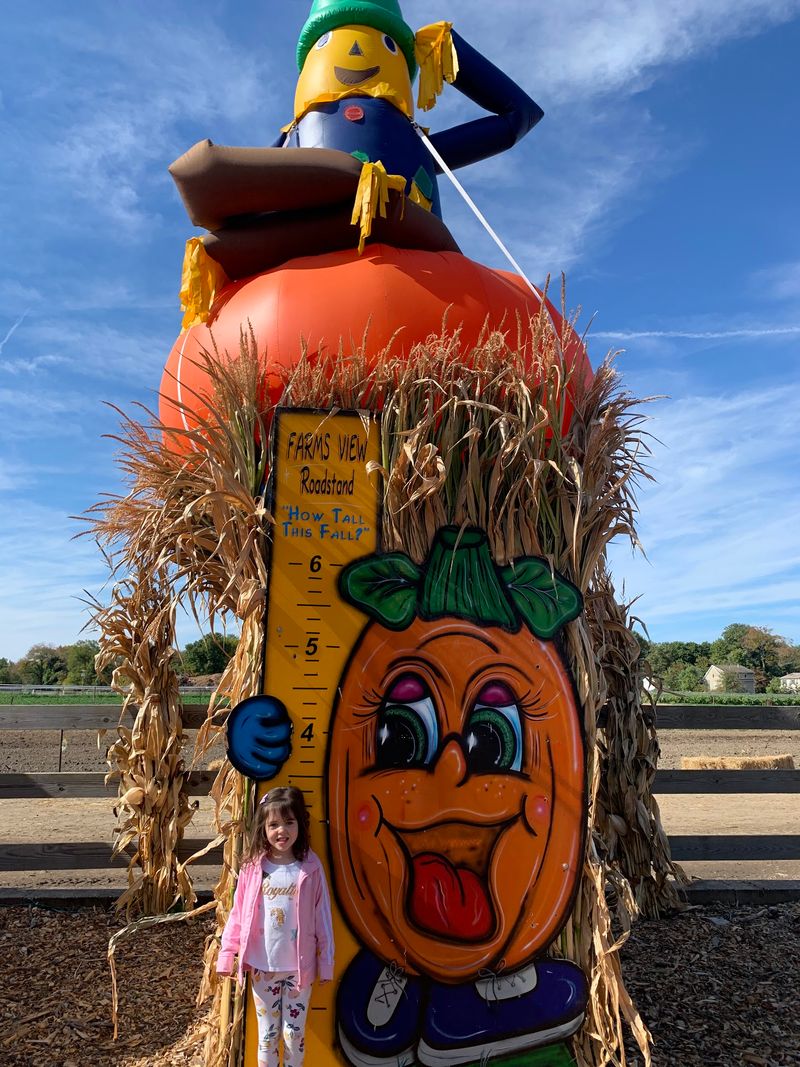
What began as produce arranged on a picnic table has grown into the last working farm in Wayne. The Kuehm family’s roots on the property reach back to 1894, and the operation received New Jersey’s Century Farm recognition after remaining active in the same family for more than 100 years.
Despite the full market, bakery, greenhouse, and seasonal attractions now on-site, it still behaves like a farm rather than a farm-themed backdrop. Summer shoppers can find dozens of homegrown crops, including corn, greenhouse and heirloom tomatoes, cucumbers, peppers, greens, eggplant, squash, herbs, and beans.
Produce is picked regularly for the market, so the selection can shift from one morning to the next. The bakery introduces delicious trouble with pies, crumb cake, scones, cookies, doughnuts, loaf cakes, and savory baguettes.
Fresh mozzarella, sauces, jams, eggs, and local honey can round out a picnic or an easy dinner. Children have goats, miniature donkeys, chickens, ducks, and other barnyard animals to inspect.
Pick-your-own strawberries arrive in late spring, while autumn brings hayrides, pumpkin picking, mums, cornstalks, and gourds. Those activities draw crowds; summer produce runs are comparatively relaxed.
Farms View sits at at 945 Black Oak Ridge Road and generally opens seven days a week in season, with a dedicated lot. Picking fields and special events keep separate hours, so verify those before arriving.
For an efficient visit, shop produce first and bakery second. Reversing that order can result in a pie-heavy basket with no room left for the tomatoes that prompted the trip.
13. Springdale Farm Market – Cherry Hill
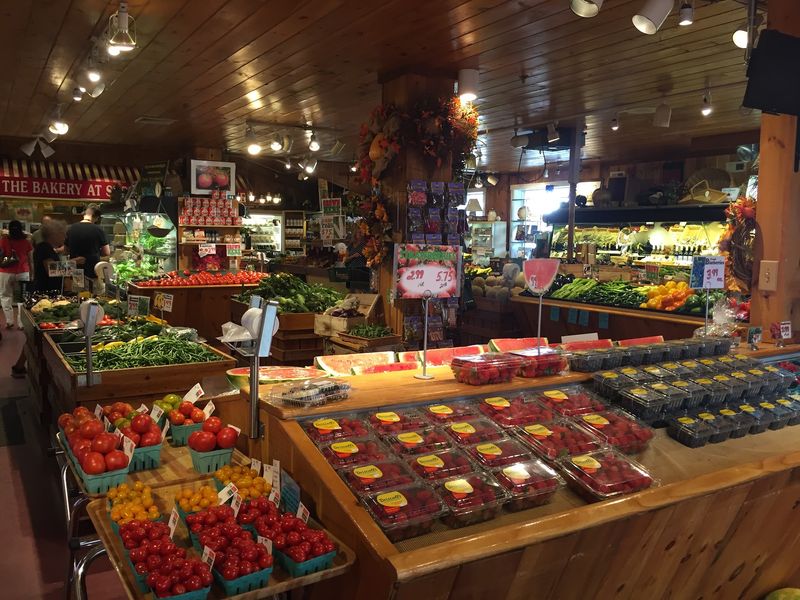
Cherry Hill’s last working farm sits amid the suburban roads and neighborhoods as a stubbornly productive reminder of the township’s agricultural past. The family behind Springdale has grown and sold fruits and vegetables on Springdale Road since 1949.
More than 75 years later, the fields still supply the market with the foods that justify New Jersey’s Garden State nickname. Corn and tomatoes take center stage in summer, accompanied by blueberries, peaches, peppers, cucumbers, squash, beans, and other Jersey produce.
Availability follows the harvest rather than a fixed inventory sheet, so signs and displays change as one crop peaks and another fades. That unpredictability is part of the appeal.
A visit planned around tomatoes might also produce a flat of berries or a bag of just-picked beans. The bakery is the strategic obstacle between shoppers and self-control.
Fruit pies, apple cider doughnuts, breads, cookies, and seasonal sweets make it difficult to maintain the fiction that this is strictly a vegetable errand. The market also carries plants, gifts, preserves, and other local goods.
Seasonal hayrides and family events appear on the calendar, but the farm remains useful even when nothing special is scheduled. Springdale is located at 1638 South Springdale Road and generally opens seven days a week during its season.
Parking is available on-site, though popular fall weekends can become busy. Summer mornings offer the cleanest version of the experience: fewer crowds, full produce displays, and corn that has not spent the day waiting around.
Buy the doughnuts last—or at least put them somewhere they will survive the drive home.
14. Johnson’s Corner Farm – Medford
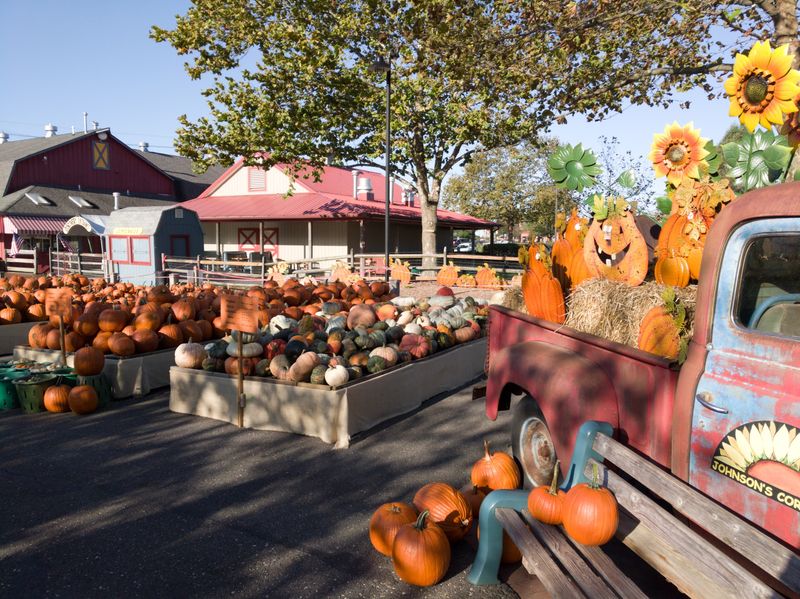
At Johnson’s, it is possible to pick tomatoes in the field, cool down with ice cream, and leave carrying a chicken pot pie. That is an unusually productive afternoon.
The Medford farm grows an extensive lineup that includes sweet corn, tomatoes, cherry tomatoes, zucchini, peppers, potatoes, peaches, berries, apples, broccoli, cauliflower, pumpkins, and more. Sweet corn typically arrives in early July and remains active through late summer, while tomatoes build from July into September or early October.
Weather can move those dates, sometimes by more than a week, so crop updates matter if one item is the entire purpose of the visit. The farm market supplements Johnson-grown produce with other local fruits and vegetables when they are in season.
The bakery and café make arriving hungry both a mistake and an opportunity. Pies, cider doughnuts, baked goods, sandwiches, prepared foods, and the farm’s well-known chicken pot pies can turn a produce stop into lunch plus dinner.
Ice cream provides the logical final course. Johnson’s also operates pick-your-own fields, hayrides, flower picking, a corn maze, and the Discovery Barnyard.
Activities may require tickets, particularly during festivals and fall weekends, while the market itself is easy to visit without committing to a full family excursion. The farm is at 133 Church Road, with ample on-site parking and long daily market hours during the main season.
For serious produce shopping, arrive early on a weekday. For the full experience, bring the family, buy activity tickets in advance when offered, and accept that the “quick farm stop” plan is no longer operative.
15. A&M Farm and Garden Center – Robbinsville
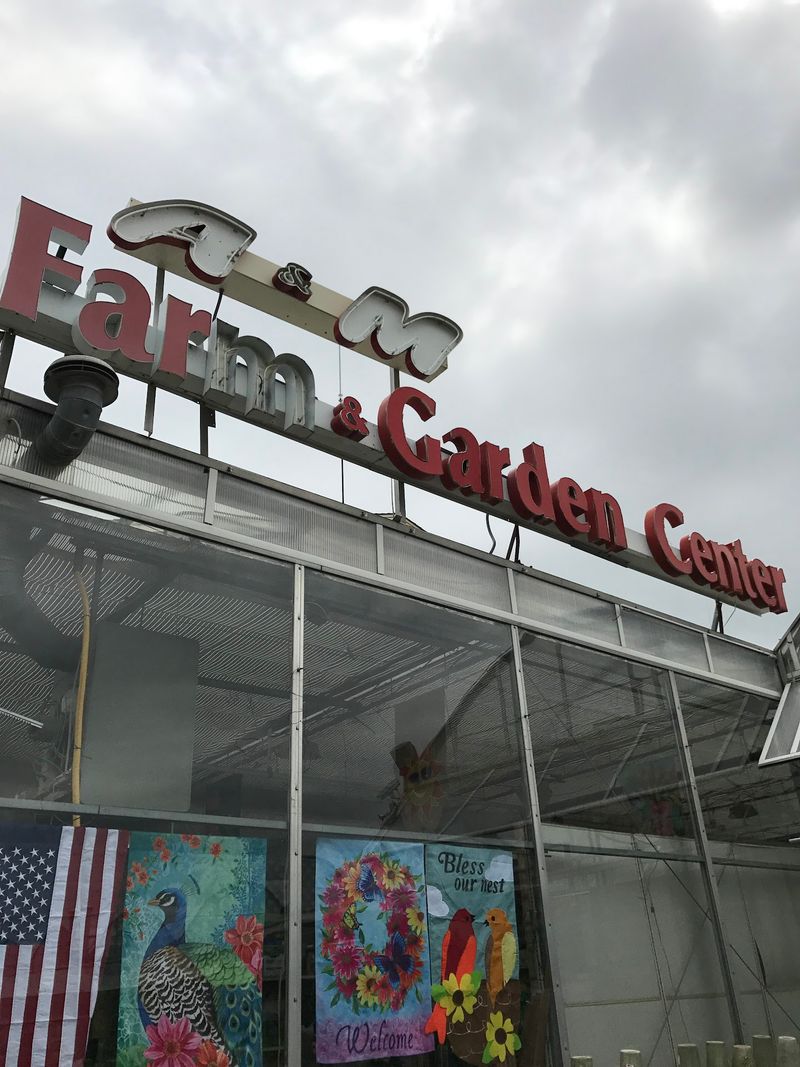
Some farm markets diversify so enthusiastically that the produce becomes decoration. A&M does not make that mistake.
The Robbinsville institution has served the area since 1953, and its reputation still rests heavily on two summer essentials: sweet corn and tomatoes. The corn is the item that sends many regulars back week after week.
Look for firm green husks, fresh silks, and ears that feel full from end to end. Pair it with ripe Jersey tomatoes and very little culinary skill is needed; grilling the corn and slicing the tomatoes may be the entire recipe.
Other seasonal fruits and vegetables broaden the selection, with peppers, squash, cucumbers, eggplant, peaches, and melons appearing as the growing calendar allows. A&M’s garden-center roots are equally visible.
Annuals, perennials, trees, shrubs, herbs, vegetable plants, and landscaping supplies make the property especially busy in spring. Inside the market, shoppers can find pies, cakes, chocolates, preserves, and seasonal gifts.
Garden statuary, wind chimes, and holiday decorations add a slightly eccentric browsing element—one minute you are choosing corn, the next you are considering a concrete rabbit. The market sits along Route 130 in Robbinsville, with on-site parking that makes a produce run straightforward despite the busy highway.
Hours change across the year, so check the current schedule outside the main growing season. During midsummer, earlier is better for corn.
Buy enough for seconds, because the mathematics of farm-stand corn are unforgiving: however many ears seem sufficient in the market will look like two too few once they reach the table.
Share this story