A funny thing happens when you stop treating New Jersey like a place to rush through. The state gets quieter.
Main Streets suddenly matter. The coffee tastes better when you are not balancing it against a steering wheel.
A half-hour walk turns into a bookstore stop, then a bakery stop, then a “Should we just stay for dinner?” kind of afternoon. Slow living here does not have to mean disappearing into the woods or waiting until retirement to enjoy your own life.
It can mean a town where errands are walkable, weekends have a rhythm, and the best plan is loose enough to change after lunch. These 15 New Jersey towns make that easier.
Some are by the water, some sit near farms, some have train stations and serious restaurant scenes, but all of them offer that rare Garden State luxury: a reason to linger.
1. Chester
The first clue that this Morris County town understands slow living is the brick under your feet. Chester’s downtown is made for wandering, not marching, with preserved buildings, small shops, cafés, and enough benches to suggest nobody is in a terrible hurry.
It has the kind of Main Street where you can start with coffee, poke around a home goods shop, get distracted by a display of handmade chocolates, and somehow call it a full morning. The town’s charm is not just window dressing, either.
Chester sits close to parks and farms, so a slow day can move easily from boutique browsing to apple picking, pumpkin hunting, or a quiet walk with actual trees instead of traffic lights. That balance is what makes it work for people who are nowhere near retired.
You can still have a job, deadlines, and a calendar that occasionally looks like a crime scene, then come here on a Saturday and remember what unclenched shoulders feel like. Parking is usually manageable compared with denser downtowns, though event weekends can get busy.
Go early, wear shoes made for strolling, and leave room in the car for something you did not plan to buy.
2. Cape May
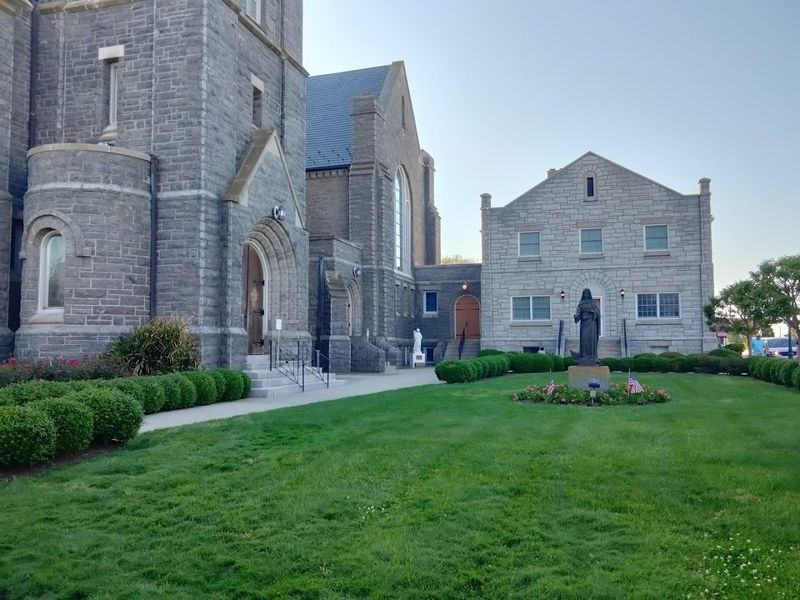
A morning here can feel almost suspiciously cinematic: gingerbread trim, porch rockers, salt air, and someone carrying a pastry box like they have their priorities in perfect order. Cape May is known as the “Nation’s Oldest Seashore Resort,” but its appeal goes well beyond beach season.
With its concentration of preserved Victorian architecture and walkable historic district, it gives slow living a polished, slightly theatrical backdrop. Start with a stroll through the Washington Street Mall, a pedestrian-friendly stretch filled with shops, sweets, restaurants, and the kind of browsing that eats an hour without apologizing.
Then move toward the water, where the beach and promenade make even a basic walk feel restorative. If you want a bigger view, head to Cape May Point and climb the lighthouse steps; if you want a smaller pleasure, sit somewhere with seafood and let the conversation stretch.
Cape May is not the cheapest town on this list, especially in summer, but it rewards off-season visits beautifully. Spring and fall bring enough energy to feel lively without the peak-season shoulder bumping.
For slow living, that is the sweet spot: culture, beach, history, dinner, and home before you feel wrung out.
3. Clinton
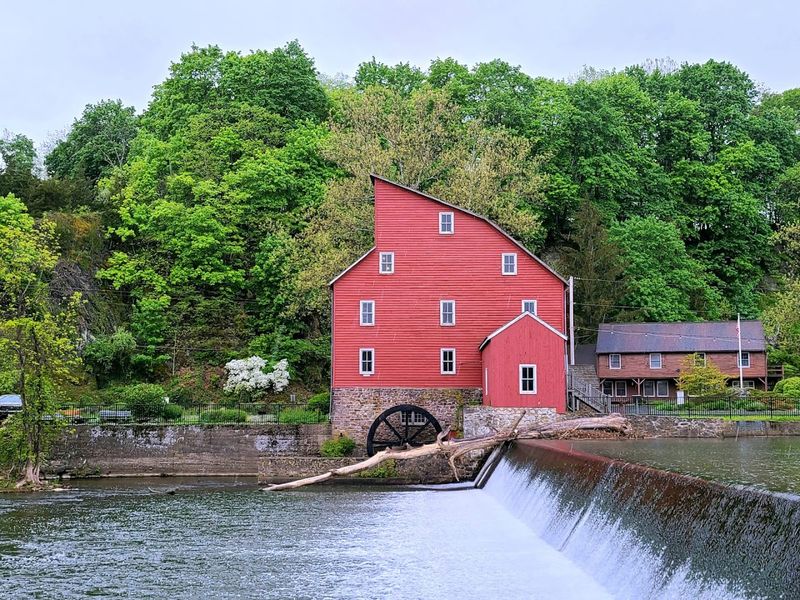
The Red Mill does half the talking in Clinton, standing beside the South Branch of the Raritan River like it knows every visitor is going to take the same photo. That is fine.
Take it. Then put the phone away and give the town the rest of your attention.
Clinton’s downtown is compact, pretty, and unusually easy to enjoy without a complicated plan. You can tour the Red Mill Museum Village, cross the bridge, visit the Hunterdon Art Museum, and still have time for lunch without feeling like you are racing a checklist.
The town works especially well for slow living because the scenery is built into the day. The river, the mill, the bridge, the historic storefronts — they all slow your pace before you consciously decide to slow down.
It is a good choice for people who want charm but not sleepy silence. There are restaurants, shops, and enough visitors to keep things interesting, yet it still feels like a village rather than a production.
Come on a weekday if you want the softest version of Clinton. On weekends, arrive before lunch, park once, and let the town do what it does best: turn a simple walk into the main event.
4. Cranbury
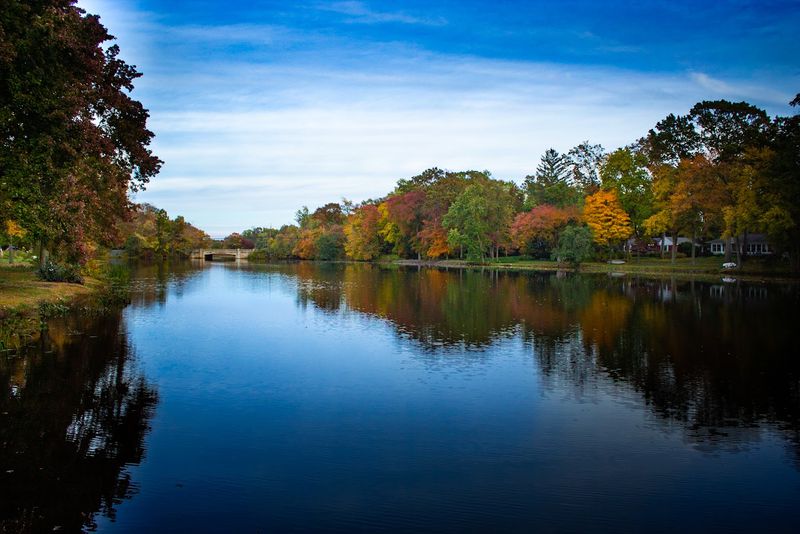
Slow living in central Jersey often looks like Cranbury: old houses, a tidy Main Street, and the pleasant shock of finding a town that has not been flattened into sameness. This Middlesex County village has more than 300 years of history behind it, and you feel that age in the best way, not as dust, but as continuity.
Main Street is the draw, with antiques, small shops, florists, boutiques, and historic buildings that make a short walk feel pleasantly layered. It is the kind of place where you can have lunch, stop into the history center, browse a consignment shop, and still feel like you left most of the day untouched.
Cranbury also benefits from its location: close enough to busier parts of central New Jersey to be practical, but visually and emotionally removed from the big-box blur. It is not trying to be trendy, which is exactly the point.
The pace is calmer, the scale is human, and the pleasures are simple without being dull. If your idea of a good afternoon includes architecture, a quiet meal, and a town green sort of mood, Cranbury belongs on the list.
Just check hours before you go; smaller businesses often keep smaller-town schedules.
5. Frenchtown
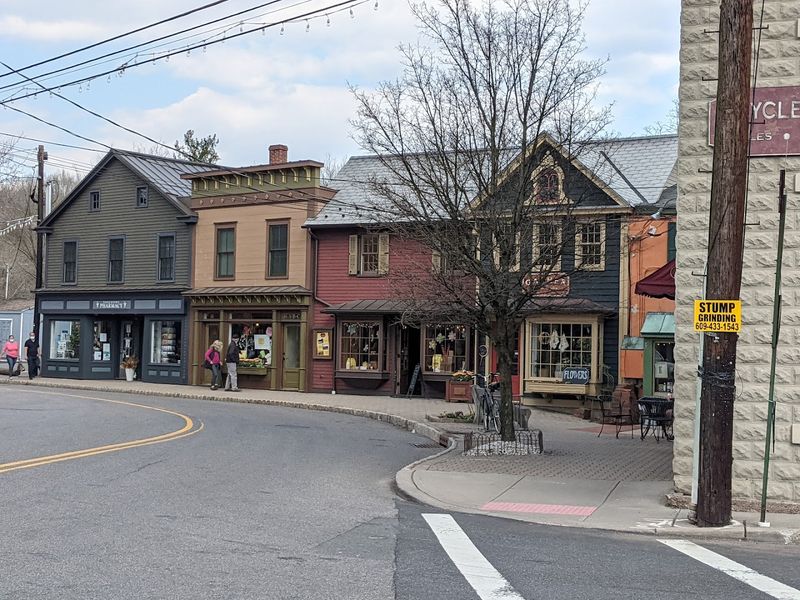
Follow Route 29 along the Delaware and Frenchtown starts to feel like a reward for choosing the scenic way. This Hunterdon County river town has the relaxed confidence of a place that knows it does not need to shout.
The downtown is small but full of texture: art galleries, intimate cafés, independent shops, and restaurants that make it easy to turn “just passing through” into “let’s stay a while.” The Delaware River is the quiet co-star here.
You can bike nearby, walk along the water, sit outside when the weather behaves, or use Frenchtown as the gentle anchor for a day that includes tubing, browsing, or a long lunch with no hard stop.
What makes it especially good for slow living is that it feels creative without becoming precious. It has artists, old buildings, river views, and a bit of weekend buzz, but it still keeps its feet on the ground.
You do not need a packed itinerary. In fact, that would miss the point.
Come with one loose plan: park, walk, eat something good, look at the river, and let the town persuade you that unstructured time is not wasted time. Frenchtown is very good at that argument.
6. Haddonfield
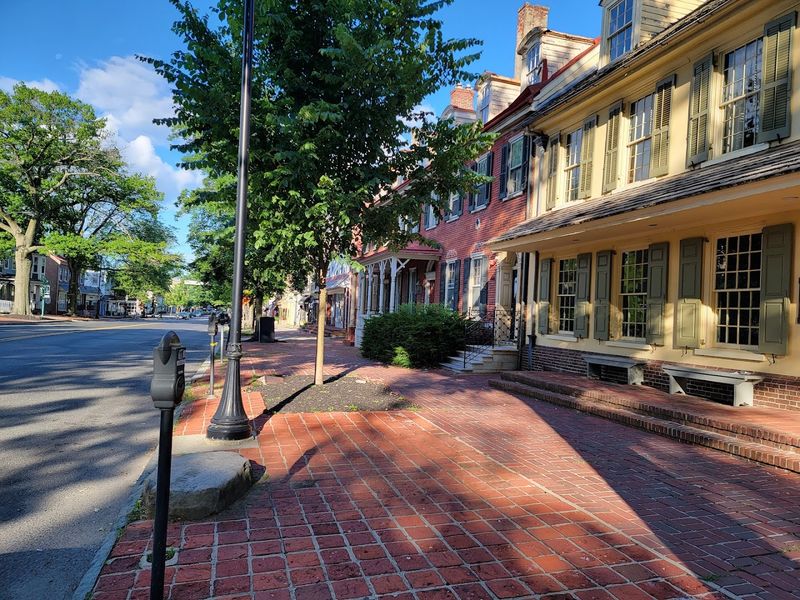
A bronze dinosaur is not usually the first sign of slow living, but Haddonfield gets to be a little different. This Camden County borough is famously tied to the discovery of Hadrosaurus foulkii, and that bit of prehistoric bragging rights gives the town a playful hook before you even get to Kings Highway.
Once you are downtown, the appeal becomes obvious. Haddonfield has a classic, polished Main Street lined with boutiques, galleries, antique shops, sidewalk cafés, and restaurants, all arranged in a way that invites you to park once and commit to wandering.
It is close to Philadelphia, but it does not feel swallowed by it. That makes it a smart pick for younger professionals, families, and anyone who likes the idea of slowing down without giving up access to a major city.
The vibe is tidy but not stiff. You can browse for books, linger over brunch, admire the historic homes, and still make it home with daylight left.
Practical tip: the main shopping district can get busy around peak dining hours, so aim for late morning if you want the easiest stroll. Haddonfield is slow living with good shoes, good coffee, and a dinosaur cameo.
Honestly, not a bad combination.
7. Lambertville
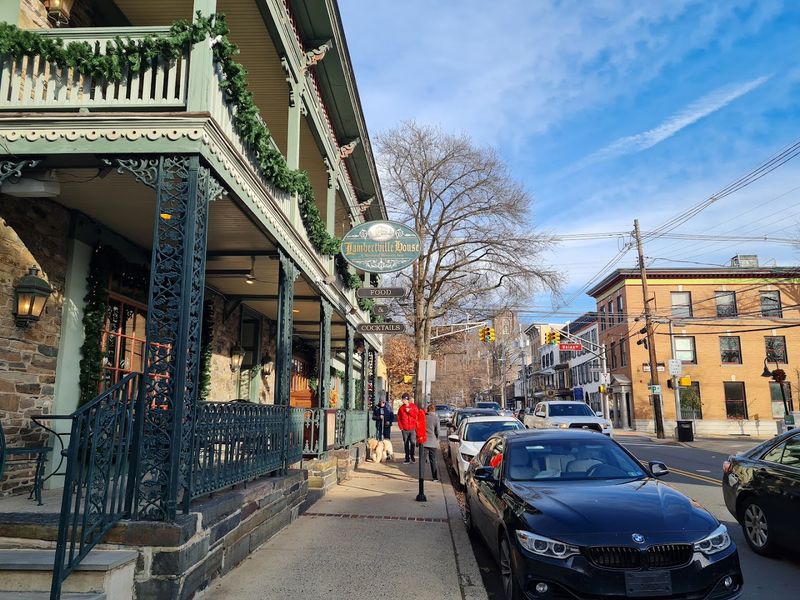
By late morning, Lambertville has usually hit its stride: antique hunters drifting between storefronts, cyclists coming off the towpath, couples debating lunch, and someone standing outside a gallery pretending they are “just looking.”
This Delaware River town is one of New Jersey’s best places for slow living because its pleasures overlap so naturally. You can shop for antiques, cross into New Hope for a change of scenery, walk by the canal, stop for a drink, and then come back for dinner without ever feeling like the day needs a spreadsheet.
Lambertville is artsy, historic, and a little eccentric, but it is not trying too hard. The old townhouses, galleries, inns, and river views create a weekend-getaway feeling even if you are only there for three hours.
It is especially good for people who like movement without rushing. There is always another block to explore, another window to inspect, another old object you suddenly believe would change your life.
Parking can be the only real buzzkill on busy weekends, so come early or be patient. Once you are out of the car, the town pays you back quickly.
Lambertville’s best feature is its permission structure: wander first, decide later.
8. Ocean Grove
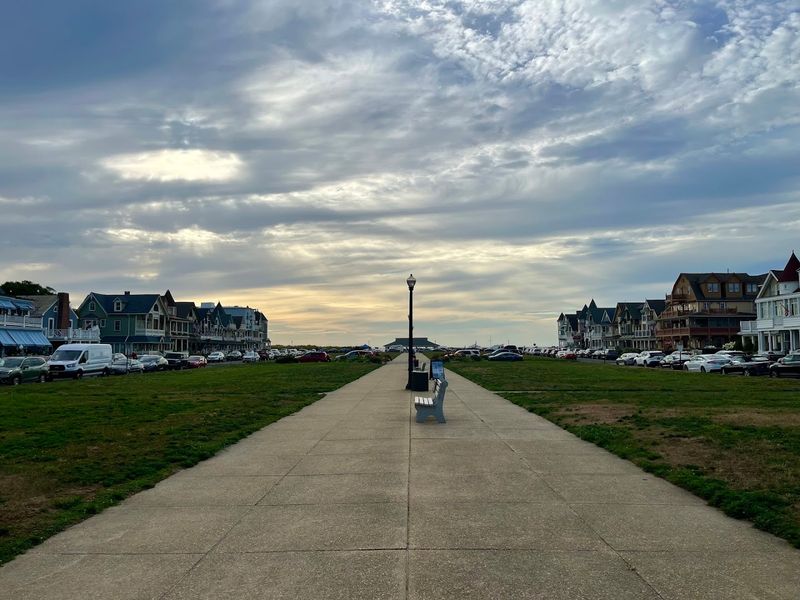
Porches do a lot of the work in Ocean Grove. They set the pace before you even reach the beach, with rocking chairs, striped awnings, painted trim, and that unmistakable feeling that someone nearby is reading an actual book.
This Neptune Township community is known for its Victorian architecture, calm beaches, boardwalk, family-owned shops, and the Great Auditorium at the center of town. That mix gives Ocean Grove a rhythm unlike louder Shore towns.
It is coastal without being chaotic, historic without feeling frozen, and social without demanding that you stay out late to prove you had fun. Spend the morning on the boardwalk, wander the main street, peek at the tent colony and ornate cottages, then settle into a low-key meal nearby.
Ocean Grove works for slow living because it keeps the Shore’s best parts and trims away much of the noise. You still get salt air and beach walks, but the mood is gentler.
Summer brings crowds, of course, but early mornings and shoulder-season weekends are magic. It is especially appealing for people who want seaside life with character: not glass towers, not all-night bars, just architecture, music, ocean, and a slower kind of people-watching.
9. Spring Lake
The boardwalk here is two miles of quiet persuasion. No rides, no blinking arcade lights, no boardwalk chaos begging for your wallet — just ocean, dunes, benches, and the very useful reminder that walking without a destination counts as a plan.
Spring Lake has long been one of the Shore’s more graceful towns, with a historic downtown, elegant homes, inns, a clean beach, and Divine Park adding a green pause away from the sand. It is slower living with pressed linens, yes, but not in a fussy way.
The town is ideal when you want the beach without the sensory overload. Bring a book, walk early, grab breakfast or lunch downtown, and make time for the lake itself, where the pace drops another notch.
Spring Lake can be pricey, particularly in the warmer months, so day trips are a smart way to enjoy it without committing to a full splurge. The best version of the town happens outside peak beach hours: morning walkers, evening light, the soft clatter of dinner service starting downtown.
It is a reminder that the Jersey Shore does not have to be loud to be memorable. Sometimes the flex is leaving relaxed, not sunburned and overstimulated.
10. Allentown
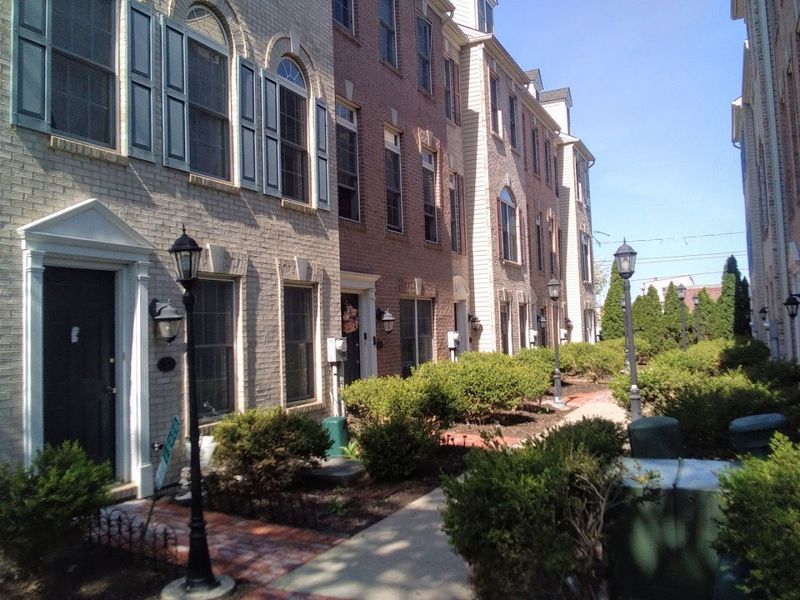
One of the pleasures of Allentown is that it still feels connected to the land around it. This western Monmouth County borough is surrounded by farmland and built around a walkable Main Street, giving it a village quality that feels increasingly rare in central New Jersey.
Founded in the early 1700s, the town developed along local waterways and historic routes, and that older footprint still shapes the way you experience it today. You are not darting from plaza to plaza.
You are walking past small businesses, historic buildings, parks, and places where a casual lunch can become a whole afternoon. For slow living, Allentown’s strength is its scale.
It is small enough to feel personal but not so tiny that you run out of things to do immediately. Browse the shops, bring a picnic mindset, check out Conines Pond, or use the town as a gentle launch point for nearby wineries and breweries.
It also has a community calendar that leans charming rather than overproduced, with seasonal events that make Main Street feel lived-in. This is not the town for people who need constant stimulation.
It is for the friend who says, “Let’s take the back roads,” and actually means it.
11. Collingswood
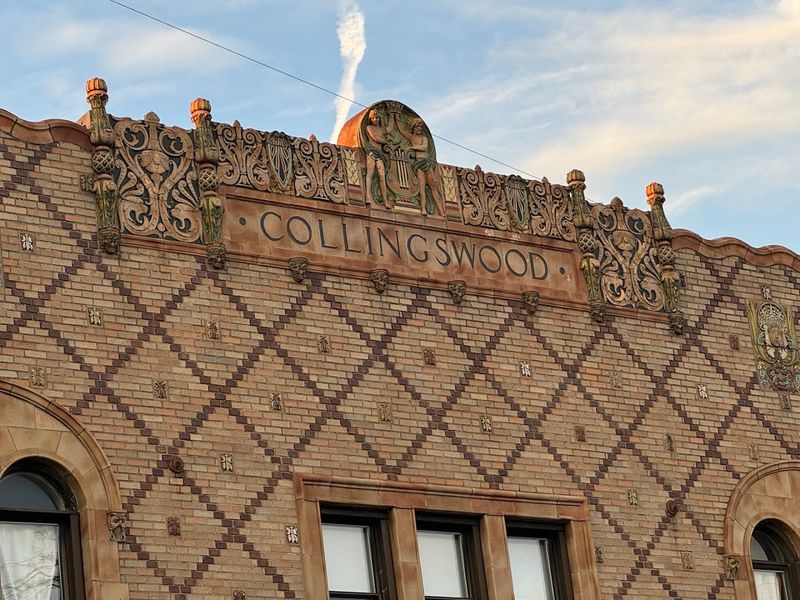
Dinner can be the reason you come to Collingswood, but it probably will not be the only reason you stay interested. This Camden County town has built a strong reputation around its restaurant scene, with “Restaurant Row” giving South Jersey diners plenty of excuses to keep returning.
The slow-living appeal, though, is bigger than the menu. Collingswood has the useful bones of an everyday town: a walkable downtown, a seasonal farmers market, art and music events, and PATCO access that makes Philadelphia reachable without turning every outing into a parking negotiation.
That combination matters. Slow living is not only about pretty streets; it is also about making daily life less annoying.
In Collingswood, you can get dinner, see friends, shop locally, commute by train, and still feel rooted in a neighborhood-scale place. The town has energy, but it is not frantic.
It is the kind of spot where a Saturday might start with produce at the farmers market, roll into coffee, and end with a BYOB dinner that everyone swears they have been meaning to try. Parking around the PATCO station includes free daily lots and metered options, which helps if you are visiting.
Come hungry, but give yourself time to walk before your reservation.
12. Maplewood
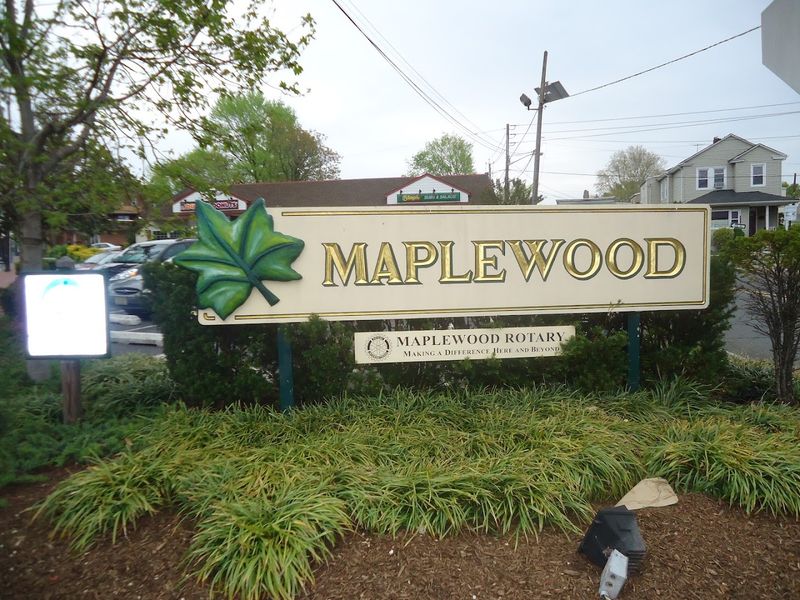
Commuter towns do not always feel slow, but Maplewood makes a strong case that convenience and calm can share the same zip code. The village sits around the train station, which gives the downtown a practical center of gravity: coffee, shops, restaurants, errands, and transit all close enough to make wandering feel useful.
Maplewood Village is especially good for people who want a slower lifestyle without cutting themselves off from New York access. You can have a weekday commute and still spend Saturday walking to brunch, ducking into local shops, or heading to Memorial Park, a 25-acre green space right near the village and train station.
The details help, too. Visitor parking in the village is generally close to the action, though time limits apply, and pedestrian paths connect areas across the train line.
That might sound small, but slow living is built from small frictions removed. Maplewood has personality without needing to announce it every five minutes.
It feels creative, neighborly, and grown-up, with enough restaurants and cultural life to keep things from feeling too sleepy. Go when you want a town that lets you be productive in the morning, social by lunch, and happily under-scheduled by late afternoon.
13. Madison
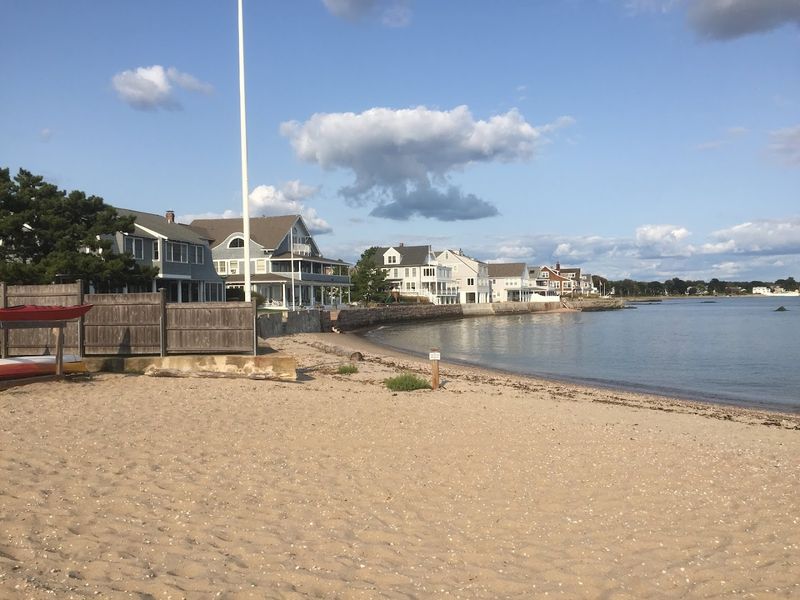
The train pulls in close enough to downtown that Madison immediately feels usable, which is an underrated quality in any town trying to support a calmer life. Known as the Rose City, this Morris County borough has a tidy, approachable center, a strong sense of local identity, and just enough cultural texture to keep repeat visits interesting.
The Museum of Early Trades & Crafts sits right on Main Street in a striking historic building, giving the town a built-in rainy-day plan that is more interesting than wandering a chain store until the weather improves.
Madison is also close to Drew University, which adds leafy campus energy and a little academic atmosphere without overwhelming the downtown.
What makes Madison good for slow living is its balance: pretty but practical, suburban but walkable, calm but not dull. You can come in by train, meet someone for lunch, browse, visit the museum, and walk through nearby neighborhoods where the houses and trees do their quiet showing off.
It is not a town that screams for attention. It is more of a steady favorite, the kind of place that gets better when you stop treating it as just another station on the Morris & Essex line. Slow living here feels organized, gracious, and very easy to repeat.
14. Red Bank
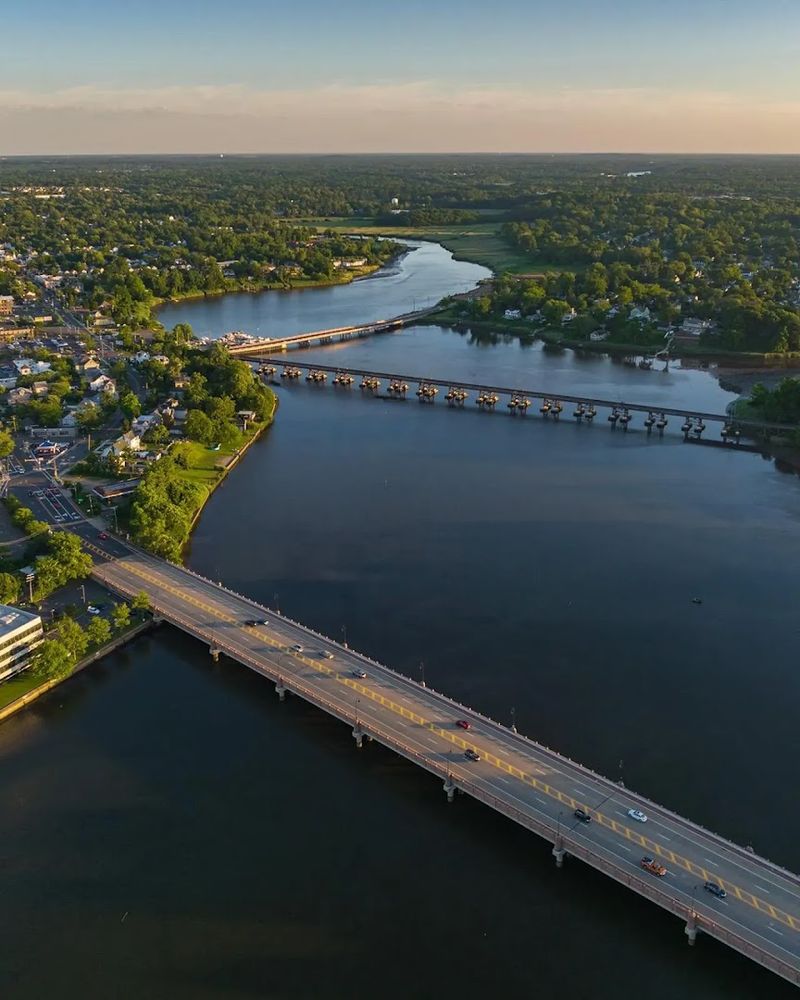
Here is the trick with Red Bank: it has enough going on to feel like a real night out, but it still lets you build a slow day around the river. The downtown sits along the Navesink, with shops, restaurants, theaters, and Riverside Gardens Park giving visitors several ways to linger without committing to a packed schedule.
Start with a walk on Broad Street, grab coffee or breakfast, browse a few stores, then drift toward the waterfront. Riverside Gardens Park hosts events during the year, but it is just as useful as a place to sit, look at the water, and remember that not every outing needs an “activity.” Red Bank’s cultural side is a major reason it belongs here.
The Count Basie Center for the Arts anchors the town with concerts, comedy, films, and performances, so slow living does not have to mean early bedtime living. It can mean dinner, a show, and a short walk back through a downtown that still feels like itself.
Parking can vary by day and event, so give yourself a buffer if you have tickets. For a slower visit, skip the frantic pre-show arrival and make Red Bank an afternoon-to-evening plan.
It is much better when you let it unfold.
15. Princeton
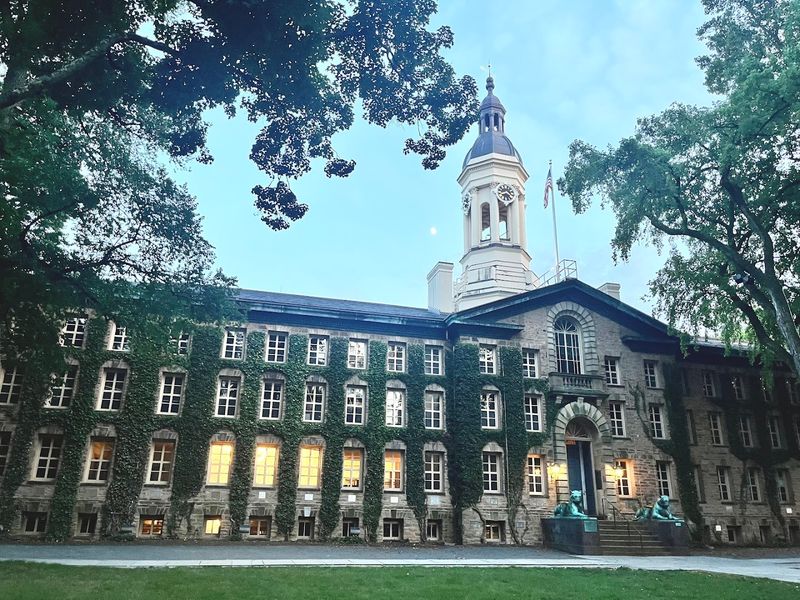
You can spend a whole afternoon in Princeton doing almost nothing that sounds impressive and still leave feeling like you had a proper day. Walk Nassau Street, cut through campus, browse Palmer Square, get something sweet, sit for a while, then change direction because a side street looks promising.
That is Princeton’s slow-living gift: it rewards curiosity at walking speed. The town has obvious intellectual weight, but it is not only for students, professors, or people who use “architectural vocabulary” at parties.
It is also for anyone who wants bookstores, cafés, art, history, parks, and good meals in one compact orbit. The Princeton University Art Museum adds a major cultural stop right in town, while the D&R Canal State Park offers towpath walking, biking, kayaking, and nature breaks along Princeton’s southern edge.
Palmer Square brings the dining and shopping piece, from casual cafés and sweets to sit-down meals. Yes, Princeton can be busy, and yes, parking takes patience at peak times.
But once you are out of the car, the town slows beautifully. The best approach is to pick one anchor — the museum, the canal, lunch, campus — and let the rest of the day gather around it.
Princeton is at its best when you stop trying to “do” Princeton.
Share this story