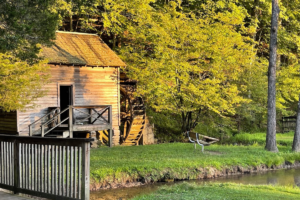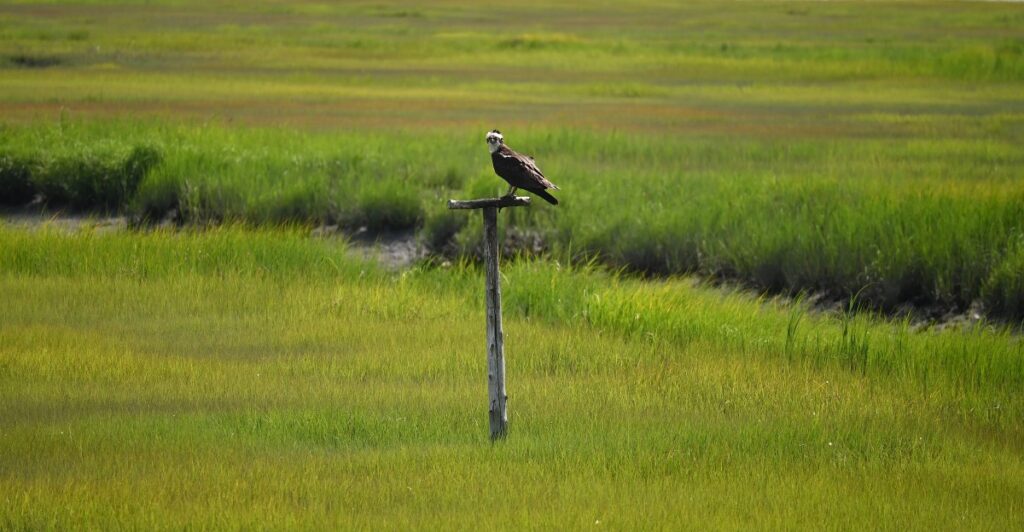
A bald eagle watches from a shaded aviary in Millington. A stranded seal recovers beside the bay in Brigantine.
Down in Cape May, researchers count migrating birds while diamondback terrapins crawl toward safer nesting ground. These scenes belong to the same surprisingly large network of New Jersey organizations working behind the scenes for wildlife.
Some operate hospitals where injured animals receive emergency care. Others protect thousands of acres of marsh, forest, beach, and river habitat.
Several turn that work into memorable public experiences, giving visitors a close look at native species without treating wild animals like entertainers. The result is a collection of day trips that feel good for more than the scenery.
Bring binoculars, wear shoes that can handle mud, and keep expectations flexible. Wildlife rarely follows a schedule.
Whether you spot an owl, hear a marsh wren, or simply learn what happens after someone finds an injured turtle, these 15 places make New Jersey’s wild side much easier to appreciate.
1. The Raptor Trust – Millington
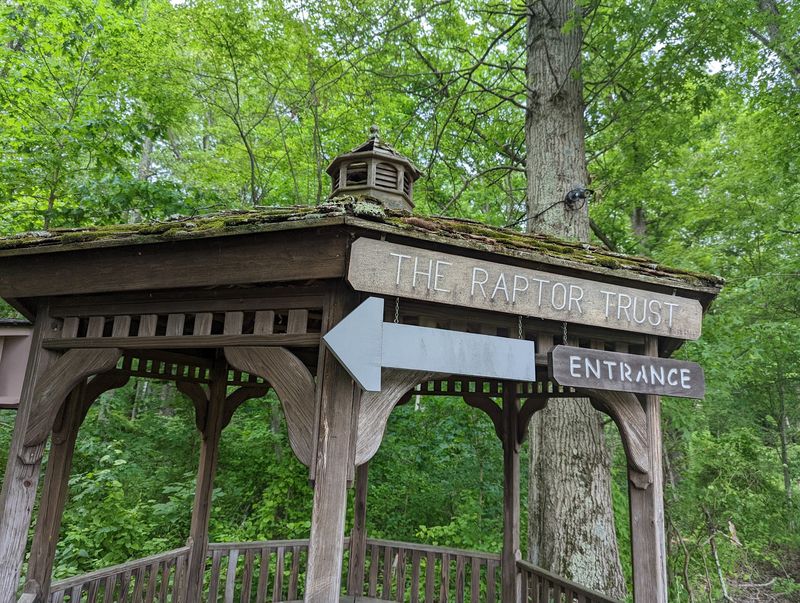
A barred owl swiveling its head from a shaded perch, offering the first clue that this is no ordinary woodland walk. The Raptor Trust operates a respected wild-bird rehabilitation facility beside the Great Swamp, treating injured and orphaned native birds with the goal of returning them to the wild.
Hawks, falcons, eagles, vultures, and owls are among its best-known patients, although the staff helps many other bird species as well. Visitors do not enter the hospital—and that is exactly as it should be.
Recovering birds need quiet and minimal human contact. Instead, a self-guided gravel trail passes outdoor aviaries occupied by roughly 50 non-releasable resident birds.
These permanent residents have disabilities that prevent them from surviving independently, so they now serve as ambassadors for their species. The experience is low-key, respectful, and far more absorbing than its modest footprint suggests.
Read the signs, move quietly, and notice the differences between each bird’s feet, beak, posture, and camouflage. Admission to the aviary trail is free, though donations support the center’s work.
The grounds are generally open daily, with longer hours in summer, but winter ice or severe weather can close the paths. Leave dogs at home, and pair the visit with a walk elsewhere in the Great Swamp area for an excellent nature-focused afternoon.
2. Woodford Cedar Run Wildlife Refuge – Medford
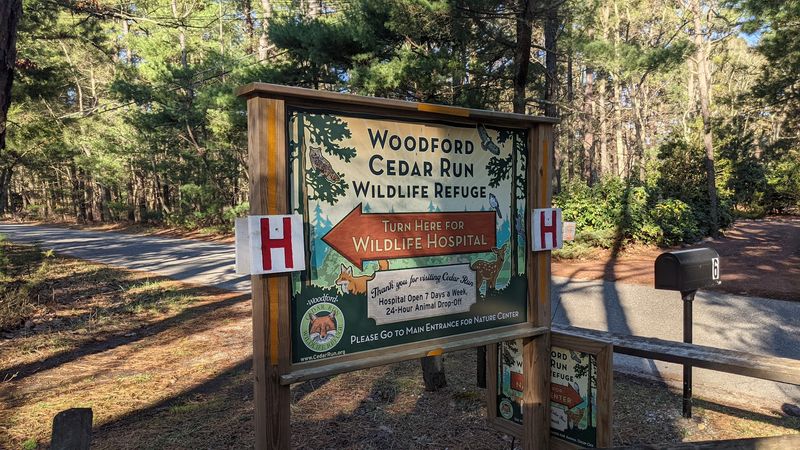
The resident crows may answer back, but they are not the main operation at this busy Medford refuge. Behind the visitor areas, Cedar Run runs a wildlife hospital for sick, injured, and orphaned native animals.
The objective is release whenever possible; animals unable to return safely to the wild may become permanent educational residents. That combination of serious rehabilitation and approachable family programming makes Cedar Run especially useful.
A visit can include the nature center’s exhibits and reptile room, a walk past outdoor wildlife enclosures, and time on trails winding through forest, wetlands, and the refuge’s surrounding habitat. The animals vary, but visitors may encounter foxes, owls, hawks, turtles, or other familiar New Jersey species whose injuries make their stories feel close to home.
This is one of the list’s strongest choices for younger children because there is enough structure to keep them engaged without turning the place into an amusement park. The nature center is generally open daily from 10 a.m. to 4 p.m.
General admission is modest, and children three and younger enter free. The wildlife hospital itself is closed to visitors, although it maintains a separate intake system for animals in need.
If you find wildlife that appears injured or orphaned, call before transporting it; well-meaning intervention can sometimes separate a healthy youngster from a parent that is still nearby.
3. Woodlands Wildlife Refuge – Pittstown
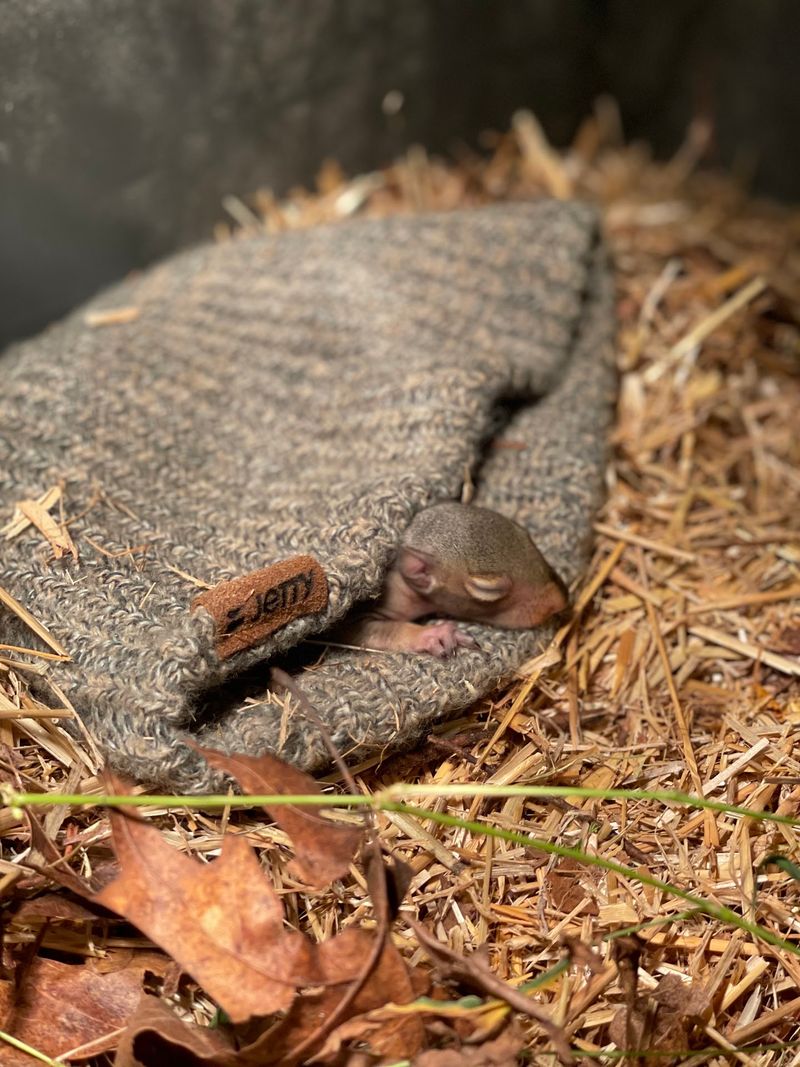
Spring at Woodlands can mean bottle schedules, heating pads, specialized diets, and a nursery full of young animals that arrived after storms, vehicle strikes, tree removal, or accidental separation from their mothers.
Since 1986, this Hunterdon County nonprofit has concentrated on rehabilitating New Jersey mammals, from tiny mice and rabbits to foxes, raccoons, and bobcats.
The real achievement happens mostly out of public view. Wildlife rehabilitation depends on preventing animals from becoming comfortable around people, so Woodlands is not a casual walk-in attraction with daily tours.
Its patients need distance, controlled surroundings, and the chance to retain the behaviors they will rely on after release. That boundary is part of what makes the organization worth including.
Visitors can connect through scheduled educational programs and seasonal “Wild Wonders” tours, which may include a guided look at the facility, wildlife activities, and introductions to non-releasable education animals. Private programs can also be arranged for qualifying groups.
Because public opportunities are scheduled rather than continuous, checking the current calendar before driving to Pittstown is essential. The programs are science-minded without feeling like classroom lectures.
Staff members use artifacts, animal adaptations, and real rehabilitation stories to explain how local wildlife fits into the surrounding landscape. You leave with useful lessons—especially when to help, when to wait, and whom to call—plus a better sense of how much work can hide behind one successful release.
4. Avian Wildlife Center – Wantage
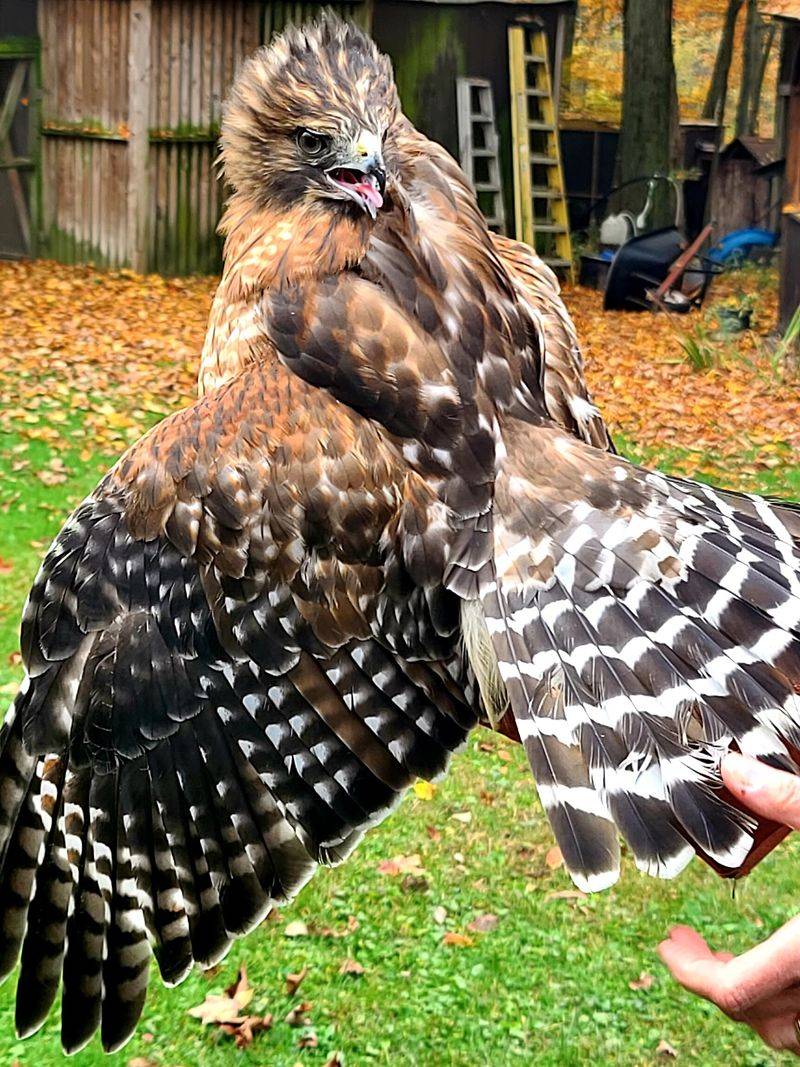
Window glass, fishing line, domestic cats, cars, and poorly timed tree work can turn an ordinary day into an emergency for a wild bird. In rural Sussex County, the Avian Wildlife Center handles the consequences.
This state- and federally licensed nonprofit provides medical treatment and supportive care to hundreds of wild birds each year, without charging the people who bring them in. Its facilities include incubators for fragile youngsters, intensive-care equipment, specialized housing, and flight aviaries where recovering birds can rebuild strength.
Veterinarians assist with surgery and treatment, but release remains the finish line. The center also takes a broader view of bird protection by supporting field research, monitoring threatened and endangered species, improving habitat, and installing nest structures.
This is a working rehabilitation center rather than a drop-in tourist stop. The public-facing experience comes through scheduled presentations and events, some featuring non-releasable ambassador birds.
Those programs give audiences a rare, responsible look at wild birds while explaining hazards such as lead poisoning and window collisions. The center is particularly known for its work involving chimney swifts, birds that often depend on human-built structures for nesting and roosting.
If you find a bird that needs help, phone before taking action. Staff can explain safe containment and determine whether intervention is appropriate.
For everyone else, watch for a listed program rather than arriving unannounced. The birds receiving treatment are supposed to remain wary of people—that is one of the clearest signs the center is doing its job correctly.
5. Wildlife Center Friends – Lambertville
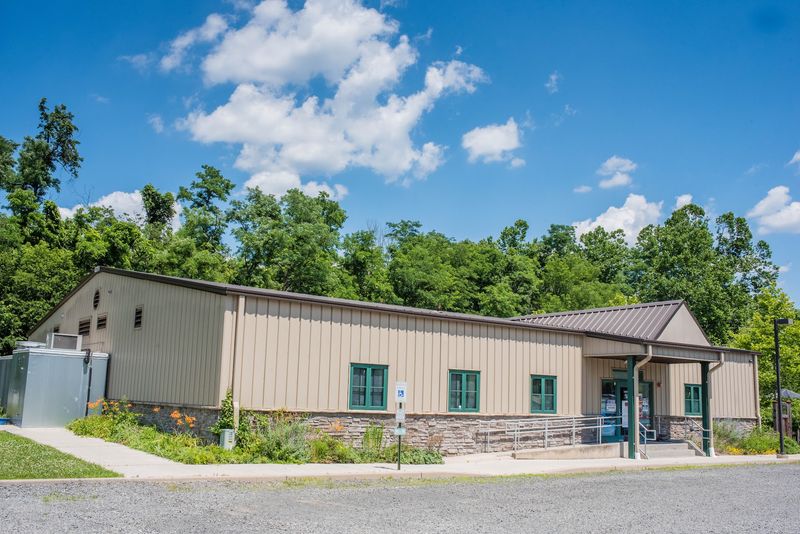
The most important rooms near this stretch of Route 29 are the ones visitors cannot tour. Wildlife Center Friends supports the Mercer County Wildlife Center, where native birds, mammals, and reptiles receive emergency treatment, diagnostic care, surgery, rehabilitation, and preparation for release.
Keeping the hospital closed to casual foot traffic reduces stress and helps prevent recovering animals from becoming habituated to humans. There is still a thoughtful public component.
The Outdoor Education Environment introduces visitors to non-releasable animals while explaining the circumstances that brought them into care.
Rather than presenting wildlife as a collection of curiosities, the displays connect individual animals to practical issues such as vehicle collisions, habitat disruption, discarded fishing gear, and inappropriate attempts to keep wild creatures as pets.
The organization also funds improvements that government budgets may not fully cover, from specialized medical equipment to upgraded enclosures and education spaces.
Its role is easy to overlook because the name on the building may be the Mercer County Wildlife Center, but Wildlife Center Friends supplies crucial nonprofit support and public outreach.
The center sits south of Lambertville, close to the Delaware River and several appealing scenic stops. GPS directions can be slightly imprecise, so confirm the address before leaving.
Anyone bringing in an animal should call the wildlife center first instead of simply arriving. For a regular visit, stick to designated public areas or attend a scheduled program.
This is a hospital first, and its quietest patients have the best chance of returning home.
6. Scherman Hoffman Wildlife Sanctuary – Bernardsville
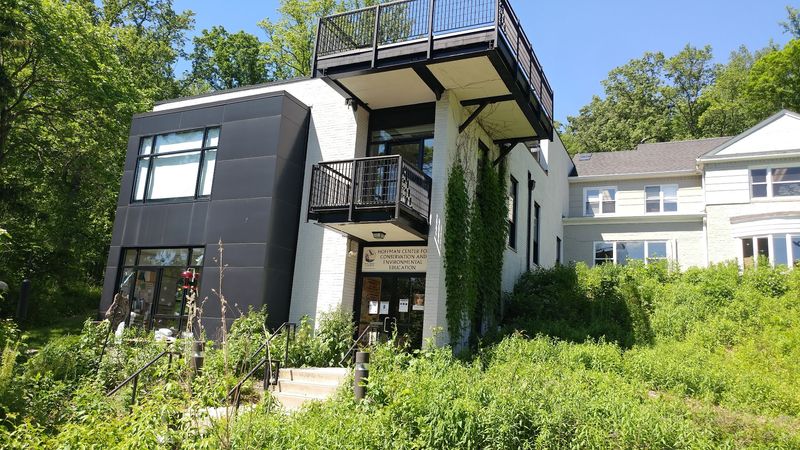
Look out from the observation deck and suburban Somerset County suddenly feels much farther away. Scherman Hoffman protects more than 280 acres along the Passaic River, with forest, field, floodplain, and river habitats supporting an impressive variety of birds.
New Jersey Audubon operates the sanctuary as both a preserve and an environmental education center, making it a friendly starting point for people who want to sharpen their nature skills. The trails offer distinct experiences.
Some follow gentler terrain near the nature center, while the Old Army Trail tackles rockier, hillier ground along a route associated with the Continental Army. Birders should allow time around the feeding station and observation areas, where common species provide plenty to study even when migration is quiet.
Spring and fall bring the greatest variety, but woodpeckers, chickadees, nuthatches, and raptors keep the sanctuary interesting year-round. Inside the Hoffman Center, visitors will find educational displays, classrooms, an art gallery, and a nature store carrying field guides, optics, feeders, and wildlife-friendly garden supplies.
Guided walks and seasonal programs add expert eyes to the outing—useful when every small brown bird seems determined to look identical. The trails are generally open from dawn to dusk, seven days a week, while the center and store keep more limited hours.
Check the schedule before planning an indoor visit. Wear shoes with traction if you intend to explore the steeper trails; “sanctuary” does not necessarily mean flat.
7. Great Swamp National Wildlife Refuge – Basking Ridge
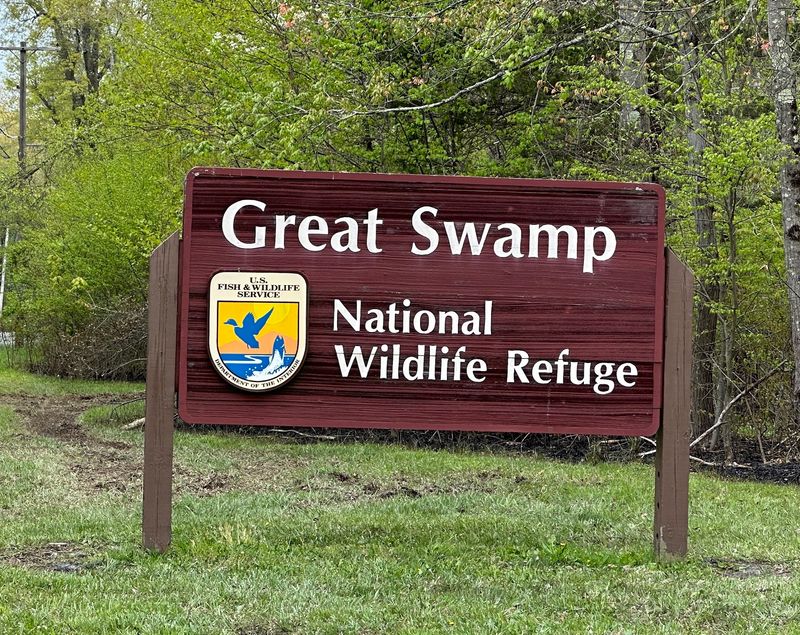
This landscape was nearly paved beneath a major jetport. Instead, local opposition and an ambitious land-preservation campaign helped turn it into one of New Jersey’s defining conservation victories.
Established in 1960, Great Swamp National Wildlife Refuge now protects thousands of acres of wetlands, woods, meadows, and waterways in densely developed Morris County. For a first visit, head to the Wildlife Observation Center on Long Hill Road.
Boardwalk trails slip into marsh and swamp habitat, leading to blinds where patient observers may see wood ducks, herons, turtles, frogs, muskrats, deer, or a red-shouldered hawk watching from above. The boardwalks make the landscape accessible without requiring visitors to wade through the reason it is called a swamp.
Those wanting more distance can explore the refuge’s network of foot trails, which totals roughly 11.5 miles. Pleasant Plains Road also offers wildlife viewing from a vehicle, useful on rainy days or for visitors with limited mobility.
Early morning and late afternoon tend to be productive, although mosquitoes can be equally enthusiastic during warm months. Admission is free, and the outdoor areas are suited to unhurried visits rather than tightly scheduled sightseeing.
Bring binoculars, insect repellent, and patience. Keep voices down near observation blinds, and do not expect every animal to pose on command.
Great Swamp’s real appeal is that it functions as habitat first—a remarkably wild outcome for land once marked for runways.
8. The Wetlands Institute – Stone Harbor
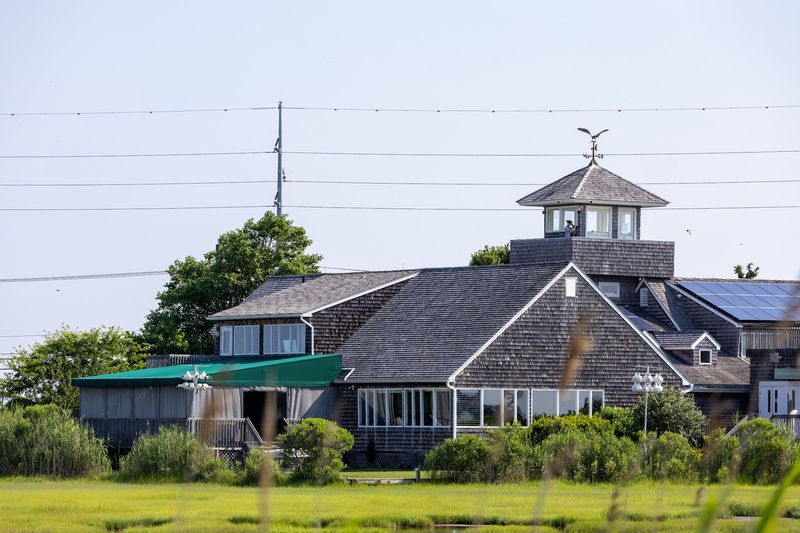
A diamondback terrapin crossing a Jersey Shore road is small, slow, and badly matched against summer traffic. The Wetlands Institute has spent decades improving those odds through research, nest protection, road patrols, habitat work, and public education.
Terrapins may be its most recognizable ambassadors, but its scientists also study coastal birds, horseshoe crabs, tidal marshes, and the growing effects of flooding and sea-level rise. Its Stone Harbor campus has long allowed visitors to move directly from indoor exhibits to an elevated walkway over the salt marsh.
Aquariums, touch-tank programs, observation areas, and guided activities turned crabs, mollusks, fish, and marsh plants into a living lesson rather than a row of labels. Outside, ospreys and wading birds often supplied the unscheduled portion of the program.
The institute is now entering an important transition. Its longtime public building closed after Labor Day 2026 as work begins on a major reimagining of the marsh campus, including an elevated trail and more resilient facilities.
Fall and winter programming is expected to continue from a temporary location beginning in November, while conservation and research work carries on. That makes advance planning essential.
Do not rely on memories of a previous summer visit; check the latest program locations and access information before heading out. The temporary disruption underscores why this place belongs on the list.
The institute is not simply explaining coastal change from behind glass—it is adapting its own campus while developing practical ways to protect wetlands and the communities that depend on them.
9. Edwin B. Forsythe National Wildlife Refuge – Galloway
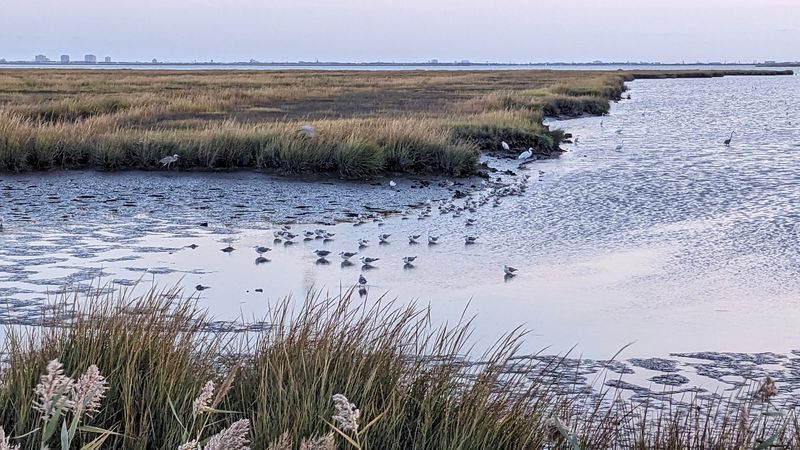
The eight-mile Wildlife Drive delivers one of New Jersey’s best nature experiences without asking anyone to surrender the car’s air conditioning. The route edges salt marshes, mudflats, impoundments, and shallow coastal waters, where egrets stalk the shoreline and ospreys occupy nesting platforms.
During migration, shorebirds can gather in numbers that make even non-birders reach for binoculars. Forsythe protects more than 48,000 acres of coastal habitat, much of it wetlands positioned along the Atlantic Flyway.
The refuge began as separate Brigantine and Barnegat units created to protect migratory water birds; they were combined under the Forsythe name in 1984. Today, the property provides essential feeding, resting, and nesting ground in a shoreline region under constant development pressure.
Drive slowly and use pull-offs rather than stopping wherever a bird catches your eye. The route is unpaved and exposed, so conditions can turn dusty, windy, or buggy.
Trails near the Galloway headquarters provide a chance to get out and walk, while observation towers open wider views across the marsh. A camera with a zoom lens is helpful, but ordinary binoculars will do plenty of work.
The refuge charges a modest fee for the Wildlife Drive, with passes available for frequent visitors. Conditions and access can change after storms, tides, maintenance, or seasonal wildlife closures, so check before making a long trip.
Sunrise and late afternoon bring beautiful light; autumn migration brings the greatest sense of spectacle.
10. Glades Wildlife Refuge – Newport
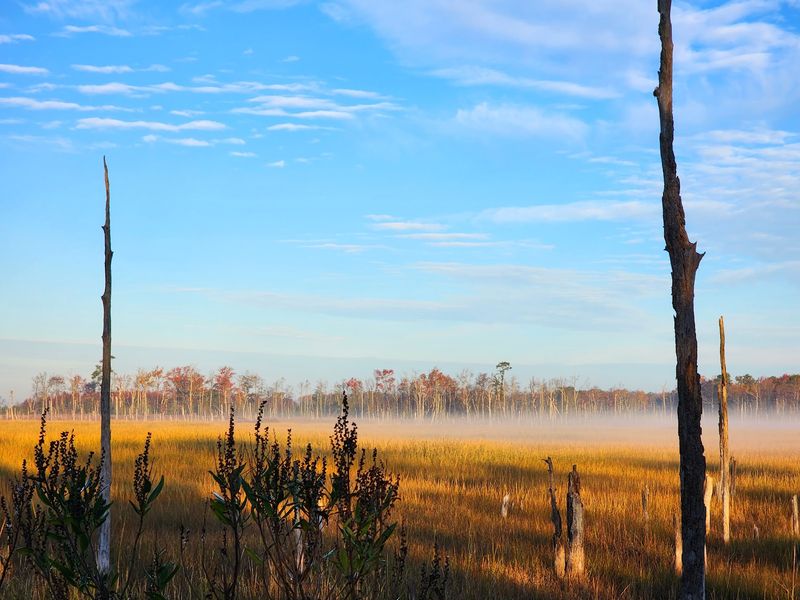
Here, New Jersey stops feeling crowded. Glades Wildlife Refuge spreads across thousands of acres along the Delaware Bay, protecting tidal marsh, creeks, forest, farmland, and bay shoreline in Cumberland County.
Bald eagles patrol overhead, horseshoe crabs gather along the water, and diamondback terrapins move between marsh and nesting ground. Natural Lands manages the refuge primarily for conservation, so the visitor experience is appealingly spare.
There is no polished interpretive complex waiting at the trailhead. Instead, several easy footpaths lead into different pieces of the landscape.
The one-mile Bald Eagle Trail is a manageable introduction, while longer routes such as North Trail offer more solitude. Conditions can be wet, and the expansive marshes leave walkers exposed to sun, wind, ticks, and famously determined biting flies.
This is a place for prepared visitors. Wear long sleeves and long pants during warmer months, use repellent, and download or photograph the trail map before setting out.
The refuge is open from sunrise to sunset. Dogs are permitted on leash, but bicycles, motorized vehicles, swimming, picnicking, and recreational fishing are prohibited.
Facilities are limited, so bring water and handle restroom needs before arriving. The quiet rules protect a landscape that supports far more than the animals visitors happen to see.
Salt marshes absorb floodwater, shelter young fish, store carbon, and give migrating birds room to refuel. Glades makes those ecological connections visible simply by leaving enough land intact.
11. Wallkill River National Wildlife Refuge – Sussex
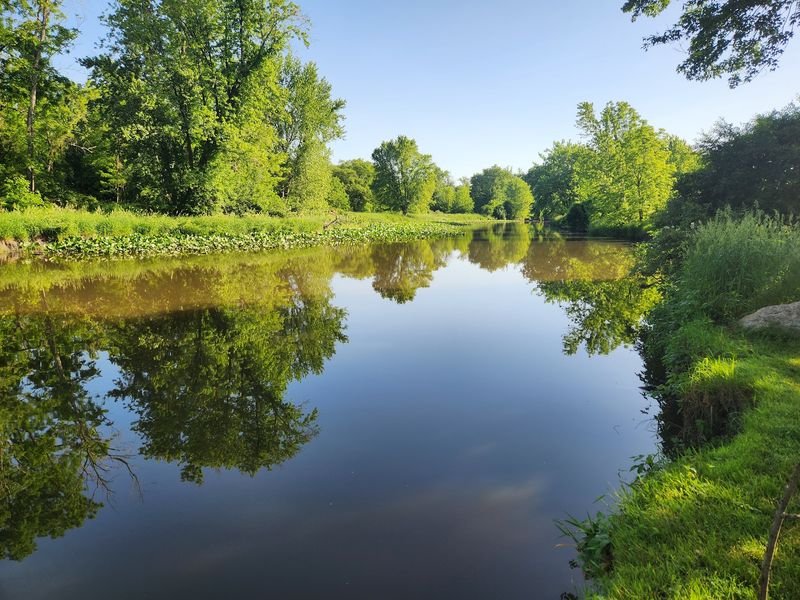
A kayak sliding past tall grasses may reveal more here than a hurried hike ever could. Established in 1990, Wallkill River National Wildlife Refuge follows the river valley through Sussex County and into New York, preserving wetlands, floodplain forest, grasslands, and farmland for wildlife while protecting water quality.
Liberty Loop is the classic introduction. The 2.5-mile trail circles wetlands and open fields known for waterfowl, herons, raptors, and seasonal migrants.
Photographers favor its broad sightlines, while walkers appreciate the mostly level route. Hidden Ponds offers a shorter loop, and the Wood Duck Nature Trail follows an old railroad bed, with its first section designed for wheelchair access.
Owens Station Crossing is another useful starting point. It has ample parking, restrooms, picnic tables, pollinator gardens, trail connections, and an accessible dock for fishing or launching a canoe or kayak.
Paddling reveals the refuge from a quieter angle, though water levels and conditions deserve attention before departure. The Winding Waters Trail follows the river and restored fields but closes during portions of fall hunting season, so seasonal planning matters.
Bird activity changes dramatically through the year. Spring brings songbirds and nesting activity; fall fills the valley with migrants; winter opens views that summer vegetation conceals.
Dogs are allowed only in designated areas, including Liberty Loop, and must remain leashed. For the calmest experience, arrive early, walk slowly, and let the refuge’s long sightlines do the searching.
12. Lorrimer Sanctuary – Franklin Lakes
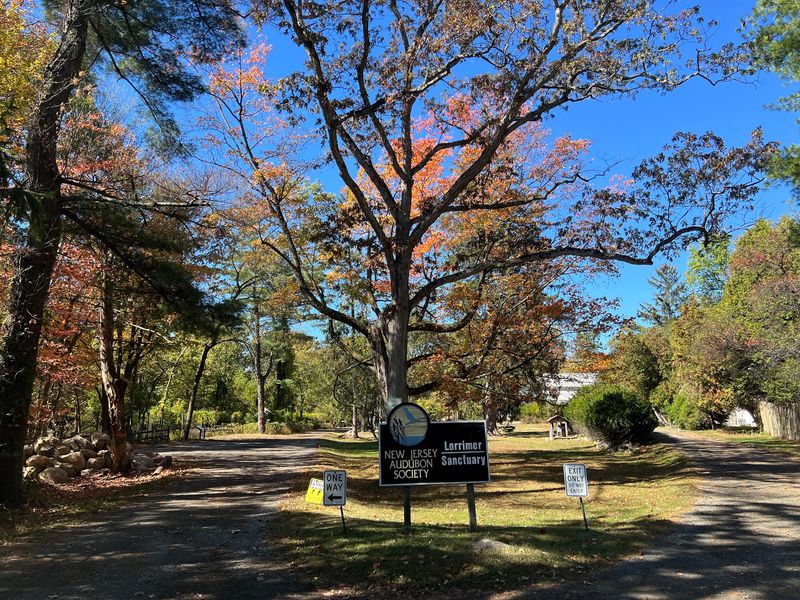
A century-old cabin surrounded by woods gives this Bergen County sanctuary the feel of a secret clubhouse for naturalists. Once a private summer retreat, the property is now a New Jersey Audubon center where families can learn about local wildlife without committing to an all-day expedition.
The compact trail network passes through second-growth forest, a garden, and habitat used by songbirds, woodpeckers, squirrels, chipmunks, and deer. It is particularly good for young walkers who want the satisfaction of a real woods adventure but may not be ready for a long or strenuous hike.
Seasonal changes do most of the redecorating: wildflowers and migrating birds in spring, dense shade in summer, bright foliage in fall, and easier wildlife spotting after the leaves drop. Inside the visitor center, exhibits and educational displays introduce common New Jersey species.
Programs range from guided nature walks and children’s activities to birding events, camps, and workshops. The staff excels at turning small discoveries—a feather, track, seedpod, or birdcall—into something worth investigating.
Trail access and nature-center hours are not identical, so confirm both before visiting. The grounds are generally most rewarding in the morning, when birds are active and the paths are quiet.
Bring binoculars if you have them, but do not worry if you do not. Lorrimer’s charm lies in making close observation feel natural, whether the day’s headline sighting is a hawk or a beetle under a log.
13. Marine Mammal Stranding Center – Brigantine
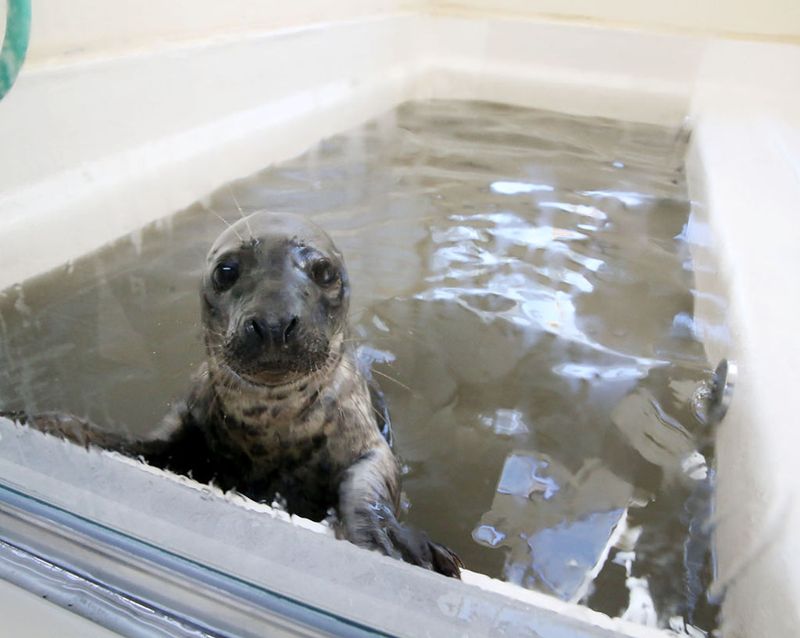
When a seal rests on a New Jersey beach, the correct response is not a selfie at arm’s length. Give it at least 150 feet of space, keep pets away, and call the Marine Mammal Stranding Center.
Its round-the-clock hotline coordinates responses to seals, dolphins, whales, sea turtles, and even the occasional wayward manatee across roughly 1,800 miles of state tidal shoreline and waterways. Founded in 1978, the Brigantine nonprofit is New Jersey’s only federally authorized rescue, rehabilitation, and release facility for marine mammals.
It is also the state’s authorized first responder for stranded and entangled sea turtles. The team has handled thousands of cases, combining emergency field response with veterinary treatment, rehabilitation, release, and postmortem research when an animal cannot be saved.
Patients are not public attractions. The hospital and rehabilitation areas remain closed to protect recovering wildlife from stress, disease transmission, and habituation.
Visitors can instead explore the Sea Life Museum, a small educational center containing life-size models, bones, marine artifacts, and displays about plastic ingestion and other ocean hazards. When seals are in care, a remote camera may provide a look inside the hospital without disturbing them.
Museum admission is free, with a suggested donation, and hours change seasonally. Call or check the current schedule before visiting.
Most importantly, save the hotline number—609-266-0538—and use the phone rather than email or social media if you encounter a stranded marine mammal or sea turtle.
14. Cape May Bird Observatory – Cape May Point
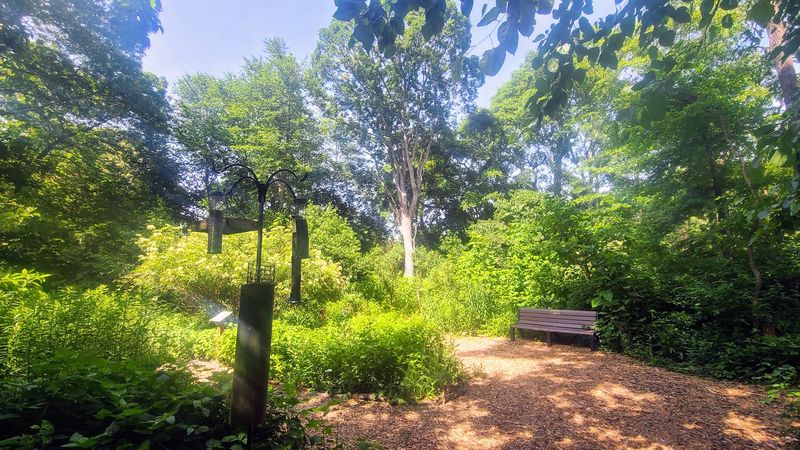
On a busy autumn morning, Cape May’s sky can resemble a wildlife highway. Hawks ride the wind south, songbirds pour toward the peninsula, seabirds track the coast, and monarch butterflies drift across the landscape.
Cape May Bird Observatory helps make sense of that movement—and gathers the long-term data needed to protect it. Founded in 1976, the observatory runs migration counts, field research, educational programs, festivals, and guided walks throughout the Cape May region.
Its projects include the Cape May Hawkwatch, Avalon Seawatch, Morning Flight count, and Monarch Monitoring Project. Those efforts turn thousands of individual sightings into information researchers can use to understand population changes and migration patterns.
The Northwood Center in Cape May Point is an ideal first stop. It sits beside bird-rich habitat and carries field guides, binoculars, scopes, and other useful gear.
Staff can point visitors toward productive locations based on the season and that day’s activity. Beginners should consider a guided walk; experienced leaders have a talent for finding the bird everyone else has stared directly past.
The center is generally open daily, while walks and field programs follow separate schedules. Autumn is legendary, but it is not the only worthwhile season.
Spring migration brings color and song, summer highlights nesting birds, and winter can produce ducks, seabirds, and unexpected rarities. Bring binoculars, dress for wind, and avoid building the outing around one target species.
Cape May rewards attention more reliably than wish lists.
15. Popcorn Park Animal Refuge – Forked River
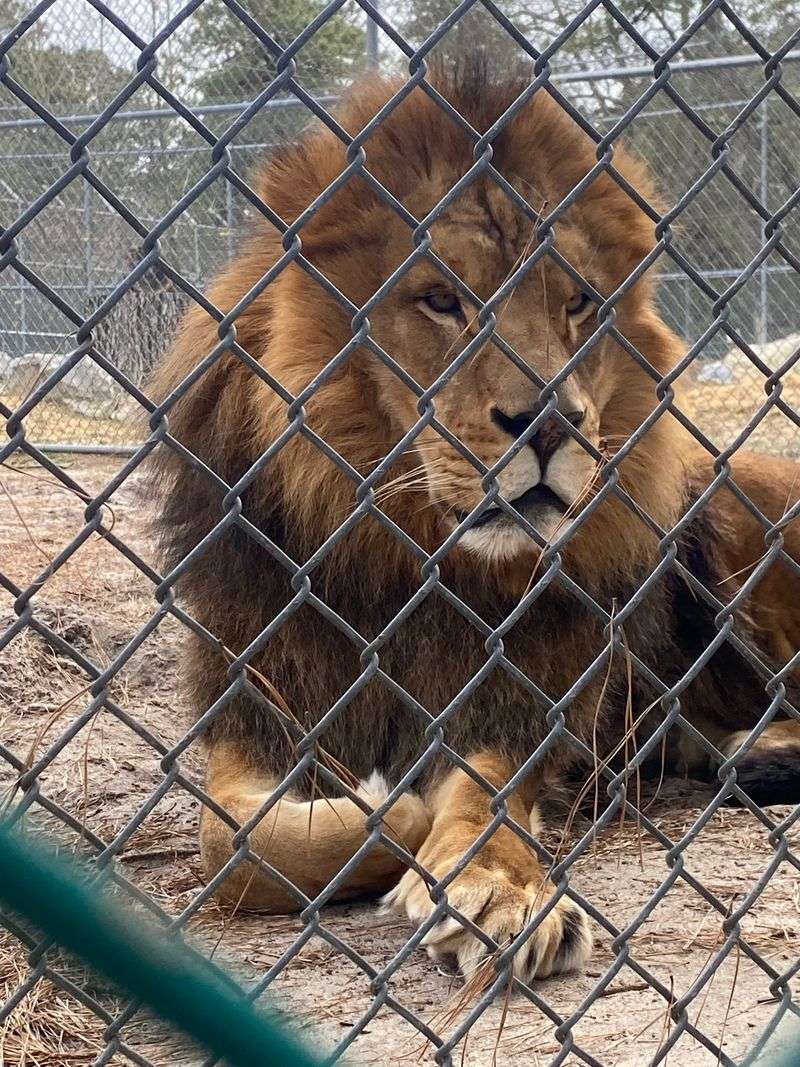
The name comes from a once-familiar tradition of visitors feeding air-popped popcorn to certain animals. That practice has ended for health reasons, but the playful name remains attached to a sanctuary with a serious purpose.
Popcorn Park provides permanent care to animals that endured neglect, injury, exploitation, abandonment, inappropriate ownership, or circumstances that made release impossible. Its story began in 1977 with a raccoon injured in a leg-hold trap.
Today, more than 200 residents may include big cats, primates, domestic livestock, native wildlife, and birds. Some arrived from private owners who could no longer manage an exotic animal.
Others were saved from roadside attractions, cruelty cases, slaughter, or severe neglect. Native animals capable of returning to the wild are released; those unable to survive independently receive lifelong care.
The refuge feels more rustic than a conventional zoo, fitting its location in the sandy Pine Barrens. Interpretive signs tell individual rescue stories, which often become the most memorable part of the visit.
Paths are unpaved and can be bumpy. Beach-style wheelchairs are available by request because standard wheelchairs and strollers may struggle in the sand.
Popcorn Park is generally open daily from 10 a.m. to 4 p.m., with final admission at 3:30 and weather-related changes possible. Admission supports animal care.
Outside food and pets are not permitted, and visitors may no longer feed the residents. Come for the unusual mix of animals; stay attentive to the stories that explain why each one needed refuge.
Share this story