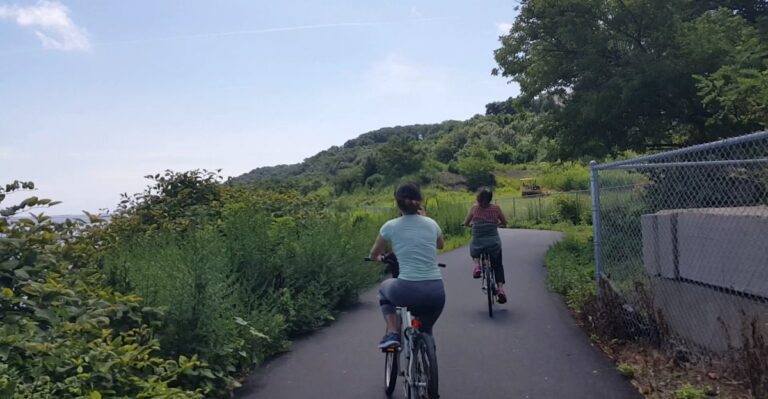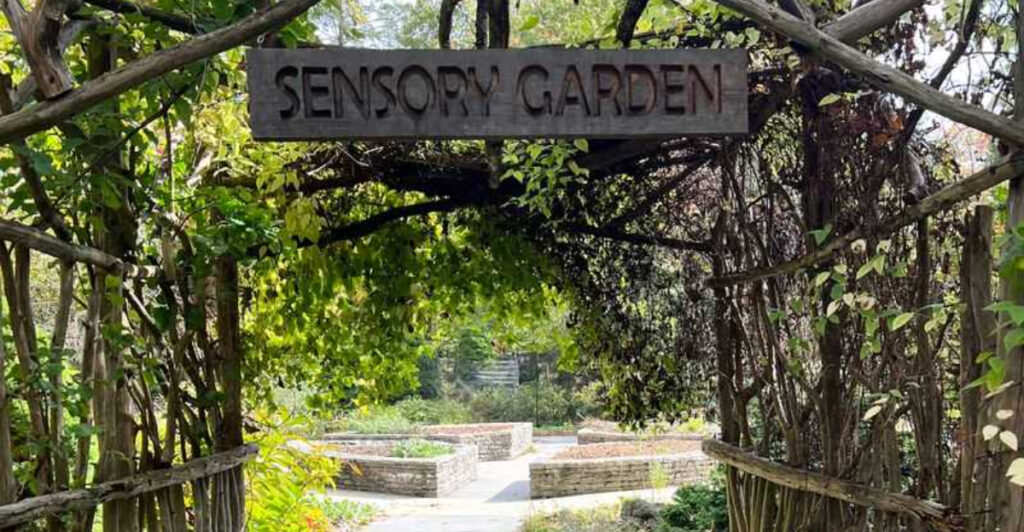
There is a point on the trail at South Cape May Meadows where the town slips out of view, the reeds begin whispering in the wind, and the only traffic overhead has wings. That is the sort of quiet this list is chasing.
Not the awkward silence of an empty waiting room, but the good kind—the kind that loosens your shoulders before you realize they were tense. New Jersey has more of these restorative corners than its crowded highways and busy boardwalks might suggest.
Some are flower-filled gardens where an hour disappears between the roses. Others require a rocky climb, a slow drive through salt marshes, or a walk to a beach with no arcade in sight.
Whether your preferred reset involves waterfalls, migrating birds, forest trails, or a bench beside a koi pond, these 15 places provide room to breathe. Put the phone on silent.
Your notifications can survive without you.
1. Deep Cut Gardens – Middletown Township
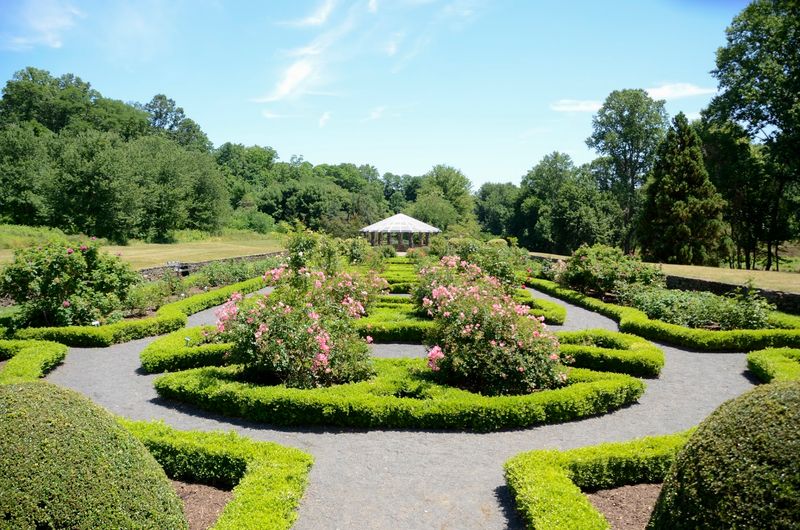
A staircase overlooking clipped hedges, curved planting beds, and rows of roses provides one of the prettiest first impressions in Monmouth County. The formal parterre is the showpiece here, arranged with enough precision to satisfy anyone who alphabetizes the spice rack, yet the grounds never feel stiff or museum-like.
Visitors can wander freely, lean in to inspect whatever is blooming, and borrow ideas for their own gardens without spending a dime at a nursery. The 54-acre property was designed as a living catalog for home gardeners, mixing cultivated specimens with native plants that change dramatically through the seasons.
Spring brings bulbs and flowering trees, while warmer weather fills the rose beds and perennial displays. The renovated parterre alone contains dozens of rose varieties and more than 180 bushes.
A greenhouse keeps the visit interesting when the weather turns damp, and the horticultural center includes a reference library for anyone who suddenly decides this is the year to understand hydrangeas. The paths are manageable enough for an unhurried stroll, and there are plenty of places to pause rather than power-walk.
Deep Cut opens in the morning and closes at dusk, with parking available on-site. Leave the dog at home, since pets are not permitted in the gardens.
2. The Wetlands Institute – Stone Harbor
Fiddler crabs have absolutely no respect for your schedule. Watch them scuttle through the mud beside the Salt Marsh Trail, and the urge to rush anywhere starts to feel slightly ridiculous.
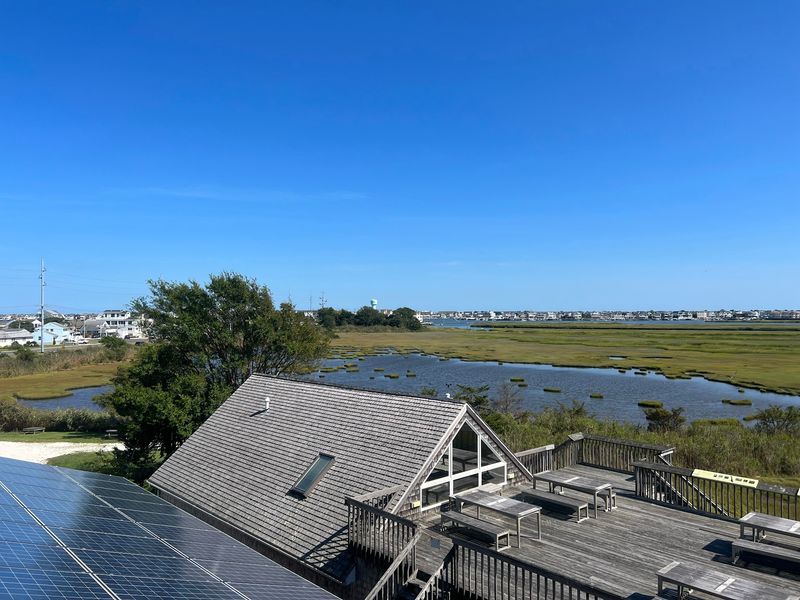
This Stone Harbor institution offers a different kind of Shore day, replacing crowded sand and souvenir shops with marsh grass, tidal creeks, laughing gulls, and broad skies. A quarter-mile trail reaches into the wetlands before ending at a 125-foot pier over Scotch Bonnet Creek.
Interpretive stations along the way identify the plants and creatures living in an environment that changes with every tide. For a wider view, climb the 40-foot observation tower, where the landscape opens toward the barrier islands and coastal towns in the distance.
It is especially striking when late-day light catches the water between the grasses. There is plenty to explore indoors as well.
The aquarium features live marsh animals, while the teaching and touch tank may introduce visitors to horseshoe crabs, sea stars, and other local residents.
That combination makes the Institute a smart choice when you want nature without committing to a long hike—or when younger companions need something more interactive than “look, another bird.” Allow time to move slowly through the exhibits and trails.
Free parking is available, but pets are not allowed because they can disturb wildlife.
3. Duke Farms – Hillsborough Township

Two thousand seven hundred acres leave plenty of room for a bad mood to lose your trail. This former private estate in Hillsborough now functions as a conservation campus, but visitors do not need a science background to appreciate its meadows, lakes, woodlands, historic buildings, and unusually generous network of paths.
Begin at the Farm Barn, where the orientation center provides maps and a helpful sense of scale. From there, roughly 20 miles of trails spread across the property.
Walking works well for a shorter visit, though a bicycle makes it easier to reach farther landmarks without turning the outing into an endurance event. Popular stops include the Orchid Range, the meditation garden, old stone structures, and stretches of restored habitat where bird sightings regularly interrupt conversations.
The property’s size gives you options. You can spend an hour near the main buildings or devote much of the day to exploring quieter sections where the nearest person may be a tiny figure across a meadow.
The café is useful for coffee or a locally focused lunch, though its schedule may be more limited than access to the grounds. Certain days are reserved for wildlife and ecosystem recovery, and busy periods may require advance parking arrangements.
Check the current schedule before leaving home, wear shoes suitable for distance, and resist trying to see every corner in one visit.
4. Sunfish Pond – Hardwick Township
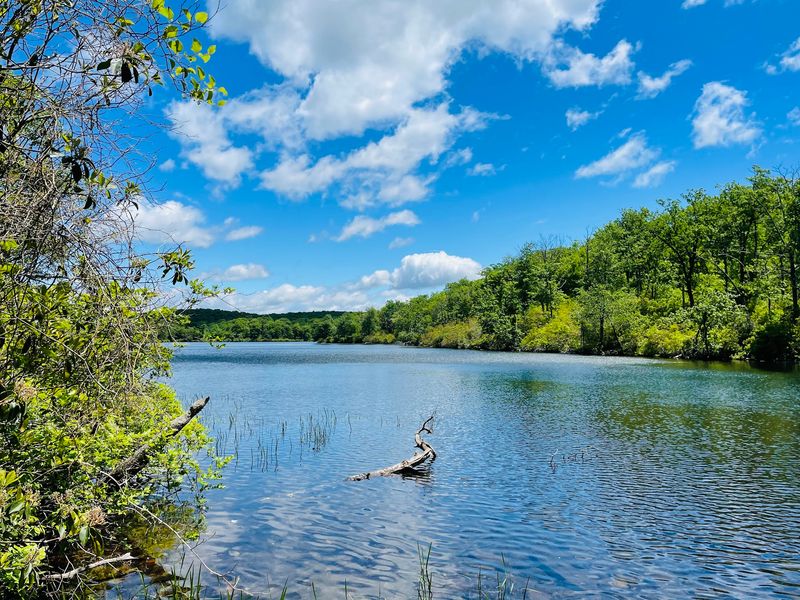
The reward does not reveal itself from the parking lot. Reaching this glacial pond on the Kittatinny Ridge requires an honest hike, complete with rocks, elevation, and stretches that may have you reconsidering what exactly you meant by “a relaxing day.”
Then the trees open around a high, still body of water, and the effort finally makes sense.
Sunfish Pond sits within Worthington State Forest and covers roughly 41 acres near the crest of the ridge. It is a designated National Natural Landmark and one of the best-known natural features along New Jersey’s portion of the Appalachian Trail.
The surrounding hardwood forest muffles the outside world, while boulder-strewn shores create natural seats for a long rest and a well-earned snack. Several routes reach the pond, and none should be treated like a casual flip-flop stroll.
Trails can be steep, rocky, and demanding, particularly after rain. Sturdy shoes, adequate water, and a paper or downloaded map are sensible rather than overly cautious.
Give yourself enough daylight to enjoy the destination without racing the return trip. The real pleasure comes after the chatter of the trail fades.
Sit near the water, listen for birds moving through the canopy, and do absolutely nothing for a while. Few New Jersey resets feel more deserved.
5. Buttermilk Falls – Layton
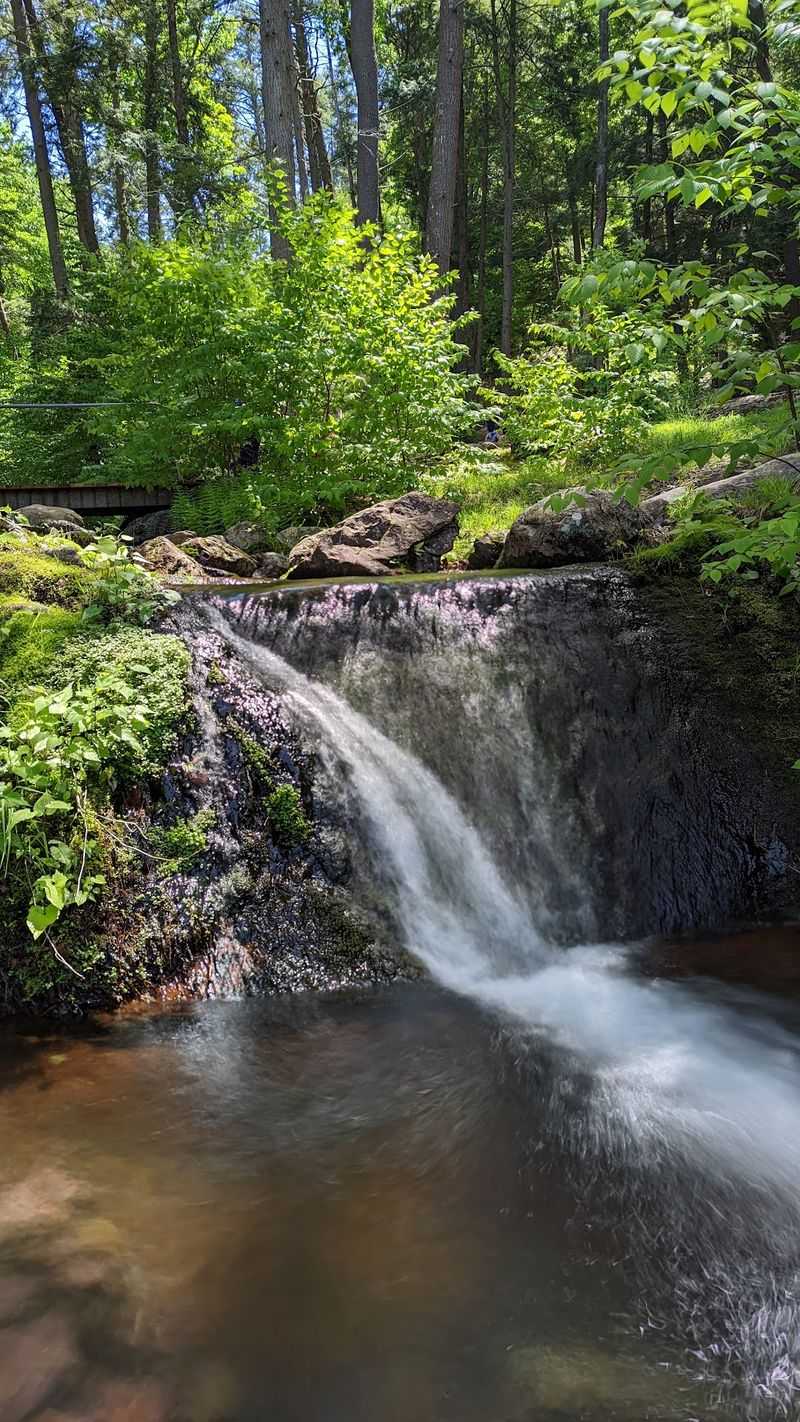
Water spills down the rock face only a short distance from the road, making this one of those rare natural spectacles that does not demand six miles of hiking before showing off.
Located within Delaware Water Gap National Recreation Area, Buttermilk Falls is considered one of New Jersey’s tallest waterfalls and makes an immediate impression after wet weather.
A wooden staircase climbs beside the cascade, offering changing views as the water drops through the forest. Visitors looking for a quick dose of scenery can admire the lower falls and climb partway up.
Those with more energy can continue beyond the top, where the trail rises steeply toward the Appalachian Trail and overlooks across the valley. That option turns a brief roadside stop into a proper backcountry outing.
The sound does much of the restorative work. Conversation becomes unnecessary beside the rushing water, and the damp, fern-lined setting often feels several degrees cooler than the surrounding roads.
Visit after rain for stronger flow, but expect slippery steps and muddy trail conditions. Access requires some planning because mountain roads in this part of the recreation area can be rough, seasonally closed, or affected by maintenance work.
Check current road conditions before setting out, especially during winter or after storms. Bring shoes with reliable grip, even when planning only a quick look at the falls.
6. Parvin State Park – Pittsgrove
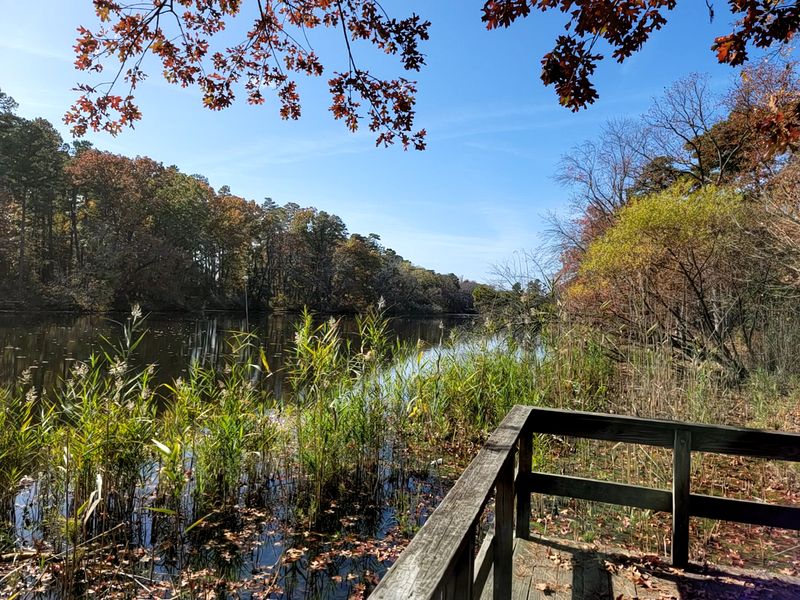
South Jersey’s Pine Barrens edge creates a softer, flatter kind of wilderness at this Pittsgrove park. Instead of climbing toward an overlook, visitors circle calm lakes, pass through mixed forest, and settle into the steady rhythm of level trails.
It is the sort of place where “just one lap” can quietly become an entire afternoon. Parvin State Park spans nearly 2,000 acres, with Parvin Lake and Thundergust Lake anchoring the landscape.
Walking paths weave through stands of pine, hardwood forest, and wetlands where birds and frogs provide most of the soundtrack. The terrain suits hikers who want distance without steep climbs, while the water attracts paddlers and anglers looking for an uncomplicated day outside.
There is more history here than the quiet scenery initially suggests. The land has connections to Native American habitation, early industry, Depression-era public works, and wartime use.
Those layers give the park substance without turning every trail into an outdoor history lesson. For the calmest experience, arrive early and choose a route away from the main recreation areas.
Cabins and campsites make an overnight reset possible, though reservations and seasonal availability should be checked ahead. In warm weather, pack insect repellent and expect sections near the water to be buggy.
That minor inconvenience is quickly forgotten once the lake surface goes still and the trees begin reflecting in it.
7. Colonial Park Gardens – Somerset
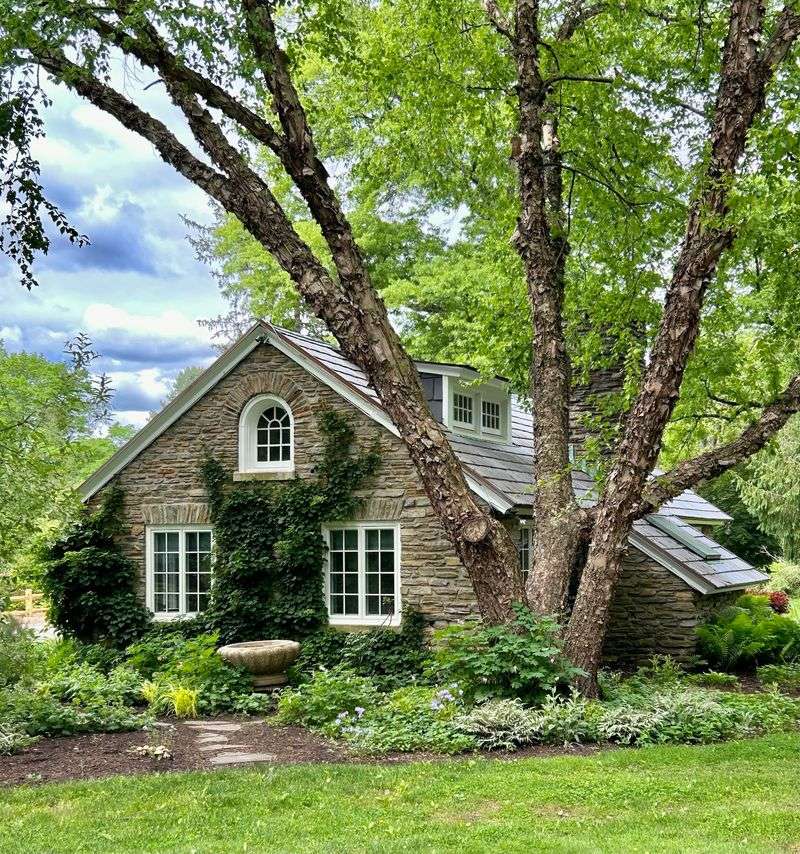
The rose garden does not ease visitors in gently. During peak bloom, color arrives all at once—climbing roses over pergolas, modern hybrids arranged in formal beds, and older varieties carrying the sort of fragrance that no scented candle has ever quite managed to imitate.
Located in the western portion of Colonial Park, this collection of display gardens offers several distinct places to wander. The Rudolf W. van der Goot Rose Garden receives most of the attention, especially in early summer, but it should not be the only stop.
The perennial garden changes week by week, the accredited arboretum introduces labeled trees and shrubs, and ornamental grasses add movement even when flowers are between their showiest periods. The Fragrance and Sensory Garden is especially thoughtful.
Its herbs, vines, shrubs, tropical plants, and textured specimens were selected to engage more than sight, with particular consideration for visitors with visual or physical impairments. It invites close attention rather than hurried photography.
Because the gardens sit within a larger county park, the outing can easily expand into a picnic, a longer walk, or time beside the nearby canal. Parking areas serve different parts of the grounds, so consult the park map before choosing the first available space.
June tends to bring the biggest rose display, but quieter shoulder-season visits have their own charm and considerably fewer portrait sessions unfolding around every pergola.
8. Spring Lake Beach and Boardwalk – Spring Lake
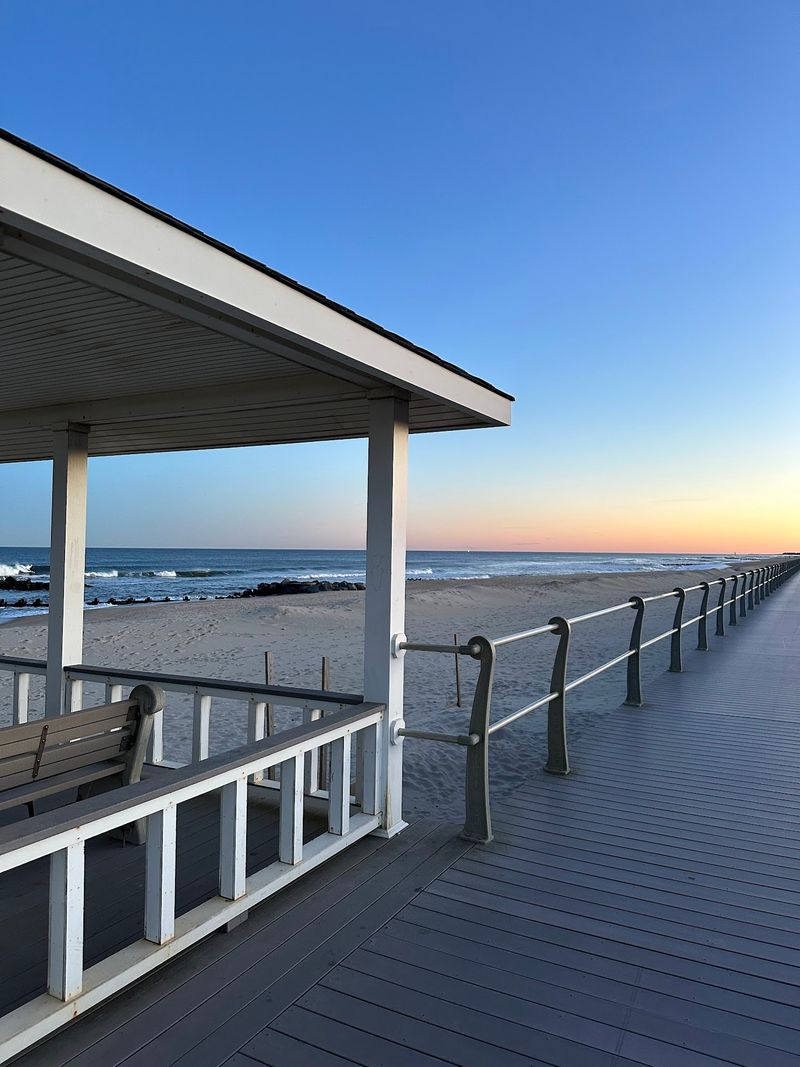
No flashing games compete with the waves here. Spring Lake’s boardwalk is famously noncommercial, which means a walk along the ocean comes without arcade sound effects, souvenir stands, or repeated negotiations over whether anyone really needs another stuffed animal.
The wooden promenade runs for roughly two miles beside a broad stretch of beach. On one side, dunes and the Atlantic dominate the view.
On the other, tree-lined streets and grand homes reinforce the town’s polished, residential character. Early morning is the sweet spot: runners pass quietly, gulls patrol the sand, and the rising sun turns the water silver before beach crowds arrive.
This is not the Shore for visitors seeking rides and nonstop activity. It is better suited to coffee carried carefully along the boardwalk, a long conversation, or a walk with no particular destination.
The town’s spring-fed lake and compact downtown sit a short distance inland, making it easy to extend the visit without getting back in the car. Beach badges are required during the staffed summer season, while the boardwalk itself can be enjoyed without buying a day on the sand.
Spring Lake also limits certain items on the beach, helping preserve its notably uncluttered feel. Parking is found along local streets, but arriving early saves both time and unnecessary circling.
9. Jenny Jump State Forest – Hope
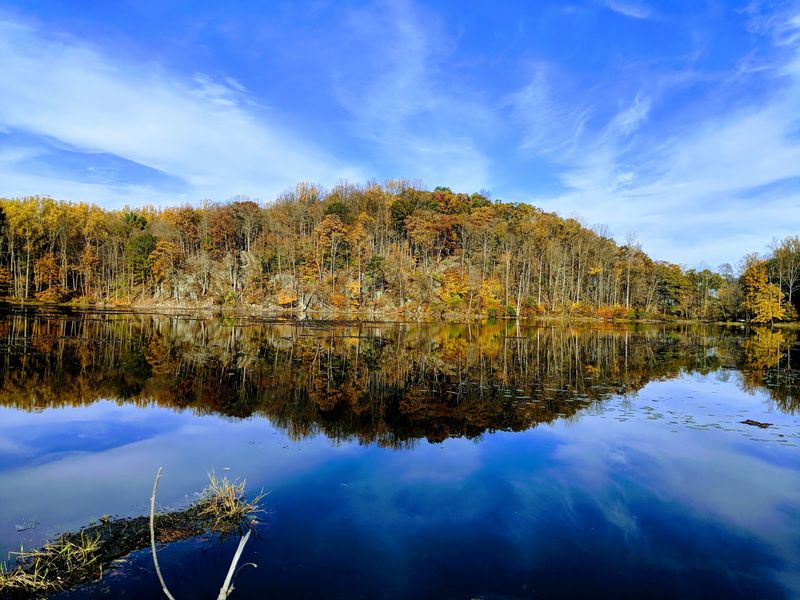
Boulders appear between the trees like oversized furniture left behind by a glacier. They give Jenny Jump’s trails a rugged personality, but the forest rarely feels severe.
Its rolling Warren County terrain delivers rocky paths, quiet campsites, and broad views without the heavier foot traffic found at some better-known North Jersey hiking destinations. Seven official trails explore different parts of the forest.
The longest, Jenny Jump Trail, runs for more than eight miles across ridgelines and around the slopes of the mountain, while shorter options make it possible to enjoy the landscape without committing to an all-day trek. Several routes lead toward views of the Kittatinny Ridge, Great Meadows, and the surrounding Highlands.
The best plan is to choose one manageable loop rather than charging after every overlook marked on the map. Rocky footing slows the pace, which is not necessarily a bad thing when the purpose is to clear your head.
In autumn, the combination of exposed stone, changing leaves, and distant farmland can make even a short hike feel wonderfully removed from ordinary routines. Camping facilities allow visitors to stay after day-trippers leave, and the area’s darker skies make clear nights especially memorable.
Download a trail map before arriving, carry enough water, and expect limited cell service in parts of the forest. Around here, losing your signal may be part of the appeal.
10. South Cape May Meadows Preserve – Cape May
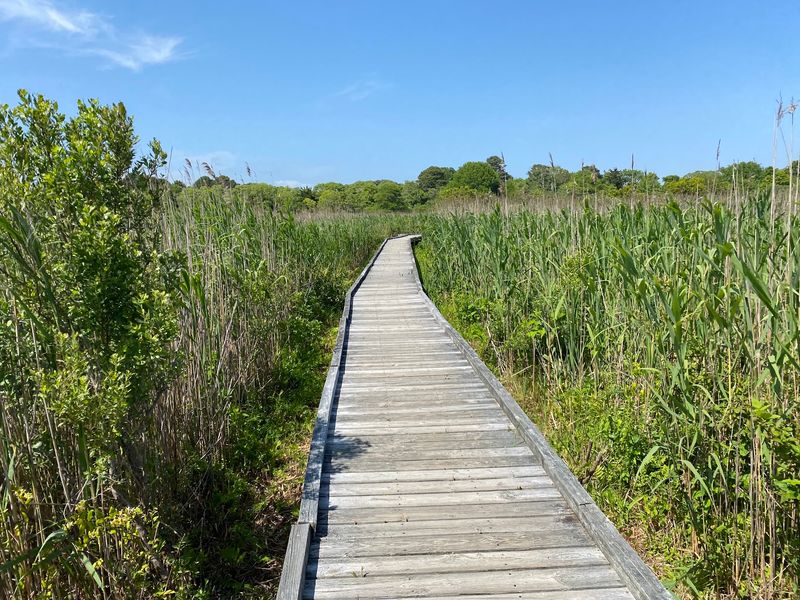
A trail that begins among freshwater wetlands eventually crosses the dunes and reaches a protected mile of beach. That gradual shift—from reeds and ponds to an open Atlantic horizon—is what makes this preserve feel like several small escapes stitched into one easy walk.
More than 200 acres provide habitat for resident wildlife and migrating birds moving through one of the country’s most celebrated birding regions. Serious birders arrive with scopes and carefully planned target lists, but no expertise is necessary.
Herons, egrets, ducks, shorebirds, turtles, dragonflies, and butterflies provide enough movement to hold anyone’s attention. The preserve has just over two miles of trails, including a boardwalk route with rest areas and accessible features.
Benches appear regularly, giving visitors permission to stop rather than treating the path as a task to finish. The undeveloped beach at the far end feels especially rewarding because it cannot be reached by simply stepping out of a parking lot.
Visit around sunrise or late afternoon for softer light and active wildlife. Binoculars improve the experience, though curiosity works nearly as well.
The preserve is open during daylight hours throughout the year and does not permit dogs. Because the beach supports nesting birds, respect roped areas and posted closures rather than searching for a “better” view beyond them.
11. New Jersey Botanical Garden at Skylands – Ringwood
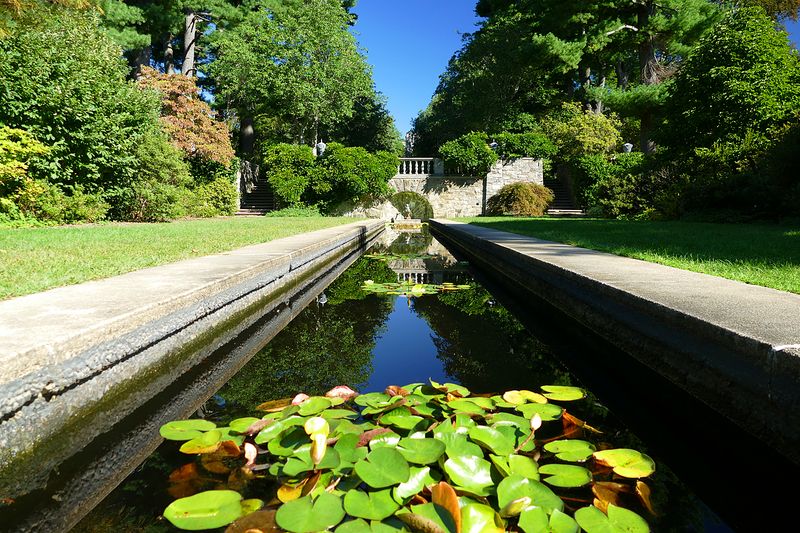
Stone terraces, clipped lawns, and carefully planned garden rooms look especially dramatic against the wooded Ramapo Mountains. This contrast gives Skylands its character: part grand country estate, part mountain retreat, and far less formal than its historic manor might initially suggest.
The garden forms the heart of Ringwood State Park and is listed on both the New Jersey and National Registers of Historic Places. Paths lead through distinct collections and landscaped spaces, each creating a different mood.
Depending on the season, visitors may encounter flowering trees, lilacs, annual displays, perennials, wildflower areas, and shaded stretches where the surrounding forest begins reclaiming attention from the formal plantings.
Skylands Manor provides an impressive architectural centerpiece, but the grounds are best enjoyed without trying to follow a rigid route.
Wander through an archway, take the less obvious path, and allow the changing terrain to determine the pace. Spring and early summer deliver the greatest concentration of blooms, while autumn brings mountain color and fewer garden-tour groups.
Admission to the outdoor garden is generally free, though Ringwood State Park may charge a parking fee on summer weekends and holidays. Comfortable shoes help because the estate includes slopes, stone steps, and uneven surfaces.
Before visiting, check for private events or tours that could affect access around the manor.
12. Laurelwood Arboretum – Wayne
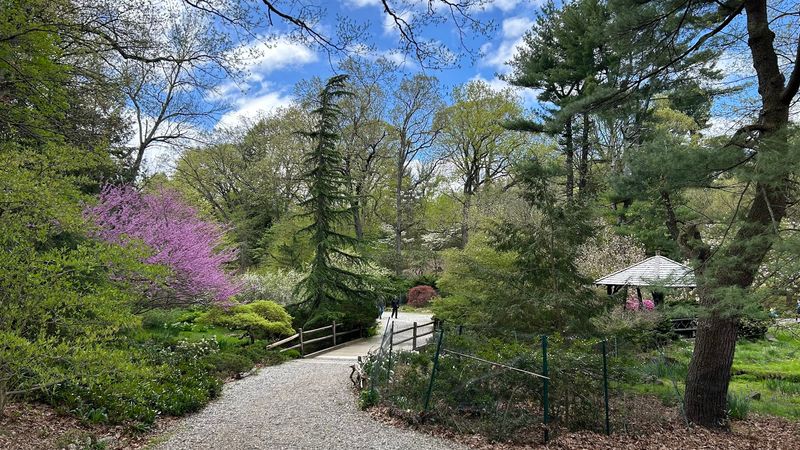
Rhododendrons and azaleas bend over winding paths here, creating little green corridors that seem to close behind you. The effect is delightfully disorienting: one minute you are in a suburban Wayne neighborhood, and the next you are following a stream through dense woodland with no reason to remember what traffic looked like.
This 30-acre public park includes two ponds, small streams, wooded trails, landscaped gardens, and hundreds of unusual plant varieties. The collection is especially known for spring-flowering rhododendrons and azaleas, though mature trees and layered foliage keep the grounds interesting beyond peak bloom.
Art installations appear among the plantings, adding occasional surprises without overpowering the natural setting. Laurelwood rewards slow walkers.
Paths branch and reconnect, benches appear in tucked-away spots, and the compact size allows visitors to explore without constantly checking whether they have wandered too far from the car. It works equally well for a quiet solo loop or a low-key outing with someone who prefers gardens to serious hiking.
The arboretum is open daily from morning until dusk, and there is no need to reserve a visit. Because it sits beside the private Pines Lake community, visitors should drive carefully and respect the surrounding neighborhood.
Wear shoes that can handle damp ground, since woodland paths may remain muddy long after the rain stops.
13. Island Beach State Park – Seaside Park
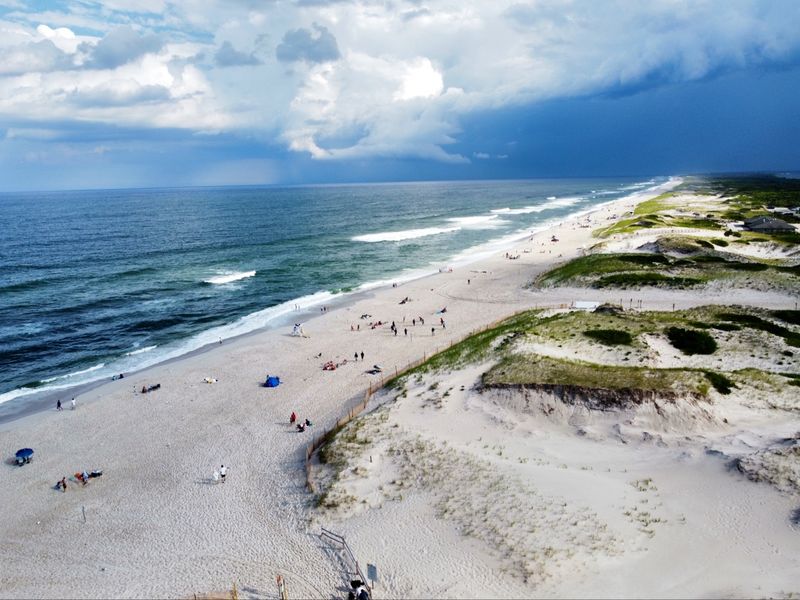
Drive south past the final clusters of Shore houses and the scenery begins shedding human-made clutter. Dunes rise beside the road, maritime forest closes in, and glimpses of Barnegat Bay appear through the vegetation.
By the time you reach the quieter sections of Island Beach State Park, Seaside Heights feels much farther away than it actually is. The narrow barrier island stretches for nearly 10 miles between the Atlantic and the bay.
Its approximately 3,000 acres protect beaches, primary dunes, thickets, freshwater wetlands, tidal marshes, and maritime forest. That variety supports ospreys, peregrine falcons, shorebirds, waterfowl, and migrating songbirds, while short nature trails let visitors explore habitats beyond the oceanfront.
Many people stop at the first swimming areas, but the best stress relief often lies farther south. Continue down the park road, choose a less crowded access point, and walk until conversations fade beneath the wind.
Bayside trails offer a gentler alternative when the ocean is rough, and the southern end provides views toward Barnegat Inlet and the lighthouse beyond it. Summer weekends can fill the park to capacity, so arrive early or visit outside peak beach hours.
Entrance fees are collected seasonally, and swimming is allowed only in designated guarded areas when lifeguards are on duty. Bring water and snacks because services become limited once you are inside.
14. Edwin B. Forsythe National Wildlife Refuge – Galloway
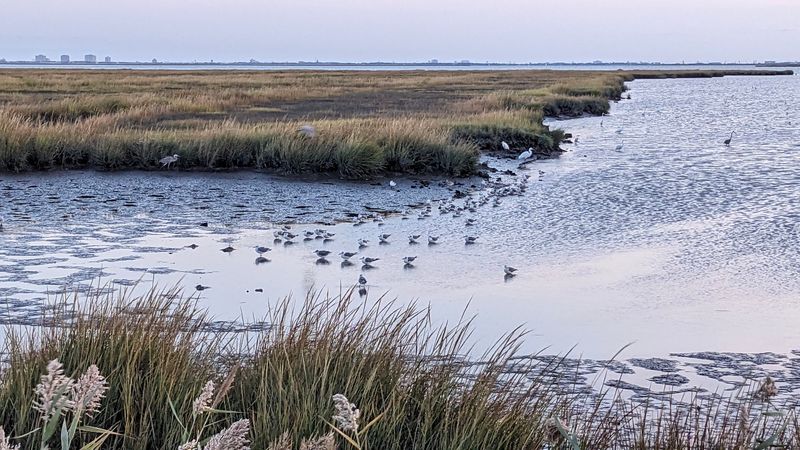
The car becomes a surprisingly effective bird blind on the Wildlife Drive. Roll down the windows, creep along the dikes, and the usual road-trip urge to reach the destination disappears.
Here, the slow drive is the destination. Edwin B. Forsythe National Wildlife Refuge protects more than 48,000 acres of coastal habitat across southern New Jersey. Much of that land is wetland and salt marsh positioned along the Atlantic Flyway, making the refuge an important seasonal stop for migrating birds.
At different times of year, the impoundments and marshes may hold ducks, geese, egrets, herons, shorebirds, raptors, and clouds of smaller birds that refuse to sit still long enough for identification. The main Galloway visitor area includes an information center, trails, observation points, and the self-guided drive.
Bring binoculars, but do not assume every memorable sighting will be distant. Birds frequently appear beside the road, while turtles bask along the water and deer move through the edges of the marsh.
The refuge generally opens around sunrise and closes at sunset, making early and late visits both practical and visually rewarding. Drive slowly, yield to wildlife, and pull over only at designated spots.
Wind can be strong and insects can be determined, so pack a light layer and repellent even when the parking lot feels comfortable.
15. Sayen House and Gardens – Hamilton Township
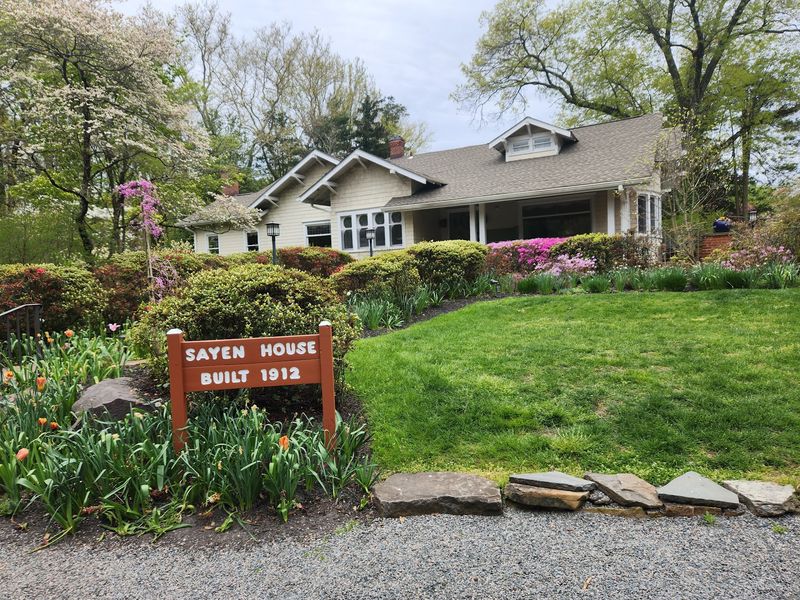
A curved bridge over a fish pond can change the mood of an entire afternoon. Add flowering paths, small streams, wooded corners, and gazebos that seem purpose-built for lingering, and this Hamilton garden becomes one of Mercer County’s easiest escapes.
Frederick Sayen purchased the 30-acre property in 1912, built a bungalow-style home, and filled the surrounding land with plants collected during his travels. That personal passion still shapes the grounds.
Rather than feeling like one vast formal display, the garden unfolds in smaller scenes—an opening beneath mature trees, a flash of color beside the path, or water moving beneath a bridge. Spring is the headline season, when more than 250,000 flowering bulbs join dogwoods, heirloom azaleas, and rhododendrons.
The annual and perennial beds keep color in the landscape beyond that peak, while the wooded trails, ponds, and wildlife provide reasons to return even when fewer plants are blooming. The gardens are free to explore, though Sayen House hosts weddings and private gatherings, so one area may occasionally be busy.
Visit on a weekday morning for the quietest walk, and allow more time than the compact map seems to require. Photographers tend to congregate near the bridges and gazebos; a few turns down the less decorated paths usually restore the calm.
Share this story