A six-story elephant stares out over Margate like she has been keeping shore secrets since the Victorian era. A few counties away, tiny fairy houses hide in tree roots, an old mining tunnel glows in impossible colors, and a massive light bulb sits above Edison like New Jersey decided subtlety was optional.
That is the fun of exploring this state: the weird stuff is rarely far from the beautiful stuff, and both are often hiding in plain sight. New Jersey has beach towns, diners, boardwalks, and traffic circles, sure.
But it also has abandoned villages, historic airfields, surreal sculpture gardens, miniature train worlds, and places where rocks look like they were plugged into an outlet. These are not just oddities for a quick photo.
They are little portals into the state’s stranger, smarter, more imaginative side—the kind of stops that make a weekend drive feel like a discovery.
1. Sterling Hill Mining Museum
The first hint that Sterling Hill Mining Museum is not your average museum comes when the ground starts doing the showing off. This former zinc mine in Ogdensburg takes visitors underground, where tunnels, mining equipment, and mineral displays turn New Jersey geology into something you can actually feel around you.
The mine was once part of one of the richest zinc ore districts in the world, and today it works as both a history lesson and a science field trip with a little bit of “wait, how is this real?” mixed in. The big moment is the fluorescent mineral display.
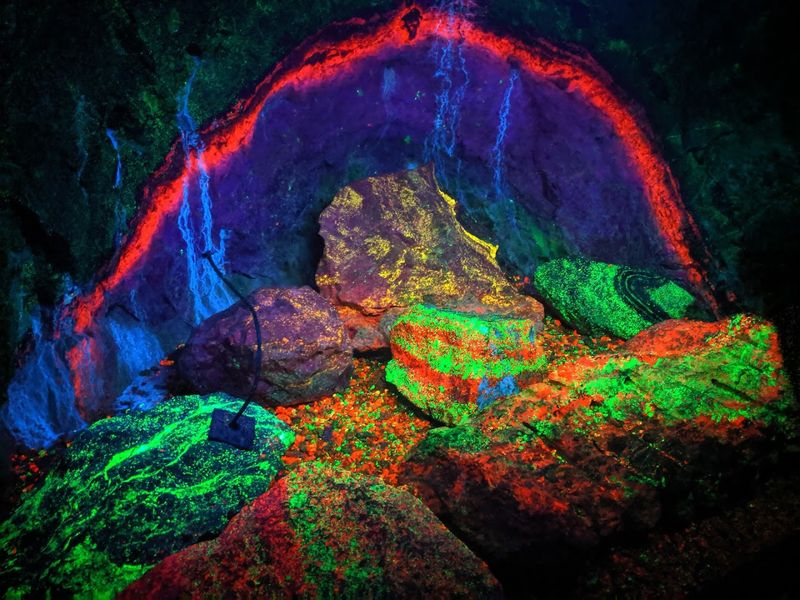
Under ultraviolet light, the rock walls and samples shift into glowing reds, greens, oranges, and yellows, making the place feel less like a mine and more like a secret underground planet.
It is especially good for families, rock collectors, curious adults, and anyone who usually claims they “don’t really do museums.” Bring a light jacket, because mine tours can feel cool even when the weather outside is not.
Comfortable shoes are also smart; this is not a polished gallery stroll. It is a walk through industrial history, with real texture underfoot and a guide who can make zinc, willemite, and calcite sound far more exciting than your high school science textbook ever did.
2. Grounds For Sculpture
Peacocks, water lilies, and enormous sculptures have a way of making Hamilton feel briefly removed from the rest of New Jersey. Grounds For Sculpture is part art museum, part garden, part optical trick.
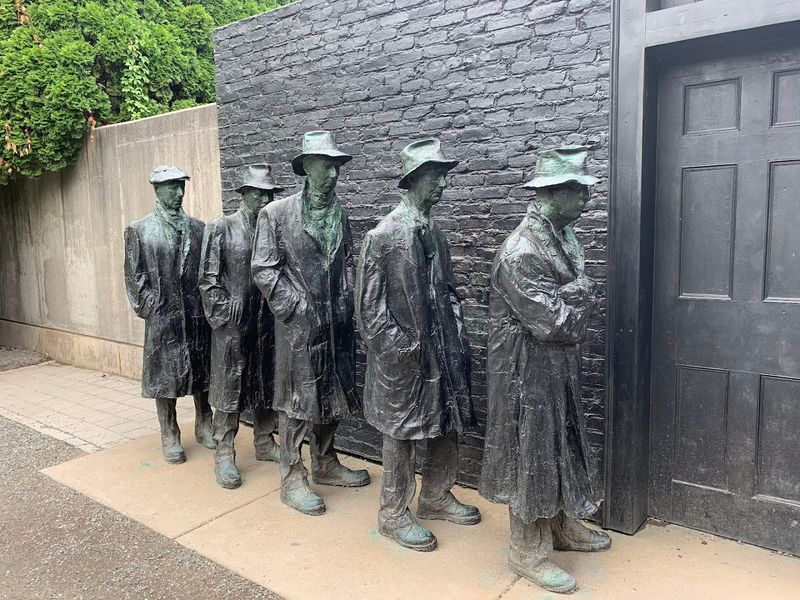
One minute you are walking past a quiet pond, and the next you are face-to-face with a life-size sculptural scene that looks like it stepped out of a painting and decided to stay for lunch. What makes it special is that it never asks visitors to be art experts.
You can wander, double back, get slightly lost, and discover pieces through hedges, courtyards, and tucked-away paths. Some works are funny.
Some are strange. Some are peaceful enough to slow down even the most impatient person in your group.
Advance timed tickets are often a smart move, especially on weekends, so this is one stop where a little planning pays off. Give yourself more time than you think you need.
The joy is not racing to “see everything,” but letting the place surprise you. It is also one of New Jersey’s better date spots, family outings, and solo wandering places because it works at whatever pace you bring to it.
3. Lucy the Elephant
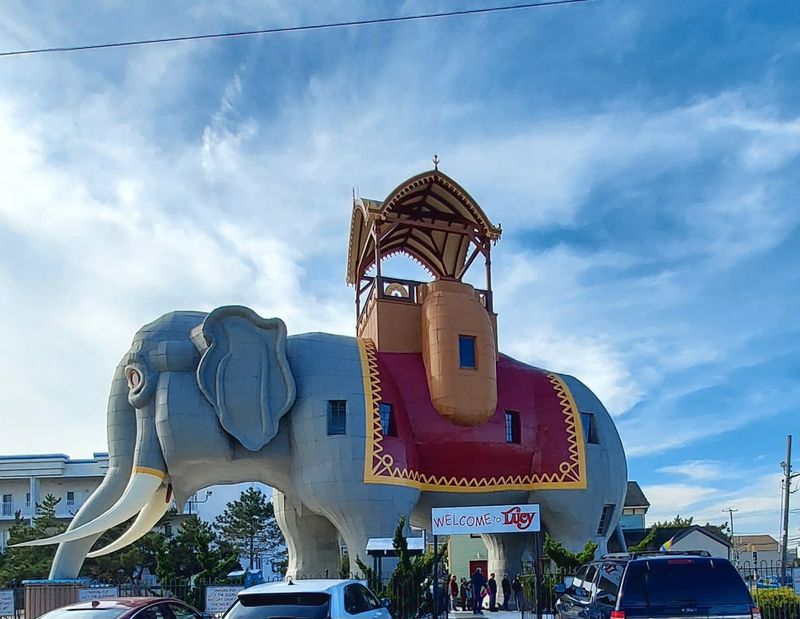
There are roadside attractions, and then there is Lucy: a giant elephant-shaped building standing near the beach in Margate as if this were the most natural thing in the world. Built in 1881, Lucy is six stories tall and has become one of New Jersey’s most recognizable oddities, a historic landmark with a sense of humor baked right into her architecture.
The fun is not just seeing her from the outside, although that alone is worth the detour. Visitors can tour the inside, climb through the structure, and look out from the top, where the shore view gives the whole visit a breezy little payoff.
She has been a marketing stunt, a curiosity, a survivor, and a beloved local mascot, which is exactly why she belongs on a list like this. She is weird, yes, but also strangely dignified.
Lucy works best as a quick but memorable stop during a shore day. Pair her with a walk on the beach, a casual meal nearby, or a longer Atlantic County outing.
Kids love the scale of her, adults love the history, and everyone leaves with a photo that looks like New Jersey dared them to explain it later.
4. Batsto Village
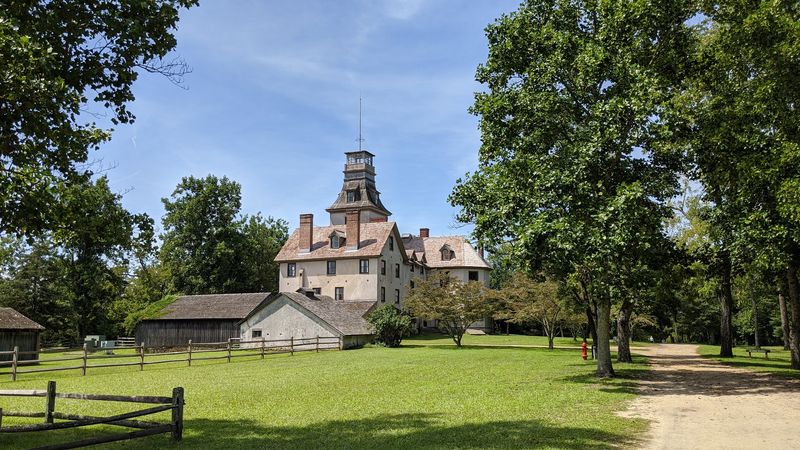
Batsto Village has a hushed, end-of-the-road feeling that works on you almost immediately. The buildings, water, and surrounding woods create a setting that feels less like a staged attraction and more like a place paused mid-breath.
You can wander through it at an easy pace and let the details do the work.
What stands out here is the mood as much as the history-shaped landscape. Weathered structures, open space, and the Pine Barrens backdrop give Batsto a grounded, slightly remote character that feels distinctly South Jersey.
It is not flashy, and that restraint is exactly why it stays interesting.
I would recommend it to anyone who likes places where the setting tells half the story. You notice textures in the wood, the quiet around the water, and the way the village seems to sit comfortably inside the forest rather than against it.
Batsto feels thoughtful, a little mysterious, and ideal for a slower kind of exploring.
5. The Deserted Village of Feltville
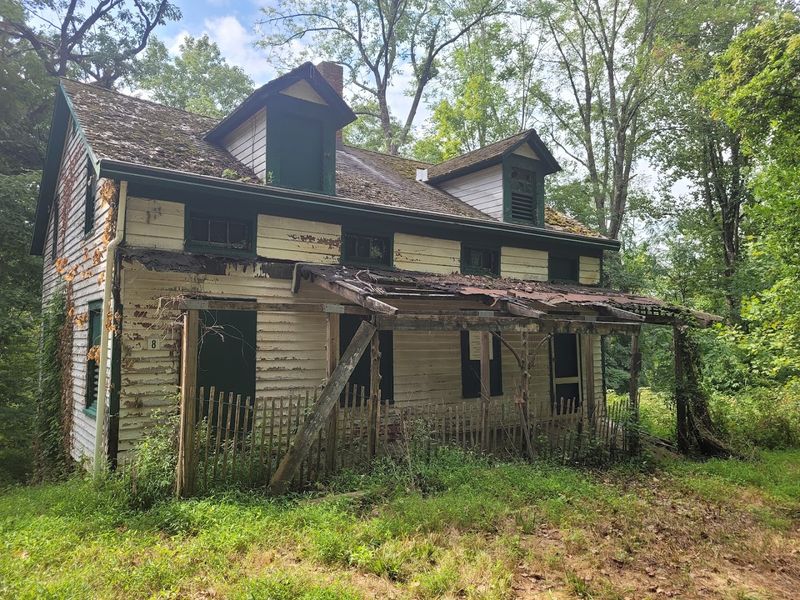
A walk through Feltville feels like stumbling onto the remains of somebody’s ambitious idea. Hidden inside Watchung Reservation in Union County, the Deserted Village began as a 19th-century mill town, later became a summer resort called Glenside Park, and eventually earned the nickname that still pulls curious visitors into the woods.
The appeal here is not polished perfection. It is the mood.
Old houses, foundations, interpretive signs, wooded paths, and the nearby Blue Brook create a setting that feels half-preserved and half-reclaimed by nature. You can read the history as you go, but the place also rewards quiet wandering.
It has that rare quality where kids might see a ghost town, history lovers might see industrial ambition, and hikers might simply enjoy having an unusual destination folded into a larger park. Parking is generally straightforward within Watchung Reservation, and the village is a manageable outing rather than an all-day trek.
Wear shoes that can handle dirt paths, especially after rain. Feltville is best visited slowly, with enough time to picture the layers: the factory village, the resort escape, the abandonment, and the modern effort to keep its strange little story from disappearing into the trees.
6. South Mountain Fairy Trail
A walk through Feltville feels like stumbling onto the remains of somebody’s ambitious idea. Hidden inside Watchung Reservation in Union County, the Deserted Village began as a 19th-century mill town, later became a summer resort called Glenside Park, and eventually earned the nickname that still pulls curious visitors into the woods.
The appeal here is not polished perfection. It is the mood.
Old houses, foundations, interpretive signs, wooded paths, and the nearby Blue Brook create a setting that feels half-preserved and half-reclaimed by nature. You can read the history as you go, but the place also rewards quiet wandering.
It has that rare quality where kids might see a ghost town, history lovers might see industrial ambition, and hikers might simply enjoy having an unusual destination folded into a larger park. Parking is generally straightforward within Watchung Reservation, and the village is a manageable outing rather than an all-day trek.
Wear shoes that can handle dirt paths, especially after rain. Feltville is best visited slowly, with enough time to picture the layers: the factory village, the resort escape, the abandonment, and the modern effort to keep its strange little story from disappearing into the trees.
7. Northlandz
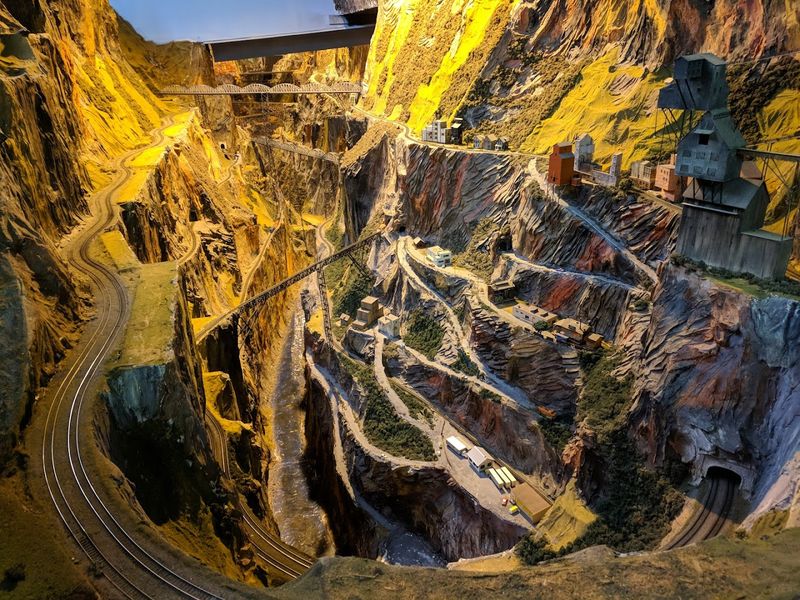
Some attractions are impressive because they are tasteful. Northlandz is impressive because it is completely, gloriously excessive.
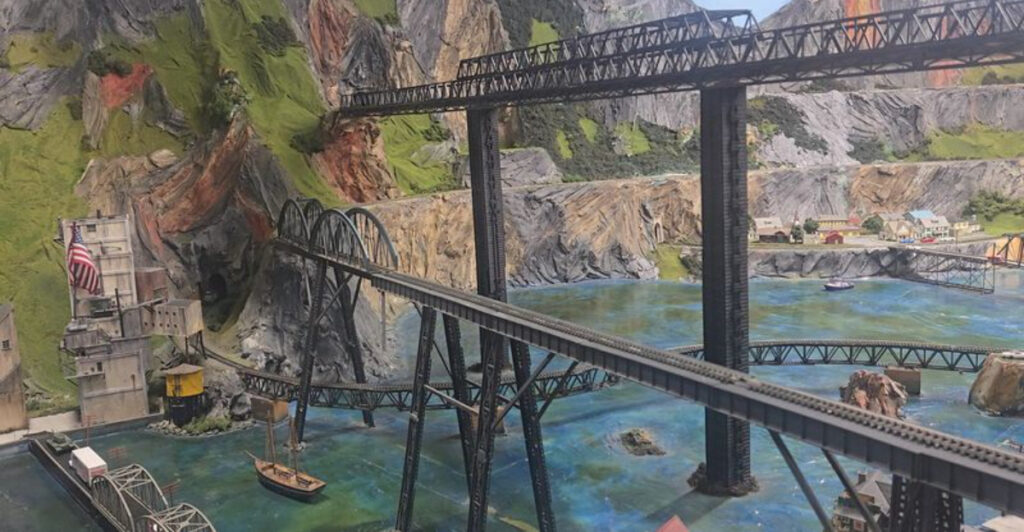
This Flemington landmark is known for its enormous model railroad world, with a sprawling miniature landscape of trains, bridges, mountains, tunnels, towns, and tiny scenes that seem to keep going long after your brain has accepted the premise. The fun is in the commitment.
Northlandz does not feel like a neat little display case; it feels like someone’s imagination kept expanding until it needed its own building. There are dramatic canyons, layered landscapes, winding tracks, little buildings, and enough detail to keep both serious train fans and total newcomers pointing things out.
Even if you walk in thinking model railroads are “not really your thing,” the scale has a way of winning you over. Plan for more time than expected, especially if you are visiting with kids or anyone who likes to pause over tiny details.
It is indoors, which makes it a useful rainy-day or winter option, and it pairs well with a day around Flemington. The vibe is eccentric in the best way: handmade, maximalist, and deeply sincere.
New Jersey has plenty of polished attractions. Northlandz is something better—an obsession you can walk through.
8. The Gingerbread Castle
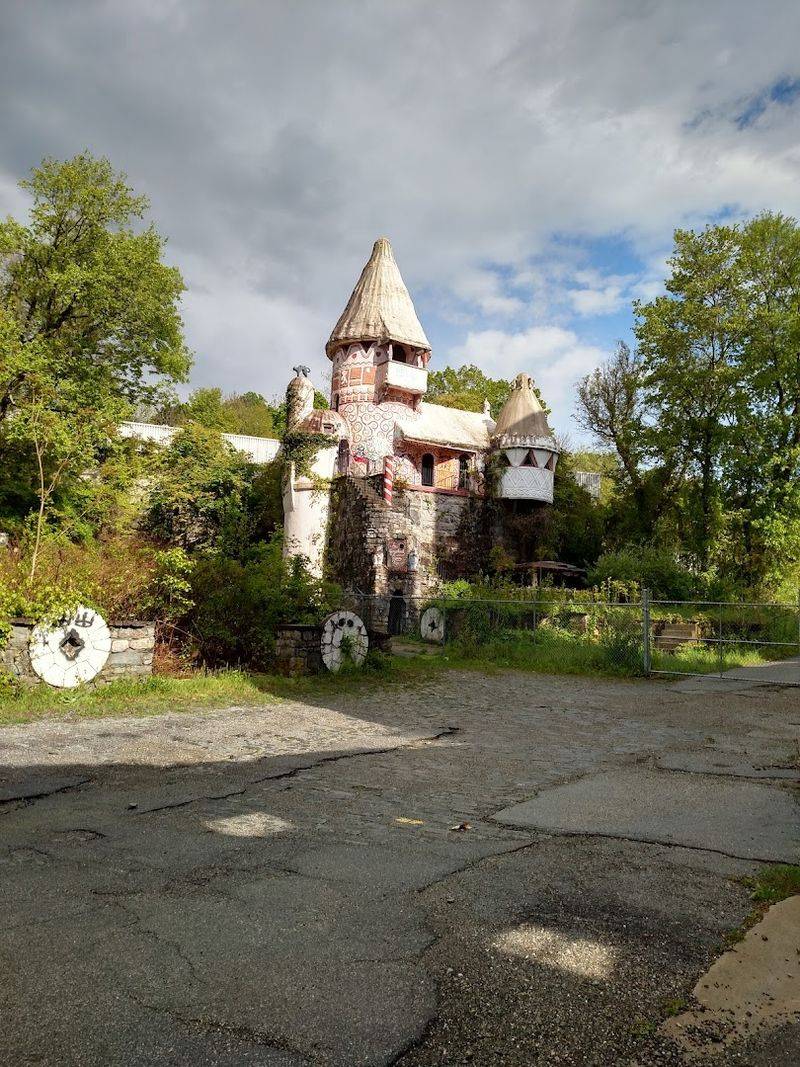
The Gingerbread Castle in Hamburg looks like something from a fairy tale after the final page, when everyone has gone home and the forest has started asking for the building back.
Designed in the late 1920s, it was originally part of a fairy tale-themed attraction tied to the nearby Wheatsworth Mill property, and it still carries that strange storybook energy today.
This is one of the trickier entries on the list because it is more of a look-and-wonder stop than a traditional attraction. Visitors should not expect a full interior tour or a polished amusement experience.
The castle has had a complicated history of decline, restoration hopes, and preservation concern, which is part of why it continues to fascinate people. Its candy-colored, storybook design still has a strange magnetism, even when seen from outside.
What makes it worth including is the sheer improbability of it. New Jersey has plenty of old mills and historic buildings, but not many places where European stagecraft, biscuit-company ambition, and childhood fantasy collide in Sussex County.
Be respectful if you go, pay attention to access rules and posted signs, and treat it as a piece of fragile local history rather than an abandoned playground. The reward is a glimpse of one of the state’s most unusual architectural dreams.
9. Hindenburg Crash Site
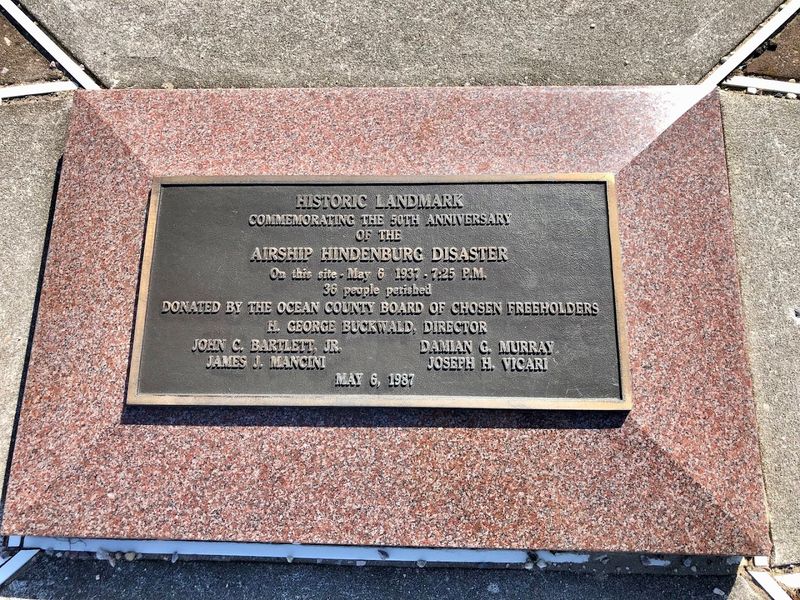
The Hindenburg disaster is one of those historic events most people know from a grainy image or a famous radio broadcast, but the actual site sits in Lakehurst, quiet and controlled, on an active military installation. The airship crashed on May 6, 1937, while attempting to land at what was then Naval Air Station Lakehurst, and the site is now visited through organized tours rather than casual drop-ins.
That practical detail matters. You cannot simply drive up, park, and wander around.
Tours are typically handled through historical groups in cooperation with the base, and they may include several aviation landmarks connected to Lakehurst’s past. The experience is sobering rather than flashy.
A marker and memorial outline help place the tragedy in physical space, and standing there gives the story a weight that photographs cannot quite carry. It is a powerful stop for aviation buffs, history-minded travelers, and anyone interested in New Jersey’s role in a major 20th-century moment.
The site’s strange pull comes from contrast: an event remembered for fire and spectacle, preserved today in a place that asks for quiet attention. Check tour requirements well ahead of time, since access rules, identification needs, and schedules can be specific.
10. Palace of Depression
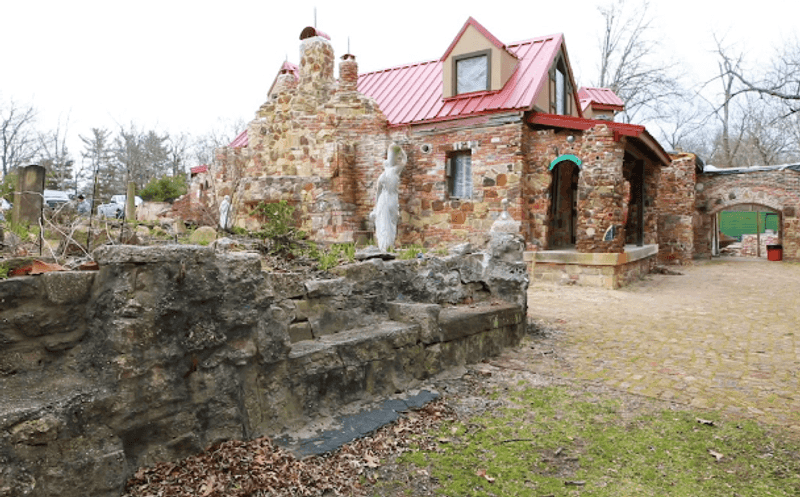
A “palace” built from junk sounds like a punchline until you learn the story. The Palace of Depression in Vineland was created by George Daynor after the stock market crash of 1929, using salvaged materials and sheer stubbornness to build what became known as one of New Jersey’s strangest roadside attractions.
The original structure is gone, but the site remains fascinating because of the restoration effort and the wildness of the idea itself. Daynor turned personal ruin into a public curiosity, reportedly charging visitors to tour his homemade monument during one of the hardest eras in American life.
There is something very New Jersey about that: bruised, inventive, odd, and not especially interested in asking permission. Today, this is not the kind of attraction where you should expect regular museum hours or a guaranteed open door.
Information around visits can change, and restoration work has been ongoing, so check current details before making a special trip. Still, it belongs here because few places capture Depression-era eccentricity so vividly.
The Palace is less about polished sightseeing and more about a local legend refusing to disappear. If you like roadside history, outsider architecture, or stories that sound made up until you realize they are not, this Vineland landmark deserves a spot on your radar.
11. The Fluorescent Rocks of Franklin
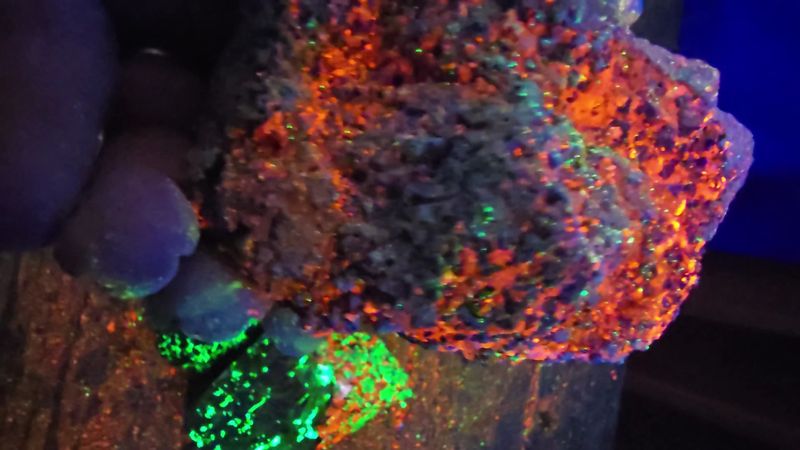
In Franklin, the rocks put on a better light show than most clubs. The town’s mineral history is legendary, and its glowing specimens are one of the strangest natural wonders in New Jersey.
Under regular light, many of the rocks look interesting enough. Under ultraviolet light, they transform into vivid reds, greens, oranges, and other electric colors that make visitors lean in like they have just been let in on a secret.
The must-see experience is a fluorescent mineral display, where the science is immediate and easy to love. One second, it is a rock.
The next, it looks like it is hiding a neon sign inside. The area’s mining history gives the visit extra depth, especially for anyone who likes geology, collecting, or old industrial towns with stories under the surface.
This is a great stop for families because it does not require a long attention span to make an impression. It is also surprisingly fun for adults who have not thought about minerals since school.
Check seasonal hours before heading up to Sussex County, since smaller museums and mineral sites can have limited schedules. The appeal is wonderfully simple: beauty, science, and a little “how is New Jersey doing this?” all in one place.
12. Tripod Rock
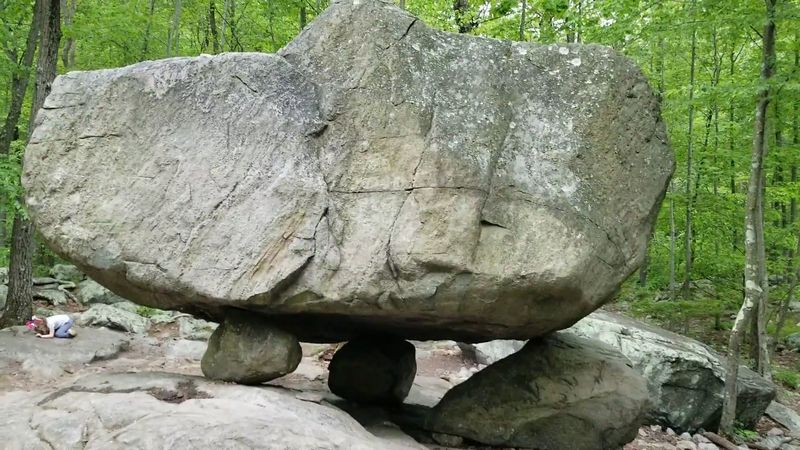
Tripod Rock looks like the sort of thing you would expect to find in a fantasy illustration, not at the end of a New Jersey hike. This giant boulder rests on three smaller stones, creating a natural formation that feels both improbable and oddly elegant.
Even before you know the glacial history, it has that stop-and-stare effect.
The walk there adds to the experience without overwhelming it, which makes the payoff especially satisfying. You get fresh air, woods, and then a geologic curiosity that genuinely lives up to the photos.
If you like your outdoor spots with a side of mystery, Tripod Rock is easy to love.
13. Waterloo Village
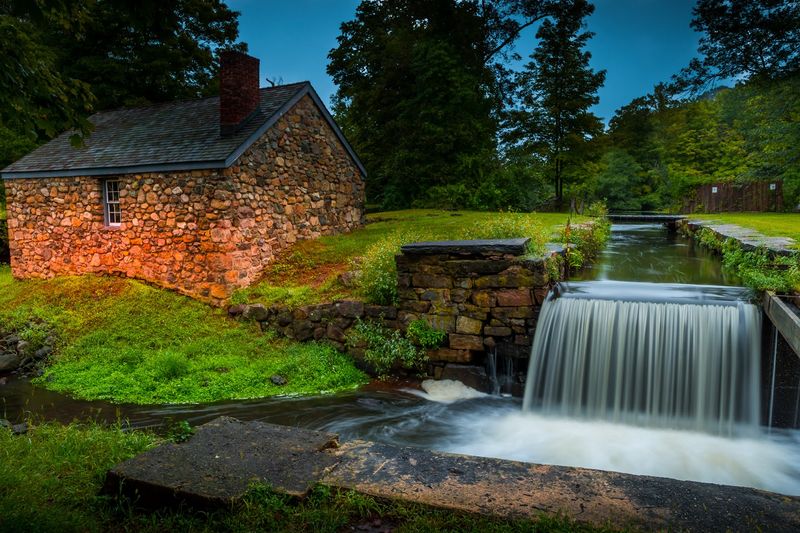
The sound of the Musconetcong River gives Waterloo Village its best background music. This restored 19th-century village sits within Allamuchy Mountain State Park and developed along the Morris Canal, once a crucial transportation route across New Jersey.
Waterloo works because it combines history with landscape. You can walk past historic buildings, imagine canal boats moving goods through the region, and still feel like you are spending time in a scenic park rather than being trapped in a lesson.
The village includes a mix of cultural and historic resources, and depending on programming, visitors may find tours, events, or seasonal activities that bring the site more fully to life. It is a good place for people who like their historic sites atmospheric rather than overwhelming.
The buildings, paths, river, and surrounding greenery do a lot of the storytelling before you even read a sign. Waterloo also pairs nicely with a broader northwest Jersey day trip, especially if you like combining a little history with hiking, lakes, or small-town exploring.
The charm here is gentle but durable. It is not odd in a loud way.
It is strange because a whole canal-era village still sits there, quietly reminding visitors that New Jersey once moved at the speed of mules, water, and hand-built ambition.
14. Silverball Retro Arcade
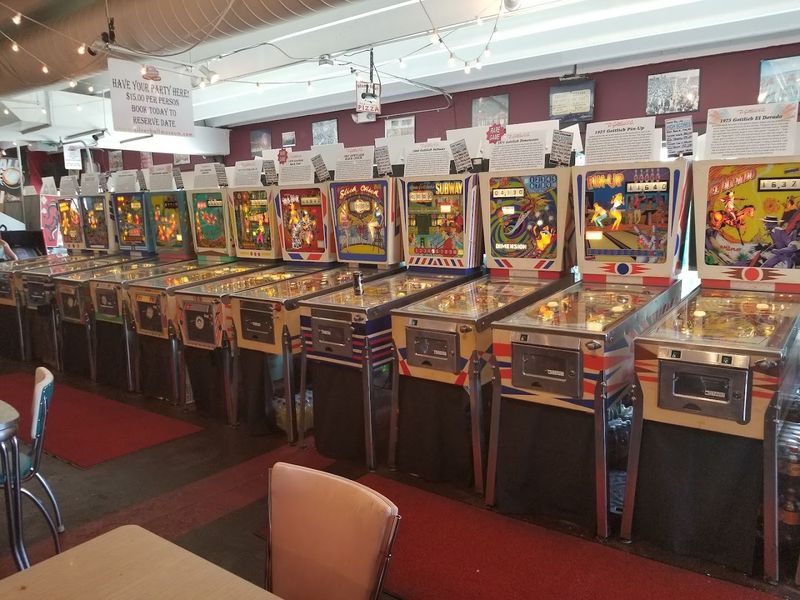
The clack of a pinball flipper is basically the soundtrack at Silverball Retro Arcade in Asbury Park. This is not a glass-case museum where you stare respectfully at old machines.
It is a playable collection, with pinball and arcade games set to free play once you buy your time-based pass. No quarters, no rationing, no digging through your bag for change.
That setup is what makes Silverball such an easy win. You can bounce between vintage pinball machines, classic arcade cabinets, newer favorites, and boardwalk nostalgia without feeling like you are burning money every time the ball drains.
It works for families, dates, groups of friends, and anyone who secretly believes they are still one lucky shot away from being great at pinball. The Asbury Park location adds to the appeal.
You can pair it with the boardwalk, the beach, a show, dinner, or a rainy-day escape when the shore weather refuses to cooperate. The vibe is playful but not chaotic in the way some arcades can be; the museum angle gives the place a little extra soul.
Silverball earns its spot because it preserves pop-culture history in the most honest way possible: by letting people play it until their wrists hurt.
15. The World’s Largest Light Bulb
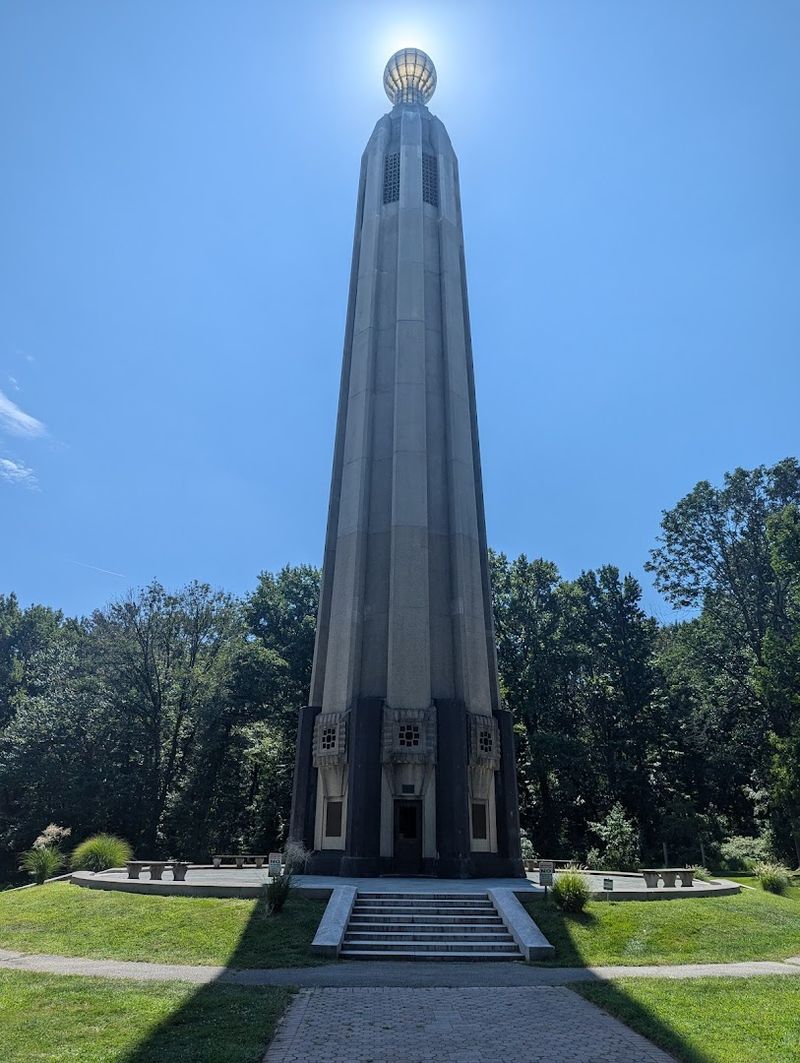
A giant glowing bulb above Edison is almost too on the nose, which is exactly why it works. The Thomas Edison Memorial Tower at Menlo Park is topped with an enormous light bulb and stands near the site associated with Edison’s famous invention work.
The site is not huge, but it has a wonderfully specific sense of place. You are standing in a quiet Middlesex County setting, looking at a monument that turns an everyday object into something monumental.
The nearby museum adds context with Edison-related artifacts and history, so the visit can be more than a quick photo stop if you time it with open hours. The bulb itself is the hook, of course.
It is strange, bright, and proudly literal. In another state, maybe that would feel cheesy.
In New Jersey, it feels appropriate. This is a place that helped shape modern electric life, and the memorial does not whisper about it.
It puts a massive light bulb in the sky and lets you decide whether to laugh, admire it, or both. For a quick, quirky stop with real historical weight behind it, this one shines exactly as much as it should.
Share this story