
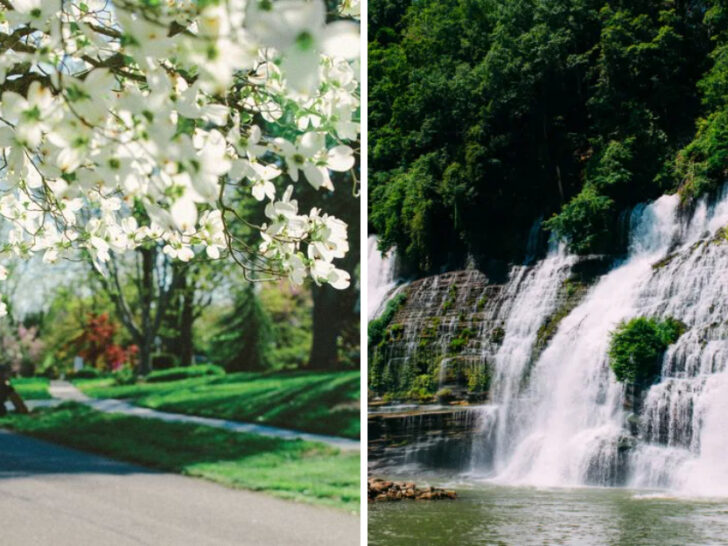
Tennessee has a secret that locals have known for years — spring here is nothing short of magical. From misty mountain hollows bursting with wildflowers to manicured gardens dripping in color, the Volunteer State puts on a show every April and May that rivals anywhere in the country.
Whether you love hiking through forests, strolling along scenic byways, or simply sitting still while nature does its thing, Tennessee delivers in the most breathtaking ways. Pack your camera, lace up your walking shoes, and get ready to fall head over heels for these stunning spring destinations scattered across the state.
1. Memphis Botanic Garden
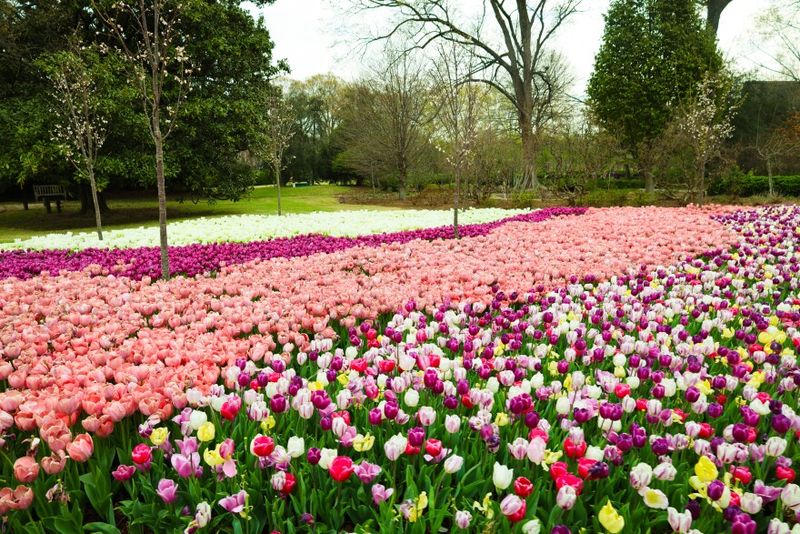
Tucked inside Audubon Park in Memphis, this 96-acre garden transforms into a living painting every spring. Waves of tulips, daffodils, and flowering cherry trees sweep across the grounds in shades of pink, red, yellow, and white that practically glow in the morning sun.
It is the kind of place that makes you slow down and actually breathe.
Spring is prime time here, with the Japanese Garden of Tranquility becoming especially enchanting as azaleas and irises hit their peak bloom. Families love the wide, paved paths that are easy to navigate with strollers or wagons.
The garden also hosts spring festivals and outdoor events that draw crowds from across the mid-South.
Admission is affordable, and the garden is open year-round, but nothing compares to visiting between late March and early May. Even on a weekday morning, you will find photographers, couples, and nature lovers wandering the trails with wide eyes.
Bring a blanket and make an afternoon of it — this place rewards those who linger.
2. Savage Gulf State Park
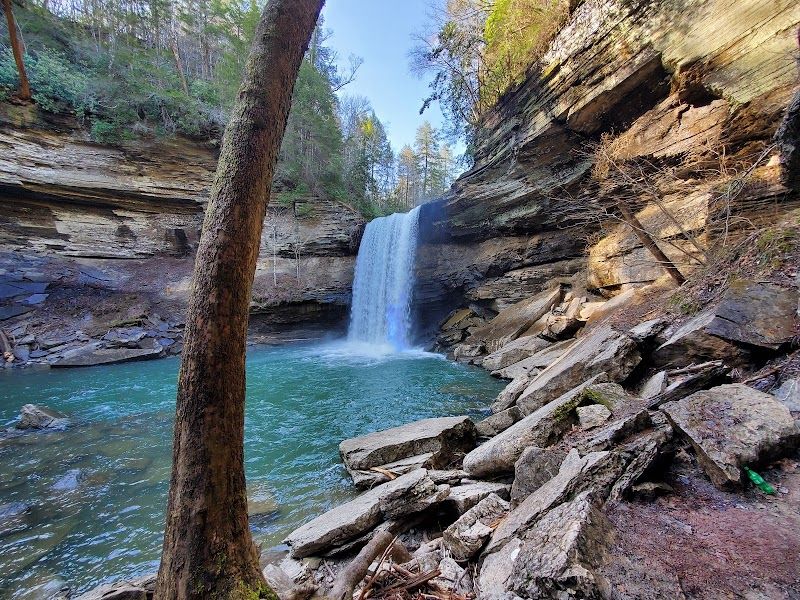
There is something almost prehistoric about Savage Gulf in spring. The ancient gorges fill with a thick canopy of green almost overnight, and the forest floor erupts with trillium, bloodroot, and wild phlox before the trees fully leaf out.
Waterfalls that slow to a trickle in summer rush loud and full after spring rains.
Located on the Cumberland Plateau, this park offers over 55 miles of trails ranging from easy walks to challenging backcountry routes. Spring hikers are rewarded with views of the Gulf Overlook that stretch for miles across one of Tennessee’s most dramatic landscapes.
The combination of blooming wildflowers and roaring waterfalls makes this season the most visually rewarding time to visit.
Wildlife is also waking up in a big way — keep your eyes open for wild turkey, white-tailed deer, and a variety of migratory songbirds passing through. Primitive camping is available for those who want to spend the night under a star-filled sky.
Savage Gulf is one of those places that reminds you just how wild and wonderful Tennessee really is.
3. Cheekwood Estate and Gardens
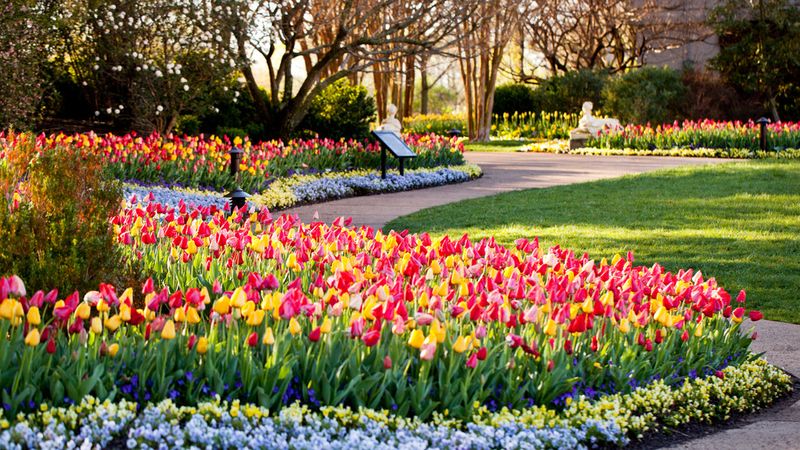
Every spring, Cheekwood pulls off something extraordinary. More than 150,000 tulips carpet the grounds in a breathtaking display that has become one of the most anticipated events in all of Nashville.
The blooms roll out in waves from late March through April, shifting in color and variety week by week so that no two visits look exactly the same.
Beyond the tulips, the 55-acre estate features woodland gardens, a Japanese garden, a sculpture trail, and the stunning Maxwell House mansion that serves as a gorgeous backdrop for photos. Spring also brings special programming for kids, including scavenger hunts and hands-on nature activities that make the visit fun for the whole family.
Cheekwood sits in the Belle Meade neighborhood, just a short drive from downtown Nashville, making it an easy half-day trip for visitors already in the city. Tickets sell quickly during peak bloom, so booking in advance is strongly recommended.
Once you step through the gates and see that sea of color stretching out before you, you will completely understand why this place fills up so fast every single year.
4. Cades Cove
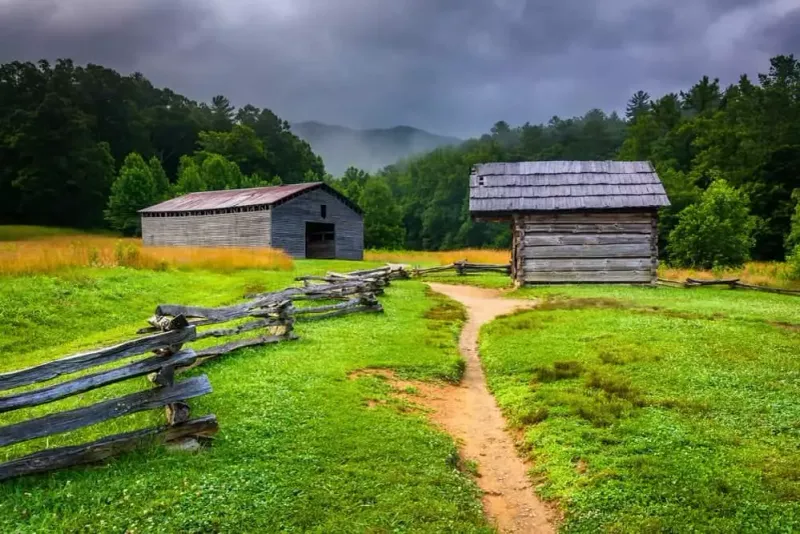
Mornings at Cades Cove in spring feel like stepping into a different century. Mist rolls across the open valley floor, deer graze near the tree line, and wildflowers dot the meadows surrounding the historic 19th-century homesteads.
The 11-mile loop road is one of the most visited spots in the entire national park system, and spring is the best time to experience why.
Redbud and dogwood trees bloom along the edges of the cove, adding splashes of pink and white against the deep green of the surrounding mountains. Black bears also emerge from their winter dens during this season, making wildlife sightings more frequent and exciting.
Photographers and nature lovers plan entire trips around the spring conditions here.
The cove is open to vehicles most days, and the paved loop makes it accessible for all ages. Bikes are a popular option on Wednesday and Saturday mornings when the road is closed to cars.
Arriving early — just after sunrise — gives you the best chance of seeing wildlife and catching that magical morning light that makes every photo look like a postcard.
5. Ijams Nature Center
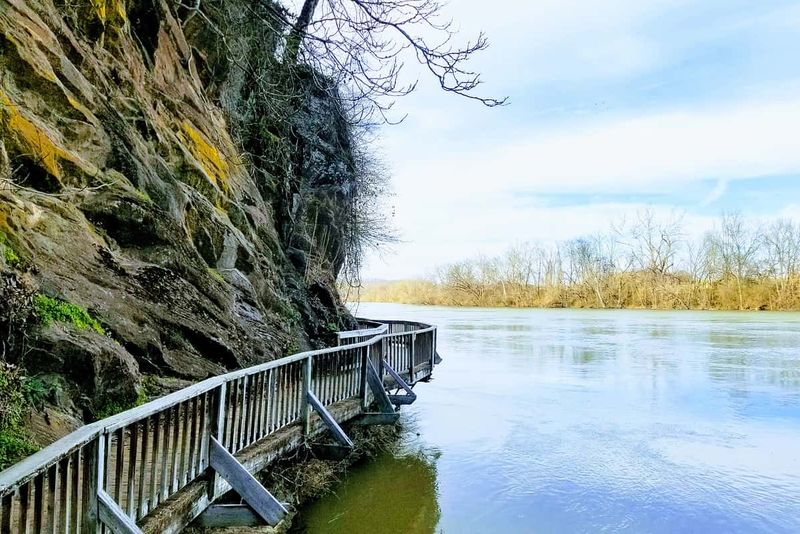
Knoxville’s backyard wilderness comes alive in a remarkable way each spring. Ijams Nature Center, sitting on the banks of the Tennessee River, offers over 300 acres of trails, quarry lakes, and forested ridges that shift into full color as temperatures warm.
Native wildflowers like trout lily, wild ginger, and Virginia bluebells carpet the forest floor in a soft, dreamy haze of color.
The center serves as both a nature preserve and an environmental education hub, so spring programming here is especially rich. Guided wildflower walks, bird-watching events, and family nature hikes are scheduled throughout the season.
The quarry lake trails offer a uniquely dramatic backdrop with towering limestone walls reflected in clear blue water.
What makes Ijams special is how accessible it feels without sacrificing wildness. Trails range from completely flat and paved to rugged, rocky climbs that reward you with ridge-top views of the river below.
Dogs on leashes are welcome on most trails, making it a favorite weekend spot for Knoxville residents. Spring visits are best in April when the wildflowers peak and the canopy is still open enough to let sunlight filter through to the forest floor.
6. Bicentennial Capitol Mall State Park

Nashville’s most underrated spring gem sits right in the shadow of the State Capitol. Bicentennial Capitol Mall State Park stretches across 19 acres of open lawns, fountains, and landscaped gardens that burst into life every spring with blooming trees and flowering plants.
It is a place where history and nature meet in the most unexpected and lovely way.
The park was built to celebrate Tennessee’s 200th birthday and is packed with historical markers, a 200-foot granite map of the state, and a World War II memorial. In spring, cherry trees along the mall’s edges bloom in soft pink clusters that frame the Capitol dome beautifully.
The fountains run again after winter, and the lawns fill with picnickers, joggers, and families soaking in the warmth.
Admission is completely free, which makes this one of the most budget-friendly spring outings in the city. It is also conveniently located near the Farmers Market, so you can combine a stroll through the park with fresh local produce and food vendors just steps away.
For a casual spring afternoon that mixes fresh air, Tennessee history, and stunning scenery, this park delivers without asking anything in return.
7. Rock Island State Park
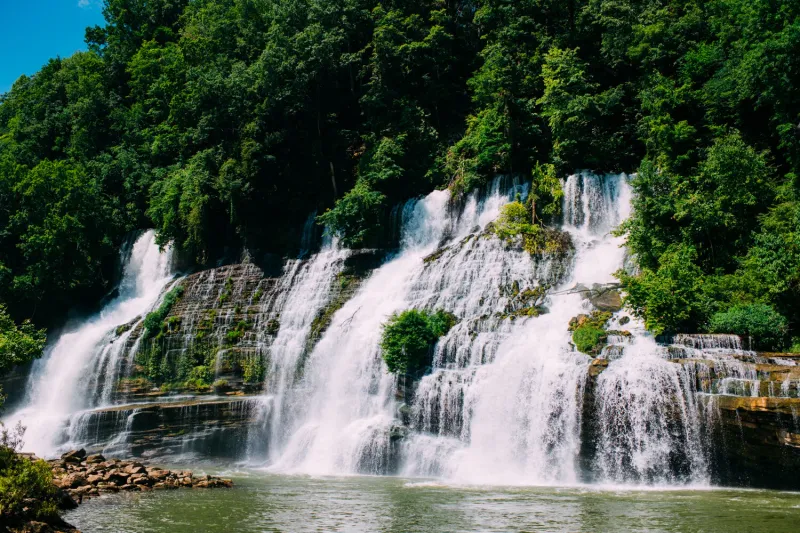
Few places in Tennessee put on a spring water show quite like Rock Island. Positioned at the confluence of the Caney Fork and Collins rivers, this park features powerful waterfalls, carved limestone gorges, and crystal-clear swimming holes that look unreal in the spring light.
After winter rainfall, the Great Falls here roars with an energy that you can feel in your chest from the overlook.
Spring hiking at Rock Island means wildflowers lining the trail edges, songbirds calling from every direction, and the forest canopy just beginning to fill in overhead. The park’s trails loop along the river’s edge and through cedar glades, offering a variety of scenery in a relatively small area.
The combination of geological drama and biological beauty makes every walk feel like an adventure.
The beach area near the dam is a popular summer destination, but spring visitors enjoy a quieter, more intimate version of the park before the crowds arrive. Fishing is excellent in spring as well, with bass and catfish active in the warming waters.
Whether you come for the waterfalls, the wildflowers, or just the sound of rushing water, Rock Island rewards every type of visitor who shows up ready to explore.
8. Cherokee National Forest and Ocoee Scenic Byway
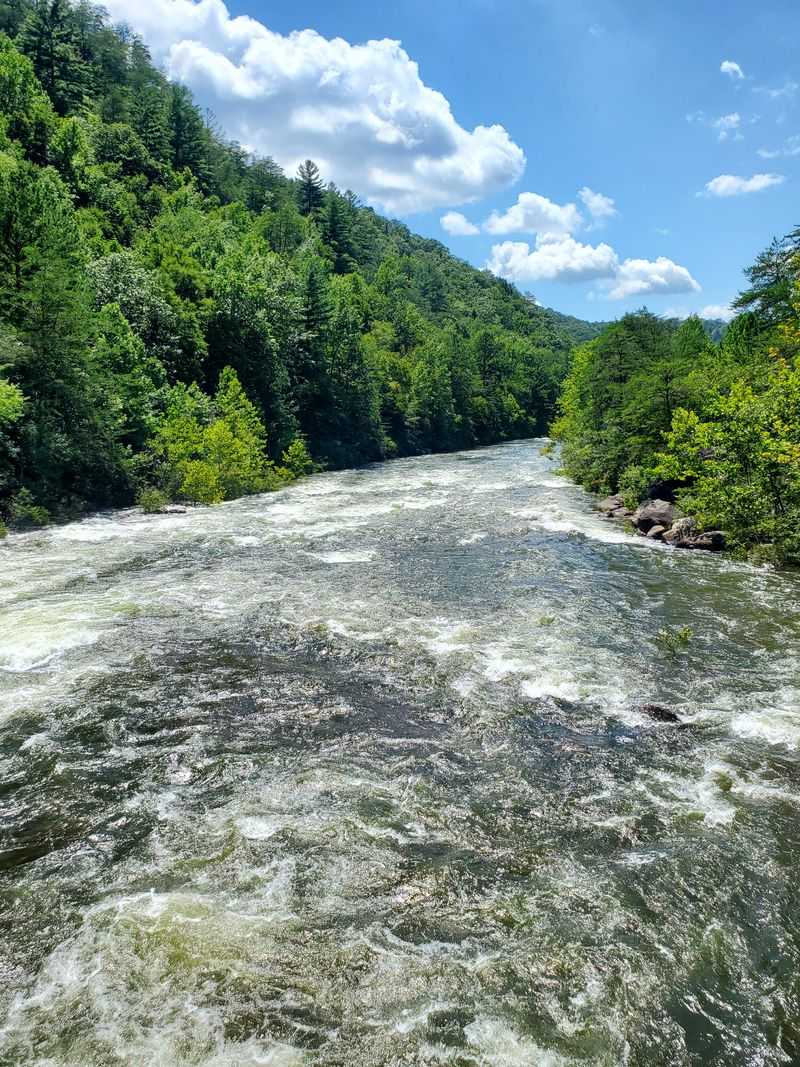
Stretching across nearly 650,000 acres in eastern Tennessee, Cherokee National Forest is the state’s only national forest, and spring turns it into something almost impossibly beautiful. The Ocoee Scenic Byway cuts through the heart of it, winding along the Ocoee River past rushing whitewater, rugged canyon walls, and slopes covered in blooming mountain laurel and flame azalea.
Late April and May are the sweet spot for driving this byway, when the forest canopy is a fresh, electric green and the wildflowers are at their peak. Pullouts along the route offer stunning views of the river gorge below, and several trailheads branch off into the forest for those who want to stretch their legs.
The area is also famous for whitewater rafting, and spring flows make for some of the most thrilling runs of the year.
Wildlife sightings are common along the byway — watch for black bears, wild turkey, and white-tailed deer moving through the forest edge at dawn and dusk. The drive itself takes about an hour without stops, but most visitors end up spending half a day simply pulling over to take it all in.
It is one of those roads that makes you forget you were ever in a hurry.
9. Roan Mountain State Park and Rhododendron Gardens
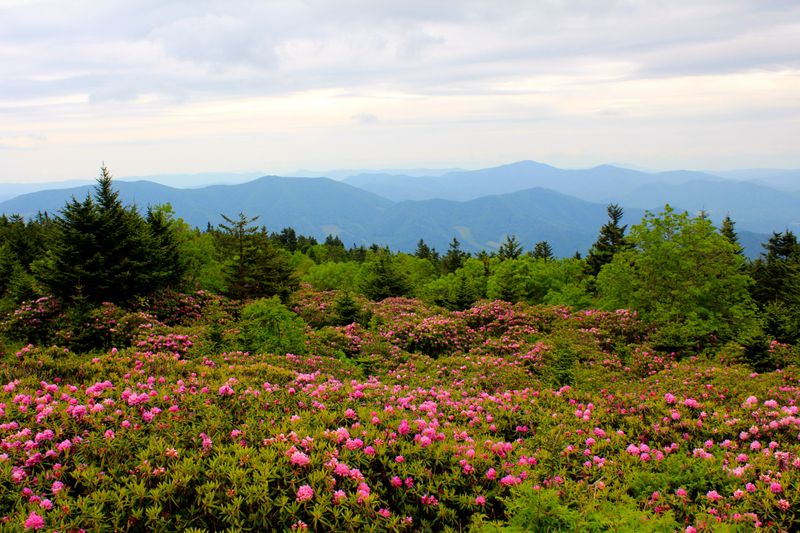
When the rhododendrons bloom on Roan Mountain, the effect is nothing short of jaw-dropping. Roan Mountain sits along the Tennessee-North Carolina border and hosts the largest natural rhododendron garden in the world, with over 600 acres of Catawba rhododendrons exploding into brilliant purple-pink blooms every June — though spring begins its magic here much earlier with wildflowers carpeting the forest floor.
The park itself offers cabins, camping, and miles of trails that connect to the Appalachian Trail above. Spring hikers enjoy the transition zones between hardwood forest and open grassy balds, where the views stretch endlessly across the Blue Ridge.
Flame azaleas also bloom in late spring at lower elevations, painting the hillsides in fiery orange and yellow before the rhododendrons take over up top.
The park hosts a Rhododendron Festival each June that draws visitors from across the Southeast, but arriving a few weeks early means fewer crowds and a more peaceful experience. Temperatures on the mountain run cooler than the valley, making spring hikes here refreshing even on warm days.
Roan Mountain is the kind of place that earns a spot on every Tennessee nature lover’s bucket list — and keeps it there permanently.
10. Great Smoky Mountains National Park
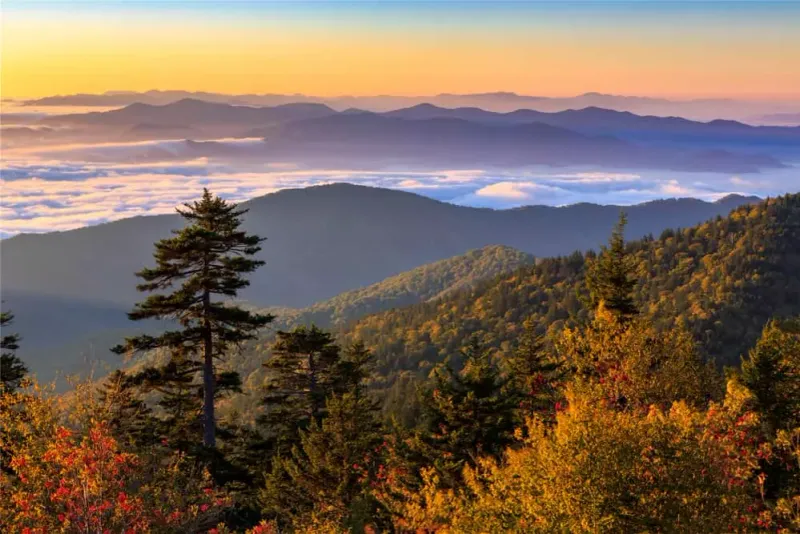
America’s most visited national park earns that title for very good reason, and spring is arguably its finest hour. As temperatures climb from March through May, the Smokies experience what scientists call a “wildflower bloom wave” — a rolling sequence of blooms that moves up the mountain slopes week by week, starting with hepatica and spring beauties in the valleys and ending with trillium and fire pinks near the summits.
Dogwood and redbud trees add layers of pink and white to the mid-elevation forests, creating a layered display of color that photographers chase every single year. Clingmans Dome, Alum Cave Trail, and Laurel Falls are all popular spring destinations within the park, each offering its own version of seasonal magic.
Waterfalls run at their fullest volume in spring, making hikes to Ramsey Cascades and Rainbow Falls especially rewarding.
The park is free to enter, though timed entry permits are required in peak season for certain areas. Arriving at trailheads early — before 9 a.m. — helps avoid the heaviest crowds.
Spring in the Smokies is not just a pretty view; it is a full sensory experience of sound, scent, and color that stays with you long after you drive back down the mountain.
11. Knoxville Dogwood Trails
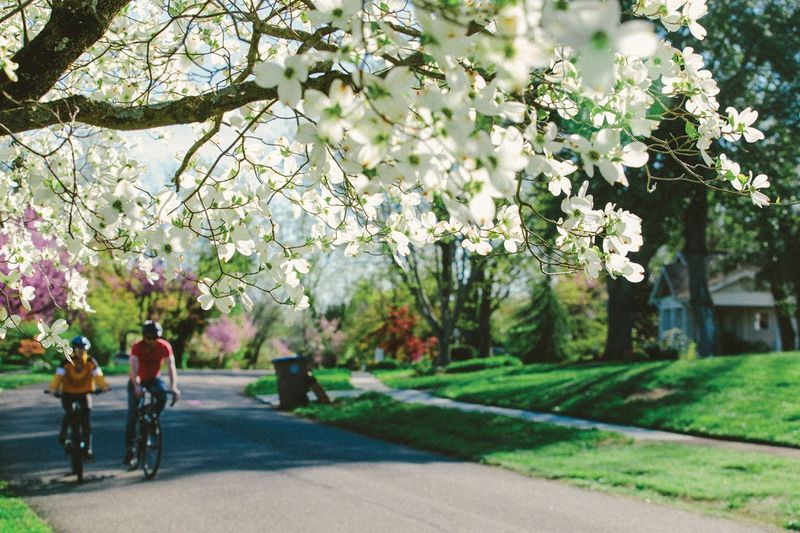
Every April, Knoxville earns its nickname as the “Dogwood City of the South” in the most spectacular fashion. The city’s Dogwood Trails program marks 14 different driving and walking routes through historic neighborhoods where dogwood trees bloom in dense, cloud-like clusters of white and pink.
Yard signs guide visitors along the routes, making the whole experience feel like a neighborhood-wide celebration.
The trails wind through areas like Fourth and Gill, Holston Hills, and Sequoyah Hills, where grand old homes are framed by mature dogwoods in full bloom. It is genuinely one of the prettiest urban spring experiences in the entire South.
The tradition dates back to 1955, giving it a nostalgic, community-rooted charm that feels refreshingly genuine in an age of manufactured attractions.
Walking the trails is free, and the Dogwood Arts Festival runs concurrently throughout April with outdoor art shows, concerts, and family events scattered across the city. Picking up a printed trail map from the visitor center makes navigating the routes easy and enjoyable.
Even if you are just passing through Knoxville in April, taking an hour to drive one of these trails is absolutely worth the detour — you will not regret it for even a second.
12. Reflection Riding Arboretum and Nature Center
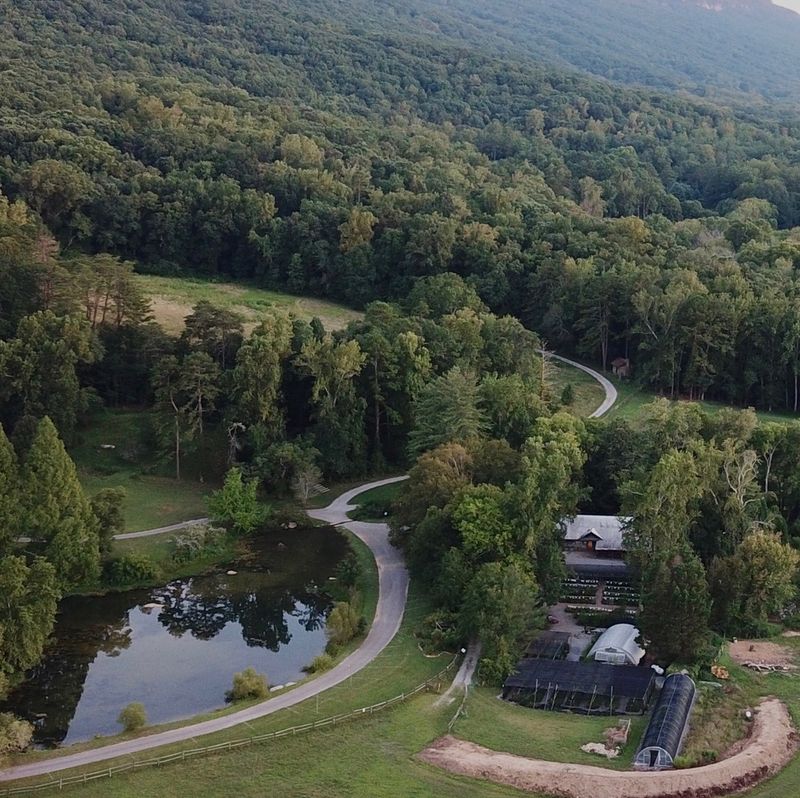
Chattanooga keeps one of its most beautiful secrets tucked along the banks of Lookout Creek. Reflection Riding Arboretum and Nature Center spans 317 acres of native plant collections, wetlands, meadows, and forested trails that transform dramatically as spring arrives.
The peaceful, almost meditative atmosphere here earned the property its poetic name — and the reflections on the water in spring light are every bit as lovely as promised.
Spring brings an incredible succession of blooms, from early redbuds and serviceberries to late-season native azaleas and wildflowers. The three-mile driving loop through the arboretum is lined with flowering trees and shrubs, making it accessible even for visitors who prefer not to hike.
Walking trails branch off the loop and wind through wooded areas where warblers and other migratory birds stop to rest on their way north.
The Nature Center on site houses rescued wildlife including raptors, river otters, and white-tailed deer, adding an educational dimension that kids absolutely love. Spring programming includes wildflower walks, bird-banding demonstrations, and guided nature tours.
Located just minutes from downtown Chattanooga and the base of Lookout Mountain, this arboretum makes an ideal morning stop before exploring the rest of the city’s impressive outdoor offerings.
13. Natchez Trace Parkway Tennessee Section
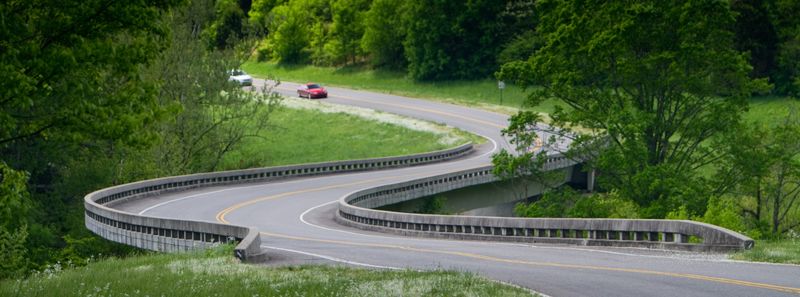
Driving the Tennessee section of the Natchez Trace Parkway in spring feels like traveling through a tunnel of living color. The 444-mile parkway enters Tennessee near the Alabama border and winds northward to Nashville, passing through hardwood forests that explode with dogwood, redbud, and wildflower blooms every April.
Without billboards, stoplights, or commercial traffic, it is one of the most peaceful drives in the entire country.
The parkway follows the path of an ancient trail used by Native Americans, explorers, and frontiersmen for centuries. Historical markers and pull-offs appear every few miles, connecting the natural beauty to a rich human story that stretches back thousands of years.
Spring birding along the trace is exceptional, with warblers, tanagers, and indigo buntings moving through the corridor in impressive numbers.
Several hiking trails branch off the main road, including the short but lovely Meriwether Lewis Monument trail near Hohenwald, where wildflowers carpet the forest floor in spring. Cyclists also love the parkway for its smooth surface and minimal traffic.
Stopping at the Gordon House or the Double Arch Bridge along the way adds architectural interest to the scenic journey. The Natchez Trace in spring is a slow, soul-refreshing kind of beautiful that you simply cannot rush.
14. Radnor Lake State Park
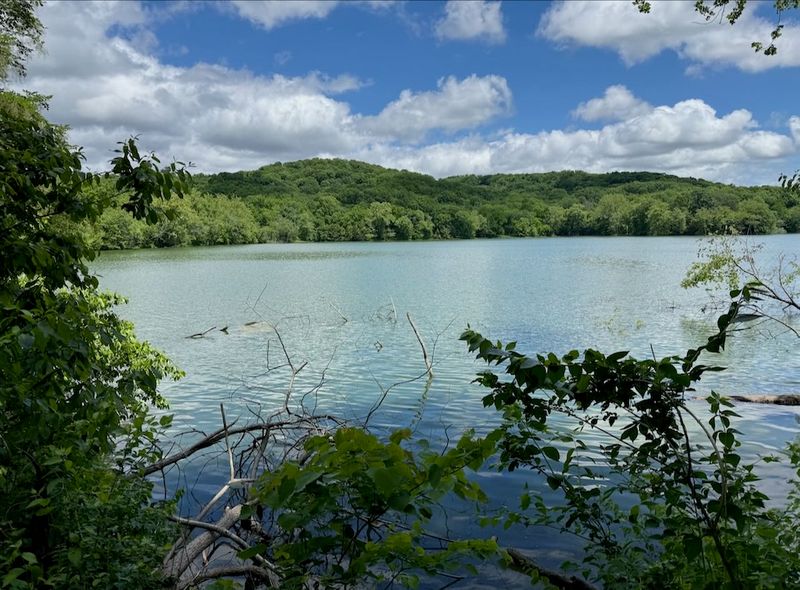
Just eight miles from downtown Nashville, Radnor Lake feels like a completely different world. This 1,332-acre natural area protects a glacially carved lake surrounded by forested ridges, and in spring the whole landscape softens into something almost dreamlike.
Redbuds bloom along the ridgelines, wildflowers carpet the lakeshore trail, and the still water mirrors the sky and trees in perfect, glassy detail.
Wildlife at Radnor is genuinely remarkable for an urban park. Great blue herons stalk the shallows, river otters occasionally surface near the dam, and white-tailed deer are spotted almost every morning along the main trail.
Spring also brings a surge of migratory songbirds, making this one of the top bird-watching destinations in middle Tennessee during April and May.
The park has strict rules about staying on trails and keeping noise to a minimum, which preserves the peaceful, natural atmosphere that makes it so special. No bikes, no dogs, and no food on the main lakeshore trail — rules that visitors consistently say are worth following.
Arrive early on weekends because the parking lot fills up fast, especially on sunny spring mornings. Radnor Lake is proof that you do not have to travel far to find something truly extraordinary in Tennessee.
15. Frozen Head State Park
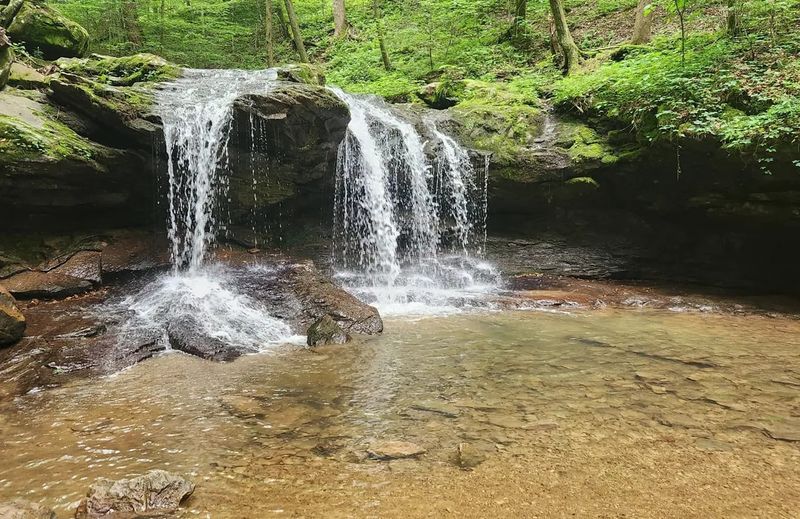
Frozen Head is Tennessee’s hidden wildflower paradise, and spring is the only season that fully reveals its spectacular secret. Tucked into the Cumberland Mountains near Wartburg, this park hosts one of the most impressive concentrations of spring ephemeral wildflowers in the entire eastern United States.
Hepatica, trout lily, trillium, Dutchman’s breeches, and dozens of other species bloom in dense, overlapping waves from late February through May.
The park is famous among serious hikers for its rugged terrain and the annual Barkley Marathons — a notoriously brutal ultramarathon that takes place here each spring. But you absolutely do not need to be an endurance athlete to enjoy Frozen Head.
Shorter trails like the Panther Branch Trail offer stunning wildflower displays that are accessible to most fitness levels and reward hikers with cascading streams and mossy rock formations along the way.
Because Frozen Head sits off the beaten path, it remains far less crowded than many comparable destinations in Tennessee. That solitude is a genuine gift in spring, when the forest feels ancient and alive in equal measure.
Birdsong fills the air, waterfalls tumble down rocky slopes, and the wildflower show unfolds at a pace that feels completely unhurried. It is the kind of place that serious nature lovers discover once and return to every single spring.