Tennessee’s state parks hit differently when June rolls around and the temperatures climb. From thundering waterfalls that cool you down to sprawling lakes perfect for paddling, these outdoor spaces offer the kind of summer fun that doesn’t require a plane ticket or a crowded resort.
Whether you’re chasing waterfall mist, claiming a spot on a sandy beach, or hiking shaded trails before the afternoon heat kicks in, Tennessee’s got 15 state parks that are absolutely made for long, sunny days and warm-weather adventure.
1. Fall Creek Falls State Park
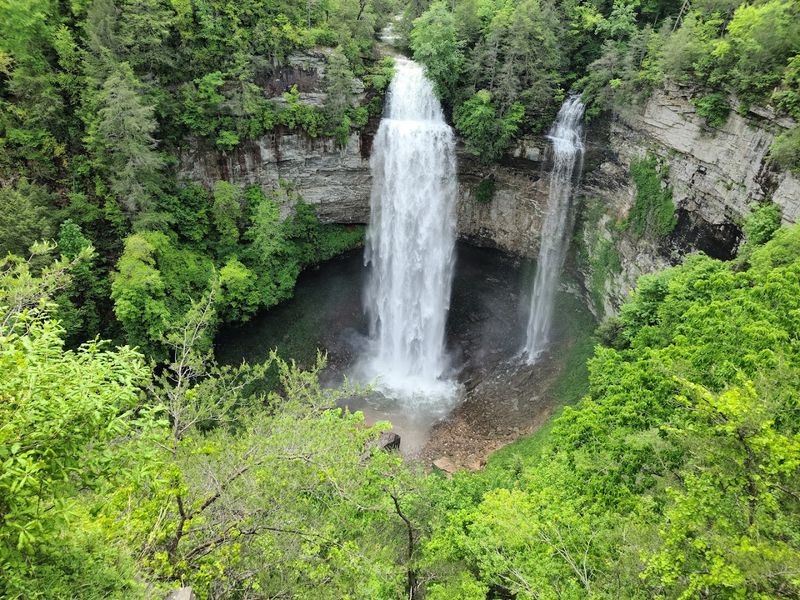
Fall Creek Falls doesn’t mess around when it comes to waterfall drama. The park’s namesake cascade drops 256 feet into a misty gorge, making it one of the tallest waterfalls east of the Rockies. You’ll find multiple other waterfalls scattered throughout the park, each with its own personality and trailhead.
Shaded trails wind through the forest, offering relief from the midday sun while leading you to scenic overlooks that frame the waterfalls perfectly. The trail system here is extensive, so you can choose anything from a quick waterfall walk to an all-day hiking mission. Families appreciate the variety—some trails are stroller-friendly, while others challenge experienced hikers.
Fall Creek Falls Lake adds a water element to the experience. Paddling here feels peaceful, with wooded shorelines and calm water that’s ideal for kayaking or canoeing. Fishing is popular too, especially for bass and crappie.
June weather makes this park shine. The waterfalls still have plenty of flow from spring rains, but the trails aren’t muddy anymore. Mornings are cool enough for hiking, and afternoons invite you to relax by the water.
The park also has camping, cabins, and a swimming pool if you want to extend your stay.
2. Cummins Falls State Park
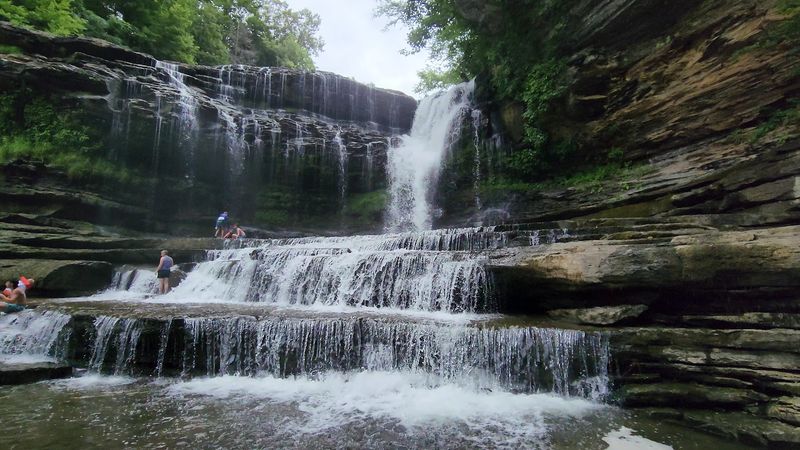
Cummins Falls delivers adventure with a capital A. Getting to the base of the 75-foot waterfall requires wading through a rocky gorge, scrambling over boulders, and navigating the Blackburn Fork State Scenic River. This isn’t a paved-path kind of park—it’s raw, rugged, and absolutely worth the effort.
The waterfall drops into a natural swimming pool that’s perfect for cooling off after the hike in. The water is refreshing without being shockingly cold, and the pool area has enough space for groups to spread out. Swimming here feels like you’ve discovered a secret spot, even though it’s one of Tennessee’s most popular waterfall destinations.
Here’s the catch: you need a gorge access permit to reach the waterfall base. The park limits daily visitors to protect the area and keep everyone safe. Permits are free but required, and they book up fast on summer weekends, so plan ahead and reserve yours online early.
The hike itself is about 1.5 miles round trip, but the terrain is uneven and wet. Water shoes with good grip are essential—flip-flops won’t cut it. Bring a dry bag for your phone and snacks, and expect to get wet even before you reach the falls.
3. Burgess Falls State Park
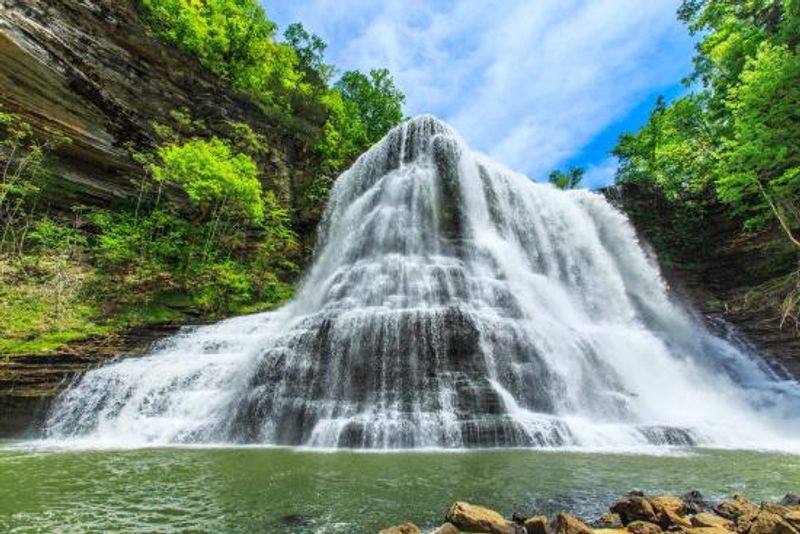
Burgess Falls packs serious waterfall power into a relatively short hike. The park features four waterfalls along the Falling Water River, with the grand finale being a 130-foot cascade that plunges dramatically into a deep gorge. The main trail is just over a mile, making it accessible for families and casual hikers who still want that wow-factor payoff.
The trail follows the river, so you’re never far from the sound of rushing water. Each waterfall builds anticipation for the next, with viewing platforms positioned at key spots. The final overlook for the main falls is stunning—bring your camera because the view is postcard-worthy from multiple angles.
Summer hiking here works best in the morning before temperatures peak. The trail has some shade, but sections are exposed, and Tennessee June heat can be intense by midday. The mist from the waterfalls provides natural air conditioning near the overlooks, which is a nice bonus.
Burgess Falls doesn’t allow swimming, but the visual experience more than compensates. This park is about soaking in the scenery rather than soaking yourself. It’s also less crowded than some of Tennessee’s more famous waterfall parks, especially on weekdays.
Pack water and wear sturdy shoes—the trail has some uneven sections and stairs. The park has picnic areas near the parking lot, making it easy to turn your waterfall hike into a half-day outing. If you’re chasing waterfalls across Tennessee, this one absolutely belongs on your list without requiring a full-day commitment.
4. Rock Island State Park
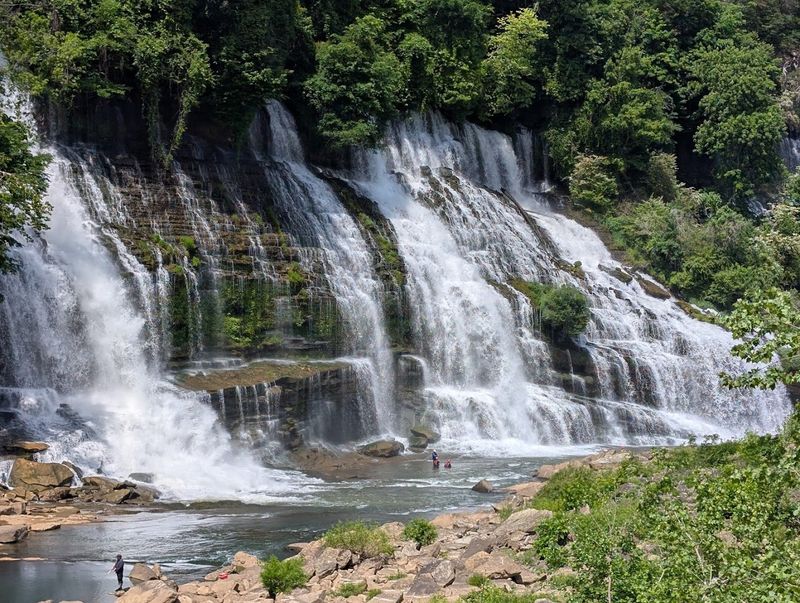
Rock Island serves up a buffet of water features that’ll keep you busy all day. Twin Falls and Great Falls anchor the park’s waterfall collection, while the Caney Fork River carves through dramatic gorges that look almost prehistoric. Multiple swimming areas give you options depending on whether you want gentle wading or deeper water.
The natural sand beach on Center Hill Lake is a family favorite. Unlike rocky shorelines at some parks, this beach actually feels beach-like, with soft sand and gradual entry into the water. It’s perfect for younger kids who want to splash around without navigating slippery rocks.
Kayaking here offers variety too. You can paddle calm lake sections or challenge yourself with river currents, depending on your skill level and mood. The park’s river scenery is rugged and beautiful, with high bluffs and layered rock formations that make you feel like you’re paddling through a canyon.
June hits the sweet spot for visiting Rock Island. Water temperatures are warm enough for comfortable swimming, but the lake hasn’t gotten crowded with the peak July and August rush yet. The waterfalls still have good flow, and the hiking trails are dry and easy to navigate.
This park rewards a full-day visit—there’s enough to do that you won’t feel like you’ve seen everything in an hour.
5. Natchez Trace State Park
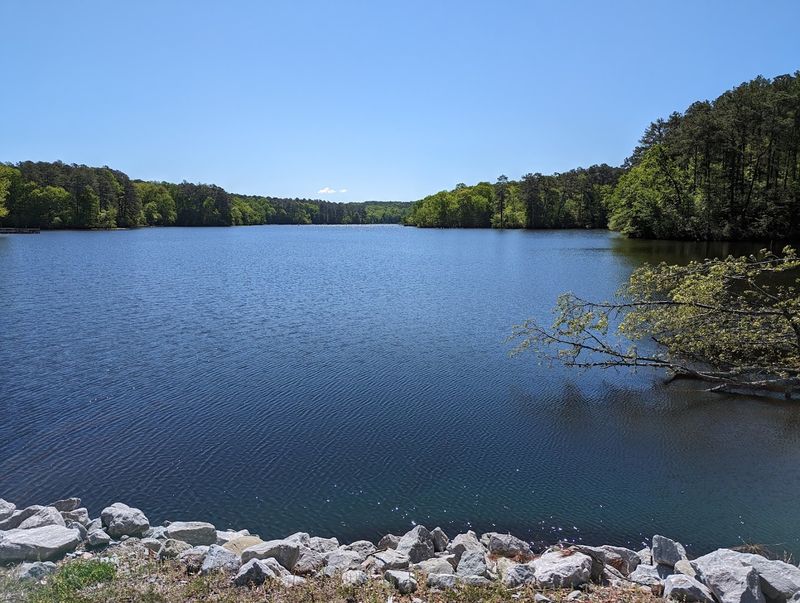
Natchez Trace sprawls across 48,000 acres, making it one of Tennessee’s largest state parks. This isn’t a park you visit for one specific attraction—it’s a place to slow down, explore, and enjoy a quieter kind of summer day. Three lakes dot the property, each offering different vibes and activities.
Cub Lake has the park’s free public swim beach, which is a huge draw for families on a budget. The beach area is maintained and clean, with designated swimming zones and nearby facilities. It’s not fancy, but it’s exactly what you need for a simple, enjoyable lake day without admission fees or crowds.
The trail system here is extensive but not overwhelming. Wooded paths wind through the forest, offering shaded hiking and mountain biking routes that stay cooler even when June temperatures climb. Wildlife sightings are common—deer, wild turkeys, and various bird species call this park home.
Camping at Natchez Trace feels relaxed and uncrowded compared to more popular Tennessee parks. You’ll find both developed campgrounds and more primitive sites, depending on how rustic you want your experience. Cabins are also available if you prefer a roof and air conditioning after your outdoor adventures.
6. Paris Landing State Park
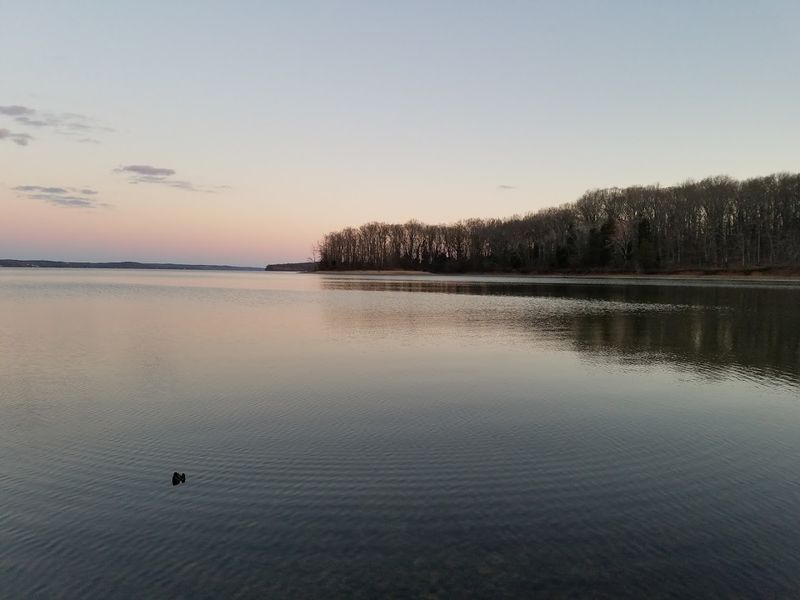
Kentucky Lake forms the backdrop for everything at Paris Landing, and the views alone make the trip worthwhile. The park sits on the western shore, offering expansive water vistas that feel more like ocean horizons than typical lake scenery. Sunsets here are spectacular, painting the sky and water in layers of orange and pink.
The public swim beach is well-maintained and family-friendly. Picnic areas sit close to the water, making it easy to set up camp for the day with food, towels, and shade. Restrooms and changing facilities are nearby, which parents especially appreciate when dealing with sandy, wet kids.
Boating is huge here. Kentucky Lake is one of the largest man-made lakes in the country, and Paris Landing provides excellent access. Whether you’re launching a fishing boat, pontoon, or jet ski, the marina facilities make it convenient.
Fishing is popular year-round, but summer brings different species to target. Bass, crappie, and catfish are common catches. Even if you’re not a serious angler, casting a line from the shore while watching the sunset is pretty therapeutic.
This park masters the art of relaxed summer lake days.
7. Pickwick Landing State Park
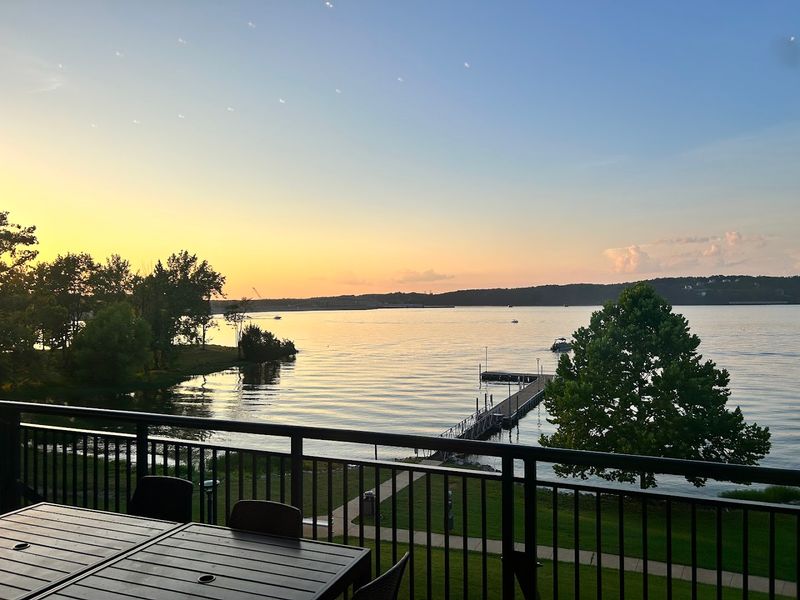
Pickwick Landing owns the title of classic Tennessee lake park, especially in West Tennessee. Pickwick Lake draws boaters, anglers, and swimmers from across the region, and the park’s facilities are built to handle the summer crowds without feeling chaotic. The marina is top-notch, with boat rentals available if you don’t have your own.
Swimming here feels safe and accessible. The designated swim areas have clear boundaries, and lifeguards are on duty during peak season. Families with kids appreciate the shallow entry zones where little ones can play without parents stressing about deep water.
Kayaking and paddleboarding have become increasingly popular at Pickwick. The lake has calm coves perfect for beginners, plus more open water for experienced paddlers who want a workout. Rentals are available at the marina, and the staff can point you toward the best routes based on your skill level.
Fishing is serious business here. Pickwick Lake is famous for bass, and tournaments happen regularly throughout the summer. Even casual anglers have good luck from the shore or fishing piers.
Catfish and crappie are also abundant, making it a solid spot regardless of what species you’re targeting.
The park’s trails offer a break from water activities. Scenic paths wind through wooded areas with occasional lake views, perfect for morning or evening walks when the sun is less intense. June mornings are especially pleasant, with cooler temperatures and active wildlife.
8. Norris Dam State Park
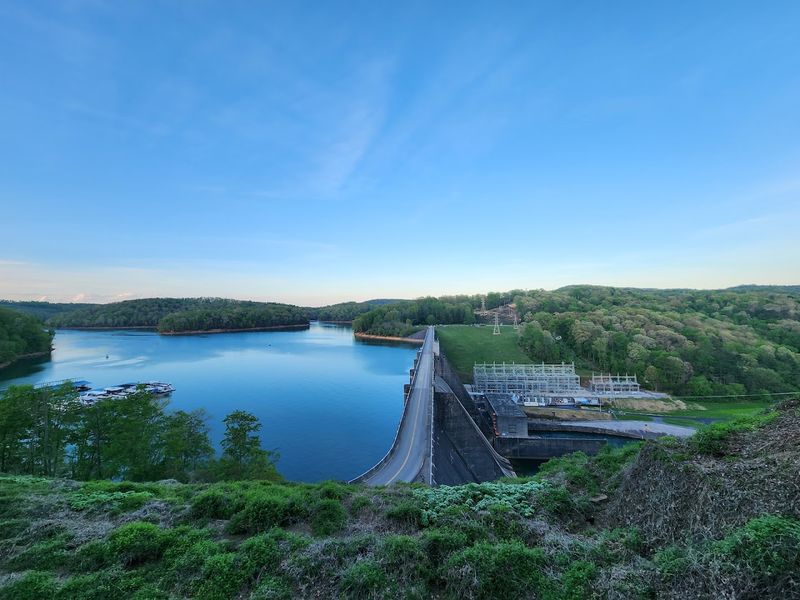
Norris Dam State Park offers a quieter East Tennessee lake experience without sacrificing activities or scenery. Norris Reservoir stretches for more than 800 miles of shoreline, providing endless exploration opportunities for boaters and paddlers. The water is clean and clear, fed by mountain streams that keep temperatures refreshing even in summer heat.
Boating here feels less crowded than at some of Tennessee’s more popular lakes. You’ll find plenty of space to cruise, fish, or anchor in a quiet cove for swimming. Water skiing and tubing are popular, and the lake’s size means you’re not constantly dodging other boats.
Fishing at Norris Reservoir is excellent. Striped bass, walleye, and crappie are common catches, and the reservoir has a reputation for producing trophy-sized fish. Shore fishing is accessible from multiple points around the park, and boat launches make it easy to get out on the water.
The park’s land-based activities complement the water fun. Hiking trails wind through forests and along ridges with lake views. The trails aren’t overly strenuous, making them accessible for families and casual hikers who want exercise without exhaustion.
Camping options range from primitive sites to RV hookups. The park also has cabins if you prefer more comfort. Norris Dam State Park delivers that classic Tennessee lake experience with a more relaxed, less touristy vibe.
9. Warriors’ Path State Park
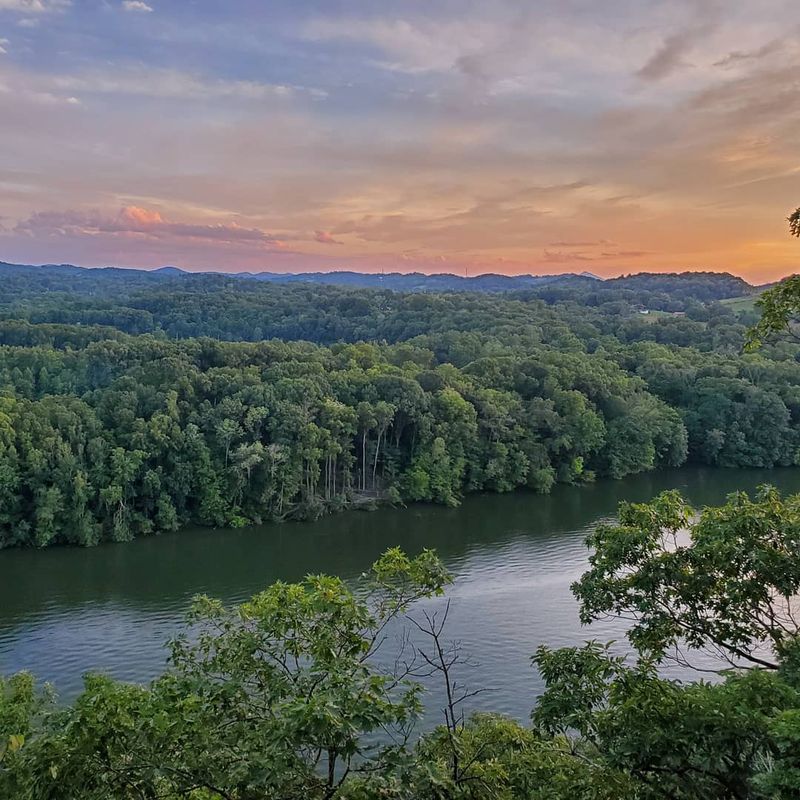
Warriors’ Path packs more activities into one park than seems reasonable. Located on Fort Patrick Henry Lake near Kingsport, this park caters to visitors who want variety and action rather than a single-focus experience. You could spend a week here and still not do everything available.
The lake anchors the park’s water activities. Boating, fishing, and paddling are all popular, with rental options available if you don’t have your own gear. The marina is well-equipped, and the lake itself is large enough to accommodate everyone without feeling crowded, even on busy weekends.
Hiking and biking trails wind through the park, offering routes for different fitness levels. The trails are well-maintained and clearly marked, making navigation easy. Mountain bikers appreciate the variety of terrain, from flat lakeside paths to more challenging wooded sections.
Here’s where Warriors’ Path gets interesting: the park also has an 18-hole golf course and a disc golf course. If your group has mixed interests, this park handles it. Someone can golf while others kayak or hike, and everyone meets back up for a picnic or swim.
Swimming areas are designated and safe for families. The beach isn’t huge, but it’s sufficient for a refreshing dip after hiking or biking. Picnic facilities are scattered throughout the park, many with lake views that make lunch feel special.
10. Harrison Bay State Park
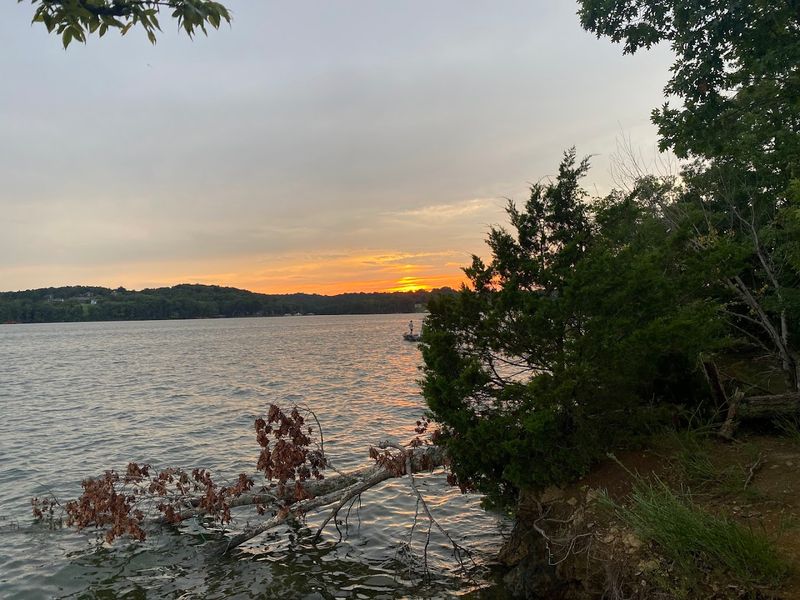
Harrison Bay serves the Chattanooga area with easy access to Chickamauga Lake and all the water recreation that comes with it. The park’s location makes it convenient for day trips or weekend getaways without requiring hours of driving. Chickamauga Lake is the star here, offering swimming, boating, and fishing in a scenic setting.
The swimming area is family-oriented and well-maintained. Sandy entry points make getting in and out of the water easy, and designated swim zones keep everyone safe. The lake’s size means the water doesn’t get overcrowded, even when the park is busy.
Boating opportunities are excellent. The lake is large enough for water skiing, tubing, and cruising, with calm coves perfect for fishing or anchored swimming breaks. The marina provides boat launch facilities, and parking is ample even during peak summer weekends.
Fishing at Chickamauga Lake is productive year-round, but summer brings different action. Bass fishing is popular, and the lake also holds crappie, catfish, and bluegill. Shore fishing is accessible from multiple spots around the park, and the fishing pier offers a convenient option for families with kids.
Land-based activities include hiking trails that wind through wooded areas with occasional lake views. The trails aren’t long or challenging, making them perfect for morning or evening walks when you want to stretch your legs without committing to a major hike.
The park handles crowds well, and facilities are clean and accessible. This is a solid choice for Chattanooga-area residents or visitors who want lake access without driving deep into rural Tennessee.
11. Tims Ford State Park
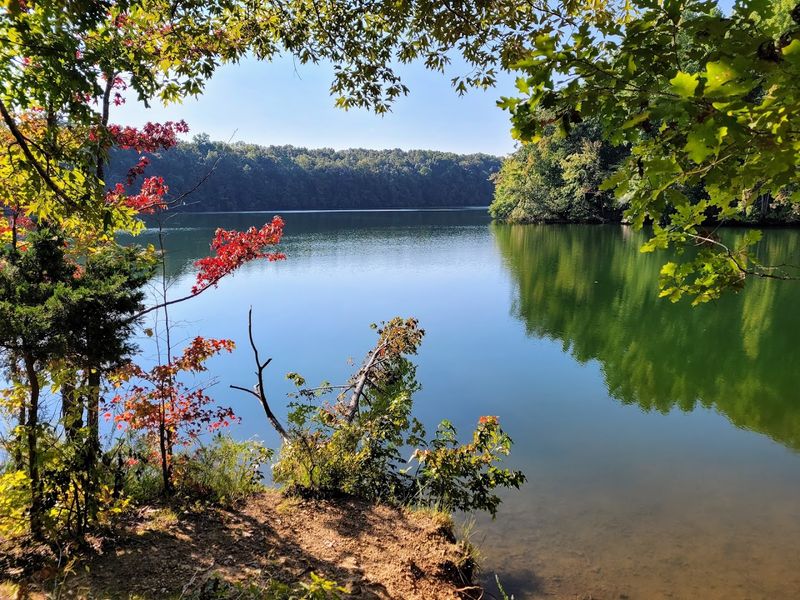
Tims Ford Lake consistently ranks among Tennessee’s most beautiful lakes, and spending time here makes it obvious why. The water is exceptionally clear, the shoreline is undeveloped in many areas, and the surrounding hills create a picturesque backdrop that changes with the light throughout the day. This park is where you go when scenery matters as much as activities.
Swimming at Tims Ford feels more pristine than at some busier parks. The water clarity means you can actually see the bottom in many areas, and the lake’s cleanliness makes it appealing even for visitors who are picky about water quality. Designated swim areas are marked and safe for families.
Boating and paddling are huge here. The lake’s irregular shape creates countless coves and inlets to explore, perfect for kayakers who enjoy discovery over speed. Pontoon boats and fishing boats share the water peacefully, and there’s enough space that everyone can find their own spot.
Fishing at Tims Ford is excellent. The lake is known for bass, walleye, and crappie, and anglers travel from across the state to fish here. The clear water can make fishing more challenging during bright midday sun, but early morning and evening fishing are productive and beautiful.
The park also has a golf course that’s surprisingly good. If your group has mixed interests, this works perfectly—some can golf while others spend the day on the water. Hiking trails offer land-based exploration with lake views from elevated vantage points.
12. Edgar Evins State Park
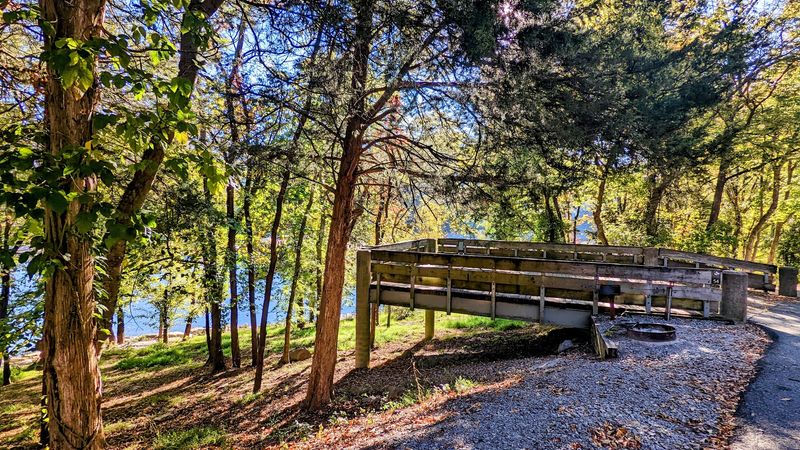
Edgar Evins sits on Center Hill Lake and delivers water-based adventure without requiring you to own a boat. Public lake access is excellent here, with swimming areas, fishing spots, and boat launch facilities all easily accessible. The lake itself is massive, offering more than 400 miles of shoreline to explore.
Swimming at Edgar Evins is popular and family-friendly. The designated swim beach has gradual entry and clear boundaries, making it safe for kids while still offering enough depth for adults who want to actually swim rather than just wade. Water quality is consistently good, and the lake’s mountain setting keeps things feeling fresh.
Boating opportunities are diverse. Whether you’re into fishing, skiing, tubing, or just cruising, Center Hill Lake accommodates all of it. The marina rents boats if you don’t have your own, and the staff can provide local knowledge about where to go and what to expect on the water.
Fishing is productive at Center Hill Lake. Bass, walleye, and crappie are common targets, and the lake has a reputation for producing good catches. Shore fishing is accessible from multiple points around the park, and the fishing pier is convenient for families or anyone who doesn’t want to launch a boat.
Hiking trails wind through the park, offering wooded paths and occasional lake overlooks. The trails aren’t extremely challenging, making them accessible for families and casual hikers who want some land-based activity to balance out the water time.
13. Panther Creek State Park
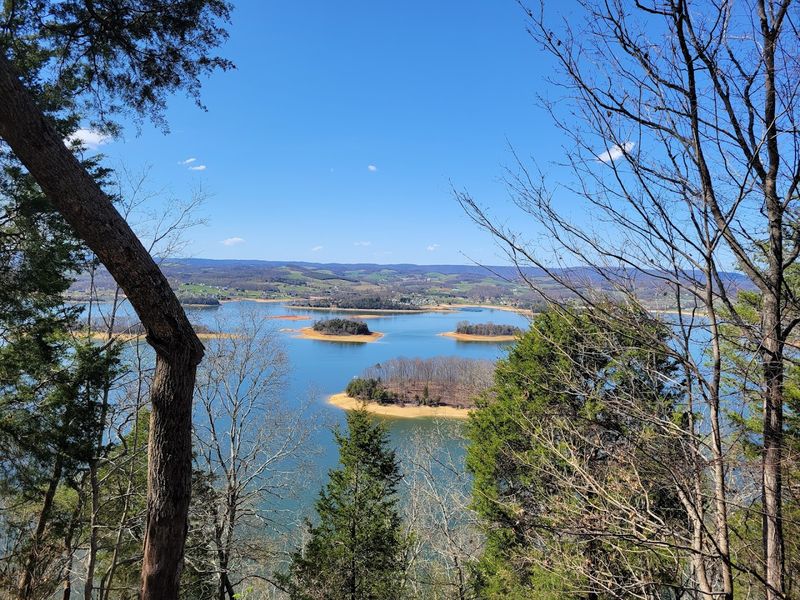
Panther Creek combines lake views with serious trail options, making it perfect for visitors who want water access but also love hiking or mountain biking. The park sits along Cherokee Lake, offering swimming, boating, and fishing, while more than 28 miles of trails wind through the property with scenic overlooks and varied terrain.
The lake itself is large and relatively quiet. Cherokee Lake doesn’t get the same heavy traffic as some of Tennessee’s more popular reservoirs, which means more peaceful paddling, swimming, and fishing. The water quality is good, and the shoreline scenery is pretty without feeling overly developed.
Mountain biking at Panther Creek is a highlight. The trail system includes loops of different lengths and difficulty levels, from beginner-friendly paths to more technical sections that challenge experienced riders. The trails are well-maintained, and the ridge-top sections offer breezy riding with lake views as a reward.
Hiking options are equally diverse. You can choose short nature walks or commit to longer treks that explore different parts of the park. The trails wind through forests, along ridges, and down to the lake, offering variety that keeps things interesting.
Swimming and boating round out the activities. The park has designated swim areas and boat launches, making water access easy. Fishing from shore or boat is productive, with bass, crappie, and catfish all common in Cherokee Lake.
June weather makes Panther Creek especially appealing. The ridge-top trails catch breezes that make hiking and biking more comfortable even when temperatures climb. Morning trail rides followed by afternoon lake time create a perfect summer day balance.
14. Frozen Head State Park
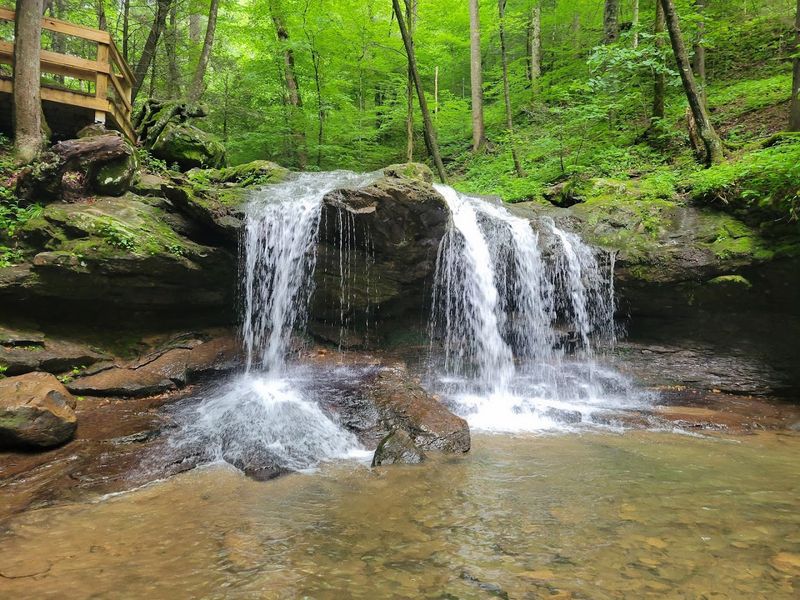
Frozen Head offers a mountain escape that feels dramatically different from Tennessee’s lake-focused parks. Set in the Cumberland Mountains, this park delivers cooler temperatures, rugged trails, and a more primitive, unplugged atmosphere. If you’re craving a break from summer heat and crowds, Frozen Head provides natural air conditioning and solitude.
The trail system here is extensive and challenging. Frozen Head is home to the Barkley Marathons course, one of the world’s toughest ultramarathons, which tells you something about the terrain. Don’t worry—you don’t have to tackle that level of difficulty.
The park has trails ranging from moderate day hikes to serious backcountry routes.
Waterfalls are scattered throughout the park, with several accessible via shorter trails. The sound of cascading water accompanies much of your hiking, and the mist from the falls provides cooling relief on warm days. These aren’t towering waterfalls like some Tennessee parks, but they’re beautiful and fit perfectly into the mountain setting.
Wildlife is abundant at Frozen Head. Deer, wild turkeys, and various bird species are common sightings. The park’s remote feel and lower visitor numbers mean animals are more relaxed and visible than at busier parks.
June is actually a great time for Frozen Head. While lower-elevation parks are heating up, the mountains stay significantly cooler. Morning hikes are comfortable, and even midday temperatures are bearable under the forest canopy.
The elevation gain on many trails means you’ll work up a sweat, but the mountain air keeps things from feeling oppressive.
This park is for hikers who want challenge and scenery over amenities and convenience. There’s no swimming, no boating, and limited facilities. What you get instead is raw mountain beauty and trails that reward effort with views.
15. Fiery Gizzard State Park
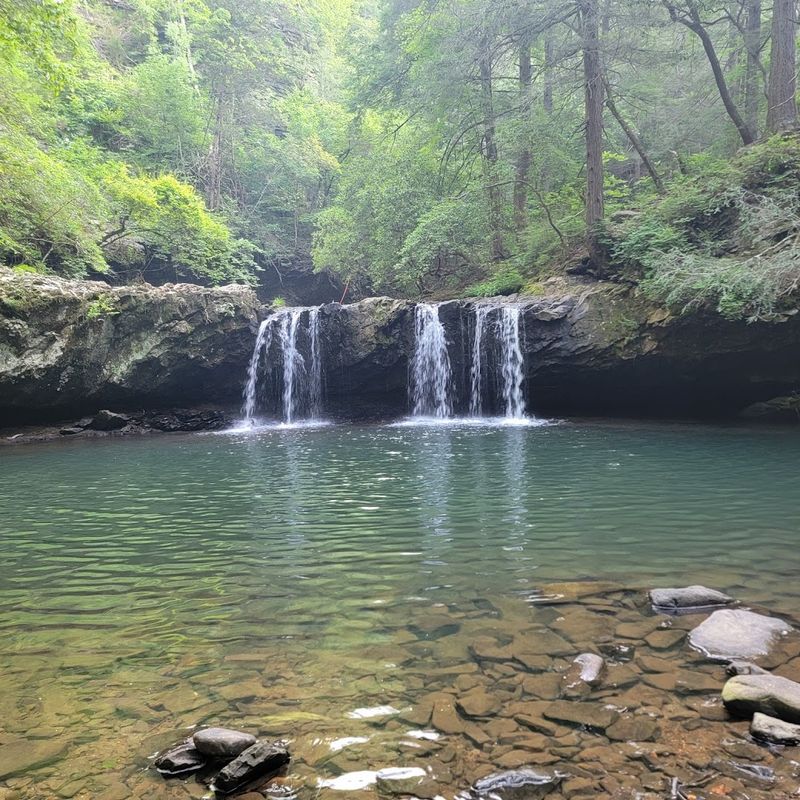
Fiery Gizzard has a name that sounds made up but the scenery is absolutely real. This park is known for serious hiking, dramatic plateau scenery, and some of Tennessee’s most beautiful backcountry trails. The Grundy Forest Day Loop is the accessible introduction, passing multiple waterfalls and swimming holes in just a few miles.
Swimming holes along the trail offer perfect rest stops on warm June days. The water is clear and cold, fed by mountain streams that stay refreshing even in summer. These aren’t developed swim areas—they’re natural pools formed by the creek, with rock ledges for sitting and shallow areas for wading.
Waterfalls are abundant throughout the park. Some are dramatic cascades; others are gentle slides over layered rock. The variety keeps the hiking interesting, and each waterfall has its own character.
Photography opportunities are endless, especially if you’re into long-exposure water shots.
The broader trail system beyond the day loop is rugged and challenging. Fiery Gizzard connects to other trail systems, creating options for overnight backpacking trips. The terrain is rocky and uneven, with significant elevation changes that test your fitness and reward you with incredible views from the plateau rim.
June hiking at Fiery Gizzard means lush greenery, full waterfalls, and temperatures that are warm but not unbearable under the forest canopy. Early morning starts are ideal, giving you cooler temperatures and better light for photography. The swimming holes become more appealing as the day heats up.
This park isn’t for casual walkers or families with young kids. It’s for hikers who want challenge, scenery, and a sense of wilderness without driving to a national park. Bring good boots, plenty of water, and expect to work for the rewards.
Share this story