Texas stretches across 268,000 square miles packed with wild landscapes, hidden treasures, and unforgettable experiences waiting around every corner. From mysterious desert lights to towering canyon walls, the Lone Star State offers adventures that’ll make your friends back home seriously jealous. Whether you’re craving outdoor thrills, quirky roadside stops, or peaceful nature escapes, 2026 is the perfect year to finally check these incredible Texas experiences off your list.
1. Kayak through Caddo Lake
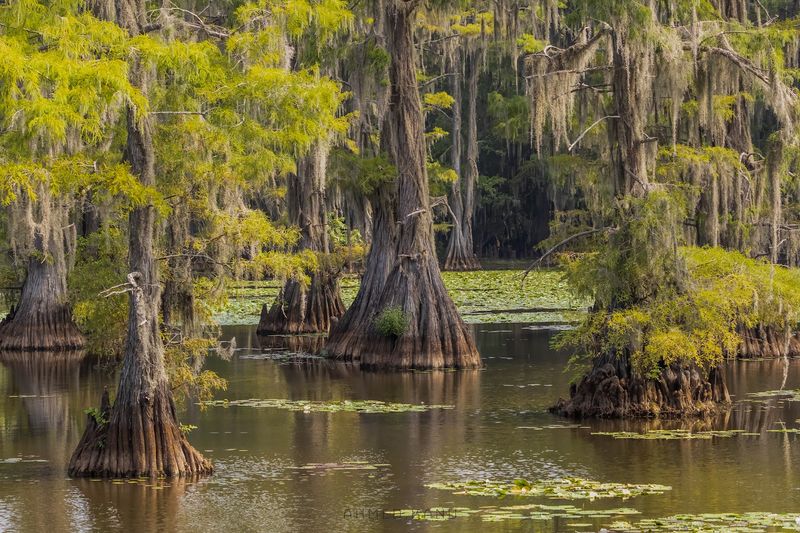
Ancient bald cypress trees rise from dark water like something out of a fairy tale, their roots creating natural mazes perfect for exploration. Spanish moss hangs overhead while turtles sun themselves on fallen logs, and if you’re lucky, you might spot an alligator basking in a quiet cove. This isn’t your typical Texas landscape—it feels more like Louisiana swamp country transported across the border.
Renting a kayak or canoe gives you the freedom to navigate through the 26,000-acre maze of waterways at your own pace. The best time to visit is early morning when mist hovers over the water and wildlife is most active. Bring your camera because the reflections of towering trees in the still water create absolutely stunning photo opportunities.
The lake sits right on the Texas-Louisiana border near the tiny town of Karnack, making it feel wonderfully remote and untouched. Paddling routes range from easy hour-long trips to full-day adventures deeper into the bayou. Wildlife enthusiasts go crazy here—over 200 bird species call this area home, plus river otters, beavers, and countless fish species.
Local outfitters provide everything you need, including maps that help you avoid getting turned around in the cypress maze. The water stays relatively calm, making this adventure suitable for beginners and families with older kids. Just remember to wear sunscreen, pack plenty of water, and respect the alligators by keeping a safe distance if you encounter one lounging in the sun.
2. Hike the Lighthouse Trail at Palo Duro Canyon State Park
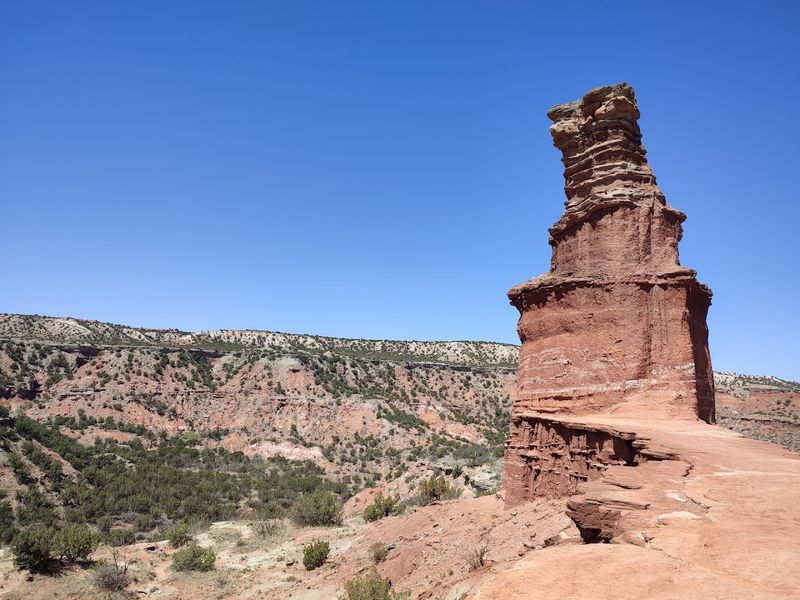
Carved over millions of years by the Prairie Dog Town Fork of the Red River, Palo Duro Canyon drops 800 feet below the flat Panhandle plains in a spectacular display of red, orange, and yellow rock layers. Most people have no idea Texas hides the second-largest canyon system in America, but once you peer over the rim, you’ll understand why locals call it the Grand Canyon of Texas. The star attraction?
A towering rock formation that looks exactly like an old-fashioned lighthouse.
The trail to reach this iconic landmark covers six miles round-trip with about 500 feet of elevation change. Sounds intimidating, but the path is well-maintained and the scenery keeps you so distracted you’ll barely notice the effort. Early morning hikes offer cooler temperatures and better lighting for photographs, plus you might catch mule deer grazing near the trail.
Plan for at least three to four hours to complete the hike comfortably with plenty of water breaks. The Texas sun beats down relentlessly, especially in summer, so bring more water than you think you’ll need—at least a gallon per person. Sturdy hiking shoes make a huge difference on the rocky, uneven terrain.
The Lighthouse itself stands 75 feet tall, a weathered sentinel of layered rock that’s been featured in countless Texas tourism photos. Climbing on the formation is prohibited to preserve it, but standing at its base surrounded by canyon walls stretching in every direction creates an unforgettable moment. Spring and fall offer the most pleasant hiking conditions, though winter brings its own stark beauty.
3. Float the Frio River at Garner State Park
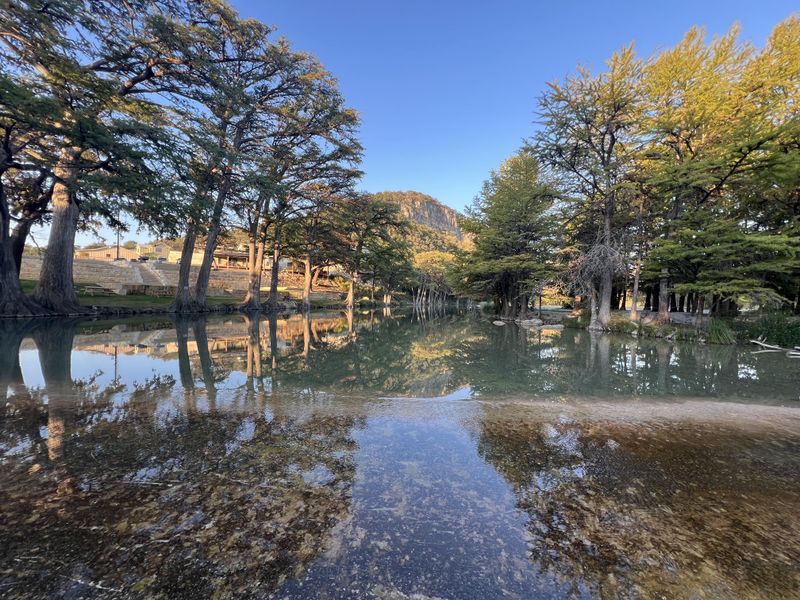
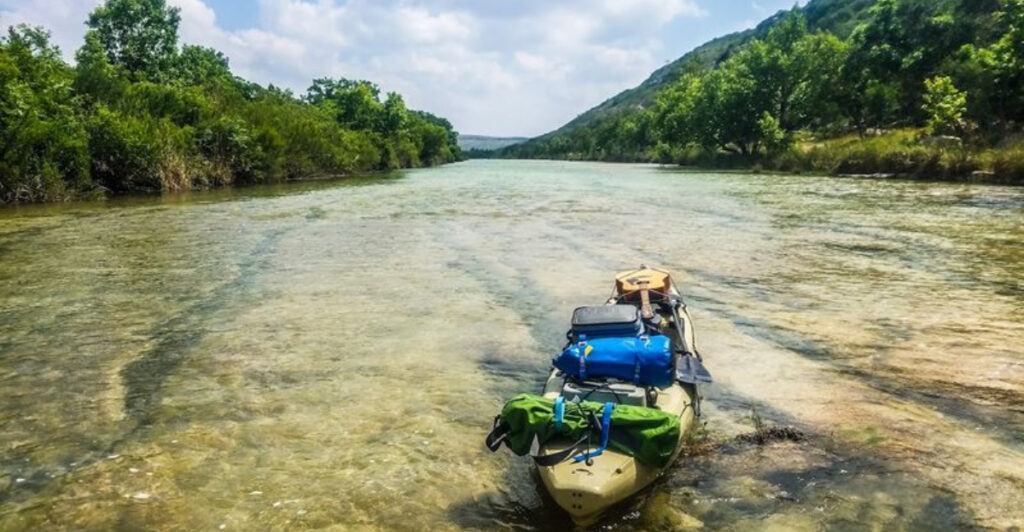
Cold spring-fed water stays refreshingly chilly even when July temperatures soar past 100 degrees, making the Frio River one of Texas’s most popular summer hangouts. Grab an inner tube, wade into the crystal-clear water, and let the gentle current carry you downstream past towering cypress trees and limestone cliffs. It’s the ultimate lazy day activity that somehow never gets old.
Garner State Park sits in the Texas Hill Country near Concan, about 90 minutes west of San Antonio. The park offers tube rentals if you don’t have your own, plus life jackets for kids and anyone who wants extra safety. Most floats last one to three hours depending on how far upstream you start and how often you stop to swim or explore.
The river bottom consists of smooth rocks and pebbles, with deeper pools perfect for swimming between shallow stretches where you might scrape bottom. Water shoes protect your feet and make walking along the riverbank much easier. Weekends get absolutely packed during summer, so arriving early or visiting on weekdays gives you more elbow room.
Beyond floating, the park features hiking trails, camping spots, and a famous dance pavilion where families gather for old-fashioned dances on summer evenings. The mini golf course and paddleboat rentals provide extra entertainment for families. Pack a cooler with snacks and drinks—no glass containers allowed—and stake out a shady spot along the riverbank for breaks between floats.
Water levels vary throughout the year, with spring typically offering the best flow after winter rains. Summer sees lower levels but warmer air temperatures that make the cold water feel perfect.
4. See the mysterious Marfa Lights
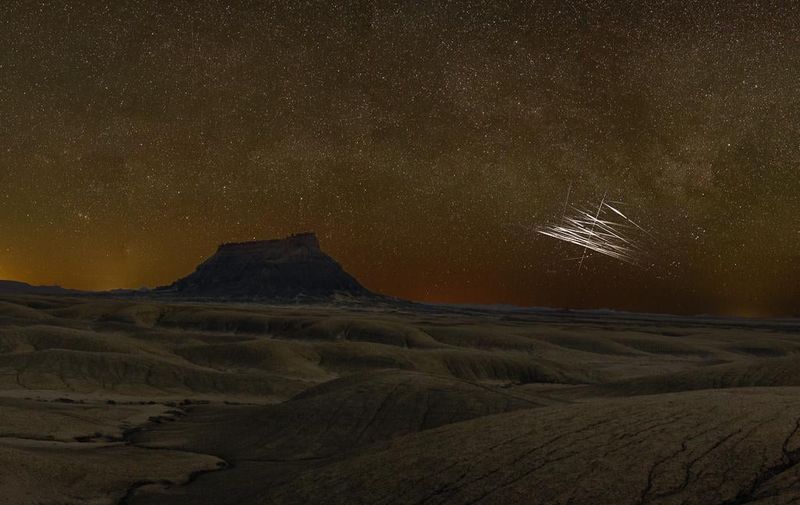
Unexplained glowing orbs dance across the desert horizon east of Marfa, baffling scientists and delighting visitors who gather after dark hoping to witness the phenomenon. Some describe them as floating, splitting, or changing colors—red, white, blue—while others see steady lights that suddenly vanish. Theories range from car headlights and campfires to atmospheric reflections and swamp gas, but nobody’s proven exactly what causes these lights that locals have reported since the 1880s.
The official Marfa Lights Viewing Area sits about nine miles east of town on Highway 90, complete with parking, restrooms, and a covered pavilion. Arrive around sunset to claim a good spot and watch as darkness falls over the Chihuahuan Desert. Bring binoculars, a blanket, and patience—the lights don’t perform on command, and some nights they don’t appear at all.
Your best chances come on clear, dark nights without a full moon washing out fainter lights. Spring and fall typically offer the most sightings, though people report seeing them year-round. The viewing area gets surprisingly crowded on weekends, with families, curious tourists, and dedicated light-chasers all scanning the horizon.
While you’re waiting, chat with other visitors about what they’ve seen or heard. The shared experience of searching for something unexplained creates a fun, almost carnival-like atmosphere. Some people swear they’ve seen the lights, while skeptics insist it’s just distant car headlights—but even skeptics usually admit the desert setting is beautiful.
The quirky town of Marfa itself deserves exploration, with art galleries, interesting restaurants, and the famous Prada Marfa art installation a few miles away. Make a weekend of it to fully soak in the strange, artsy vibe of far West Texas.
5. Hike Guadalupe Peak, the highest point in Texas
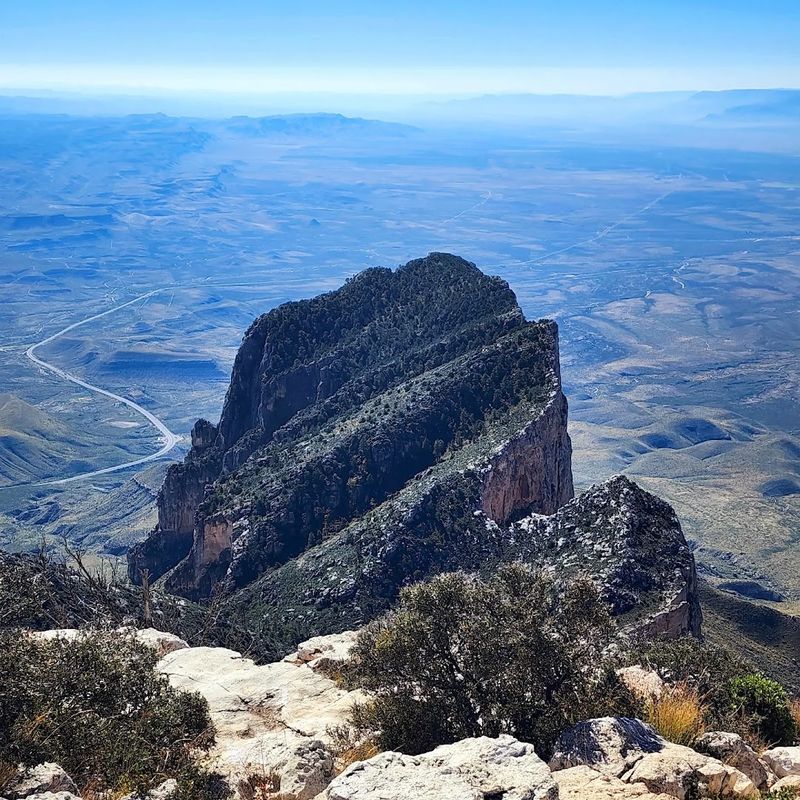
Standing at 8,751 feet above sea level, Guadalupe Peak challenges hikers with a strenuous climb that rewards them with bragging rights as conquerors of Texas’s rooftop. The trail gains over 3,000 feet in elevation across 8.5 miles round-trip, switchbacking up rocky terrain through desert scrub that gradually gives way to pine and fir forests. Summit views stretch across West Texas into New Mexico, with the vast Chihuahuan Desert spreading below like a wrinkled blanket.
Start early—like before sunrise early—to avoid afternoon thunderstorms common in spring and summer. The exposed trail offers little shade, and the thin air at higher elevations makes the climb tougher than the mileage suggests. Most hikers take five to eight hours to complete the round trip, including time at the summit to rest and celebrate.
Physical preparation matters for this hike. If you’re not regularly active, spend a few weeks building endurance before attempting Guadalupe Peak. The rocky, uneven trail demands attention with every step, and altitude can leave even fit hikers gasping for breath.
Pack at least three liters of water per person, salty snacks for energy, and layers of clothing since temperatures drop significantly as you climb. A metal pyramid monument marks the summit, installed in 1958 to commemorate the 100th anniversary of the Butterfield Overland Mail route. Hikers traditionally sign the register kept in a metal box at the top.
Fall brings the most pleasant conditions with cooler temperatures and brilliant foliage changes in the higher elevations. Spring wildflowers paint the lower slopes, though afternoon storms can roll in quickly. Winter occasionally brings snow and ice, making the trail dangerous without proper equipment and experience.
6. Stay near giraffes at Oak Meadow Ranch
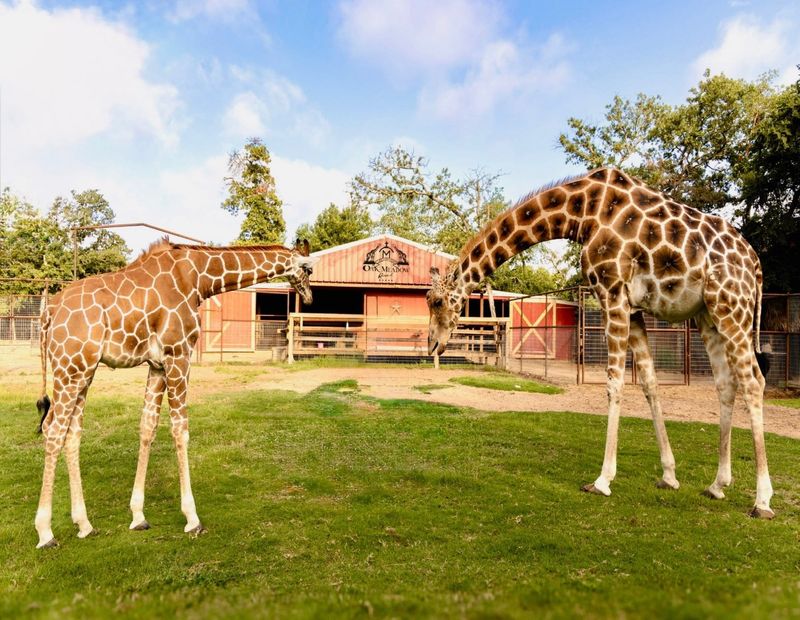
Waking up to a giraffe poking its long neck toward your window isn’t something you’d expect in North Texas, but Oak Meadow Ranch makes it happen. This exotic animal ranch near Valley View offers unique overnight stays where guests sleep in safari-style lodges surrounded by free-roaming giraffes, zebras, and other African species. Kids absolutely lose their minds when a giraffe wanders up during breakfast looking for treats.
The ranch spreads across rolling hills about an hour north of Dallas-Fort Worth, providing a surprisingly authentic safari experience without leaving Texas. Accommodations range from cozy cabins to larger lodges, all positioned strategically so animals can approach freely. Large windows and outdoor decks give you front-row seats to wildlife behavior throughout the day.
Feeding experiences let you hand-feed giraffes their favorite snacks while learning about conservation efforts and animal care. The ranch staff clearly loves what they do, sharing fascinating facts about each species and answering endless questions from curious kids. Photo opportunities are incredible—where else can you get a selfie with a giraffe photobombing in the background?
Beyond giraffes, the property houses zebras, camels, kangaroos, and various exotic birds. Guided tours take you around the ranch to meet different animals and hear their individual stories. Many residents are rescues or came from facilities that could no longer care for them properly.
Book well in advance, especially for weekends and holidays, since the limited number of lodges fills quickly. Prices include the accommodation, animal encounters, and guided tours. Bring cameras with good zoom capabilities, comfortable walking shoes, and an adventurous spirit.
The experience works wonderfully for families, couples celebrating special occasions, or anyone wanting something completely different from typical Texas getaways.
7. Explore Big Bend National Park
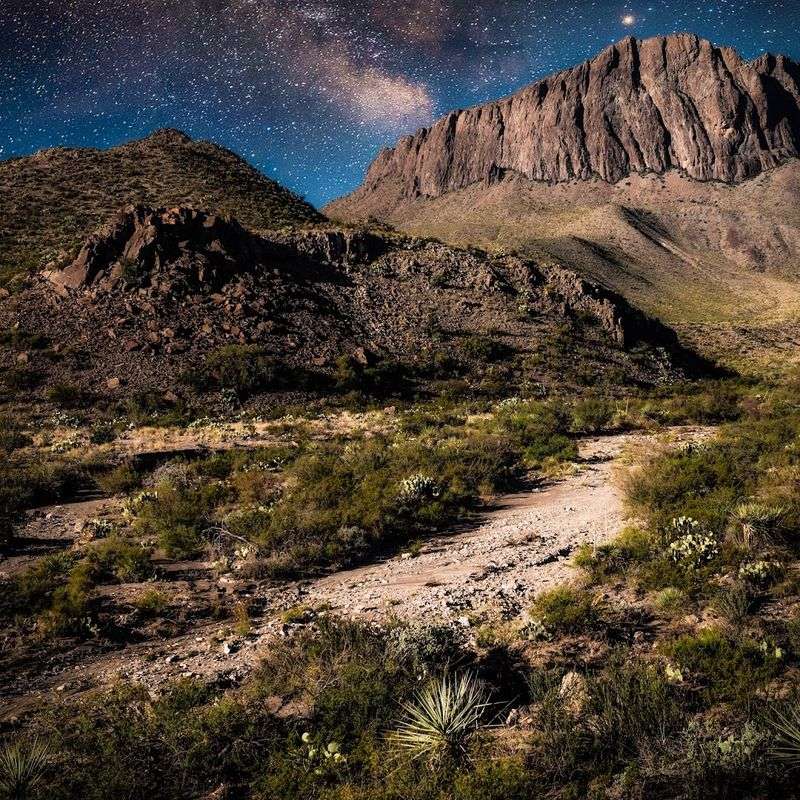
More than 800,000 acres of raw Chihuahuan Desert wilderness stretch across Texas’s southwestern corner, where the Rio Grande carves dramatic canyons and mountain ranges rise unexpectedly from desert floors. Big Bend National Park feels like another planet—so remote that it’s one of the least-visited national parks despite being one of the largest. That remoteness is exactly what makes it special: dark skies unpolluted by city lights, silence broken only by wind and birdsong, and landscapes that humble anyone who ventures into them.
Three distinct sections offer completely different experiences. The Chisos Mountains provide cooler temperatures and forested hiking trails, with the famous Window Trail offering stunning sunset views. The river corridor features towering canyon walls and opportunities for kayaking or canoeing through Santa Elena Canyon.
The desert lowlands showcase endless vistas of creosote bushes, ocotillo, and unexpected spring wildflower blooms.
Plan to spend at least three full days to barely scratch the surface. Popular activities include hiking trails ranging from easy nature walks to challenging backcountry routes, soaking in natural hot springs along the river, and stargazing under some of the darkest skies in the continental United States. Birdwatchers flock here year-round since Big Bend hosts more bird species than any other national park.
The nearest towns sit over an hour away, so come prepared with plenty of gas, food, and water. Cell service is nonexistent throughout most of the park. Temperatures swing wildly—summer days can hit 110 degrees while winter nights drop below freezing.
Spring and fall offer the most comfortable conditions.
Camping options include developed campgrounds and primitive backcountry sites for adventurous souls. The Chisos Mountains Lodge provides the only indoor accommodations inside the park, booking up months in advance. Outside the park, tiny towns like Terlingua offer quirky lodging and restaurants worth exploring.
8. Paddle the remote Devils River
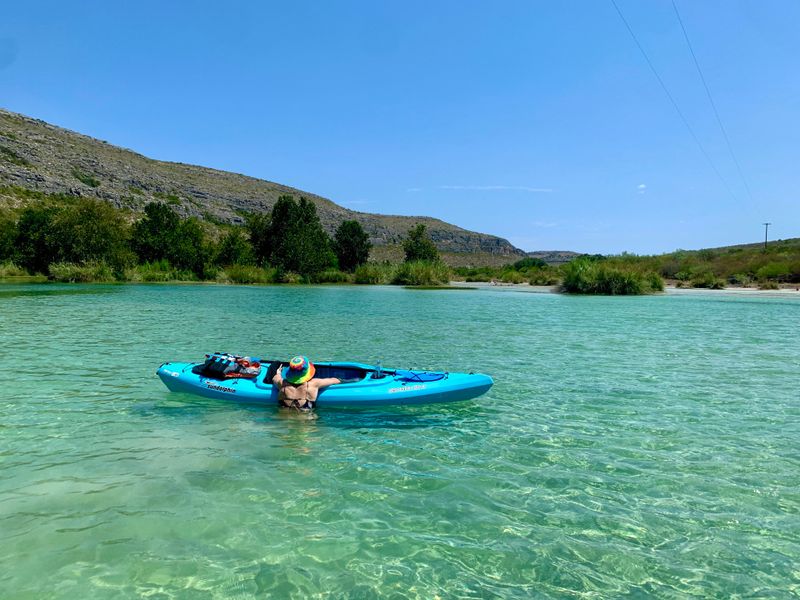
Crystal-clear turquoise water flows through limestone canyons in one of Texas’s most pristine and protected river systems. The Devils River remains so remote and undeveloped that access requires careful planning and permission, but those who make the effort discover a wilderness experience unlike anything else in the state. Underwater visibility often exceeds 20 feet, revealing schools of fish darting through rocky channels.
Located northwest of Del Rio in the Trans-Pecos region, the river flows through private ranches and Nature Conservancy land, meaning you’ll need to arrange access in advance. Several outfitters offer guided trips that handle permits, transportation, and equipment. Multi-day float trips cover 20 to 40 miles, with camping on riverside gravel bars under star-filled skies.
The river features mostly gentle Class I and II rapids, making it suitable for paddlers with basic skills. Spring-fed water stays cool year-round, perfect for swimming during breaks. Limestone cliffs rise hundreds of feet on both sides, creating dramatic canyon scenery that changes around every bend.
Wildlife sightings include deer coming to drink at dawn and dusk, numerous bird species, and occasionally black bears wandering down from nearby mountains. The ecosystem remains remarkably intact since development never reached this isolated area. Respect for the environment is crucial—pack out everything you bring in and follow Leave No Trace principles strictly.
Best paddling conditions occur from March through May and September through November when water levels are reliable and temperatures pleasant. Summer heat can be brutal, though the cool river water helps. Winter trips are possible but cold nights require proper camping gear.
Physical preparation matters since you’ll paddle for hours each day while managing gear and camping equipment. The remoteness means no cell service and no quick exit if problems arise, so go with experienced guides if you’re new to multi-day river trips.
9. Experience the State Fair of Texas

Every fall for 24 days, Fair Park in Dallas transforms into a wonderland of deep-fried everything, thrilling rides, livestock shows, and Texas-sized fun. The State Fair has been a Texas tradition since 1886, drawing millions who come for the food alone—deep-fried Oreos, corny dogs, turkey legs, and whatever crazy new concoction wins the annual fried food competition. Big Tex, the 55-foot-tall cowboy icon, welcomes visitors with his booming “Howdy, folks!” that’s been greeting fairgoers since 1952.
Midway rides range from gentle kiddie attractions to stomach-churning thrill rides that’ll test your bravery and your lunch-keeping abilities. The Texas Star Ferris wheel stands 212 feet tall, offering spectacular views of the Dallas skyline. Classic fair games line the walkways—toss rings, shoot basketballs, win oversized stuffed animals you’ll regret carrying around all day.
Beyond the fun and food, the fair showcases Texas agriculture through livestock competitions, creative arts exhibits, and educational displays. The auto show features the latest vehicles, and daily parades wind through the fairgrounds with marching bands and colorful floats. Live concerts feature big-name country artists and other performers throughout the fair’s run.
Smart fairgoers arrive on weekdays to avoid weekend crowds, though the energy of packed weekends has its own appeal. Discount ticket days help families save money, and arriving early means shorter lines for popular food vendors. Comfortable walking shoes are essential—you’ll easily walk several miles exploring everything.
The fair runs from late September through mid-October, with the famous Red River Rivalry football game between Texas and Oklahoma happening during the fair’s run. Parking can be challenging, so consider taking the DART train directly to Fair Park. Bring hand sanitizer, sunscreen, and a budget bigger than you think you’ll need because resisting all those food vendors is basically impossible.
10. Visit Texas Tulips and pick your own bouquet
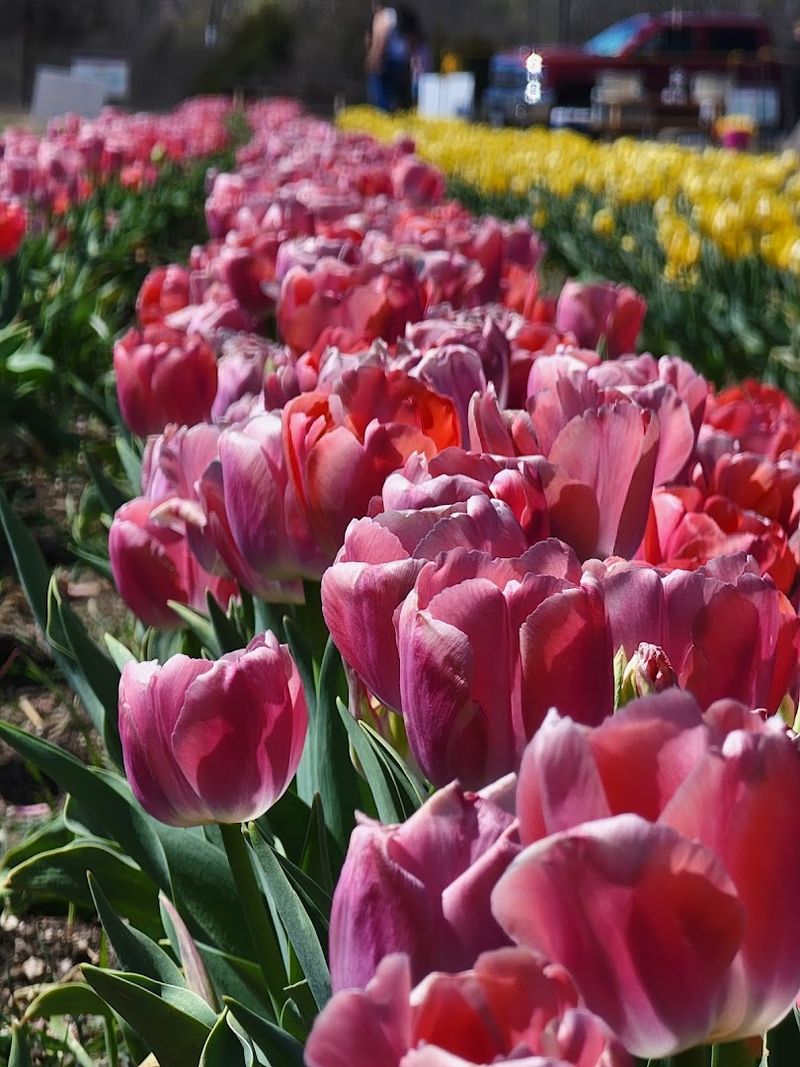
Endless rows of vibrant tulips bloom across 20 acres near Pilot Point each spring, creating Instagram-worthy scenes that rival famous Dutch flower fields. Texas Tulips opens for just a few weeks annually when their 500,000 tulips reach peak bloom, typically late March through early April. Visitors wander through the fields with scissors and buckets, cutting their own fresh bouquets directly from the source.
The farm grows dozens of varieties in every color imaginable—deep purples, bright yellows, soft pinks, bold reds, and even unusual parrot tulips with fringed petals. Professional photographers love this spot for spring photo sessions, and families create lasting memories among the colorful blooms. The farm provides scissors and containers, charging by the stem so you can create exactly the arrangement you want.
Timing your visit can be tricky since tulip season depends entirely on weather conditions. The farm announces opening dates on social media once blooms are ready, and the season ends when flowers fade, usually after four to six weeks. Weekends draw huge crowds, so weekday visits offer more room to roam and better photo opportunities without strangers in your shots.
Beyond tulips, the farm features food trucks, live music, and activities for kids. Bring cash for flower purchases, though they accept cards for entry fees. Wear boots or shoes you don’t mind getting dirty since fields can be muddy, especially after rain.
Sunscreen and hats are smart choices for sunny days spent wandering the rows.
The farm sits about an hour north of Dallas-Fort Worth, making it an easy day trip. Parking fills quickly on weekends, so arrive early or later in the afternoon. Cut flowers last over a week in a vase with proper care, giving you a beautiful reminder of your Texas spring adventure long after you’ve returned home.
11. See fall displays at the Dallas Arboretum
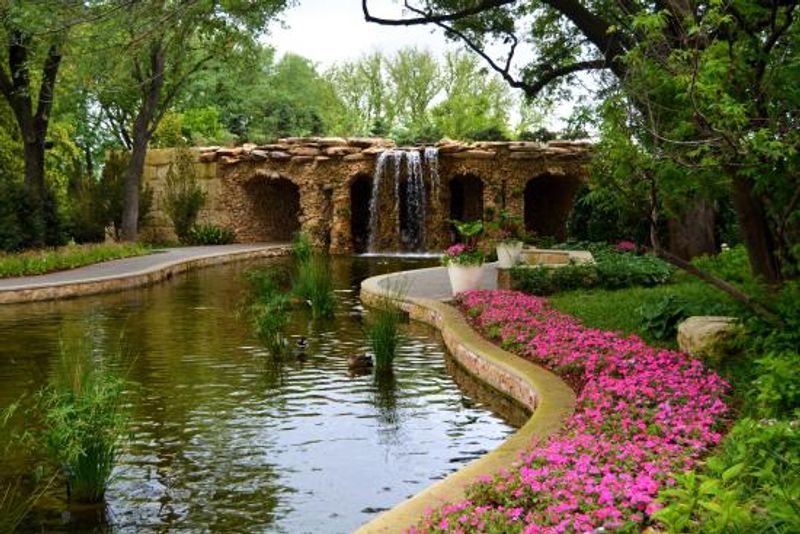
When autumn arrives, the Dallas Arboretum transforms into a fall fantasy with over 150,000 pumpkins, gourds, and mums arranged in elaborate displays throughout the 66-acre gardens. The annual Autumn at the Arboretum festival runs from September through November, celebrating the season with creative pumpkin villages, towering pumpkin houses, and themed displays that change yearly. Kids go wild for the pumpkin patch and children’s garden areas designed specifically for young visitors.
The arboretum sits on the shores of White Rock Lake, providing stunning water views alongside the carefully curated gardens. Fall foliage peaks in November when maples, sweet gums, and other deciduous trees show off red, orange, and yellow leaves. Photography enthusiasts can spend hours capturing the seasonal beauty, especially during the soft light of early morning or late afternoon.
Beyond pumpkins, the gardens showcase seasonal flowers including thousands of chrysanthemums in every color and size. Pathways wind through different themed areas—a Japanese garden, rose garden, pecan grove, and more. The Rory Meyers Children’s Adventure Garden offers interactive exhibits and activities that teach kids about plants and nature through play.
Plan for at least three to four hours to explore thoroughly, though serious garden lovers could easily spend a full day. The arboretum hosts concerts, educational programs, and special events throughout fall. Weekends get crowded, particularly during peak pumpkin season in October, so weekday visits provide a more relaxed experience.
Admission fees vary by day and season, with discounts available for seniors, military, and children. Members enter free year-round, and membership pays for itself quickly if you visit multiple times. The on-site restaurant offers lunch with garden views, or bring a picnic to enjoy in designated areas.
Comfortable walking shoes are essential since you’ll cover significant ground exploring all the gardens have to offer during this spectacular season.
12. Explore Caprock Canyons and see the Texas State Bison Herd
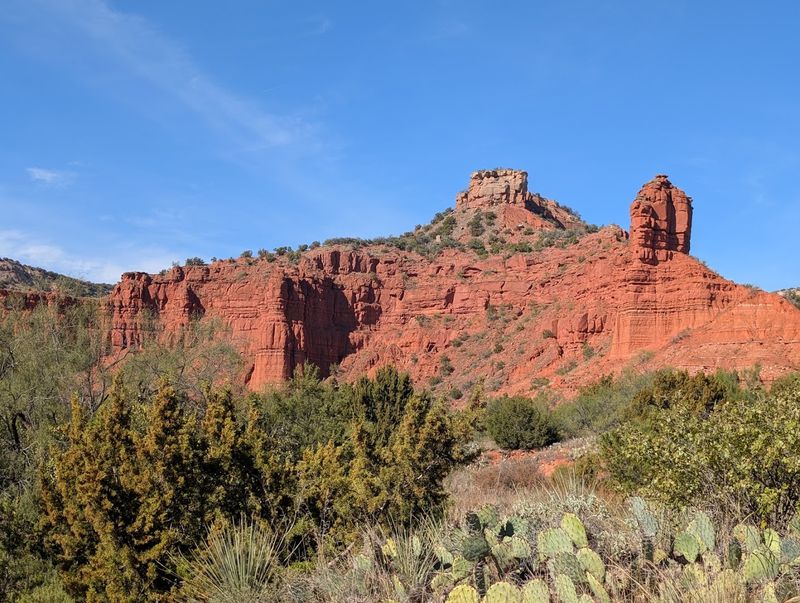
About 100 bison descendants of the Southern Plains herd roam freely through red rock canyons and prairie grasslands in this stunning state park near Quitaque. Seeing these massive animals in their natural habitat—not behind fences in a zoo—creates a powerful connection to Texas history when millions of bison once covered the plains. The herd represents one of the few genetically pure populations left, descended from animals saved from extinction in the early 1900s.
Caprock Canyons State Park covers over 15,000 acres of rugged beauty carved by the Little Red River. Hiking trails wind through colorful canyons, past natural rock formations, and across grasslands where you might spot bison, pronghorn antelope, or wild turkeys. The park’s signature trail follows the 64-mile Caprock Canyons Trailway, a former railroad line converted to a multi-use path perfect for hiking, biking, or horseback riding.
Bison sightings aren’t guaranteed since they roam freely across the park, but patient visitors usually spot them, especially early morning or late evening when they’re most active. Keep a respectful distance—these are wild animals that can weigh up to 2,000 pounds and run 35 miles per hour. Binoculars help you observe safely without disturbing them.
Camping options include developed campgrounds with water and restrooms, plus primitive backcountry sites for adventurous souls. The park gets surprisingly few visitors compared to more famous Texas destinations, meaning you often have trails and campsites mostly to yourself. Fall and spring offer the most pleasant weather, though each season brings its own beauty.
The tiny town of Quitaque provides basic services, but stock up on supplies before arriving since options are limited. The park sits in the Texas Panhandle, making it a perfect stop between Amarillo and Lubbock or as a destination itself for those seeking authentic wilderness experiences and a glimpse of Texas as it once was.
13. Explore the historic San Antonio Missions
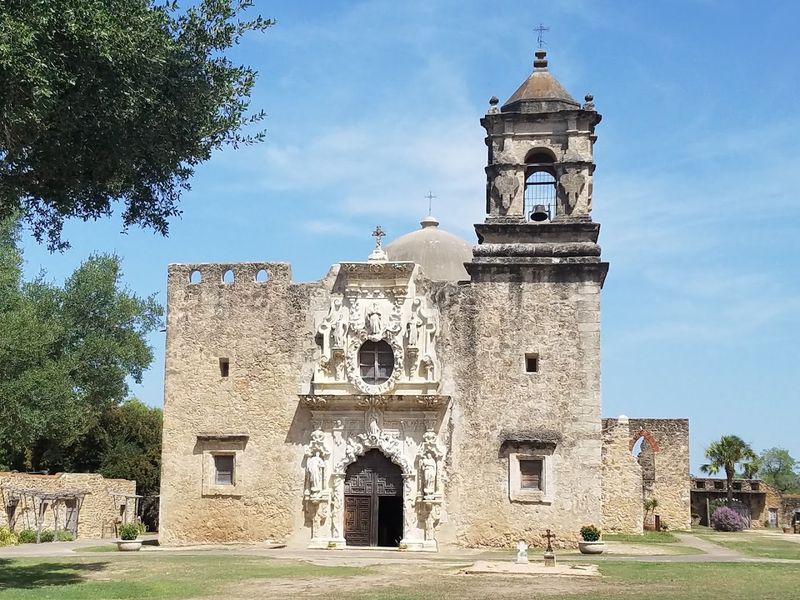
Five Spanish colonial missions built in the 1700s still stand along the San Antonio River, forming the only UNESCO World Heritage Site in Texas. Mission San Jose, known as the Queen of the Missions, features remarkably preserved architecture including an ornate rose window and defensive walls that once protected residents from attacks. Walking through these centuries-old structures connects you directly to the Spanish missionaries and indigenous peoples who lived, worked, and worshipped here.
The missions stretch across nine miles, with each site offering unique features and stories. The Alamo is the most famous, though it’s managed separately from the others. Mission Concepcion maintains its original appearance better than any other, with frescoes still visible on interior walls.
Mission San Juan and Mission Espada showcase the agricultural systems that made these communities self-sufficient.
Visiting all five missions takes a full day, especially if you explore the visitor centers and watch orientation films explaining their history. The Mission Reach trail connects four of the missions along a beautiful riverside path perfect for walking or biking. Rangers offer free guided tours sharing fascinating details you’d miss exploring alone.
These weren’t just churches—they were complete communities with workshops, farmland, and living quarters. Indigenous people learned European farming techniques, crafts, and religion while maintaining aspects of their own culture. The complex history involves both cultural exchange and colonization, topics the park interprets thoughtfully.
Admission to all National Park Service missions is free, making this an incredible value for families. The sites host special events throughout the year including demonstrations of traditional crafts and foods. Summer can be brutally hot, so spring and fall visits are more comfortable.
Each mission has its own character, so don’t rush—take time to sit in the courtyards, examine the stonework, and imagine life here 250 years ago.
14. Visit Gator Country and see alligators up close
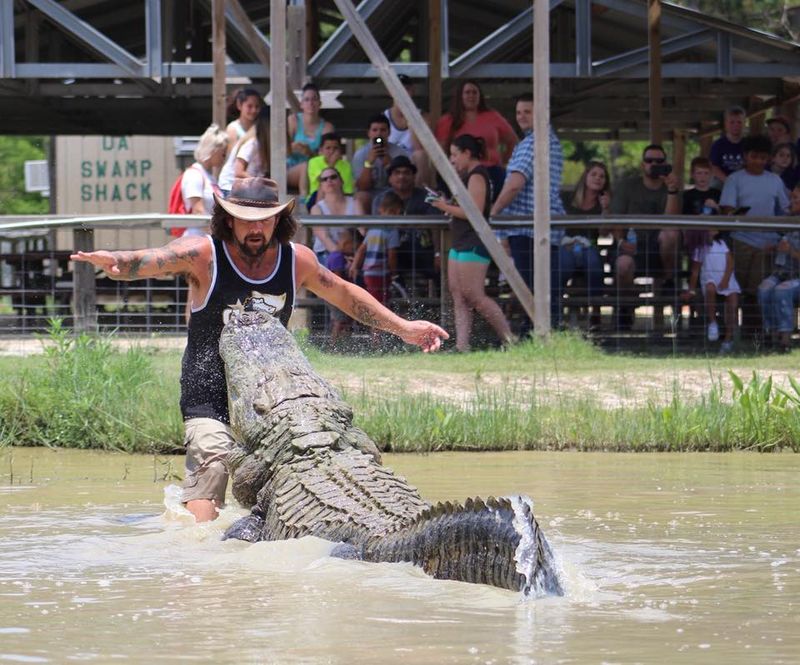
Over 450 alligators of all sizes call this rescue facility home, from tiny hatchlings you can hold to massive 14-foot-long adults that’ll make your heart race. Gator Country in Beaumont serves as a sanctuary for alligators rescued from unsafe situations—swimming pools, parking lots, and other places where humans and gators shouldn’t mix. The facility’s mission is education and conservation, teaching visitors about these prehistoric reptiles while providing safe homes for animals that can’t return to the wild.
Daily feeding shows demonstrate the incredible power and speed of these predators. Watching a 500-pound alligator launch itself out of the water to grab food is both thrilling and slightly terrifying. Knowledgeable staff share fascinating facts about alligator behavior, biology, and the important role they play in Texas ecosystems.
You’ll learn to tell alligators from crocodiles and understand why these ancient reptiles deserve respect rather than fear.
Beyond watching from a distance, brave visitors can participate in hands-on experiences. Hold a baby alligator, touch their armored skin, and feel their surprisingly strong tails. Older kids and adults can take photos sitting next to restrained larger gators—an experience that produces both amazing pictures and stories you’ll tell for years.
Professional handlers ensure safety throughout all interactions.
The facility also houses other reptiles including snakes, turtles, and lizards. Indoor and outdoor viewing areas mean you can visit comfortably regardless of weather. The gift shop sells everything from alligator-themed souvenirs to educational books about reptiles.
Gator Country sits about 90 minutes east of Houston, making it an easy day trip or a stop on the way to Louisiana. Admission fees support the rescue and care of the animals. Plan for two to three hours to see everything, including the shows and any hands-on experiences.
Summer heat can be intense, so morning visits are often more comfortable.
15. Hike through the diverse landscapes of Big Thicket National Preserve
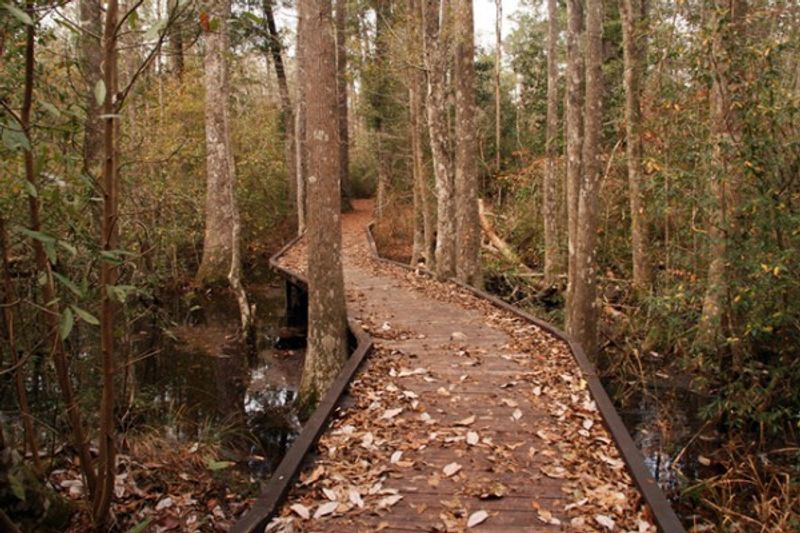
Nine distinct ecosystems converge in this remarkable preserve, creating a biological crossroads where desert plants grow near swamp cypresses and pine forests transition into hardwood bottomlands. Big Thicket earned the nickname “Biological Crossroads of North America” because species from the eastern forests, central plains, and southwestern deserts all meet here. In a single day, you could walk through environments that feel like Louisiana swamps, Appalachian forests, and Southwestern deserts without ever leaving Southeast Texas.
The preserve protects over 100,000 acres split into separate units scattered around the Kountze area. Over 40 miles of hiking trails range from short boardwalk loops through cypress swamps to longer backcountry routes through pine forests. The Kirby Nature Trail offers an easy introduction with a mile-long boardwalk over blackwater sloughs where turtles sun themselves and herons hunt for fish.
Biodiversity here is staggering—over 1,000 plant species, 300 bird species, and countless insects and animals. Orchids bloom in spring, carnivorous pitcher plants trap insects in sandy bogs, and towering pines shade forest floors carpeted with ferns. Birdwatchers consider Big Thicket a prime destination since both eastern and western species overlap here.
Paddling opportunities abound with several waterways flowing through the preserve. Canoeing the Neches River or Village Creek offers a different perspective on the landscape, gliding quietly past towering trees draped with Spanish moss. Outfitters in nearby towns provide rentals and shuttle services.
The preserve has no entrance fees and stays open year-round, though summer heat and humidity can be oppressive. Spring and fall offer the most comfortable hiking conditions plus wildflower blooms and fall foliage. Bring bug spray—mosquitoes and other insects thrive in these wet environments.
Several visitor centers provide maps, trail information, and educational exhibits explaining the preserve’s unique ecology and cultural history of the region’s early settlers and Native American inhabitants.
16. Experience the Christmas Capital of Texas

Historic Grapevine transforms into a holiday wonderland each year with over 1,400 events during the Christmas season. The town has earned its title as the Christmas Capital of Texas by going absolutely all-out with decorations, parades, ice skating, train rides, and activities that make even Scrooge crack a smile. Downtown’s historic Main Street glows with millions of lights, vintage lampposts wrapped in garland, and storefront windows displaying elaborate holiday scenes.
The North Pole Express train ride takes families on a magical journey to meet Santa, complete with hot chocolate and cookies. ICE! at the Gaylord Texan features massive ice sculptures carved from over two million pounds of colorful ice, kept at nine degrees inside a winter wonderland walk-through experience. Snow tubing, ice skating, and photos with Santa round out the resort’s holiday offerings.
Grapevine’s historic downtown hosts the Lone Star Christmas festival with carolers in Victorian costumes, street performers, and artisan vendors selling handmade gifts. The tree lighting ceremony kicks off the season with fireworks and celebrations. Numerous parades wind through town on different weekends, each with its own theme and character.
Wine enthusiasts appreciate that Grapevine’s tasting rooms and wineries create special holiday vintages and host festive events. The town sits at the center of Texas wine country, offering tours and tastings year-round with extra holiday cheer during December. Restaurants serve special seasonal menus, and bakeries overflow with gingerbread, peppermint treats, and other holiday sweets.
The festivities run from mid-November through New Year’s, with peak crowds during weekends and school breaks. Book hotels well in advance since rooms fill quickly during the holiday season. The town sits just northwest of Dallas-Fort Worth Airport, making it easily accessible for visitors flying in from other states.
Many events are free, though some attractions like ICE! require tickets purchased in advance. Bundle up for outdoor events, though Texas winter weather remains relatively mild compared to northern states.
Share this story