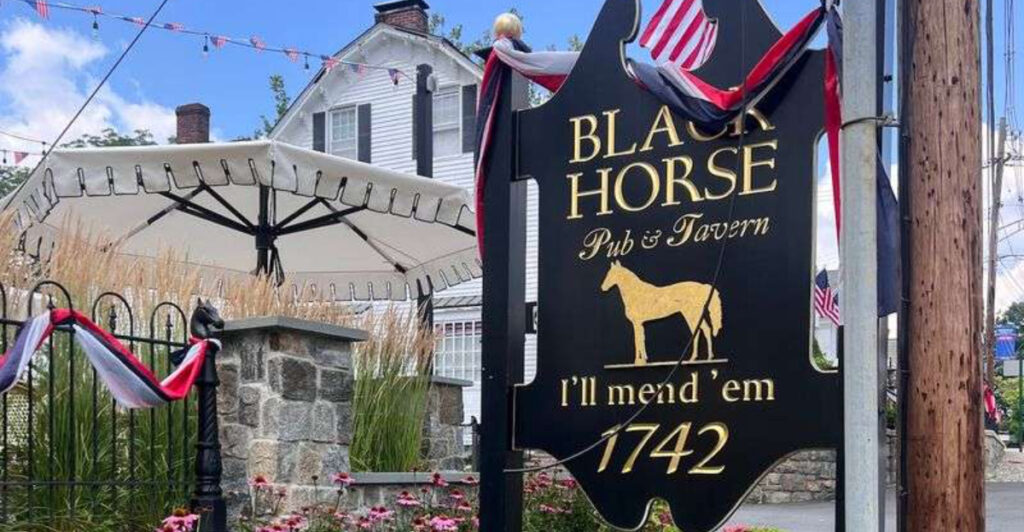
A plate of steak and seafood hits differently when it arrives in a dining room that was already old before anyone signed the Declaration of Independence. Across New Jersey, former stagecoach stops, colonial taverns, Victorian inns, and Prohibition-era clubs are still welcoming hungry guests.
Their floors slope a little, their fireplaces have seen countless winters, and their walls hold enough stories to keep dinner conversation going long after dessert. Yet these places are not dusty museums with entrées.
Some serve dry-aged steaks beneath centuries-old beams; others shuck oysters at bars that have survived wars, hurricanes, and dramatic shifts in fashion. You can settle beside a stone hearth, dine beneath stained glass, or order crab cakes in a building once frequented by powerful politicians.
Whether you come for Revolutionary history, Shore nostalgia, or a very good excuse to order another cocktail, these 16 restaurants prove that New Jersey’s past is best experienced with a menu in hand.
1. Ye Olde Centerton Inn – Pittsgrove
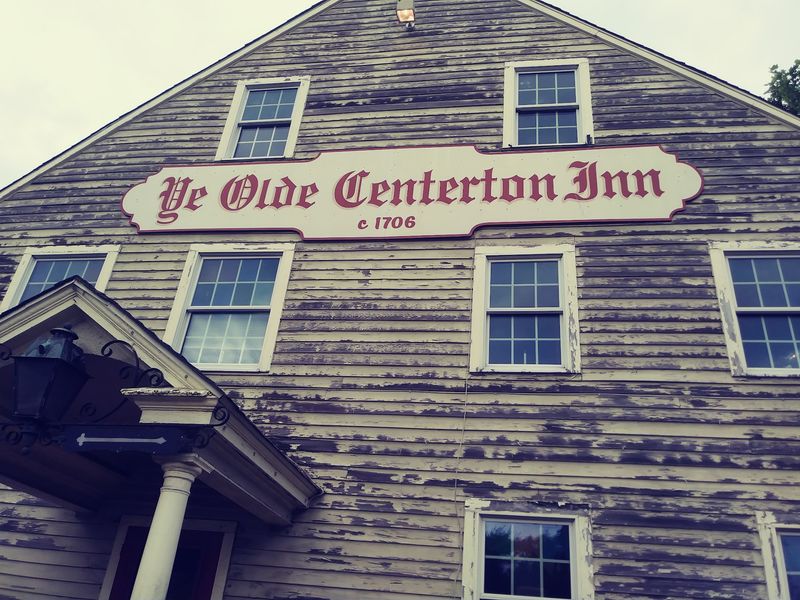
A reservation at this Pittsgrove landmark comes with serious historical bragging rights: Ye Olde Centerton Inn has been operating since 1706. The country had not been founded, George Washington had not been born, and someone was already making sure travelers in this corner of South Jersey could find supper.
More than three centuries later, the inn still feels like a destination rather than a convenient stop. Its old-fashioned exterior, intimate dining rooms, fireplaces, and period details create a setting that suits a slow, unhurried dinner.
The kitchen leans into steaks, seafood, and polished American classics. Steak Centerton tops filet mignon with crabmeat and béarnaise, while the broiled seafood combination brings lobster tail, scallops, stuffed shrimp, crab imperial, and fish together on one generously loaded plate.
For something especially hearty, the Baconizer wraps a sausage-stuffed pork chop in bacon, which is about as subtle as it sounds. House-made desserts, including warm chocolate bread pudding, are worth saving room for.
This is a more refined evening than a casual burger stop, though the welcome remains comfortably South Jersey. Reservations are required for both the dining room and bar, so this is not the place to improvise at the last minute.
Book ahead, arrive hungry, and give yourself time to appreciate just how much history is packed into the building.
2. Barnsboro Inn – Sewell

Five roads once converged near the high ground where the Barnsboro Inn stands, making it a natural stopping place for travelers who needed food, drink, lodging, and probably a little useful gossip. The original log cabin was built in 1720, and John Barnes received a tavern license in March 1776.
That means the place began pouring drinks during the same year the United States declared independence. Today, the Sewell institution balances those deep roots with the easygoing personality of a neighborhood tavern.
You can admire the historic structure without feeling as though you need to whisper around the furniture. The menu jumps comfortably between old-school favorites and playful bar food.
French onion soup feels right at home in the centuries-old inn, while jerk chicken nachos dusted with crushed spicy chips pull things firmly into the present. The Barnsburner burger adds pepper jack, candied jalapeños, and chipotle sauce, and the broiled imperial crab cakes offer a more traditional South Jersey choice.
Weekend brunch brings family-style biscuits, brunch potatoes, and indulgent French toast creations. Different spaces make the inn work for both a casual drink and a proper dinner, while regular events keep it connected to the community that grew around it.
Parking is straightforward, and reservations are a smart move on weekend evenings. Come for the Revolutionary-era story, but do not be surprised if the food and relaxed bar keep you around longer than planned.
3. The Black Horse Tavern & Pub – Mendham
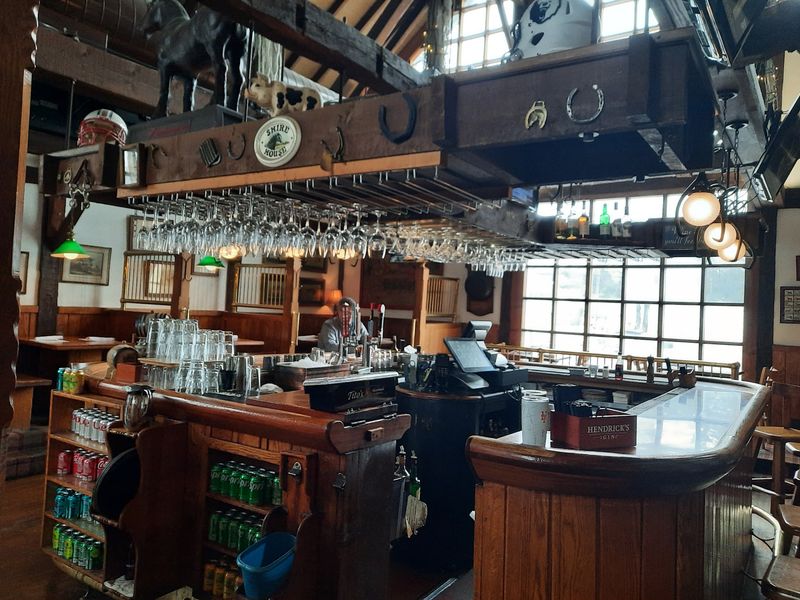
Low ceilings, dark beams, and a stone hearth do most of the storytelling at this Mendham fixture. The building dates to 1742, when Ebenezer Byram established an inn along an important stagecoach route.
Travelers once stopped to rest their horses and warm themselves by the fire; modern guests have the considerable advantage of cocktails and a full dinner menu. The property is split between a more traditional tavern experience and a casual pub, giving you some control over the mood.
Choose the tavern when you want a quieter meal surrounded by colonial character, or settle into the pub when the plan involves burgers, drinks, and conversation that may get louder as the night goes on. American comfort food suits the setting, particularly dishes such as pot pie, meatloaf, fish and chips, burgers, and hearty seasonal entrées.
There is no need for historical reenactments or elaborate decorations here. The worn wood, old masonry, and irregular proportions make the building’s age clear without assistance.
Mendham’s compact, picturesque center adds to the experience, especially on a crisp evening when the tavern windows glow against the dark. Reservations are helpful for the dining rooms, while the pub is better suited to a spontaneous visit.
If your ideal historic restaurant includes a fireplace, a cold drink, and the faint feeling that a stagecoach might pull up outside, this is the one.
4. Stage House Tavern – Scotch Plains
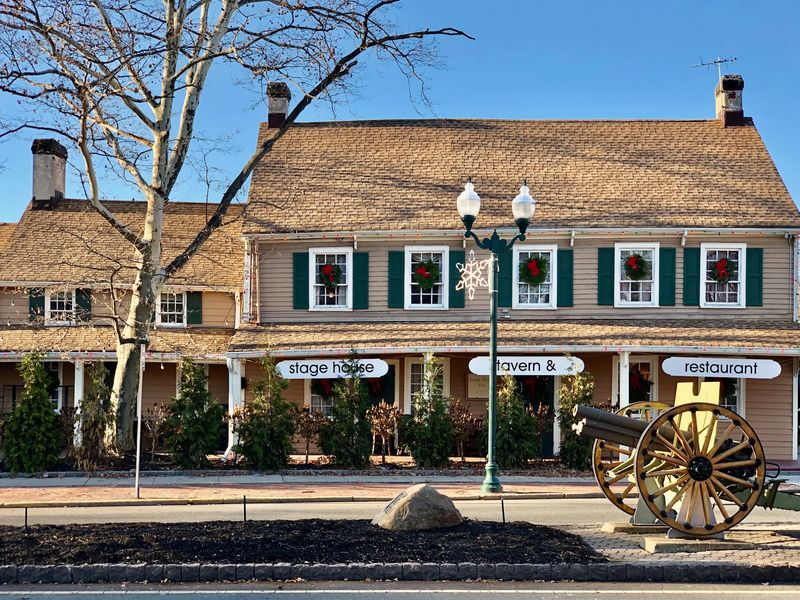
Before taverns became places to watch a game over wings, they served as meeting halls, business centers, political gathering spots, and unofficial headquarters for anyone with news worth sharing. The original Stage House in Scotch Plains filled all those roles after it was built in 1737.
Its position along an old travel route made it an important stop, and George Washington is associated with the site’s Revolutionary-era history. The present restaurant keeps that legacy visible while operating with the energy of a modern tavern.
Historic brickwork and traditional architectural details share space with a busy bar, outdoor seating, live entertainment, and a broad menu designed for groups with very different appetites. Burgers, steaks, seafood, salads, and tavern snacks all have a place here, making it easy to bring the friend who wants a full entrée and the one who only wants cocktails and appetizers.
Sunday brunch is another popular way to experience the property, especially if dinner-hour crowds are not your thing. The outdoor area can become a lively gathering place in good weather, which creates a funny but appealing contrast with the building’s colonial origins.
Reservations are strongly suggested, particularly for weekend dinner and brunch. This is history without hushed voices or velvet ropes—a centuries-old community gathering place that is still doing essentially the same job, only now with draft beer, flat-screen televisions, and considerably better refrigeration.
5. The Cranbury Inn – Cranbury
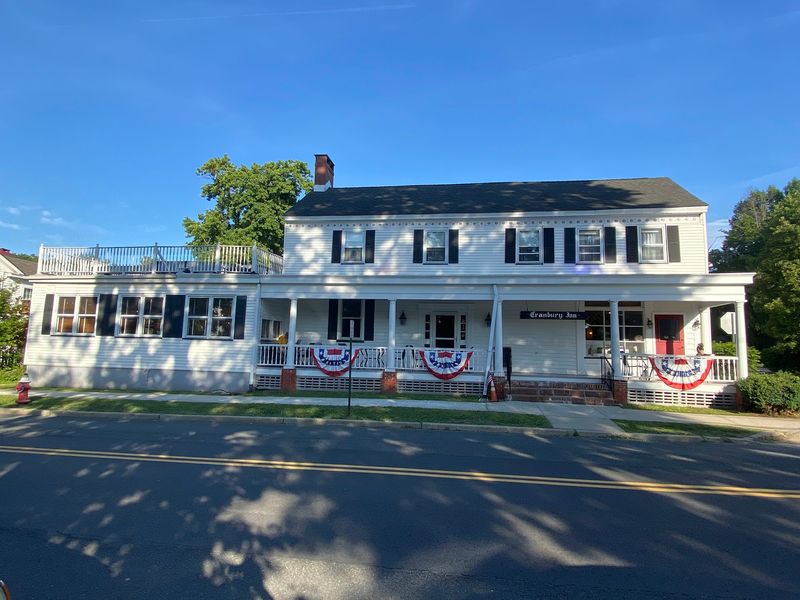
Order the roast turkey, and suddenly the whole room makes sense. Served with stuffing, mashed potatoes, vegetables, gravy, and cranberry sauce, it is the kind of complete, comforting meal that belongs in an inn built to feed weary travelers.
The Cranbury Inn traces its history to two 18th-century taverns that were later joined and expanded, producing the wonderfully rambling building guests see today. Over the years, the property has been linked to Revolutionary figures, prominent visitors, community gatherings, and local celebrations.
Its low ceilings, aged wood, fireplaces, and collection of historic spaces feel authentic because they are not part of a recently invented theme. The menu remains broadly American, mixing the famous turkey dinner with prime rib, roast duck, rack of lamb, seafood, burgers, and French onion soup capped with a trio of cheeses.
The Inn Burger, topped with mushrooms, bacon, tomato, and cheese, is a less formal option if you mainly came to explore the setting. Sunday brunch gives visitors another excuse to linger, while the adjoining event spaces remain popular for weddings and large celebrations.
The restaurant sits in the heart of Cranbury’s historic village, so arrive early enough to walk past the preserved homes and tree-lined streets nearby. Parking is available, but reservations are wise when an event is underway.
This is one of those rare restaurants where getting slightly turned around on the way to your table only adds to the fun.
6. The Clinton House – Clinton
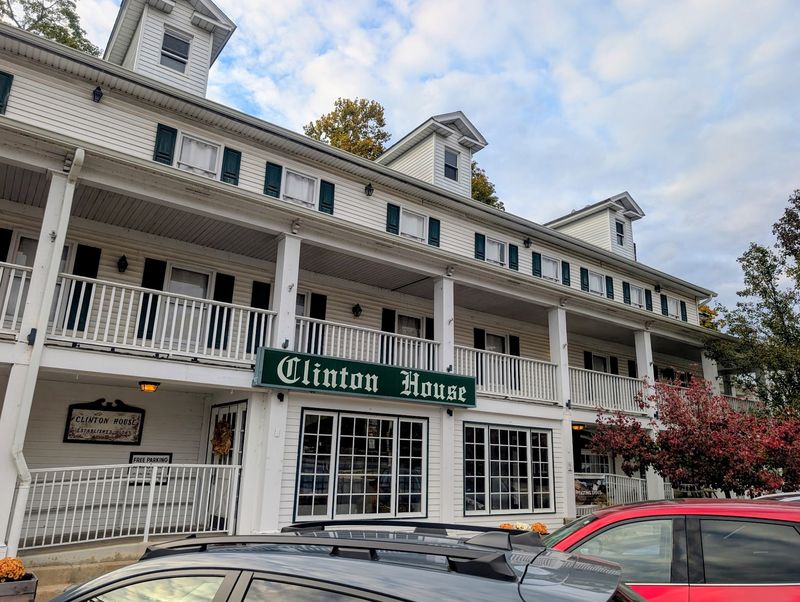
The stone fireplace inside The Clinton House looks exactly where it belongs, surrounded by wood paneling and the warm, clubby character of an old inn. Established in 1743, the property once offered food and lodging to travelers passing through the region long before Clinton became one of New Jersey’s favorite small-town day trips.
The lodging is gone, but the restaurant has held onto the sort of menu that encourages guests to settle in. Hand-cut steaks are a specialty, particularly the dry-aged strip served with crisp onion rings.
Sauerbraten supplies a direct connection to the restaurant’s old-world traditions, pairing slow-braised beef with red cabbage and a potato pancake. Jumbo-lump crab cakes and seasonal seafood round out the dinner choices, while Sunday brunch offers steak Benedict and cocktails for anyone who prefers their history before noon.
The wine and whiskey selections make the bar worth considering even when you are not planning a full meal. Main Street is part of the appeal: the restaurant is close enough to Clinton’s red mill, bridge, shops, and river views to turn dinner into the finale of a full afternoon.
Expect steakhouse pricing rather than neighborhood-pub bargains, and reserve ahead for Friday or Saturday night. There are older-looking buildings and newer-looking menus elsewhere, but few places combine a serious kitchen and a genuinely historic backdrop as naturally as The Clinton House.
7. The Sergeantsville Inn – Sergeantsville
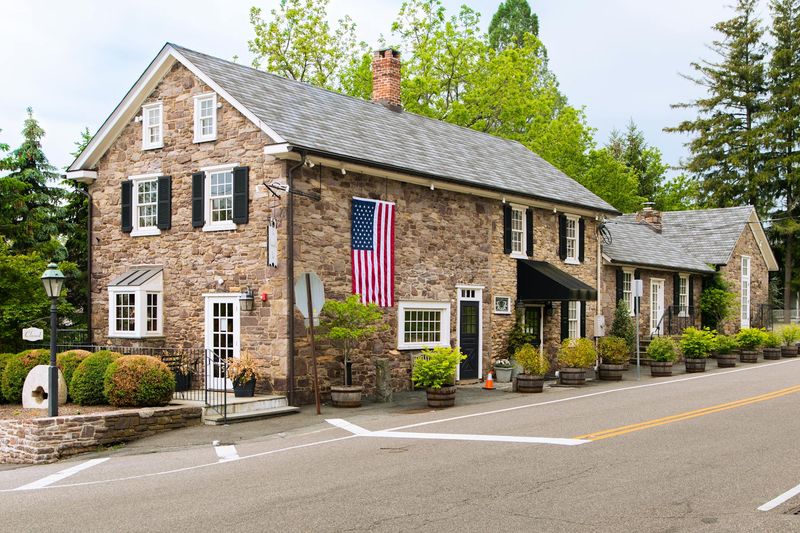
This stone inn has survived changing names, changing businesses, and even a devastating fire, yet it continues to anchor the tiny Hunterdon County village around it. Its earliest section dates to the 1700s, when Sergeantsville was known by the considerably less elegant name of Skunktown.
Over the centuries, parts of the property housed businesses ranging from a feed store to an ice cream parlor. The inn’s recent restoration preserved its fieldstone walls, timber details, fireplaces, and intimate rooms while giving the restaurant a fresh start.
That balance matters: it feels historic without seeming tired, and polished without erasing the building’s rough edges. The menu is a good match for the rural setting, combining thoughtfully prepared American dishes with local and seasonal ingredients.
The radicchio salad is a longtime favorite, while house-made sausage and steak frites make satisfying choices for a cold Hunterdon County evening. Game dishes have also been associated with the inn over the years, giving more adventurous diners something beyond the familiar steak-and-seafood routine.
The Sergeantsville Inn is not somewhere you casually stumble across while shopping at a mall. Reaching it requires a drive along quiet country roads, which is precisely part of the charm.
Make a reservation, especially on weekends, and leave a little extra travel time after dark. The village may be small, but this old stone building gives it a remarkable sense of place.
8. The Smithville Inn – Galloway
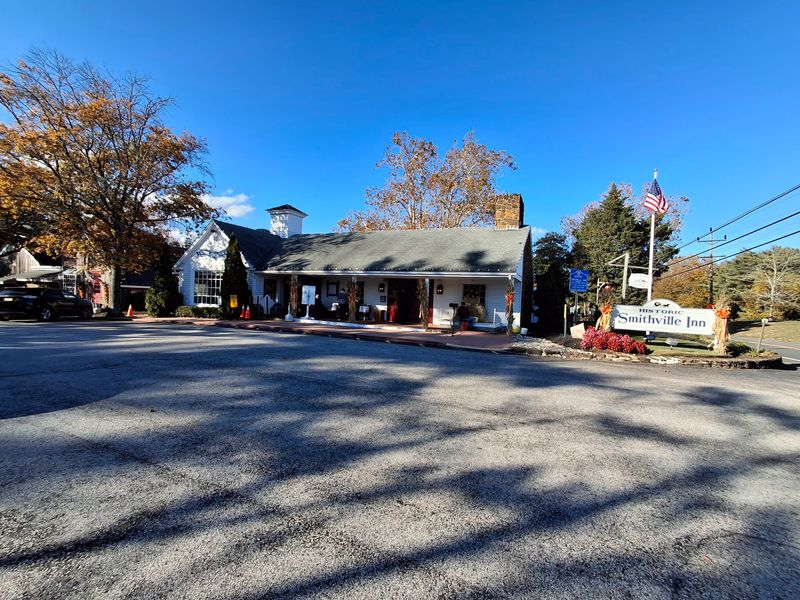
The best way to approach this Galloway restaurant is through the village. Walk past the footbridges, weathered storefronts, lake, and old-fashioned shops, then step inside an inn that has welcomed visitors since 1787.
By the time you reach your table, dinner already feels like the centerpiece of an outing rather than an isolated reservation. The Smithville Inn has gone through different owners, renovations, and eras of popularity, but its broad dining rooms and colonial-inspired character remain central to Historic Smithville.
Large windows overlook the water, while fireplaces, wooden beams, and traditional furnishings keep the interior warm rather than overly formal. Prime rib is one of the dependable house favorites, joined by crab cakes, seafood, steaks, and familiar American comfort dishes.
Sunday brunch is especially well suited to the location because it leaves the rest of the afternoon free for wandering through the village. Seasonal events can transform Smithville into a very busy destination, from autumn festivals to elaborate holiday light displays, so check the local calendar before assuming you can walk straight in.
Reservations are strongly recommended during those periods. The inn works equally well for a family meal, a date, or lunch with visiting relatives who want something distinctly New Jersey.
You may arrive intending to eat and leave, but Historic Smithville has a sneaky way of turning a single reservation into several hours of browsing, strolling, and stopping for one more treat.
9. The Grain House – Basking Ridge
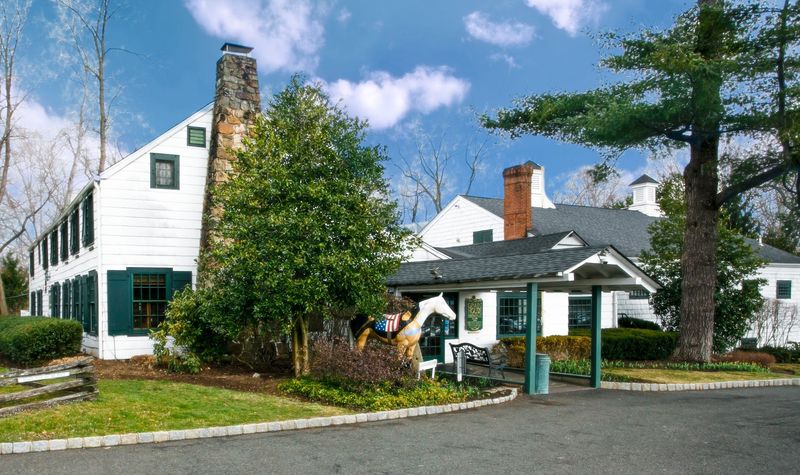
Look up while you eat at The Grain House and you will see the heavy beams of a building that began life as a barn in the 1760s. The structure reportedly stored grain for American soldiers during the Revolutionary War, giving this Basking Ridge restaurant a backstory far more interesting than the average hotel dining room.
Now part of the Olde Mill Inn property, it combines fieldstone walls, timber construction, fireplaces, and compact rooms with a menu that is much more contemporary than the setting suggests. Braised short ribs with mushroom gnocchi offer the sort of rich dinner that works beautifully beside an old hearth.
Dutch-oven meatloaf with whipped potatoes and shallot gravy provides pure comfort, while salmon, steak, burgers, and seasonal vegetable dishes keep the choices broad. The Olde Mill Burger, finished with barbecue onions, bacon, and aged cheddar, is a reliable move at lunch.
Weekend brunch brings pancakes, waffles, eggs, and heartier plates without losing the cozy historic atmosphere. Although the restaurant adjoins an inn and event venue, it does not feel like an anonymous banquet operation.
The original barn supplies plenty of personality. Reservations are recommended, especially when weddings or other gatherings are taking place on the property.
For the warmest experience, request a table in one of the older dining areas. Few New Jersey restaurants make exposed beams and uneven stone feel this inviting—or pair them so successfully with a plate of short ribs.
10. Ho-Ho-Kus Inn & Tavern – Ho-Ho-Kus
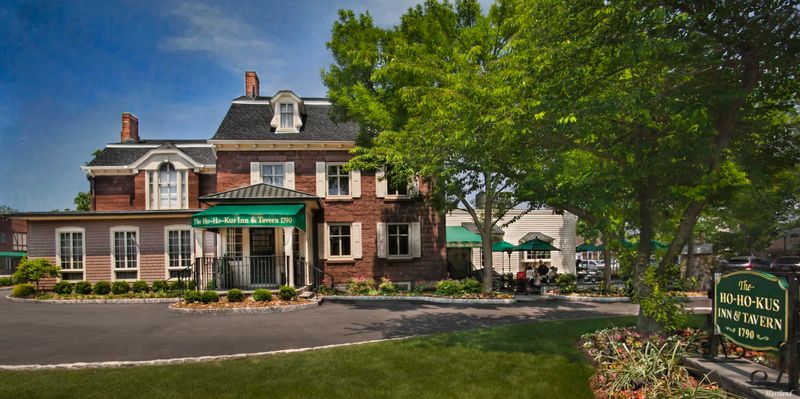
One building can contain several completely different evenings at the Ho-Ho-Kus Inn. There is a polished dining room for anniversaries, a 33-seat tavern for burgers and drinks, richly decorated private rooms, and a bluestone patio that becomes the obvious choice when the weather cooperates.
The historic core was constructed in 1796 as a private home for Andrew Zabriskie and began operating as a restaurant in the late 19th century. Its later life has included notable guests, community events, and a place on the National Register of Historic Places.
Careful renovations have retained the inn’s traditional elegance without making diners feel trapped in the 1790s. The kitchen focuses on seasonal American cooking, with steakhouse cuts, seafood, raw oysters, composed entrées, and more casual sandwiches available depending on when and where you sit.
Sunday brunch is particularly popular, giving the old inn a bright, relaxed personality that differs from its evening mood. Prices lean toward special-occasion territory in the main dining rooms, though the tavern makes a casual visit easier to justify.
The restaurant sits near the center of Ho-Ho-Kus, with valet service often simplifying the parking situation during busy periods. Reservations are a good idea, and it helps to specify whether you want the tavern, dining room, or patio.
The history is impressive, but the ability to choose your own version of the experience is what keeps this Bergen County landmark useful.
11. Moore’s Tavern – Freehold
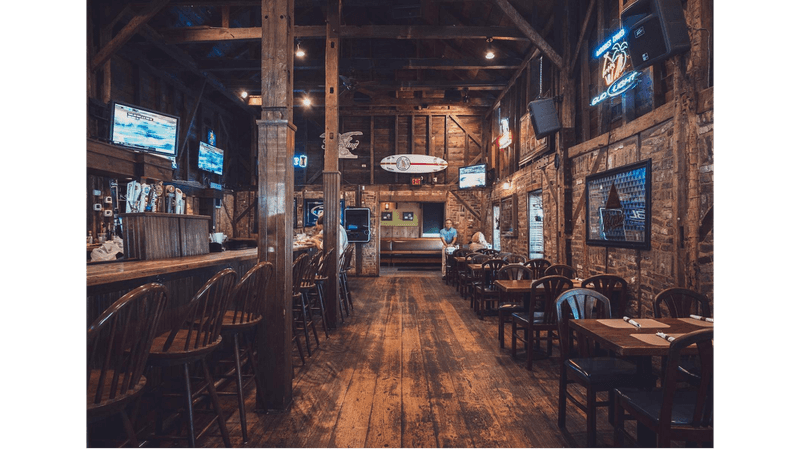
There is a Revolutionary-era building hiding underneath the televisions, jerseys, draft taps, and cheerful commotion of this Freehold sports bar. That unexpected combination is exactly what makes Moore’s Tavern so enjoyable.
The structure began as a home associated with Moses Mount, who served alongside George Washington, and records show that it was licensed as a public house by at least 1787. It later became a stagecoach stop on the route between major New Jersey communities.
Today, nobody expects you to arrive on horseback. The mood is casual, the screens are plentiful, and the menu is built around the sort of food that disappears quickly during a game.
Burgers, wings, pizza, nachos, sandwiches, and hearty entrées dominate, with drunken clams providing an especially good Jersey tavern starter. This is the least formal history lesson on the list: you can sit inside a centuries-old building while arguing over a referee’s call and reaching for another wing.
Families are welcome, and the broad menu makes Moore’s an easy group choice when nobody can agree on dinner. Its location on West Main Street is convenient to downtown Freehold, though the parking lot can become crowded during major sporting events and busy weekend hours.
Come early if a local team is playing. Moore’s proves that preserving history does not always mean polishing it into something precious.
Sometimes it means keeping the bar open, feeding the neighborhood, and letting the old place continue doing what it has done for generations.
12. Yankee Doodle Tap Room – Princeton
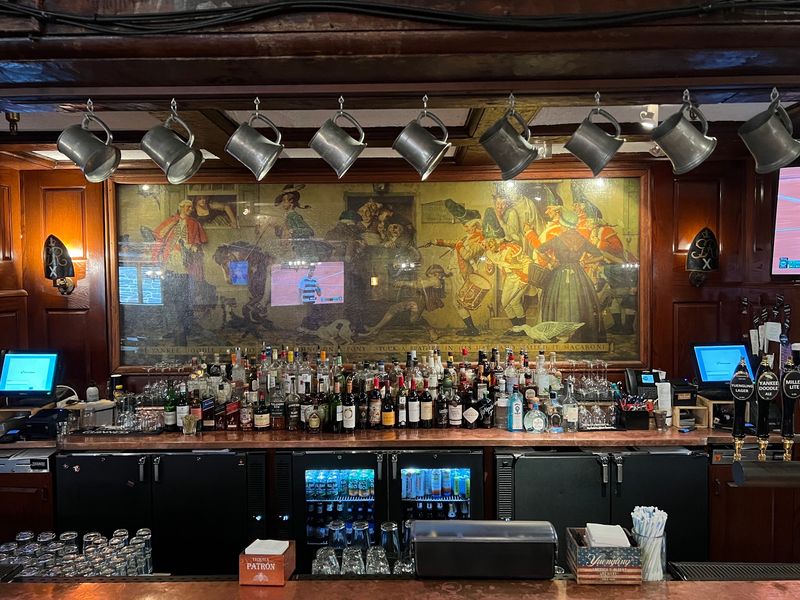
A Norman Rockwell painting nearly fills one wall of this Princeton institution—and not a reproduction, either. “Yankee Doodle,” an enormous original mural commissioned in 1937, watches over the dining room inside the Nassau Inn.
Around it hang photographs of Princeton alumni and scenes tied to the university and the American Revolution, turning lunch into a crash course in local history.
The tavern’s story is connected to an innkeeping tradition on the site that reaches back to the 18th century, while the current Nassau Inn became a Palmer Square landmark in the 1930s. The Tap Room feels appropriately collegiate: dark wood, leather seating, a large fireplace, and enough memorabilia to keep your eyes moving while you wait for your food.
The menu favors accessible gastropub fare, including burgers, sandwiches, ribs, salads, and seasonal entrées. A drink beside the hearth can be just as satisfying as a full dinner, particularly after walking around the Princeton campus.
Palmer Square places shops, theaters, historic streets, and university landmarks immediately outside the door, so there is little reason to drive elsewhere once you park. Garage parking is the simplest option, though it comes at downtown prices.
Reservations help during university events, reunions, and popular weekends. Even if you have no Princeton connection whatsoever, eating beneath a giant Rockwell mural in an Ivy League tavern is an experience that delivers exactly the right amount of grandeur and eccentricity.
13. The Anchorage Tavern – Somers Point
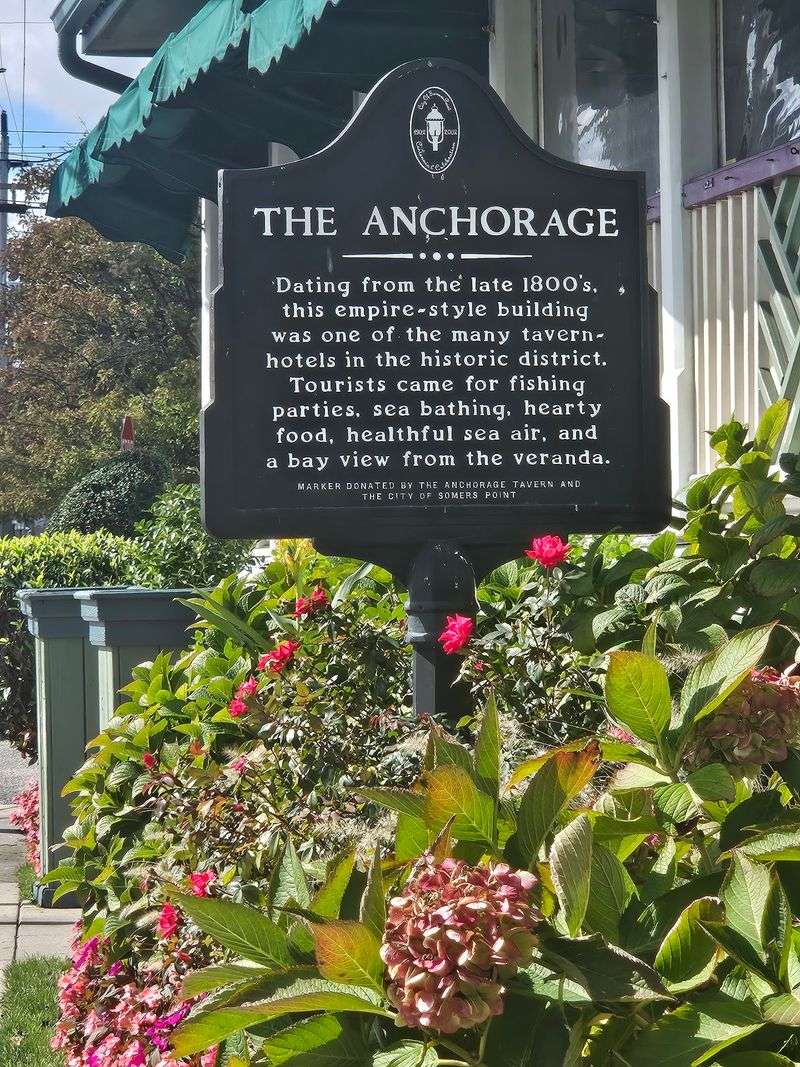
By Shore standards, surviving one season is an achievement. The Anchorage Tavern has been holding its ground in Somers Point since the 19th century, occupying a building erected around 1874 and earning recognition as the city’s oldest continuously operating business.
Its longevity makes more sense once you see the menu. This is generous, unpretentious Shore cooking built around seafood, steaks, Italian specialties, burgers, and combinations that refuse to make diners choose just one favorite.
The Gorgonzola flounder is stuffed with crab, baked, finished with a creamy cheese sauce, and set over fried tomatoes. For maximum commitment, the Guy Fieri Combo adds an old-fashioned meat-filled cannelloni to that already substantial plate.
Maryland-style crab cakes, oysters Rockefeller, steamed clams, and the broiled seafood combination all fit the coastal location, while the Action Burger stacks pork roll and cheese onto a half-pound patty.
Inside, wood paneling, a crowded bar, nautical touches, and the comfortable wear of a long-running local establishment create an atmosphere no designer could convincingly reproduce.
The kitchen serves late, and the tavern remains open well beyond dinner, making it a useful stop after an evening in Ocean City or Somers Point. Parking is available, though summer weekends can test everyone’s patience.
Expect noise, big portions, and regulars who already know what they are ordering. The Anchorage is not frozen in history; it is a historic Shore tavern that has stayed busy enough to keep creating more of it.
14. Dock’s Oyster House – Atlantic City
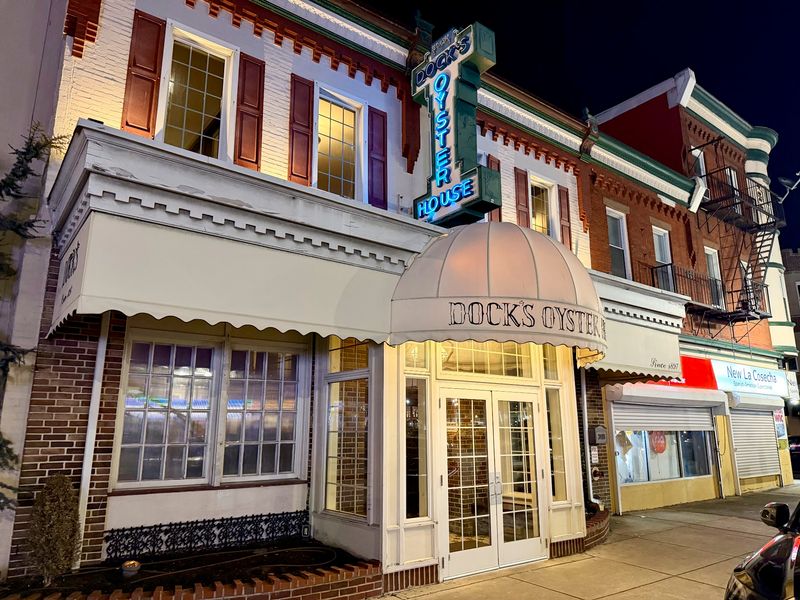
In 1897, Harry “Dock” Dougherty opened a 60-seat restaurant with no liquor license and a simple promise to serve excellent seafood in a clean, welcoming room. More than a century later, his family is still running the place, and the raw bar remains the center of attention.
On some evenings, as many as ten varieties of oysters sit on ice, ready to be compared one briny, mineral-rich shell at a time. Start there, or commit to a chilled seafood tower loaded with shellfish and other raw-bar favorites.
The menu also preserves several Dock’s classics, including crab meat au gratin and other dishes that connect present-day Atlantic City with its earlier dining traditions. Fresh fish, lobster, crab cakes, chowders, and steaks make this a full-scale dinner destination rather than a quick oyster stop.
The dining room combines white tablecloth polish with family photographs, dark wood, exposed brick, and a piano, producing an old Atlantic City mood without casino spectacle. Prices reflect the quality of the seafood, and this is a restaurant where ordering carefully can turn dinner into a special occasion.
Happy hour offers a more approachable route into the experience, but seats fill quickly. Reservations are strongly recommended, particularly on weekends and during major events.
Dock’s has watched Atlantic City reinvent itself repeatedly while remaining in the same family and staying focused on the same essential idea: buy excellent seafood, treat it properly, and give people a reason to return.
15. Knife & Fork Inn – Atlantic City
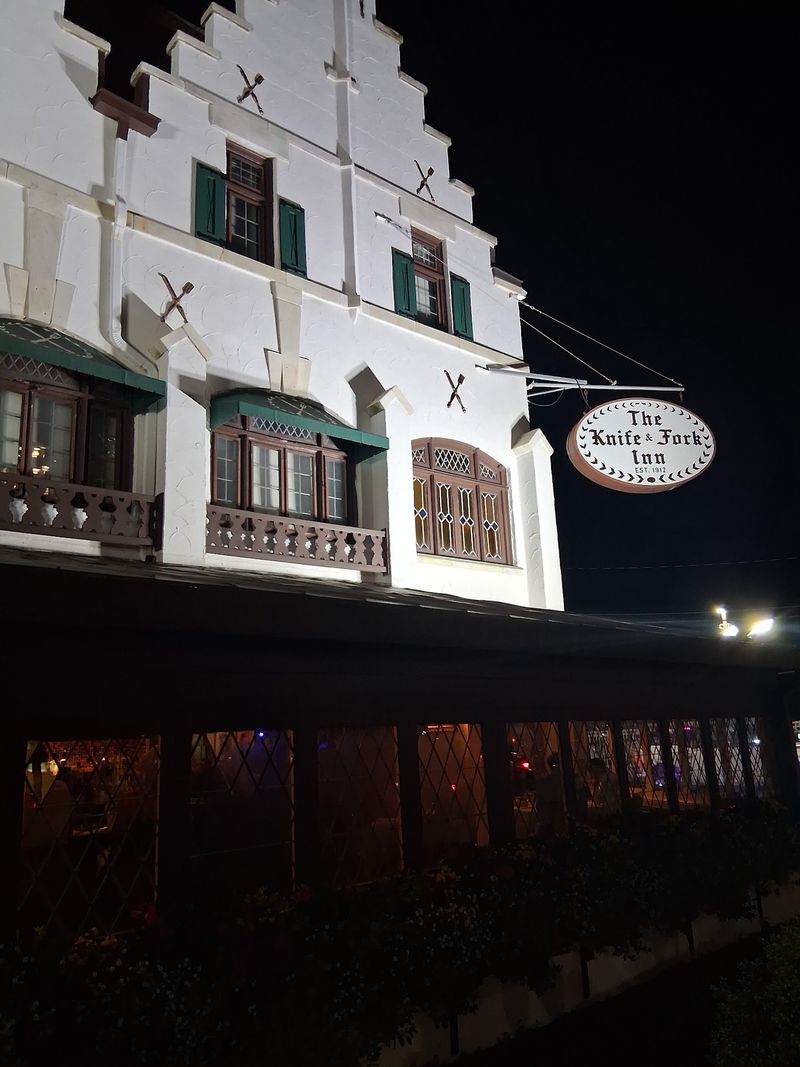
Few buildings in Atlantic City make an entrance like the Knife & Fork Inn. Its Flemish-inspired façade, prominent corner tower, stained-glass windows, and deep red roof look almost theatrical beside the Shore’s newer construction.
The drama continues inside with murals, vaulted ceilings, dark wood, fireplaces, and dining rooms that seem ready for a Prohibition-era political deal. That impression is not entirely imaginary.
The Knife & Fork opened in 1912 as an exclusive men’s club founded by powerful local figures. It reportedly continued serving alcohol during Prohibition until federal agents intervened, and it later became a public restaurant that attracted celebrities and well-connected Atlantic City regulars.
After an extensive restoration, it emerged as one of the city’s signature steakhouses. Prime beef is the main event, with cuts such as filet mignon, ribeye, and strip steak supported by seafood, wedge salads, and rich steakhouse sides.
The lobster thermidor is an appropriately old-school splurge when available, while the bar is ideal for a classic cocktail before dinner. Ask for an upper-floor or window table if you want the architecture to play a larger role in the meal.
This is special-occasion dining, and the bill will reflect that, but the setting delivers something no casino steakhouse can duplicate. Book well ahead for prime weekend hours.
The Knife & Fork has scandal, glamour, political intrigue, and stained glass—before anyone even brings out the steaks.
16. The Gables Historic Inn & Restaurant – Beach Haven
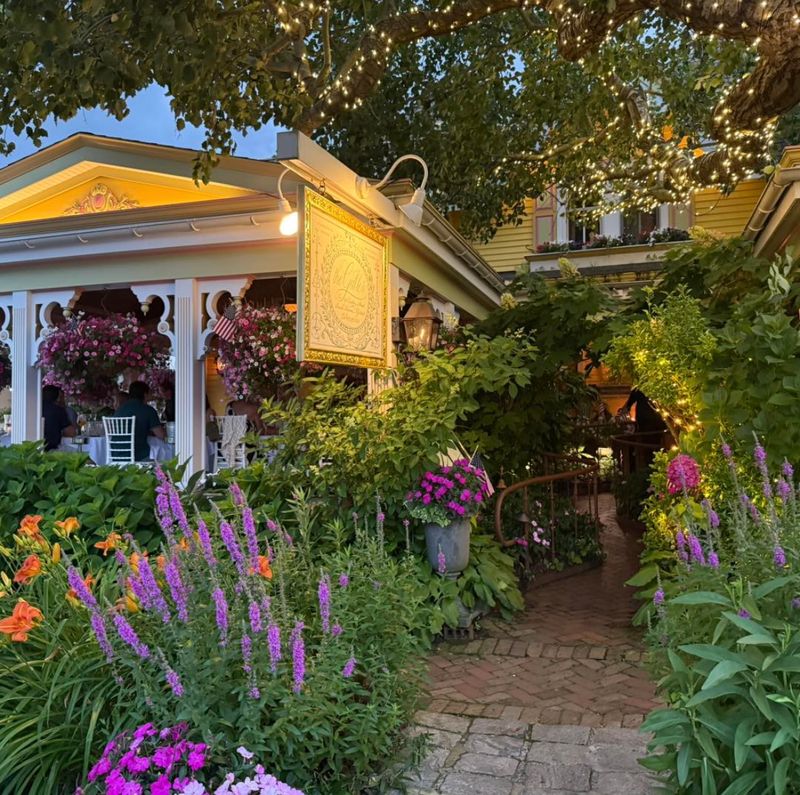
Dinner begins in a garden at The Gables, where flowers, climbing greenery, candlelight, and the gingerbread details of a restored Victorian inn set a romantic tone before you reach the table.
Built during Beach Haven’s late-19th-century resort era, the property reflects the period when Long Beach Island welcomed summer visitors arriving for long stays rather than hurried weekend escapes.
The restaurant embraces that sense of occasion with an intimate dining format and a seasonal, multi-course menu. Dishes change with ingredient availability, but the cooking typically moves through polished seafood, meat, and vegetable courses rather than oversized Shore platters.
Expect combinations designed to be enjoyed slowly, followed by desserts that make leaving feel premature. The historic rooms are filled with patterned wallpaper, antiques, soft lighting, and architectural details that give each table a slightly different backdrop.
This is easily one of the most romantic entries on the list and one of the least suited to a spontaneous dinner in flip-flops. Reservations are essential during the summer season, and diners should expect an upscale fixed-price experience.
Arrive early enough to walk through Beach Haven, where Victorian homes and long-established attractions extend the historical mood beyond the inn. The Gables does not compete with the island’s clam shacks or casual seafood joints; it offers the opposite experience.
This is the place for dressing up, slowing down, and letting an old Shore residence turn dinner into the main event.
Share this story