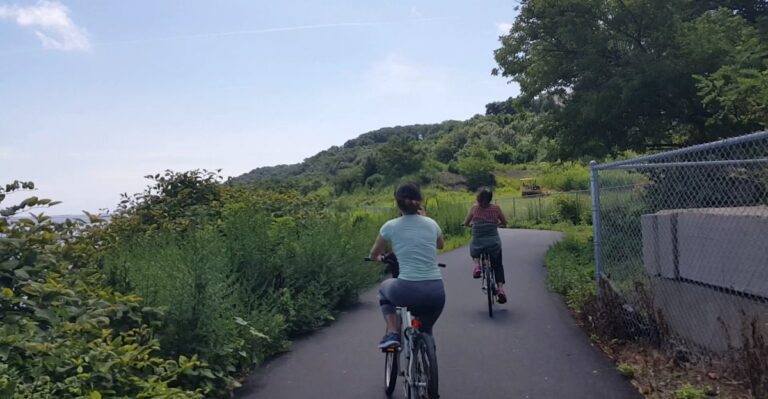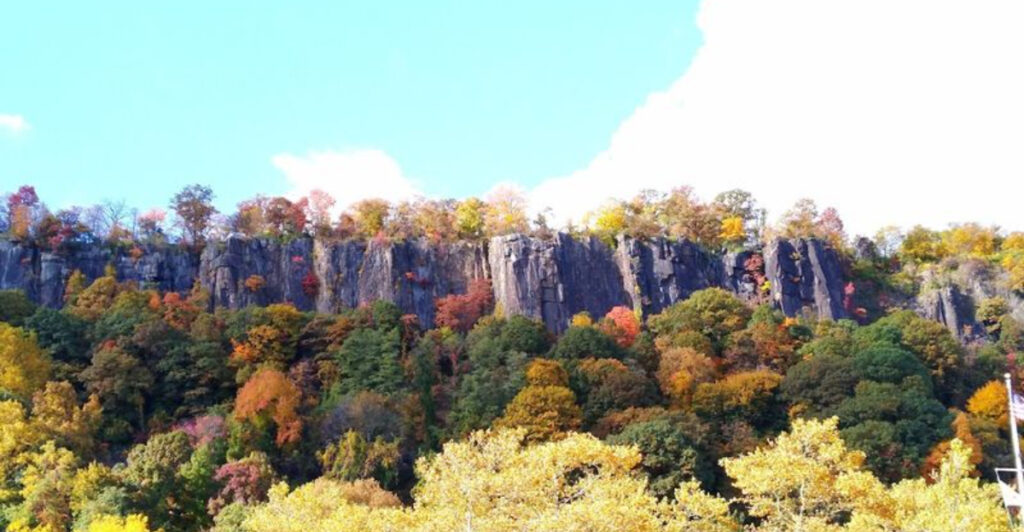
At High Point, you can stand 1,803 feet above sea level and see three states. Down at Sandy Hook, you can spend the morning on a beach and the afternoon wandering past old military batteries and one of the country’s oldest lighthouses.
In the Pine Barrens, there are cedar-colored rivers, ghost-town history, and roads that feel like they were designed for losing your phone signal on purpose. New Jersey does this a lot: it hides full-day adventures inside a state people still unfairly treat like a pass-through.
That’s exactly why a “quick stop” is the wrong approach here. The best outdoor places in New Jersey reward lingering, backtracking, packing a cooler, and staying long enough for the light to change.
Some of these spots are made for hard hikes, some for boardwalk wandering, some for birding, paddling, swimming, or doing absolutely nothing near water. All of them deserve more than an hour and a rushed selfie.
1. Delaware Water Gap National Recreation Area
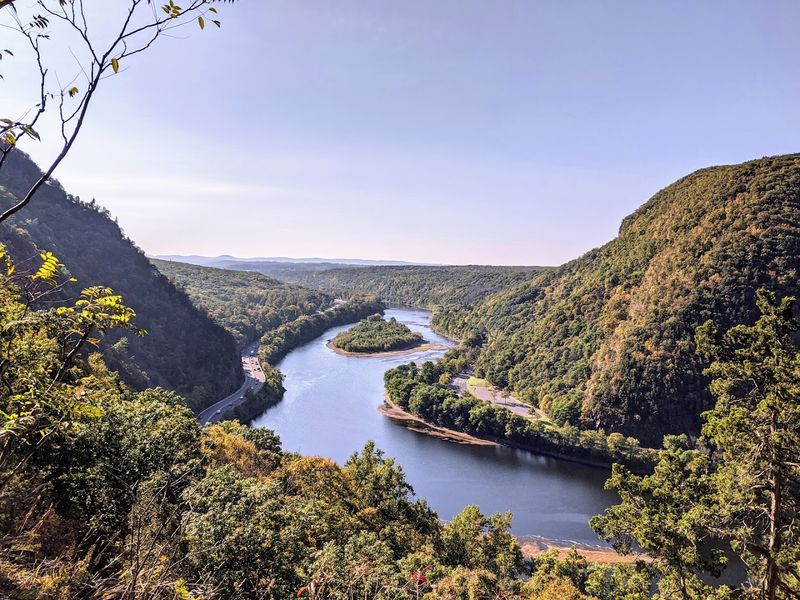
The Delaware Water Gap is the place you go when you want New Jersey to look a little dramatic. This National Park Service site stretches along 40 miles of the Delaware River in one of the country’s most densely populated regions, yet it still feels wonderfully removed once you get moving.
There’s enough here to build a whole day around one activity, whether that means paddling a calm stretch of river, working through a waterfall stop, or committing to a real hike.
The classic move on the New Jersey side is pairing the steep Mount Tammany climb with slower scenic time afterward, because the overlook gives you that big wow moment and the rest of the area gives you room to exhale.
If you’re not in the mood to grind uphill, this is also an easy place to piece together a gentler day of river views, picnicking, and short walks. Conditions can change quickly, so it’s smart to check alerts before you go and bring more water than you think you need.
This place earned its spot because it gives you the rare New Jersey feeling of being fully swallowed by landscape, not just visiting it.
2. High Point State Park
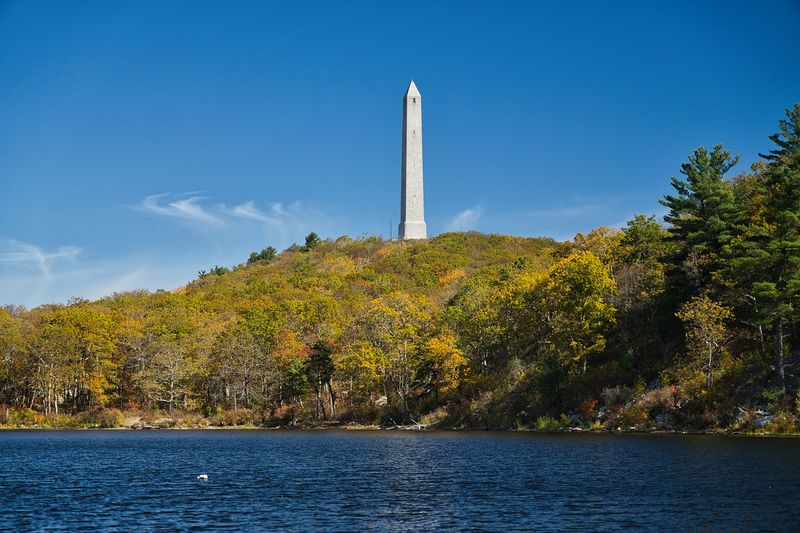
Some parks build toward a view; this one starts with bragging rights. High Point is home to the highest elevation in New Jersey, and the stone monument near the summit gives the whole visit a slightly grand, old-school feel that fits the setting.
The obvious draw is the panorama: on a clear day, you’re looking into New Jersey, New York, and Pennsylvania from one stop. But it’s not just a lookout-and-leave place.
The park has more than 50 miles of trails, so you can spend the day choosing between a straightforward scenic visit and something that earns your lunch.
Families can keep it simple around the monument area and lake, while hikers can turn the outing into a longer trail day with ridge views and enough elevation change to remind your calves that North Jersey has opinions.
In winter, it’s one of the few places in the state that really leans into cold-weather recreation, including groomed cross-country skiing when conditions cooperate. Summer weekends can be busy, so early arrival is the smart play.
High Point made this list because it gives you the kind of horizon that instantly slows your pace and makes the rest of the day feel optional in the best way.
3. Stokes State Forest
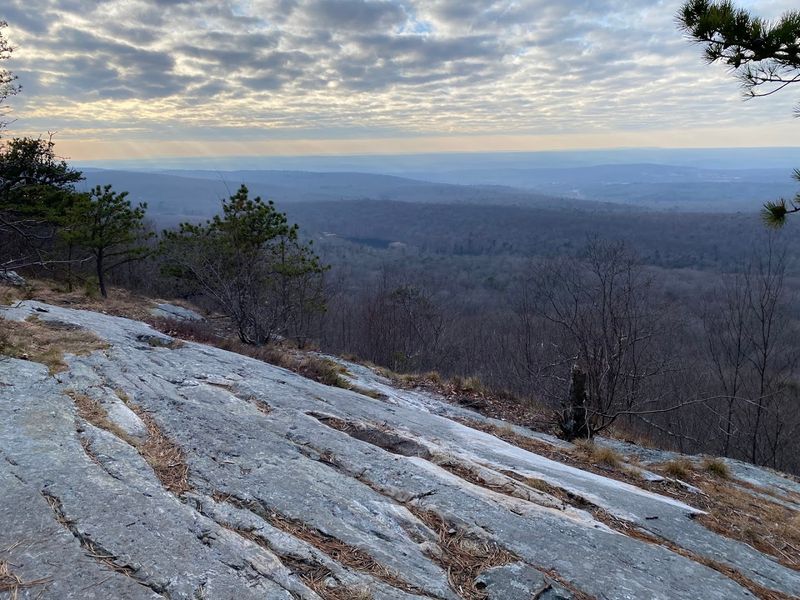
Sunrise Mountain sounds like a place that would be oversold by now, but in Stokes it still feels earned. This forest has the kind of North Jersey terrain people forget exists until they’re standing in it: wooded slopes, clear streams, rocky trails, and long, patient views.
Stokes has more than 63 miles of trails, with favorites leading to Sunrise Mountain, Tillman’s Ravine, Stepping Stones Falls, and sections of the Appalachian Trail, so it works whether you want a scenic sampler or a full-on hiking day. The appeal is variety.
One visit can include a sweeping overlook, a cool ravine, and a creekside stretch that makes you want to sit on a rock and stop checking the time. Camping is a big part of the culture here too, which tells you something about the place: people don’t just come, they settle in.
If you’re planning a prime fall weekend, expect company and arrive accordingly. If you’re here in warmer weather, sturdy shoes matter because the prettiest parts are not always the smoothest underfoot.
Stokes belongs on this list because it feels like several different day trips stitched into one forest, and every one of them is worth lingering over.
4. Wawayanda State Park
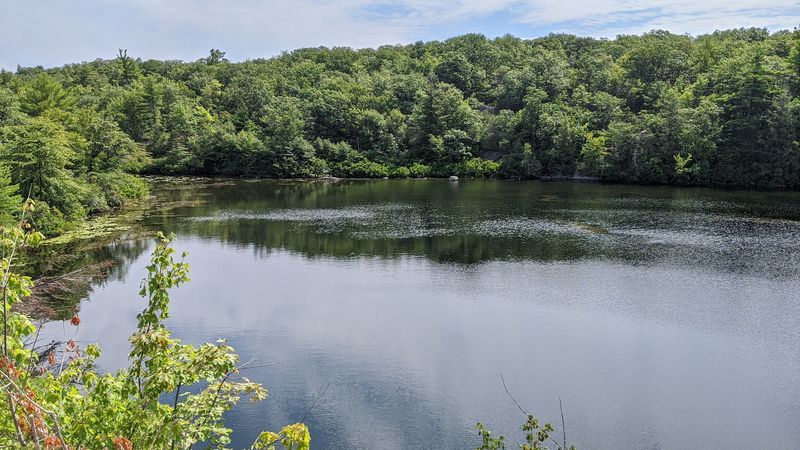
Lake first, mountains second, Appalachian Trail somewhere in the middle—that’s Wawayanda’s very convincing argument for taking up your entire day.
Forested hills wrap around Lake Wawayanda, which gives the place a calmer, more settled mood than some of the rockier northern parks, at least until you decide to start climbing.
The park includes a 19-mile stretch of the Appalachian Trail and more than 60 miles of marked trails overall, so hikers can absolutely make this a boot-laced mission. But it also works beautifully for people who want a more relaxed mix of swimming, paddling, picnicking, and shoreline wandering.
That’s the trick here: Wawayanda doesn’t force you into one kind of outdoor day. You can do a serious morning hike, then spend the afternoon near the water looking like you had a much easier day than you actually did.
During swim season, the beach area is the obvious anchor, and summer parking gets more competitive as the day goes on. Bring the kind of supplies you’d bring for a full lake day, not a “we’ll just stop in” visit.
Wawayanda earns its place because it’s one of the few parks in the state that can genuinely satisfy both the trail person and the beach-chair person in the same car.
5. Palisades Interstate Park
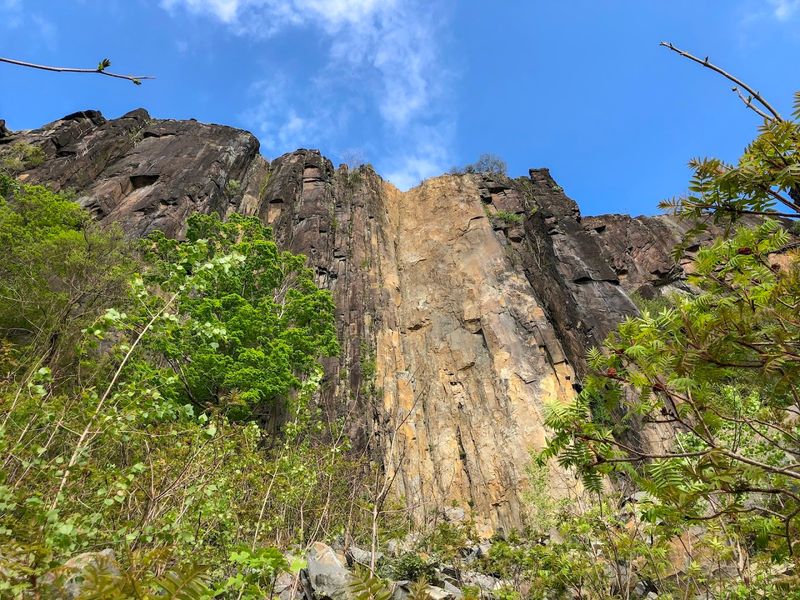
The cliffs do most of the talking here. Palisades Interstate Park runs about 12 miles along the Hudson, covering roughly 2,500 acres of shorefront, uplands, and those unmistakable basalt walls that make the river feel narrow and cinematic.
State Line Lookout is the easy way in and a smart place to start, especially if you want sweeping views without immediately committing to a tough trail.
From there, you can turn the day into whatever version of the Palisades suits you: a scenic overlook crawl, a picnic with maximum payoff, or a leg-burning descent toward the river on one of the park’s better-known routes.
The Long Path and Shore Trail are National Recreation Trails, which tells you this is not just a “pull over, take a picture, leave” setup.
Metered parking is in effect at places including State Line Lookout, and that practical detail matters because this park gets a lot of love from locals who know a skyline-adjacent escape when they see one.
It’s also worth checking current conditions before hiking, especially after trail disruptions. The Palisades landed on this list because nowhere else in New Jersey delivers this particular mix of sheer rock, river drama, and “how is this this close to everything?” energy.
6. Hacklebarney State Park
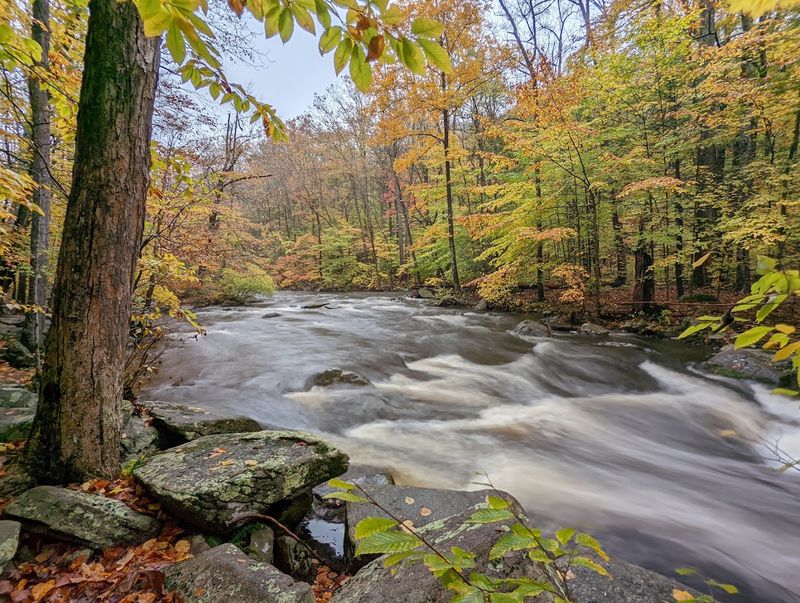
There are parks that impress from a distance, and then there are parks that win you over with the sound of rushing water and a picnic table under hemlocks. Hacklebarney is firmly the second kind.
Set along the Black River, it’s one of New Jersey’s best choices when you want your outdoor day to feel lush, shaded, and a little bit tucked away. The river is the star here, especially after rain, when the cascades and rocky edges get louder and more photogenic.
You’re not coming to Hacklebarney for giant summit views or a marathon hike; you’re coming for the kind of place where a moderate walk can stretch into hours because you keep stopping at another bend, another footbridge, another patch of moving water.
It’s especially good for mixed groups where not everyone wants a punishing trail day but everyone still wants the feeling of having gotten out somewhere special.
Picnic culture is strong here for good reason, and weekends can feel it. Parking is straightforward but not endless, so earlier is better if the weather is nice.
Hacklebarney made the list because it turns “just a stroll” into a full, deeply satisfying day without ever needing to show off.
7. Round Valley Recreation Area
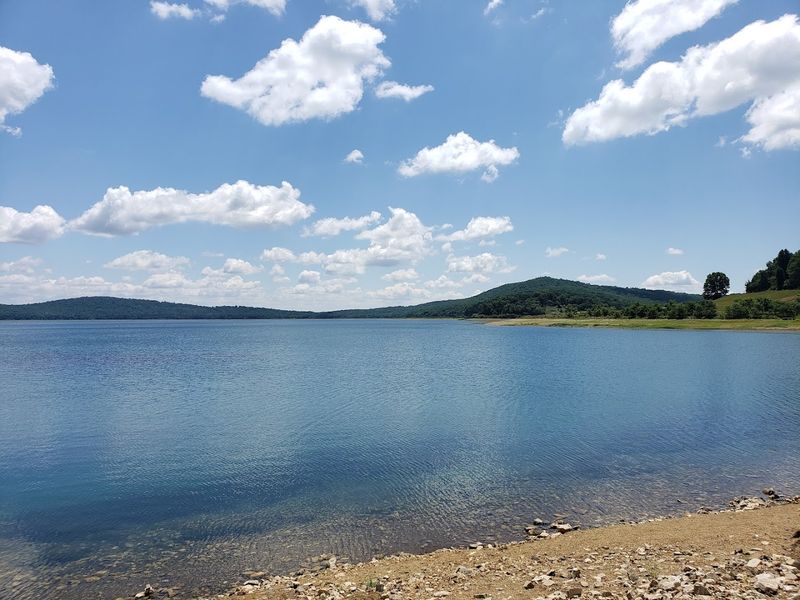
The water at Round Valley has a color that makes people stop mid-sentence. Framed by the Cushetunk Mountains, Round Valley Reservoir covers 2,350 acres and reaches roughly 180 feet deep, making it New Jersey’s second-deepest lake and largest reservoir.
That depth and size give the place an unusually big, open feel by New Jersey standards, and it changes the mood immediately.
This is the park for people who want a day built around the water: boating, paddling, fishing, swimming when lifeguards are on duty, or just sitting near that intensely blue reservoir pretending you drove much farther than Hunterdon County.
It also has something no other New Jersey state park offers: wilderness camping, which adds a slightly more adventurous edge even if you’re only there for the day. Hikers can work in nearby trails and ridge views, but Round Valley’s real trick is how well it supports a long, unhurried water day.
Bring shade, snacks, and realistic expectations about summer popularity, because beautiful reservoir beaches do not stay secret. Round Valley earned its place because it feels less like a quick park stop and more like a mini escape with just enough scale to make the state around it disappear.
8. Jenny Jump State Forest
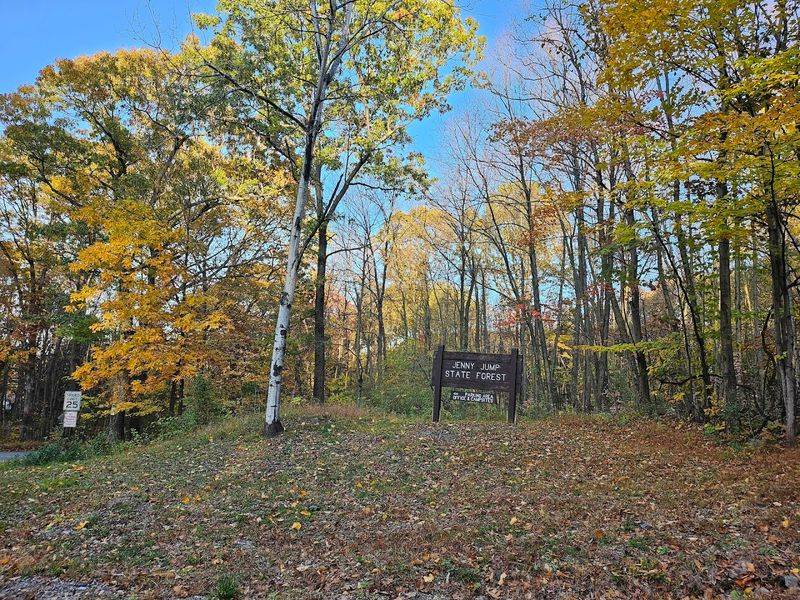
Jenny Jump has one of the better names in the state park system, and thankfully the scenery holds up its end of the bargain. This Warren County forest is smaller and quieter than some of the headline parks on this list, which is exactly why it’s such a good full-day pick for the right kind of visitor.
The views toward the Delaware Water Gap and Great Meadows are the first selling point, especially if you like your overlooks a little less crowded and a little more contemplative.
There’s a picnic area with tables and grills, plenty of bird and wildlife viewing, and just enough trail time to keep the day active without making it feel overly programmed.
Then there’s the dark-sky angle. Jenny Jump is home to the UACNJ observatory area, one of the few relatively dark locations left in the state, which gives the forest a whole second personality after sunset.
That makes it a particularly good choice for people who don’t want the day to peak at 2 p.m. Pack lunch, wear shoes that can handle uneven ground, and keep an eye on public observing schedules if you want to stretch the visit into evening.
Jenny Jump belongs here because it offers the rare pleasure of a New Jersey nature day that can end with both a valley view and a telescope.
9. Cheesequake State Park
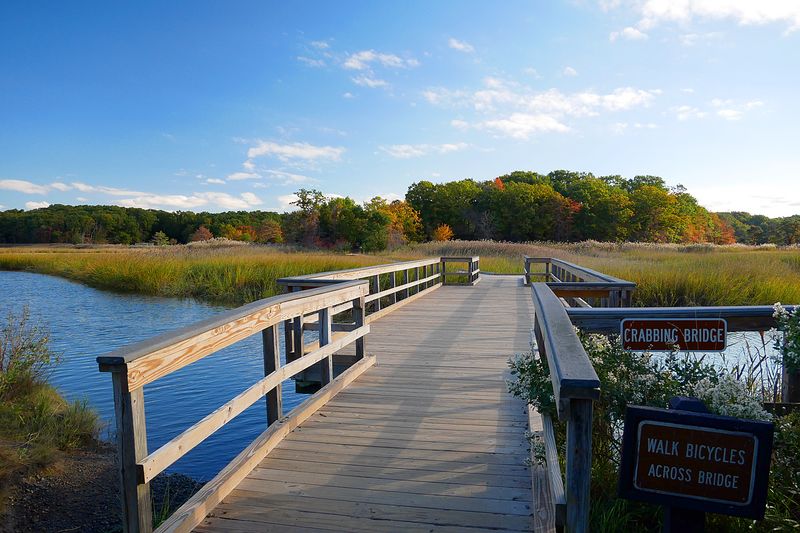
Only in New Jersey would one park casually sit at the meeting point of two ecosystems and then still feel underrated. Cheesequake is where the northern hardwood forest starts blending into southern coastal plain habitat, which is why the place feels a little different from trail to trail.
One minute you’re in woods, the next you’re on a boardwalk edge with marsh in view, and that variety is what makes it worth more than a quick lap. Hooks Creek Lake gives the park a classic summer anchor, and during swim season it’s easy to turn this into a beach-and-trails kind of day.
There’s also a crabbing bridge accessed by a short boardwalk near the swimming area, which is the sort of delightfully specific New Jersey detail that deserves to be planned for, not stumbled into on the way out.
Interpretive programs and guided hikes pop up throughout the year, which tells you the park has more layers than its modest size first suggests.
It’s particularly convenient for central Jersey day-trippers, but convenience shouldn’t fool you into underbooking your time. Cheesequake made this list because it packs marsh, woods, water, and just enough weirdness into one stop to keep the day interesting all the way through.
10. Sandy Hook
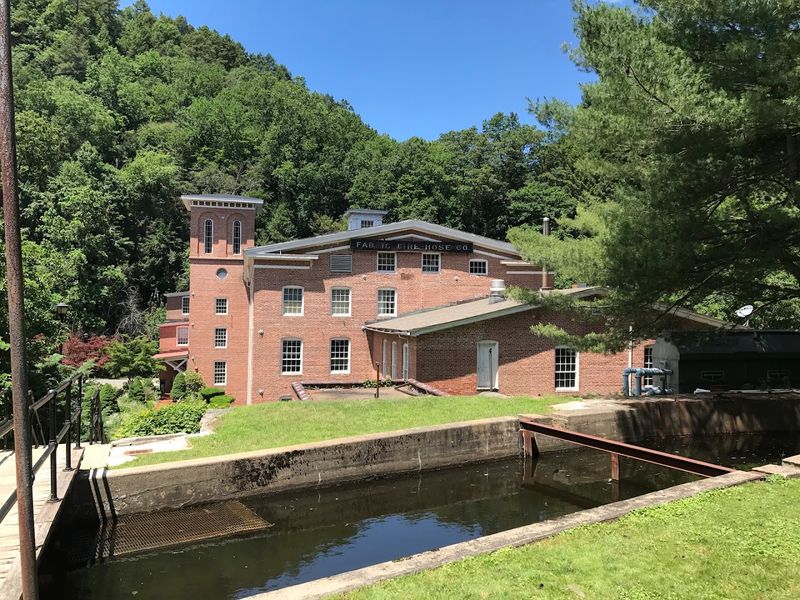
You can bike, bird, beach, and wander through military history all in one narrow spit of land, which is why Sandy Hook never works as a simple “couple of hours” destination.
Part of Gateway National Recreation Area, Sandy Hook is famous for its beaches, but the smart way to do it is to treat the shoreline as only one chapter of the day.
Fort Hancock adds a whole historic district of former military buildings, museum spaces, and old coastal defense batteries, while the Sandy Hook Lighthouse area layers in another piece of American history. Parking at Fort Hancock is always free, which makes it a useful base if you’re doing more exploring than tanning.
Practical details matter here: the park follows a carry-in, carry-out policy, and pets are only allowed on ocean beaches from September 15 through March 15, though bayside beaches are available year-round.
The marine waters are open 24 hours, and the place changes character beautifully from morning beach light to late-day harbor views.
If you’re the kind of person who gets restless doing only one thing, Sandy Hook is basically built for you. It earned its place because very few spots in New Jersey let you spend a whole day bouncing between surf, history, bike paths, and skyline-adjacent views without ever feeling forced.
11. Island Beach State Park
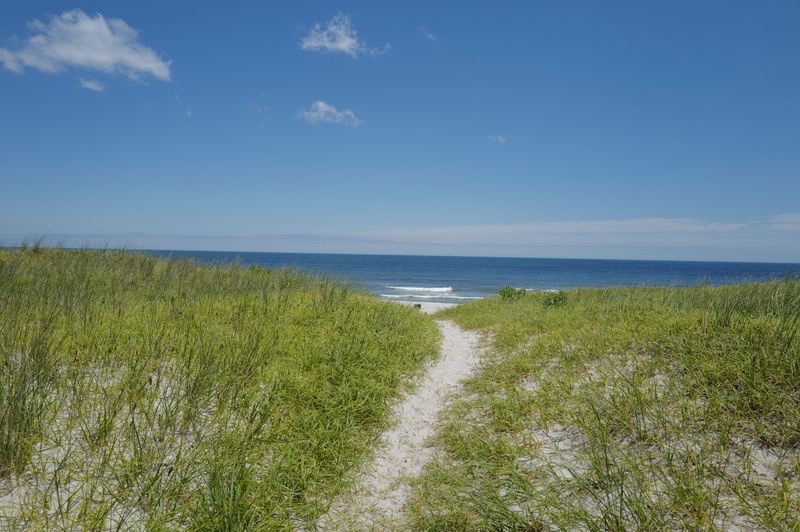
Island Beach is what happens when New Jersey’s shoreline remembers how to be wild.
This barrier island park preserves miles of dunes and white sand, along with maritime forest, freshwater wetlands, thicket, and tidal marsh that look strikingly close to how this coast once functioned before development took over everywhere else.
That alone makes it worth a full day, but the real pleasure is how much room the landscape gives your brain. You can walk beach after beach, watch for ospreys and shorebirds, and let the scenery stay mostly about wind, grass, and sky.
Swimming is permitted when lifeguards are on duty, and at Island Beach those hours run 10 a.m. to 6 p.m. in season, which is useful if you’re structuring a full beach day instead of guessing.
Anglers already know the park’s reputation, and the mobile sport fishing permits are famously sought after, but you don’t need a rod to appreciate the place.
Bring food, sun protection, and some patience for summer entry traffic, because a park this beautiful is not hiding from anyone. Island Beach earned its spot because it gives you the Jersey Shore without the boardwalk noise, replacing it with dunes, birdlife, and that blissful feeling of having finally found some elbow room.
12. Wharton State Forest
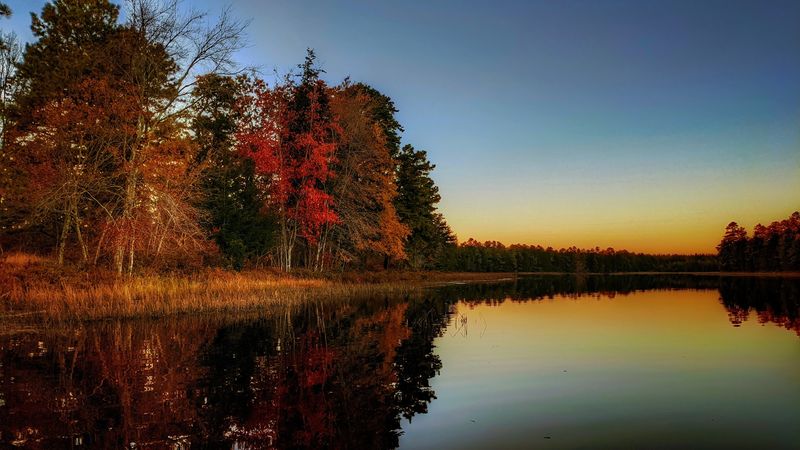
Wharton is the kind of place that makes “largest in the state park system” sound less like trivia and more like a warning to clear your schedule. At more than 124,000 acres in the Pinelands National Reserve, it’s the biggest single tract in New Jersey’s state park system, and trying to do it justice in one quick visit is basically adorable.
The forest is huge enough to hold multiple versions of a day: canoeing or kayaking on tea-colored rivers, swimming at Atsion, hiking sandy trails, exploring Batsto Village, or just driving between stops that each feel like they belong to a different trip.
Wharton is also where New Jersey’s Pine Barrens mood really settles in—quiet roads, cedar water, tall pines, and long stretches that feel intentionally unpolished.
Day-use parking fees apply from Memorial Day weekend through Labor Day and holidays, with lower rates for New Jersey residents than non-residents, while the off-season is free. Because of the forest’s size and changing access rules, planning ahead matters more here than it does in a smaller park.
This place made the list because Wharton doesn’t just fill a day; it creates that satisfying end-of-day feeling that you only managed to sample one corner of something much bigger.
13. Brendan T. Byrne State Forest
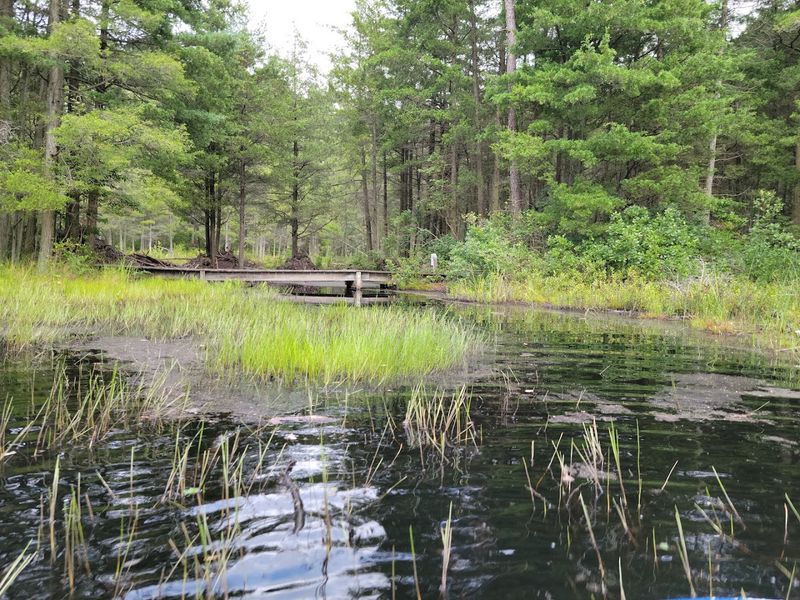
There’s a whole category of outdoor person who hears “Mount Misery” and immediately starts making plans. Brendan T.
Byrne State Forest has that effect. Set in the Pine Barrens, it offers more than 25 miles of marked trails, including the Batona Trail for hiking, snowshoeing, and cross-country skiing when weather allows, plus the Mount Misery Trail for hikers and mountain bikers.
The names alone give the place some personality, but the real pull is how different its trails feel from rocky North Jersey parks. Here it’s sand, pine, low scrub, cranberry-country atmosphere, and the particular quiet the Pines do so well.
There’s also an accessible Cranberry Trail, which broadens the park’s appeal without making it feel overbuilt. Nearby historic sites and related Pinelands stops can easily stretch the outing into a full day if you want more than a single trail loop.
Bring water and accept that “shade” in the Pine Barrens works differently than it does in dense hardwood forest. Byrne made this list because it offers one of the clearest, most satisfying introductions to the Pine Barrens landscape—and once you settle into that rhythm, leaving early feels like a mistake.
14. Bass River State Forest
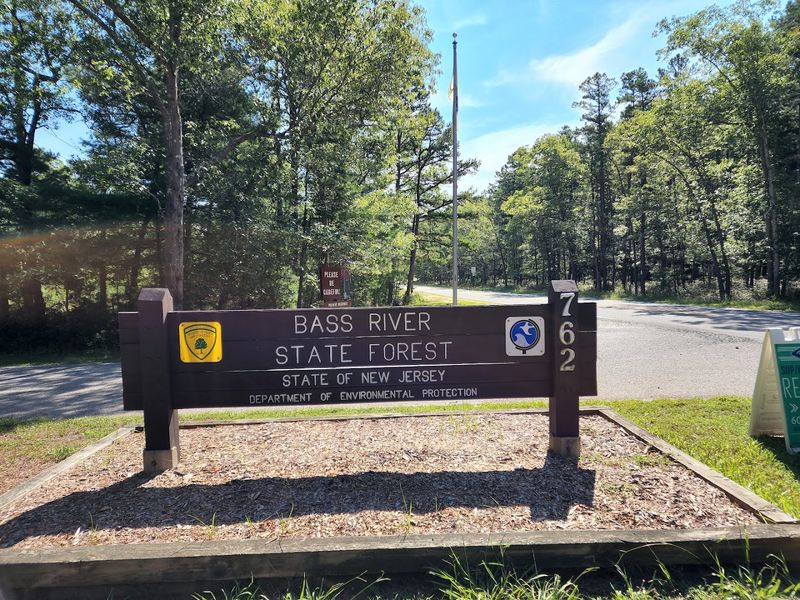
Bass River doesn’t need flashy scenery to earn a full day; it has history, Pine Barrens atmosphere, and the confidence of being New Jersey’s first state forest.
Established in 1905, it carries a little more heritage than most places on this list, and you can feel that in the old camping structures, roads, and pavilions shaped by the Civilian Conservation Corps in the 1930s.
The setting is classic South Jersey woods: pine-scented air, sandy tracks, and enough room to settle into a slower pace. This is a very good choice if your ideal outdoor day includes swimming, paddling, wildlife spotting, and a picnic without the sensory overload of a more crowded shore destination.
Lake Absegami is the natural center of gravity for many visits, and camping is a major draw if you’re tempted to turn a long day into an overnight. Because the park sits deep in the Pine Barrens mood, it helps to arrive prepared rather than assuming services will feel close at hand.
Bass River earned its place because it doesn’t try to impress you all at once; it wins gradually, through history, stillness, and the kind of landscape that gets better the longer you stay in it.
15. Edwin B. Forsythe National Wildlife Refuge
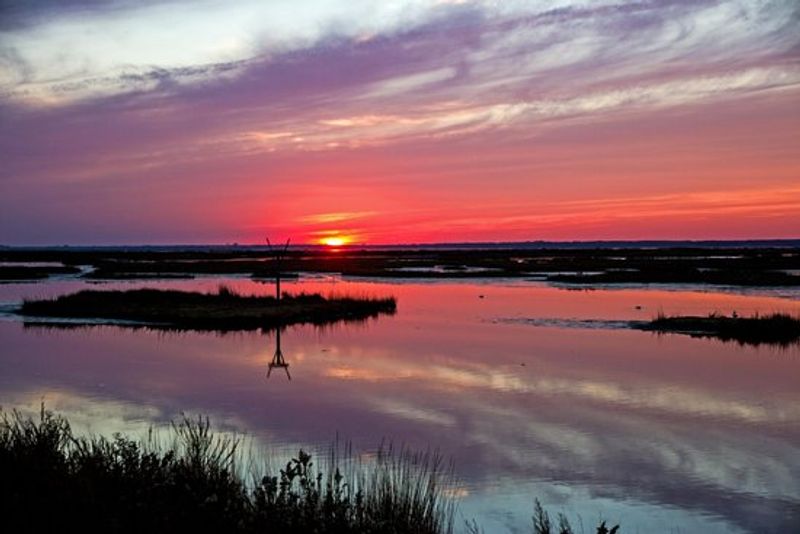
If you think a wildlife refuge sounds like a quick stop, you have not driven the Wildlife Drive at Forsythe with a pair of binoculars and zero urgency.
The refuge protects more than 47,000 acres of southern New Jersey coastal habitat along one of the Atlantic Flyway’s busiest migration corridors, and that makes it a serious place for birders without making it inaccessible to everyone else.
The easiest way in is the 8-mile self-guided auto tour, which moves through salt marsh, freshwater habitat, and upland forest, with observation towers at Gull Pond and Turtle Cove.
Even people who arrive without a species list usually end up lingering, because the whole experience is built around slowing down enough to notice movement in the grasses, water, and sky.
Photographers love it for obvious reasons, but it’s also a great full-day outing for anyone who enjoys big marsh views and a quieter pace than the shore usually offers. Good light matters here, so morning and late afternoon are especially rewarding.
Forsythe belongs on this list because it turns “a drive through the marsh” into one of the most unexpectedly absorbing outdoor days in the state.
16. Great Swamp National Wildlife Refuge
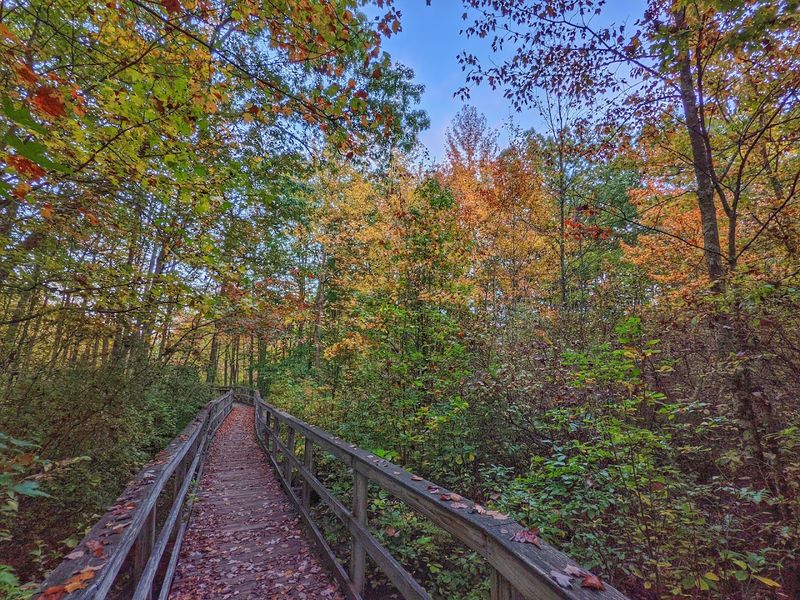
Twenty-six miles west of Times Square, Great Swamp somehow manages to feel like a completely different bargain with the world. That contrast is part of its charm.
The refuge covers about 12 square miles in a heavily suburban region, yet once you’re on the trails or boardwalks, the mood changes fast: quiet water, reeds, turtles, frogs, and the very real possibility that the loudest thing you hear all day will be a bird.
The Wildlife Observation Center is a particularly strong anchor for a long visit, with roughly 1.2 miles of boardwalk and stone-dust trail plus three observation blinds that make wildlife watching feel easy even for people who don’t usually build weekends around it.
The Helen Fenske Visitor Center adds exhibits and context, though current hours are limited, so it’s wise to check before relying on it. Great Swamp works best when you embrace its pace instead of trying to rush through and declare it “done.” Walk slowly, scan often, and let the place reveal itself in small, interesting moments.
It earned its spot because it proves New Jersey can hide a genuine natural oasis in plain sight and still make it feel like a secret.
17. Cape May Point State Park
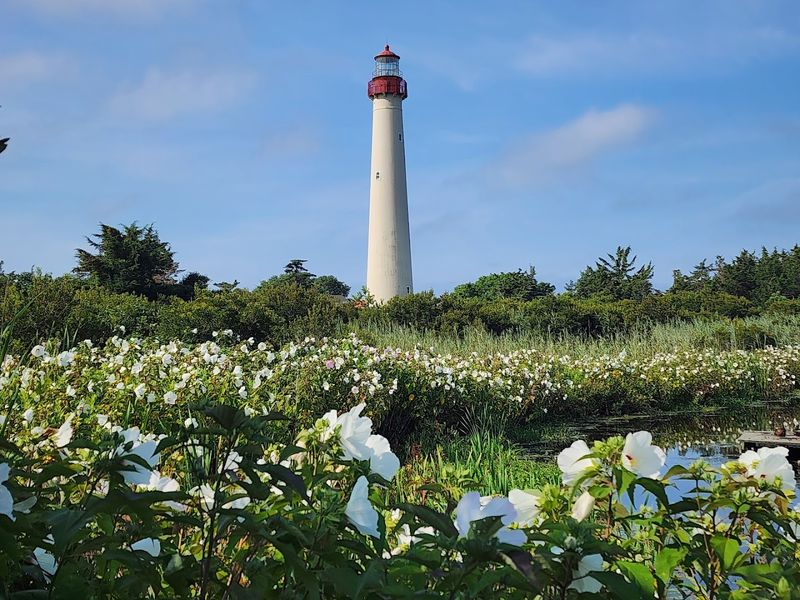
A lighthouse, a World War II bunker, freshwater ponds, dunes, beach, migrating birds, monarch butterflies, and mysterious little quartz pebbles called Cape May diamonds—Cape May Point State Park was never going to be a “nice quick stop.”
At 244 acres, it packs an almost ridiculous amount of variety into one compact, beautiful corner of the state. You can spend the morning climbing nearby Cape May Lighthouse or walking the trails around the ponds, then shift to beach walking, birding, or poking around the old gun battery and fire control tower area.
In fall, the place becomes world-famous for bird migration, and monarch season adds another layer of drama if your timing is right. Even outside peak migration windows, the park has enough going on visually that it never feels flat.
It also benefits from being just a short bike ride from historic Cape May, which makes it easy to turn the outing into a full coastal day without feeling chained to one parking lot. Cape May Point made this list because it manages to feel scenic, historic, and delightfully odd all at once—and that’s a combination worth giving a whole day to.
Share this story