A wooden walkway floats above a Sussex County marsh, wolves howl from a mountainside preserve, and an old railroad track near Cape May has become a pedal-powered path through the countryside. New Jersey has a habit of making ordinary day trips look much more adventurous than they really are.
You do not need expensive equipment, technical outdoor skills, or the stamina to conquer an all-day mountain trail to experience some of the state’s wildest places. Many of its best adventures begin beside a parking lot, follow a flat path, include a shuttle, or let someone else handle the complicated parts.
The result is an unusually satisfying kind of outdoor fun: enough scenery and novelty to feel like you accomplished something, without spending the following morning negotiating with your knees.
From waterfall overlooks and wildlife drives to beginner-friendly paddles and breezy boat trips, these 20 New Jersey experiences deliver a big sense of adventure on surprisingly manageable terms.
1. Walk the Pochuck Boardwalk in Vernon
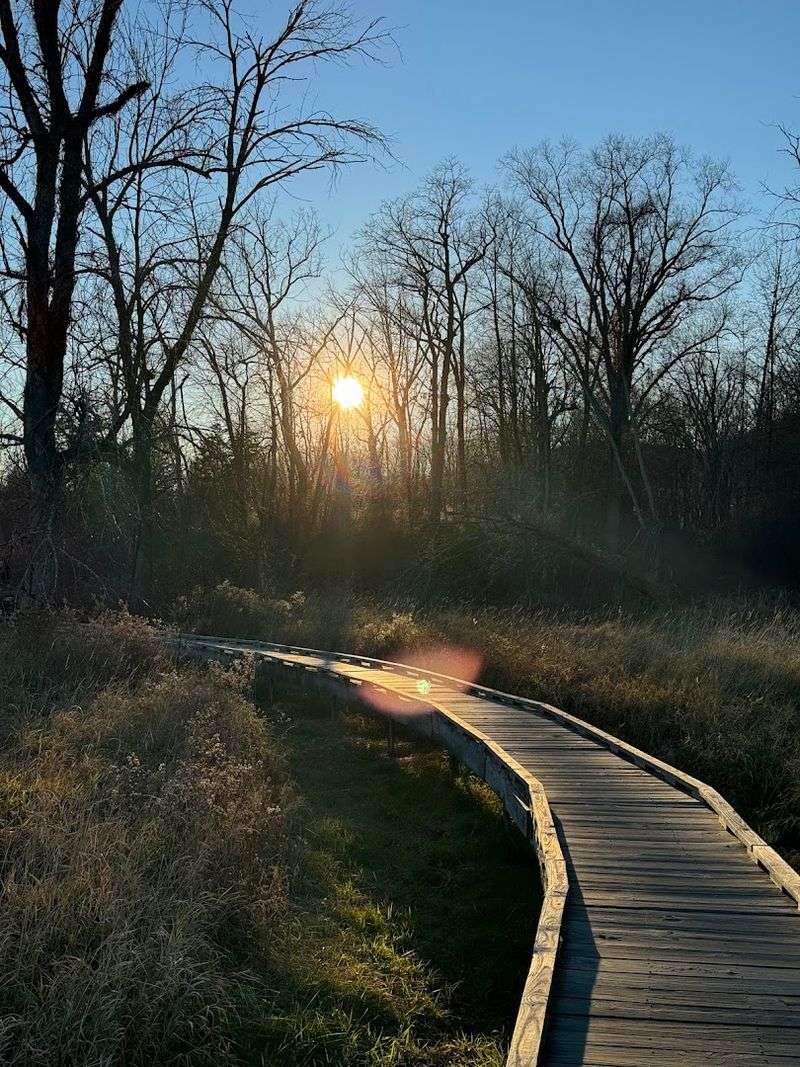
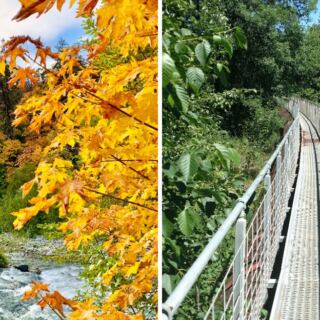
A narrow wooden path curves across open wetlands, disappearing into tall grasses before rising onto a suspension bridge over Pochuck Creek.
It looks like the beginning of a major Appalachian Trail expedition, but this Vernon stretch is one of the easiest ways to claim that you hiked the famous trail without reorganizing your life around trail mix.
The boardwalk portion runs for more than a mile and forms the centerpiece of an approachable out-and-back walk of roughly two miles. The terrain stays mostly level, and the constantly changing marsh views keep the route from feeling repetitive.
Depending on the season, you may pass wildflowers, red-winged blackbirds, turtles, and fields glowing gold in the late-afternoon sun. The elevated walkway also solves the muddy-boots problem that usually comes with exploring a wetland.
The important trick is knowing when to turn around. Serious hikers continue toward the steep climb to Pinwheel Vista, but casual walkers can enjoy the boardwalk and suspension bridge before retracing their steps.
Parking near the trail can fill quickly on pleasant weekends, so an early start makes the outing much smoother. Bring water, wear shoes with decent grip, and remember that the exposed marsh offers very little shade.
It is a genuine Appalachian Trail experience, just without the punishing climb or overnight backpack.
2. See Paterson Great Falls from the park’s overlooks
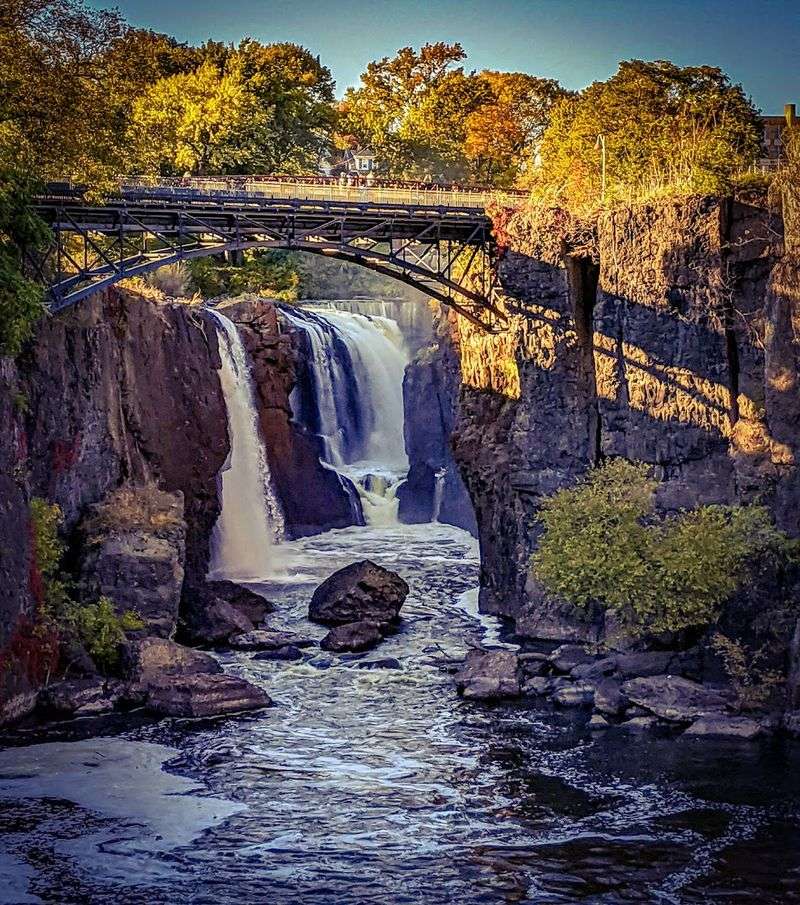
The roar arrives before the full view does. Water rushes over the dark rock ledge of the Passaic River while brick mill buildings, stone walls, and city streets frame the scene around it.
Paterson Great Falls does not require a wilderness trek because the wilderness drama is sitting right in the middle of one of New Jersey’s busiest cities. Several viewing areas let visitors appreciate the falls from different angles, with Overlook Park offering the classic wide perspective.
Paths around the national historical park connect the natural landmark with remnants of Paterson’s industrial past. This was no accidental factory town.
Paterson was established in 1792 as America’s first planned industrial city, with the power of the falls driving mills that produced everything from textiles to locomotives. That history makes this outing feel like more than a quick waterfall stop.
Take time to look beyond the water at the raceways, old manufacturing buildings, and steep rock walls that shaped the city. Ranger-led walks may also be available on select days, adding context to what can otherwise look like a beautiful but mysterious collection of ruins.
Because this is an urban national park, parking and road conditions require more attention than hiking difficulty. Check current alerts before leaving, especially during construction or severe weather.
Once you arrive, however, the biggest physical challenge is choosing which overlook deserves another photograph.
3. Visit Buttermilk Falls in the Delaware Water Gap
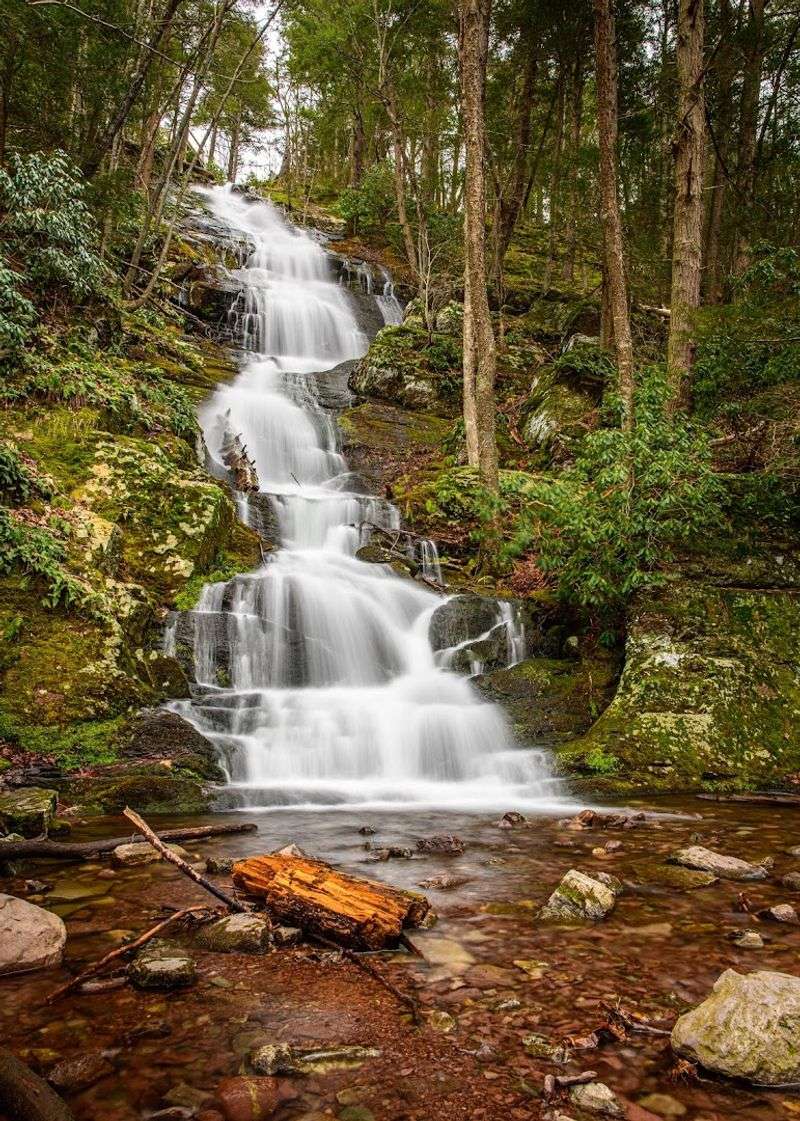
Here is the rare New Jersey waterfall that begins delivering almost as soon as you step out of the car. Buttermilk Falls tumbles down the side of Kittatinny Mountain beside the trailhead, so visitors can enjoy one of the state’s tallest cascades without first completing a long approach hike.
When the water is running strongly, the white stream spilling over layered rock looks far more remote than it actually is. A wooden staircase climbs beside the waterfall and provides changing views as it gains elevation.
You can walk only as far as feels comfortable, pause at the platforms, and return the same way. More ambitious hikers may continue onto the full Buttermilk Falls Trail, which climbs steeply toward the Appalachian Trail.
That route gains serious elevation, so it belongs in a very different category from simply seeing the falls. The best strategy for an easy visit is to treat the waterfall itself as the destination.
Wear sturdy shoes because the stairs and rocks may be damp, and do not attempt to wade or climb around the cascade. Access also deserves advance planning because the narrow roads approaching this part of the Delaware Water Gap can be affected by closures, repairs, and seasonal restrictions.
Check current conditions before driving into this quiet corner of Sussex County. The journey may feel wild, but the payoff begins practically beside the trailhead.
4. Paddle the Batsto or Mullica River with Pinelands Adventures
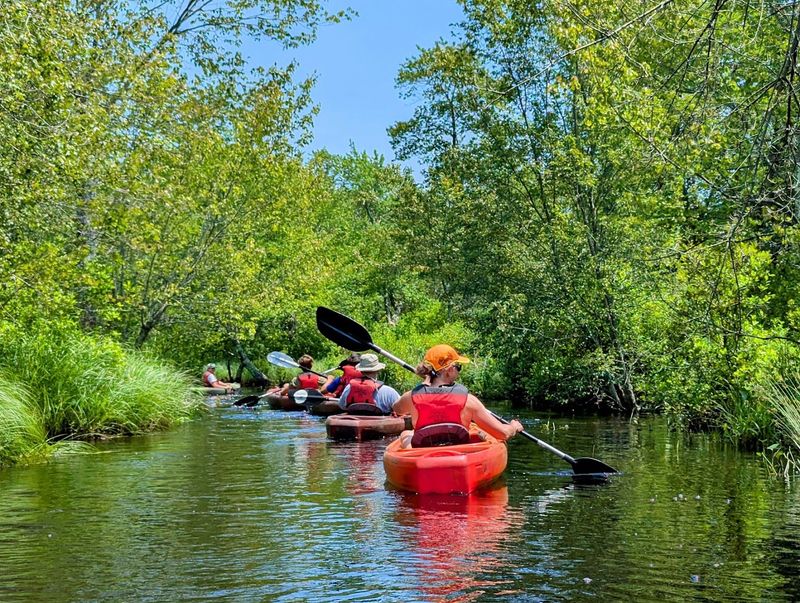
Tea-colored water, cedar shadows, and tight river bends make a Pine Barrens paddle feel like a serious backcountry expedition. The reassuring part is that Pinelands Adventures handles the equipment, route information, and transportation logistics that often intimidate first-time paddlers.
You choose the trip, climb into a canoe or kayak, and let the slow-moving river lead the way. The Batsto River route from Quaker Bridge to Batsto Lake is the classic choice for beginners and mixed-ability groups.
It winds through a quiet corridor of pitch pines, cedar swamps, sandy banks, and dark water naturally stained by tannins. Shorter Mullica River outings are also available for anyone who wants an introduction without committing most of the day.
Guided trips are a smart option for visitors who feel more comfortable paddling with an experienced naturalist nearby. Do not expect roaring rapids.
The challenge comes from steering around bends, ducking occasional branches, and keeping the boat pointed in the right direction. That is enough to create a satisfying sense of accomplishment without turning the day into an endurance test.
Reserve ahead, especially for summer weekends, and choose a trip that honestly matches the least experienced person in your group. Wear clothes that can get wet, secure your phone, and bring plenty of drinking water.
By the end, you will have paddled through one of New Jersey’s most distinctive landscapes while someone else worries about getting the boat back.
5. Float down the Delaware River from Frenchtown
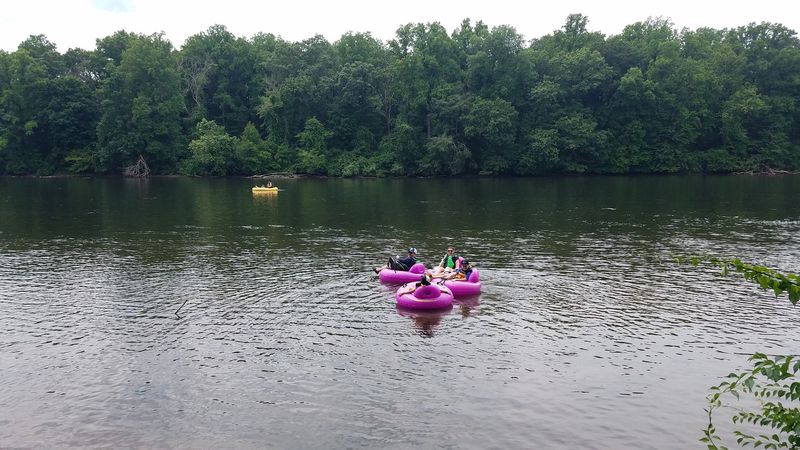
Some adventures begin with helmets and complicated instructions. This one begins with a tube, a life jacket, and permission to let the river do most of the work.
The Delaware River near Frenchtown offers long, scenic stretches where summer visitors can float between wooded banks while New Jersey and Pennsylvania pass on opposite sides. Commercial tubing trips simplify the day by providing equipment and shuttle transportation.
Instead of arranging two vehicles or hauling oversized tubes through town, you check in, ride to the launch, and float downstream toward the pickup point. The typical route covers several miles and can take much of an afternoon, depending on the current and how often the group stops.
The experience is relaxed, but it is not the same as drifting in a swimming pool. River levels, submerged rocks, weather, and current speed change, so follow the outfitter’s safety instructions and keep the provided life jacket on.
Water shoes are much more useful than flip-flops when getting in and out, and sunscreen should be reapplied even when the temperature feels comfortable. Frenchtown makes an excellent before-or-after stop, with a walkable downtown close to the river.
Tubing schedules are seasonal and may change with water conditions, so reserve in advance and confirm operations before driving out. Once launched, the hardest decision is whether to stay linked with the group or drift a few feet away and enjoy the quiet.
6. Kayak or paddleboard at Hoboken Cove Community Boathouse
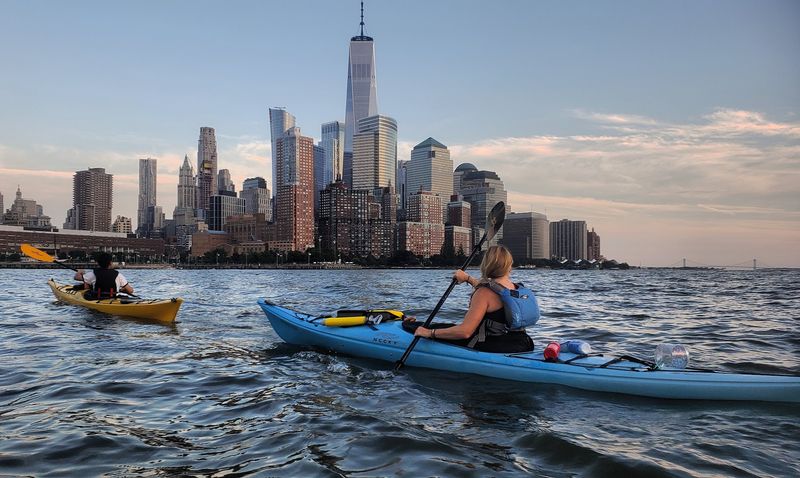
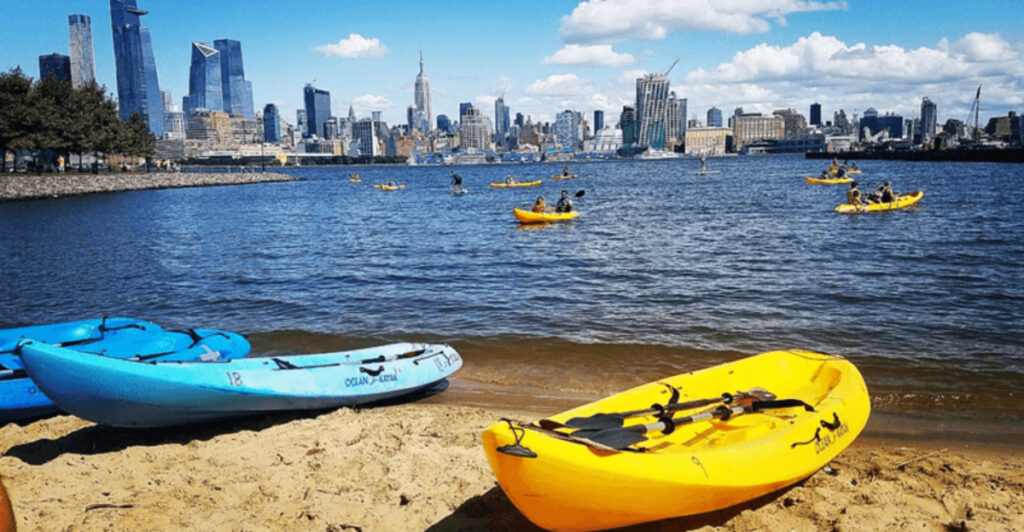
Few skyline views come with a free kayak. At Hoboken Cove Community Boathouse, volunteers help visitors climb into kayaks, stand-up paddleboards, and outrigger canoes within a protected cove along the Hudson River.
Manhattan rises across the water, ferries move through the distance, and the entire experience feels far more ambitious than a casual stop along Sinatra Drive. Free paddle days are designed to welcome beginners, including people who have never held a paddle.
The cove provides a calmer introduction than heading directly into the open Hudson, and volunteers are present to explain the basics. Equipment is supplied, so there is no need to buy, transport, or store a kayak afterward.
The program is seasonal, generally operating during the warmer months, with dates determined by volunteers, tides, weather, and water conditions. Most regular cove sessions are first come, first served, and arriving near the beginning helps avoid a long wait when the waterfront is busy.
Wear clothing that can survive a few splashes and leave valuables somewhere secure. Children and inexperienced adults should follow every staff instruction, particularly when entering or leaving the boat.
Once you settle into the rhythm, the paddling is surprisingly manageable. The real distraction is the view: Hoboken behind you, Manhattan ahead, and the strange realization that one of New Jersey’s easiest outdoor adventures is happening on the edge of the Hudson.
7. Pedal a rail bike through the Cape May countryside
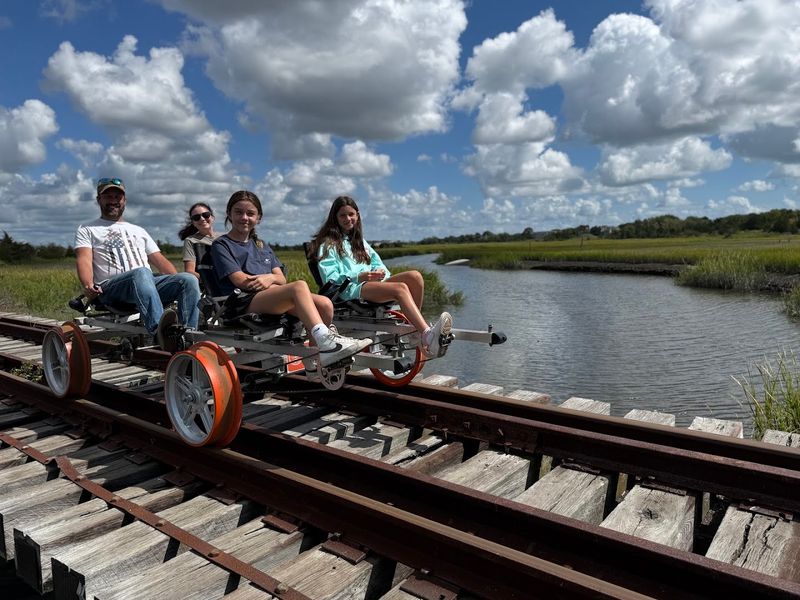
The first surprise is how smoothly a rail bike moves. Instead of balancing on two wheels or steering around traffic, riders pedal a stable, multi-seat vehicle along an existing railroad track.
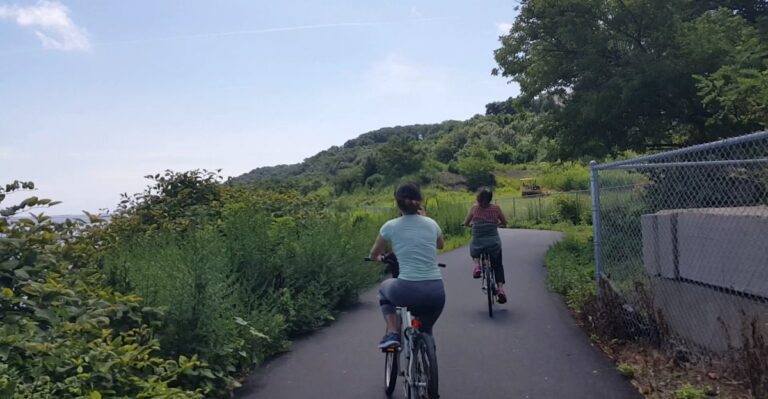
Revolution Rail Co.’s Cape May excursion turns old rails into an out-and-back journey through a quieter side of the Jersey Shore. The route runs beside protected natural areas, passing marshes, woods, and habitat where birds are often easier to spot than people.
Because the wheels remain fixed to the rails, there is no steering to master. Riders share the pedaling, which makes the experience well suited to families, couples, and groups with different fitness levels.
When one person needs a break, the others can keep the bike moving. Guides organize departures, space out the rail bikes, and explain how the turnaround works.
The rhythm is leisurely enough to look around, but pedaling into a breeze can still provide a respectable bit of exercise. Advance booking is the smart move during the busy Cape May season because departures have limited capacity.
Wear closed-toe shoes, bring water, and use sun protection because parts of the route are exposed. The outing also pairs easily with lunch, a beach visit, or a walk around Cape May afterward.
It feels like operating your own tiny train through coastal New Jersey, yet the learning curve is essentially: sit down, start pedaling, and stay on the only track available.
8. Walk the Salt Marsh Trail at The Wetlands Institute

Fiddler crabs scatter through the mud while laughing gulls call overhead and marsh grass moves in the breeze. The Salt Marsh Trail at The Wetlands Institute compresses an entire coastal ecosystem into a walk that is only about a quarter-mile long.
Interpretive stations along the path explain what survives in this salty, tidal environment, but the wildlife usually provides the best demonstration. Herons stand nearly motionless in the shallows, small fish flash in narrow channels, and birds work the exposed mud when the tide retreats.
At the end of the trail, a long pier reaches over a tidal creek, providing an open view across the marsh and toward one of the area’s active bird colonies. The route is easy enough to walk slowly, which is exactly how it should be experienced.
Rushing past the first stretch means missing the tiny movements in the water and mud. Bring binoculars or use the zoom on your camera, then spend a few minutes scanning from the pier instead of treating it as a quick turnaround point.
The trail is part of The Wetlands Institute in Stone Harbor, where indoor exhibits and seasonal nature programs can extend the visit. Admission and operating schedules vary throughout the year, so check before arriving.
Summer brings the most programming, but spring and fall can be especially rewarding for migratory birds. This is less of a hike than a front-row seat to one of New Jersey’s busiest natural neighborhoods.
9. Take the Wildlife Drive through Edwin B. Forsythe National Wildlife Refuge
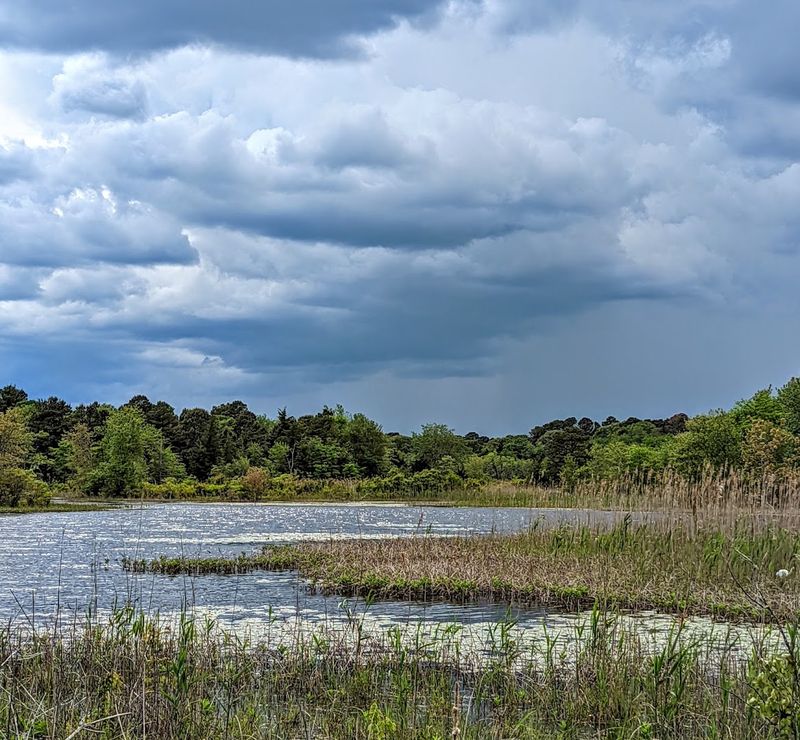
This is birding for people who prefer cupholders. The Wildlife Drive at Edwin B.
Forsythe National Wildlife Refuge loops through vast salt marshes near Oceanville, allowing visitors to look for wildlife without committing to a long hike or carrying gear down a muddy trail. The self-guided route covers eight miles and passes saltwater marsh, freshwater habitat, and patches of upland forest.
Cars move slowly along the raised road, with pull-offs and observation areas providing chances to stop safely. Observation towers along the route offer a wider look across the surrounding landscape, while the marsh may produce sightings of egrets, herons, ducks, shorebirds, ospreys, and bald eagles.
Because the refuge sits along the Atlantic Flyway, the cast changes throughout the year. Migration seasons can bring huge numbers of birds, but even a quiet day offers wide-open scenery and a sense of being much farther from Atlantic City than you actually are.
Binoculars improve the experience, though plenty of wildlife appears close enough to enjoy through an open car window. The entrance is reached from Great Creek Road, and the drive is generally accessible between sunrise and sunset.
Move slowly, respect posted stopping rules, and never approach or feed animals. The loop can be completed fairly quickly, but it is better to allow at least two hours. Every bend may reveal something worth pulling over for.
10. Beachcomb and explore the nature trails at Island Beach State Park

Most beach days stop where the sand begins. Island Beach State Park gets more interesting when you leave the swimming area and follow one of its short trails through dunes, maritime forest, coastal thickets, and bayfront marshes.
The narrow barrier island stretches for nearly 10 miles, protecting thousands of acres of remarkably varied habitat. Several self-guided trails begin near parking areas and require only a modest walk.
Reed’s Road Trail moves through coastal vegetation toward Barnegat Bay, while other paths lead to bird blinds, marsh overlooks, and quiet stretches away from the busier swimming beaches. Beachcombing adds another easy layer to the visit.
Walk the shoreline looking for shells, skate egg cases, driftwood, and objects moved by the Atlantic, while remembering that protected natural materials should remain where they are. The park’s dunes and vegetation are fragile, so cross only on marked paths and boardwalks.
A seasonal vehicle entrance fee applies, and summer parking can reach capacity early on hot weekends. Arriving in the morning gives you more options and makes the trails cooler.
Pack insect repellent for the bay side, where mosquitoes can be enthusiastic, and bring shoes for the paths even when the main plan involves bare feet. One park can deliver an ocean swim, a forest walk, and a marsh overlook before lunch.
11. Walk or bike the trails at Duke Farms

A former private estate in Hillsborough has become one of Central Jersey’s easiest places to build your own outdoor adventure. Duke Farms spreads its trails across meadows, woodlands, lakes, wetlands, and restored habitats, allowing visitors to choose anything from a gentle walk to a longer bicycle ride.
Roughly 18 miles of trails create plenty of room to explore without demanding that everyone follow the same route. Paved and hard-surface sections make several major areas approachable, while quieter paths lead toward pollinator meadows, lake views, historic structures, and wildlife habitat.
The Farm Barn serves as a useful starting point, with maps, visitor information, and food available nearby for anyone who believes outdoor recreation should include coffee. Cycling is especially helpful because the property is large.
Bring your own bike, select a few landmarks, and resist the urge to cover every trail in one visit. Walkers can create a shorter loop and spend more time watching birds or exploring the landscaped areas.
General access is free, but some busy dates may require advance parking reservations, particularly on Saturdays during the warmer months. Pets are not permitted except for service animals.
Check operating hours before leaving, bring water, and use the trail map rather than wandering until your legs file a complaint. Duke Farms makes a grand estate feel unusually relaxed, approachable, and useful.
12. Wander through Rutgers Gardens and Helyar Woods
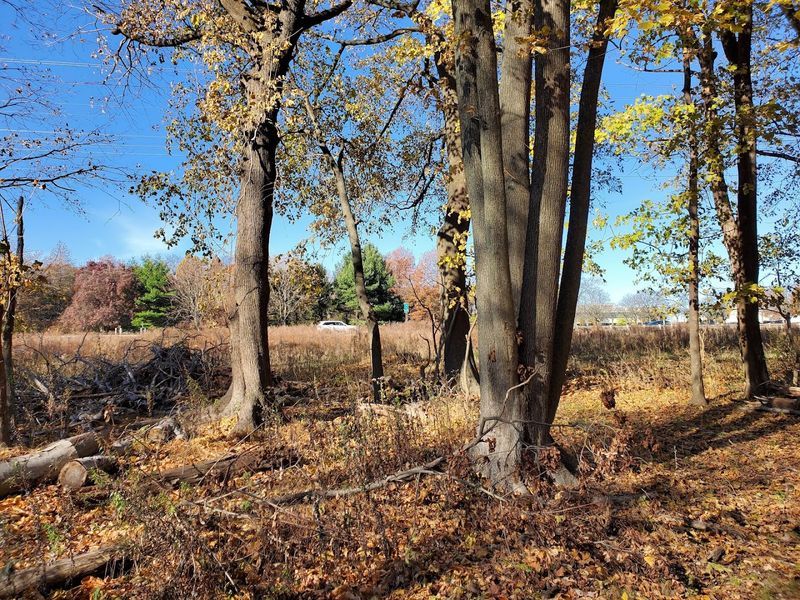
One turn leads past carefully tended plant collections; another slips beneath tall trees into a forest with springs, a stream, and an old quarry. Rutgers Gardens in New Brunswick combines a public botanic garden with the nearly 60-acre Helyar Woods, making it easy to move from polished landscapes to a genuine woodland walk.
The grounds include display areas, natural spaces, research plots, and the university’s student farm. Visitors can wander among hollies, shade trees, flowers, and seasonal plantings before following marked trails into Helyar Woods.
The forest contains mature beech, oak, and maple trees, along with a pine stand that feels unexpectedly secluded for a location so close to major highways. This is a good outing for groups that cannot agree on how outdoorsy they want to be.
Some visitors may prefer benches and garden paths, while others can extend the walk through the woods. The terrain includes grass, stone, unpaved trails, stairs, and uneven areas, so comfortable footwear is useful, especially after rain.
Admission is free, and parking is available near the main garden areas. Weekly closing days and gate times can change, so check the current schedule and leave enough time to return before the grounds close.
Bring a trail map when entering Helyar Woods. It is part garden stroll, part forest escape, and entirely easier than leaving New Brunswick for the mountains.
13. Stroll the waterfront at Liberty State Park
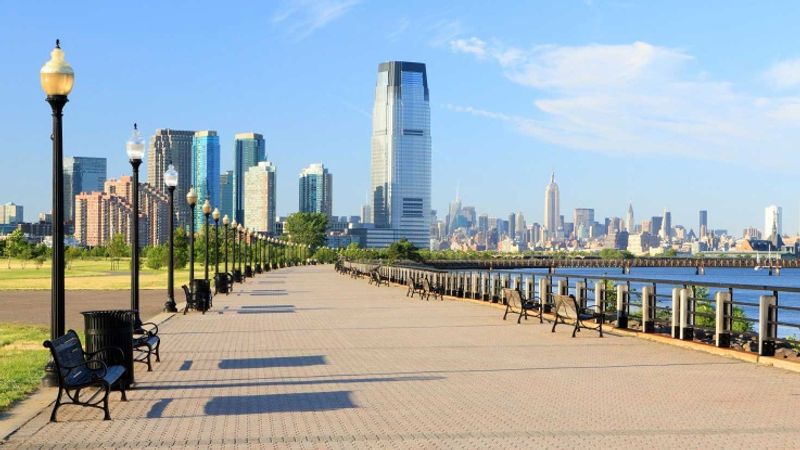
The Statue of Liberty stands across the water, Lower Manhattan fills the horizon, and ferries trace white lines through New York Harbor. Liberty State Park offers one of New Jersey’s grandest outdoor views without requiring much more than a comfortable pair of shoes.
A long section of the Hudson River Waterfront Walkway links picnic areas, playgrounds, open lawns, the Nature Center, and the historic Central Railroad of New Jersey Terminal. The path is wide, mostly level, and open enough to accommodate walkers, joggers, strollers, and casual cyclists.
You can cover the full promenade or simply choose a bench and watch the harbor traffic. The Empty Sky 9/11 Memorial adds a powerful stop near the waterfront, while the old terminal recalls the millions of immigrants who continued their journeys through this transportation hub after arriving at Ellis Island.
Those layers of history give the walk more substance than a skyline photo opportunity. Parking areas are spread around the park, so choose one near the section you most want to explore.
On clear weekends, the waterfront can become busy, but the park’s large lawns and long paths prevent it from feeling confined. Wind off the harbor may be stronger and cooler than expected, even on sunny days, so bring an extra layer outside midsummer.
Sunset is particularly striking, though the skyline is impressive at almost any hour. It is the rare city-adjacent adventure where slowing down improves everything.
14. Bike the Delaware and Raritan Canal Towpath
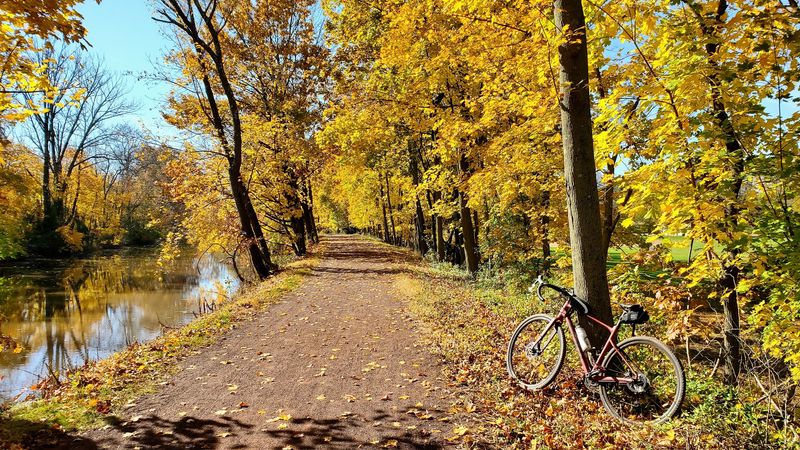
Flat, shaded, and largely separated from traffic, the Delaware and Raritan Canal Towpath removes several of the least enjoyable parts of recreational cycling. There are no steep mountain climbs, no pressure to maintain an athlete’s pace, and no requirement to complete the full route.
The state park follows roughly 70 miles of historic canal corridor through Central Jersey, connecting wooded stretches, old locks, river views, and towns such as Lambertville, Stockton, Princeton, and Frenchtown.
The packed surface suits hybrid and gravel-style bicycles particularly well, though conditions can become soft or muddy after heavy rain.
Instead of choosing an ambitious mileage goal, select two access points a comfortable distance apart or plan a simple out-and-back ride. The feeder canal between Lambertville and Stockton is especially popular because it combines scenery with easy opportunities to stop for food.
Other sections pass quiet water where turtles bask on logs and herons patrol the bank. Bring a repair kit, water, and a downloaded map because the canal system has numerous access points and branches.
Road crossings appear in developed areas, so cyclists should slow down and obey traffic signals. Walkers and runners also use the path, making courtesy more important than speed.
The canal once carried goods between the Delaware and Raritan rivers. Today, it carries people looking for a manageable ride that still feels like a real journey.
15. Take the short summit walk to High Point Monument

At 1,803 feet above sea level, New Jersey’s highest point sounds as though it should demand a lung-burning climb. In reality, visitors can drive close to the summit and take a short walk to the base of High Point Monument, where the views stretch across New Jersey, New York, and Pennsylvania.
The stone obelisk was dedicated to New Jersey’s veterans and rises above the forested landscape of High Point State Park. On a clear day, ridges roll toward the horizon in nearly every direction.
Autumn brings the most famous scenery, but summer greenery, spring haze, and crisp winter skies each give the overlook a different character. Longer trails do climb through the park, including the Monument Trail and a section of the Appalachian Trail.
None of that is necessary for the simple summit experience. Park near the monument area, follow the short approach, and spend time circling the base to catch every angle.
Access to the monument’s interior may be limited or seasonal, but the outdoor panorama is the main event. Wind at the summit can make the temperature feel noticeably cooler, so bring a layer even when the valley is warm.
Seasonal entrance fees or parking restrictions may apply during busy recreation periods. Check park conditions before the drive.
This is mountain scenery with an unusually favorable effort-to-reward ratio.
16. Bike the Sandy Hook Multi-Use Path
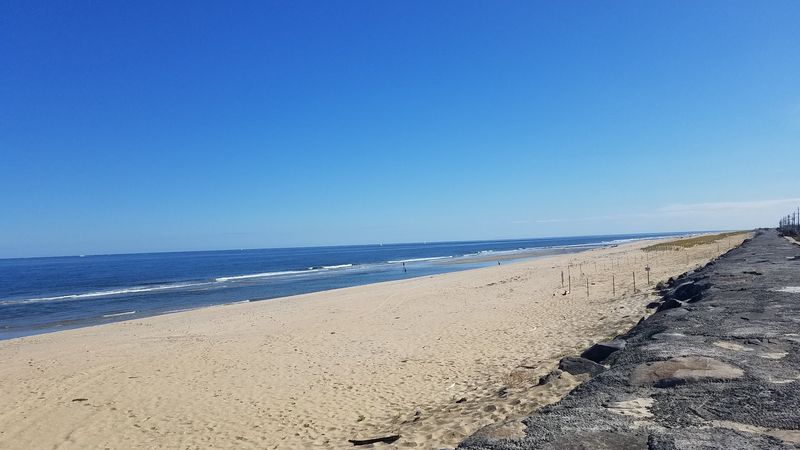
Salt air does most of the motivational work on Sandy Hook. The peninsula’s seven-mile Multi-Use Path runs past beaches, maritime vegetation, former military installations, and the historic Fort Hancock district, creating a bike ride that keeps producing reasons to stop.
The paved route begins near the park entrance and continues north toward Officers Row, old batteries, the former radar site, and Sandy Hook Lighthouse. It is flat and even, making it suitable for recreational cyclists who would rather admire the scenery than wrestle with hills.
Walkers and inline skaters share the path, so speed is less important than paying attention. A good ride combines several short stops.
Pull over for an ocean view, explore the Fort Hancock parade ground, and check whether lighthouse tours are operating. Cyclists can bring their own bikes, while seasonal rentals may be available inside the park.
Summer weekends require an early start because beach traffic and parking lots can fill. A vehicle fee applies during the main beach season, though entering by bicycle avoids the parking scramble.
Pack water and sunscreen because long sections are exposed, and expect wind to increase the effort in one direction. Even so, the path remains one of the easiest ways to combine a Shore day, a history lesson, and a proper bike ride.
17. Explore the outdoor art gardens at Grounds For Sculpture

A giant face appears between the trees. Around the next bend, painted figures seem to have stepped out of a famous canvas, while enormous abstract forms rise above ponds and flower beds.
Grounds For Sculpture in Hamilton turns a walk in the park into a 42-acre art hunt. Hundreds of works by established and emerging artists are placed throughout landscaped gardens, courtyards, lawns, and wooded corners.
There is no single correct route, which removes the pressure that sometimes comes with visiting a traditional museum. Follow whichever path looks interesting, pause beside the lotus pond, and allow unusual shapes in the distance to pull you toward the next area.
The grounds are extensive, but visitors control the pace. Benches, cafés, indoor galleries, and shaded sections provide regular opportunities to rest.
Mobility assistance may also be available for visitors who cannot comfortably cover the full property on foot, though advance arrangements are recommended. Timed admission is the safest choice because popular dates and special events may reach capacity.
The sculpture park operates year-round, although hours and ticket prices vary by day and season. Wear walking shoes rather than dressing as though the entire visit will happen inside a gallery.
The appeal is not simply seeing art outdoors. It is the constant possibility that a hedge, reflection, or distant figure is part of the collection.
You end up walking farther than planned because curiosity keeps winning.
18. Join an educational tour at Lakota Wolf Preserve

The howl changes everything. One wolf begins, another pack answers, and suddenly the wooded hillside in Columbia feels much farther from everyday New Jersey.
Lakota Wolf Preserve offers guided educational tours that bring visitors close enough to observe wolves clearly while remaining safely inside a central viewing area.
Several packs surround the observation space, allowing guides to explain pack structure, communication, feeding habits, and the differences between wild wolves and animals born in captivity.
The preserve also cares for foxes, bobcats, and lynx. This is not a petting zoo or a casual walk-through attraction.
The focus is on watching the animals behave naturally within spacious habitats and understanding why they require specialized care. Reaching the preserve involves either a scenic half-mile nature walk from the parking area or a ride on the available shuttle bus.
That choice makes the experience manageable for visitors who may not want to tackle the hill on foot. Once at the viewing area, the tour does most of the work.
Reservations should be made in advance, and visitors need to arrive on time because tours operate on a set schedule. Wear weather-appropriate clothing and sturdy shoes, since the experience remains outdoors in most conditions.
Hearing wolves howl in person feels like a rare wilderness encounter; getting there is considerably simpler.
19. Follow the Fairy Trail through South Mountain Reservation

Tiny doors, miniature ladders, acorn decorations, and small woodland houses appear among tree roots beside the trail. The Fairy Trail in South Mountain Reservation turns an ordinary forest walk into a scavenger hunt where children often notice details long before the adults do.
The route begins near the Locust Grove Picnic Area in Millburn and follows the opening portion of the white-blazed Rahway Trail. An easier shortcut creates a manageable return to the parking area, making the outing accessible to families not ready for a longer reservation hike.
The trail is free and open during regular park hours as part of the Essex County park system. The fairy houses are carefully curated and maintained by volunteers.
Visitors should admire them without touching, moving decorations, or leaving new structures behind. Staying on the marked path is particularly important because heavy foot traffic can damage plants and compact soil around the trees.
Parking is available near Locust Grove, though spaces may fill on pleasant weekend mornings. Dogs are permitted but must remain leashed.
Comfortable shoes are still useful because roots, damp leaves, and natural trail surfaces can make even a short woodland walk uneven. The trail works because it gives children a reason to move slowly and adults permission to play along.
Nobody needs to complete a difficult hike or understand the local trail network. Follow the small houses through the woods, take the easy return, and leave the fairies exactly where you found them.
20. Go whale and dolphin watching off Cape May
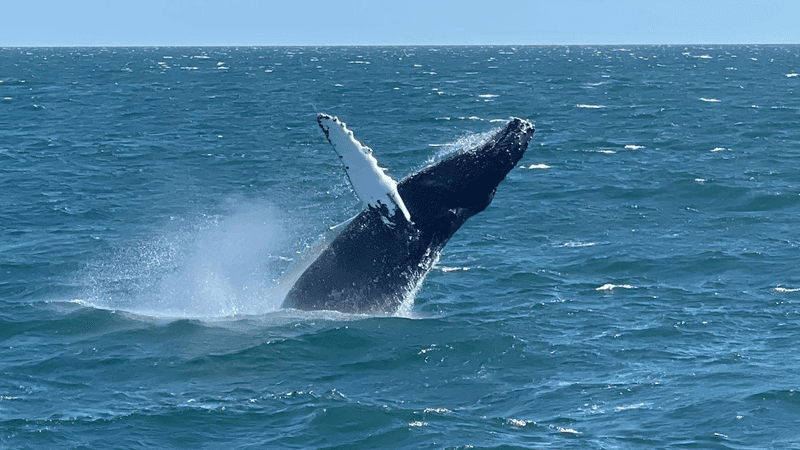
Cape May’s shoreline looks completely different from the deck of a boat. Lighthouses and Victorian buildings shrink behind you while dolphins surface beside the wake and seabirds glide over the open water.
A wildlife cruise provides the thrill of heading offshore without asking passengers to operate anything more complicated than a camera. Several Cape May operators offer dedicated dolphin trips and longer whale, dolphin, and bird-watching excursions.
A typical dolphin cruise lasts around two hours, while broader wildlife trips may remain on the water for three hours or longer. Naturalists help passengers identify animals, explain migration patterns, and point toward activity that inexperienced eyes might miss.
Dolphins are the more frequently seen stars, particularly during the warmer months, while humpback, fin, minke, and other whales move through the region at less predictable times. No responsible trip can make the ocean perform on command, so consider every whale sighting a bonus rather than the only measure of a successful cruise.
Reserve ahead during summer and arrive early enough to park, check in, and board without rushing. Choose a position near an open deck, bring a windproof layer, and use motion-sickness medication beforehand when needed.
The temperature offshore may feel much cooler than it did at the marina. Once the boat clears the harbor, the adventure takes care of itself while a professional captain handles the difficult part.
Share this story