A musket ball scarred a church in Shrewsbury. George Washington’s army once crowded the streets around Hackensack’s village green.
In Greenwich, colonists staged their own tea-burning protest months after Boston made headlines. And beneath the glass towers and PATH trains of Jersey City sits a town square laid out in 1660.
New Jersey has a funny way of hiding major pieces of American history in places people drive through every day without giving them a second thought. Some of these communities were established before Philadelphia.
Others became colonial capitals, Revolutionary War headquarters, stagecoach stops, or centers of early American government. Better yet, many still have the old streets, houses, churches, taverns, courthouses, and waterfronts to prove it.
You don’t need a textbook to appreciate them, either. A comfortable pair of shoes and a free afternoon will do. These 20 old New Jersey towns reward anyone willing to slow down and look around.
1. Jersey City
Stand in Bergen Square for a minute and temporarily ignore the traffic, buses, apartment towers, and constant motion around Journal Square. This crossroads dates to 1660, when the village of Bergen was established on land long used by the Lenape.
The city describes it as New Jersey’s oldest continuously inhabited European settlement and one of the earliest established town squares in America. That makes the setting almost comically easy to underestimate.
You’re looking at colonial geography in the middle of one of the state’s busiest modern cities. The renovated square now includes historical signage, pedestrian space, and landscaping, making it a much better starting point than the average traffic intersection.
Nearby, the Apple Tree House dates to the 18th century and now houses the Museum of Jersey City History, adding another layer to a neighborhood better known for its transportation hub.
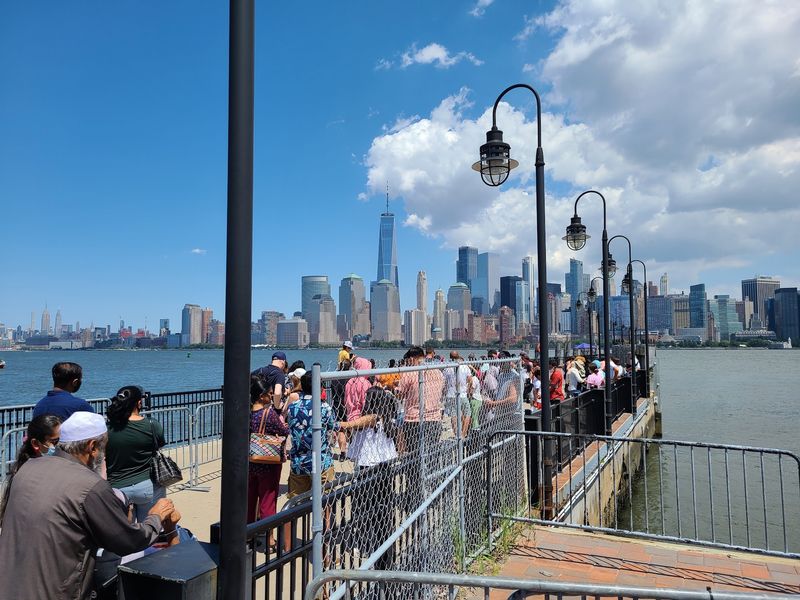
From there, head toward Liberty State Park and the old Central Railroad of New Jersey Terminal, where millions of immigrants once passed through the region.
Few places on this list show New Jersey’s timeline quite so dramatically. Within one outing, you can move from a 17th-century settlement to immigration-era rail history and then finish beside a waterfront framed by Manhattan skyscrapers.
Jersey City’s history isn’t tucked away from modern life. Modern life has simply grown around it.
2. Shrewsbury
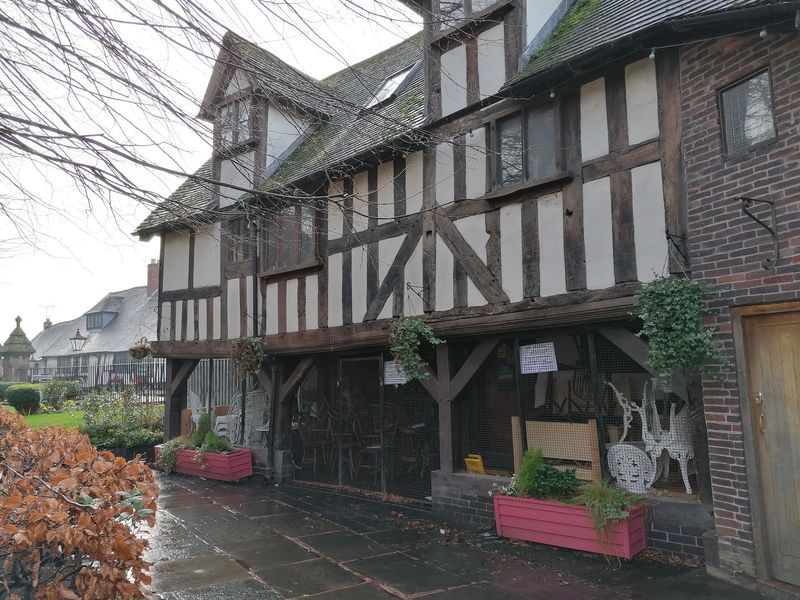
The intersection of Broad Street and Sycamore Avenue looks pleasantly ordinary until you start noticing just how old everything around it is. Known as Historic Four Corners, this part of Shrewsbury preserves a remarkable cluster of buildings tied to the community’s colonial beginnings.
Shrewsbury was recognized as a township in the 17th century, although the present borough was not created until 1926. That technicality hasn’t erased what came before.
The Allen House, dating to around 1710, operated as a tavern during the Revolutionary period, when taverns doubled as lodging houses, meeting rooms, polling places, and unofficial community headquarters. Across the historic district, Christ Church tells an even stranger story.
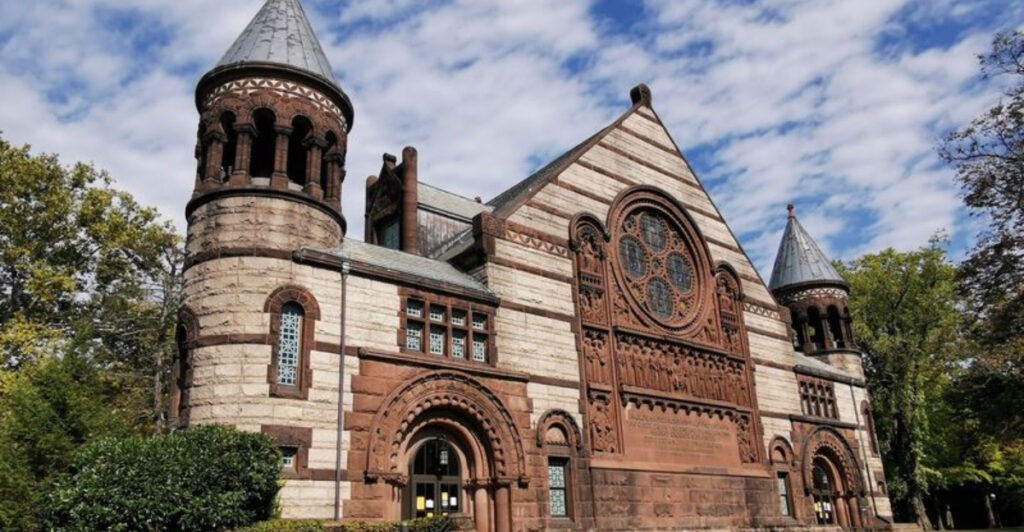
The congregation was established in 1702, while the present building went up between 1769 and 1775. American troops later used it as a barracks during the Revolution, and soldiers reportedly fired shots into parts of the church associated with the British Crown.
The Wardell House completes the district’s best-known trio of landmarks. This isn’t a place requiring a packed itinerary.
The pleasure is in walking the old crossroads slowly, checking architectural details, reading markers, and realizing that suburban Monmouth County has grown around a village pattern older than the United States itself.
3. Middletown
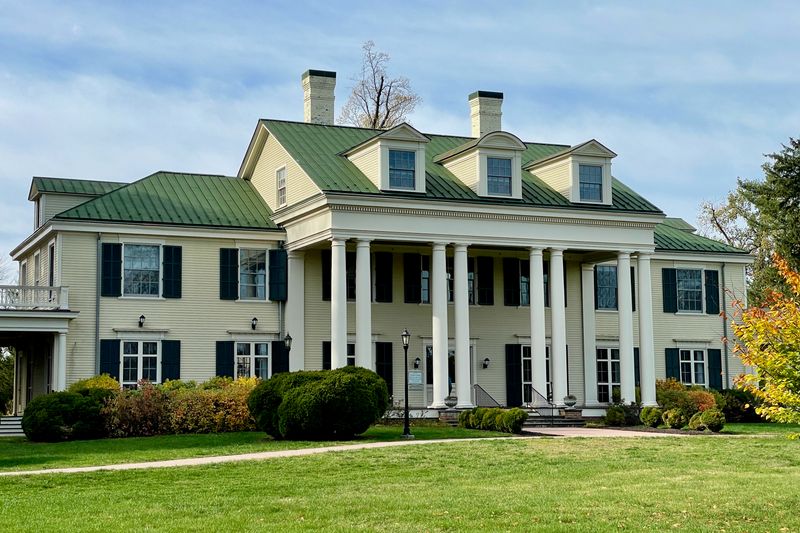
A drive along Kings Highway gives away the secret before any historical marker does. Parts of Middletown Village still follow a settlement pattern laid out centuries ago, when 36 lots were arranged north and south of the main road in an English-style village grid.
That early plan remains visible today, which is considerably more interesting than simply reading a founding date on a plaque. Middletown ranks among New Jersey’s earliest European settlements, with its history closely tied to the Monmouth Patent of the 1660s.
The Middletown Village Historic District preserves buildings and sites connected to religion, education, government, military history, and everyday community life from the 18th and 19th centuries. One standout is the First Baptist Church congregation, organized in 1688 and recognized as the oldest Baptist congregation in New Jersey.
The best approach here is not to expect a single dramatic attraction. Middletown’s appeal comes from seeing layers of history scattered along roads that residents still use for errands and school runs.
Follow Kings Highway through the historic village, pay attention to the old churches, cemeteries, and houses, and then give yourself time to explore beyond the Route 35 commercial corridor. The contrast is the whole point.
A busy modern township is sitting on top of one of New Jersey’s oldest settlement patterns, and surprisingly much of that pattern can still be read.
4. Elizabeth
Alexander Hamilton was once a schoolboy here, which feels almost absurd when you’re standing amid the traffic and storefronts of modern Elizabeth. Yet this city was one of the most important places in early New Jersey.
Founded in the 1660s, Elizabethtown became the colony’s first capital, and New Jersey’s first provincial legislature met here in 1668. The historical core is easiest to appreciate around Midtown, where several landmarks can be linked together on foot.
The First Presbyterian Church and the institution now known as the Snyder Academy trace their roots to the earliest years of the settlement. Hamilton studied in Elizabeth before his rise to Revolutionary fame, giving the city a direct connection to one of the country’s most familiar founders.
Then there’s Liberty Hall, built in 1772 by William Livingston, New Jersey’s first governor. The house and surrounding property preserve generations of political and social history rather than one frozen moment.
A self-guided Historic Heartline route connects several important sites and makes a smart framework for a first visit. Elizabeth works best when you embrace the contrast: this is not a manicured colonial village pretending the last 300 years never happened.
It’s a dense, multicultural city where early American landmarks sit beside restaurants, shops, apartments, rail lines, and everyday life. Somehow, that makes the surviving history feel more impressive, not less.
5. Newark
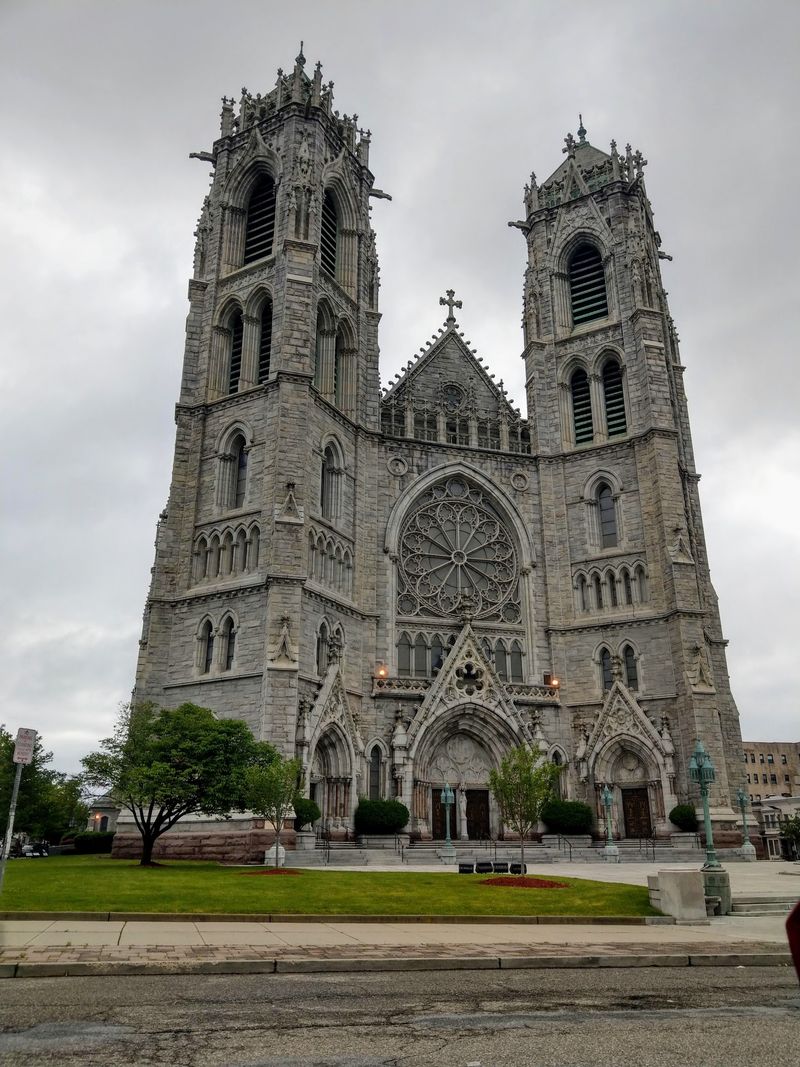
Military Park began as Newark’s “Middle Commons” when Puritan settlers established the community in 1666. Today, office workers cut across it, NJPAC sits nearby, and downtown Newark moves at a thoroughly 21st-century speed.
That overlap is exactly why the city’s early history is so easy to miss. Newark is New Jersey’s largest city, but it is also one of its oldest, founded by Connecticut settlers led by Robert Treat after they arrived along the Passaic River.
The original colonial settlement eventually transformed into a major manufacturing center, transportation hub, corporate headquarters, and cultural capital, so expecting a preserved 17th-century village would miss the point. Instead, start at Military Park and use downtown itself as the exhibit.
Older civic buildings, churches, commercial blocks, and later industrial landmarks show how the city kept reinventing itself rather than remaining stuck in one era.
Newark’s historical organizations and institutions continue to document those changes, from the original Puritan settlement through industrial expansion and the city’s modern revival.
Pair the historical wandering with whatever downtown does best that day: a museum visit, performance, meal, or walk toward the river. Among the towns on this list, Newark may offer the clearest reminder that “historic” does not have to mean quiet.
More than 350 years of New Jersey history are packed into a place that never stopped acting like a real city.
6. Piscataway
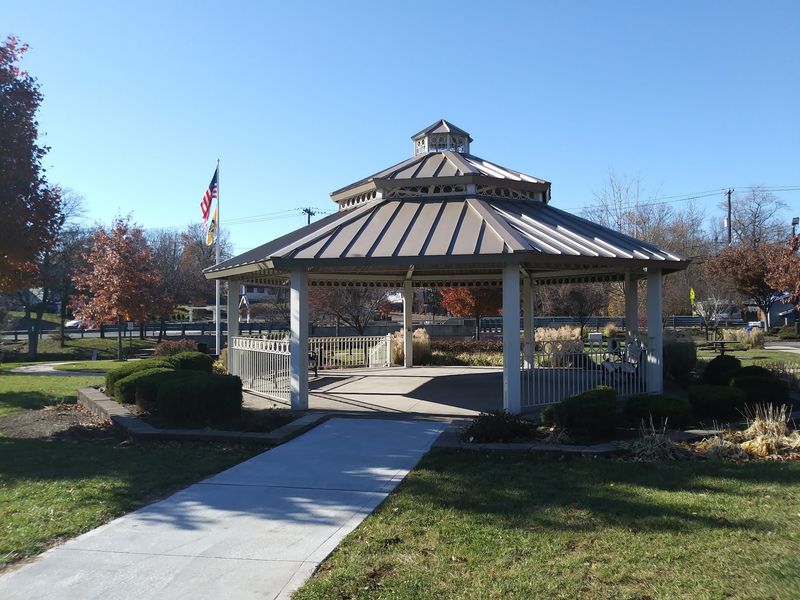
One of America’s earliest official Independence Day celebrations involved roughly 11,000 Continental troops, cannon fire, and George Washington—and it happened in Piscataway in 1778. That alone should rescue the township from being treated merely as the place surrounding Rutgers and a collection of busy Middlesex County roads.
Piscataway’s European settlement dates to 1666, when New England settlers established a community on land with a much older Lenape history. The township’s past becomes much easier to picture at the Metlar-Bodine House Museum along River Road.
The property’s oldest section dates to 1728, and the restored house now serves as the township’s historical and cultural museum, using the building itself as one of its biggest artifacts. Nearby, the Raritan River landscape helps explain why this area mattered for transportation, settlement, and military movement.
Another worthwhile stop is East Jersey Old Town Village, where relocated and preserved buildings help recreate several centuries of regional architecture and community life.
If you’re visiting around July 4, Piscataway’s connection to Washington’s 1778 “feu de joie,” or celebratory firing of weapons, gives the holiday an unusually local dimension.
Otherwise, make this a half-day history outing rather than a sightseeing marathon. The rewarding part is discovering that beneath an unmistakably suburban surface sits a community whose documented story reaches back more than 350 years.
7. Woodbridge
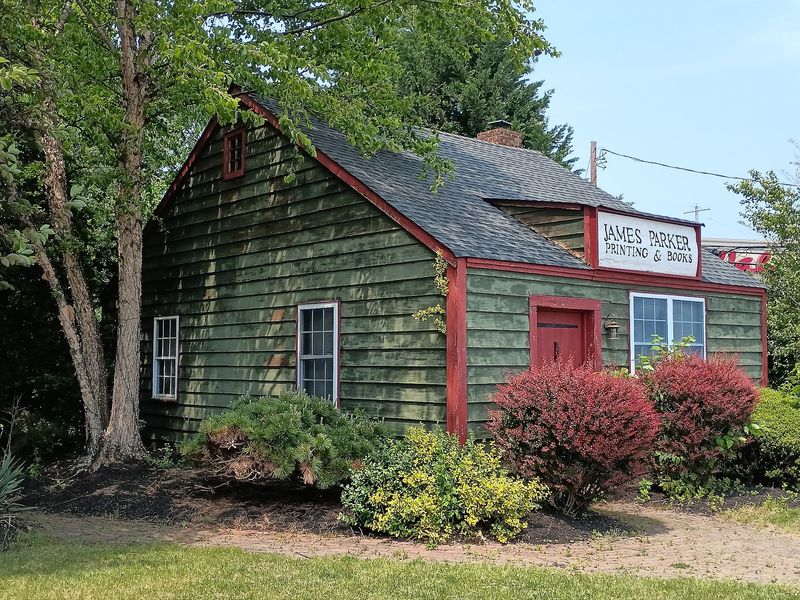
New Jersey has plenty of towns that describe themselves as old. Woodbridge has paperwork.
Settled in the 1660s and granted a royal charter on June 1, 1669, it is recognized by the township as the oldest continuing township in the state.
The original community was named for the Reverend John Woodbridge of Newbury, Massachusetts, and its early civic life developed around churches, farms, roads, and meeting places that helped establish the basic shape of the township.
Several pieces of that history survive among the considerably newer highways and neighborhoods. Trinity Episcopal Church has roots reaching into the late 17th century, while the Barron Arts Center occupies a historic building on Rahway Avenue and gives visitors a reason to combine local history with rotating cultural programming.
Woodbridge’s Historic Preservation Commission has also created self-guided historical tours covering different themes and sections of the township, which is useful because this is not a compact village where everything sits on one block. Give yourself a car and explore selectively.
The strangest part of visiting is realizing how easily 17th-century New Jersey can disappear beneath infrastructure.
The Garden State Parkway and New Jersey Turnpike famously meet in Woodbridge, yet just beyond that enormous modern crossroads lies another kind of crossroads entirely: one of the earliest chartered communities in the state, still operating under the same name more than three and a half centuries later.
8. Salem
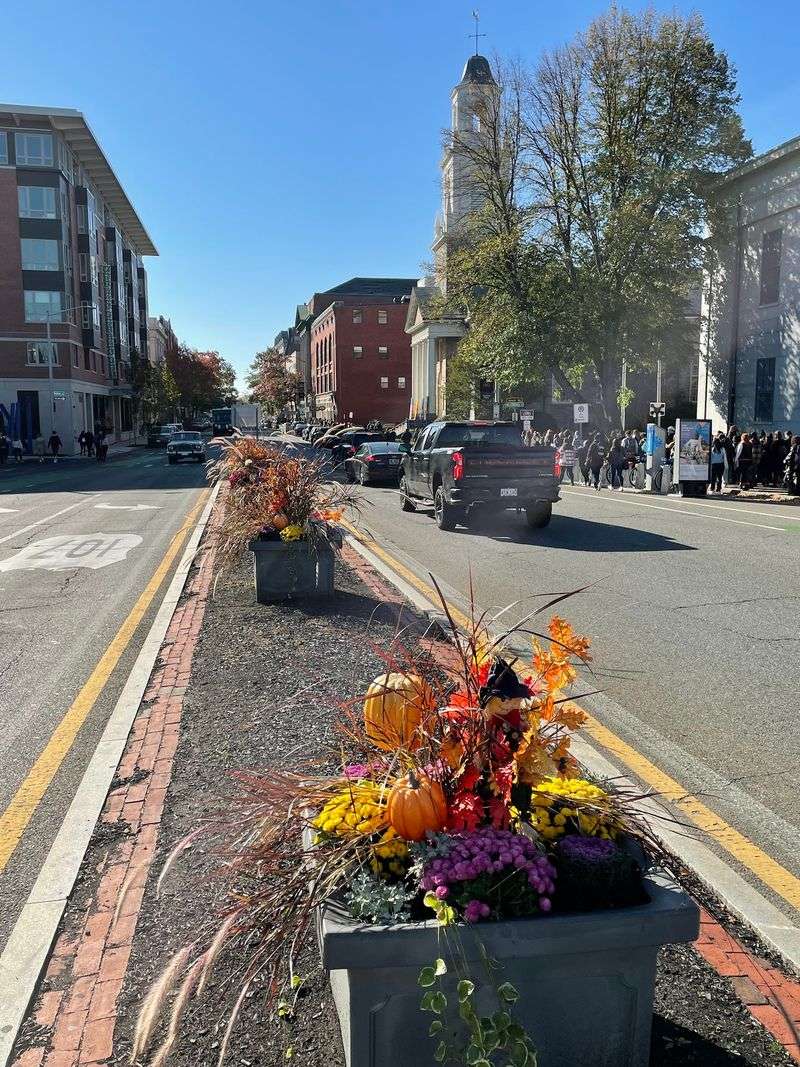
History in Salem doesn’t announce itself with velvet ropes. It sits around the courthouse, along Market Street, in old Quaker sites, and beneath trees whose stories have outlived the people who planted them.
Quaker leader John Fenwick founded the settlement in 1675 as part of his West Jersey colony, making Salem one of the oldest English communities in the region.
The most memorable landmark is the Old Salem County Courthouse, recognized locally as New Jersey’s oldest active courthouse and one of the oldest courthouses still in continuous use in the United States.
Salem’s famous oak was another symbol of the city’s beginnings. Tradition held that Fenwick met with Lenape people beneath the massive tree; it survived for centuries before falling in 2019.
Even without the original oak standing, its site remains part of the city’s historical identity. A good way to explore is to follow the Salem Heritage Trail rather than chase isolated landmarks.
The route connects buildings and stories across the historic center and gives some context to a place that once mattered far more to regional trade and government than its quiet streets suggest today. Salem isn’t polished into a theme park, and that works in its favor.
Weathered buildings, broad streets, courthouse history, and traces of its Quaker origins make the city feel less reconstructed than inherited—a real town carrying 350 years of complicated history forward.
9. Greenwich
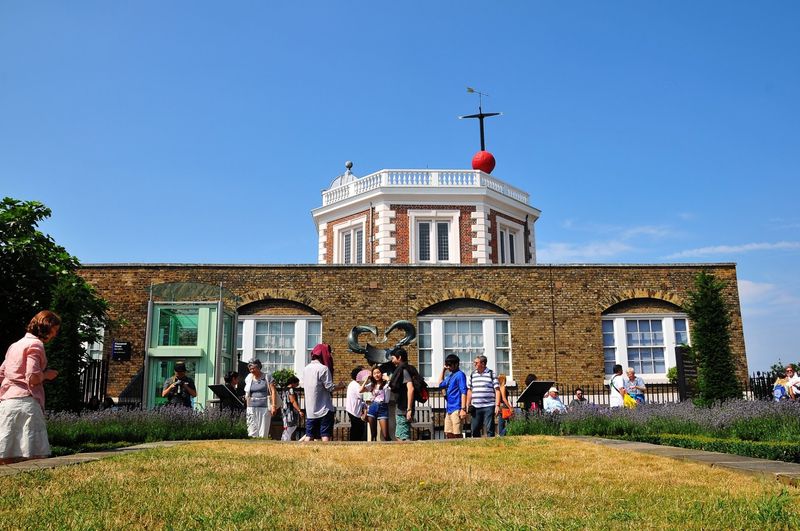
Boston gets the famous tea party. Greenwich gets the delightfully rebellious footnote New Jersey should brag about more often.
In December 1774, local patriots seized a shipment of British tea and burned it in a field, creating the Greenwich Tea Burning and giving this tiny Cumberland County community a permanent place in Revolutionary history.
The settlement itself dates to the 17th century; county records describe Greenwich as the oldest community in Cumberland County and trace its development to John Fenwick’s colonization of the region.
Unlike many old towns whose historic centers have been heavily redeveloped, Greenwich still feels distinctly rural. Main Street passes old houses, fields, mature trees, churches, and buildings that make the village’s age immediately believable.
The historic district is listed on the National Register of Historic Places, and the Cumberland County Historical Society operates several worthwhile sites here, including the Gibbon House, a Swedish granary, research collections, and a maritime museum. This is the place on the list to visit when you actually want quiet.
There is no need to rush between attractions or build a minute-by-minute schedule. Walk Main Street, stop at the historical properties that are open, and leave time to look at the surrounding farmland and Cohansey River landscape.
Greenwich’s biggest trick is how little it seems to have changed. Philadelphia is younger, yet this village can feel worlds farther removed from modern life.
10. Burlington
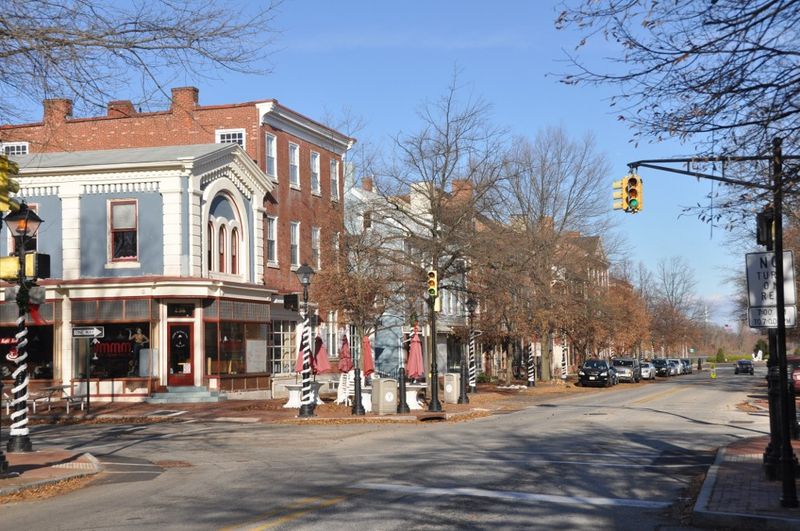
High Street runs straight toward the Delaware River, and once you know Burlington’s backstory, that alignment starts making perfect sense. English Quakers founded the city in 1677, and Burlington soon became the capital of West Jersey.
Its river location put it directly into the movement of people, goods, politics, and ideas that shaped the colonial Delaware Valley. The historic district remains packed with reminders.
Burlington’s early civic institutions are particularly fun because some of their dates sound almost invented: the Relief Fire Company was founded in 1752, while the Burlington Library Association received its charter in 1757.
Wander the streets between High Street and the river and you’ll find architecture from several eras rather than a town frozen neatly in the 1700s.
That makes the walk much better. Federal buildings, Victorian additions, churches, commercial properties, and later structures all show the place growing layer by layer.
The waterfront is an easy place to finish, especially near sunset, when the Delaware provides a visual explanation for why settlers chose this spot in the first place. Burlington also works well for visitors who like history without committing to hours inside museums.
Park once, walk the historic core, browse downtown businesses, and let the buildings do most of the storytelling. For a city that once helped govern an entire colony, Burlington remains surprisingly absent from many New Jersey weekend lists.
11. Mount Holly
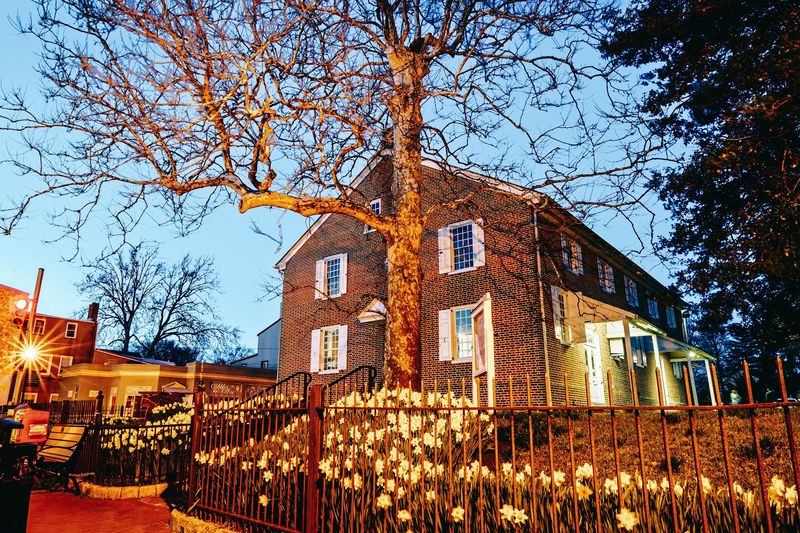
The old Burlington County Prison looks intimidating enough before you learn that it held inmates for more than 150 years. Completed in 1811 and designed by architect Robert Mills, the hulking stone building now operates as a museum and is one of the most memorable ways to start exploring Mount Holly.
The surrounding downtown has an even deeper colonial story. Mount Holly developed as an important Burlington County community long before the Revolution and later became the county seat.
Its historic core includes the 1796 courthouse and a downtown preservation district that keeps a surprising amount of early architecture in view. The town also played a small but fascinating part in the tense days before Washington crossed the Delaware.
In December 1776, fighting around Mount Holly drew Hessian forces into the area, one episode in the maneuvering that preceded the American attack on Trenton.
That means a casual walk along High Street can connect a colonial commercial center, Revolutionary War history, early American government, and one seriously formidable old jail.
Unlike larger historic destinations, Mount Holly is manageable. You can explore the downtown on foot, visit the prison when it’s open, grab lunch nearby, and still have enough energy to pay attention to the buildings instead of speed-walking toward the next attraction.
The town’s history feels dense without being exhausting, which is a pretty ideal combination for a day trip.
12. Haddonfield
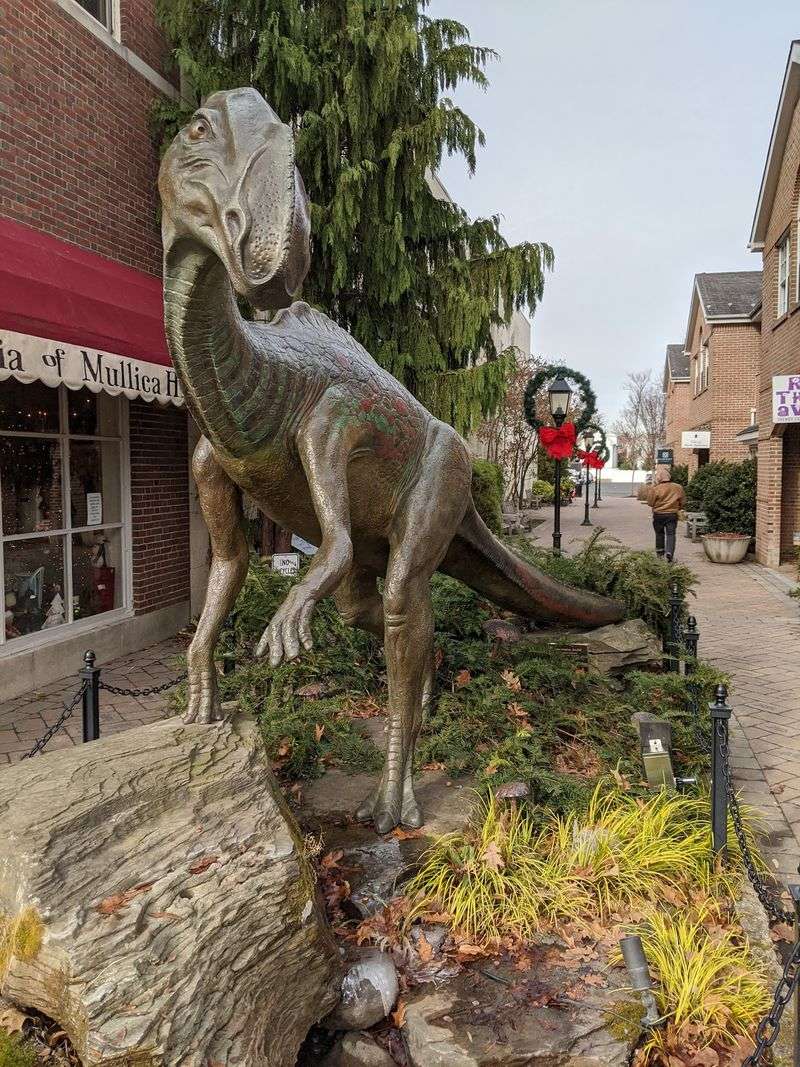
A dinosaur, a colonial tavern, and a 300-year-old Quaker town have somehow ended up sharing one very walkable South Jersey downtown. Haddonfield’s European history began in the 17th century, when Francis Collins established a plantation in the area in 1682.
The person most closely associated with the town, however, is Elizabeth Haddon, the young Quaker woman who arrived from England in 1701 to manage family property and became central to the community’s development.
Start on Kings Highway, where historic buildings sit among independent shops and restaurants rather than behind fences.
The Indian King Tavern is the essential history stop. During the Revolutionary era, New Jersey lawmakers met there, and the property later became the state’s first publicly acquired historic site.
Haddonfield also has another claim that immediately changes the mood for anyone traveling with children: important Hadrosaurus fossils were discovered here in the 19th century, helping put American dinosaur paleontology on the map.
That’s an impressive amount of history for a town where you can comfortably spend an afternoon walking from storefront to storefront.
Greenfield Hall, home of the Historical Society of Haddonfield, adds another stop for anyone who wants deeper local context. The real pleasure, though, is that Haddonfield has never separated its history from its downtown.
You can browse, eat, and casually pass buildings that were already old when the United States was young.
13. Woodbury
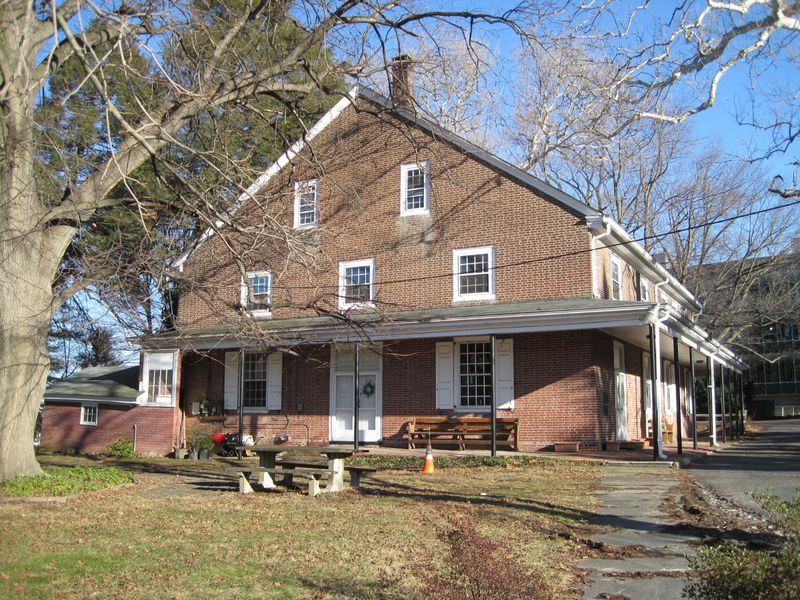
Broad Street is the giveaway in Woodbury. Look past the modern traffic and you’ll start spotting Victorian houses, old civic buildings, churches, and enough architectural leftovers to turn an ordinary downtown walk into a scavenger hunt.
Local historians trace Woodbury’s founding to 1683, when members of the Wood family arrived from Bury, England, lending the settlement its name. Its proximity to Philadelphia later put the community close to the political, military, and commercial currents moving through South Jersey during the country’s formative years.
The city has made exploration refreshingly straightforward with a self-guided historic walking tour connecting houses, churches, government buildings, banks, and other landmarks. One of the oldest religious stories belongs to the Presbyterian congregation, whose original church was established in the early 18th century.
Much of the present-day visual character, however, comes from later growth, especially the 19th century. That’s what keeps Woodbury from feeling like a lesser copy of a colonial village.
The story continues through Federal, Victorian, and civic architecture, all mixed into a downtown that still functions as Gloucester County’s governmental center. Take the walking route rather than trying to appreciate it through a windshield.
The details—porches, rooflines, old masonry, graveyards, and public buildings—are where Woodbury gets interesting. It feels like a town that accumulated history gradually and never had the chance, or perhaps the desire, to clear all the earlier versions away.
14. Perth Amboy
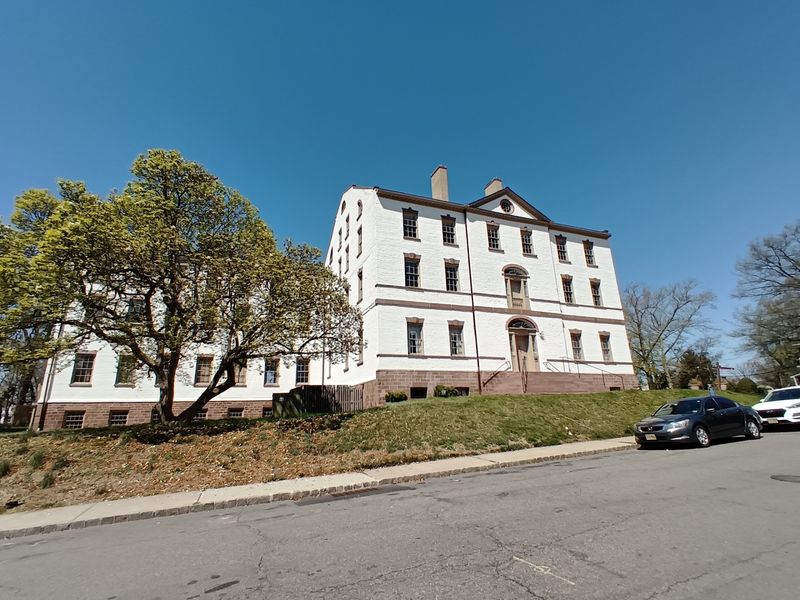
The Raritan Bay waterfront has been pulling people toward Perth Amboy for centuries, and it remains the best place to understand why the city mattered so much. Founded in 1683 and chartered in the early 18th century, Perth Amboy became one of colonial New Jersey’s political centers and developed into an important port.
Its biggest historical showpiece is the Proprietary House, built for New Jersey’s royal governor and recognized as the only surviving official royal governor’s mansion from the original thirteen colonies. That would be enough for most towns, but Perth Amboy keeps going.
City Hall and the surrounding civic area connect to generations of state and municipal history, while the waterfront recalls the ferries, shipping, immigration, and commerce that kept the city tied to New York Harbor and the wider Atlantic world.
Perth Amboy is also inseparable from the story of Thomas Mundy Peterson, who cast a ballot here in 1870 and became the first African American known to vote in an election under the newly ratified Fifteenth Amendment.
Waterfront walking tours are a good way to connect these stories without treating them as unrelated trivia. Give yourself time for the promenade, historic civic center, and Proprietary House rather than rushing through.
Modern Perth Amboy is proudly multicultural and unmistakably urban, which makes its colonial architecture feel even more striking. The city’s past isn’t the whole identity. It’s one very old layer underneath a place that continued changing.
15. Hackensack
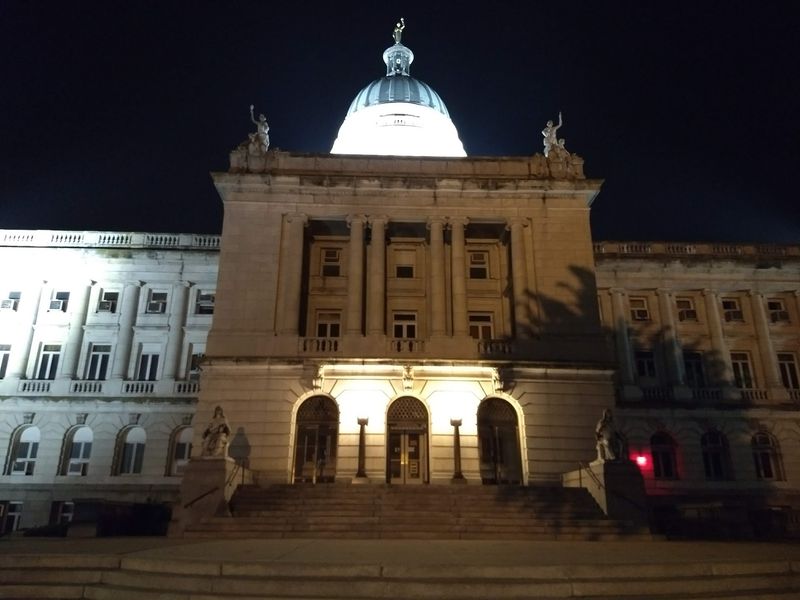
Before Hackensack was a Bergen County shopping and government hub, George Washington stood here trying to keep an army from falling apart.
In November 1776, American troops retreated through the village after the loss of Fort Lee, camping around what is now The Green while Washington assessed his increasingly ugly options.
The retreat eventually continued south toward the events that culminated in the American victory at Trenton. Hackensack’s history reaches much farther back, however.
The city traces early European activity to a Dutch trading post in the 17th century, while its name derives from the Lenape people who occupied the region long before European settlement. The Green remains the natural starting point today.
Beside it stands the First Dutch Reformed Church, whose congregation dates to the 1600s; the present church was rebuilt in 1791. General Enoch Poor, one of Washington’s officers, is buried in the adjoining cemetery.
This little patch of downtown is the sort of place you could pass ten times without realizing how much happened there. Afterward, walk the surrounding blocks rather than immediately getting back in the car.
Hackensack has changed enormously, and much of downtown is actively urban rather than quaint, but that’s part of the appeal. The village green where exhausted Continental soldiers once gathered is still a public space in the middle of the county seat, quietly surviving while everything around it grew taller and busier.
16. Princeton
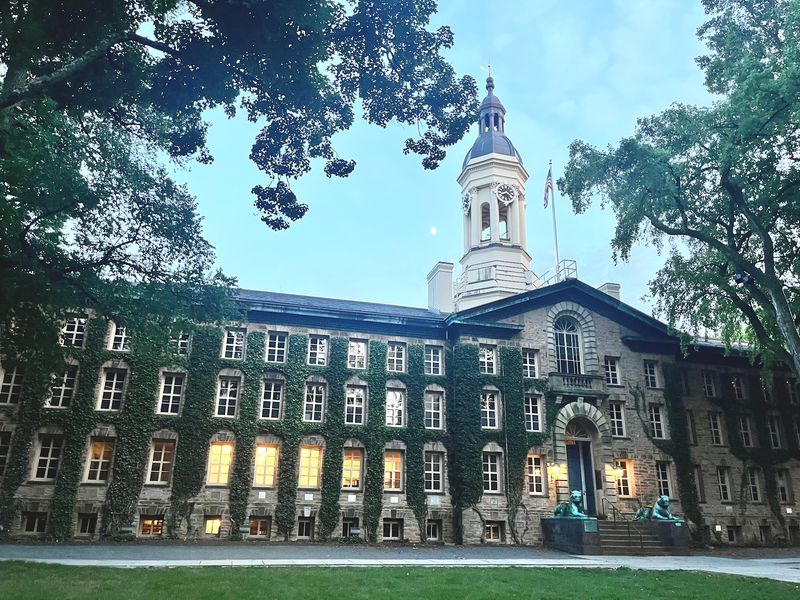
Walk through Nassau Hall’s archways and you’re not merely entering a famous college campus. You’re crossing a building that survived the American Revolution and briefly sat at the center of national government.
European settlement in the Princeton area began in the late 17th century, and the name Princeton appeared in records by the 1720s. The College of New Jersey, now Princeton University, moved here in 1756 after Nassau Hall was completed.
Two decades later, fighting from the Battle of Princeton reached the campus, and in 1783 the Continental Congress met in Nassau Hall, temporarily making Princeton the seat of the national government. The university understandably grabs attention, but don’t let the campus consume the whole visit.
Princeton Battlefield preserves the landscape of the 1777 battle, while the Stony Brook area contains some of the community’s oldest settlement history. Morven and Bainbridge House add domestic and political stories to the mix, and the Witherspoon-Jackson area speaks to Princeton’s long African American history.
Downtown makes it easy to stitch these places together with coffee, bookstores, lunch, and a lot of walking. Parking can be less charming than the architecture, so arriving early is wise on busy weekends.
Princeton’s advantage is sheer historical density. Few American towns let you move so casually between colonial settlement, Revolutionary battlefields, national politics, academic history, and an active downtown without feeling as though you’ve entered a historical attraction built solely for tourists.
17. Cranbury
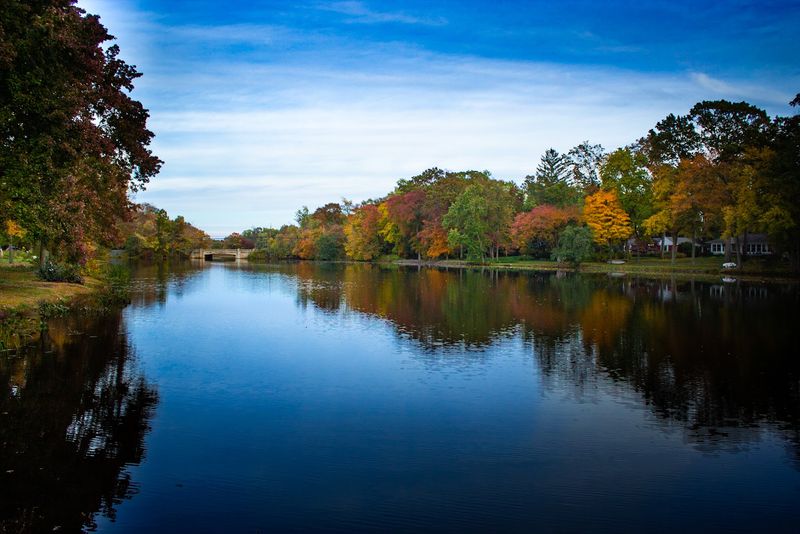
Main Street in Cranbury looks almost suspiciously well preserved. Houses sit at comfortable setbacks, mature trees frame the road, and the village still reads like the old stagecoach stop it once was.
Settlers may have arrived in the area as early as the 1680s, while the first recorded evidence of buildings dates to a 1698 property deed. Cranbury’s location between New York and Philadelphia proved extremely useful when overland travel between the two cities took days rather than hours.
Travelers stopped here to change horses, eat, sleep, and continue along the Great Post Road. That old transportation geography remains one of the town’s defining features.
Much of Cranbury Village entered the National Register of Historic Places in 1980, praised for its unusually intact 19th-century character and agricultural setting. Even George Washington passed through the story: he used Cranbury as a headquarters while planning movements connected to the Battle of Monmouth.
Today, the Cranbury Museum and local History Center offer deeper dives when open, but the village itself is the main attraction. Walk Main Street, circle the side streets, and pay attention to how the architecture changes without ever becoming jarring.
Cranbury doesn’t overwhelm visitors with major monuments. Its charm comes from continuity.
You can still understand why a traveler between colonial New York and Philadelphia would have stopped here—and why residents have worked so hard to keep the village recognizable.
18. Morristown
If you wanted to pick one New Jersey town where the American Revolution still feels unusually close to the surface, Morristown would have a strong case. George Washington and the Continental Army used the area for winter encampments, most famously during the brutal winter of 1779–1780.
The surviving sites now form Morristown National Historical Park, including Washington’s Headquarters at the Ford Mansion, Jockey Hollow, and Fort Nonsense. The winter encampment is the headline, but the town works because history isn’t confined to the park boundaries.
Morristown Green remains the civic heart of downtown, surrounded by restaurants, businesses, churches, and streets that grew around an early community sometimes known as West Hanover before taking the Morristown name.
Start around the Green, then head to the Ford Mansion and museum before driving out to Jockey Hollow if you have the time.
The latter deserves more than a quick photo stop; walking the landscape makes the scale of the Continental Army’s winter ordeal much easier to grasp. Back downtown, you can shift directly from military history to dinner without driving to another town.
That’s Morristown’s unfair advantage. Some historic destinations require you to work hard to fill a day.
Here, Revolutionary sites, museums, trails, architecture, shops, and a genuinely active downtown are already packed together. Come for Washington if you like, but leave enough time for the town that grew around the story.
19. Trenton
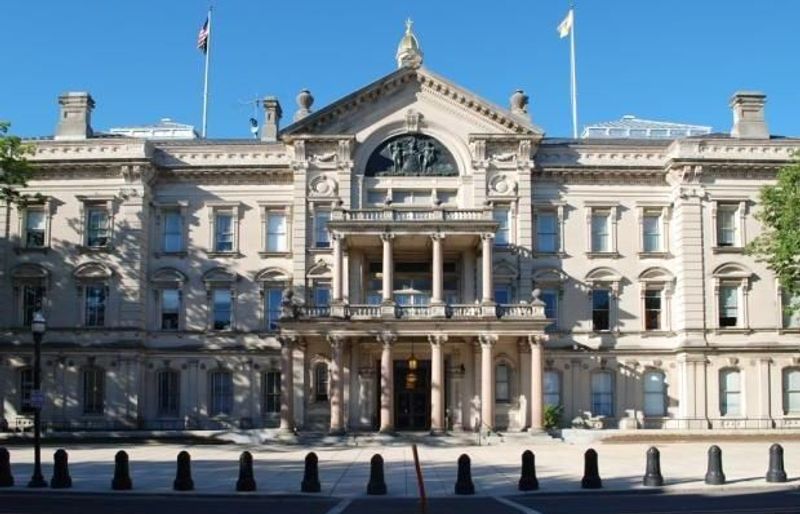
At dawn on December 26, 1776, Trenton was about to become much more than a small settlement on the Delaware.
Washington’s surprise attack on the Hessian garrison produced the Battle of Trenton, one of the Revolutionary War’s most important morale-changing victories and the event that permanently stamped the city into American memory.
European settlement here dates to the late 17th century, and the community eventually took its name from William Trent, whose early-18th-century house still survives. The capital’s historical sites are scattered enough that a little planning pays off.
Start with the William Trent House or the Battle Monument, then explore the State House area and downtown’s surviving colonial and 19th-century buildings. The Friends Meeting House, with roots in the mid-18th century, is another reminder that substantial pieces of pre-Revolutionary Trenton remain tucked into the modern city.
Self-guided routes tracing both the First and Second Battles of Trenton can help make sense of streets where the urban landscape has changed considerably. The New Jersey State Museum is a worthwhile addition when you want broader context beyond the Revolution.
Trenton isn’t a polished history village, nor should it be approached like one. Government offices, row houses, old factories, churches, highways, monuments, and civic buildings all compete for attention.
Look closely, though, and the geography of a desperate winter battle—and a settlement founded nearly a century earlier—is still there.
20. Freehold
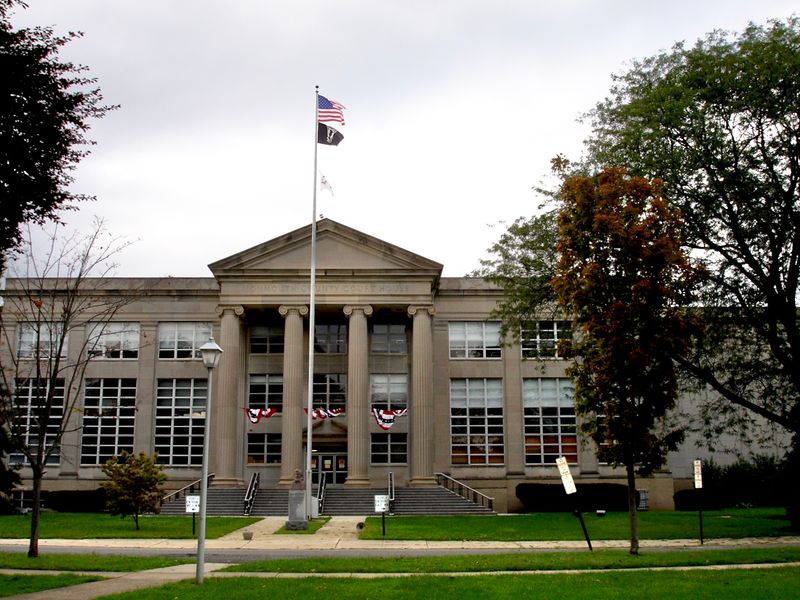
Freehold’s oldest history makes more sense once you stop thinking only about the compact borough downtown. The broader Freehold community reaches back to the 17th century, with Freehold Township formally established in 1693 as one of Monmouth County’s original townships.
Its most famous historical episode came in June 1778, when the Battle of Monmouth unfolded nearby during the Revolutionary War. The sprawling fight became one of the war’s major engagements and permanently linked the Freehold area to Washington’s army.
Today, Monmouth Battlefield State Park preserves that larger landscape, while Freehold itself offers a much more relaxed historical base. Downtown Borough has restaurants, shops, civic buildings, and events clustered around streets that are easy to explore on foot.
The Monmouth County Historical Association’s museum on Court Street is a sensible stop if you want artifacts and context before heading toward the battlefield or other historic properties in the township.
Freehold Township also maintains information on surviving schoolhouses, burial grounds, farms, and other local sites that broaden the story beyond one famous battle.
This is a good place to end the list because Freehold shows how messy New Jersey history can be in the best way. Borough and township boundaries changed, communities expanded, and modern development filled the spaces between old landmarks.
Yet beneath all of it remains a place officially organized more than 330 years ago, with Revolutionary history practically in its backyard.
Share this story