Pennsylvania rewards anyone who pays attention to buildings, because nearly every region seems to reveal a different chapter of American design, from grand civic monuments and Gothic academic towers to daring modernist homes and jewel-box museums. If you love the feeling of stepping into a place where stone, glass, ornament, scale, and craftsmanship instantly tell a story, this list will give you twenty unforgettable stops that show just how rich and varied the Commonwealth can be.
I put these destinations together with architecture lovers in mind, so you will find not only famous icons but also spaces that surprise you with texture, symbolism, engineering, and atmosphere once you look a little closer. Whether you are planning a road trip across Pennsylvania or simply dreaming about the next place that will make you stop, stare, and reach for your camera, these landmarks prove that great architecture here is not just something you see – it is something you feel.
1. Cathedral Basilica of Saints Peter and Paul
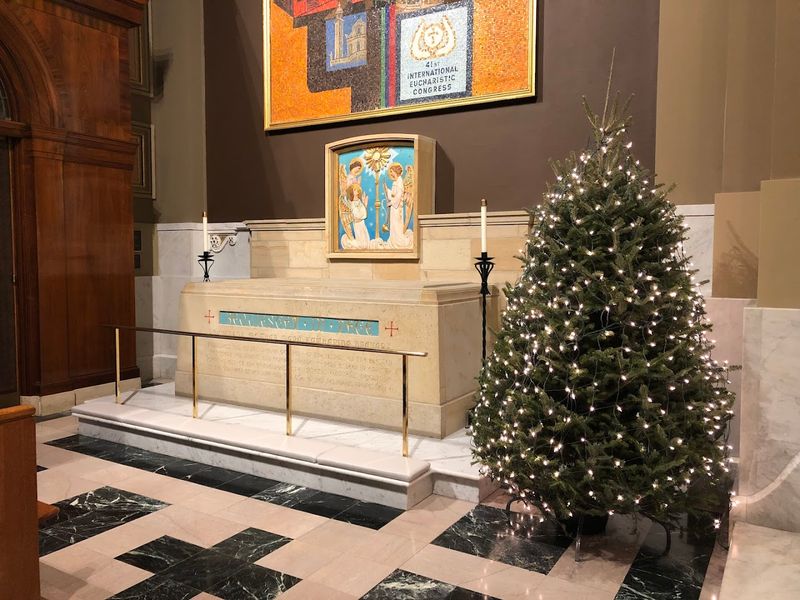
Stepping into this Philadelphia landmark feels like entering a space designed to slow your breathing and lift your eyes upward.
The scale is commanding without feeling cold, and every surface seems arranged to emphasize dignity, symmetry, and sacred grandeur.
If you are drawn to architecture that balances monumentality with serenity, this cathedral delivers that impression immediately.
Built in a Roman Corinthian style, the structure stands apart from many Gothic churches because its strength comes through classical order, measured proportions, and the stately presence of its dome.
I love how the exterior uses brownstone and a restrained rhythm of columns and arches to create authority without unnecessary excess.
Inside, though, the mood becomes richer, with glowing decorative work, marble, detailed chapels, and an immense canopy over the altar that gives the sanctuary a ceremonial focus.
What makes Cathedral Basilica of Saints Peter and Paul especially memorable in Pennsylvania is the way it reflects both civic pride and spiritual ambition in the heart of Philadelphia.
It is not just a religious building you pass by on a busy avenue, but a landmark that anchors the neighborhood with old-world confidence.
The dome, inspired by Renaissance precedents, gives the skyline a distinctive silhouette that architecture lovers will appreciate from both near and far.
Visit with enough time to circle the outside, study the façade, and then sit quietly in the nave to notice how light moves through the interior.
Details that might seem formal at first start revealing warmth, craftsmanship, and careful symbolism once you slow down.
For anyone exploring Pennsylvania through its architecture, this is one of those places where grandeur and calm meet beautifully.
2. Longwood Gardens Conservatory
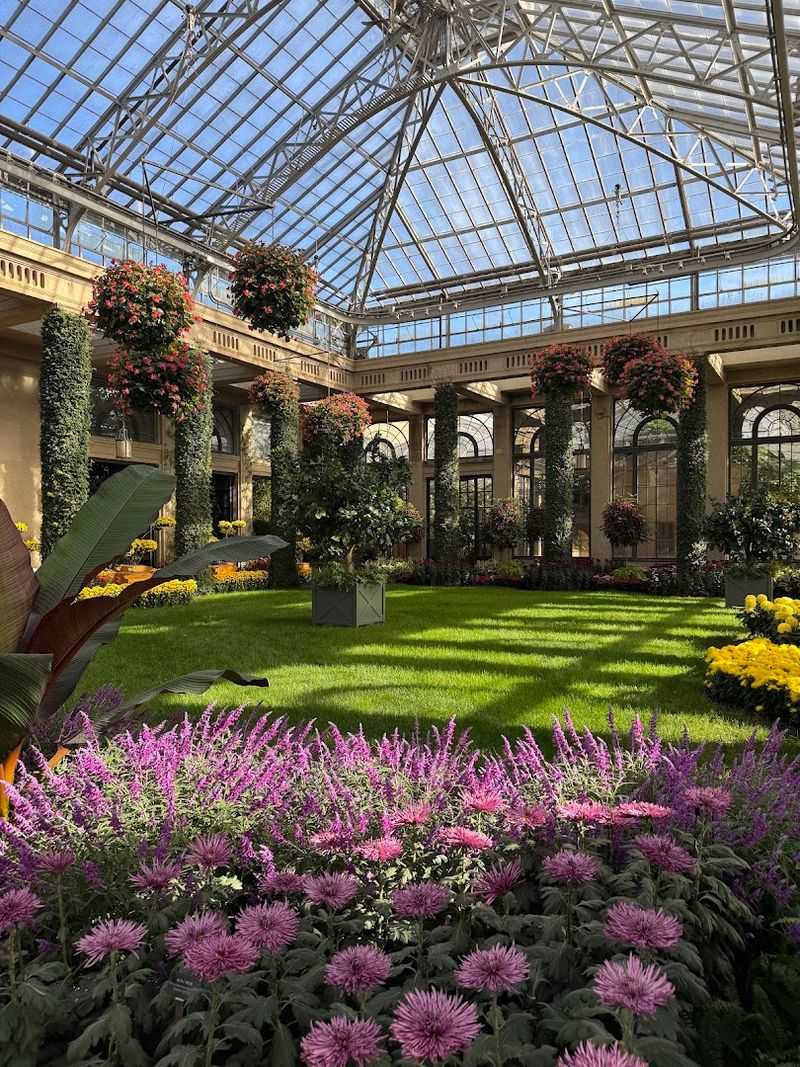
You do not have to be a gardener to be impressed here, because the architecture is just as captivating as the plant collections.
Glass, steel, light, and careful symmetry come together in a way that feels both refined and joyful.
For an architecture lover, this is one of Pennsylvania’s most enchanting examples of how design can shape atmosphere.
The great appeal of the conservatory lies in its ability to blur boundaries between building and landscape.
Sunlight pours through the glass roof and transforms the structure into a living study of transparency, rhythm, and structural elegance.
I especially enjoy how the ironwork and framing are never merely functional, because they also create visual order that guides your eye through rooms filled with seasonal color and water features.
Longwood Gardens Conservatory reflects the Beaux-Arts influence that helped turn horticultural display into an immersive architectural experience.
Instead of treating the greenhouse as a utility space, its designers gave it procession, proportion, and moments of drama that make every corridor feel intentional.
You can sense how engineering and beauty support each other, which is exactly the kind of relationship that makes architecture memorable.
Walking through the complex, you notice how different sections create distinct moods without sacrificing overall coherence.
One room may feel grand and ceremonial, while another feels intimate, humid, and almost theatrical under filtered light.
That variety is why this Pennsylvania destination stands out so strongly – it offers not only beautiful plants, but a master class in how architecture can frame nature, soften scale, and turn a visit into something immersive, elegant, and unexpectedly transporting.
3. Philadelphia Museum of Art
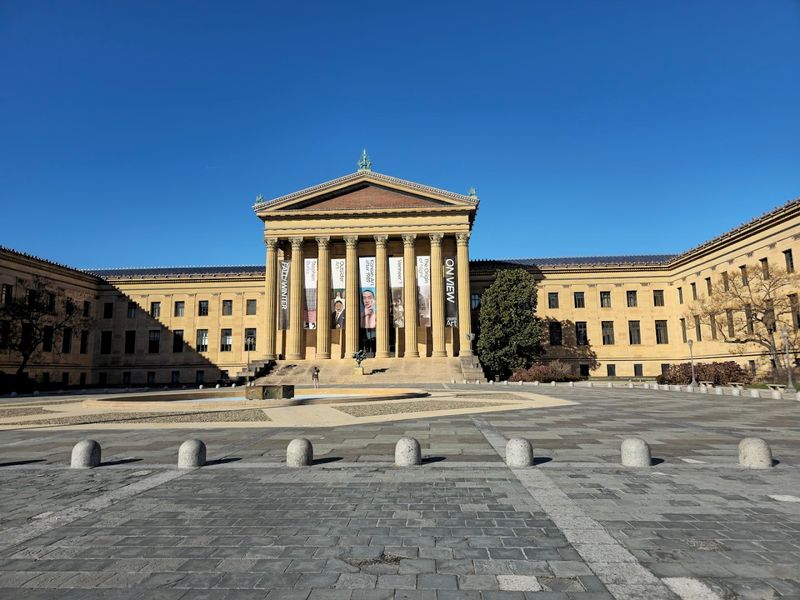
Few buildings in Pennsylvania announce themselves with as much confidence as this monumental museum overlooking Philadelphia.
Before you even step inside, the broad staircase, temple-like massing, and commanding position create a sense of civic drama.
It is the kind of architecture that makes a visit feel ceremonial from the first approach.
The design draws heavily on the language of Greek revival and neoclassical architecture, using columns, symmetry, and a disciplined stone exterior to communicate permanence.
I like how the building feels both imposing and welcoming, with its elevated setting giving it the presence of a public acropolis.
From different angles, the museum shifts between fortress, palace, and cultural shrine, which keeps the experience visually engaging.
Once inside, the architecture continues to matter just as much as the art on the walls.
Grand halls, carefully proportioned galleries, and rich materials reinforce the idea that the building itself belongs to the collection of great works you came to see.
Philadelphia Museum of Art succeeds because its spaces support contemplation without fading into the background, and that balance is harder to achieve than it looks.
For architecture lovers, part of the thrill is noticing how the museum participates in the city around it.
Its elevated site connects it to the Benjamin Franklin Parkway while also allowing spectacular views that strengthen its symbolic role in Philadelphia’s urban composition.
If you want a Pennsylvania destination that combines civic ambition, classical order, and unforgettable presence, this one earns its reputation easily and rewards both close inspection of details and big-picture appreciation of how architecture can shape a city’s identity.
4. PPG Place
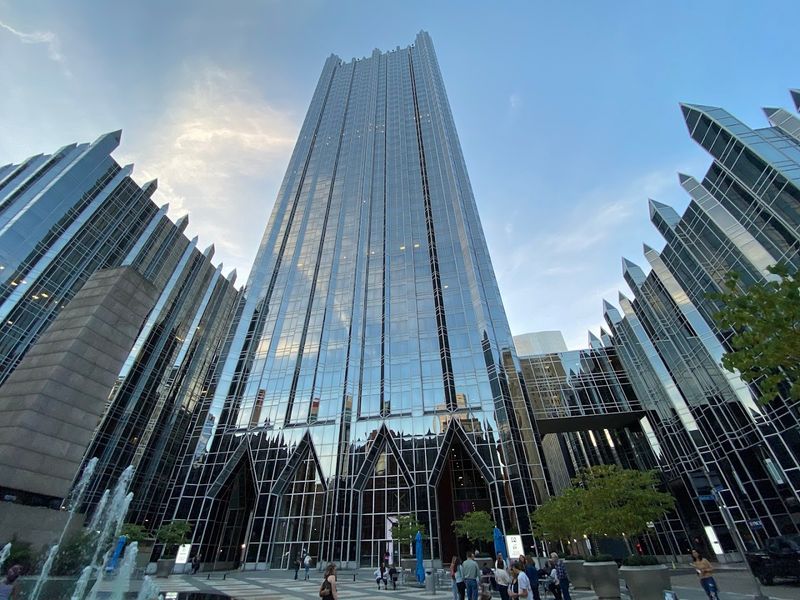
In downtown Pittsburgh, this glassy complex feels like a fantasy version of a Gothic cathedral translated into a modern corporate skyline.
Its sharp spires, mirrored surfaces, and icy blue sheen make it one of the most visually distinctive architectural statements in Pennsylvania.
If you enjoy buildings that take historical references and push them into something boldly contemporary, this is a must-see.
The design is often described as postmodern, yet what stands out most is how confidently it uses Gothic cues without pretending to be old.
Pointed forms, vertical emphasis, and a skyline of pinnacles create a dramatic silhouette, while the curtain wall of reflective glass gives the whole composition a futuristic edge.
I think that tension between medieval inspiration and late twentieth-century materiality is exactly what makes PPG Place so memorable.
The complex also works well at the urban scale, not just from a distance.
Plaza spaces, changing reflections, and the relationship among the towers create an environment that feels theatrical as you move through it.
Pittsburgh’s shifting weather adds even more character, because clouds, winter light, and surrounding buildings constantly alter the surface of the glass.
What architecture lovers often appreciate most here is the unapologetic ambition of the project.
PPG Place does not disappear into the cityscape or settle for generic office-tower anonymity – it insists on personality, image, and skyline presence.
That makes it an excellent stop for anyone exploring Pennsylvania’s architectural range, because it proves the state is not only about colonial landmarks and stone institutions.
It is also a place where late modern design could become expressive, playful, and iconic in a way that still feels striking decades later.
5. Kentuck Knob
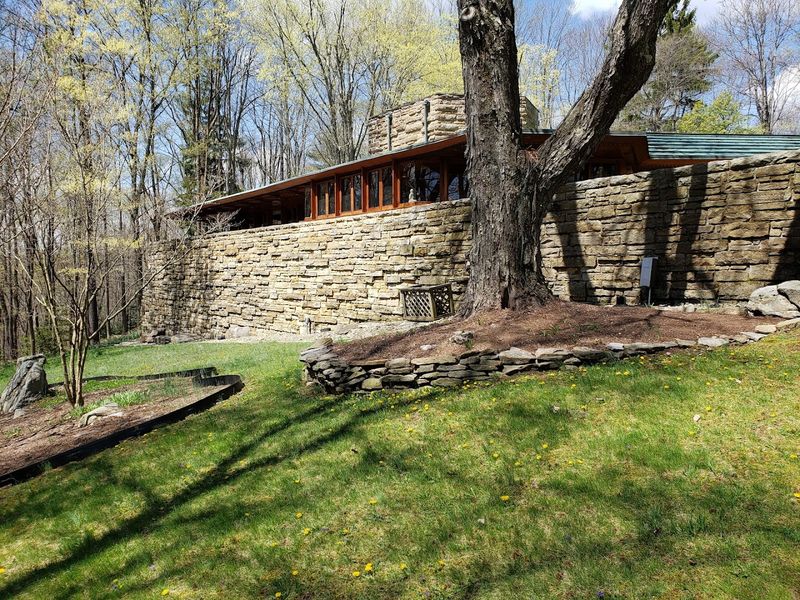
Tucked into the hills of southwestern Pennsylvania, this house offers a quieter but deeply compelling encounter with Frank Lloyd Wright’s vision.
Instead of overwhelming you with size, it draws you in through harmony, proportion, and its conversation with the surrounding land.
For architecture lovers who appreciate subtlety, Kentuck Knob can feel almost intimate in the best possible way.
The home exemplifies Wright’s Usonian ideas, with horizontal lines, natural materials, and an emphasis on integrating architecture with topography.
I find its placement especially rewarding, because the building seems to settle into the hillside rather than dominate it.
Stone, wood, glass, and low rooflines work together to make the house feel inevitable, as if it belonged to the site before anyone even started designing.
Inside, the spatial experience is carefully controlled, and that is where much of the magic happens.
Rooms open gradually, views are framed with intention, and built-in elements reinforce the idea that architecture should shape everyday life with elegance and efficiency.
Kentuck Knob is not simply a beautiful object to look at – it is a lived environment where materials, circulation, and landscape create a unified atmosphere.
Another pleasure of visiting is the way the house reveals new qualities as light and season change across the property.
Pennsylvania’s wooded setting becomes part of the architecture, not just a backdrop, and that connection is central to the house’s appeal.
If you want to understand how organic modernism can feel warm rather than severe, this destination makes the lesson wonderfully clear.
It is thoughtful, grounded, and refined, showing that architectural brilliance often speaks most powerfully through restraint.
6. Cathedral of Learning
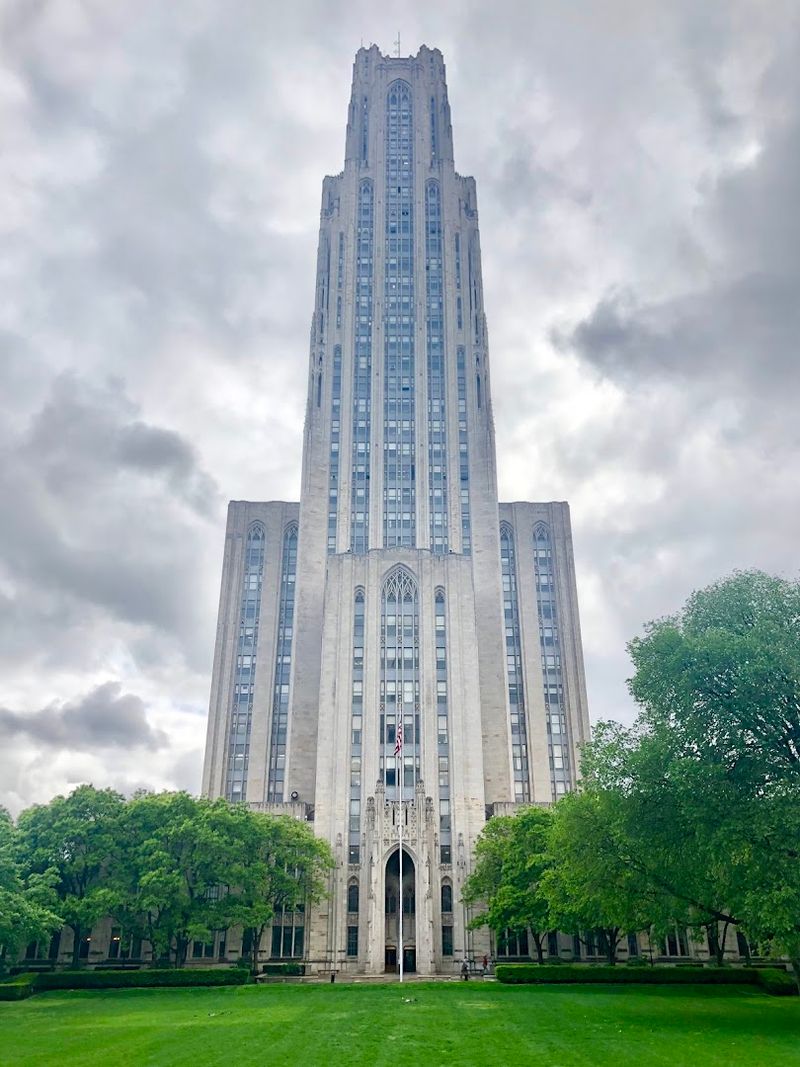
Rising above the University of Pittsburgh, this extraordinary academic tower looks like a Gothic cathedral reimagined as a skyscraper.
Its sheer height, stone detailing, and vertical emphasis give it an almost mythic presence on campus.
If you love architecture that blends symbolism, ambition, and unforgettable silhouette, this Pennsylvania landmark will absolutely stay with you.
The genius of the building lies in how it transforms collegiate Gothic tradition into something uniquely American and distinctly urban.
Instead of spreading horizontally like many historic campuses, the design reaches upward, creating a dramatic expression of learning as aspiration.
I am always struck by how the exterior feels solemn and stately, while the interior Commons Room delivers the emotional payoff with ribbed vaults, soaring volume, and a hush that makes the space feel almost sacred.
Architecturally, Cathedral of Learning works on several levels at once.
It is an academic building, a city landmark, and a symbolic statement about education’s place in public life.
The internationally themed rooms inside add another layer of richness, showing how architecture can express cultural identity through crafted interiors without losing overall coherence.
What makes this destination so rewarding is the contrast between monumentality and human experience.
From a distance, the tower dominates the skyline, yet inside, details of stonework, wood, and light invite close attention and personal connection.
In Pennsylvania, where architecture often reflects layered histories, this building stands out for turning the university into a vertical civic monument.
It is intellectually ambitious, visually commanding, and emotionally resonant, which is a rare combination.
Even if you arrive expecting only a famous campus building, you leave feeling as though you have visited one of the state’s most imaginative architectural achievements.
7. The National Memorial Arch
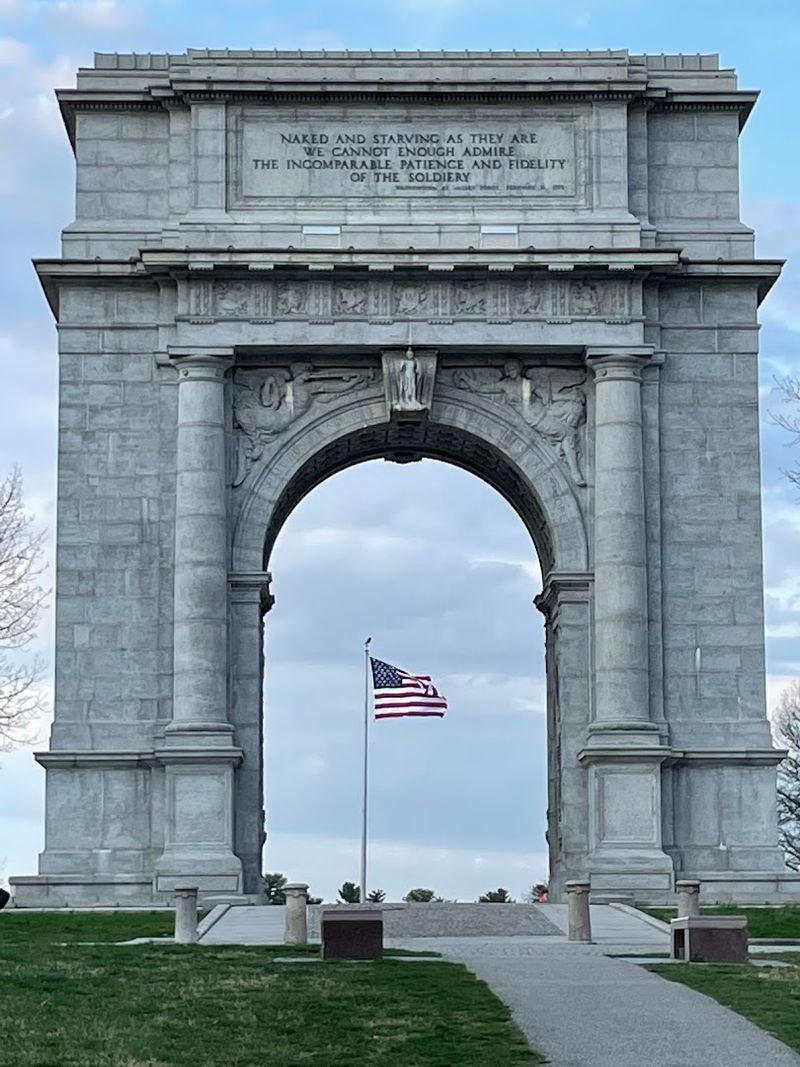
Set within the historic landscape of Valley Forge, this monument impresses through clarity, symbolism, and proportion rather than overwhelming decoration.
Its form is instantly legible, yet the experience of standing near it reveals craftsmanship and gravity that photographs only partially capture.
For anyone interested in memorial architecture in Pennsylvania, this is a beautifully composed stop.
Inspired by triumphal arches of classical antiquity, the design uses symmetry and sculptural detail to communicate remembrance with dignity.
I admire how the stone mass feels solid and ceremonial without slipping into heaviness, largely because the central opening keeps the structure visually balanced.
There is a disciplined restraint to the composition that allows the memorial’s meaning to emerge through form, not excess.
The National Memorial Arch gains much of its power from its setting.
Surrounded by the broad grounds of Valley Forge, it stands in dialogue with landscape, sky, and national memory rather than a dense urban streetscape.
That open context gives you room to appreciate how a single architectural gesture can frame history, create procession, and establish a focal point in the environment.
For architecture lovers, the appeal lies not only in the monument itself but also in what it teaches about public commemorative design.
This arch demonstrates how classical vocabulary can be adapted to American ideals of sacrifice and perseverance while maintaining visual elegance.
Pennsylvania has no shortage of historic sites, yet this one feels especially refined because the architecture does exactly what it needs to do and nothing more.
Walk around it slowly, study the sculptural elements, and notice how changing light deepens the carving and reinforces the monument’s solemn character.
It is measured, memorable, and quietly powerful in a way that lingers.
8. Philadelphia City Hall
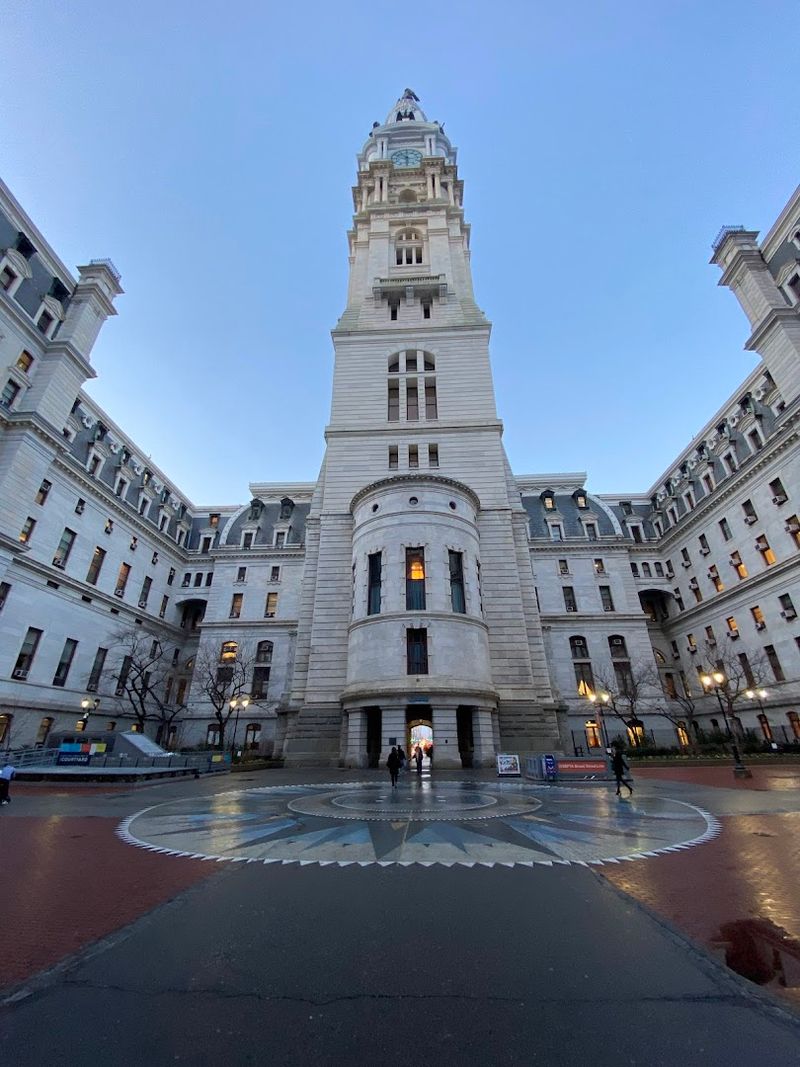
Few civic buildings in the United States match the sheer theatrical presence of this Philadelphia icon.
Its immense masonry bulk, lavish ornament, and commanding tower create a profile that feels almost unbelievable in a modern American downtown.
If you enjoy architecture that treats government as spectacle, this Pennsylvania landmark is essential.
Designed in the Second Empire style, the building is a feast of sculptural detail, arched openings, columns, pavilions, and a dramatic mansard roofline.
I love how every elevation offers something to study, from carvings and statuary to the powerful rhythm of windows and projections.
The tower, crowned by the statue of William Penn, turns the building into both a seat of government and an unmistakable urban symbol.
Philadelphia City Hall also fascinates because of its scale and construction history.
As one of the largest masonry buildings in the world, it represents an era when civic architecture was expected to convey confidence, permanence, and public ambition through material weight and craftsmanship.
Even in a skyline now filled with glass towers, it still holds attention because its design has depth, shadow, texture, and personality.
Walking around the exterior is one of the great architectural experiences in Pennsylvania, especially if you take time to notice how the building interacts with the surrounding streets and public spaces.
It is not merely an object in the city – it organizes movement, anchors views, and gives Philadelphia a center with real visual authority.
Inside and out, the building communicates that architecture can be practical, symbolic, and exuberant at the same time.
For anyone who responds to richly detailed historic design, this is a place where you could spend far longer than expected and keep finding new reasons to admire it.
9. The Barnes Foundation
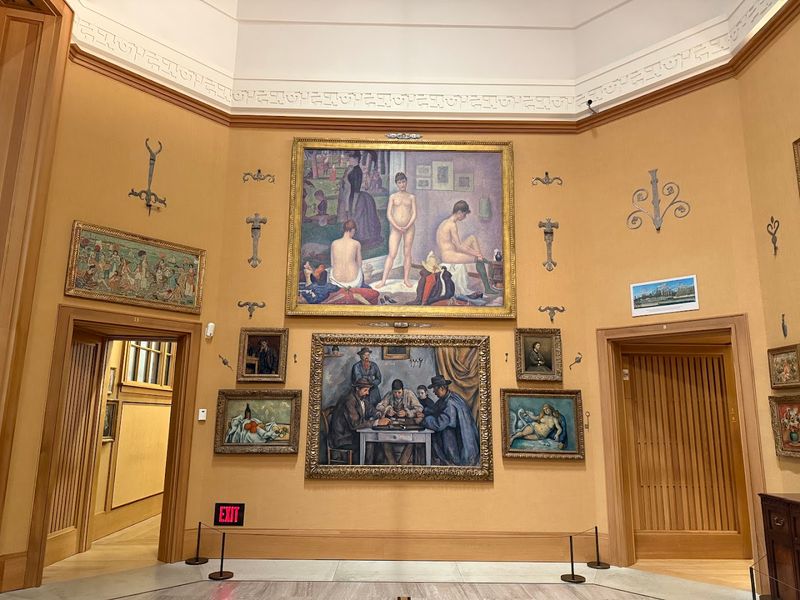
At first glance, this museum may seem quieter than some of Pennsylvania’s more ornate landmarks, but that restraint is exactly what makes it compelling.
The design invites you to notice texture, proportion, light, and sequence rather than relying on spectacle alone.
For architecture lovers, it offers a deeply satisfying lesson in contemporary museum design done with confidence and subtle intelligence.
The building balances modern simplicity with a strong sense of material richness.
Clean lines, carefully controlled openings, and the use of pale stone give it a calm, almost meditative presence that feels appropriate for close looking.
I especially appreciate how the architecture avoids overpowering the art while still creating an identity that is unmistakably its own.
What makes The Barnes Foundation stand out is the way indoor and outdoor spaces are woven together.
Gardens, courtyards, filtered daylight, and transitional spaces soften the museum experience and make circulation feel deliberate rather than purely functional.
That sense of movement matters, because architecture here is not just a container for collections – it actively shapes your attention and mood as you pass from one room to another.
In the broader context of Pennsylvania architecture, this museum represents a sophisticated contemporary counterpoint to the state’s many historic monuments and revival styles.
It proves that modern design can be warm, tactile, and emotionally resonant without sacrificing clarity.
If you are someone who loves buildings that reveal themselves gradually, this is the kind of place that grows more impressive the longer you stay.
The details are measured, the atmosphere is poised, and the relationship between art, landscape, and structure feels exceptionally well judged.
That makes it a rewarding destination not only for museumgoers, but for anyone curious about how thoughtful architecture can heighten every part of a visit.
10. Pennsylvania State Capitol

In Harrisburg, this capitol building announces itself with the confidence of a European palace and the symbolism of American government at its most ceremonial.
The dome, grand stairways, and richly decorated interiors create an experience that feels intentionally awe-inspiring.
If you are the kind of traveler who loves public architecture with serious theatrical power, this is one of Pennsylvania’s finest achievements.
The design reflects Beaux-Arts planning and classical ideals, but it is the craftsmanship that really elevates the building.
Marble, bronze, murals, stained glass, and sculptural detail come together in a way that feels expansive rather than cluttered.
I think the Capitol succeeds because it understands that civic architecture should impress you not only through size, but also through sequence, ornament, and material richness.
From the exterior, the dome gives the structure a dignified silhouette that can hold its own among the great capitol buildings in the country.
Inside, however, the layered spaces reveal just how ambitious the project was, especially in the rotunda and ceremonial corridors.
Pennsylvania State Capitol does more than house government functions – it turns them into part of a larger visual statement about democracy, culture, and public pride.
For architecture lovers, the building offers something rewarding at every scale.
You can admire the overall composition from outside, then move inward to study mosaics, ironwork, painted surfaces, and the careful geometry of the plan.
It is one of those places where a quick visit rarely feels like enough, because each room suggests another detail worth examining.
In a state already rich with major landmarks, this capitol still manages to stand apart as a masterwork of civic grandeur, proving that government architecture can be functional, symbolic, and breathtakingly beautiful at once.
11. Fallingwater
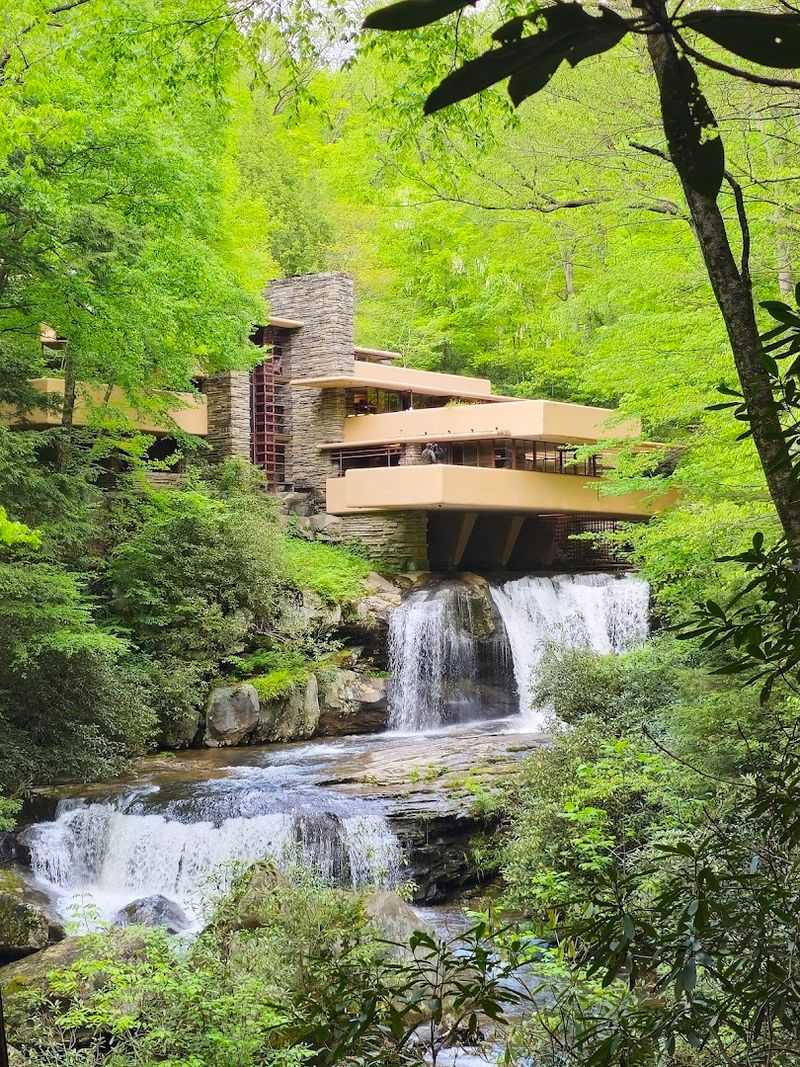
There are famous houses, and then there are places that permanently change how you think architecture can relate to nature.
This Pennsylvania masterpiece does exactly that, placing modern design in direct conversation with rock, water, and woodland.
Even if you have seen countless photographs, the real experience is far more dynamic, intimate, and surprising.
Frank Lloyd Wright’s use of cantilevered terraces is the feature most people recognize first, and rightly so.
Those horizontal planes project boldly above the stream while still feeling anchored by stone walls that seem to rise from the site itself.
I find the genius of Fallingwater lies in that balance between daring engineering and organic belonging, because the house feels both radical and natural at the same time.
Inside, the architecture continues the conversation with the landscape through built-in furnishings, compressed passages, low ceilings in certain areas, and carefully framed views.
Nothing is accidental, and every move helps reinforce the idea that living should happen with nature, not apart from it.
The sound of water, the texture of stone, and the proximity of the forest all become part of the architectural experience in a way few houses ever achieve.
For anyone exploring Pennsylvania through architecture, this is one of the essential pilgrimages.
Fallingwater is not simply an icon of modernism – it is a place where theory, craft, landscape, and daily life merge into something emotionally powerful.
What impresses me most is how fresh it still feels, despite decades of admiration and study.
The house remains adventurous, elegant, and deeply specific to its setting, reminding you that great architecture does not have to choose between beauty and boldness.
Here, it claims both with complete confidence, and that is why the experience stays with you long after you leave the woods behind.
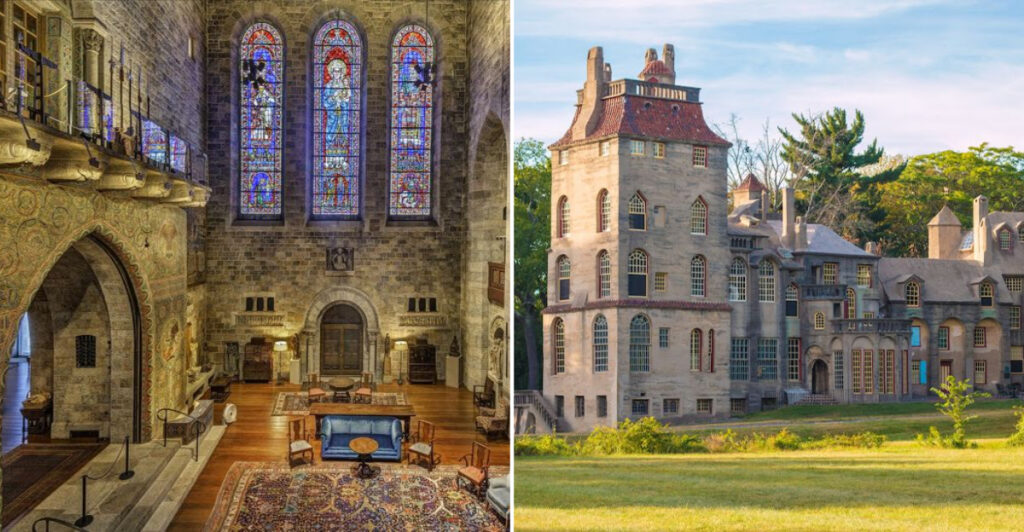
12. Glencairn Museum
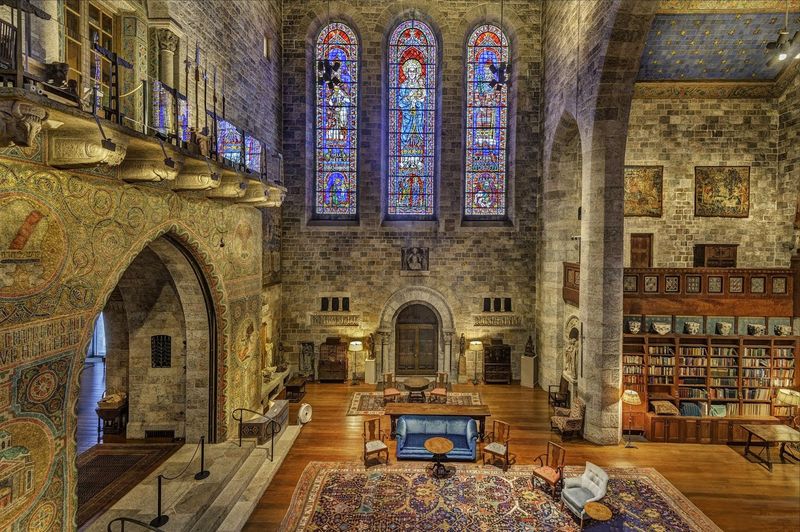
Perched in Bryn Athyn, this remarkable building feels like the sort of place that belongs in legend as much as in architectural history.
Its rugged stone exterior, towered profile, and handcrafted detail give it a romantic presence that immediately captures attention.
If you enjoy buildings that seem shaped by devotion, imagination, and old-world craftsmanship, this Pennsylvania destination is unforgettable.
The structure combines influences from Romanesque, Gothic, and Arts and Crafts traditions, but it never reads as a simple copy of earlier styles.
Instead, it feels deeply personal, almost as if each carved surface and stained-glass element were meant to express spiritual and artistic conviction.
I especially like how the building’s massing creates a sense of discovery, with changing angles, heavy walls, and richly textured materials revealing themselves gradually.
Inside, Glencairn Museum becomes even more impressive.
Elaborate decorative work, luminous glass, carved stone, and symbolic motifs create rooms that feel immersive rather than merely ornate.
The interiors are the kind that reward slow looking, because every surface seems to carry intention and every transition from one space to another feels theatrical in a carefully controlled way.
What architecture lovers will appreciate most is the building’s uncommon level of craft and its refusal to feel generic.
In Pennsylvania, where many landmarks impress through scale or historical importance, this one stands out through atmosphere and artistic singularity.
It demonstrates how architecture can operate almost like a total work of art, uniting structure, decoration, and belief into one cohesive vision.
Visit with enough time to study both exterior stonework and interior details, because the building’s real richness unfolds through patient attention.
It is moody, intricate, and deeply expressive, offering a memorable alternative to more widely known monuments across the Commonwealth.
13. Fonthill Castle
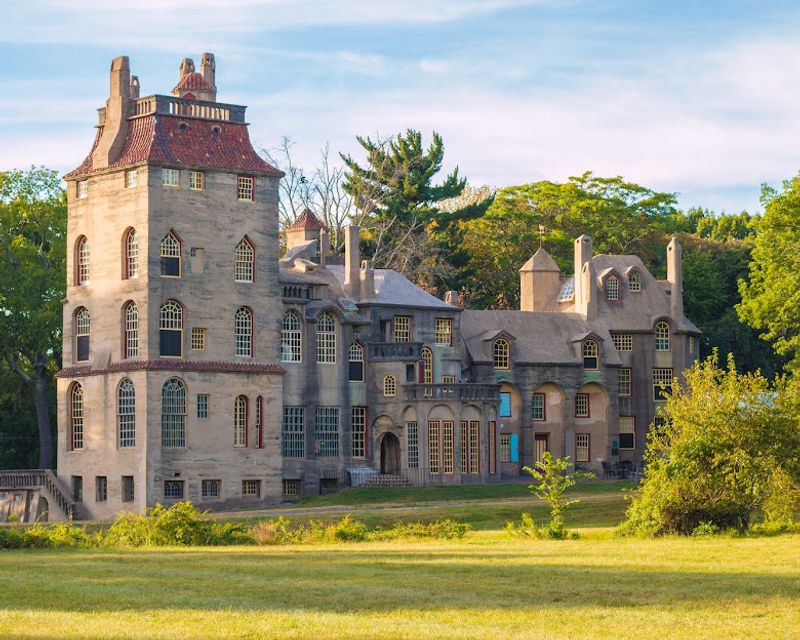
Not every architectural gem in Pennsylvania feels polished or formally disciplined, and that is exactly why this place is so much fun.
With its eccentric silhouette, textured concrete, and storybook mood, it looks like an imaginative dream made solid.
If you are drawn to buildings with personality and creative risk, this one is impossible to ignore.
Built by Henry Chapman Mercer, the castle is an eclectic work that defies easy categorization.
Medieval references appear in its towers, irregular massing, and romantic profile, yet the use of poured concrete gives it an inventive, almost experimental character.
I enjoy how Fonthill Castle feels handmade on a monumental scale, as though its quirks were not flaws to correct but expressions of a restless artistic mind.
The interiors add another layer of fascination, especially through the extensive use of decorative tile and unusual spatial sequences.
Rooms connect in ways that can feel unexpected, and the building rarely settles into predictable symmetry or conventional comfort.
That unpredictability is part of the appeal, because architecture here is less about perfection and more about curiosity, invention, and atmosphere.
For architecture lovers, this destination offers a refreshing contrast to Pennsylvania’s grand civic structures and academically refined institutions.
Fonthill Castle is idiosyncratic, tactile, and deeply personal, revealing how one creator’s vision can shape an entire environment with remarkable consistency.
You may not leave thinking it is the most elegant building on this list, but you will almost certainly leave remembering it vividly.
Its rough surfaces, whimsical forms, and layered decorative touches create an experience that feels intimate despite the castle-like exterior.
In a state rich with architectural variety, this site earns its place by proving that originality can be just as compelling as grandeur.
14. Fisher Fine Arts Library
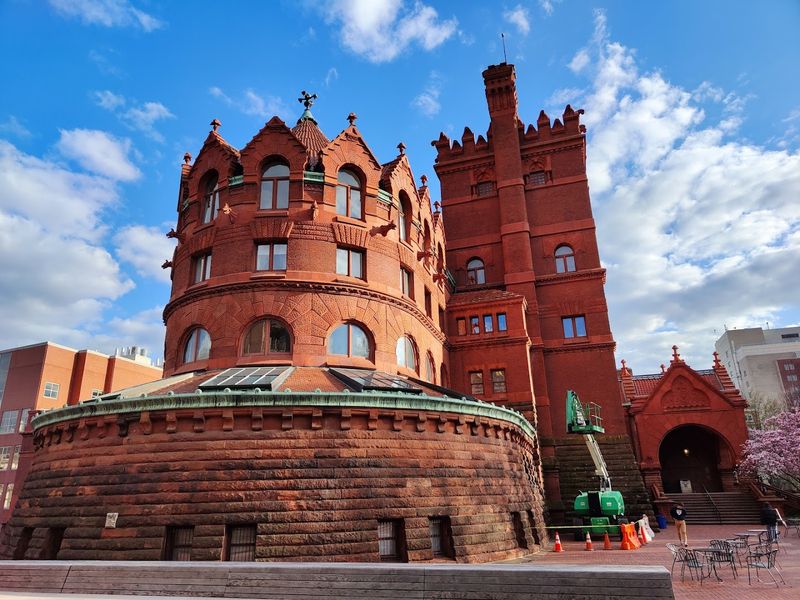
For anyone who loves exuberant Victorian design, this Philadelphia library is a thrilling experience from the very first glance.
Its bold exterior refuses restraint, using color, texture, and structural expression in ways that feel almost rebellious.
Among Pennsylvania’s academic buildings, few are as visually energetic or as instantly recognizable as this one.
Designed by Frank Furness, the building is often celebrated for its fearless originality, and that reputation is well deserved.
Red brick, terracotta, iron, and dramatic forms are combined with unusual confidence, creating a façade that feels muscular, inventive, and proudly unconventional.
I am especially drawn to how the design makes structure itself part of the ornament, turning practical elements into theatrical features.
Inside, the reading room and surrounding spaces continue the drama with rich materials, intricate details, and a strong sense of vertical movement.
There is an unmistakable intensity to the architecture, yet it also serves its purpose beautifully by creating a setting that encourages concentration and wonder at the same time.
Fisher Fine Arts Library proves that functional spaces do not have to be visually timid to work well.
What makes this building so important in Pennsylvania architecture is its refusal to blend into established taste.
It represents a moment when institutional design could be expressive, experimental, and deeply individual, all while remaining useful and dignified.
If you admire buildings that reveal an architect’s personality in every line and material choice, this is a place you will likely adore.
The library rewards both broad visual appreciation and close study, because details that seem extravagant at first often reveal careful logic and craftsmanship.
It is bold, brainy, and unforgettable, offering a powerful reminder that academic architecture can be as exciting as any museum or monument.
15. Allegheny County Courthouse
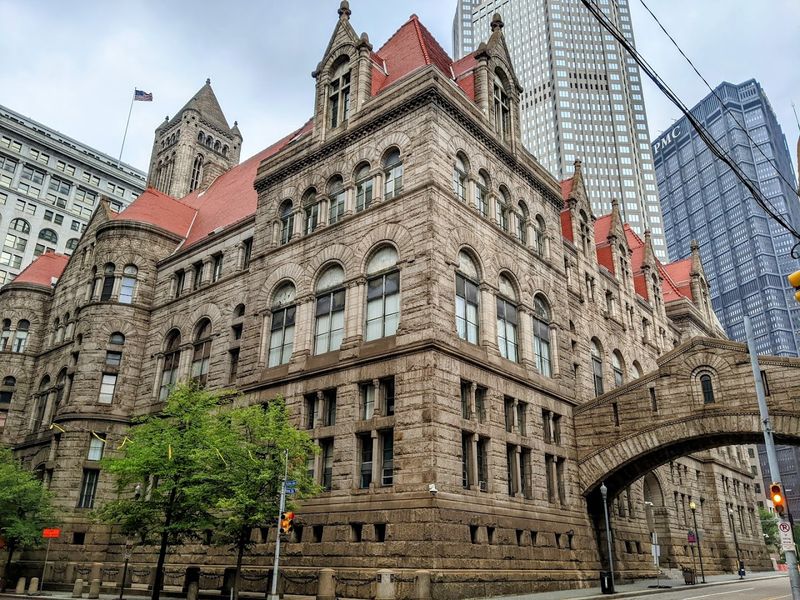
Massive stone walls, deep arches, and a fortress-like tower give this Pittsburgh landmark a gravity that is impossible to miss.
It feels protective, authoritative, and surprisingly elegant all at once.
If your taste runs toward architecture with real physical presence, this is one of Pennsylvania’s most satisfying civic buildings.
Designed by H. H. Richardson, the courthouse is a masterwork of Richardsonian Romanesque architecture.
Rough-hewn stone, broad archways, and powerful massing create an impression of permanence, yet the composition remains refined and carefully balanced.
I think one reason the building resonates so strongly is that its heaviness is never clumsy – it is shaped with intelligence, rhythm, and a strong sense of urban purpose.
The courtyard and bridge connections add complexity to the experience, giving the building both monumentality and spatial interest.
From the exterior, the tower commands attention, while inside and around the complex you begin to appreciate how circulation, enclosure, and texture work together.
Allegheny County Courthouse is one of those places where the material itself seems to carry emotion, making stone feel solemn, civic, and almost noble.
For architecture lovers touring Pennsylvania, this stop offers an excellent contrast to the state’s classical capitols, Gothic campuses, and modernist houses.
Here, power is expressed through mass and craft rather than delicacy or glassy transparency.
The result is a building that still feels deeply relevant, because it communicates institutional seriousness without becoming bland or anonymous.
Walk around it slowly, study the carved openings and the relationship between tower and lower volumes, and you will see why it remains such a touchstone of American civic design.
It is formidable, thoughtful, and beautifully composed, proving that strength in architecture can be both visual and emotional.
16. Independence Hall
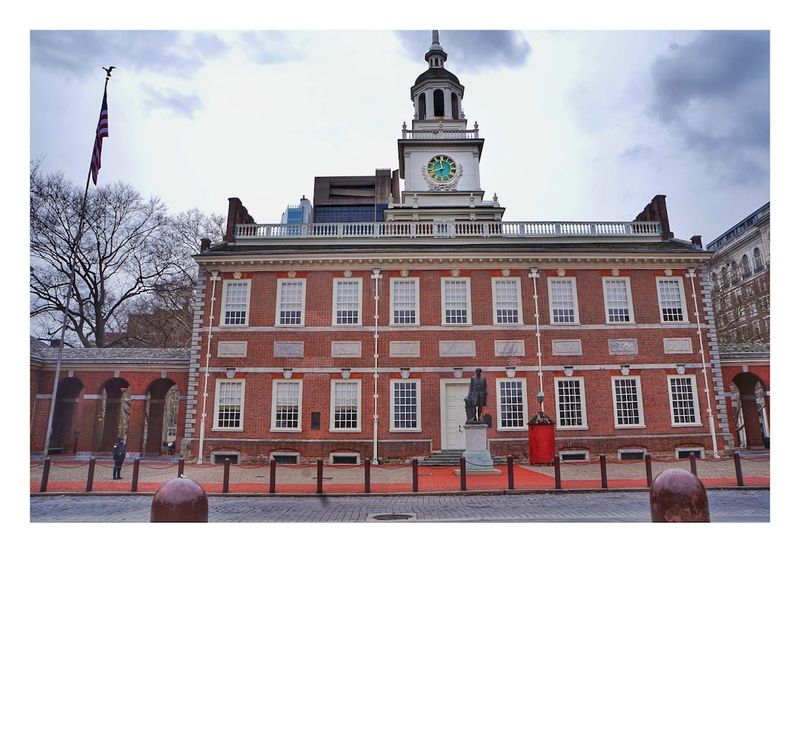
Some buildings matter so much historically that people forget to look at them as works of architecture, but that would be a mistake here.
This Philadelphia landmark is not only foundational to American history, it is also a beautifully proportioned example of Georgian civic design.
Its calm symmetry and measured elegance make it one of Pennsylvania’s most quietly powerful places.
The brick exterior, white trim, central tower, and balanced composition create an impression of order that feels entirely appropriate to the building’s role in public life.
I appreciate how the design avoids grandiosity while still projecting authority, relying on proportion and restraint rather than monumental scale.
That sense of discipline is part of what makes Independence Hall so enduringly appealing.
Architecturally, the building embodies a colonial confidence shaped by British influences and adapted to local context.
It is formal without feeling severe, and its materials give it warmth that many larger stone buildings lack.
When you stand before it, the architecture communicates stability and seriousness, yet the surrounding green space softens the experience and allows the building’s silhouette to read clearly.
For anyone exploring Pennsylvania’s built heritage, this is an essential stop because it shows how much can be achieved through composure and clarity.
Independence Hall does not rely on lavish ornament or daring engineering to impress you.
Instead, it demonstrates the enduring strength of balance, craftsmanship, and civic symbolism executed with precision.
The result is architecture that feels both human in scale and immense in meaning.
If you give yourself time to notice the façade, tower, window rhythm, and relationship to the square, you will understand why this building remains more than a historic backdrop.
It is a defining architectural statement about public life in Pennsylvania and in the nation itself.
17. Pennsylvania Academy of the Fine Arts
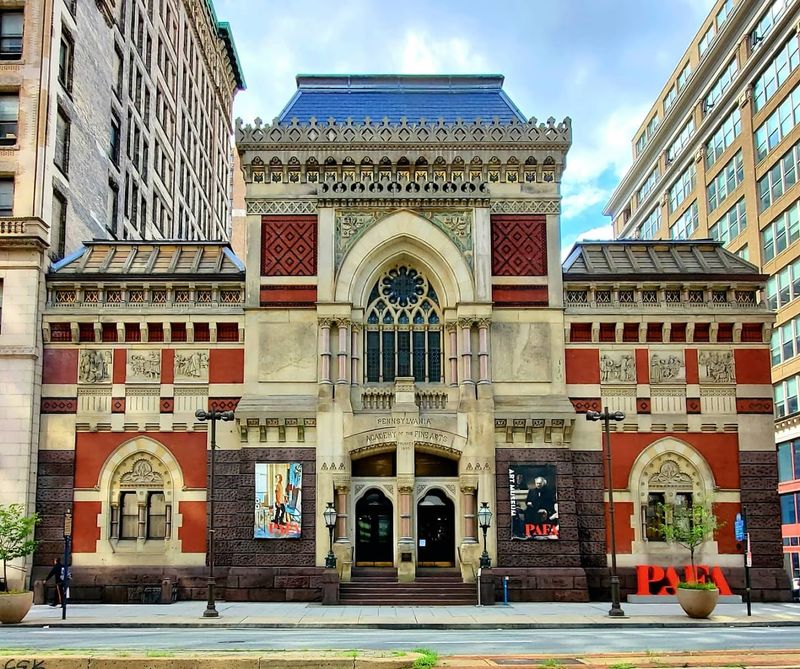
Colorful, unconventional, and gloriously full of attitude, this Philadelphia institution feels like a challenge to every boring museum exterior you have ever seen.
The building is visually restless in the best way, using pattern, material contrast, and bold geometry to create constant interest.
For architecture lovers in Pennsylvania, it is an absolute standout.
Designed by Frank Furness and George Hewitt, the structure is a celebrated work of Victorian Gothic and eclectic design.
Stone, brick, iron, and decorative elements are combined with striking freedom, producing a façade that feels almost painterly from certain angles.
I admire how the building embraces complexity without becoming chaotic, because beneath its exuberance there is real compositional intelligence.
Inside, the architecture continues to support the institution’s artistic mission by making the act of viewing feel heightened and memorable.
Rich textures, dramatic spatial moments, and a willingness to experiment set the tone before you even begin focusing on the art.
Pennsylvania Academy of the Fine Arts is one of those rare places where the building can hold your attention as fully as the collection.
What makes it especially rewarding is how clearly it reflects a moment of creative confidence in Pennsylvania’s cultural history.
Rather than imitating a single historic style with restraint, it remixes influences into something highly personal and unexpectedly modern in spirit.
That quality helps explain why the building still feels alive today.
If you enjoy architecture that reveals courage, wit, and a refusal to settle for the expected, this destination should be high on your list.
It offers not just beauty, but personality – the kind that makes a structure feel animated long after you leave.
Few places demonstrate so vividly that an art school and museum can embody artistic experimentation in their very walls.
18. Eastern State Penitentiary
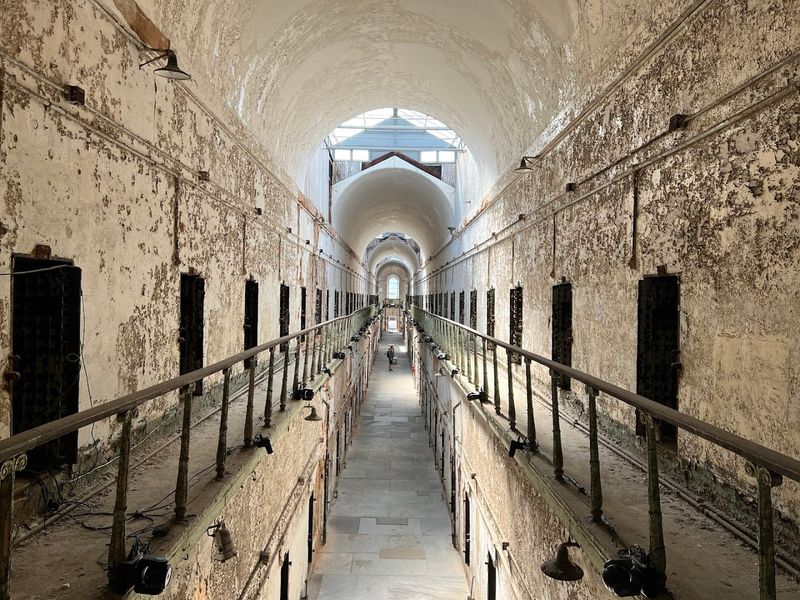
Architecture does not always have to be beautiful in a comforting way to be unforgettable, and this Philadelphia landmark proves it.
Its heavy walls, Gothic detailing, and haunting corridors create an atmosphere that is as intellectually compelling as it is visually arresting.
For anyone interested in how design can shape power and behavior, this is one of Pennsylvania’s most fascinating sites.
The prison’s radial plan was revolutionary in its time, organized to support a philosophy of isolation and surveillance through architecture itself.
From above, the layout reveals a clarity that feels almost abstract, yet walking through the cellblocks makes the social intention unmistakable.
I find Eastern State Penitentiary especially striking because it turns stone, vaulting, and controlled sightlines into tools of ideology, not just construction.
The exterior resembles a medieval fortress, which adds another layer of symbolic authority.
Battlement-like forms and massive masonry communicate punishment and containment before you even enter, while the interior’s repetitive cells and long corridors intensify that message.
It is architecture that uses mood with extraordinary effectiveness, creating unease through scale, material, and spatial discipline.
What makes this site essential for architecture lovers is the way it expands the conversation beyond aesthetics alone.
Eastern State Penitentiary asks you to consider how buildings influence emotion, conduct, and institutional systems.
In Pennsylvania, where so many celebrated landmarks express culture, faith, art, or government, this one confronts you with architecture as control.
That tension is precisely why it is so memorable.
The weathered surfaces and partially ruined areas only deepen the experience, adding texture and melancholy without erasing the rigor of the original design.
It is sobering, dramatic, and deeply thought-provoking, offering a rare chance to see how architectural innovation can be both brilliant and troubling at the same time.
19. Heinz Memorial Chapel
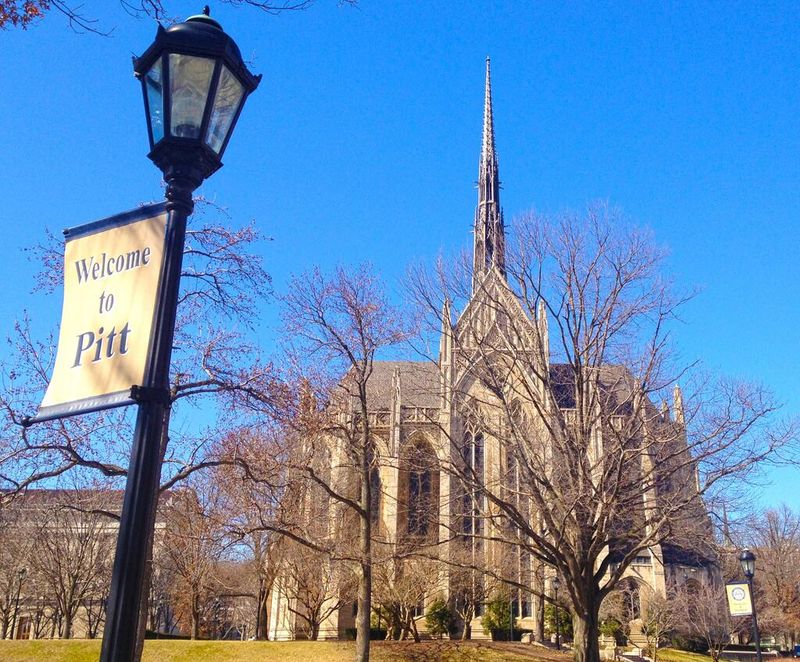
Nestled on the University of Pittsburgh campus, this chapel offers a concentrated dose of Gothic beauty that feels intimate without losing grandeur.
Stone tracery, soaring windows, and rich interior atmosphere create a sense of reverence the moment you enter.
If you are searching Pennsylvania for architecture that feels poetic and deeply crafted, this is a wonderful place to pause.
The building draws on late Gothic precedents, and its success comes from proportion as much as decoration.
Vertical lines pull your gaze upward, while stained glass and carved details add color, narrative, and texture to the experience.
I especially appreciate how Heinz Memorial Chapel achieves emotional resonance through light, allowing the interior to shift throughout the day in subtle but powerful ways.
Although smaller than some cathedral-scale landmarks in the state, the chapel never feels diminished.
Instead, its more compact dimensions create a closeness that makes details easier to absorb and the spatial effect more immediate.
Every arch, wood element, and stone surface contributes to a cohesive atmosphere that supports quiet reflection as well as architectural admiration.
For architecture lovers, this chapel is rewarding because it demonstrates how a focused design can create profound impact without relying on urban dominance or monumental size.
In Pennsylvania’s broad architectural landscape, Heinz Memorial Chapel stands out for refinement, craftsmanship, and emotional clarity.
It is the kind of building that encourages you to sit still for a few minutes and let the space work on you.
The result is an experience that feels personal and memorable, not just historically significant.
Whether you are interested in Gothic revival design, campus architecture, or sacred spaces shaped by light and proportion, this destination offers a beautifully balanced example of how elegance and intimacy can coexist.
20. Bryn Athyn Cathedral
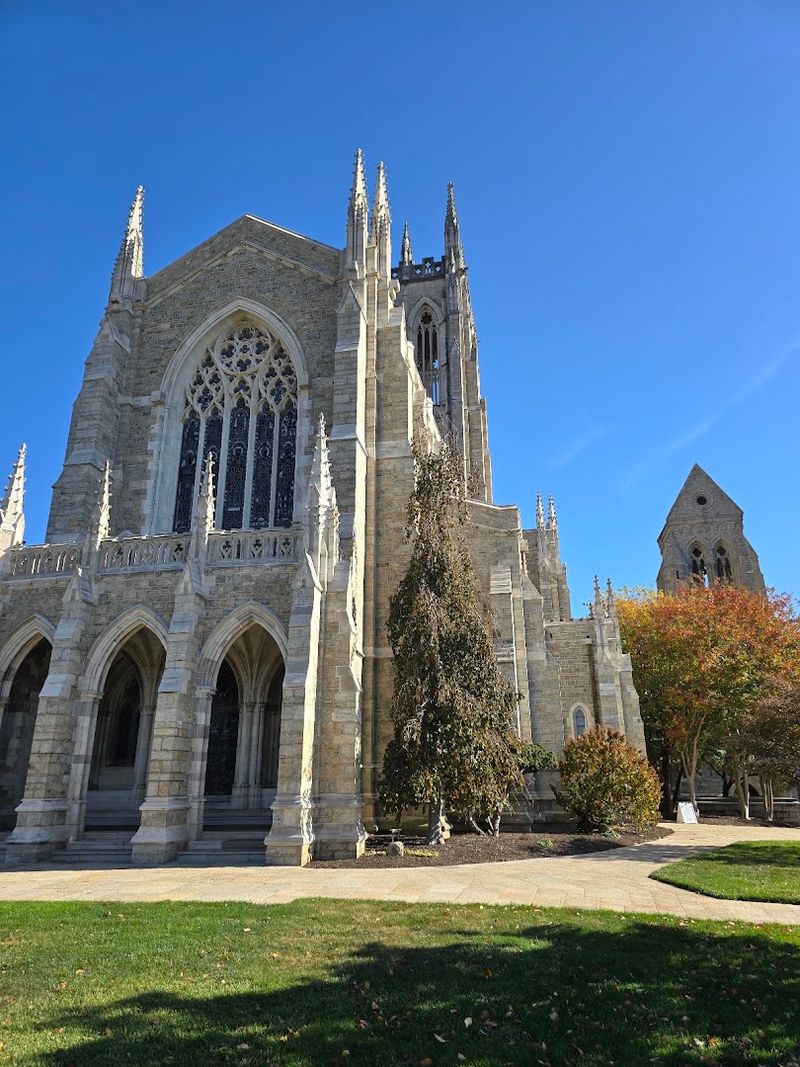
Set in Bryn Athyn, this cathedral feels less like a standard church and more like a handcrafted world of stone, glass, and symbolism.
Its silhouette is dramatic, but the real enchantment comes from the extraordinary care visible in every surface and detail.
For architecture lovers exploring Pennsylvania, it is one of the state’s most immersive and artistically distinctive sacred spaces.
The design blends Gothic and Romanesque influences while maintaining a strong personality of its own.
Heavy masonry, expressive tower forms, richly patterned windows, and sculptural decoration create a building that feels ancient in spirit without being a simple historical imitation.
I love how the cathedral communicates craftsmanship so clearly, making you aware that hands, tools, and patient artistry shaped the experience you are having.
Inside, the building becomes even more compelling through stained glass, carved elements, and a careful orchestration of light.
The interior does not merely contain worship space – it creates atmosphere through texture, color, and symbolic richness.
Bryn Athyn Cathedral rewards slow observation, because the more attention you give it, the more integrated and thoughtful the entire composition appears.
What sets this place apart within Pennsylvania architecture is the depth of its artistic vision.
Many landmarks are impressive because they are famous, monumental, or historically central, but this cathedral is memorable because it feels genuinely lived in by craft and belief.
The result is architecture with soul, where material beauty and spiritual intent reinforce one another.
If you appreciate buildings that offer both structural drama and intimate detail, this destination deserves a place near the top of your list.
Walk the grounds, study the stonework, and spend time inside if possible, because the cathedral reveals itself gradually.
It is atmospheric, deeply personal, and one of the Commonwealth’s most remarkable achievements in sacred design.
Share this story