
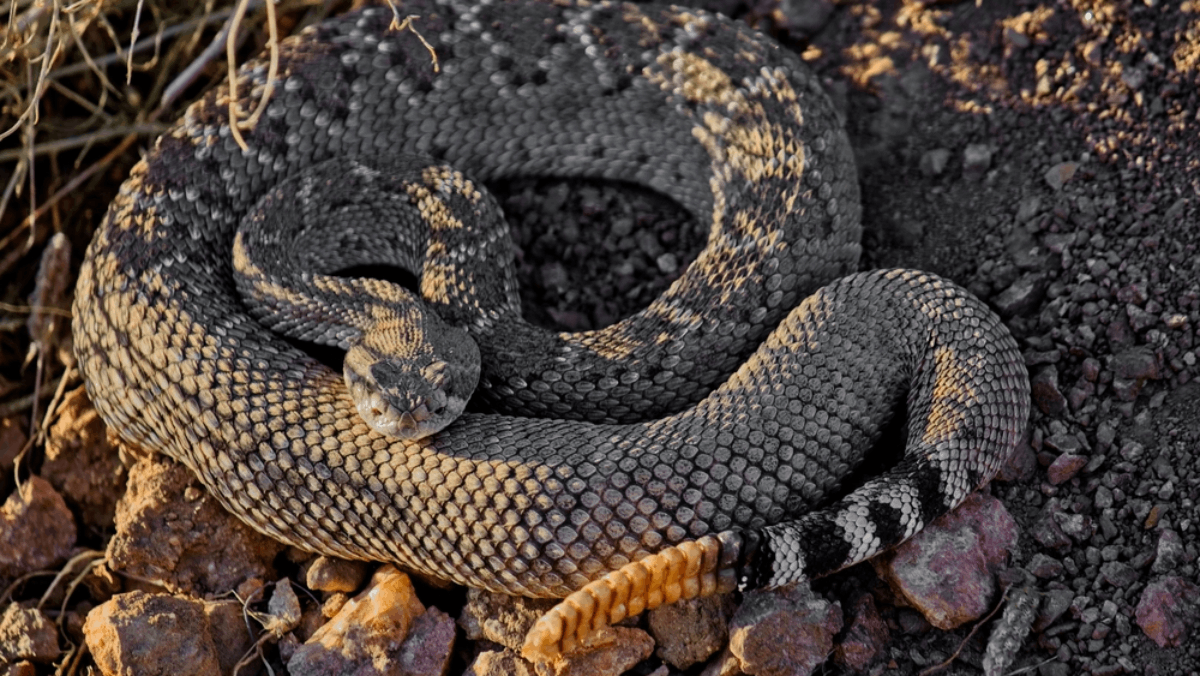
Tennessee’s diverse landscape—from misty mountain peaks to winding river valleys—creates perfect hiding spots for one of nature’s most misunderstood reptiles: the rattlesnake. While these venomous snakes prefer to avoid humans, certain regions across the state see more frequent encounters due to ideal habitat conditions.
Knowing where rattlesnakes commonly appear helps hikers, campers, and outdoor enthusiasts stay safe while respecting these important predators that keep rodent populations in check.
1. Great Smoky Mountains National Park
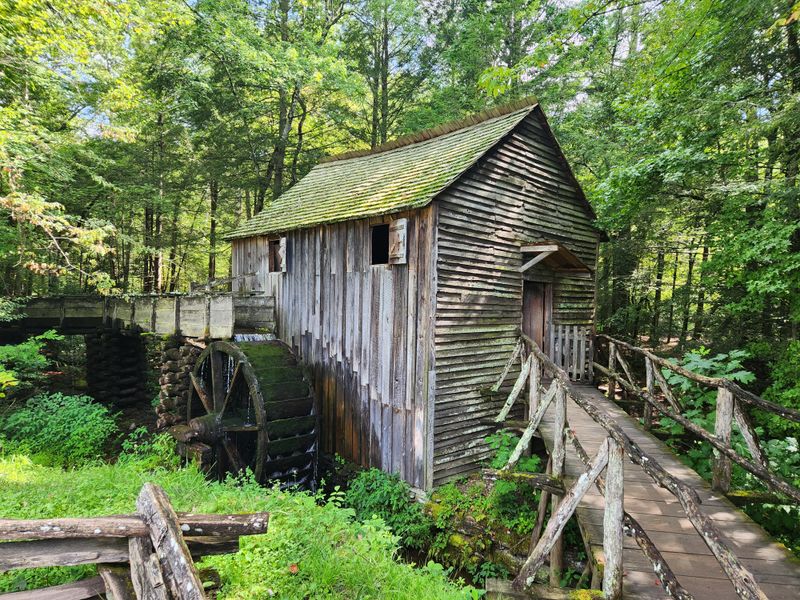
America’s most visited national park isn’t just famous for black bears and wildflowers—it’s also home to healthy populations of timber rattlesnakes. These impressive snakes, which can grow over four feet long, thrive in the park’s mix of rocky ledges, dense hardwood forests, and plentiful food sources like mice and chipmunks. The park’s remote backcountry trails and sun-warmed boulders create perfect basking spots where rattlesnakes regulate their body temperature.
Hikers exploring popular trails like Alum Cave or Charlies Bunion should watch their step, especially during warmer months when snakes are most active. Rocky outcrops along ridgelines see the most sightings because rattlesnakes use these elevated positions to hunt and survey their territory. Despite the park welcoming millions of visitors yearly, actual snake encounters remain relatively rare since timber rattlesnakes typically retreat when they sense vibrations from approaching footsteps.
Rangers recommend staying on marked trails, never reaching into rock crevices, and giving any spotted snake plenty of space. Most rattlesnakes encountered here display calm behavior unless cornered or threatened. Their presence actually benefits the ecosystem by controlling rodent populations that might otherwise damage vegetation.
2. Cumberland Plateau
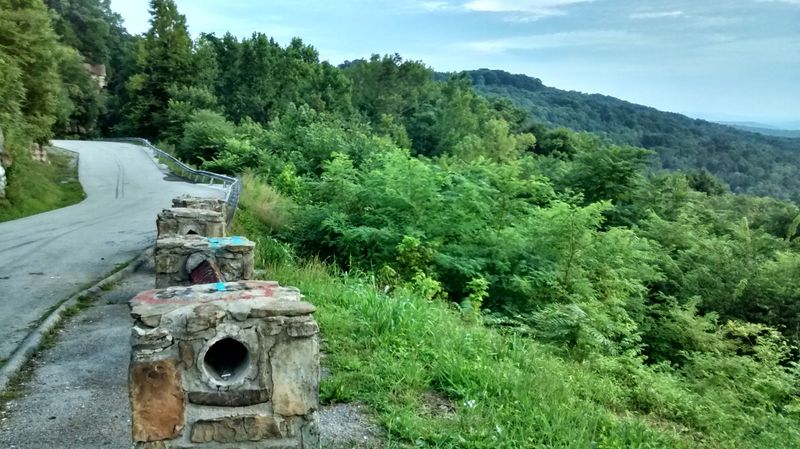
Stretching like a natural fortress across East and Middle Tennessee, the Cumberland Plateau offers everything a rattlesnake could want. This elevated region features dramatic sandstone cliffs, hidden caves, and thick forests that have remained relatively untouched by development. The combination of rocky terrain for shelter and abundant prey makes this plateau a rattlesnake paradise, particularly for timber rattlesnakes seeking cool summer retreats in shaded crevices.
Adventure seekers exploring off-the-beaten-path hiking areas around places like Fall Creek Falls State Park or the Big South Fork often report sightings near cliff edges and bluff overlooks. These elevated positions provide snakes with strategic hunting grounds and temperature regulation opportunities. The plateau’s complex geology creates countless hiding spots among tumbled boulders and limestone formations where snakes den during colder months and emerge during spring.
Local residents in rural communities dotting the plateau have learned to coexist with their scaled neighbors, understanding that rattlesnakes generally avoid confrontation. Property owners near wooded areas sometimes encounter snakes near woodpiles, stone walls, or outbuildings where rodents congregate. The key to safety here involves maintaining awareness during outdoor activities, wearing sturdy boots on trails, and never attempting to handle or kill encountered snakes.
3. Cherokee National Forest
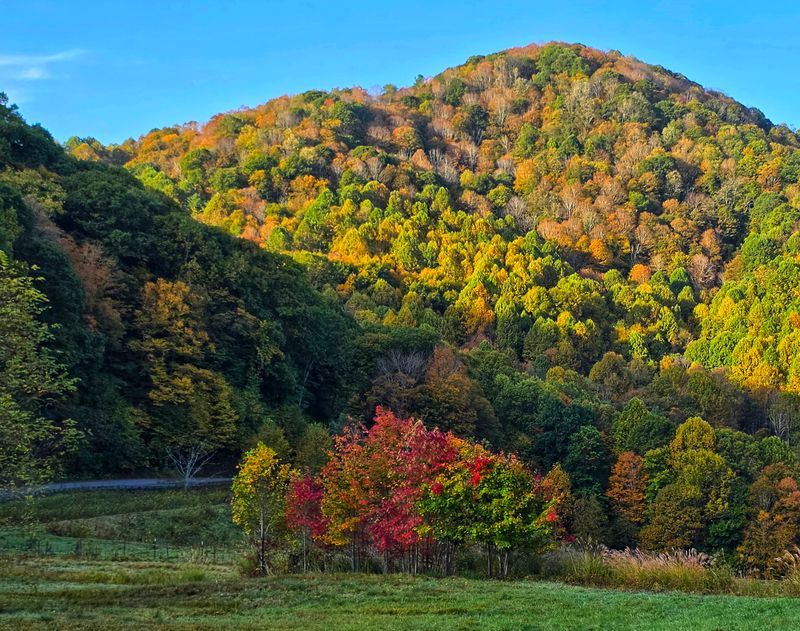
Spanning over 650,000 acres across Tennessee’s eastern mountains, Cherokee National Forest represents some of the state’s wildest country. This vast woodland sanctuary provides timber rattlesnakes with the remote, undisturbed habitat they need to thrive. The forest’s varying elevations—from low valleys to high ridges—create diverse microclimates that support different prey species and offer snakes multiple options for seasonal movement and hunting.
Backcountry adventurers tackling trails in areas like the Bald River Gorge Wilderness or Citico Creek Wilderness stand the best chance of encountering these secretive reptiles. Rock piles left from old homesteads, fallen logs crossing streams, and south-facing slopes that catch maximum sunlight all serve as rattlesnake hotspots. The minimal human presence in these remote sections means snakes behave more naturally, often remaining visible longer before retreating.
Forest service officials note that encounters peak during late spring and early fall when snakes are most active and visible. Summer heat drives them into shaded retreats, while winter sends them underground to communal dens. Experienced hikers know to scan the trail ahead, avoid stepping over logs without checking the other side, and never reach blindly when scrambling over rocks.
4. Middle Tennessee River Valleys and Bluffs
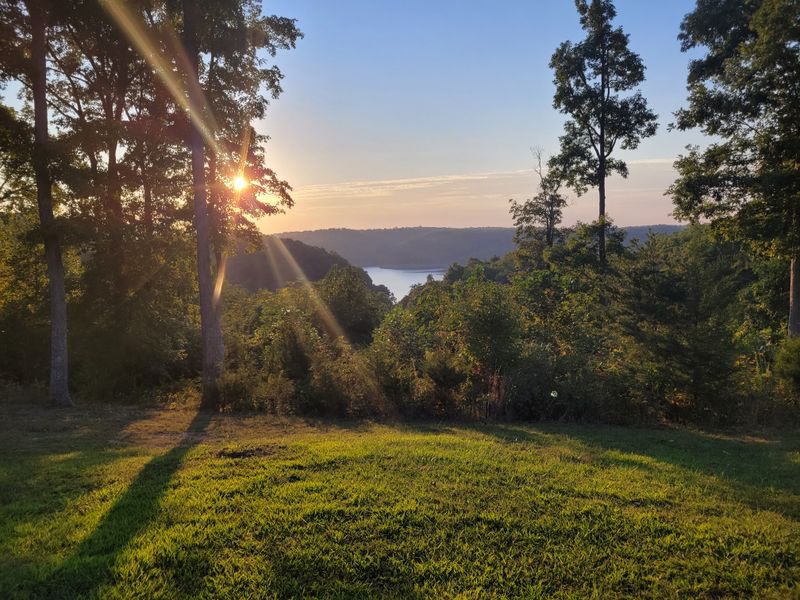
The Cumberland River and its tributaries have sculpted countless rocky outcrops over millennia, forming sun-drenched ledges perfect for snake activity. These riverside habitats combine water access for prey animals, rocky shelter for snake dens, and varied terrain that supports robust rodent populations.
Property owners along these waterways—particularly in counties like Davidson, Wilson, and Rutherford—occasionally discover rattlesnakes on their land, especially if their acreage includes wooded areas near bluff lines. Snakes follow prey trails from forests down to river edges, where small mammals come to drink. The porous limestone common in this region creates underground passages and surface cracks that provide excellent winter denning sites and summer cooling retreats.
Unlike water snakes that readily swim, timber rattlesnakes typically stay on land but aren’t afraid of riverside locations. Rural residents have learned that maintaining cleared zones around homes, removing brush piles, and controlling rodent populations naturally reduces snake encounters.
The bluffs themselves deserve respect—scrambling on these formations without watching hand and foot placement invites trouble. These ancient rock faces have sheltered rattlesnakes for thousands of years, long before humans built homes nearby.
5. West Tennessee Bottomlands and Forested Rural Areas
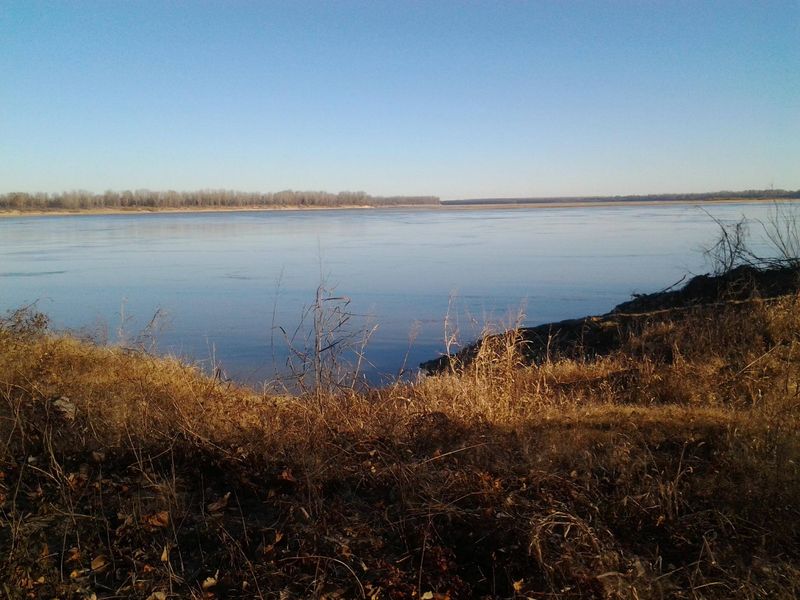
Most people associate rattlesnakes with mountains, but West Tennessee’s flat bottomlands and agricultural regions support their own snake populations. Though less mountainous than eastern counties, the western third of the state features extensive hardwood forests, cypress swamps, and undeveloped woodland patches where rattlesnakes find adequate shelter.
Counties like Madison, Haywood, and Lauderdale see occasional rattlesnake reports, especially from farmers working near wooded fence rows or overgrown ditches. These snakes tend to be less common here than in mountainous regions, but they’re definitely present. Bottomland forests along the Obion, Forked Deer, and Hatchie rivers provide the moisture and cover that support diverse wildlife communities, including the rodents and rabbits rattlesnakes hunt.
Rural landowners sometimes encounter snakes near barns, equipment sheds, or old lumber piles where mice nest in abundance. The key difference in West Tennessee is habitat fragmentation—snakes here often travel between isolated woodland patches, occasionally crossing roads or open areas.
Conservation-minded residents who leave natural areas undisturbed on their property help maintain these important habitat corridors. Despite being less dramatic than mountain terrain, West Tennessee’s quiet forests and farmland edges demonstrate that rattlesnakes adapt to various environments as long as basic needs are met.