
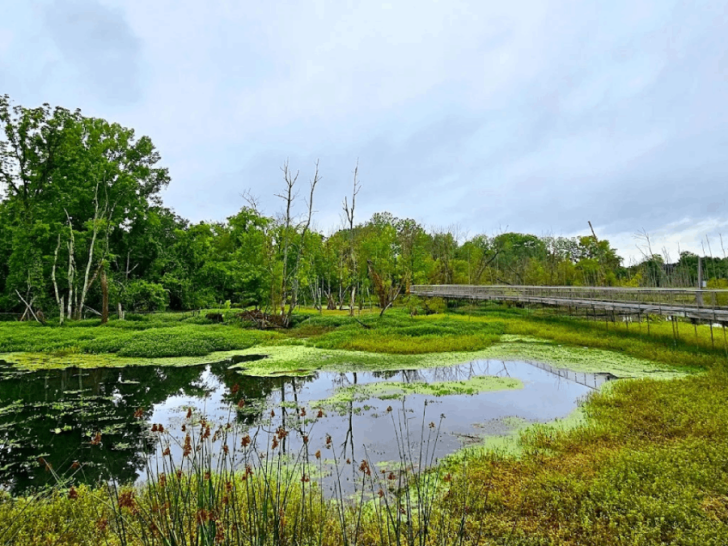
Tennessee is famous for its music and mountains, but tucked away across the state are incredible wetlands that rarely make it onto anyone’s radar. These watery landscapes teem with wildlife, from colorful birds to ancient cypress trees, and offer peaceful escapes from everyday life.
Many Tennesseans drive right past these natural treasures without ever knowing they exist, missing out on some of the most unique ecosystems in the South.
1. Murfree Spring Wetlands — Murfreesboro
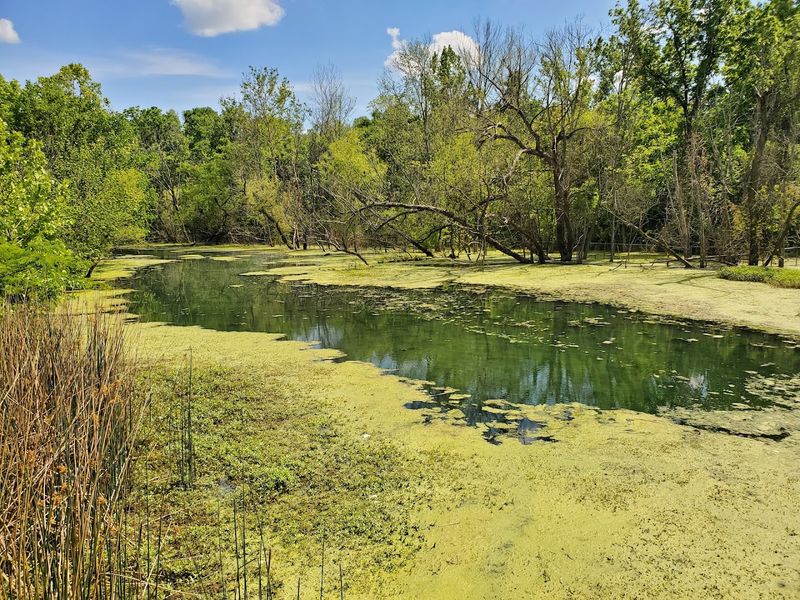
Right in the heart of Murfreesboro sits a wetland oasis that most residents have never explored. Murfree Spring Wetlands sprawls across 20 acres of protected marsh habitat, offering wooden boardwalks that let you walk above the water without getting your feet wet.
Families love this spot because it’s easy to access and perfect for a quick nature break. Kids can spot turtles sunbathing on logs and watch for herons stalking fish in the shallow water. The boardwalks make it stroller-friendly, which is rare for wetland areas.
Spring brings an explosion of wildflowers and migrating birds stopping to rest and refuel. Summer mornings are best for wildlife watching before the heat sets in. The wetlands also serve as a natural water filter for the area, cleaning runoff before it reaches larger waterways.
Located near downtown, this hidden gem proves you don’t need to travel far to experience nature’s wonders.
2. Hatchie National Wildlife Refuge — Stanton
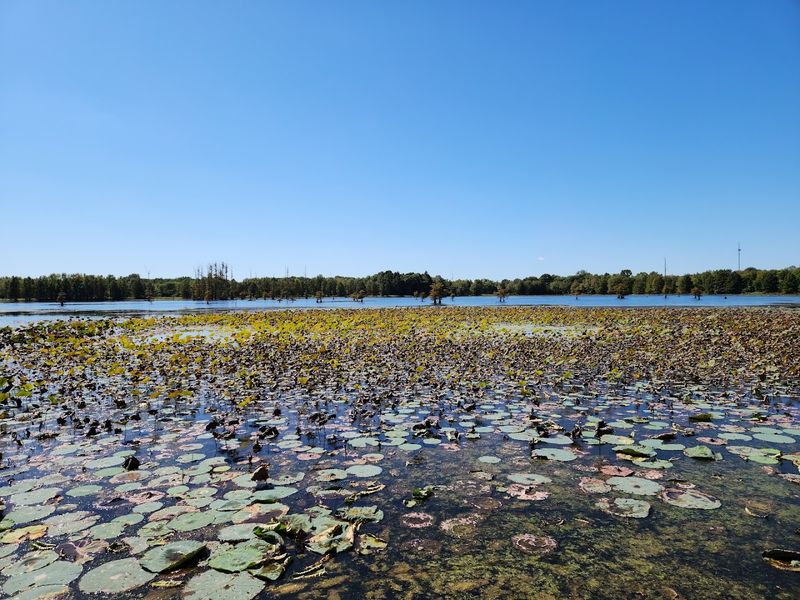
Covering more than 11,000 acres of bottomland wetlands, the Hatchie National Wildlife Refuge remains one of Tennessee’s best-kept secrets. This massive swampy floodplain stretches along the Hatchie River, creating a labyrinth of channels, oxbow lakes, and flooded forests that look like something from a prehistoric era.
The refuge supports an incredible variety of wildlife that depends on wetland habitats to survive. Wood ducks nest in tree cavities above the water while beavers build dams in quiet backwaters. During migration seasons, thousands of waterfowl descend on the refuge, filling the sky with wings and calls.
Visiting requires some planning since much of the refuge is accessible only by boat or on foot. The remote nature keeps crowds away, making it feel like your own private wilderness. It’s a place where nature still calls the shots and humans are just respectful visitors.
3. Lower Hatchie National Wildlife Refuge — Henning
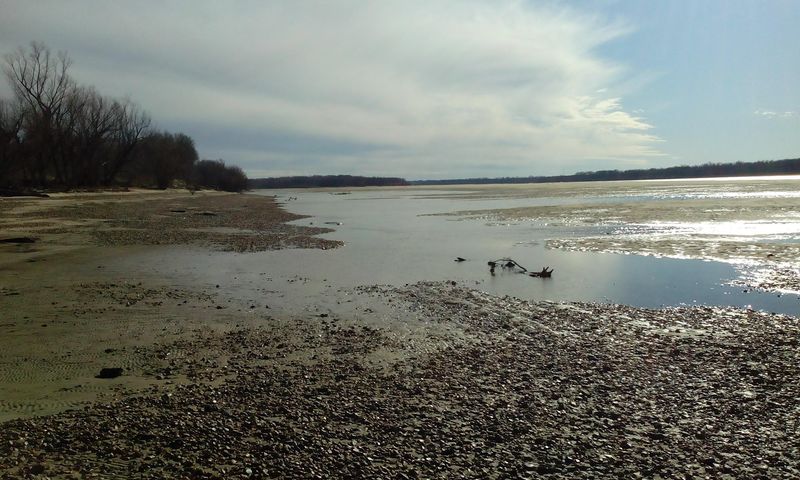
Where the Hatchie River meets the Mississippi, nearly 9,500 acres of wetlands create a biological hotspot that few people ever witness. Lower Hatchie National Wildlife Refuge protects this critical junction where two great rivers come together, forming a rich habitat that explodes with life during every season.
The meeting of these waters creates diverse environments within a single refuge. Shallow marshes give way to deep channels, while mudflats attract shorebirds during their long migrations. Fish populations thrive in the nutrient-rich waters, drawing larger predators like ospreys and eagles.
Birdwatchers consider this refuge a gold mine for spotting rare and unusual species. Prothonotary warblers nest in the flooded forests, their bright yellow feathers standing out against dark tree trunks. Winter brings bald eagles that perch in tall cottonwoods, scanning the water for fish.
The refuge feels wonderfully isolated despite being near civilization. Dirt roads and hiking trails lead to observation points where you can sit quietly and watch nature unfold.
4. Reelfoot Lake Wetlands — Tiptonville
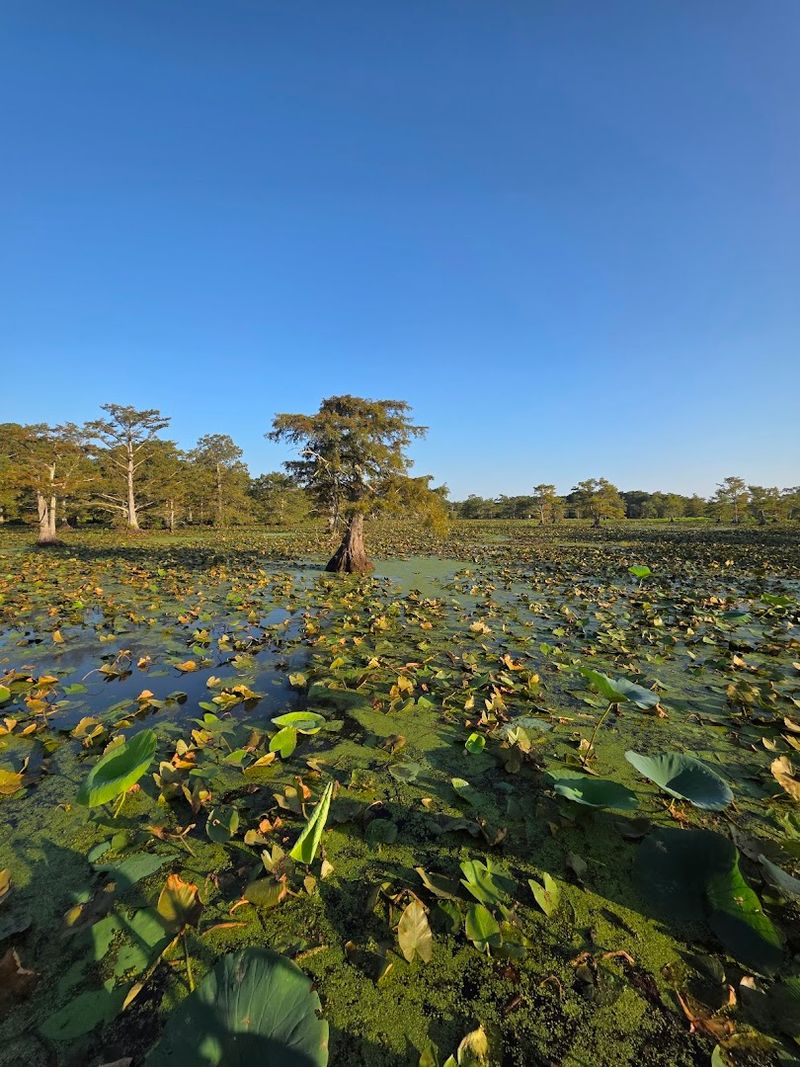
Born from violent earthquakes in 1811 and 1812, Reelfoot Lake created a wetland unlike any other in Tennessee. The ground literally sank and the Mississippi River flowed backward to fill the depression, forming a shallow lake dotted with ancient cypress trees that rise from the water like natural sculptures.
Walking through these wetlands feels like stepping into a fantasy world. Cypress knees poke up through the water’s surface, and Spanish moss drapes from branches overhead. Bald eagles nest here in greater numbers than almost anywhere else in the state, their white heads visible against the dark trees.
The flooded forests provide perfect habitat for fish, turtles, and water snakes. Fishing guides know every channel and stump, leading visitors to spots where crappie and bass hide.
Boat tours take visitors through narrow channels where you can photograph eagles at eye level.
5. Tennessee National Wildlife Refuge – Duck River Unit — New Johnsonville
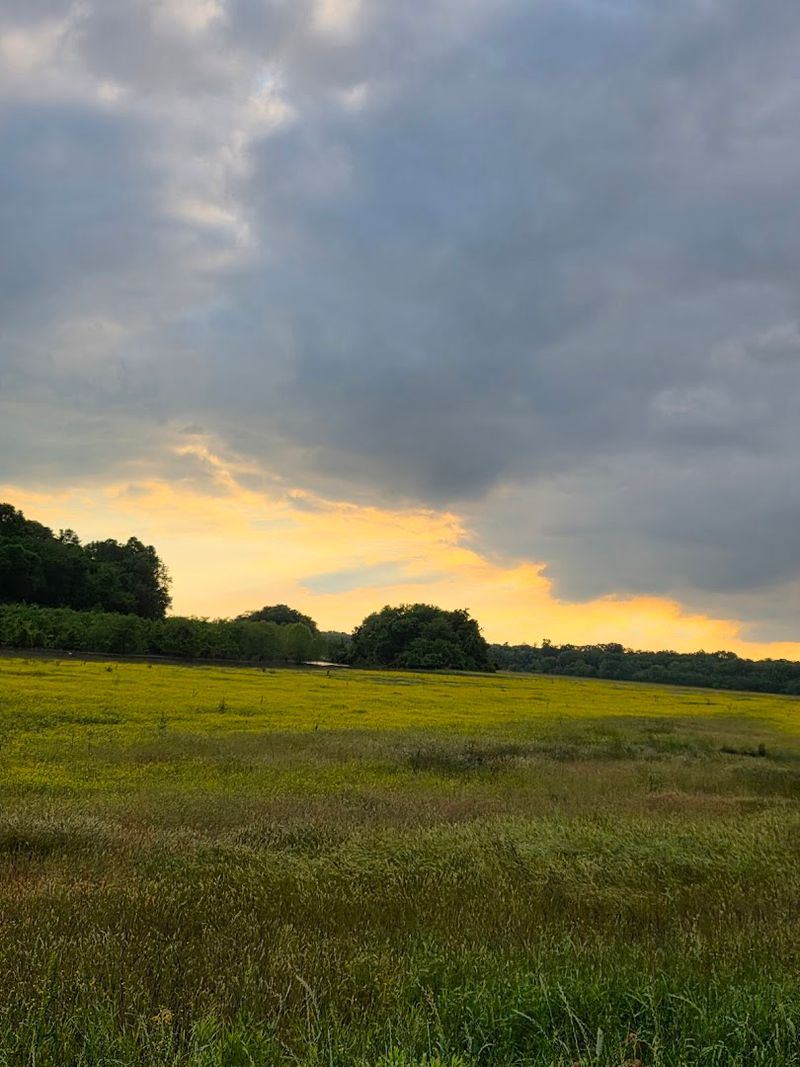
Most people know about Kentucky Lake, but few realize that the Tennessee National Wildlife Refuge’s Duck River Unit protects some of the finest wetland habitat in middle Tennessee. This section of the larger refuge focuses on the area where the Duck River flows into the lake, creating marshes and shallow bays that attract wildlife year-round.
The Duck River itself is considered one of the most biodiverse rivers in North America, home to rare mussels and fish found nowhere else. When it spreads into the refuge wetlands, that diversity multiplies. Wading birds stalk through the shallows while diving ducks disappear beneath the surface, searching for food.
Paddlers love exploring the quiet backwaters by kayak or canoe, gliding past beaver lodges and fallen logs where turtles bask. The water is calm and perfect for beginners who want to experience wetlands up close.
Wildlife managers carefully maintain these wetlands to benefit both resident and migrating species. You might spot river otters playing in the water or hear the distinctive call of a pileated woodpecker echoing through the trees.
6. TVA Wetland Viewing Area & Trails — Harriman
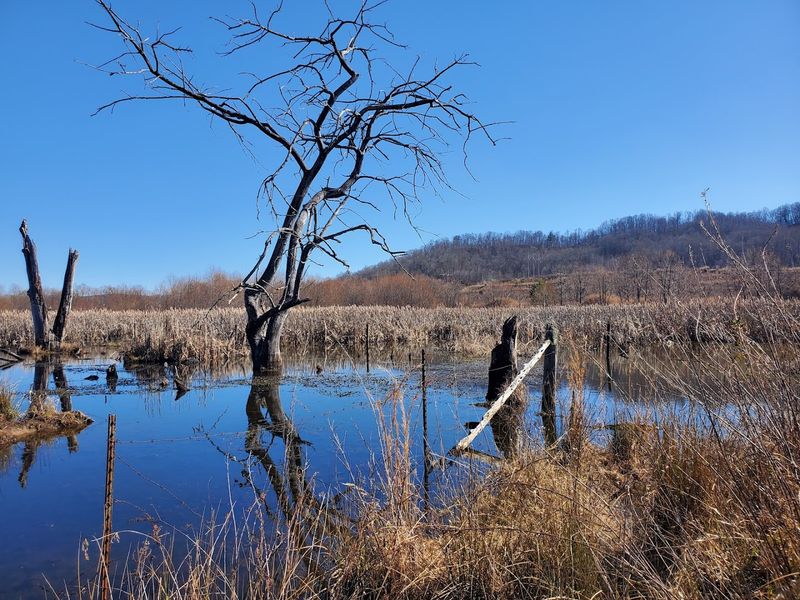
The Tennessee Valley Authority created something special in Harriman when they built wetlands specifically designed for public viewing and education. Unlike wild, hard-to-reach wetlands, this area features well-maintained trails and viewing platforms that make wetland exploration accessible to everyone.
Interpretive signs along the trails explain wetland ecology in simple terms, helping visitors understand why these ecosystems matter. You’ll learn how wetlands filter water, prevent flooding, and provide nurseries for fish and wildlife. It’s like an outdoor classroom where nature teaches the lessons.
The viewing platforms offer perfect spots for birdwatching without disturbing sensitive habitat. Bring binoculars to spot colorful warblers during migration or watch great blue herons fishing in the shallows. Benches provide places to rest and simply enjoy the peaceful sounds of water and wildlife.
The trails connect to longer hiking routes for those wanting to explore further into the natural area.