
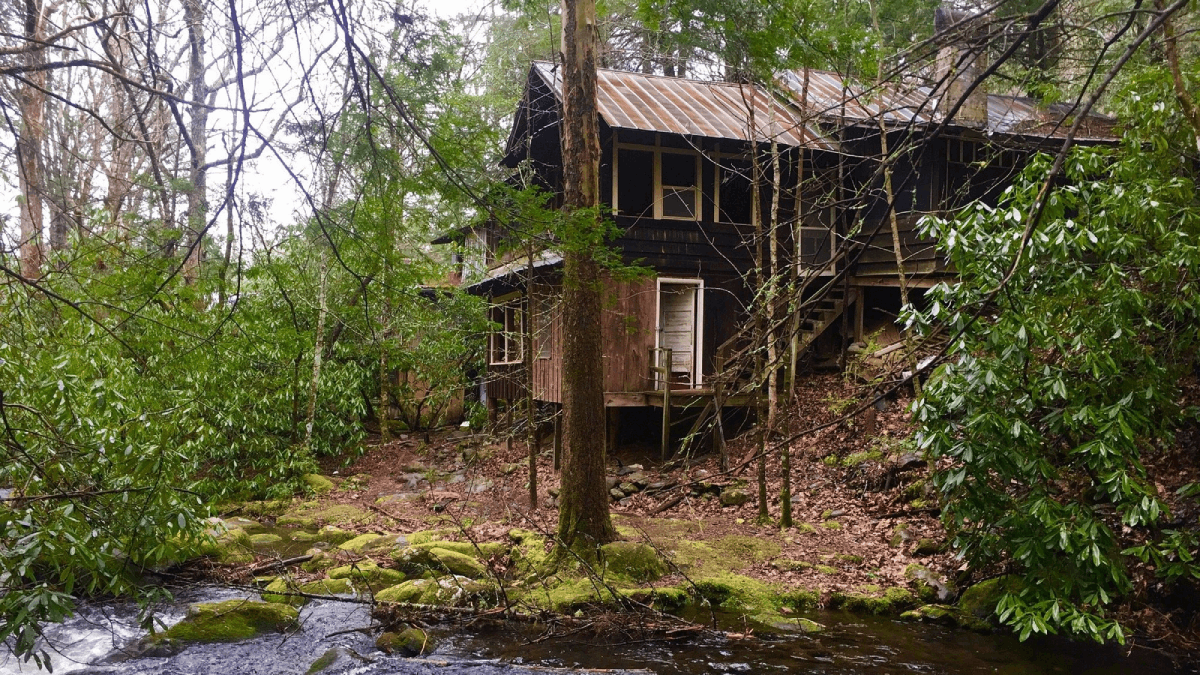
Deep in the misty folds of the Great Smoky Mountains, forgotten communities whisper stories of mountain life from generations past. These abandoned settlements, now reclaimed by nature, offer a haunting glimpse into Tennessee’s frontier history.
Whether you’re a history buff, an adventurous hiker, or just someone who loves a good mystery, these ghost towns provide an unforgettable journey back in time that you can experience today.
1. Elkmont Ghost Town
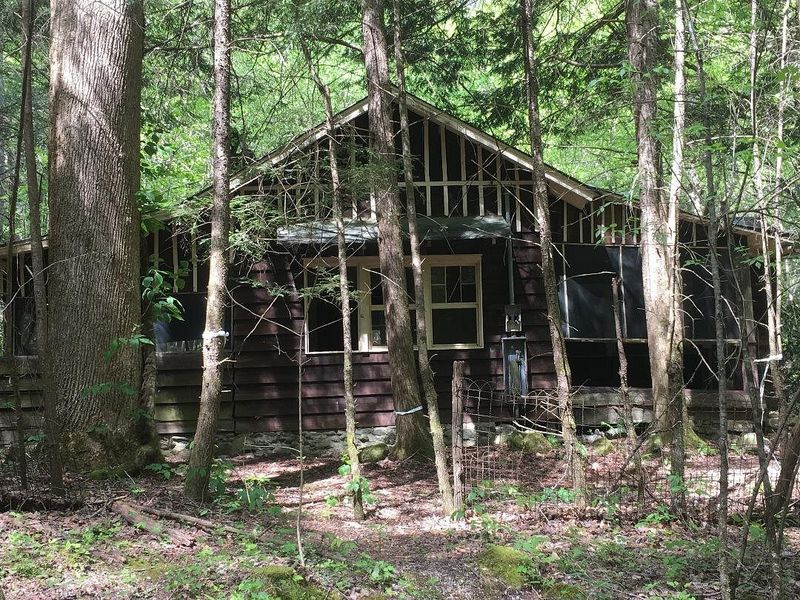
Walking through Elkmont feels like stepping onto a movie set frozen in the 1920s. The weathered cabins stand silent among towering trees, their porches sagging but still holding onto memories of laughter and summer evenings. What started as a rough logging camp in 1908 transformed into an exclusive vacation retreat where wealthy families escaped city life.
Today, the National Park Service has stabilized about 18 structures along the Little River. You can wander freely through the Daisy Town and Millionaire’s Row sections, peering into windows and imagining the bustling community that once thrived here. The Wonderland Hotel, though now just a shell, once hosted guests who arrived by train.
Getting there is easy—just drive into the park and follow signs to Elkmont Campground. The ghost town sits right off the main road, making it perfect for families with young kids or anyone who wants an authentic ghost town experience without a strenuous hike.
2. Cades Cove Historic Settlement
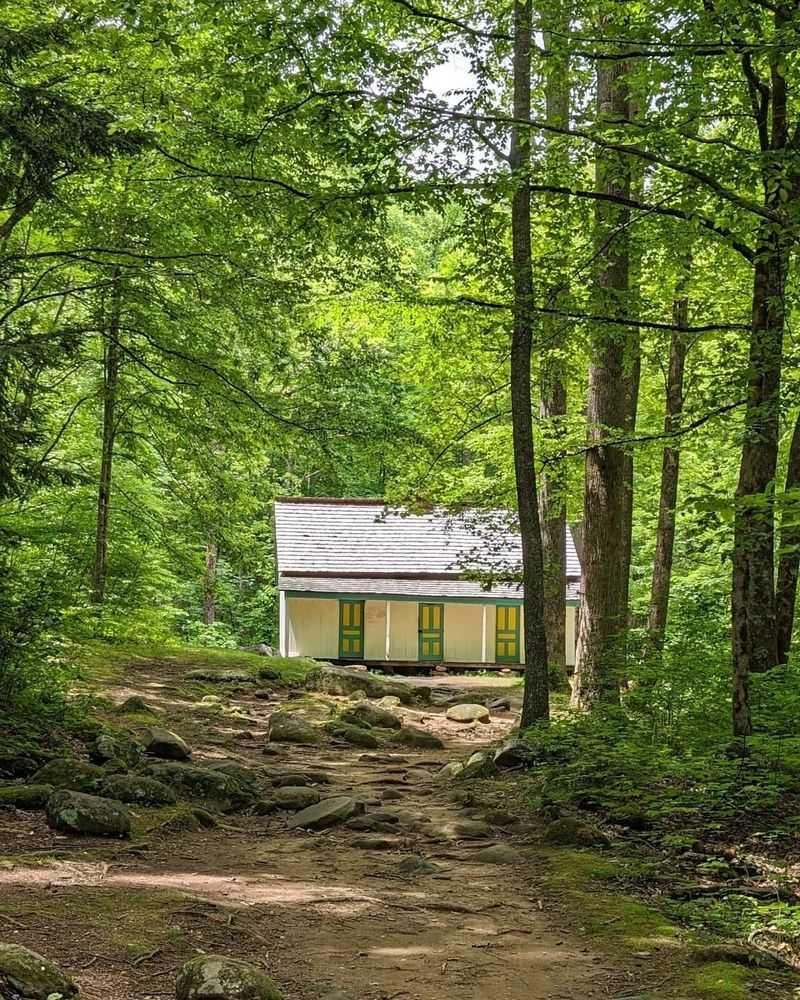
Picture a peaceful valley where smoke once curled from cabin chimneys and church bells rang across farmland every Sunday morning. Cades Cove was home to nearly 700 people by the late 1800s, complete with schools, churches, and working gristmills. Unlike most ghost towns, this settlement hasn’t crumbled into obscurity—it’s been lovingly preserved as a living museum.
The 11-mile loop road takes you past original homesteads, three historic churches, and a working grist mill that still grinds corn. You can actually walk inside many buildings, including the John Oliver Cabin, the oldest structure in the cove, dating back to the 1820s. Each structure tells a different story of frontier survival and community spirit.
Plan to spend at least half a day here, especially if you visit during spring or fall when the valley explodes with wildflowers or autumn colors. Wildlife sightings are common—black bears, deer, and wild turkeys still roam the fields just as they did when settlers first arrived.
3. Little Greenbrier Ghost Town
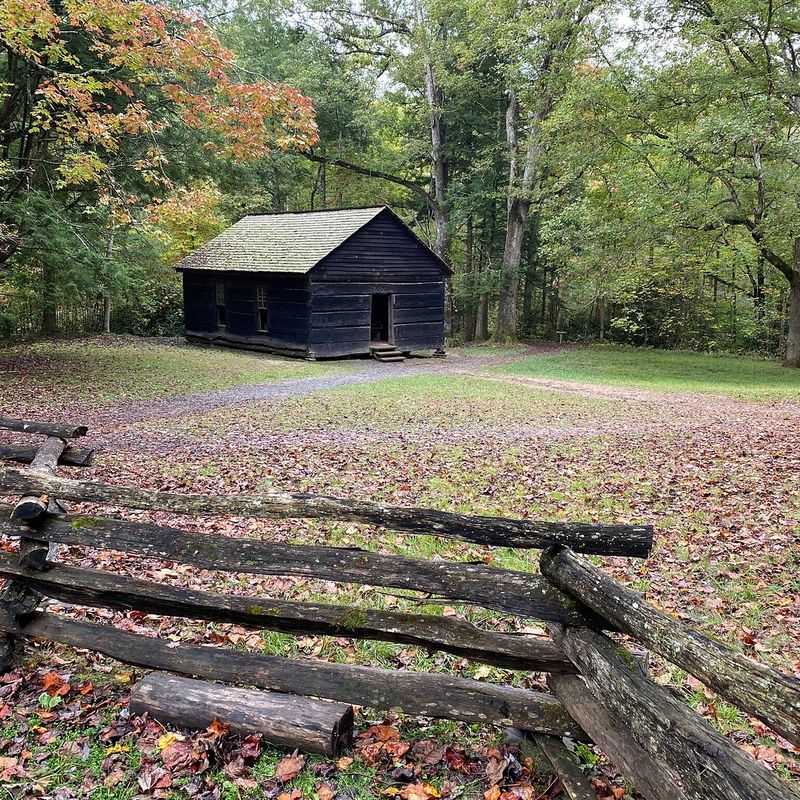
Hidden along a quiet trail, Little Greenbrier offers something special—the chance to discover history without the crowds. This mid-1800s settlement sits tucked away in the forest, accessible only by foot, which means you might have the entire place to yourself. The one-room schoolhouse, built in 1882, stands remarkably intact with its original desks still lined up inside.
The Walker Sisters’ cabin nearby tells an even more fascinating story. Six sisters refused to leave their family home when the park was created in the 1930s, living there until the 1960s. They became local celebrities, selling handmade crafts to tourists and maintaining their old-fashioned lifestyle long after their neighbors had moved on.
The moderate 4-mile round-trip hike rewards you with not just historic buildings but also stunning mountain views.
4. Sugarlands Valley Remnants
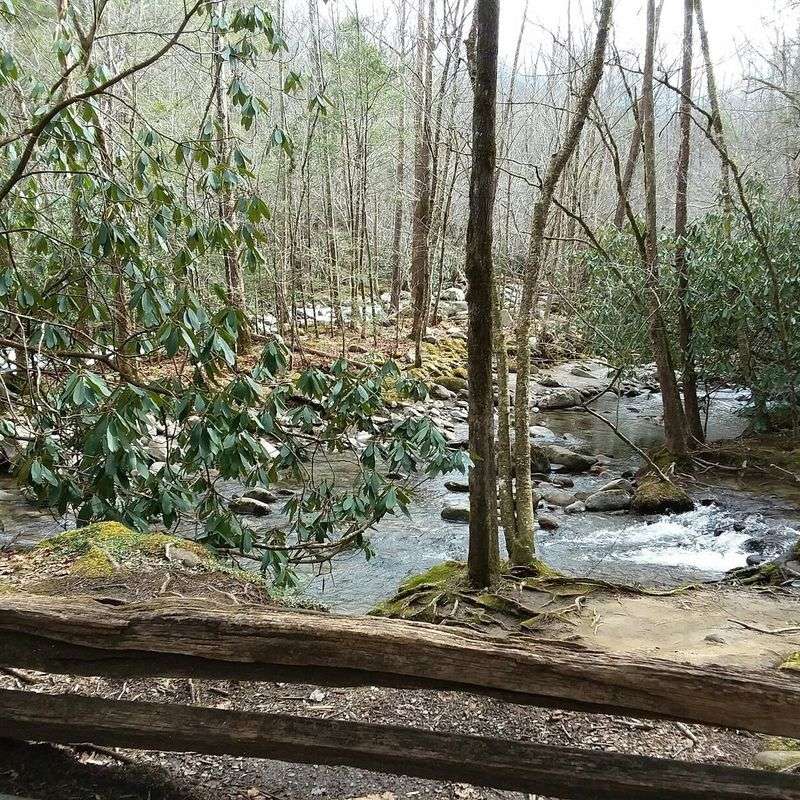
Before Gatlinburg became a tourist hotspot, Sugarlands Valley thrived as a tight-knit farming community of about 1,200 residents. When the national park was established, families were forced to relocate, leaving behind their homes and livelihoods. Nature has slowly reclaimed most of the valley, but determined explorers can still find fascinating remnants.
The Old Sugarlands Trail leads you past crumbling stone foundations, rusted farm equipment, and the unexpected sight of an old clock tower rising from the undergrowth. Each discovery feels like finding hidden treasure—a chimney standing alone, stone walls marking where a barn once stood, or an old cemetery where settlers still rest.
Start your exploration at the Sugarlands Visitor Center, where historical photos show the valley as it once was. The contrast between those images and what you’ll find on the trail makes the experience even more powerful. It’s a sobering reminder of how quickly civilization can vanish when we stop maintaining it.
5. Fun Mountain
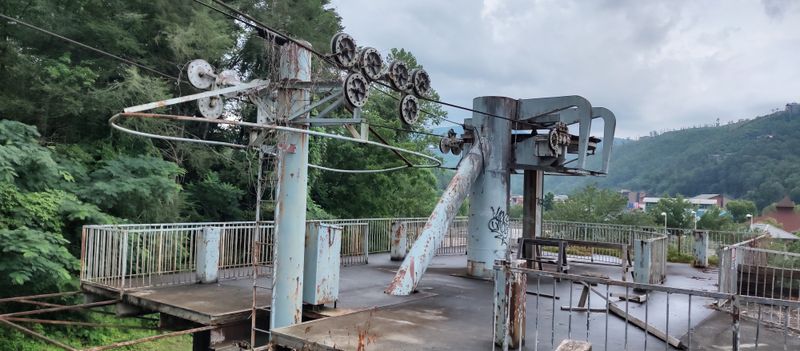
Not all ghost towns are ancient history. Fun Mountain represents a more recent abandonment—a 1960s ski resort and amusement park that nature is steadily devouring. Skeletal ski lift towers poke through the trees like giant metal bones, and crumbling buildings hide among the undergrowth, creating an eerie atmosphere that’s part history lesson, part urban exploration adventure.
Located near the Ghost Walk of Gatlinburg entrance, this defunct attraction once promised family fun with skiing, an alpine slide, and various rides. Economic troubles and competition from Ober Gatlinburg led to its closure decades ago. Now it serves as a haunting reminder that even modern ventures can become ghost towns.
Exploring Fun Mountain requires caution—the structures are deteriorating and technically on private property. However, you can glimpse the remains from public roads and nearby trails.
6. Lost Cove
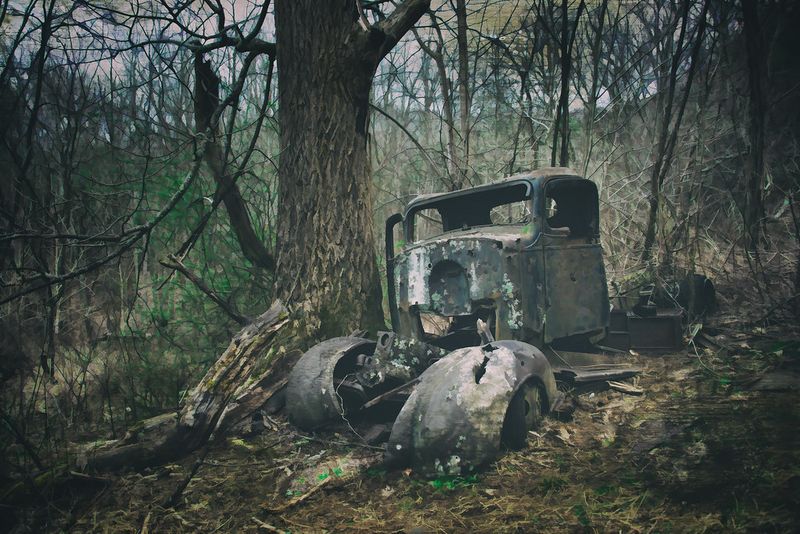
For the ultimate ghost town adventure, Lost Cove delivers an experience that feels genuinely off the grid. This isolated settlement sits in a remote mountain valley where a handful of families once scratched out a living far from civilization. The hike is challenging but absolutely worth it for those seeking authentic backcountry exploration.
Several old houses remain standing, their windows empty and doors hanging open, frozen in time as if residents simply walked away one day. Unlike more tourist-friendly sites, Lost Cove hasn’t been preserved or stabilized—you’re seeing it exactly as abandonment left it. Rusted farm equipment, old furniture, and personal items sometimes still litter the properties.
The journey requires serious hiking skills and preparation, as the trail can be difficult to follow and the area is truly remote. Cell service is nonexistent, and you might not see another person all day. But for history enthusiasts and adventure seekers, Lost Cove offers the most genuine ghost town experience in the region—raw, unvarnished, and powerfully atmospheric.