When a hawk crashes into a window or an owl gets tangled in fishing line, most people don’t know where to turn for help. Across Tennessee, a dedicated network of wildlife rehabilitation centers works tirelessly to rescue, heal, and release injured birds back into the wild.
These sanctuaries combine veterinary expertise with genuine compassion, offering hope to thousands of feathered patients every year while educating communities about coexisting with our winged neighbors.
1. Walden’s Puddle — Joelton
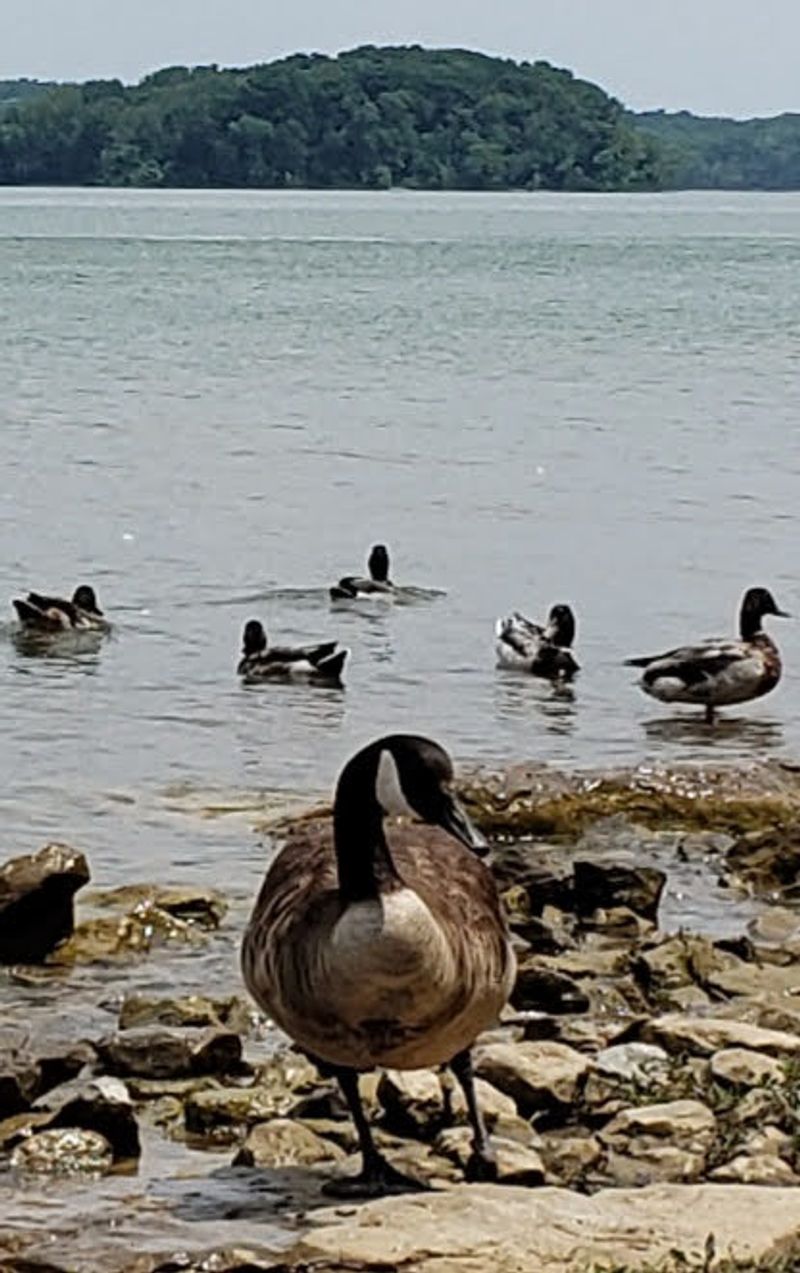
North of Nashville in the quiet countryside of Joelton sits a place where miracles happen daily for Tennessee’s most vulnerable birds. Walden’s Puddle has earned its reputation as one of the state’s most comprehensive wildlife rehabilitation facilities, treating everything from tiny hummingbirds to massive great blue herons. The center operates year-round, responding to emergency calls and accepting injured birds from concerned citizens across Middle Tennessee.
What started as a small backyard operation has grown into a fully licensed facility with specialized equipment and trained volunteers. The staff handles hundreds of cases annually, treating injuries ranging from broken wings and poisoning to orphaned nestlings needing round-the-clock feeding. Each patient receives individualized care based on species-specific needs, with the ultimate goal of returning healthy birds to their natural habitats.
The rehabilitation process isn’t quick or simple. Birds recovering from trauma need quiet spaces away from human activity, proper nutrition tailored to their diet in the wild, and gradually increasing flight exercises to rebuild strength. Walden’s Puddle maintains multiple outdoor aviaries where recovering raptors and waterfowl can practice flying in protected environments before their release.
Education forms a crucial part of the center’s mission beyond just treating injured animals. Staff members regularly present programs at schools and community events, teaching Tennesseans how to prevent common bird injuries and what to do when they find wildlife in distress. They emphasize that well-meaning people often make situations worse by attempting to care for wild birds themselves without proper training or permits.
Funding comes entirely from donations and fundraising events since the center receives no government support. Volunteers donate thousands of hours each year, cleaning enclosures, preparing specialized diets, and providing the constant monitoring that critical patients require. The community support allows Walden’s Puddle to continue offering services free of charge to anyone who brings in an injured bird.
Success stories keep the team motivated through long days and heartbreaking losses. Watching a rehabilitated red-tailed hawk soar back into Tennessee skies or releasing a family of wood ducks onto a local pond reminds everyone why this exhausting work matters. Each release represents not just one saved life but hope for entire species facing increasing threats from habitat loss and human activity.
2. Owl Ridge Raptor Center — Washburn
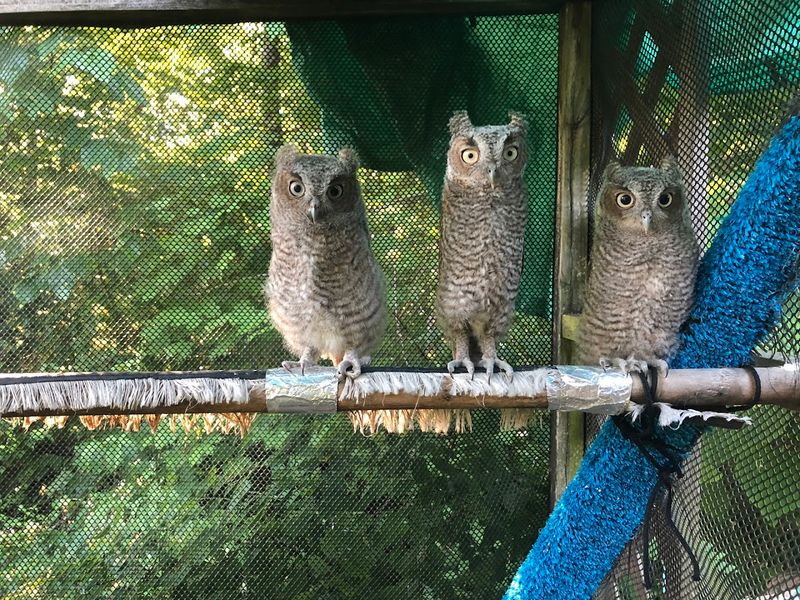
Tucked into the foothills of the Smoky Mountains near Washburn, this specialized center focuses exclusively on birds of prey. Owl Ridge Raptor Center has become the go-to facility for injured hawks, owls, falcons, and eagles across East Tennessee. The remote location provides the quiet, stress-free environment that raptors need during recovery, far from the noise and activity of urban areas.
Raptors present unique rehabilitation challenges compared to other bird species. Their sharp talons and powerful beaks require handlers to use specialized protective equipment, and their predatory instincts mean they can’t be housed together like some songbirds. Owl Ridge maintains separate facilities for different species, ensuring each bird receives appropriate care without additional stress from incompatible neighbors.
The center treats common injuries like vehicle collisions, gunshot wounds, and electrocution from power lines. Many raptors arrive severely malnourished after unsuccessful hunting attempts caused by wing damage or illness. The rehabilitation team must carefully monitor food intake and weight gain, as raptors can quickly become too heavy to fly efficiently or develop nutritional deficiencies from an improper diet.
Flight conditioning represents the most critical phase of raptor rehabilitation. Birds must regain not just the ability to fly but the strength and agility needed to hunt successfully in the wild. Owl Ridge constructed long flight pens where recovering raptors can build endurance through increasingly challenging exercises.
Staff assess each bird’s hunting skills before release, ensuring they can catch live prey and survive independently.
Educational programming at Owl Ridge features non-releasable raptors that serve as ambassadors for their species. These permanent residents, unable to survive in the wild due to injuries, help teach visitors about raptor biology and conservation. Seeing a great horned owl up close creates lasting impressions that statistics and lectures simply cannot match.
The center collaborates with state wildlife agencies and other rehabilitation facilities across the region. When Owl Ridge receives a species they’re not equipped to handle, they coordinate transfers to appropriate facilities. This network ensures every injured raptor in Tennessee has access to specialized care regardless of where it’s found.
Winter months bring the busiest season as young raptors face their first hunting challenges and weather-related injuries spike.
3. HappiNest Raptor Rescue — Signal Mountain
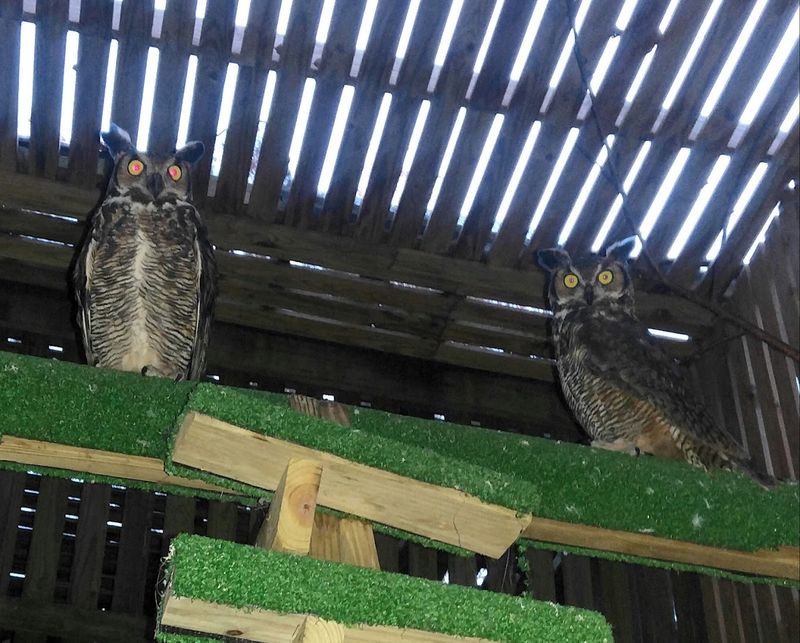
Perched on Signal Mountain overlooking the Tennessee Valley, HappiNest Raptor Rescue operates with a deeply personal approach to bird rehabilitation. The founder’s passion for raptors transformed a backyard hobby into a licensed rescue operation that’s saved countless birds of prey. This intimate facility might be smaller than some Tennessee centers, but its dedication to individual patient care rivals any larger organization.
HappiNest specializes in the delicate early stages of raptor recovery. When a bird first arrives, often in critical condition, the first 48 hours determine survival chances. The rescue provides immediate stabilization, fluid therapy, pain management, and a quiet dark space where traumatized birds can begin healing without additional stress.
This intensive initial care requires someone on-site nearly 24/7 during peak injury seasons.
The mountain location offers natural advantages for raptor rehabilitation. Cooler temperatures and abundant forest cover create conditions similar to many raptors’ preferred habitats. Birds recovering here experience weather patterns and natural sounds that help maintain their wild instincts rather than becoming habituated to human environments.
The elevation also provides excellent release sites where recovered raptors can catch thermal updrafts for their first flights back to freedom.
Vehicle strikes account for a significant portion of cases at HappiNest. Raptors hunting along roadsides often misjudge the speed of approaching cars, resulting in devastating collisions. The rescue has partnered with local transportation departments to identify high-risk areas and advocate for wildlife crossing solutions.
They’ve documented patterns showing certain road sections consistently produce injuries, information valuable for future conservation planning.
Volunteer opportunities at HappiNest allow community members to participate directly in raptor conservation. After completing training programs, volunteers assist with food preparation, enclosure maintenance, and monitoring recovering birds. Many volunteers develop deep connections with individual patients, celebrating releases and mourning losses alongside the core staff.
This hands-on involvement creates passionate advocates who spread awareness throughout their own networks.
Financial sustainability challenges every small rescue operation. HappiNest relies on creative fundraising, from online campaigns to local partnerships with businesses. Every dollar goes directly toward medical supplies, food, and facility maintenance.
The rescue maintains transparency about costs, helping donors understand that rehabilitating a single raptor from admission through release can easily exceed several hundred dollars when accounting for veterinary care, specialized diet, and months of housing.
4. Mid-South Raptor Center — Memphis
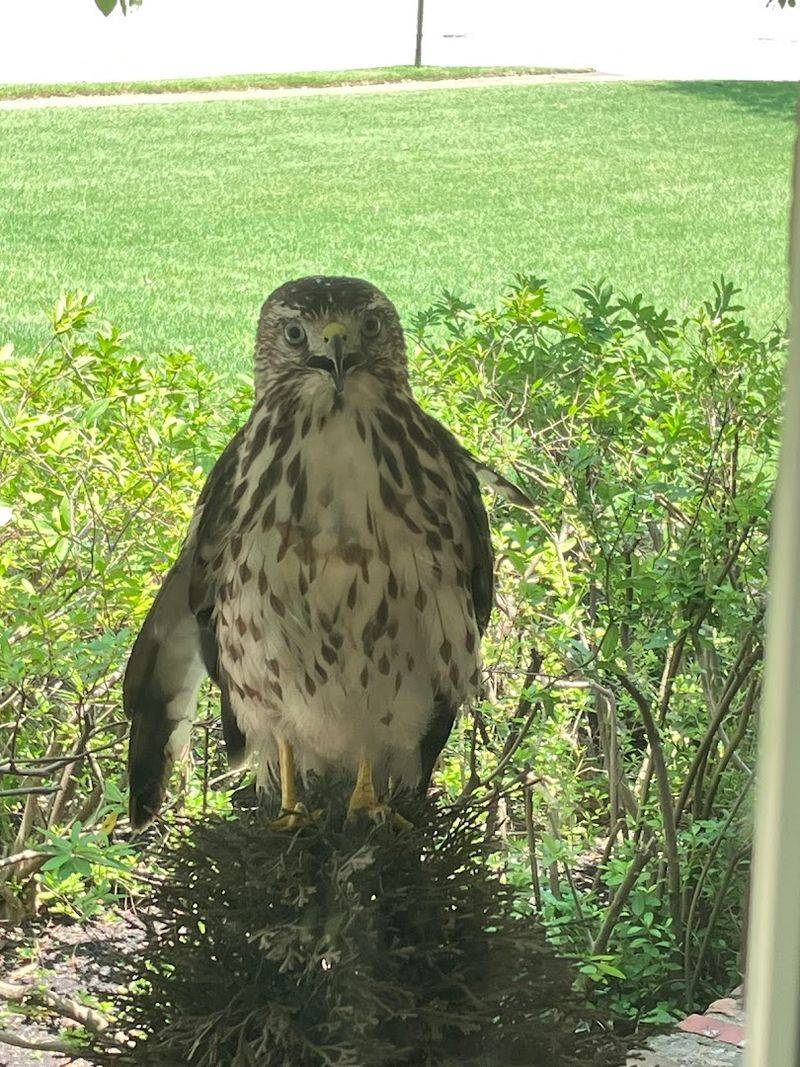
In the heart of Memphis, Mid-South Raptor Center brings professional wildlife rehabilitation to Tennessee’s largest metropolitan area. Urban environments present unique challenges for birds of prey, from window collisions in downtown buildings to poisoning from rodenticides used in pest control. This center addresses the specific threats that city-dwelling raptors face while educating urban residents about coexisting with wild neighbors.
The facility treats an impressive variety of raptor species found in the Memphis region. Red-tailed hawks, the most common patients, often arrive after failed hunting attempts near busy highways. Barred owls frequently suffer injuries from territorial disputes during the breeding season.
Even occasional bald eagles make their way to the center after encounters with power lines along the Mississippi River.
State-of-the-art medical equipment allows the Mid-South team to perform complex procedures that would be impossible at smaller facilities. Digital radiography helps diagnose fractures and internal injuries quickly, while a dedicated surgical suite enables orthopedic repairs. The center works closely with veterinarians specializing in avian medicine, ensuring patients receive care comparable to what’s available at major zoos and research institutions.
Community involvement drives much of the center’s success. Memphis residents have learned to recognize injured raptors and contact the facility rather than attempting amateur rescue efforts. The center maintains a 24-hour hotline and provides guidance on safely containing injured birds until staff can respond.
This community network has dramatically increased survival rates by reducing the time injured birds spend without professional care.
Research projects at Mid-South Raptor Center contribute valuable data to broader conservation efforts. Staff document injury patterns, survival rates, and release outcomes, information that helps identify emerging threats to raptor populations. Their findings on rodenticide poisoning have influenced local pest control policies, with some Memphis neighborhoods switching to raptor-friendly alternatives after learning how secondary poisoning affects bird populations.
The center’s education programs reach thousands of Memphis-area students annually. Bringing non-releasable raptors into classrooms creates unforgettable learning experiences that foster environmental stewardship. Kids who meet a great horned owl face-to-face develop a genuine interest in protecting wildlife habitat.
These programs plant seeds for the next generation of conservationists, ensuring long-term support for raptor protection throughout Tennessee.
Partnerships with regional wildlife agencies strengthen the center’s impact beyond Memphis. When other facilities reach capacity or lack expertise for particular species, Mid-South accepts transfers. This collaborative approach ensures no injured raptor in the region goes without appropriate care.
5. Exotic Avian Sanctuary of Tennessee, Inc. — Hermitage
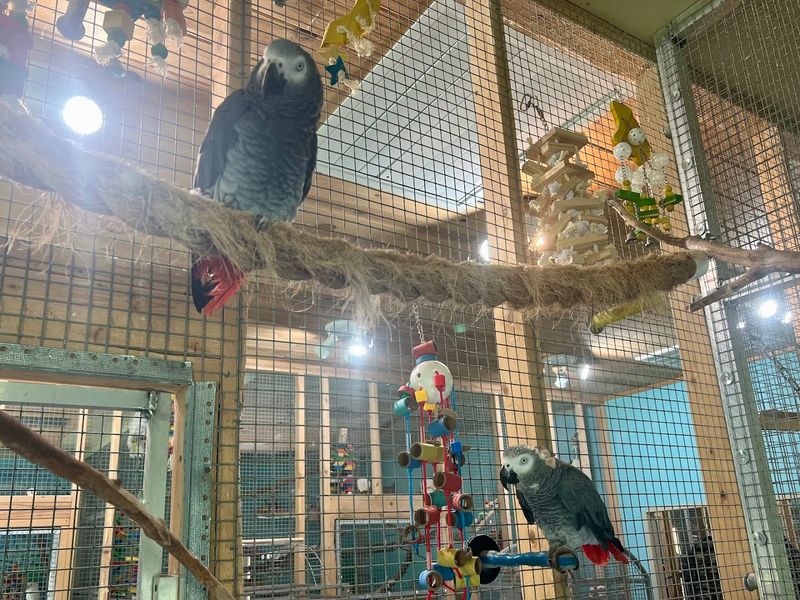
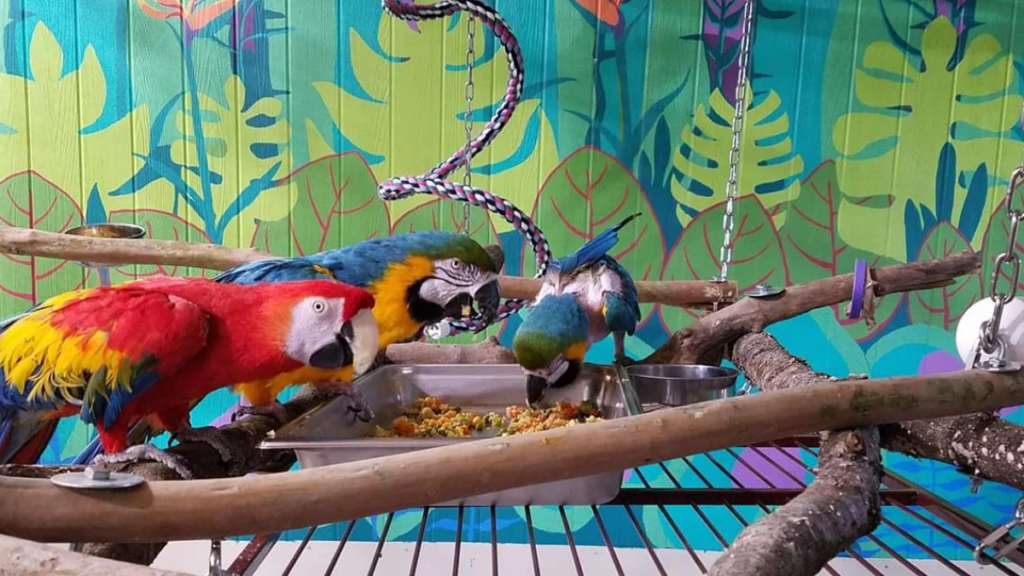
Just outside Nashville in Hermitage, this sanctuary takes a broader approach to avian rescue than typical wildlife centers. Exotic Avian Sanctuary of Tennessee serves both native wild birds and displaced exotic species, addressing a growing problem as non-native birds escape captivity or get abandoned by owners. The facility bridges the gap between traditional wildlife rehabilitation and exotic animal rescue.
Escaped pet parrots, abandoned cockatiels, and released waterfowl all find refuge here. Many exotic birds cannot survive Tennessee winters and face certain death without intervention. The sanctuary provides permanent homes for birds that can’t be released into the wild, whether due to injuries, imprinting on humans, or being non-native species.
This long-term commitment requires significantly more resources than short-term rehabilitation but fulfills a crucial need in the community.
Native Tennessee birds still comprise a substantial portion of the sanctuary’s patient load. Songbirds injured by cat attacks, waterfowl tangled in fishing line, and baby birds fallen from nests all receive care. The staff’s experience with diverse species gives them unique problem-solving abilities when treating unusual injuries or dealing with rare species.
Their expertise gets called upon by other facilities facing unfamiliar cases.
The sanctuary operates extensive educational outreach about responsible bird ownership. Too many people purchase exotic birds without understanding the decades-long commitment or specialized care these intelligent animals require. When owners can no longer care for their birds, surrendering them to sanctuaries becomes the only ethical option.
The facility advocates for better regulations on exotic bird sales and breeding to prevent future abandonment situations.
Volunteers form the backbone of daily operations at the sanctuary. Caring for dozens of birds with varying dietary needs, medical requirements, and behavioral issues demands countless hours of labor. Dedicated volunteers arrive daily to clean enclosures, prepare specialized meals, administer medications, and provide enrichment activities.
Many volunteers initially came to help with native wildlife rehabilitation but stayed after falling in love with the sanctuary’s exotic residents.
Funding challenges intensify when caring for permanent residents alongside rehabilitation patients. While rehabilitated wild birds are eventually released, reducing ongoing costs, exotic birds may live 20 to 50 years in sanctuary care. The organization relies on adoption programs for healthy, socialized exotic birds while maintaining lifetime care for those with special needs.
Sponsorship programs allow supporters to contribute specifically toward individual birds’ care, creating personal connections between donors and residents.
Success at the sanctuary isn’t always measured in releases. For the permanently disabled hawk that teaches school groups about raptor conservation or the rescued macaw that found a forever home with an experienced owner, success means quality of life and purpose beyond survival.
6. Owl’s Hill Nature Sanctuary — Brentwood
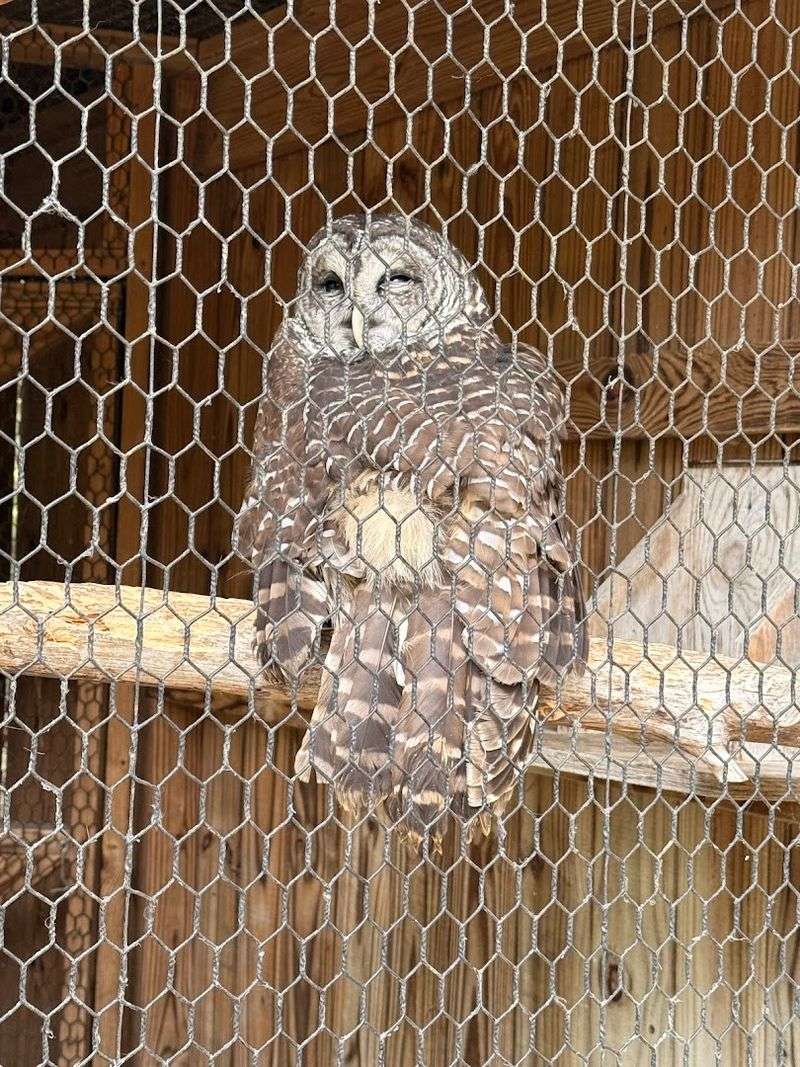
Brentwood’s Owl’s Hill Nature Sanctuary combines wildlife rehabilitation with comprehensive environmental education on a beautiful forested property. The sanctuary’s approach emphasizes the connection between healthy ecosystems and thriving bird populations. Visitors can explore nature trails while learning about the rehabilitated birds recovering on-site, creating powerful educational experiences that inspire conservation action.
The rehabilitation program focuses primarily on owls and other nocturnal raptors, though the facility treats various bird species. Barred owls, screech owls, and great horned owls arrive regularly with injuries from vehicle collisions, territorial fights, and starvation. Nocturnal raptors require specialized care routines since their natural activity patterns oppose human schedules.
Staff conduct medical checks and feeding sessions during evening hours to minimize stress on these night-adapted birds.
Owl’s Hill maintains naturalistic enclosures that mimic wild habitats as closely as possible. Recovering birds need environments that keep their hunting instincts sharp and prevent habituation to human presence. Enclosures include natural perches, varied terrain, and strategic placement away from high-traffic areas.
This thoughtful design improves rehabilitation success rates by ensuring birds remain truly wild throughout their recovery period.
The sanctuary’s education center hosts school field trips and public programs year-round. Students participating in guided programs meet non-releasable ambassador birds, observe rehabilitation facilities, and explore ecosystems that support diverse bird populations. These immersive experiences teach children that conservation isn’t abstract—it happens in their own backyards through everyday choices about habitat protection and responsible pet ownership.
Community science initiatives at Owl’s Hill engage citizen volunteers in meaningful research projects. Bird banding programs, nest monitoring, and habitat surveys generate valuable data while training community members in scientific methodology. Participants develop a deeper appreciation for Tennessee’s avian diversity and often become vocal advocates for protecting local bird populations.
This grassroots engagement creates lasting conservation impact beyond the sanctuary’s physical boundaries.
The sanctuary partners with local municipalities on wildlife-friendly development practices. As suburban sprawl continues consuming natural habitat around Brentwood, Owl’s Hill advocates for preserving wildlife corridors and implementing bird-safe building designs. Their expertise helps developers understand how construction choices affect bird populations and what modifications can reduce wildlife conflicts.
These partnerships demonstrate that growth and conservation aren’t mutually exclusive.
Seasonal events at Owl’s Hill celebrate bird migration, breeding seasons, and conservation milestones. Release events allow supporters to witness rehabilitated birds returning to the wild, powerful moments that validate the sanctuary’s mission. Watching a recovered owl disappear into the forest reminds everyone why protecting Tennessee’s natural heritage matters for future generations.
Share this story