Illinois gets typecast as endless farmland, but its state parks tell a much more dramatic story. Venture beyond the familiar destinations and you can find rocky canyons, wooded river valleys, waterfalls, unusual caves, towering trees, and scenic overlooks that feel surprisingly far removed from the Prairie State stereotype.
Several of these parks receive less attention than Illinois’ headline attractions, giving hikers and nature lovers a chance to explore somewhere different without abandoning the state. Some may even surprise people who have lived here for years. These 7 beautiful Illinois state parks reveal just how much wild scenery can hide beyond the cornfields.
1. Cave-In-Rock State Park (Cave-In-Rock)
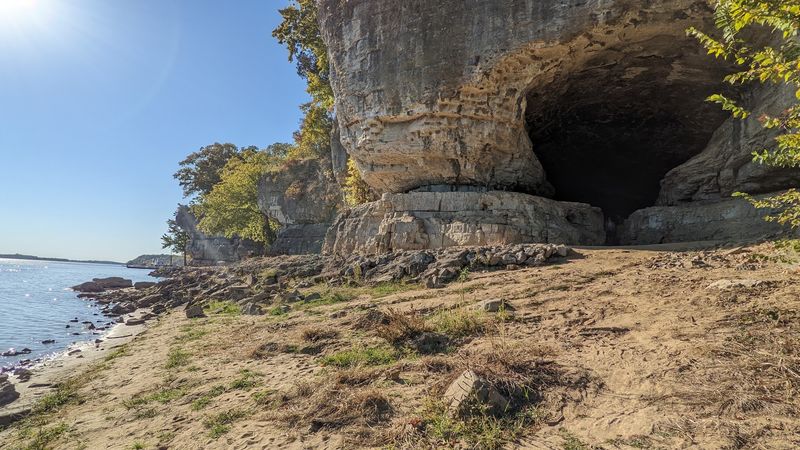
Picture a cave opening so wide that a small house could almost slide inside. At Cave-In-Rock, the entrance stretches about 55 feet across, and it looks straight out onto the Ohio River. Water carved this limestone hollow over thousands of years, and you can still see the smooth, scooped walls it left behind.
Walking into the cave is easy, which makes it a great stop for families. The floor can be damp and uneven, so sneakers with good grip beat sandals every time. Bring a flashlight if you want to peek into the darker back corners.
Stories about this cave go way back. River travelers in the early days of the country knew it well, and legends say outlaws once used it as a hideout to ambush boats floating downstream.
Whether every tale is true or not, standing at the mouth and watching barges drift by makes those old stories easy to imagine. Plenty of visitors see the cave and leave. That is a mistake.
Wooded hiking trails climb above the river, and the bluff tops offer long views of the water curving through the valley. Early morning is a sweet time to go, when mist sometimes hangs low over the river and the trails are nearly empty. Fall adds a bonus layer of color to the hillsides.
Because the park sits in the far southern tip of Illinois, it pairs nicely with other stops in the region. Pack a picnic, since options nearby can be limited.
Plan for a few hours at least, and check the park website before heading out, since river levels and weather can affect access to certain areas. Then stand in that giant stone doorway and let the river breeze roll through.
2. Beall Woods State Park (Mount Carmel)
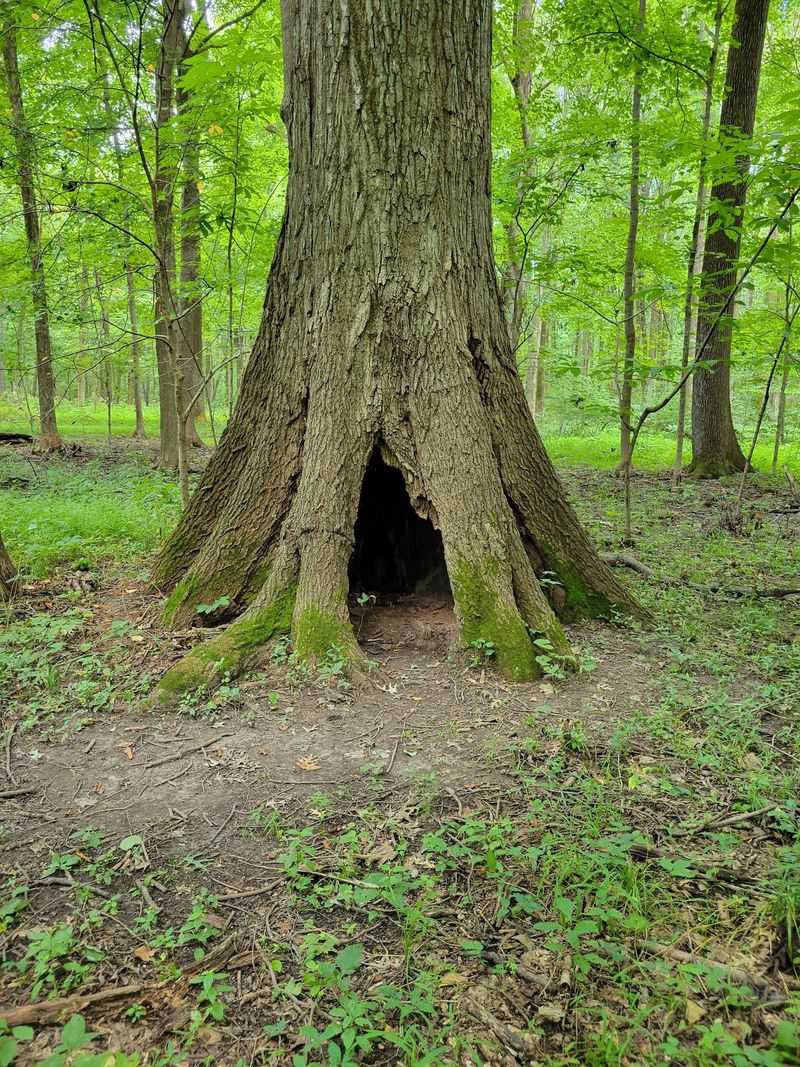
Long before highways and farm fields, much of Illinois was covered in thick forest. Most of it disappeared a long time ago. Beall Woods, sitting along the Wabash River near Mount Carmel, protects one of the few old-growth forests left in the state.
Old-growth means these woods were never fully cleared. Some trees here rise around 120 feet tall, which is roughly the height of a 12-story building. Tilt your head back on the trail and you may lose sight of the tops completely.
Several miles of nature trails loop through the forest. They are mostly calm, shaded walks rather than tough climbs, so hikers of different ages can enjoy them. The ground stays soft with fallen leaves, and the quiet can be surprising for anyone used to city noise.
Try this: stop walking for one full minute and just listen. Woodpeckers knock, leaves rustle, and small creatures scurry through the brush. It is a simple trick, but it helps you notice how busy a healthy forest really is.
Spring is a favorite time for wildflower spotters, as the forest floor fills with color before the big trees fully leaf out. Summer brings deep shade, which is handy on hot days, though bug spray is a must. In autumn, the towering canopy turns shades of gold and orange.
Photographers should know that getting a whole tree in one frame is tricky. Stepping back, crouching low, and shooting upward usually works best. A wide-angle setting on your phone helps too.
Beall Woods rewards slow visitors. Leave the rush at the parking lot, bring water and a snack, and give yourself time to wander. These trees have been growing for centuries, so a relaxed pace suits them just fine.
3. Mississippi Palisades State Park (Savanna)
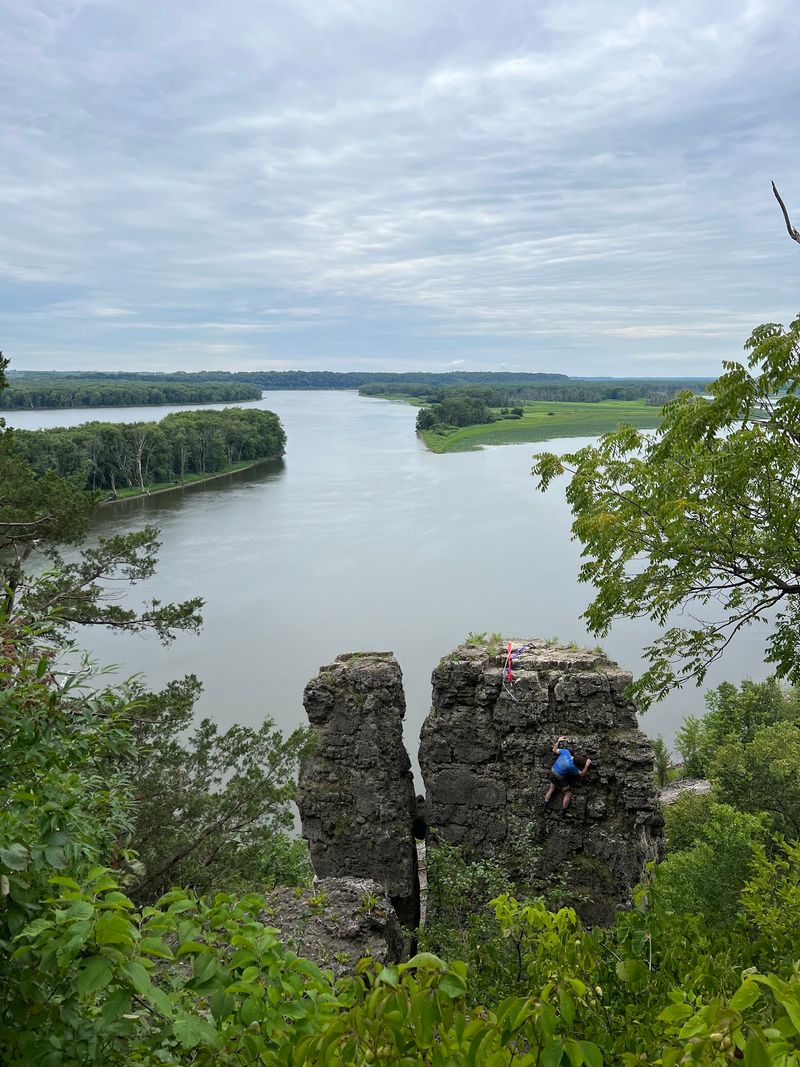
Ask someone to describe Illinois, and they probably will not mention cliffs. Mississippi Palisades is here to change that answer. Near the town of Savanna in the northwest corner of the state, steep limestone bluffs shoot up above the Mississippi River like stone walls.
The views are the main event. Overlooks along the trails show off the wide river valley, with islands, backwaters, and forested hills stretching into the distance. On a clear day, you can watch boats and trains moving far below, looking almost like toys.
Getting to those lookouts takes some effort, and that is part of the fun. Trails wind through wooded terrain with climbs, rocky patches, and stretches that feel a lot more rugged than most people expect from the Midwest. Sturdy shoes matter here, and so does staying on marked paths near the bluff edges.
Keep an eye out for interesting rock shapes as you hike. Weather and time have worn the limestone into towers and ledges that make great photo backdrops. Kids tend to love spotting ones that look like faces or animals.
Birdwatchers have a reason to visit too. The Mississippi River is a major route for migrating birds, so spring and fall can bring plenty of wings overhead. Binoculars are worth tossing in the backpack.
Timing tip: late afternoon light turns the bluffs warm and golden, and sunsets over the river can be stunning. Just make sure you head back with enough daylight to finish your hike safely.
Savanna itself makes a handy base for food and supplies. Combine the park with a scenic drive along the Great River Road, and you have a full day of river-country exploring without ever leaving the state.
4. Matthiessen State Park (Oglesby)
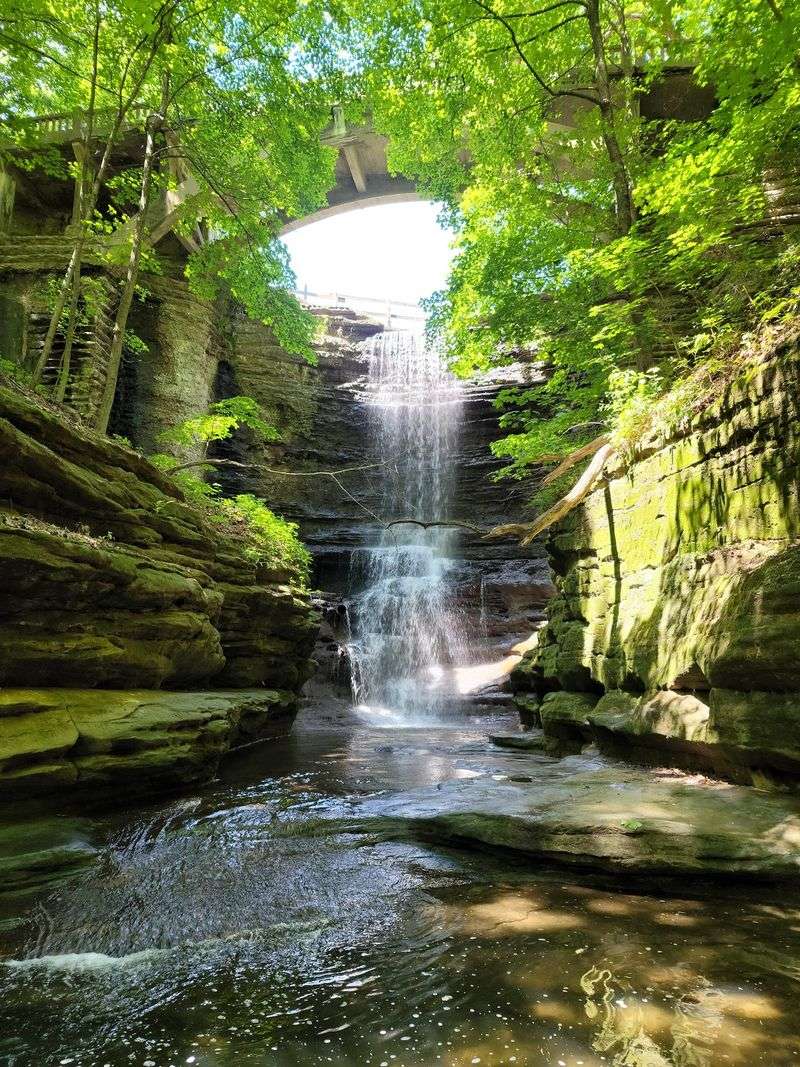
Everybody knows Starved Rock. Crowds pack its trails on sunny weekends, and parking can turn into a contest. Just a short drive away, Matthiessen State Park offers a lot of the same canyon beauty with far fewer elbows.
Sandstone is the star here. Streams have cut deep canyons into the rock, leaving mossy walls, twisting passages, and some truly odd rock formations. Walking along the canyon floor, you look up at layered stone that glows in shades of tan, orange, and gray.
Wooden stairs and trails lead down into the canyons and along the rims above. Heads up: the canyon floors can be muddy or partly underwater after rain, so waterproof boots are a smart pick. Some areas may close when conditions get risky, so check ahead.
Fun history bit: the park started out at just 176 acres. Over time, it grew to nearly 2,000 acres, which means there is much more to see than a quick loop suggests. Beyond the canyons, wooded trails wander through quieter sections that many visitors never reach.
Small waterfalls show up in the canyons, especially in spring or after a good rain. In winter, some of them freeze into icy columns, creating a totally different scene. Traction cleats help a lot on slick winter trails.
For the best experience, arrive early. Morning light slips into the canyons in a way that photographers love, and the trails stay calmer before lunch.
Planning a Starved Rock day? Add Matthiessen to the same trip. Many people do one park in the morning and the other in the afternoon.
Just do not be surprised if the smaller neighbor ends up being the one everyone in the car talks about on the ride home.
5. Ferne Clyffe State Park (Goreville)
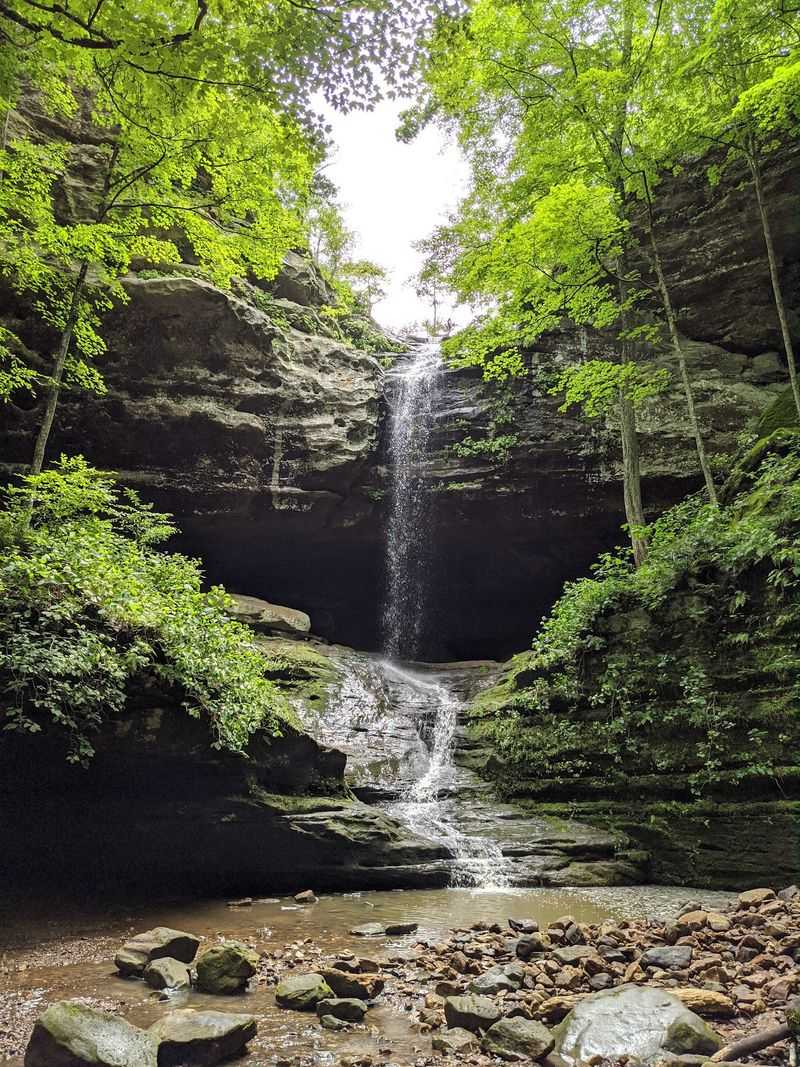
Rain is usually bad news for a hike. At Ferne Clyffe, it might be the best thing that could happen. After a good soaking, the waterfall at the end of Big Rocky Hollow Trail comes alive, spilling over a tall rock wall into the hollow below.
That waterfall is intermittent, which means it does not always flow. In dry weather, it can shrink to a trickle or vanish. Visiting in spring or right after a few days of rain gives you the best shot at seeing it in action.
Big Rocky Hollow is also one of the easier trails in the park, making it a solid choice for families. The path leads through a shaded valley surrounded by massive rock faces. Standing at the end, you feel very small in the best way.
The rest of the park deserves attention too. Ferne Clyffe covers about 2,430 acres in the Shawnee Hills of southern Illinois, packed with rugged rock formations, lush forest, and shelter bluffs. Those bluffs are overhanging rock ledges that create natural shade and shelter, and exploring beneath them is a highlight for many hikers.
Seasons change the whole look of the place. Spring brings wildflowers and bright green ferns across the forest floor. Fall swaps that out for red, orange, and yellow leaves against gray stone.
A few practical tips help. Rocks can be slippery when wet, so choose shoes with good tread. Some trails are steeper and rockier than Big Rocky Hollow, so pick routes that match your group.
Goreville is a small town, so stock up on snacks and water before arriving. Then chase that waterfall, poke around the bluffs, and see how much ground you can cover before sunset.
6. Apple River Canyon State Park (Apple River)
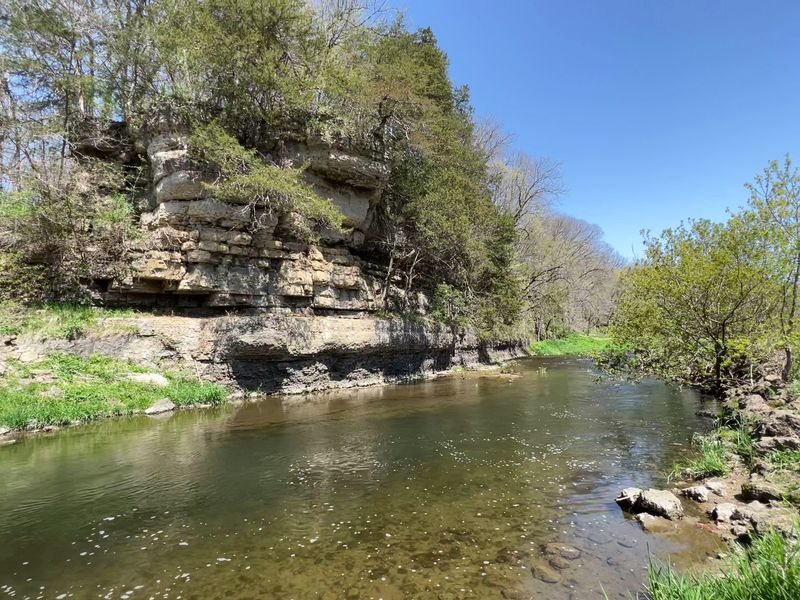
Quick quiz: where in Illinois can you find winding ravines, steep limestone bluffs, and a river twisting through a canyon? Few people guess the far northwest corner, near the Wisconsin border. That is exactly where Apple River Canyon State Park hides.
This region escaped the glaciers that flattened much of the state long ago. As a result, the land here rolls and dips in ways that surprise first-time visitors. The Apple River has spent a very long time carving its path through the rock, shaping the canyon you see today.
Hiking is the best way to take it in. Trails lead through wooded ravines and along the bluffs, offering glimpses of the river below. Some sections include climbs, so expect to work your legs a little.
Things move at a slower pace here, and that is the appeal. Without big crowds, you can hear the river, spot birds flitting through the trees, and maybe catch sight of wildlife near the water. Moving quietly and early in the day raises your chances of seeing animals.
Picnic areas sit in peaceful spots, perfect for a long lunch after a morning hike. Pack a cooler with sandwiches, fruit, and plenty of water. A blanket and a good book can easily turn a quick stop into an entire afternoon.
Geology fans should look closely at the rock walls. Layers in the limestone tell the story of ancient times when this area looked very different. Kids can have fun searching for patterns and textures in the stone.
Nearby small towns and country roads make the drive part of the experience. Combine a visit with other northwest Illinois stops, and you will see a side of the state that most road trips skip entirely.
7. Castle Rock State Park (Oregon)
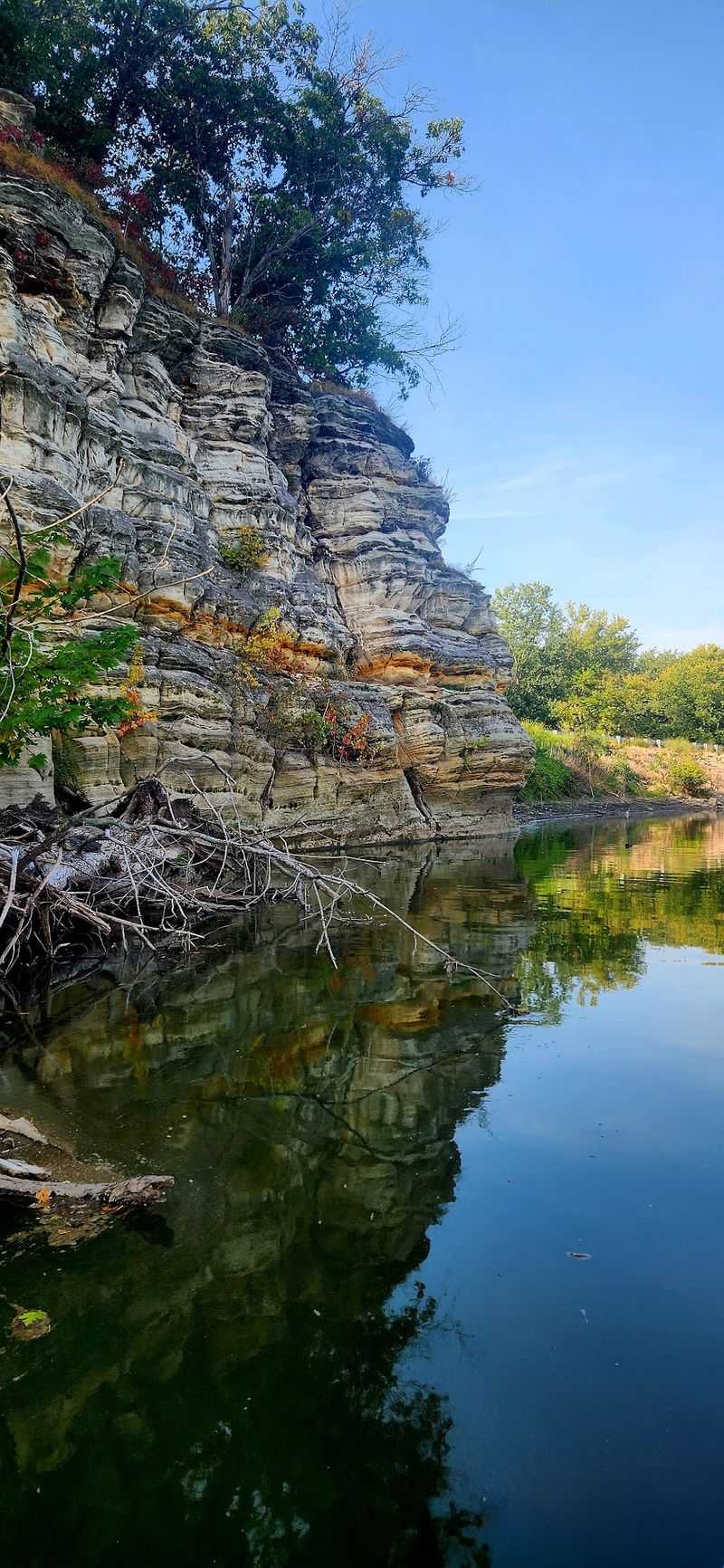
Along the Rock River near the town of Oregon, a big sandstone bluff stands guard over the water. Its shape gave Castle Rock State Park its name, and one look explains why. The rock rises sharply from the riverbank like the wall of an old fortress.
Climbing up to the higher spots is the move to make. Elevated areas offer wide views across the Rock River and the countryside beyond, with farms, woods, and rolling hills spread out below. On a clear fall day, the colors can stretch as far as you can see.
Trails wind through wooded ravines and rugged terrain throughout the park. Some paths are easygoing, while others involve steps and steeper sections. Wear supportive shoes and take breaks when you need them, especially on warm days.
Here is a local-style tip: visit on a weekday if you can. Weekends bring more visitors, but midweek mornings are often calm enough that you might have a viewpoint to yourself. That kind of quiet makes the scenery hit even harder.
Nature lovers will find plenty to notice. Ferns, mosses, and wildflowers grow in shaded ravines, while birds soar along the river corridor. Bring binoculars and a small field guide if identifying plants and animals sounds fun.
The Rock River itself adds another layer. Watching the current slide past the sandstone gives the park a peaceful rhythm. Paddlers sometimes enjoy seeing the bluffs from the water, so check local options if kayaking interests you.
Oregon and nearby towns have spots for food and supplies, making it simple to build a full day around your visit. Start with the trails, grab lunch in town, then return for late-day light on the rocks. Castle Rock looks especially bold when the sun sits low.
Share this story